
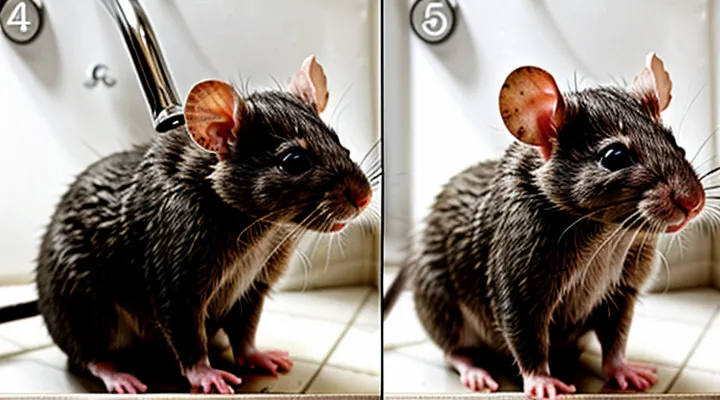
Why Wash Your Rat?
Understanding Rat Hygiene Needs
Rats require regular grooming to prevent matting, skin irritation, and bacterial buildup. Their dense fur traps debris, making systematic cleaning essential for health and comfort.
Key hygiene factors include:
- Frequency: Weekly baths for adult rats; younger rats may need less frequent washing to avoid stress.
- Water temperature: Lukewarm (30‑32 °C) water prevents shock and maintains skin integrity.
- Gentle cleanser: Unscented, mild pet shampoo diluted to a thin solution removes oils without disrupting the natural coat balance.
- Drying method: Soft towels followed by low‑heat air flow (no direct heat) reduce the risk of hypothermia.
- Post‑bath inspection: Examine ears, eyes, and paws for signs of infection, excessive wax, or wounds.
Environmental hygiene supports bathing efforts. Clean bedding, regular cage cleaning, and fresh food and water diminish the load of contaminants that would otherwise accumulate on the rat’s coat. Providing chew toys and climbing structures encourages self‑grooming, which complements external washing.
Recognizing when a rat needs a bath relies on observable cues: a strong odor, visible dirt, or a sticky residue on the fur. Ignoring these signs can lead to skin ulcers, respiratory issues, and reduced immune function. Prompt cleaning addresses the problem before it escalates.
Incorporating these hygiene principles into a rat washing routine ensures consistent cleanliness, reduces disease risk, and promotes overall well‑being.
When is a Bath Necessary?
Health Considerations
When cleaning a pet rat, health considerations dominate the process. The animal’s delicate physiology demands precise control of temperature, moisture, and handling techniques to prevent injury and disease.
Temperature regulation is critical. Water should be lukewarm, roughly 30‑32 °C (86‑90 °F). Cooler water induces hypothermia; hotter water risks burns. Test the temperature with a fingertip before immersion.
Skin and fur condition influence suitability for washing. Inspect for wounds, abrasions, or parasites. Open lesions require cleaning with a saline solution instead of full immersion to avoid spreading infection.
Respiratory safety requires minimal exposure to vapors and aerosols. Use a quiet environment, avoid splashing, and keep the rat’s head above water to prevent aspiration. A gentle stream of water, rather than a vigorous spray, reduces stress on the respiratory tract.
Hygiene practices protect both animal and handler. Wear disposable gloves, wash hands before and after the procedure, and disinfect all tools with a mild antiseptic. Dispose of used towels in a sealed bag to contain potential pathogens.
Post‑wash monitoring identifies delayed reactions. Observe the rat for at least 30 minutes, watching for signs of distress, shivering, or respiratory difficulty. Provide a warm, dry enclosure and fresh water. If abnormal behavior persists, consult a veterinarian promptly.
Key health checkpoints:
- Verify water temperature (30‑32 °C).
- Examine skin for injuries or parasites.
- Keep the head above water; avoid splashing.
- Use gloves and disinfect equipment.
- Monitor for 30 minutes; note any abnormal signs.
Adhering to these guidelines minimizes physiological stress, reduces infection risk, and supports the rat’s overall well‑being during the cleaning routine.
Odor Management
Effective odor control is a critical component of any rat cleaning protocol. Residual smells can indicate incomplete hygiene, attract pests, and cause discomfort for both the animal and its handler.
- Begin with a pre‑wash soak in warm water mixed with a mild, unscented enzymatic cleaner. The enzyme breaks down organic matter that contributes to odor.
- Apply a diluted solution of white vinegar (1 part vinegar to 4 parts water) to the fur and skin. Vinegar neutralizes ammonia and other volatile compounds without harming the rat.
- Rinse thoroughly with clean, lukewarm water to remove all cleaning agents. Incomplete rinsing leaves residues that re‑emit odors.
- Pat the animal dry with a lint‑free towel. Moisture trapped in the coat fosters bacterial growth, which produces foul smells.
- Finish with a light spray of a pet‑safe, odor‑absorbing powder such as cornstarch or a commercial deodorizing dust. Distribute evenly and brush out excess before returning the rat to its enclosure.
- Clean the washing area immediately after use. Disinfect surfaces with a diluted bleach solution (1 % concentration) and allow them to air‑dry. Proper sanitation prevents cross‑contamination and lingering odors.
Regularly inspect the rat’s bedding and replace it weekly. Fresh bedding reduces ambient odor and supports overall hygiene. Implementing these measures ensures a consistently fresh environment throughout the cleaning process.
Preparation is Key
Gathering Your Supplies
Appropriate Shampoo
Choosing the correct shampoo is critical for a safe and effective rat bath. The animal’s skin is delicate, so the product must be mild, free of harsh chemicals, and specifically formulated for small mammals.
Key characteristics of an appropriate shampoo:
- pH balance: close to the natural pH of rodent skin (approximately 6.5–7.0) to prevent irritation.
- Fragrance‑free or lightly scented: strong odors can stress the rat and may contain allergens.
- No detergents or sulfates: avoid sodium lauryl sulfate, ammonium compounds, and similar surfactants that strip natural oils.
- Hypoallergenic formulation: minimal additives, no dyes, and ingredients tested for rodent safety.
- Ease of rinsing: low‑foam formula reduces residual buildup and shortens rinse time.
When selecting a product, prefer brands that label the shampoo as “for small animals,” “for rodents,” or “for exotic pets.” Veterinary‑approved options, such as chlorhexidine‑based solutions at low concentration (0.05 %–0.1 %), are suitable for occasional use when a mild soap is insufficient. For routine grooming, a plain, unscented, pet‑safe baby shampoo that meets the criteria above is often the best choice.
Application guidelines:
- Wet the rat’s fur with lukewarm water; avoid water pressure on the head and ears.
- Dispense a small amount of shampoo—approximately the size of a pea—onto the palm.
- Gently massage the lather through the coat, focusing on dirty areas while keeping the face clear.
- Rinse thoroughly with lukewarm water until no suds remain; residual shampoo can cause skin problems.
- Pat the animal dry with a soft towel; do not use a hair dryer unless set to the lowest heat and airflow.
Using a shampoo that meets these specifications ensures the rat’s coat stays clean without compromising skin health or causing undue stress during the washing process.
Towels and Drying Tools
After the rinse phase, the drying stage requires materials that remove moisture quickly without harming the animal’s skin or fur.
Select towels that are highly absorbent, lint‑free, and soft enough to avoid irritation. Microfiber or cotton terry cloth, pre‑washed in hot water, provides maximum moisture uptake. Size should allow full coverage of the rat’s body while permitting gentle handling.
Choose drying tools that deliver warm, low‑velocity air. A pet‑specific dryer with adjustable temperature, a low‑heat hair dryer, or a small desktop fan equipped with a diffuser are suitable. Keep the air source at least six inches from the skin and set the temperature below 30 °C (86 °F) to prevent burns.
Drying procedure:
- Pat the animal with a towel, applying light pressure to soak up excess water.
- Fold the towel around the rat and hold for a few seconds to absorb residual moisture.
- Direct a stream of warm air over the fur, moving the device continuously to avoid concentrated heating.
- Finish with a final towel pat to eliminate any remaining dampness.
Maintain hygiene by laundering towels after each use at 60 °C (140 °F) and disinfecting dryer nozzles with a mild, pet‑safe solution. Inspect all equipment for wear; replace torn towels or malfunctioning dryers promptly.
Water Temperature
When cleaning a rat, the temperature of the water directly affects the animal’s comfort and the effectiveness of the wash. Use water that feels warm to the touch but does not cause heat stress. A temperature range of 37 °C to 39 °C (98.5 °F to 102 °F) matches the rat’s normal body temperature, allowing the coat to become pliable without shocking the circulatory system.
- Below 30 °C (86 °F): skin may constrict, cleaning agents become less effective, and the rat can become chilled.
- 30 °C–36 °C (86 °F–97 °F): insufficient warmth for optimal coat relaxation; risk of hypothermia during longer washes.
- 37 °C–39 °C (98.5 °F–102 °F): ideal range; promotes coat softness, maintains physiological stability, and supports gentle removal of debris.
- Above 40 °C (104 °F): risk of overheating, rapid heart rate, and potential burns to sensitive skin.
Measure temperature with a calibrated thermometer before each wash. Adjust the water by adding small amounts of cool or warm water until the target range is reached. Maintain the temperature throughout the process; if the water cools, replace it with fresh, correctly tempered water rather than reheating the same batch.
After rinsing, dry the rat promptly with a low‑heat hair dryer set to a comfortable level or with a soft towel. Rapid removal of moisture prevents the animal’s body temperature from dropping below the safe range established during the wash.
Safe Bathing Area
A safe bathing area minimizes stress and prevents injury while cleaning a pet rat. Choose a shallow, non‑slippery container that holds enough water to submerge the animal’s body without covering its head. Plastic or stainless‑steel trays with textured surfaces provide traction and are easy to disinfect. Place the container on a stable, level surface to avoid tipping.
Key elements for the environment:
- Temperature: water should be lukewarm (around 30 °C/86 °F) to maintain circulation without causing shock.
- Surface: a rubber mat or silicone pad beneath the tray adds grip and protects floors from spills.
- Containment: a low, transparent barrier (e.g., a clear acrylic shield) keeps the rat from escaping while allowing visual monitoring.
- Hygiene: cover the tray with a disposable liner or pre‑wash it with a mild, animal‑safe detergent, then rinse thoroughly before each use.
Limit distractions by clearing the surrounding area of loud noises and sudden movements. Keep towels, drying equipment, and cleaning supplies within arm’s reach to reduce handling time. This setup creates a controlled zone that supports a quick, humane washing process.
Setting Up the Environment
Minimizing Stress
When cleaning a rat, priority must be given to the animal’s emotional calmness. A relaxed subject tolerates handling better, reducing the risk of injury and ensuring a thorough wash.
Begin by preparing the environment. Dim lighting, a warm room, and a quiet surface lower anxiety. Place a soft towel on the work area; the familiar texture reassures the rat and prevents slipping. Keep all supplies—gentle cleanser, lukewarm water, and drying cloth—within arm’s reach to avoid prolonged exposure to the water bowl.
During the wash, follow these stress‑reduction practices:
- Speak in a low, steady voice; auditory calmness signals safety.
- Use slow, deliberate motions; abrupt movements trigger panic.
- Support the rat’s body fully with both hands, mimicking natural cradle.
- Limit water depth to the level of the abdomen; excessive immersion heightens fear.
- Rinse promptly after each application of cleanser to prevent irritation that could cause distress.
Conclude the session with a gentle drying phase. Pat the fur dry with a soft towel rather than rubbing; this preserves the coat’s integrity and avoids startling the animal. Offer a familiar treat and return the rat to its cage promptly, allowing it to re‑establish its routine without prolonged separation. These measures collectively minimize stress, making the cleaning process safer and more effective.
Securing Your Rat
Before any cleaning, immobilize the rat to prevent injury to the animal and to the handler. Use a gentle but firm grip that respects the rodent’s anatomy and reduces stress.
- Place the rat on a clean, non‑slippery surface.
- With one hand, encircle the torso just behind the front legs, applying light pressure to keep the body stable.
- Use the thumb and forefinger of the same hand to support the head, keeping the neck aligned and avoiding excessive force.
- With the opposite hand, hold the hindquarters by the base of the tail, ensuring the legs remain close to the body.
Maintain this position for the duration of the wash, checking frequently for signs of struggle. If the rat attempts to escape, adjust the grip by increasing contact points rather than tightening. Release the animal immediately after rinsing and drying, allowing it to recover in a warm, quiet environment.
The Bathing Process
Introducing Your Rat to Water
Gentle Approach
A gentle approach minimizes stress and protects the animal’s skin and fur. Begin by acclimating the rat to the work area; allow it to explore the surface for a few minutes before any handling. Use a soft, non‑slip mat to prevent sudden movements. Keep the water temperature between 30‑32 °C (86‑90 °F) to avoid shock. Apply a mild, fragrance‑free cleanser diluted to one part soap to ten parts water; excessive soap can strip natural oils.
- Hold the rat with one hand supporting the chest and the other gently cradling the hindquarters.
- Introduce the wet cloth or sponge slowly, dabbing rather than scrubbing.
- Clean the head, ears, and face first, using a cotton swab for delicate areas.
- Move to the torso, rinsing the cloth frequently to remove debris.
- Finish with the limbs and tail, ensuring no soap residue remains.
Pat the animal dry with a lint‑free towel, then place it in a warm, draft‑free enclosure until fully dry. Observe the rat for signs of discomfort; if agitation occurs, pause and allow recovery before continuing. This method preserves coat integrity and reduces the likelihood of injury.
Calming Techniques
Calming a rat before cleaning is essential for safety and effectiveness. Reduce stress by controlling the environment: keep the room quiet, dim the lights, and maintain a stable temperature around 20‑22 °C. Use a familiar cage or a soft towel as a temporary holding area to give the animal a sense of security.
Gentle handling techniques prevent panic. Support the rat’s body with both hands, cradling the torso and limiting movement without restraint. Avoid sudden motions; smooth, deliberate motions keep the animal relaxed.
Scent cues can soothe. Place a few drops of a mild, rat‑safe essential oil (e.g., lavender diluted to 0.1 % concentration) on a cotton ball near the workspace. The faint aroma helps lower anxiety without overwhelming the animal’s olfactory system.
Pre‑wash habituation improves cooperation. Offer brief, non‑wet exposure to the wash basin or sink for several minutes over consecutive days. This gradual introduction desensitizes the rat to the cleaning area.
A concise checklist of calming steps:
- Prepare a quiet, warm space with low lighting.
- Place a familiar, soft surface for the rat to sit on.
- Apply a diluted calming scent at a safe distance.
- Handle the rat with two‑hand support, moving slowly.
- Conduct short, repeated exposure to the washing area before the actual wash.
Implementing these measures creates a predictable, low‑stress environment, allowing the cleaning process to proceed smoothly and safely.
Washing Your Rat
Applying Shampoo
Select a mild, rodent‑safe shampoo that is free of harsh detergents and fragrance. Verify that the product is labeled for small mammals or consult a veterinarian if uncertainty remains.
Prepare a shallow basin of lukewarm water (approximately 30‑32 °C). Submerge the rat’s body gently, keeping the head above water to prevent inhalation. Apply a pea‑sized amount of shampoo to the fur, beginning at the neck and moving toward the tail. Work the lather into the coat using slow, deliberate strokes; avoid the eyes, ears, and facial whiskers.
Rinse thoroughly with fresh lukewarm water. Ensure all suds are removed, as residue can cause skin irritation. Pat the animal dry with a soft towel, then place it in a warm, draft‑free area until the fur is completely dry.
Key points:
- Use only rodent‑approved shampoo.
- Maintain water temperature within the safe range.
- Limit shampoo volume to a small amount.
- Protect the face and sensory organs.
- Rinse until water runs clear.
- Dry promptly to prevent chill.
Gentle Scrubbing
Gentle scrubbing is the core action that removes dirt without damaging a rat’s delicate skin and fur. Use a soft, non‑abrasive sponge or a fingertip‑sized washcloth soaked in lukewarm, mild pet‑safe soap solution. Apply light pressure, moving in short, overlapping strokes that follow the direction of hair growth. This method lifts debris while preserving the natural oil layer that protects the coat.
Key considerations for effective gentle scrubbing:
- Keep the soap concentration low (1 % or less) to avoid irritation.
- Limit contact time to 30‑45 seconds per body region; prolonged exposure can cause dryness.
- Rinse thoroughly with lukewarm water after each scrub to prevent residue buildup.
- Pat dry with a clean, absorbent towel; avoid vigorous rubbing.
When scrubbing sensitive areas such as the face, ears, and tail, switch to a cotton swab or soft brush, maintaining the same light, directional strokes. This ensures thorough cleaning while minimizing stress on the animal’s skin.
Rinsing Thoroughly
Rinsing thoroughly removes residual soap, debris, and potential contaminants from the animal’s fur and skin. Begin by positioning the rat over a shallow basin or sink, keeping the head level with the water surface to prevent water from entering the ears or eyes. Use lukewarm water (approximately 30–32 °C) to maintain a comfortable temperature and avoid thermal shock.
- Direct a gentle stream from a handheld sprayer or faucet, keeping the flow low to prevent stress.
- Move the water from the neck toward the tail, ensuring each section of fur is fully saturated.
- Massage the coat lightly with your fingertips while water runs, encouraging detachment of dirt and soap bubbles.
- Inspect the fur for remaining suds; repeat the flow over any spotted area until the water runs clear.
After the final rinse, pat the rat dry with a soft, lint‑free towel. The animal’s coat should be free of moisture pockets, which can lead to skin irritation or chill. Immediate drying completes the rinsing phase and prepares the rat for the subsequent drying step.
Drying Your Rat
Towel Drying
After rinsing the animal, remove excess water with a clean, absorbent towel. Hold the rat gently but firmly to prevent injury; support the head, spine, and hindquarters.
- Place a dry towel on a flat surface.
- Transfer the rat onto the towel, keeping its body aligned with the towel’s length.
- Pat the fur with a second towel, starting at the head and moving toward the tail. Apply consistent pressure to draw moisture away without rubbing.
- Fold the used sections of the towel under the animal to keep the surface dry while you continue drying other areas.
- Rotate the rat as needed to reach all sides, ensuring the ventral area and paws receive the same attention.
- Replace the towel when it becomes saturated; a damp towel reduces efficiency and can lower the animal’s body temperature.
Finish by checking for residual dampness, especially in the tail and ear folds. A completely dry coat helps prevent chill and supports rapid recovery after the wash.
Warm Air Drying (Optional)
Warm air drying offers a quick, low‑moisture finish after rinsing a pet rat. The method reduces the risk of skin irritation that can result from prolonged dampness and prepares the animal for safe handling or enclosure return.
- Set a hair‑dryer to the lowest heat setting; avoid high temperatures that may scorch fur or skin.
- Position the dryer at least 12 inches from the rat, directing airflow across the back, sides, and tail.
- Move the dryer continuously to prevent heat buildup in any one spot.
- Continue for 1–2 minutes, checking that the coat feels dry to the touch but remains warm, not hot.
- If the rat shows signs of stress—rapid breathing, vocalization, or attempts to escape—stop the airflow immediately and allow the animal to rest.
Optional enhancements include using a low‑speed, cool‑air setting for the final minute to eliminate any residual heat. This step is not required if the rat is already dry after gentle towel patting, but it can expedite the drying process in colder environments.
Ensuring Complete Dryness
After the rinse, remove as much water as possible by pressing the rat gently against a clean, absorbent towel. Avoid vigorous rubbing that could damage fur or skin.
- Place the animal on a dry towel, pat the coat from head to tail until the surface feels damp rather than wet.
- Position a low‑heat hair dryer at least 12 cm from the fur; move it continuously to prevent localized heating.
- Keep the ambient temperature between 22 °C and 26 °C; a warm, draft‑free room speeds moisture loss without stressing the animal.
- If available, set a low‑intensity heating pad beneath a thin blanket for additional gentle warmth.
Inspect the rat’s ears, paws, tail, and any skin folds. Any residual moisture indicates the need for additional patting or a brief extension of the drying cycle. Once all areas feel dry to the touch, the drying phase is complete and the rat can be returned to its enclosure.
Post-Bath Care
Monitoring Your Rat’s Health
When cleaning a pet rat, observe the animal’s condition before, during, and after the bath. A calm demeanor, steady breathing, and normal grooming indicate readiness. Signs of stress—rapid respiration, frantic movement, or excessive vocalization—require aborting the wash and allowing recovery.
Key health indicators to assess include:
- Body weight: weigh the rat weekly; sudden loss may signal illness.
- Fur and skin: inspect for bald patches, scabs, or parasites; healthy coat appears smooth and glossy.
- Eyes and nose: clear eyes and unobstructed nasal passages reflect proper function; discharge or redness suggests infection.
- Teeth: examine incisor alignment; overgrown teeth hinder eating and cause pain.
- Mobility: watch for limping, wobbling, or reluctance to move; joint or neurological issues often emerge during handling.
Record observations in a log, noting date, temperature of water, and any abnormalities. Prompt veterinary consultation is advised if any parameter deviates from the rat’s baseline. Continuous monitoring ensures the bathing process supports hygiene without compromising the animal’s well‑being.
Providing Comfort
Providing comfort is essential when preparing a rat for a cleaning routine. A calm animal reduces stress, which prevents rapid breathing and potential injury during the procedure.
- Use a warm, quiet space free of sudden noises.
- Place a soft, non‑slip surface in the container to support the rat’s paws.
- Hold the animal gently but securely, supporting the body with both hands to avoid pressure on the spine.
- Speak in a low, steady tone to reassure the rat throughout the process.
- Keep water temperature close to the animal’s body heat, typically around 30 °C (86 °F), to avoid shock.
- After rinsing, wrap the rat in a soft towel and pat dry gently; allow a brief period of rest before returning it to its enclosure.
Maintaining a relaxed demeanor and attentive handling ensures the rat remains cooperative, resulting in an effective and humane cleaning experience.
Regular Grooming Tips
Regular grooming sustains a rat’s coat health, reduces skin irritation, and prevents odor buildup between washings. Consistent care also shortens the time needed for each cleaning session.
Grooming should occur at least twice weekly. Observe the animal’s coat; dense fur or visible debris signals the need for an additional session. Adjust the schedule during shedding periods or when the rat’s environment becomes dustier.
- Use a soft, pet‑specific brush to remove loose hair and prevent matting.
- Inspect paws and tail for debris; gently wipe with a damp cotton swab.
- Trim nails with a small animal nail clipper when they extend beyond the foot pad.
- Check ears for wax buildup; clean with a cotton tip dipped in warm water, avoiding deep insertion.
- Apply a light, unscented conditioner if the coat appears dry, following the product’s dilution guidelines.
Maintain a clean habitat to support grooming efforts. Replace bedding weekly, provide chew toys that encourage self‑cleaning, and keep food dishes free of residue. A balanced diet rich in omega‑3 fatty acids promotes a glossy coat, reducing the frequency of intensive grooming.