
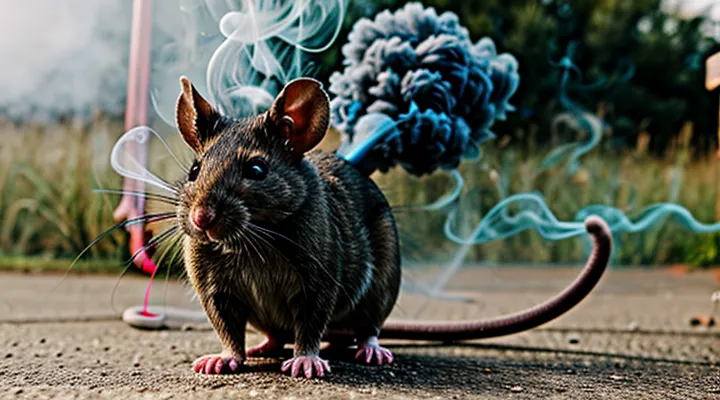
Understanding Smoke Bombs for Pest Control
What Are Smoke Bombs?
Smoke bombs are compact devices that generate dense, aerosolized particles when ignited. The core consists of a fuel—commonly a mixture of potassium nitrate, sugar, and a binding agent—combined with a combustible carrier such as charcoal or sawdust. Upon ignition, the fuel undergoes rapid oxidation, producing heat that vaporizes the carrier material. The resulting smoke contains fine particulates and volatile compounds that disperse quickly throughout enclosed spaces.
The primary function of smoke bombs in rodent control is to create an environment that is hostile to small mammals. The irritant properties of the smoke irritate the respiratory system of mice and rats, prompting them to vacate the treated area. Additionally, the visual obscuration reduces the animals’ ability to navigate, increasing the likelihood of abandonment of the infested zone.
Key characteristics of effective smoke devices include:
- Rapid ignition: ensures immediate smoke release, minimizing exposure time.
- Consistent burn rate: maintains a steady output of smoke for the duration of the treatment.
- Low toxicity to humans and pets: formulations comply with safety standards to limit health risks for non‑target occupants.
- Portable design: allows deployment in tight or hard‑to‑reach locations such as crawl spaces, attics, and wall voids.
Safety considerations demand that operators follow manufacturer instructions, wear protective eyewear, and ensure adequate ventilation after deployment. Legal restrictions vary by jurisdiction; many regions classify smoke bombs as pest‑control agents, requiring registration or licensing before sale and use.
When integrated into a broader pest‑management plan, smoke bombs complement traps, bait stations, and exclusion techniques. Their quick action can disrupt established rodent activity, providing a window for additional control measures to take effect.
How Smoke Bombs Work Against Rodents
Active Ingredients
Active ingredients in rodent‑targeted smoke devices are selected for rapid toxicity, strong odor, and limited residual impact. Formulations combine a combustion agent, a toxicant, and a scent that repels or incapacitates mice and rats.
- Combustion agent – typically potassium nitrate or ammonium perchlorate; supplies the heat and pressure needed to generate dense smoke.
- Toxicant – common choices include carbon monoxide, zinc phosphide, or pyrethroid derivatives; disrupts respiratory function or interferes with nervous system activity.
- Repellent scent – extracts of peppermint, eucalyptus, or capsaicin; create an aversive environment that discourages re‑entry after exposure.
Effective use requires adherence to manufacturer dosage guidelines, proper ventilation to protect non‑target organisms, and compliance with local pesticide regulations. Storage in sealed containers prevents premature degradation and maintains potency until deployment.
Mechanism of Action
Smoke bombs designed for rodent control rely on rapid release of toxic and irritant gases that affect the respiratory and nervous systems of mice and rats. The active agents typically include pyrethroids, nicotine derivatives, or organophosphates, mixed with a combustible carrier that produces dense, low‑visibility smoke. Upon ignition, the carrier combusts, generating a cloud of fine particles and gaseous compounds that penetrate burrows and nesting areas.
The mechanism proceeds in several stages:
- Inhalation of irritant gases – Compounds such as chloropicrin or ammonia irritate mucous membranes, causing coughing, sneezing, and immediate respiratory distress.
- Neurological disruption – Pyrethroids bind to voltage‑gated sodium channels in nerve cells, prolonging depolarization and leading to uncontrolled muscle activity and loss of coordination.
- Metabolic interference – Nicotine analogues interfere with acetylcholine receptors, impairing synaptic transmission and inducing paralysis at high concentrations.
- Physical blockage – Fine particulate matter settles in the upper airway, reducing airflow and contributing to hypoxia.
The combined effect overwhelms the rodent’s physiological defenses, prompting rapid evacuation from the contaminated zone or, at lethal doses, resulting in death. The smoke’s low visibility also disorients the animals, further reducing their ability to navigate back to shelter. Effective deployment requires placement of the device near entry points or within burrow systems to ensure maximum exposure.
Effectiveness and Limitations
Pros of Using Smoke Bombs
Smoke devices designed for rodent control provide several practical advantages. Their deployment creates an environment hostile to mice and rats without direct physical contact, reducing the risk of injury to non‑target animals.
- Rapid dispersal of irritant particles forces rodents to vacate concealed areas within minutes.
- Minimal residue remains after activation, simplifying post‑treatment cleanup and preventing contamination of food storage zones.
- Chemical composition can be selected for low toxicity to humans while maintaining effectiveness against pests, supporting compliance with health‑safety regulations.
- Portable units enable targeted application in warehouses, basements, and agricultural buildings, enhancing operational flexibility.
- The silent nature of the release minimizes disturbance to personnel, allowing treatment during normal working hours.
Cons and Risks
Using smoke devices to control rodent populations carries several disadvantages and hazards. The chemical agents released are often irritants that affect mammalian respiratory systems, including humans who enter the treated area. Exposure can trigger coughing, throat irritation, and, in severe cases, bronchospasm.
Potential damage to surrounding materials represents another concern. Combustion by‑products may deposit soot on surfaces, discolor fabrics, and degrade electronic components. Sensitive equipment can malfunction after contact with particulate residues.
Environmental impact must be considered. Smoke emissions contain volatile organic compounds that contribute to indoor air pollution and may persist in ventilation systems. Improper disposal of spent cartridges can introduce hazardous substances into soil and water sources.
Safety risks increase when smoke devices are mishandled. Accidental ignition of flammable objects can cause fires or explosions. Incorrect placement may result in insufficient coverage, leaving target rodents unaffected while exposing non‑target species to toxic fumes.
A concise overview of the main drawbacks:
- Respiratory irritation for humans and non‑target animals
- Residue deposition on furnishings, electronics, and structural elements
- Contribution to indoor air pollution and potential environmental contamination
- Elevated fire and explosion hazards when used near combustible materials
- Ineffectiveness if deployment is inaccurate, leading to wasted resources
These factors underscore the necessity of evaluating alternative control methods before employing pyrotechnic rodent deterrents.
Safety First: Precautions and Regulations
Personal Protective Equipment «PPE»
When smoke generators are employed to deter rodents, exposure to aerosolized chemicals, heat, and particulate matter poses immediate health risks. Protective barriers prevent inhalation, ocular injury, and dermal contact, ensuring safe execution of the control method.
- Respiratory protection: filter‑rated mask (e.g., N95 or higher) fitted tightly to the face.
- Eye protection: impact‑resistant goggles or safety glasses with sealed edges.
- Skin protection: chemical‑resistant gloves and long‑sleeved coveralls made of impermeable material.
- Foot protection: slip‑resistant boots with steel toe caps to guard against accidental ignition sources.
- Hearing protection: earplugs or earmuffs when devices generate loud discharge noises.
Selection criteria demand that each item meet relevant occupational safety standards (e.g., OSHA, EN). The mask must retain filtration efficiency after exposure to smoke; goggles should resist fogging. All garments require proper sizing to avoid gaps that allow smoke penetration. Regular inspection for tears, cracks, or degraded filters is mandatory before each use.
Compliance with local regulations obliges operators to document PPE inspection results and maintain a log of replacement intervals. Failure to adhere to these measures increases the likelihood of acute respiratory distress, eye irritation, and chemical burns, compromising both personnel health and the effectiveness of the rodent‑control operation.
Securing the Area
Sealing Entry Points
Sealing entry points prevents rodents from evading smoke treatment and limits re‑infestation. Identify all potential openings, including gaps around pipes, vents, windows, doors, and foundation cracks. Apply durable materials—steel wool, copper mesh, caulk, expanding foam, or concrete patches—to close each opening. Ensure seals are tight enough to block even the smallest mouse or rat.
- Inspect exterior walls, roof eaves, and crawl spaces for visible gaps.
- Use a flashlight to locate hidden cracks behind appliances and furniture.
- Insert steel wool into holes larger than ¼ inch, then cover with caulk for added protection.
- Apply expanding foam to irregular crevices, smoothing the surface before it cures.
- Reinforce door sweeps and weatherstripping to eliminate gaps beneath entry doors.
- Seal utility penetrations with copper mesh wrapped in silicone sealant.
Regular maintenance, such as checking for new damage after storms or renovations, sustains the barrier’s effectiveness. When entry points remain sealed, smoke deployment reaches interior spaces more efficiently, increasing the likelihood of complete rodent eradication.
Informing Neighbors
When deploying a rodent‑deterrent method that relies on smoke emission, neighbors must receive clear, factual information. Transparent communication reduces misunderstandings and promotes cooperation.
Key elements to include in the notice:
- Description of the device and its purpose, e.g., «smoke bomb» designed to repel mice and rats.
- Schedule of activation, specifying dates and times to avoid disturbance.
- Safety precautions, such as ventilation requirements and temporary evacuation of pets.
- Legal compliance, confirming adherence to local regulations and property‑owner agreements.
- Expected benefits, highlighting reduction of rodent activity and associated damage.
Effective delivery methods:
Written notices placed at entry points ensure all residents can review details at their convenience. Follow‑up phone calls or email messages provide an opportunity for questions and consent confirmation. If feasible, a brief community meeting allows direct interaction and clarification of any concerns. Contact information for the responsible party should be included to facilitate prompt responses.
Legal and Environmental Considerations
Local Regulations
Local authorities regulate the deployment of smoke‑based rodent deterrents to protect public health, property, and the environment. Compliance with municipal ordinances, state statutes, and federal guidelines is mandatory before any smoke device is released in residential, commercial, or agricultural settings.
Key regulatory considerations include:
- Permitted locations: Use is typically restricted to private property with explicit owner consent; public parks, schools, and governmental buildings often require a special permit.
- Emission limits: Legislation specifies maximum concentrations of particulate matter and chemical residues that may be released, measured in micrograms per cubic meter.
- Hazard classifications: Smoke formulations containing pyrethroids, nicotine, or other toxicants are subject to pesticide registration requirements and may be classified as hazardous materials.
- Notification procedures: Many jurisdictions demand advance notice to neighboring occupants, local health departments, and fire services, often documented in writing.
- Record‑keeping: Operators must retain logs of deployment dates, device specifications, and dosage calculations for a minimum retention period, usually three years.
- Enforcement penalties: Violations can result in fines, suspension of pest‑control licenses, or criminal charges if exposure causes injury or environmental damage.
Before implementing a smoke deterrent, consult the relevant city code or county health department website. Verify that the chosen product is listed on the approved pesticide registry and that the user holds a valid pest‑control certification. When in doubt, request a formal exemption or seek guidance from the environmental protection agency to avoid inadvertent non‑compliance.
Impact on Non-Target Animals
Smoke devices intended for rodent control release particulate matter and chemical irritants that can affect species beyond the target mice and rats. Inhalation of dense smoke may cause respiratory distress in birds, amphibians, and small mammals sharing the same habitat. Chemical components, such as nicotine or pyrethroids, can be toxic to insects, pollinators, and reptiles, leading to reduced foraging efficiency or mortality.
Key considerations for non‑target impact:
- Respiratory irritation – dense aerosol can impede oxygen exchange in avian species and amphibians, producing coughing, reduced activity, or death.
- Toxic ingestion – residues on surfaces may be consumed by insects or grazing animals, resulting in sub‑lethal effects or lethal poisoning.
- Behavioral disruption – sudden smoke clouds can trigger panic responses in wildlife, causing abandonment of nesting sites or altered movement patterns.
Mitigation strategies include targeted application zones, timing releases when non‑target species are least active, and employing barrier methods to limit diffusion. Monitoring post‑deployment observations helps identify unintended effects and adjust protocols accordingly.
Step-by-Step Guide to Deployment
Preparation Before Deployment
Identifying Infestation Areas
Identifying the zones where rodents concentrate is the first step before deploying any smoke‑based control method. Accurate detection prevents waste of material and ensures that the active areas receive sufficient exposure.
Key indicators of rodent presence include:
- Fresh droppings, typically found along walls, under appliances, or near food sources.
- Gnaw marks on wood, plastic, or wiring, especially at concealed entry points.
- Grease or urine stains that darken over time.
- Nests composed of shredded paper, fabric, or insulation, often hidden in corners, attics, or crawl spaces.
- Running tracks, visible as parallel lines of dust or debris along walls and baseboards.
Supplementary techniques enhance detection accuracy. Infrared cameras reveal nocturnal movement without disturbance. Non‑toxic tracking powder applied along suspected pathways records footprints for later analysis. Motion‑activated sensors generate timestamps that correlate activity peaks with environmental conditions.
After gathering evidence, plot the findings on a floor plan. Highlight high‑traffic corridors, entry points, and nesting locations. Prioritize these sectors for smoke deployment, ensuring that the generated cloud reaches the identified «infestation areas» effectively.
Gathering Necessary Tools
Effective rodent control with smoke devices begins with assembling the appropriate equipment. The following items constitute a complete toolkit:
- Smoke generator specifically designed for pest management, calibrated to release a non‑lethal concentration of irritant vapor.
- Protective respirator rated for organic vapors, ensuring operator safety during deployment.
- Disposable gloves made of nitrile, resistant to chemical exposure.
- Sealable containers for transport and storage of the smoke cartridges, preventing accidental discharge.
- Battery pack or power source compatible with the generator, providing uninterrupted operation.
- Instruction manual outlining dosage, placement guidelines, and safety protocols.
Additional accessories enhance precision and compliance:
- Adjustable nozzle to direct vapor toward concealed entry points.
- Timed release mechanism for controlled exposure periods.
- Light‑weight tripod or stand for stable positioning in confined spaces.
Verification of each component before use guarantees reliable performance and minimizes risk to non‑target organisms.
Deploying the Smoke Bombs
Placement Strategy
Effective placement of smoke devices is critical for rapid rodent incapacitation. Identify all potential ingress routes, such as gaps beneath doors, utility openings, and cracks in foundations. Position devices directly adjacent to these points to ensure immediate exposure when pests enter.
- Target nesting chambers: locate burrows, concealed piles of debris, or wall voids where activity concentrates; insert devices at the deepest accessible point.
- Account for airflow: place units downwind of ventilation shafts to prevent premature dispersion and to channel smoke toward hidden areas.
- Maintain safe clearance: keep devices at least 30 cm from combustible materials and 1 m from human traffic zones to avoid accidental ignition.
- Synchronize deployment: activate devices during periods of heightened activity, typically dusk or early morning, to maximize contact with active rodents.
Regular inspection of placement sites confirms continued effectiveness; adjust positions when structural changes alter pest pathways. Properly executed positioning delivers consistent, lethal exposure while minimizing collateral risk.
Activation Process
Effective deployment of rodent‑control smoke devices begins with a precise activation sequence. The process ensures rapid dispersal of the irritant aerosol while minimizing exposure risk to humans and non‑target animals.
The activation sequence comprises four essential steps:
- Remove protective seal from the ignition chamber. The seal is designed to prevent premature discharge during storage.
- Align the ignition lever with the safety latch. Engage the latch only after the seal is fully removed to avoid accidental triggering.
- Press the activation button firmly for one to two seconds. Sustained pressure initiates the pyrotechnic charge that generates the smoke plume.
- Withdraw the device from the mounting bracket and position it at the target entry point. Immediate placement maximizes the concentration of the aerosol within the infestation zone.
Timing of each action is critical. The interval between seal removal and ignition should not exceed fifteen seconds to preserve the integrity of the propellant. After activation, allow a ventilation period of three to five minutes before re‑entering the area. This pause guarantees dissipation of the irritant to safe levels.
Safety considerations include wearing heat‑resistant gloves, eye protection, and ensuring that ventilation ducts are closed. Verify that the device is compatible with the intended environment; some formulations are unsuitable for confined spaces due to higher smoke density.
Proper adherence to the activation protocol delivers consistent aerosol release, achieving rapid incapacitation of mice and rats while maintaining operator safety.
Post-Deployment Actions
Ventilation Procedures
Effective control of rodents with smoke devices requires a clear ventilation strategy to protect occupants and preserve indoor air quality. Proper airflow prevents smoke accumulation, reduces respiratory risk, and ensures the aerosol reaches target areas without compromising safety.
Key steps for establishing ventilation during smoke bomb deployment:
- Position fans or exhaust units down‑wind of the release point to draw smoke away from occupied zones.
- Activate mechanical ventilation at least five minutes before discharge to create a baseline airflow.
- Maintain a minimum air exchange rate of 12 changes per hour in confined spaces; adjust based on room volume and smoke density.
- Use directional airflow to channel the aerosol through mouse or rat pathways, such as wall voids and crawl spaces.
- Monitor carbon monoxide and particulate levels with calibrated sensors; cease operation if thresholds are exceeded.
After the smoke dissipates, continue exhaust for an additional ten minutes to clear residual particles. Verify that indoor concentrations fall below occupational exposure limits before re‑entering the area.
Cleaning Up Remains
After a smoke device has been deployed to eliminate rodents, the residual material requires systematic removal to prevent health hazards and environmental contamination.
The first step involves allowing the smoke to dissipate completely. Ventilation should continue for at least 15 minutes, after which the area can be entered safely. All carcasses and debris must be collected promptly.
- Wear disposable gloves and a particulate‑filter respirator.
- Use a sturdy shovel or tongs to place remains into sealable, puncture‑resistant bags.
- Label each bag with the date, location, and type of pest control used.
Disposal follows local hazardous‑waste regulations. Bags should be sealed tightly, stored in a locked container, and transferred to an authorized incineration or landfill facility within 24 hours. If incineration is unavailable, deep burial in a chemically inert trench, covered with at least 30 cm of soil, is acceptable.
Decontamination of surfaces and equipment proceeds with a broad‑spectrum disinfectant. Apply the solution according to manufacturer instructions, ensuring contact time of no less than 10 minutes. Rinse with clean water and allow to air‑dry. All reusable tools must be inspected for damage before storage.
Maintain a log that records the quantity of remains collected, disposal method, and any incidents observed during the cleanup. This documentation supports compliance audits and informs future pest‑control operations.
Alternatives and Integrated Pest Management
Other Rodent Control Methods
Traps and Baits
Smoke‑based deterrents reduce rodent activity, yet residual individuals often require physical capture or ingestion of toxic substances. Combining aerosol suppression with appropriate capture devices and attractants maximizes control efficacy.
Effective capture devices include:
- Snap traps calibrated for swift lethal force, positioned near smoke‑penetrated zones.
- Live‑catch cages equipped with one‑way entry, allowing relocation after exposure.
- Glue boards placed in concealed corners, useful where immediate disposal is impractical.
Bait selection must complement the olfactory disruption caused by smoke. Preferred attractants consist of:
- High‑protein pellets (peanut butter, tuna) that retain scent despite airborne particulates.
- Grain‑based mixtures infused with low‑dose anticoagulants, ensuring ingestion after reduced hiding.
- Aromatic seeds (sunflower, millet) combined with pheromone enhancers to counteract smoke masking.
Integrating these mechanical and chemical tools with aerosol application creates a multi‑layered strategy that addresses both active foraging and concealed survivors.
Natural Repellents
Natural repellents provide an alternative or supplement to aerosol devices when dealing with rodents. Their action relies on odors, tastes, or textures that rodents find aversive, reducing the need for combustion‑based methods.
Common botanical repellents include:
- Peppermint oil, applied to cotton balls or diluted for spray, creates a strong scent that rodents avoid.
- Citronella, dispersed as a spray or placed in sachets, interferes with rodent olfactory cues.
- Eucalyptus oil, used similarly to peppermint, offers a volatile compound that deters entry.
- Clove oil, effective in low concentrations, disrupts feeding behavior.
Mineral‑based options consist of:
- Diatomaceous earth, sprinkled along entry points, damages the exoskeleton of insects and creates an uncomfortable surface for rodents.
- Ground cayenne pepper, scattered in crevices, irritates mucous membranes and discourages movement.
Implementation guidelines:
- Identify likely pathways and nesting sites.
- Apply liquid repellents to surfaces where rodents travel, reapplying after cleaning or rain.
- Distribute solid repellents in concealed locations, ensuring they remain dry.
- Monitor activity for several days, adjusting placement as needed.
When integrated with smoke‑generating devices, natural repellents extend protection by maintaining a hostile environment even after smoke dissipates. Proper rotation of substances prevents habituation, preserving effectiveness over time. «Consistency in application and observation ensures sustained rodent control».
Combining Strategies for Best Results
Integrated Pest Management «IPM» Approaches
Integrated Pest Management (IPM) treats rodent control as a systematic process that combines multiple tactics to reduce population levels while minimizing environmental impact. Smoke devices constitute a chemical‑based element that can be incorporated after thorough assessment of infestation severity, habitat conditions, and non‑chemical alternatives.
Key components of an IPM program include:
- Monitoring: Traps, visual inspections, and activity trails identify hotspots and population density.
- Prevention: Structural repairs, sanitation, and exclusion measures eliminate food sources and entry points.
- Cultural control: Habitat modification, such as vegetation trimming and waste management, reduces shelter availability.
- Mechanical control: Snap traps, live‑capture devices, and electronic deterrents provide immediate reduction of individuals.
- Chemical control: Targeted use of smoke generators delivers aerosolized irritants that disrupt rodent foraging and nesting behavior.
When smoke generators are selected, the following guidelines ensure alignment with IPM principles:
- Deploy only after baseline monitoring confirms that non‑chemical options are insufficient.
- Position devices near identified activity zones to concentrate exposure and limit collateral effects.
- Use formulations approved for indoor and outdoor use, adhering to label instructions regarding concentration and exposure time.
- Combine smoke application with exclusion upgrades to prevent re‑infestation once the immediate threat is suppressed.
- Document outcomes, including reduction in capture rates and any observed behavioral changes, to refine future interventions.
By integrating smoke‑based tactics within a broader IPM framework, pest managers achieve rapid population decline while preserving ecological balance and complying with regulatory standards.
Professional Pest Control Services
Professional pest‑control operators possess the expertise required to integrate smoke‑based rodent deterrents into comprehensive management programs. Certified technicians assess infestation severity, identify entry points, and select smoke devices calibrated for the target species. Their training ensures compliance with safety regulations, proper ventilation, and avoidance of collateral damage to occupants or property.
Key advantages of engaging qualified services include:
- Controlled deployment of smoke emitters to maximize exposure while minimizing health risks.
- Coordination with baiting, trapping, and exclusion techniques for sustained suppression.
- Documentation of chemical usage and adherence to local environmental statutes.
- Rapid response to emergency situations, reducing the likelihood of secondary infestations.
Service providers also conduct post‑treatment evaluations, measuring rodent activity through visual inspections and monitoring devices. Results guide adjustments to dosage, placement, or supplemental methods, reinforcing long‑term effectiveness. Clients receive detailed reports outlining actions taken, safety precautions observed, and recommendations for ongoing prevention.