
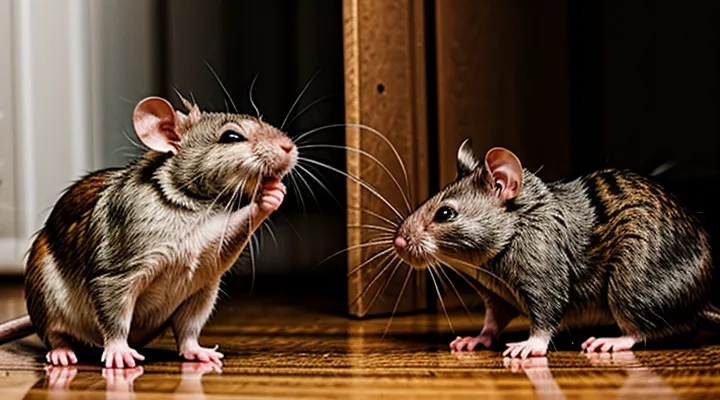
Understanding Rat Sneezing
Common Causes of Sneezing in Rats
Environmental Factors
Environmental conditions heavily influence respiratory irritation in pet rodents. Poor air quality, excessive dust, and abrupt temperature changes often trigger sneezing episodes.
Key factors to monitor:
- Ventilation: Ensure fresh air exchange without drafts. Use filtered ventilation systems to reduce airborne particulates.
- Humidity: Maintain relative humidity between 40 % and 60 %. Low humidity dries nasal passages; high humidity encourages mold growth.
- Temperature: Keep ambient temperature stable, ideally 68–75 °F (20–24 °C). Sudden spikes or drops stress the respiratory tract.
- Bedding material: Select low‑dust substrates such as paper‑based or aspen shavings. Avoid pine, cedar, or scented litters that release volatile compounds.
- Cleaning agents: Employ fragrance‑free, non‑aerosol cleaners. Rinse cages thoroughly to eliminate residue that may irritate mucous membranes.
- Allergens: Limit exposure to pet dander, mold spores, and pollen by regular cage sanitation and air filtration.
Adjusting these parameters reduces mucosal inflammation, decreasing the frequency and severity of sneezing. Regular observation of the animal’s breathing pattern, combined with prompt environmental corrections, forms the cornerstone of effective respiratory care.
Allergic Reactions
Allergic reactions are a frequent trigger of nasal discharge and sneezing in laboratory and pet rats. Exposure to dust, pollen, mold spores, or specific feed ingredients can provoke an IgE‑mediated response that inflames the nasal mucosa, leading to repetitive sneezing bouts.
Identifying an allergic origin requires observation of pattern and environment. Rats that sneeze after introduction of new bedding, seasonal changes, or dietary supplements often exhibit additional signs such as watery eyes, facial itching, or localized swelling. A negative result on parasite and respiratory pathogen screens strengthens the suspicion of an allergy.
Management consists of three core actions:
- Environmental control – replace dusty wood shavings with low‑dust cellulose or paper bedding; maintain humidity between 45‑55 % to discourage mold growth; limit exposure to known pollen sources by keeping cages away from open windows.
- Dietary adjustment – eliminate suspect protein sources (e.g., soy, wheat) for a minimum of two weeks; introduce a hypoallergenic grain‑free formula if necessary; monitor for symptom reduction before re‑introducing foods one at a time.
- Pharmacologic intervention – administer a short course of antihistamines approved for rodents (e.g., diphenhydramine 1 mg/kg orally once daily) under veterinary supervision; consider a low‑dose corticosteroid spray for severe mucosal inflammation, ensuring the treatment duration does not exceed five days without re‑evaluation.
Preventive measures include regular cleaning of cages, routine rotation of bedding types to avoid chronic exposure, and periodic veterinary assessments to detect early signs of hypersensitivity. Prompt elimination of the allergen source, combined with targeted medication, reduces sneezing frequency and prevents secondary complications such as secondary bacterial infections.
Respiratory Infections
Respiratory infections are the most common cause of sneezing in laboratory and pet rats. Pathogens such as Mycoplasma pulmonis, Streptococcus pneumoniae, and viral agents infiltrate the upper airway, producing mucosal irritation, increased secretions, and frequent nasal expulsion. Clinical signs often include repetitive sneezing, nasal discharge, labored breathing, and reduced activity.
Accurate diagnosis relies on a combination of observation and laboratory testing. Collect nasal swabs for bacterial culture, perform PCR assays to detect viral genomes, and obtain thoracic radiographs to assess lung involvement. Hematologic analysis may reveal leukocytosis or neutrophilia, supporting an infectious etiology.
Effective management incorporates immediate supportive care and targeted antimicrobial therapy:
- Isolate the affected animal to prevent spread to cage mates.
- Administer a broad‑spectrum antibiotic (e.g., enrofloxacin 10 mg/kg subcutaneously once daily) pending culture results; adjust to a specific drug once the pathogen is identified.
- Provide a humidified environment to ease airway irritation; a warm water dish or a humidifier maintains optimal humidity.
- Offer high‑calorie, easily digestible food and fresh water to counteract reduced intake.
- Monitor temperature and weight daily; intervene promptly if fever or weight loss exceeds 5 % of body mass.
Resolution typically occurs within 7–10 days when treatment is initiated early and environmental conditions remain optimal. Persistent sneezing after this period warrants re‑evaluation for secondary complications such as sinusitis or chronic bronchitis.
Other Medical Conditions
When addressing sneezing in rats, veterinarians must evaluate other health problems that can produce or worsen nasal discharge. Recognizing these conditions prevents misdiagnosis and ensures appropriate therapy.
Common concurrent illnesses include:
- Upper respiratory infections – viral (e.g., Sendai virus) or bacterial agents cause mucosal inflammation, purulent discharge, and rapid breathing. Antibiotics are indicated only for confirmed bacterial involvement; supportive care such as humidified air and fluid therapy aids recovery.
- Allergic reactions – exposure to bedding dust, molds, or feed allergens can trigger sneezing bouts. Antihistamines or corticosteroids reduce inflammation; eliminating the offending allergen is essential.
- Dental disease – overgrown incisors or molar malocclusion may impinge on nasal passages, producing sneezing and facial swelling. Dental trimming and corrective appliances resolve the obstruction.
- Nasal tumors – adenocarcinomas or lymphoma present with persistent unilateral discharge, epistaxis, and weight loss. Imaging (micro‑CT) confirms the mass; surgical excision or chemotherapy offers the only curative options.
- Foreign bodies – inhaled bedding fibers or seed hulls lodge in the nasal cavity, causing irritation and intermittent sneezing. Endoscopic removal restores normal airflow.
- Parasitic infestations – nasal mites (Mycoptes musculinus) produce crusted lesions and sneezing. Ivermectin or selamectin treatments eliminate the parasites.
- Systemic illnesses – renal failure or hepatic disease may lead to generalized edema of the nasal mucosa, exacerbating sneezing. Managing the underlying organ dysfunction reduces nasal symptoms.
Diagnostic steps should include physical examination, otoscopic inspection, radiography or CT scanning, and laboratory testing (culture, PCR, blood work). Treatment plans must target the identified condition while supporting the animal’s overall health. Integrating these considerations improves outcomes for rats presenting with nasal discharge.
Identifying the Severity of Sneezing
Differentiating Occasional Sneezing from Chronic Issues
Rats sneeze for several reasons; a single episode often reflects an environmental irritation, while repeated sneezing indicates an underlying health problem.
Frequent sneezing is identified by:
- Occurring more than three times in a 24‑hour period.
- Persisting for several consecutive days.
- Accompanied by nasal discharge, crusting, or facial swelling.
- Associated with weight loss, lethargy, or respiratory sounds.
Occasional sneezing typically:
- Happens after exposure to dust, strong scents, or sudden temperature changes.
- Resolves within minutes without additional symptoms.
- Does not affect appetite or activity levels.
When sneezing becomes chronic, veterinary assessment is required. Diagnostic steps include:
- Physical examination of the nasal cavity and throat.
- Radiographs or CT scans to detect sinusitis, tumors, or dental issues.
- Nasal swabs for bacterial, viral, or fungal cultures.
- Blood work to evaluate immune status and organ function.
Treatment diverges based on cause:
- Environmental irritants: improve cage ventilation, reduce bedding dust, eliminate strong odors, and maintain stable temperature.
- Infectious agents: prescribe appropriate antibiotics, antifungals, or antiviral medications after culture results.
- Dental or sinus disease: perform dental correction or surgical drainage, followed by post‑operative care.
- Allergic reactions: identify and remove the allergen, consider antihistamines under veterinary guidance.
Monitoring after intervention should focus on frequency reduction, disappearance of discharge, and restoration of normal behavior. Persistent symptoms despite treatment warrant re‑evaluation and possible referral to a specialist.
Recognizing Accompanying Symptoms
Rats that sneeze often exhibit additional clinical signs that help determine the underlying cause and guide treatment. Observing these accompanying symptoms is essential for accurate diagnosis and effective management.
- Nasal discharge: clear, serous fluid suggests irritation; thick, yellow or green material indicates bacterial infection.
- Ocular discharge: watery eyes accompany mild irritation, while purulent secretions point to conjunctivitis or systemic infection.
- Respiratory sounds: audible wheezing or crackles reveal lower airway involvement; normal breath sounds usually accompany upper‑respiratory irritation only.
- Behavioral changes: reduced activity, reluctance to explore, or signs of discomfort signal systemic illness.
- Appetite loss: decreased food intake often precedes weight loss and may reflect pain or malaise.
- Weight loss: measurable decline in body mass over days signals chronic or severe disease.
- Fever: rectal temperature above 102 °F (38.9 °C) indicates inflammatory response.
- Dental abnormalities: overgrown incisors or malocclusion can cause nasal irritation and sneezing, often accompanied by difficulty chewing.
When multiple signs appear together—such as sneezing, nasal discharge, and lethargy—consider bacterial or viral respiratory infection. Isolated sneezing with only mild nasal discharge may result from environmental irritants or allergic reactions. Dental problems typically present with facial swelling or drooling alongside sneezing. Prompt identification of these patterns enables targeted therapy, reduces complications, and improves recovery outcomes.
When to Seek Veterinary Care
Rats that sneeze repeatedly may be experiencing a minor irritation, but certain signs indicate a need for professional evaluation. Prompt veterinary attention prevents complications such as respiratory infection, systemic illness, or irreversible damage.
Typical indicators that warrant a veterinary visit include:
- Persistent sneezing lasting more than 24 hours without improvement.
- Nasal discharge that is thick, colored, or contains blood.
- Labored breathing, wheezing, or audible rattling sounds.
- Loss of appetite, weight loss, or lethargy accompanying the sneezing.
- Swelling around the nose, eyes, or facial area.
- Fever, measured by a rectal temperature above 102 °F (38.9 °C).
If any of these conditions are observed, schedule an appointment without delay. Early diagnosis allows for targeted treatment, such as antimicrobial therapy, environmental modifications, or supportive care, thereby reducing the risk of severe disease.
At-Home Care and Prevention
Improving Environmental Conditions
Optimizing Cage Setup
Optimizing the cage environment reduces respiratory irritation and supports recovery from sneezing episodes in rats. Proper airflow, low dust levels, and stable humidity create conditions that minimize nasal mucosa inflammation.
- Use hardwood shavings or paper-based bedding with minimal particulate content; avoid pine or cedar products that release volatile compounds.
- Install a ventilation system that exchanges air at a rate of at least 10 % per hour, ensuring fresh air without creating drafts directly on the animals.
- Maintain relative humidity between 40 % and 60 %; employ a humidifier or dehumidifier as needed to stay within this range.
- Clean the enclosure daily, removing waste and soiled bedding; perform a full deep clean weekly with mild, non‑irritating disinfectants.
- Position the cage away from sources of strong odors, chemical fumes, or direct sunlight; a quiet, temperature‑controlled room provides a stable environment.
Stable temperature (20–24 °C) and consistent lighting cycles further reduce stress, which can exacerbate sneezing. Monitoring these parameters with calibrated devices enables rapid adjustments before symptoms worsen.
Regular inspection of the cage for signs of mold, excess moisture, or broken components prevents secondary irritants. Prompt replacement of compromised items maintains a health‑supportive habitat.
Dust Control Measures
Dust accumulation in a rat’s environment is a primary trigger for respiratory irritation and sneezing. Effective dust control reduces exposure to particulate matter, supports airway health, and complements medical interventions.
Maintain a clean cage. Replace bedding weekly and remove debris daily. Use low‑dust substrates such as paper‑based or aspen shavings; avoid pine, cedar, or corncob products that release volatile compounds. Vacuum the enclosure with a HEPA‑filtered device to capture fine particles without dispersing them.
Control ambient air quality. Install a room‑size air purifier equipped with a HEPA filter; operate it continuously to lower airborne dust levels. Keep ventilation fans clean and ensure adequate airflow without creating drafts that may stress the animals.
Implement grooming hygiene. Trim excess fur around the nose and whisker area only when necessary, as over‑grooming can increase shedding. Provide a sand bath made from fine, dust‑free sand to allow rats to self‑clean without adding airborne particles.
Limit external sources. Store food in sealed containers, wipe spills immediately, and avoid using powdered supplements. When handling rats, wear a disposable lab coat and gloves to prevent transfer of dust from clothing to the cage.
Monitor and adjust. Conduct weekly visual inspections for dust buildup on cage walls, water bottles, and accessories. Record observations and modify cleaning frequency or substrate choice if dust persists.
These measures create a low‑dust environment, directly decreasing the incidence of sneezing and supporting overall respiratory well‑being in pet and laboratory rats.
Choosing Appropriate Bedding
Choosing the right bedding directly influences respiratory health in rats and can reduce the frequency of sneezing episodes. Dust‑free, low‑allergenic substrates minimize irritation of nasal passages and prevent the buildup of airborne particles that trigger reflex sneezing.
Key criteria for selecting suitable bedding:
- Minimal dust production; particles should remain settled even after handling.
- Non‑fibrous composition; avoid long strands that can become airborne.
- High absorbency; moisture retention promotes bacterial growth and mold, both of which exacerbate respiratory symptoms.
- Chemical neutrality; no added fragrances, talc, or fire‑retardant agents that may release volatile compounds.
Materials that meet these standards include paper‑based bedding, compressed wood pulp, and specialized low‑dust cellulose products. Avoid pine or cedar shavings, as volatile oils in these woods cause irritation. Refrain from using corn cob or straw, which generate significant dust and may harbor mold.
Maintain cleanliness by replacing bedding completely at least once a week, or more frequently if humidity rises. Spot‑clean soiled areas daily to prevent localized ammonia buildup. Regularly monitor the enclosure for signs of dust clouds when the rats move; adjust the bedding type if visible particles persist.
By adhering to these guidelines, caretakers create an environment that supports clear nasal passages, diminishes sneezing incidents, and promotes overall respiratory well‑being in rats.
Air Quality Management
Effective control of the indoor environment is essential when a rat exhibits frequent sneezing. Poor air quality introduces irritants that stimulate the nasal passages, prolonging respiratory distress. Maintaining optimal ventilation reduces the concentration of airborne particles such as dust, dander, and ammonia from urine. Aim for at least 10 air changes per hour in cages and enclosure rooms; use low‑velocity fans to circulate fresh air without creating drafts that stress the animal.
Humidity influences mucosal health. Keep relative humidity between 40 % and 60 % to prevent drying of the nasal epithelium while avoiding excess moisture that encourages mold growth. A digital hygrometer provides continuous monitoring; adjust humidifiers or dehumidifiers accordingly.
Filtration removes fine particulates that can trigger sneezing. Install HEPA filters in the ventilation system and replace them according to manufacturer recommendations. For cage cleaning, employ dust‑free bedding such as paper or aspen shavings; avoid pine or cedar, which release volatile oils that irritate the respiratory tract.
Regular assessment of air quality parameters helps identify problems early. Use a portable air‑quality meter to measure:
- Ammonia levels (target < 10 ppm)
- Particulate matter (PM2.5) concentrations
- Carbon dioxide concentration (target < 800 ppm)
If any value exceeds the target, increase ventilation, improve filtration, or replace contaminated bedding immediately.
Consistent application of these measures creates a stable environment that minimizes nasal irritation, supports recovery, and reduces the likelihood of recurrent sneezing episodes in rats.
Dietary Considerations
Ensuring a Balanced Diet
A proper diet reduces the frequency and severity of nasal irritation in pet rats. Nutrient gaps weaken the respiratory lining, making sneezing more likely; correcting those gaps supports immune function and mucosal health.
Key nutrients for respiratory resilience include:
- High‑quality protein (10‑15 % of diet) from pellet blends or occasional cooked egg.
- Vitamin A for epithelial integrity.
- Vitamin C and E as antioxidants.
- B‑complex vitamins for overall metabolism.
- Zinc and selenium for immune modulation.
- Omega‑3 fatty acids to lessen inflammatory responses.
Feeding strategy:
- Base daily intake on a commercial pellet formulated for rats; pellets provide balanced protein, vitamins, and minerals.
- Add 10‑15 % fresh vegetables such as kale, carrots, and bell peppers; rotate varieties to cover a broad vitamin spectrum.
- Offer small fruit portions (e.g., apple slices) no more than twice a week to avoid excess sugar.
- Include occasional lean animal protein (cooked chicken, boiled egg) to boost essential amino acids.
Hydration is equally vital. Provide constant access to clean, fresh water; consider a sipper bottle to prevent contamination. Replace water daily and monitor for signs of dehydration, such as reduced skin elasticity.
Observe the rat’s condition for at least two weeks after dietary adjustments. Improvements in coat quality, activity level, and reduced sneezing indicate that the diet is effective. If symptoms persist, re‑evaluate nutrient ratios and consult a veterinarian for further intervention.
Avoiding Potential Allergens
Avoiding potential allergens is a critical component of managing nasal irritation in laboratory and pet rodents. Identifying and eliminating substances that provoke an immune response reduces the frequency and severity of sneezing episodes, supporting overall respiratory health.
Common allergens and preventive actions:
- Dust and bedding particles – Choose low‑dust, paper‑based or aspen bedding; replace bedding weekly.
- Mold spores – Keep enclosure dry; clean spills promptly; store food in sealed containers.
- Strong fragrances – Avoid scented cleaning agents, air fresheners, and perfumed hand lotions near the cage.
- Food allergens – Use a consistent, high‑quality diet; eliminate occasional treats containing soy, wheat, or nuts if a reaction is observed.
- Metal cages with rust – Inspect metal enclosures for corrosion; replace or coat corroded areas to prevent metal ion exposure.
- Pollen and outdoor debris – Position cages away from open windows; use fine mesh screens to block entry of airborne particles.
Implementing these measures creates a controlled environment that minimizes exposure to irritants, thereby decreasing sneezing incidents and promoting healthier respiration in rats.
Stress Reduction Techniques
Providing Enrichment
Providing enrichment is a practical component of managing respiratory irritation in pet rats. A stimulating environment encourages natural behaviors, reduces stress‑induced immunosuppression, and promotes airway clearance.
Key enrichment actions include:
- Rotating chew toys made of safe wood or cardboard to maintain oral activity and prevent nasal blockage.
- Installing climbing structures that encourage movement, enhancing lung ventilation.
- Offering foraging puzzles that motivate sniffing and gentle nasal airflow.
- Scheduling regular cage rearrangements to prevent stagnation of dust and allergens.
Consistent enrichment lowers the frequency of sneezing episodes by supporting overall health. Combine these measures with proper humidity control, dust‑free bedding, and veterinary assessment for optimal outcomes.
Maintaining a Consistent Routine
Maintaining a stable daily routine reduces stress, which directly influences the respiratory health of pet rats. Sudden changes in feeding times, lighting, or handling can trigger immune fluctuations, making sneezing episodes more likely and harder to control.
Consistent environmental conditions support mucosal integrity. Keep temperature and humidity within the recommended range (20‑24 °C, 40‑60 % RH) and avoid abrupt drafts. Regular cage cleaning—once or twice weekly—removes dust and allergens without over‑disrupting the animal’s habitat.
Practical steps for routine management:
- Feed the same diet at identical times each day; record any new treats to monitor reactions.
- Provide water in a sealed bottle, refilled at the same hour to prevent temperature shifts.
- Schedule health checks (weight, nasal discharge) on a fixed weekly calendar; note any deviations promptly.
- Limit handling to brief, predictable sessions; introduce new handling techniques gradually.
By adhering to these predictable patterns, caretakers create a physiological environment where the rat’s immune system can respond efficiently, decreasing the frequency and severity of sneezing events.
Veterinary Interventions
Diagnostic Procedures
Physical Examination
Physical examination is the first step when a rat presents with repeated sneezing. Proper handling minimizes stress and yields reliable findings; use a gentle, firm grip or a soft restraining bag, and perform the assessment in a quiet, well‑ventilated area.
Observe the animal from a distance before direct contact. Note the frequency and intensity of sneezes, the presence of nasal discharge, and any audible breathing abnormalities. Look for facial swelling, crusted secretions, or unilateral nasal flaring that may indicate localized inflammation.
- Inspect the nostrils for discoloration, pus, or blood.
- Examine the external nares for patency; gently press each side to assess resistance.
- Listen to respiratory sounds with a stethoscope placed on the thorax; detect wheezes, crackles, or diminished airflow.
- Palpate the nasal bridge and surrounding sinuses for tenderness or fluctuation.
- Check the eyes for tearing or conjunctival redness, which can accompany upper respiratory infection.
- Evaluate the ears for wax buildup or otitis, as middle‑ear disease can trigger sneezing.
- Open the oral cavity to inspect the pharynx and palate for ulcerations, foreign material, or excessive mucus.
Record body temperature with a rectal probe; fever often accompanies bacterial or viral agents. Weigh the rat to identify rapid weight loss, a common sign of systemic illness. If mucosal membranes appear pale, icteric, or cyanotic, consider hypoxia or anemia.
Collect a sample of nasal discharge using a sterile swab for cytology or culture when bacterial infection is suspected. Combine physical findings with laboratory results to decide whether supportive care, antimicrobial therapy, or environmental modification is warranted.
Imaging Tests
Imaging provides objective data that guides therapeutic decisions for rats exhibiting repeated nasal discharge. Radiographs reveal skeletal abnormalities, sinus opacification, or foreign bodies that may irritate the upper airway. Computed tomography offers cross‑sectional detail, distinguishing soft‑tissue masses, dental disease, or neoplastic lesions within the nasal cavity. Magnetic resonance imaging distinguishes inflammatory tissue from neoplasia and assesses involvement of adjacent brain structures. Ultrasound, although limited for deep nasal structures, can identify fluid collections or abscesses accessible through the facial planes. Endoscopic visualization, while not a radiographic technique, complements imaging by allowing direct inspection and biopsy of intranasal lesions.
When selecting a modality, consider the following criteria:
- Clinical severity: acute, mild sneezing may merit plain radiography; chronic, progressive signs often require CT or MRI.
- Availability of equipment: portable radiography is common in veterinary practices; referral centers provide advanced cross‑sectional imaging.
- Anesthesia requirements: all modalities except plain radiography generally need short‑acting anesthetics to minimize motion artifacts.
- Diagnostic yield: CT excels at detecting fine bony changes; MRI is superior for soft‑tissue differentiation.
Interpretation of images should focus on identifying:
- Nasal turbinate erosion or sclerosis.
- Fluid accumulation or mucosal thickening.
- Mass lesions, including tumors or granulomas.
- Dental root elongation or abscess formation that can impinge on the nasal passages.
Accurate imaging interpretation informs targeted interventions such as surgical removal of obstructive material, antimicrobial therapy for localized infection, or referral for oncologic treatment.
Laboratory Tests
Laboratory diagnostics are essential for identifying the cause of sneezing in rats and guiding appropriate interventions. Common etiologies include respiratory infections, allergic reactions, and environmental irritants; each requires a distinct therapeutic approach.
When a rat presents with persistent sneezing, the following tests should be considered:
- Complete blood count (CBC): Detects leukocytosis or eosinophilia, indicating bacterial infection or allergic response.
- Serum biochemistry panel: Assesses organ function and identifies systemic involvement that may influence treatment choices.
- Nasopharyngeal swab culture: Provides bacterial or fungal isolates for targeted antimicrobial therapy.
- Polymerase chain reaction (PCR) for viral agents: Detects common rodent respiratory viruses such as Sendai or pneumotropic coronavirus.
- Allergen-specific IgE assay: Determines hypersensitivity to common allergens like dust mites or bedding materials.
Sample collection must be performed aseptically to avoid contamination. Use a fine sterile swab inserted gently into the nasal cavity, rotate, and place the swab in transport medium. Blood draws require a microhematocrit capillary tube and appropriate anticoagulant; limit volume to 1 mL per 100 g body weight to prevent hypovolemia.
Interpretation of results directs treatment: bacterial growth warrants species‑specific antibiotics, viral detection suggests supportive care and isolation, while elevated eosinophils or IgE levels indicate the need for environmental modification and antihistamine therapy. Continuous monitoring of laboratory parameters ensures therapeutic efficacy and early detection of complications.
Treatment Options
Antibiotics
Antibiotics are indicated only when sneezing in rats is linked to a bacterial infection confirmed by clinical signs or laboratory testing. Viral, allergic, or environmental causes do not respond to antimicrobial therapy and may worsen with unnecessary drug use.
When bacterial involvement is suspected, select an agent based on culture results, susceptibility patterns, and safety profile for rodents. Commonly used antibiotics include:
- Enrofloxacin: 10 mg/kg orally or subcutaneously once daily for 7–10 days. Effective against Gram‑negative pathogens; monitor for joint pain.
- Trimethoprim‑sulfamethoxazole: 30 mg/kg orally twice daily for 5–7 days. Broad spectrum; avoid in animals with known sulfa allergy.
- Doxycycline: 5 mg/kg orally once daily for 7 days. Useful for atypical bacteria; watch for gastrointestinal irritation.
Dosage must be calculated precisely from the animal’s weight. Administer the full course even if clinical signs improve, to prevent relapse and resistance. Record the start date, dosage, route, and any adverse reactions.
Monitoring includes daily observation of respiratory rate, nasal discharge character, and behavior. If symptoms persist beyond the treatment period, re‑evaluate with a repeat physical exam, imaging, or repeat culture to adjust therapy.
Potential complications of antibiotic use in rats are gastrointestinal dysbiosis, nephrotoxicity, and allergic reactions. Probiotic supplementation may mitigate dysbiosis, but only after consulting a veterinarian.
If bacterial infection is ruled out, focus on environmental modifications—improved ventilation, reduced dust, and humidity control—to alleviate sneezing without antimicrobial intervention.
Anti-inflammatory Medications
Anti‑inflammatory agents are a primary component of therapeutic protocols for rats that exhibit frequent sneezing due to nasal or sinus inflammation. Reducing mucosal swelling restores airway patency and diminishes reflexive expulsion of air.
Commonly employed drugs include:
- Non‑steroidal anti‑inflammatory drugs (NSAIDs) such as meloxicam (0.2 mg/kg, subcutaneous, once daily) and carprofen (5 mg/kg, oral, every 12 hours). NSAIDs inhibit cyclo‑oxygenase enzymes, decreasing prostaglandin‑mediated edema.
- Corticosteroids like dexamethasone (0.5 mg/kg, intramuscular, once daily) or prednisolone (1 mg/kg, oral, once daily). Steroids suppress a broad range of inflammatory mediators, providing rapid reduction of nasal tissue swelling.
- Selective COX‑2 inhibitors (e.g., firocoxib, 5 mg/kg, oral, once daily) offer anti‑inflammatory effects with reduced gastrointestinal risk compared with traditional NSAIDs.
Selection criteria:
- Choose NSAIDs for mild to moderate inflammation when gastrointestinal tolerance is acceptable.
- Reserve corticosteroids for severe or refractory cases; monitor for immunosuppression and hyperglycemia.
- Prefer COX‑2 inhibitors in animals with a history of ulceration or renal compromise.
Administration considerations:
- Ensure accurate dosing based on body weight; use calibrated syringes for injectable forms.
- Provide medication with food if oral delivery is chosen to improve absorption.
- Observe rats for signs of adverse reactions (e.g., lethargy, gastrointestinal bleeding, polyuria) within the first 24 hours.
Monitoring protocol:
- Record sneezing frequency before treatment and at 12‑hour intervals thereafter.
- Conduct brief physical examinations daily to assess nasal discharge, mucosal coloration, and overall activity.
- Adjust dosage or switch agents if sneezing persists beyond 48 hours despite therapy.
Proper use of anti‑inflammatory medications can markedly reduce sneezing episodes, enhance respiratory comfort, and support recovery in affected rodents.
Antihistamines
Antihistamines are a primary pharmacological option for controlling allergic‑mediated sneezing in laboratory and pet rodents. They function by blocking histamine receptors, reducing nasal mucosal inflammation and secretions that trigger sneezes.
Effective compounds include diphenhydramine, cetirizine, and chlorpheniramine. Selection depends on potency, duration of action, and the rat’s health status. Dosage guidelines are typically expressed in milligrams per kilogram of body weight:
- Diphenhydramine: 1–2 mg kg⁻¹, administered orally or subcutaneously every 8–12 hours.
- Cetirizine: 0.5 mg kg⁻¹, given orally once daily.
- Chlorpheniramine: 0.5–1 mg kg⁻¹, delivered orally or intraperitoneally every 12 hours.
Administration should follow these steps:
- Weigh the animal accurately to calculate the exact dose.
- Prepare the drug in a sterile, palatable carrier (e.g., water or flavored syrup) for oral delivery.
- Use a calibrated syringe for subcutaneous or intraperitoneal injection to ensure precise volume.
- Record the time of dosing and observe the rat for at least 30 minutes.
Safety considerations:
- Monitor for sedation, reduced locomotion, or gastrointestinal upset, which may indicate excessive dosing.
- Adjust the regimen if the rat shows signs of distress; lower the dose or increase the interval between administrations.
- Avoid concurrent use of other central nervous system depressants without veterinary approval.
Long‑term use requires periodic veterinary evaluation. Blood work can detect hepatic or renal stress that may arise from chronic antihistamine exposure. If adverse effects emerge, transition to alternative therapies such as nasal saline irrigation, environmental allergen reduction, or corticosteroid treatment under professional guidance.
In all cases, treatment must be tailored to the individual animal, with dosage and frequency calibrated to achieve symptom control while minimizing side effects. Veterinary consultation is essential before initiating or modifying antihistamine therapy.
Nebulization and Humidifiers
Rats that sneeze frequently often suffer from irritated nasal passages or mild respiratory infections. Moisture delivered directly to the airway can reduce inflammation and clear secretions, making nebulization and ambient humidification essential tools for management.
Nebulization introduces a fine mist of sterile saline or medicated solution into the rat’s breathing zone. Use a small‑volume ultrasonic or jet nebulizer calibrated for laboratory rodents. Fill the reservoir with 0.9 % saline or a veterinarian‑approved drug, attach a flexible tubing line to a cage vent, and operate the device for 5–10 minutes, twice daily. Ensure the mist particles are under 5 µm to reach the lower respiratory tract. Monitor the animal for signs of distress; discontinue if breathing becomes labored.
Humidifiers increase overall cage humidity, preventing the nasal mucosa from drying out. Place a low‑output cool‑mist humidifier outside the cage and direct airflow through a vent or perforated lid. Maintain relative humidity between 50 % and 60 % using a hygrometer; adjust output to avoid condensation on cage walls, which can promote mold growth. Clean the humidifier daily with diluted bleach (1 % solution) followed by thorough rinsing.
Practical steps:
- Set up a nebulizer session twice per day, 5–10 minutes each.
- Use sterile saline or prescribed medication in the nebulizer.
- Keep particle size ≤ 5 µm for deep airway penetration.
- Install a cool‑mist humidifier to sustain 50–60 % relative humidity.
- Verify humidity levels with a calibrated hygrometer.
- Clean nebulizer and humidifier components after each use to prevent contamination.
- Observe rats for reduced sneezing frequency and improved activity.
Consistent application of these moisture‑based interventions alleviates nasal irritation, supports mucociliary clearance, and contributes to faster recovery from sneezing episodes in rats.
Supportive Care
Supportive care for a rat experiencing sneezing focuses on maintaining optimal physiological conditions while the underlying cause resolves. Provide fresh, clean water at all times to prevent dehydration, and offer easily digestible foods such as softened pellets or plain boiled rice to sustain energy intake. Monitor food and water consumption every few hours; a sudden decline signals the need for immediate veterinary assessment.
Environmental management reduces irritants that can exacerbate respiratory symptoms. Keep the cage in a well‑ventilated area away from drafts, strong odors, and dust‑laden bedding. Replace soiled bedding with a low‑dust substrate and clean the enclosure daily using mild, fragrance‑free disinfectants. Maintain ambient temperature between 68–74 °F (20–23 °C) to avoid thermal stress.
Stress minimization supports immune function. Limit handling to essential care, and provide hiding places or tunnels to allow the rat to retreat. Observe the animal for signs of lethargy, labored breathing, or nasal discharge; record findings for discussion with a veterinarian.
When veterinary intervention is indicated, follow prescribed treatments such as antibiotics or anti‑inflammatory agents, but continue supportive measures to ensure hydration, nutrition, and a clean environment throughout recovery.
Long-Term Management
Monitoring and Follow-Up
After initiating therapy for a rodent’s nasal irritation, systematic observation is essential to gauge recovery and detect complications. Record the number of sneezes per hour, noting any increase, decrease, or persistence. Check the nasal discharge for color, consistency, and volume; a shift from clear to purulent fluid may indicate secondary infection. Monitor appetite and water intake; reduced consumption often precedes weight loss. Weigh the animal daily; a decline of more than 5 % of body mass within a week warrants veterinary reassessment. Measure ambient temperature and humidity, keeping conditions stable to prevent airway drying.
Key elements of follow‑up:
- Frequency of sneezing (episodes/hour)
- Characteristics of nasal discharge (clear, mucous, purulent)
- Food and water consumption
- Daily body weight
- Environmental parameters (temperature, humidity)
- General activity level and grooming behavior
If any parameter worsens after 48 hours of treatment, contact a veterinarian promptly. Continue monitoring for at least two weeks post‑therapy to ensure complete resolution and to prevent recurrence. Documentation of trends facilitates communication with the veterinary professional and supports evidence‑based adjustments to the care plan.
Preventing Recurrence
Preventing the return of sneezing episodes in pet rodents requires a systematic approach that addresses underlying triggers, environmental conditions, and ongoing health monitoring.
- Identify the cause: conduct a veterinary examination, perform respiratory cultures, and assess for allergens, parasites, or infectious agents.
- Optimize housing: ensure cages are well‑ventilated, free of dust, and kept at stable temperature and humidity levels.
- Adjust nutrition: provide a balanced diet low in irritants, supplement with vitamin C if deficiency is suspected, and avoid sudden food changes.
- Administer prescribed medication: follow the veterinarian’s dosage schedule for antibiotics, antihistamines, or bronchodilators, completing the full course even after symptoms subside.
- Implement hygiene protocols: clean cages weekly, replace bedding with low‑dust material, and wash feeding accessories with mild disinfectant.
- Monitor continuously: record sneezing frequency, respiratory rate, and any changes in behavior; report recurrent signs to a veterinarian promptly.
Consistent application of these measures reduces the likelihood of repeated sneezing and supports overall respiratory health in rats.