
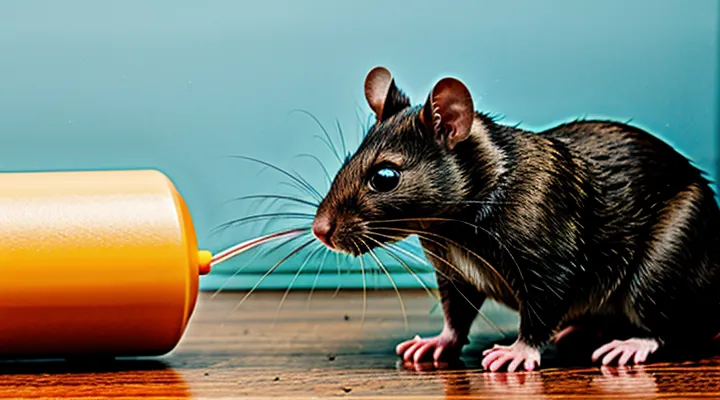
Common Causes of Sneezing and Wheezing
Environmental Factors
Environmental conditions heavily influence respiratory health in rats that exhibit sneezing and wheezing. Poor air quality, inappropriate humidity, extreme temperatures, and contaminated bedding can trigger or aggravate nasal and pulmonary irritation.
- Dust from bedding, food, or cage components introduces particulate matter that irritates mucosal membranes.
- Relative humidity below 40 % or above 60 % dries or saturates airway surfaces, impairing mucociliary clearance.
- Ambient temperature outside the 20‑24 °C (68‑75 °F) range stresses thermoregulatory mechanisms, increasing respiratory effort.
- Inadequate ventilation allows accumulation of ammonia from urine and volatile organic compounds from cleaning agents, both known respiratory irritants.
- Strong odors from scented products, essential oils, or tobacco smoke act as chemical triggers.
- Mold growth on wet bedding or cage walls introduces spores that provoke allergic responses.
Effective management requires precise control of these variables. Select low‑dust, absorbent bedding; replace it regularly to prevent ammonia buildup. Employ a hygrometer and thermostat to maintain humidity and temperature within optimal ranges. Ensure cages are placed in well‑ventilated areas, using filtered air circulation when possible. Eliminate scented cleaning supplies and avoid exposure to external smoke sources. Conduct weekly visual inspections for mold, and replace any damp materials immediately.
Continuous monitoring supports rapid adjustment. Record humidity and temperature readings each day; note any changes in sneezing frequency or wheeze intensity. If respiratory signs persist despite environmental optimization, consider additional veterinary assessment.
Allergic Reactions
Allergic reactions are a common cause of respiratory distress in laboratory and pet rats, manifesting as frequent sneezing, nasal discharge, and wheezing. Identifying the allergen is the first step; typical triggers include dust, bedding materials, feed additives, and airborne molds. Conduct a systematic assessment by rotating bedding types, switching to low‑dust feed, and monitoring symptom changes for at least 48 hours after each modification.
Effective management combines environmental control and pharmacologic intervention:
- Eliminate or reduce exposure to identified allergens; replace cedar or pine bedding with paper or aspen, and use HEPA‑filtered air circulation.
- Administer antihistamines (e.g., diphenhydramine) at 5 mg/kg subcutaneously once daily; monitor for sedation and adjust dosage accordingly.
- Introduce a short course of corticosteroids (e.g., dexamethasone 0.2 mg/kg intramuscularly) for severe wheezing, limiting treatment to 3–5 days to avoid immunosuppression.
- Provide saline nebulization twice daily to moisten airway passages and facilitate mucus clearance.
Regular observation is essential. Record frequency of sneezes, respiratory rate, and any signs of labored breathing. If symptoms persist despite allergen removal and medication, evaluate for secondary infections with a veterinary clinician and consider culture‑guided antibiotic therapy. Adjust treatment protocols based on response, ensuring that any drug regimen respects the rat’s weight and metabolic rate.
Bacterial Infections
Bacterial infections are a common cause of respiratory distress in laboratory and pet rats, producing sneezing, wheezing, nasal discharge, and reduced activity. Prompt identification and targeted therapy prevent progression to pneumonia and systemic illness.
Diagnosis relies on clinical observation, microbial culture, and, when available, polymerase chain reaction testing of nasal swabs or lung tissue. Typical pathogens include Streptococcus pneumoniae, Klebsiella pneumoniae, and Pasteurella multocida. Resistance patterns vary; susceptibility testing guides antimicrobial selection.
Treatment protocol:
- Initiate empiric therapy with a broad‑spectrum antibiotic effective against Gram‑positive and Gram‑negative organisms (e.g., enrofloxacin 10 mg/kg subcutaneously once daily) while awaiting culture results.
- Adjust medication based on susceptibility data; preferred agents include doxycycline, trimethoprim‑sulfamethoxazole, or ampicillin, administered for a minimum of 7–10 days.
- Provide supportive care: humidified environment, isotonic saline nasal lavage, and nutritional supplementation to maintain body condition.
- Isolate affected individuals to limit transmission; clean cages with disinfectants proven effective against bacterial spores (e.g., 10 % bleach solution, contact time ≥ 10 minutes).
Prevention strategies focus on hygiene and colony management:
- Regular cage cleaning and bedding replacement reduce bacterial load.
- Quarantine new arrivals for at least two weeks, with health screening before integration.
- Ensure adequate ventilation and avoid overcrowding, which lowers stress‑induced immunosuppression.
- Vaccinate against Klebsiella spp. where commercial products are available.
Monitoring after therapy includes daily assessment of respiratory sounds, temperature, and weight. Relapse or persistent symptoms warrant repeat culture and possible extension of antimicrobial treatment.
Viral Infections
Viral agents such as Sendai, rat coronavirus, and adenoviruses frequently trigger upper‑respiratory irritation in laboratory and pet rodents, manifesting as frequent sneezing and audible wheeze. These pathogens replicate in the nasal epithelium and bronchial mucosa, causing inflammation, mucus hypersecretion, and transient airway obstruction. Clinical signs appear within 2–5 days after exposure and may progress to secondary bacterial pneumonia if untreated.
Accurate diagnosis relies on a combination of observation, sample collection, and laboratory confirmation. Nasal swabs or bronchoalveolar lavage fluid should be submitted for PCR or viral culture; histopathology of lung tissue provides additional confirmation. Isolation of the affected animal prevents spread to cage mates and colony members.
Effective management includes supportive care and antiviral intervention where available:
- Provide humidified environment to ease mucosal drying.
- Administer broad‑spectrum antiviral agents (e.g., ribavirin) under veterinary guidance, adjusting dose for rodent metabolism.
- Supply isotonic fluids subcutaneously to counter dehydration from increased respiratory effort.
- Monitor temperature and weight daily; intervene promptly if fever exceeds 40 °C or weight loss surpasses 10 % of baseline.
- Implement strict biosecurity: dedicated equipment, personal protective equipment, and thorough disinfection of cages with sodium hypochlorite solution.
Prevention emphasizes vaccination, where licensed formulations exist, and rigorous quarantine of new arrivals for at least 14 days. Regular health surveillance, environmental sanitation, and minimization of stressors reduce susceptibility to viral respiratory disease and limit the incidence of sneezing and wheezing in rat populations.
Mycoplasmosis
Mycoplasmosis is a common cause of upper‑respiratory signs such as sneezing and wheezing in laboratory and pet rats. The organism, primarily Mycoplasma pulmonis, colonizes the nasal passages, trachea and lungs, producing inflammation that leads to mucus accumulation and airway obstruction.
Accurate diagnosis requires a combination of clinical observation, bacterial culture, polymerase chain reaction (PCR) testing of nasal swabs, and radiographic assessment of pulmonary infiltrates. Early identification permits prompt therapeutic intervention and reduces the risk of chronic bronchopneumonia.
Effective management includes:
- Antimicrobial therapy with macrolides (e.g., tylosin, azithromycin) administered orally or via drinking water at dosages calibrated to body weight.
- Supportive care: humidified environment, saline nasal drops to loosen secretions, and forced‑air ventilation for severe wheezing.
- Anti‑inflammatory agents such as meloxicam to mitigate tissue swelling, administered for a limited period to avoid immunosuppression.
- Nutritional supplementation with vitamin C and omega‑3 fatty acids to enhance mucosal immunity.
Prevention strategies focus on biosecurity and colony health:
- Strict quarantine of new arrivals for a minimum of three weeks, with PCR screening before integration.
- Routine cleaning of cages, bedding, and ventilation systems to limit aerosol transmission.
- Vaccination programs are not currently available; therefore, herd health depends on environmental control and regular health monitoring.
Follow‑up examinations should be conducted weekly for the first month of treatment, evaluating respiratory rate, nasal discharge quality, and weight gain. Re‑testing with PCR after completion of antimicrobial courses confirms eradication and guides decisions on returning rats to breeding or experimental groups.
Recognizing Symptoms and Diagnosis
Behavioral Changes
Rats experiencing sneezing and wheezing often display distinct behavioral shifts that signal underlying respiratory distress. Noticeable reduction in locomotion, reluctance to explore, and prolonged periods of stillness indicate discomfort. Grooming frequency typically declines; affected individuals may neglect fur maintenance, leading to a rough coat and clumped fur. Social interaction changes as well—sick rats may isolate themselves, avoid contact with cage mates, or display aggression when approached.
These alterations require immediate attention. Observe the animal for at least ten minutes twice daily, recording activity level, grooming behavior, and social responses. If inactivity persists beyond two hours, provide a warm, quiet corner with soft bedding to reduce stress. Offer easily digestible, high‑protein foods such as soft pellets or boiled egg whites to compensate for reduced appetite. Ensure constant access to fresh water; adding a few drops of electrolyte solution can encourage drinking.
Environmental modifications support recovery. Maintain ambient temperature between 22‑24 °C to prevent chilling, which aggravates respiratory symptoms. Increase humidity slightly (50‑60 %) using a safe humidifier, reducing airway irritation. Remove strong odors, dust, and aerosolized chemicals that may trigger further sneezing. Clean the cage thoroughly, replacing all bedding to eliminate potential allergens.
Monitoring behavioral cues remains essential for evaluating treatment efficacy. Improvement manifests as increased exploration, regular grooming, and restored social engagement. If these signs do not emerge within 48 hours, consult a veterinarian for possible pharmacological intervention, such as bronchodilators or antibiotics, and reassess environmental conditions.
Physical Signs
Rats that exhibit respiratory distress display a distinct set of observable symptoms. Recognizing these physical cues enables prompt intervention and improves the likelihood of recovery.
Common manifestations include:
- Repetitive, audible sneezing episodes
- High‑pitched wheeze heard during quiet breathing
- Nasal discharge that may be clear, foamy, or tinged with blood
- Rapid, shallow respiration rates exceeding normal values
- Flared nostrils and visible effort in the chest wall
- Reduced activity levels, reluctance to explore, or prolonged periods of stillness
- Slight tremor of the facial muscles during inhalation
Additional indicators may appear as:
- Darkened or moist fur around the snout
- Drooping ears or head tilt suggesting discomfort
- Loss of appetite leading to weight reduction over several days
Assessment should be performed in a low‑stress environment, using a quiet room and gentle handling to avoid exacerbating the condition. Documenting each sign provides a baseline for monitoring progression and evaluating treatment efficacy.
When to Consult a Veterinarian
Rats that exhibit persistent sneezing, audible wheezing, or rapid breathing may be experiencing an underlying health issue that requires professional assessment. Immediate veterinary consultation is warranted if any of the following conditions are observed:
- Sneezing or wheezing continues for more than 24 hours without improvement.
- Nasal discharge is thick, colored, or foul‑smelling.
- The animal shows signs of labored breathing, such as open‑mouth respiration or visible effort in the chest and abdomen.
- Loss of appetite, weight loss, or lethargy accompanies respiratory symptoms.
- Fever, measured rectally above 101 °F (38.3 °C), is detected.
- Nasal or oral bleeding occurs.
- The rat has a known exposure to toxins, allergens, or infectious agents (e.g., Mycoplasma pulmonis).
If a rat has a pre‑existing condition—such as chronic respiratory disease, immunodeficiency, or a history of previous infections—any escalation of sneezing or wheezing should trigger a prompt veterinary visit, regardless of symptom duration. Additionally, newborn or juvenile rats are especially vulnerable; any respiratory disturbance in these age groups necessitates immediate professional evaluation.
Early diagnosis enables targeted treatment, which may include antibiotics, anti‑inflammatory medication, supportive care, or environmental modifications. Delaying care can lead to irreversible lung damage, secondary infections, or death. Therefore, owners should err on the side of caution and seek veterinary expertise at the first indication of the listed warning signs.
Diagnostic Procedures
When a rat exhibits sneezing and wheezing, precise diagnosis determines effective intervention. Initial assessment begins with a thorough physical examination: observe nasal discharge, listen for abnormal breath sounds, and palpate the thorax for tenderness. Record body temperature, weight, and respiratory rate to establish baseline data.
Laboratory and imaging techniques refine the clinical picture.
- Complete blood count (CBC): identifies leukocytosis or eosinophilia suggestive of infection or allergic response.
- Serum biochemistry: evaluates organ function and detects metabolic disturbances that may influence respiratory health.
- Nasal swab culture: isolates bacterial or fungal pathogens for targeted antimicrobial therapy.
- Radiography: reveals pulmonary infiltrates, bronchial thickening, or foreign bodies.
- Computed tomography (CT): provides high‑resolution images of nasal passages and lung parenchyma, useful for subtle lesions.
Advanced diagnostics may be warranted if initial results are inconclusive. Endoscopic examination permits direct visualization of the nasal cavity and airway, allowing biopsy of suspicious tissue. Polymerase chain reaction (PCR) testing on swabs detects viral agents such as Sendai virus, which can provoke upper‑respiratory signs.
Accurate interpretation of these findings guides therapeutic choices, minimizes unnecessary medication, and improves recovery prospects for affected rodents.
Treatment Options
Veterinary Prescribed Medications
Rats exhibiting sneezing and wheezing often suffer from upper‑respiratory infection, allergic inflammation, or bronchoconstriction. Veterinary prescription drugs address the underlying cause and relieve airway obstruction.
- Antibiotics – Broad‑spectrum agents such as enrofloxacin or doxycycline combat bacterial pathogens. Typical dose: 5–10 mg/kg orally or subcutaneously every 12 hours for 7–10 days.
- Antihistamines – Diphenhydramine or cetirizine reduce histamine‑mediated nasal discharge. Dose: 1–2 mg/kg orally once daily; monitor for sedation.
- Bronchodilators – Albuterol inhalation solution or terbutaline injection relax smooth muscle. Inhalation: 0.5 mL nebulized to the cage twice daily; injectable dose: 0.1 mg/kg subcutaneously as needed.
- Corticosteroids – Prednisone or dexamethasone suppress severe inflammation. Prednisone: 1 mg/kg orally daily for 3 days, then taper; dexamethasone: 0.2 mg/kg intramuscularly every 48 hours for short courses.
Dosage calculations must reference the rat’s current weight. Oral administration provides steady plasma levels; subcutaneous injection yields rapid effect for acute distress. Adjust frequency if clinical response exceeds expectations or adverse signs appear.
Safety monitoring includes daily assessment of respiratory rate, nasal discharge volume, and behavior. Record temperature, appetite, and stool consistency. Discontinue antihistamines if excessive sedation occurs; replace antibiotics with culture‑guided alternatives if no improvement after 48 hours. Immediate veterinary consultation is required for sudden collapse, cyanosis, or hemorrhage.
Antibiotics
When a rat exhibits sneezing and wheezing, bacterial infection should be considered if clinical signs persist beyond a brief viral or allergic episode. Antibiotic therapy is justified only after ruling out non‑infectious causes and, ideally, confirming bacterial presence through culture or rapid PCR testing. Empirical treatment may commence when immediate intervention is required, but selection must reflect the most likely pathogens and local resistance patterns.
Effective agents for common respiratory bacteria in rodents include:
- Enrofloxacin (10 mg/kg, subcutaneously, once daily) – broad‑spectrum fluoroquinolone, suitable for Gram‑negative organisms such as Pseudomonas spp.
- Doxycycline (5 mg/kg, oral, every 12 hours) – tetracycline class, effective against Mycoplasma and atypical bacteria.
- Trimethoprim‑sulfamethoxazole (30 mg/kg, oral, once daily) – synergistic combination targeting Streptococcus and Staphylococcus species.
- Amoxicillin‑clavulanic acid (20 mg/kg, oral, twice daily) – beta‑lactam with beta‑lactamase inhibition, appropriate for mixed flora.
Dosage must be calculated based on the animal’s current weight, and treatment duration typically spans 7–10 days. Shorter courses risk relapse; longer courses increase the chance of resistance and dysbiosis. Monitoring includes daily assessment of respiratory rate, nasal discharge quality, and body temperature. Any adverse reaction—such as gastrointestinal upset, lethargy, or signs of nephrotoxicity—warrants immediate cessation and alternative therapy.
Adjunct measures reinforce antimicrobial efficacy. Ensure humidified air, maintain cage temperature between 20–24 °C, and provide high‑quality protein and vitamin C to support immune function. Regular cleaning reduces environmental pathogen load, decreasing reinfection risk. Antibiotics should never be administered indiscriminately; judicious use preserves therapeutic value and safeguards the health of the colony.
Anti-inflammatories
Anti‑inflammatory medication can reduce airway swelling that contributes to sneezing and wheezing in rats. By limiting inflammation, these drugs improve airflow and lessen irritation of the nasal passages and bronchi.
Common anti‑inflammatory agents used in laboratory and pet rats include:
- Non‑steroidal anti‑inflammatory drugs (NSAIDs) such as meloxicam or carprofen, administered orally or subcutaneously at 0.2–0.5 mg/kg once daily.
- Corticosteroids like dexamethasone or prednisolone, given orally or intramuscularly at 0.1–0.5 mg/kg, typically for short courses of 3–5 days to avoid immunosuppression.
- COX‑2 selective inhibitors (e.g., celecoxib) at 5 mg/kg orally, useful when gastrointestinal side effects from traditional NSAIDs are a concern.
Dosage must be calculated on the basis of the animal’s exact body weight. Administer medication with a sterile syringe or via a palatable vehicle (e.g., flavored gel) to ensure complete ingestion. Observe the rat for at least 30 minutes after injection for signs of distress, and monitor daily for changes in respiratory rate, appetite, and stool consistency. Report any vomiting, ulceration, or excessive lethargy as possible adverse effects.
Anti‑inflammatory therapy should be combined with environmental measures: maintain humidity at 50–60 %, reduce dust and strong odors, and provide fresh bedding. If symptoms persist beyond 48 hours of treatment, reassess the diagnosis and consider antimicrobial or bronchodilator agents in addition to anti‑inflammatories.
Bronchodilators
Bronchodilators relax airway smooth muscle, increasing airflow and reducing wheezing in rodents. They act on adrenergic or cholinergic receptors to counteract bronchoconstriction caused by irritants or infection.
Common agents used in laboratory rats include:
- Albuterol (salbutamol) – β2‑adrenergic agonist; rapid onset, short duration. Typical dose 0.1–0.5 mg/kg subcutaneously or via nebulization.
- Terbutaline – β2‑agonist with longer effect; 0.05–0.2 mg/kg intraperitoneally or inhalation.
- Ipratropium bromide – anticholinergic; 0.02–0.1 mg/kg intranasally; useful when β‑agonists are insufficient.
- Theophylline – phosphodiesterase inhibitor; 5–10 mg/kg orally; requires serum level monitoring to avoid toxicity.
Administration routes:
- Nebulization – delivers medication directly to the respiratory tract; ideal for acute episodes.
- Subcutaneous injection – provides systemic absorption; useful when inhalation equipment is unavailable.
- Oral gavage – convenient for chronic treatment; slower onset.
Dosage adjustment factors:
- Body weight measured to the nearest gram.
- Severity of respiratory distress; higher doses for pronounced wheeze.
- Presence of comorbid conditions such as cardiac disease; reduce β‑agonist dosage accordingly.
Monitoring parameters:
- Respiratory rate and pattern before, during, and after treatment.
- Oxygen saturation using pulse oximetry when feasible.
- Signs of tachycardia, tremor, or agitation indicating excess β‑adrenergic stimulation.
- Serum theophylline concentration if theophylline is used; maintain 10–20 µg/mL.
Contraindications and cautions:
- Avoid β‑agonists in rats with known hyperthyroidism or severe arrhythmias.
- Do not combine anticholinergics with high‑dose β‑agonists without veterinary supervision; risk of paradoxical bronchospasm.
- Theophylline contraindicated in hepatic impairment; monitor liver enzymes.
Effective use of bronchodilators reduces airway resistance, alleviates wheezing, and supports recovery from respiratory irritation. Selection of agent, dose, and route must align with the animal’s condition and experimental constraints.
Supportive Care at Home
Provide a warm, draft‑free environment. Keep the cage away from drafts, strong odors, and direct sunlight. Maintain a stable temperature between 18 °C and 24 °C; sudden changes aggravate respiratory irritation.
Ensure optimal humidity. Use a hygrometer to keep relative humidity around 50 %. If air is dry, place a shallow dish of water near the heating element or employ a low‑output humidifier. Avoid excessive moisture that could promote mold growth.
Offer a nutrient‑dense diet. Fresh vegetables, high‑quality pellets, and occasional protein sources support immune function. Replace food daily to prevent bacterial contamination.
Monitor water intake. Provide clean, filtered water in a spill‑proof bottle. Change the water every 12 hours to reduce bacterial load.
Implement gentle cleaning routines. Remove soiled bedding and waste daily; replace with fresh, dust‑free material such as paper‑based or aspen shavings. Disinfect the cage with a diluted chlorhexidine solution (0.05 %) once a week, rinsing thoroughly before re‑introducing the animal.
Observe respiratory signs closely. Record frequency of sneezing, wheeze intensity, and any changes in behavior. If symptoms persist for more than 48 hours or worsen, seek veterinary evaluation.
Limit stressors. Handle the rat minimally, using calm movements and soft voices. Provide nesting material for comfort, but avoid excessive plush fabrics that can trap allergens.
Maintain a routine. Consistent feeding times, lighting cycles (12 h light/12 h dark), and cleaning schedules reduce physiological stress, aiding recovery.
Environmental Adjustments
Maintaining a stable, low‑irritant environment reduces respiratory distress in pet rats that exhibit sneezing and wheezing.
- Keep relative humidity between 45 % and 55 %. Use a hygrometer to monitor levels; add a humidifier in dry conditions or a dehumidifier when excess moisture promotes mold growth.
- Ensure proper ventilation without creating drafts. Install a filtered air vent or place the cage near a gentle, constant airflow source, such as a low‑speed fan, to disperse airborne particles.
- Eliminate dust sources. Choose bedding made of paper or aspen, avoid pine and cedar shavings, and clean the cage weekly to remove accumulated dander.
- Control temperature within 18‑24 °C (65‑75 °F). Sudden temperature shifts trigger bronchial irritation; use a thermostat‑regulated heating pad or cooling pad as needed.
- Reduce allergen exposure. Store food in sealed containers, discard stale pellets, and wash fresh produce before offering it to the rats.
- Implement regular cage sanitation. Disinfect with a rodent‑safe solution (e.g., diluted hydrogen peroxide) and rinse thoroughly to prevent chemical residues that may irritate the respiratory tract.
These adjustments create a cleaner, more stable habitat, directly supporting the respiratory health of affected rodents.
Nutritional Support
Nutritional management can alleviate respiratory irritation in laboratory or pet rats by supporting immune function and maintaining airway moisture. Adequate intake of specific nutrients reduces inflammation, promotes mucosal health, and helps the animal recover from sneezing and wheezing episodes.
- Vitamin A: Enhances epithelial integrity; include carrot puree or fortified rat chow.
- Vitamin C: Antioxidant that limits oxidative stress; offer fresh bell pepper pieces or a calibrated supplement.
- Omega‑3 fatty acids: Modulate inflammatory pathways; incorporate small amounts of fish oil or flaxseed oil into the diet.
- Zinc: Critical for immune cell activity; provide zinc‑enriched pellets or a calibrated mineral supplement.
- Hydration: Keeps mucous membranes moist; ensure constant access to fresh water, optionally supplemented with low‑sodium electrolyte solution.
Feeding schedule should involve multiple small meals throughout the day to prevent gastrointestinal overload and ensure steady nutrient absorption. Avoid high‑fat or highly processed foods that can exacerbate inflammation. Monitor body weight and adjust portions to maintain a stable condition. If symptoms persist, consult a veterinarian for possible dietary adjustments or additional therapeutic interventions.
Humidity Control
Proper humidity levels are critical for preventing and alleviating respiratory irritation in pet rats that exhibit sneezing and wheezing. Excess moisture encourages mold growth and bacterial proliferation, while overly dry air dries nasal passages and exacerbates inflammation.
Maintain ambient relative humidity between 45 % and 55 %. This range supports mucosal health without creating conditions favorable to pathogens. Regular measurement with a calibrated hygrometer ensures consistency.
To achieve and sustain the target humidity:
- Place a reliable hygrometer at the animal’s cage level; record readings twice daily.
- Use a humidifier with an adjustable output when humidity falls below 45 %; set the device to raise levels gradually, avoiding sudden spikes.
- Deploy a dehumidifier or activated‑carbon moisture absorber when readings exceed 55 %; ensure adequate ventilation to disperse excess moisture.
- Keep bedding dry; replace soiled or damp material promptly to prevent localized humidity pockets.
- Monitor cage ventilation; provide at least one open side or a small vent to allow air exchange without creating drafts.
- Schedule weekly cleaning of humidifier and dehumidifier components to prevent microbial buildup.
Adjustments should be made in response to seasonal changes and variations in room temperature, as warmer air holds more moisture. Consistent humidity control reduces the frequency of sneezing episodes and improves overall respiratory function in affected rodents.
Natural Remedies and Supplements
Respiratory irritation in pet rats often manifests as frequent sneezing and audible wheezing. Common triggers include viral or bacterial infections, dust‑laden bedding, and exposure to strong odors. Prompt attention reduces the risk of chronic lung damage.
Natural approaches
- Increase ambient humidity to 50‑60 % with a cool‑mist humidifier; moist air eases airway constriction.
- Provide daily steam sessions: place a shallow dish of warm water in the cage for 10 minutes, allowing gentle vapor exposure.
- Apply a diluted eucalyptus solution (1 drop of 5 % oil per 100 ml water) to a cloth placed near, not inside, the enclosure; the vapors act as a mild decongestant.
- Offer fresh, unscented herbs such as thyme or mint in small quantities; their anti‑inflammatory compounds may soothe irritated mucosa.
Supplemental support
- Vitamin C (30‑50 mg per day) supplied via fortified water or powdered supplement enhances immune function.
- Echinacea extract (0.1 ml of liquid tincture per 100 g body weight, twice daily) provides antimicrobial support.
- Probiotic blends containing Lactobacillus spp. (5 × 10⁸ CFU per day) help maintain gut‑lung axis health.
- Omega‑3 fatty acids from fish oil (10 mg per gram of body weight) reduce inflammatory responses in the respiratory tract.
Application guidelines
- Introduce each remedy separately; observe the rat for 24‑48 hours before adding another, noting changes in sneezing frequency and breath sounds.
- Adjust dosages according to body weight; adult rats typically weigh 200‑300 g.
- Record symptoms daily; if no improvement occurs within five days, seek veterinary evaluation.
Preventive measures
- Use paper‑based or aspen bedding to minimize dust.
- Keep the enclosure free of strong fragrances, cigarette smoke, and aerosol cleaners.
- Perform weekly cage cleaning and provide fresh water and food to reduce pathogen load.
Herbal Treatments (Caution Advised)
Herbal remedies may alleviate nasal congestion and mild airway irritation in pet rats, but safe application requires precise knowledge of species‑specific physiology. Essential oils, including eucalyptus and peppermint, can trigger bronchoconstriction; therefore, they are unsuitable for rodents. Safe options are limited to aqueous extracts of mild herbs such as chamomile, slippery elm, and marshmallow root, administered in diluted form.
- Chamomile (Matricaria chamomilla) tea, cooled to room temperature, 1 ml per 100 g body weight, offered twice daily for no more than three days.
- Slippery elm (Ulmus rubra) powder, mixed with water to a smooth paste, 0.5 g per kilogram, applied to the cage floor once daily.
- Marshmallow root (Althaea officinalis) infusion, 2 ml per 150 g, provided in a shallow dish for short, supervised drinking sessions.
Potential risks include gastrointestinal upset, allergic reactions, and interaction with conventional medications such as antihistamines. Herbs containing coumarins, such as yarrow, may interfere with clotting mechanisms and should be excluded. Any observed increase in respiratory rate, wheezing intensity, or behavioral distress mandates immediate cessation of herbal use and veterinary assessment.
Veterinarians advise baseline health evaluation before introducing botanical agents, monitoring weight, hydration, and respiratory pattern throughout treatment. Documentation of dosage, frequency, and response supports safe practice and facilitates adjustment if adverse effects emerge.
Probiotics
Rats that exhibit frequent sneezing and wheezing often suffer from respiratory tract irritation, microbial imbalance, or allergic inflammation. Recent research links intestinal microbiota composition to respiratory health through the gut‑lung axis. Adjusting the gut ecosystem with specific probiotic cultures can mitigate inflammatory responses and support mucosal defenses, thereby reducing the severity of respiratory symptoms.
Effective probiotic interventions for these rodents include:
- Lactobacillus reuteri – enhances regulatory T‑cell activity, lowers pro‑inflammatory cytokines.
- Bifidobacterium animalis subsp. lactis – promotes short‑chain fatty acid production, improves airway epithelial integrity.
- Enterococcus faecium – competes with pathogenic bacteria, reduces colonization of opportunistic respiratory pathogens.
Administration guidelines:
- Provide 10⁸–10⁹ CFU per kilogram of body weight daily, mixed into a palatable carrier such as soft fruit mash.
- Continue treatment for a minimum of four weeks; reassess clinical signs weekly.
- Record weight, respiratory rate, and nasal discharge to evaluate efficacy.
- Adjust dosage upward only if symptoms persist after the initial period, under veterinary supervision.
Probiotic use should complement, not replace, standard veterinary care. Antibiotic therapy may disrupt gut flora; concurrent probiotic supplementation can preserve microbial balance and prevent secondary dysbiosis. Regular fecal microbiota analysis assists in selecting the most appropriate strains and tracking therapeutic progress.
Prevention and Long-Term Care
Maintaining a Clean Environment
A clean habitat reduces airborne irritants that trigger sneezing and wheezing in rodents. Dust, mold spores, and accumulated waste create a particulate load that the delicate respiratory system of rats cannot filter effectively. Removing these sources lowers the frequency of symptoms and supports recovery.
- Replace bedding weekly with low‑dust, absorbent material; discard used bedding in sealed bags.
- Clean cages with mild, unscented detergent; rinse thoroughly to eliminate residue.
- Disinfect surfaces with a diluted bleach solution (1 % sodium hypochlorite) once per week; avoid strong fragrances that may irritate the airway.
- Vacuum the surrounding enclosure area daily; use a HEPA‑rated filter to capture fine particles.
- Inspect food containers for mold; store feed in airtight containers to prevent contamination.
- Maintain ambient humidity between 40 % and 60 %; excess moisture encourages fungal growth, while overly dry air increases dust suspension.
Regular monitoring of air quality, such as checking for visible dust clouds during cage cleaning, ensures that the environment remains conducive to healthy breathing. Prompt removal of any identified contaminants prevents escalation of respiratory distress and complements medical interventions.
Proper Diet and Nutrition
A balanced diet supports respiratory health in rats experiencing sneezing and wheezing. Adequate hydration, high‑quality protein, and essential micronutrients reduce inflammation and strengthen mucosal defenses.
- Protein sources: lean poultry, boiled eggs, or commercially formulated rat feed containing at least 18 % protein.
- Omega‑3 fatty acids: flaxseed oil or fish oil supplements (0.5 % of daily intake) help modulate inflammatory pathways.
- Vitamin A: fortified pellets or occasional carrot puree provide the retinol needed for epithelial repair.
- Vitamin C: fresh bell pepper or a small dose of powdered ascorbic acid (10 mg per kilogram body weight) assists antioxidant capacity.
- Calcium and phosphorus: maintain a 1.2:1 ratio through a mix of mineral blocks and calcium‑rich vegetables such as kale.
- Probiotic cultures: a daily pinch of powdered lactobacillus improves gut flora, indirectly influencing immune response.
Limit foods that exacerbate mucus production. Avoid dairy products, sugary treats, and high‑fat snacks. Reduce exposure to dust‑laden bedding by selecting paper‑based or aspen shavings, which complement dietary measures.
Monitor body weight weekly; a loss exceeding 10 % signals inadequate nutrition or worsening respiratory condition. Adjust portions promptly, ensuring each rat receives 5–7 g of dry feed per 100 g of body weight, supplemented with fresh water at all times.
Stress Reduction Techniques
Rats experiencing sneezing and wheezing often react to environmental stress, which can exacerbate respiratory symptoms. Reducing stress creates a calmer airway environment, supporting recovery and preventing further irritation.
- Maintain a consistent temperature (20‑24 °C) and humidity (45‑55 %). Sudden changes trigger sympathetic responses that increase airway resistance.
- Provide a quiet enclosure with minimal sudden noises. Use soft bedding and hideaways to encourage natural retreat behavior.
- Limit handling to brief, gentle sessions. Frequent, calm contact familiarizes the animal with human presence and lowers cortisol levels.
- Enrich the cage with chewable objects and nesting material. Physical activity diverts attention from discomfort and stabilizes autonomic function.
- Schedule feeding at regular intervals. Predictable meals reduce anticipatory anxiety, which can otherwise cause shallow breathing.
- Use pheromone diffusers designed for rodents. Synthetic rodent‑derived scents have been shown to dampen stress‑induced tachypnea.
- Ensure air quality by filtering dust and using low‑odor bedding. Clean, filtered air prevents irritant‑induced cough and wheeze.
Implementing these techniques systematically lowers physiological stress, thereby easing sneezing and wheezing episodes in laboratory and pet rats.
Regular Veterinary Check-ups
Regular veterinary examinations are essential for rats that exhibit sneezing and wheezing. These visits allow professionals to identify respiratory infections, allergic reactions, or anatomical abnormalities before they worsen. Early detection reduces the risk of chronic disease and improves recovery rates.
During each appointment, the veterinarian will:
- Conduct a physical assessment focusing on the nasal passages, throat, and lungs.
- Perform diagnostic tests such as nasal swabs, chest radiographs, or blood work when indicated.
- Evaluate the animal’s environment and diet for factors that may aggravate respiratory symptoms.
- Recommend vaccination schedules, parasite control, and preventive measures tailored to the rat’s health status.
Owners should bring the rat’s recent health records, a list of observed symptoms, and any changes in housing or feeding. Maintaining a consistent check‑up interval—typically every three to six months—ensures timely adjustments to treatment plans and supports long‑term respiratory health.