
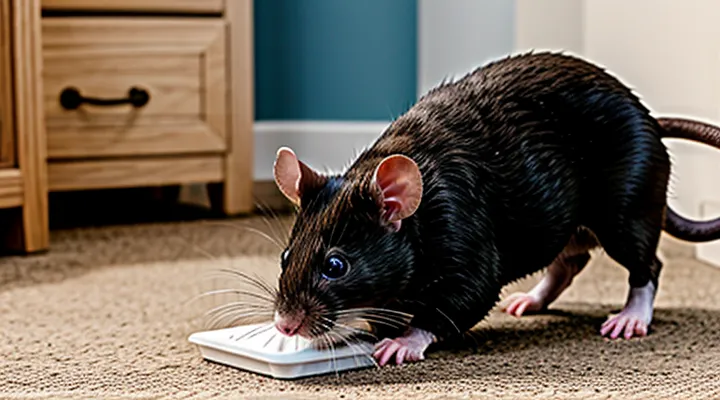
«Understanding Rat Litter Training Basics»
«Why Litter Train a Rat?»
«Hygiene and Odor Control»
Maintaining a clean environment is essential when encouraging a rat to adopt a single litter box. Regular removal of waste prevents bacterial growth and keeps odors at a minimum.
- Clean the box daily: scoop out solid waste and clumped litter each morning and evening.
- Replace the entire litter supply weekly: discard old material, wash the container with mild detergent, rinse thoroughly, and dry before refilling.
- Choose absorbent, low‑dust litter: paper‑based or wood‑chip substrates absorb moisture quickly and emit fewer odors than clay or silica products.
- Position the box on a non‑absorbent surface: a plastic tray or tile floor simplifies cleaning and prevents waste from seeping into surrounding areas.
- Ensure adequate ventilation: place the box near a draft‑free opening or use a small fan on low speed to circulate air without creating drafts that might disturb the rat.
Monitoring the scent level provides early warning of hygiene issues. A noticeable increase in smell indicates that the cleaning schedule or litter type needs adjustment. Consistent upkeep eliminates health risks and reinforces the rat’s preference for the designated area.
«Easier Cage Maintenance»
Training a rat to use one litter box concentrates waste in a predictable location, allowing the cage to be cleaned with fewer steps. When droppings and urine accumulate in a single area, the remaining substrate stays dry and uncontaminated, reducing the frequency of full‑cage changes.
Benefits for routine upkeep include:
- Targeted spot cleaning – only the litter box requires regular scooping, saving time.
- Lower substrate consumption – only the box needs fresh material, extending the life of the surrounding bedding.
- Simplified odor control – concentrated waste can be treated with a small amount of litter deodorizer, preventing widespread smell.
A consistent training routine reinforces the behavior. Place the box near the rat’s preferred nesting spot, reward successful use with a treat, and remove alternative waste sites. Repetition over several days establishes a reliable pattern, after which maintenance tasks become predictable and efficient.
«Enhancing Rat-Human Bond»
Strengthening the rat‑human relationship directly improves litter‑box training outcomes. Consistent, positive interaction builds trust, reduces stress, and encourages the animal to follow guidance.
- Offer hand‑fed treats during training sessions; associate the scent of the treat with the litter area.
- Maintain a predictable schedule for feeding, cleaning, and litter‑box access; regularity reinforces the rat’s sense of security.
- Use gentle, steady strokes when guiding the rat toward the box; avoid sudden movements that could trigger fear.
- Speak softly and maintain eye contact while the rat explores the litter zone; vocal reassurance signals safety.
- Keep the litter substrate clean and low‑dust; a comfortable environment prevents avoidance behavior.
Regular, low‑stress handling outside of training moments further consolidates the bond. Short, daily sessions of petting and play strengthen familiarity, making the rat more receptive to litter‑box cues. A well‑established connection reduces the number of errors, shortens the learning period, and promotes lasting compliance.
«Gathering Your Supplies»
«Choosing the Right Litter Box»
Select a litter box that matches the rat’s dimensions. A container with an interior length of 4–6 inches and a height of 2–3 inches allows the animal to turn comfortably without feeling confined. Low sides reduce the risk of climbing out, while a shallow depth prevents excess litter from spilling.
Choose a material that resists chewing and moisture. Hard‑plastic models endure gnawing and are easy to sterilize; avoid cardboard or thin wood that deteriorates quickly. A smooth interior surface discourages waste adherence, simplifying daily maintenance.
Ensure stability. A box with a wide base or rubberized feet stays stationary when the rat moves, eliminating wobble that could deter use. The entrance should be wide enough for easy access but not so large that the rat can bypass the box entirely.
Key selection criteria:
- Internal dimensions appropriate for the rat’s size
- Durable, chew‑resistant material (e.g., rigid plastic)
- Shallow depth to contain litter and reduce mess
- Wide, non‑slipping base for stability
- Simple, removable lid or cover for cleaning
- Affordable price without compromising quality
Prioritize models that combine these features to create a reliable, low‑maintenance solution for consistent litter‑box training.
«Selecting Appropriate Litter»
Choosing the right litter directly influences a rat’s willingness to use a confined bathroom area and affects hygiene.
Key factors for selection:
- Material safety – Opt for non‑toxic, dust‑free substrates such as paper‑based pellets or kiln‑fired clay. Avoid scented or chemically treated products that can irritate respiratory passages.
- Absorbency – High‑capacity absorbent media reduce moisture buildup, limiting odor and preventing the floor from becoming slippery.
- Texture – A fine, granular consistency encourages digging and nesting behavior without scattering excessively. Coarse granules may deter use and create cleanup challenges.
- Ease of cleaning – Litter that clumps or forms solid blocks simplifies removal and minimizes disturbance to the rat’s environment.
- Cost and availability – Sustainable options that are readily sourced ensure consistent replenishment without budget strain.
Implementing these criteria yields a substrate that supports consistent bathroom use, maintains a clean habitat, and promotes the rat’s health during the training process.
«Necessary Cleaning Tools»
Effective litter box training for a rat requires a consistent cleaning routine to maintain hygiene and reinforce proper behavior. The tools selected must be safe for small rodents, easy to use, and capable of removing waste without disturbing the animal’s environment.
- Dedicated scoop or small litter rake: Stainless‑steel or plastic, with a narrow profile to reach the corners of a compact box.
- Absorbent, low‑dust litter: Recycled paper or wood pellets that clump minimally, allowing easy removal of solid waste.
- Enzyme‑based cleaner: Non‑toxic solution that breaks down urine odors without leaving residues harmful to the rat. Apply with a spray bottle and let dry before refilling the box.
- Disposable gloves: Thin nitrile gloves prevent cross‑contamination and protect the handler from potential allergens.
- Microfiber cloths or paper towels: For wiping the interior after each cleaning session, ensuring no lingering moisture that could promote bacterial growth.
- Small waste container with a sealed lid: Holds used litter and scooped material, reducing odor and preventing accidental spillage.
Regular use of these items keeps the litter area sanitary, minimizes health risks, and supports the rat’s acceptance of a single, well‑maintained box.
«Rewards and Positive Reinforcement»
Effective training of a rat to use a single litter box depends on consistent reward delivery. Each correct elimination should be followed immediately by a positive stimulus, reinforcing the desired behavior before the animal can associate the act with any other outcome.
- Small pieces of fresh fruit (e.g., banana, apple)
- Tiny amounts of unsalted nuts or seeds
- A brief session of gentle petting or vocal praise
- Access to a favored chew toy for a few seconds
Timing matters; the reward must be presented within two seconds of the correct action. Delays weaken the connection between the behavior and the reinforcement, reducing learning speed.
Variability in reward type prevents habituation. Rotate among the items listed above, ensuring the rat remains motivated while avoiding overreliance on a single incentive.
Gradual reduction of reward frequency accelerates habit formation. After the rat consistently uses the box, shift from rewarding every instance to rewarding only occasional correct eliminations, eventually relying on intermittent reinforcement to maintain the behavior.
Maintain a stable environment: keep the litter box in the same location, use the same litter material, and avoid disturbances during training sessions. Consistency across all variables supports the rat’s ability to link the reward with the specific action of using the designated box.
«The Training Process»
«Introducing the Litter Box»
«Placement within the Cage»
Place the litter box where the rat can access it without crossing the feeding zone. Position it opposite the water bottle to separate food and waste areas, reducing contamination risk. A corner of the cage works well because rats naturally gravitate toward enclosed spaces for elimination. Ensure the box sits on a solid surface; avoid mesh floors that allow substrate to fall through.
- Height: keep the box level with the cage floor; elevated platforms confuse the animal.
- Size: choose a box slightly larger than the rat’s body to allow comfortable movement.
- Substrate: use a thin layer of absorbent, low‑dust material that stays in place.
- Visibility: locate the box where the rat can see it from its nest, encouraging consistent use.
- Accessibility: provide an unobstructed entry; avoid barriers such as tunnels or decorations that force the rat to navigate around the box.
Regularly inspect the placement for signs of avoidance, such as hoarding food near the box or urinating elsewhere. Adjust location promptly if the rat shows reluctance, maintaining a consistent environment to reinforce the desired behavior.
«Initial Scent Introduction»
Introducing a familiar odor to the litter area creates a clear association for the rat. The scent should come from a material the animal already uses, such as its own bedding or a piece of its nest. By placing this odor directly in the box, the rat learns that the space is appropriate for elimination.
- Collect a small amount of used bedding from the cage or a soft cloth the rat has chewed.
- Place the material at the bottom of the litter box, ensuring even coverage.
- Allow the rat to explore the box for a few minutes each day, without forcing interaction.
- Observe whether the rat scratches or deposits waste on the scented surface; reinforce the behavior with a brief, quiet praise.
- After several successful visits, gradually reduce the amount of familiar bedding and replace it with clean, unscented litter, maintaining the same texture.
Consistent exposure to the original scent during the first week establishes a reliable cue, facilitating the transition to a purely functional litter environment.
«Encouraging Use»
«Placing Droppings in the Box»
Placing fresh droppings in the litter box creates a scent cue that signals the correct location for elimination. Rats rely heavily on olfactory markers; a box containing their own waste encourages repeat use and reduces hesitation.
- Collect a small amount of recent droppings using tweezers or a disposable tool.
- Deposit the droppings in the center of the box, ensuring even distribution.
- Add a thin layer of fresh bedding over the droppings to mask excess odor while preserving the scent trail.
- Return the rat to the enclosure and observe its approach; most rats will investigate the box within minutes.
- If the rat avoids the box, repeat the placement after a short interval, maintaining consistency in location and bedding type.
Consistent reinforcement of this scent association accelerates the transition to exclusive box use.
«Observing Rat Behavior»
Observing a rat’s activity provides the data needed to shape successful litter‑box use. Focus on the moments when the animal pauses, sniffs, or repositions itself, as these indicate a decision point about elimination.
- Approaches the designated area: a rat that wanders toward the box and slows its pace signals curiosity.
- Pauses before entering: a brief halt suggests assessment of the substrate.
- Scratches or digs: digging motions reflect a natural urge to cover waste.
- Post‑elimination grooming: immediate grooming after a deposit confirms the behavior is recognized as appropriate.
Record the time of each observed action, the frequency of repeats, and any deviations such as avoidance or aggression toward the box. Use this information to adjust placement, substrate texture, or the timing of rewards, ensuring the training process aligns with the animal’s innate habits.
«Rewarding Success Immediately»
Immediate reinforcement is the most reliable method for shaping a rat’s litter‑box behavior. The moment the animal deposits waste in the designated tray, deliver a reward without delay; any pause weakens the association between the action and the positive outcome.
Preferred rewards include high‑value treats such as small pieces of dried fruit, mealworms, or specialized rodent biscuits. Use a consistent cue—verbal (“good”) or a brief click—paired with the treat to signal success clearly.
Timing must be precise. Position the treat within reach of the rat’s cage so that it can be offered the instant the litter box is used. Practice the sequence repeatedly: observe, reward, return the rat to its enclosure. Consistency over several sessions solidifies the habit.
- Identify the exact spot where the rat eliminates.
- Keep a treat ready at hand.
- As soon as waste contacts the litter, present the treat and a brief praise cue.
- Return the rat to its normal area and repeat the process.
«Troubleshooting Common Issues»
«Refusal to Use the Box»
Rats may reject a litter box for several reasons, each requiring a specific response.
Common causes of refusal include:
- Inadequate box size; a cramped enclosure prevents comfortable positioning.
- Unsuitable substrate; rough or scented materials can deter digging.
- Improper placement; a noisy, high‑traffic area creates stress.
- Lack of familiarity; the rat has not associated the box with elimination.
- Health issues; urinary tract infection or constipation can alter behavior.
To address refusal, follow these steps:
- Verify that the box dimensions allow the rat to turn around and dig without restriction.
- Select a low‑dust, absorbent substrate such as paper pellets or aspen shavings; avoid pine or cedar.
- Position the box in a quiet corner, away from food, water, and cage doors.
- Introduce the rat to the box gradually: place a small amount of soiled bedding inside to provide scent cues.
- Observe the rat after meals; gently guide it toward the box if it shows signs of searching for a spot.
- Reward immediate use with a brief treat; avoid over‑feeding to keep motivation high.
- Monitor for signs of illness—blood in urine, excessive licking of the genital area, or lethargy—and consult a veterinarian if observed.
Consistent application of these adjustments typically eliminates avoidance behavior and establishes reliable litter box use.
«Accidents Outside the Box»
Accidents outside the litter box indicate that the rat has not yet associated the designated area with elimination. Common triggers include unfamiliar scents, sudden changes in cage layout, and inconsistent cleaning routines. When a rat soils the floor, observe the timing and location to identify patterns; repeated incidents near food or water sources suggest the need for clearer separation.
To reduce stray messes, follow these precise actions:
- Place the litter box in a low‑traffic corner, away from feeding stations.
- Use a substrate that mimics natural bedding, such as paper‑based pellets, and refresh it daily.
- Keep the cage interior stable; avoid moving objects or altering the box’s position after the rat has begun using it.
- Clean any accidental deposits promptly with an enzymatic cleaner to eliminate lingering odors that may attract repeat use.
- Reward the rat immediately after successful elimination in the box with a small treat or gentle verbal praise.
If accidents persist, reassess the box size. A cramped container can deter entry; the box should accommodate the rat’s full body length with at least one inch of extra space for comfortable movement. Additionally, verify that the box’s entry is unobstructed and that the rat can easily climb in and out without slipping.
Finally, monitor health indicators. Persistent accidents may signal urinary tract infection or stress. Consult a veterinarian if the rat shows signs of discomfort, excessive grooming, or changes in urine output. Addressing medical issues alongside environmental adjustments ensures the rat reliably uses the single litter box.
«Dealing with Multiple Rats»
Training several rats to share one litter box requires careful management of hierarchy, placement, and reinforcement. Each animal must understand that the box is a communal resource rather than a personal privilege.
Begin by assessing the social dynamics of the group. Dominant rats often claim the box first, while submissive individuals may avoid it altogether. Observe interactions for a few days to identify the hierarchy and adjust the environment accordingly.
- Provide multiple entry points to the box, allowing all rats to approach from different angles.
- Position the box in a neutral area, away from feeding stations and sleeping nests, to reduce territorial disputes.
- Use identical bedding throughout the enclosure to eliminate scent markers that could signal ownership.
- Introduce a consistent cleaning schedule; remove waste daily and replace bedding with fresh material to maintain a pleasant scent for all rats.
- Employ positive reinforcement when any rat uses the box: deliver a small treat immediately after the act, regardless of the individual’s rank.
If conflict persists, consider adding a second, identical box. Place it at an equal distance from the primary resources to avoid favoring one location. Monitor usage; if both boxes are equally utilized, the group has adapted to shared sanitation.
Gradually phase out the extra box only after the dominant rat consistently yields space to lower‑ranking members. This transition reinforces cooperative behavior without compromising hygiene.
«Maintaining Litter Training»
«Regular Cleaning Routine»
«Daily Spot Cleaning»
Consistent spot cleaning each day is essential for reinforcing a rat’s litter‑box habit. Removing waste promptly prevents the area from developing a lingering odor that could deter the animal from returning. A clean surface also signals that the designated spot is the appropriate place for elimination, reducing the likelihood of accidents elsewhere.
- Inspect the litter box at least once every 24 hours.
- Use a small scoop or disposable spoon to lift solid deposits and clumps of urine‑soaked litter.
- Replace the removed material with fresh, low‑dust litter to maintain depth and texture.
- Wipe the box interior with a damp, unscented cloth; avoid harsh chemicals that could irritate the rat’s sensitive paws and nose.
- Discard used litter in a sealed container to contain odor.
Performing these steps at the same time each day creates a predictable routine that the rat can associate with its own behavior. Consistency minimizes confusion and supports faster acquisition of the single‑box habit.
«Weekly Full Box Cleaning»
Maintaining a clean litter box each week is essential for successful rat litter training. A thorough cleaning removes waste, odor, and bacterial buildup that can deter the animal from using the designated area.
- Empty all contents from the box.
- Rinse with warm water to eliminate residual particles.
- Apply a mild, unscented detergent; scrub surfaces with a brush.
- Rinse again until no soap remains.
- Disinfect with a diluted vinegar solution (1 part vinegar to 4 parts water) or a pet‑safe sanitizer; let sit for a few minutes.
- Dry completely before adding fresh, low‑dust litter.
Perform this routine on the same weekday to establish consistency. Replace the litter entirely during each cleaning to prevent clumping and ensure a fresh substrate. Regular weekly maintenance reduces health risks, encourages consistent use, and supports the overall training process.
«Consistency is Key»
«Reinforcing Good Habits»
Consistent positive reinforcement solidifies the desired behavior. When the rat deposits waste in the designated tray, deliver a small, high‑value treat within a second. Immediate reward links the action to a favorable outcome, increasing the likelihood of repetition.
Vary the reward type to maintain interest. Alternate between food morsels, brief play sessions, or a gentle verbal cue paired with a treat. Rotating incentives prevents habituation and keeps the reinforcement effective.
Maintain a strict schedule. Place the rat in the litter area after meals, after waking, and before bedtime. Predictable exposure creates routine, allowing the animal to associate specific times with the appropriate location.
Eliminate competing options. Remove or thoroughly clean any alternative spots where the rat might eliminate. A spotless environment reduces confusion and directs focus toward the sole tray.
Gradually increase the interval between rewards as the habit strengthens. Begin with reinforcement after each successful use, then transition to rewarding every third or fifth occurrence. This tapering reinforces the behavior without creating dependence on constant treats.
Document progress. Record the dates, times, and type of reward used for each successful elimination. Tracking data highlights patterns, identifies setbacks, and informs adjustments to the reinforcement plan.
«Adapting to Cage Changes»
When a rat’s enclosure is altered, the animal’s willingness to use a single litter box can diminish. Consistency, scent preservation, and gradual exposure are essential to maintain the learned behavior.
- Keep the litter box in the same corner after any cage reconfiguration. Relocating it triggers uncertainty and may cause accidents elsewhere.
- Transfer a portion of used litter to the new box before the move. The familiar odor signals that the area remains appropriate for elimination.
- Introduce the rat to the adjusted environment within a short, controlled session. Allow exploration for no more than five minutes, then return the animal to the box.
- Observe the rat’s posture and timing. Immediate use of the box indicates successful adaptation; hesitation suggests the need for additional scent reinforcement.
- If the rat avoids the box, add a small amount of fresh, unscented litter atop the old material to refresh the surface without eliminating the familiar smell.
During the transition, avoid removing the box or changing its dimensions. Any alteration to size or shape requires a separate habituation period, following the same steps of scent transfer and limited exposure. Regular monitoring and swift correction of misplacements prevent regression in the training process.