
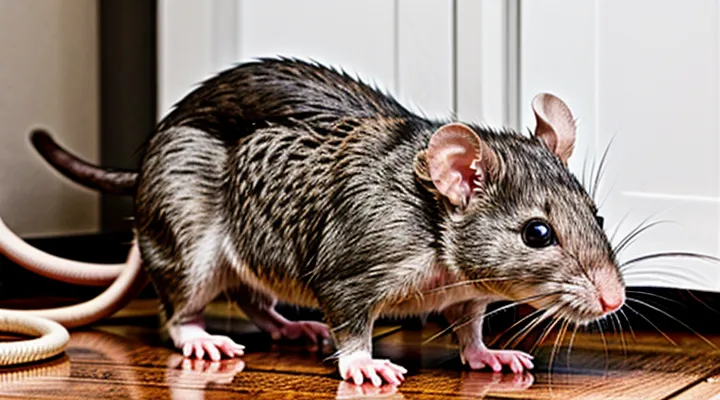
Behavioral Changes to Look For
Lethargy and Reduced Activity
Lethargy and reduced activity are among the first indicators that a rat’s health may be compromised. An otherwise active rodent normally explores its cage, climbs, and engages with enrichment items; any marked decline in these behaviors warrants immediate attention.
Typical manifestations include:
- Persistent sleeping beyond normal rest periods.
- Reluctance to climb, run on wheels, or interact with toys.
- Slow, uncoordinated movements when the animal does move.
- Lack of response to familiar stimuli such as food or handling.
When these signs appear, assess the following factors:
- Food and water intake – note any decrease in consumption; reduced appetite often accompanies systemic illness.
- Body condition – check for visible weight loss, loss of muscle tone, or a sunken abdomen.
- Respiratory pattern – observe for shallow or labored breathing, which may coexist with lethargy.
- Temperature – a rat’s normal body temperature ranges from 99.5 °F to 101 °F; a drop can cause sluggishness.
- External injuries – examine for wounds, bruises, or parasites that could cause pain and inactivity.
If multiple observations align with reduced activity, isolate the rat from cage mates to prevent stress spread, provide a warm, quiet environment, and contact a veterinarian promptly. Early intervention improves prognosis for conditions such as infections, metabolic disorders, or organ dysfunction that often present initially as lethargy.
Changes in Appetite or Thirst
Rats that are beginning to feel unwell often display noticeable shifts in how much they eat or drink. A sudden reduction in food intake may signal gastrointestinal distress, dental problems, or systemic infection. Conversely, an abrupt increase in consumption can indicate metabolic disorders such as diabetes or hyperthyroidism. Monitoring water consumption is equally critical; excessive drinking frequently accompanies kidney disease, diabetes mellitus, or respiratory infections, while a marked decline may precede dehydration, renal failure, or severe pain.
Key observations include:
- Food intake drops by more than 30 % within 24 hours.
- Food consumption rises sharply, especially sugary or high‑fat items.
- Water intake falls below normal levels, leading to dry bedding and sunken eyes.
- Water intake doubles or more, with frequent licking of the water bottle.
- Food or water is hoarded but not consumed, suggesting oral discomfort.
When any of these patterns emerge, prompt veterinary assessment is advisable to determine underlying pathology and initiate treatment. Continuous recording of feeding and drinking habits provides baseline data, enabling early detection of health deviations.
Hiding or Increased Aggression
Rats that are feeling unwell often alter their normal behavior, and two of the most reliable indicators are excessive concealment and a sudden rise in aggression. Recognizing these shifts allows caretakers to intervene before conditions worsen.
When a normally active rat begins to hide, the change is usually purposeful. Signs include:
- Spending most of the day in dark corners, tunnels, or under bedding.
- Avoiding contact with humans or cage mates.
- Moving slowly, appearing lethargic, or remaining motionless for extended periods.
- Adopting a hunched posture or curling tightly when approached.
Such behavior often points to pain, respiratory distress, gastrointestinal upset, or systemic infection. The animal seeks safety to conserve energy and reduce exposure to perceived threats.
A noticeable increase in aggression can be equally informative. Typical rat interactions involve brief chases and gentle nipping; escalation manifests as:
- Repeated biting of handlers or cage mates without provocation.
- Lunging, charging, or standing on hind legs to threaten.
- Marking territory aggressively, such as excessive urine spraying.
- Displaying a rigid, upright stance and flashing teeth.
These responses frequently arise from discomfort, dental problems, abdominal pain, or neurological disorders that heighten irritability.
If either concealment or heightened aggression is observed, immediate steps should include:
- Isolating the affected rat to prevent injury to others.
- Providing a quiet, low‑stress environment with easy access to food and water.
- Conducting a brief physical examination for wounds, swelling, or abnormal discharge.
- Contacting a veterinarian experienced with rodents for diagnostic testing and treatment.
Prompt attention to these behavioral cues greatly improves the likelihood of recovery and reduces the risk of complications.
Altered Grooming Habits
Rats maintain a clean coat through frequent self‑grooming; any deviation from this pattern signals potential health problems.
Typical alterations include:
- Reduced grooming frequency – prolonged fur dullness, matting, or visible debris indicates pain, lethargy, or systemic illness.
- Excessive grooming – localized hair loss, skin reddening, or scabs suggest dermatitis, parasites, or neurological discomfort.
- Irregular grooming locations – focus on a single body area, especially the face or hindquarters, often points to injury or localized infection.
- Abnormal grooming posture – hunched stance or inability to reach certain spots reflects musculoskeletal impairment or severe weakness.
When a rat displays any of these behaviors, conduct a physical examination, check for wounds, parasites, and signs of respiratory or digestive distress. Prompt veterinary assessment improves recovery prospects.
Physical Indicators of Health Issues
Respiratory Problems
Respiratory issues are a common indicator that a pet rat may be suffering. Look for the following observable signs:
- Rapid, shallow breathing or labored effort to inhale
- Audible wheezing, clicking, or rattling sounds from the chest
- Nasal discharge that is clear, cloudy, or pus‑filled
- Persistent sneezing or frequent nose rubbing
- Open‑mouth breathing, especially while at rest
- Reduced activity, lethargy, or unwillingness to explore
These symptoms often accompany infections (such as Mycoplasma pulmonis), allergic reactions, exposure to drafts, or poor air quality. Confirm the presence of a problem by:
- Observing the rat in a quiet environment for at least five minutes to assess breathing pattern.
- Checking the nasal passages and oral cavity for discharge or swelling.
- Measuring body temperature with a rectal thermometer; a fever above 101 °F (38.3 °C) suggests systemic involvement.
- Consulting a veterinarian for diagnostic tests, including radiographs or bacterial cultures, when symptoms persist beyond 24 hours.
Immediate actions include isolating the affected rat, providing a warm, draught‑free enclosure, and ensuring fresh, humidified air. Avoid aerosolized products or strong scents that may irritate the airway. Prompt veterinary intervention improves the likelihood of recovery and prevents spread to other rodents.
Labored Breathing
Labored breathing in rats appears as rapid, shallow breaths accompanied by visible effort of the chest and abdomen. The animal may pause between breaths, open its mouth, or exhibit flaring nostrils. Audible wheezing or rattling sounds often accompany the visual signs.
Common causes include respiratory infections, pneumonia, heart disease, fluid accumulation in the lungs, and environmental irritants such as dust or ammonia. Trauma to the thoracic cavity or severe stress can also produce similar patterns.
To evaluate the condition, observe the following indicators:
- Respiratory rate exceeding 150 breaths per minute at rest.
- Intercostal or abdominal muscles contracting noticeably with each breath.
- Presence of audible stridor, crackles, or wheezes.
- Cyanosis of the mucous membranes or extremities.
- Decreased activity level or reluctance to move.
If multiple indicators are present, immediate veterinary consultation is required. While awaiting professional care, isolate the rat in a quiet, well‑ventilated area, maintain optimal temperature (20‑22 °C), and avoid handling that could exacerbate stress. Administering supplemental oxygen, if available, may stabilize the animal until treatment begins.
Nasal and Ocular Discharge
Nasal and ocular discharge are immediate visual cues that a rat’s health may be compromised. Clear, thin secretions can be normal, especially after exposure to dust or mild irritation. However, any deviation from this baseline warrants closer observation.
Typical characteristics and their implications:
-
Color
• White or clear: often non‑infectious, may result from environmental factors.
• Yellow or green: suggests bacterial infection or secondary pneumonia.
• Red or pink: indicates possible hemorrhage or severe inflammation. -
Consistency
• Watery: usually mild irritation.
• Thick, mucoid, or pus‑like: points to bacterial or fungal involvement. -
Quantity and persistence
• Occasional droplets: may be transient.
• Continuous flow or accumulation: signals ongoing pathology.
When discharge appears abnormal, follow these steps:
- Isolate the affected rat to prevent spread.
- Record the discharge’s color, consistency, and duration.
- Examine the nasal passages and eyes for swelling, crusting, or discharge blockage.
- Provide a clean, low‑dust environment and ensure fresh water and balanced nutrition.
- Contact a veterinarian promptly; request a full physical exam, possible culture, and appropriate antimicrobial therapy.
Early detection of abnormal nasal or ocular secretions can prevent progression to systemic illness and improve recovery outcomes.
Sneezing and Wheezing
Sneezing in rats often signals irritation of the nasal passages. Observe the frequency, intensity, and accompanying discharge. Repetitive, forceful sneezes followed by clear or purulent nasal fluid suggest respiratory infection, allergic reaction, or exposure to dust and strong odors. Sudden onset of sneezing without an obvious environmental trigger may indicate viral or bacterial agents such as Mycoplasma pulmonis.
Wheezing reflects obstruction or narrowing of the lower airways. Listen for high‑pitched, continuous sounds during inhalation or exhalation. Persistent wheeze, especially when paired with labored breathing, points to bronchitis, pneumonia, or asthma‑like conditions. Note whether the rat displays open‑mouth breathing, flared nostrils, or reduced activity, as these amplify the severity of the underlying problem.
Key observations for both symptoms:
- Frequency (isolated vs. multiple episodes per minute)
- Presence of nasal or oral discharge
- Changes in breathing pattern (rapid, shallow, or prolonged)
- Behavioral signs (lethargy, loss of appetite)
- Environmental factors (dry bedding, strong scents, poor ventilation)
If sneezing or wheezing persists for more than 24 hours, intensifies, or is accompanied by additional clinical signs, seek veterinary evaluation promptly. Early detection and treatment improve recovery prospects and reduce the risk of chronic respiratory disease.
Skin and Coat Abnormalities
Rats with compromised health often display noticeable changes in their skin and coat. Observing these alterations provides an immediate clue to underlying problems.
Common abnormalities include:
- Hair loss or thinning – may indicate ectoparasites, fungal infection, or nutritional deficiency.
- Patchy alopecia – frequently associated with self‑induced trauma from itching or stress‑related grooming.
- Dry, flaky skin – suggests dehydration, low humidity, or mineral imbalance.
- Scabs, crusts, or open wounds – point to bacterial infection, ulceration, or trauma.
- Redness or inflammation – typically a response to irritation, allergic reaction, or dermatitis.
- Discoloration or pigment changes – can be a sign of vascular issues, bruising, or systemic disease affecting melanin production.
- Odor – a strong, foul smell often accompanies bacterial overgrowth or skin infection.
Each sign warrants a specific investigative approach. For parasite suspicion, perform a skin scrape and examine under a microscope. Fungal or bacterial concerns require culture or cytology. Nutritional or metabolic causes are best evaluated through blood work and dietary review. Prompt veterinary consultation ensures accurate diagnosis and appropriate treatment, preventing progression to more severe systemic illness.
Ruffled Fur or Hair Loss
Ruffled fur or hair loss provides a direct visual cue that a rat’s physiological balance may be compromised. A coat that feels rough, appears uneven, or shows bare patches signals that the animal is struggling to maintain normal skin and hair integrity.
Typical manifestations include:
- Coarse, unkempt fur that does not lie flat.
- Localized bald spots, often on the back, tail base, or ears.
- Clumped fur that sticks together, indicating excessive grooming or moisture.
- Scabs, redness, or crusty debris within affected areas.
Common underlying factors are:
- Nutritional shortfalls, especially deficiencies in essential fatty acids and vitamins.
- External parasites such as mites or lice, which irritate the skin and provoke hair loss.
- Dermatological infections (bacterial, fungal, or yeast) that disrupt follicle function.
- Chronic stress or environmental deprivation, leading to self‑induced over‑grooming.
- Hormonal disorders, including thyroid imbalance, that affect coat quality.
- Systemic illnesses (e.g., renal disease, respiratory infections) that manifest through skin changes.
When ruffled fur or alopecia is observed, follow a systematic assessment:
- Conduct a thorough visual examination of the entire coat, noting texture and lesion distribution.
- Gently palpate the skin for warmth, swelling, or fluid accumulation.
- Collect hair and skin samples for microscopic analysis to detect parasites or fungal elements.
- Record body weight and compare with recent measurements to identify hidden weight loss.
- Schedule a veterinary evaluation for laboratory testing (CBC, chemistry panel) if the condition persists or worsens.
Intervention strategies focus on addressing the root cause:
- Adjust diet to include high‑quality protein, balanced fatty acids, and vitamin supplements.
- Administer approved antiparasitic treatments according to veterinary guidance.
- Apply topical or systemic antimicrobials for confirmed infections.
- Enrich the habitat with nesting material, chew toys, and regular cleaning to reduce stress‑induced grooming.
- Treat hormonal or systemic disorders with appropriate medication and monitoring.
Prompt recognition and targeted response to coat abnormalities can prevent progression to more severe health complications.
Lumps, Bumps, or Sores
Lumps, bumps, or sores on a rat’s body often indicate underlying health problems. Any abnormal growth or lesion should be examined promptly because rodents conceal pain and infection, which can progress rapidly.
Typical observations include:
- Size change: rapid enlargement suggests infection or neoplasia.
- Consistency: soft, fluctuant masses often signal abscesses; firm, fixed lumps may be tumors.
- Surface condition: ulcerated or crusted areas indicate chronic irritation or malignancy.
- Discharge: pus, blood, or serous fluid points to infection or wound breakdown.
- Behavioral response: scratching, grooming excess, or reluctance to move signals discomfort.
Common causes are:
- Bacterial abscesses from bite wounds or skin breaches.
- Subcutaneous tumors, both benign (fibroma) and malignant (mast cell tumor).
- Parasitic infestations producing nodules or irritations.
- Ulcers caused by pressure, poor cage hygiene, or dietary deficiencies.
When a lesion is detected, isolate the rat to prevent stress on cage mates, then contact a veterinarian experienced with rodents. Diagnostic steps may involve fine‑needle aspiration, biopsy, or imaging to determine the nature of the mass. Treatment options range from antibiotic therapy for infections to surgical excision for tumors, often accompanied by supportive care such as analgesics and improved husbandry conditions. Early intervention improves prognosis and reduces the risk of systemic complications.
Excessive Scratching
Excessive scratching is a clear indicator that a rat’s health may be compromised. The behavior typically appears as frequent, vigorous pawing at the skin or fur, often accompanied by visible lesions, hair loss, or reddened patches. When observed, it signals an underlying problem that requires prompt attention.
Common triggers include:
- External parasites such as mites, fleas, or lice that irritate the skin.
- Dermatological infections caused by bacteria or fungi, leading to inflammation and discomfort.
- Allergic reactions to bedding material, food additives, or environmental irritants.
- Dry skin resulting from low humidity or inadequate grooming.
- Stress‑related behaviors where repetitive scratching serves as a coping mechanism.
To evaluate the severity, perform a systematic inspection:
- Examine the coat for missing hair, scabs, or crusty deposits.
- Feel the skin for warmth, swelling, or tenderness.
- Observe the rat’s posture; persistent scratching may cause a hunched stance or reluctance to move.
- Note any changes in appetite, activity level, or grooming habits, as these often accompany skin issues.
If any of the above signs are present, initiate the following steps:
- Isolate the affected rat to prevent parasite spread.
- Clean the cage thoroughly, replacing bedding with a hypoallergenic, dust‑free substrate.
- Bathe the rat with a mild, veterinary‑approved antiseptic shampoo if a skin infection is suspected.
- Schedule a veterinary examination for diagnostic testing, appropriate antiparasitic treatment, or prescription medication.
Timely identification and intervention prevent escalation to secondary infections, systemic illness, or chronic discomfort. Monitoring scratching behavior therefore plays a vital role in maintaining overall rat welfare.
Musculoskeletal Issues
Rats suffering from musculoskeletal problems often display distinct physical and behavioral changes that signal underlying health concerns. Limping, favoring one limb, or an inability to move normally indicates joint pain, arthritis, or muscle strain. Swelling around joints, visible deformities, or abnormal posture such as a hunched back suggest bone injury or chronic skeletal disease. Reduced activity, reluctance to climb or explore, and abnormal grooming of a specific area point to discomfort in the musculoskeletal system.
Key observations for early detection include:
- Asymmetrical gait or dragging of a foot
- Persistent favoring of a leg while standing or sitting
- Palpable heat, redness, or swelling at joints or bones
- Stiffness after rest, especially in the hind limbs
- Visible atrophy of muscle groups due to disuse
- Audible clicking or cracking sounds during movement
Prompt veterinary evaluation is essential when any of these signs persist beyond a short period, as untreated musculoskeletal disorders can progress to severe impairment and affect overall wellbeing. Regular handling and routine inspection of a rat’s limbs, spine, and posture provide reliable indicators of skeletal health and enable timely intervention.
Limping or Difficulty Moving
Observing a rat’s gait offers a direct clue to its health status. A limp or hesitation when moving often signals underlying problems that require prompt attention.
Common causes include:
- Acute injury (e.g., fracture, sprain, bite wound)
- Joint inflammation such as arthritis or bursitis
- Neurological disorders affecting muscle control
- Infections that weaken musculature or cause swelling
- Metabolic conditions like vitamin C deficiency leading to scurvy
To assess the condition accurately, follow these steps:
- Place the rat on a flat surface and watch its movement from multiple angles.
- Note any asymmetry in stride length, foot placement, or weight bearing.
- Gently palpate the affected limb for swelling, heat, or tenderness.
- Observe the rat’s willingness to climb or use the limb when presented with a small obstacle.
Immediate veterinary consultation is warranted if the limp persists beyond a few hours, worsens, or is accompanied by:
- Visible swelling or discharge
- Reluctance to eat or drink
- Rapid weight loss or lethargy
- Signs of pain such as vocalization or aggressive guarding
Early identification of locomotion issues can prevent progression to severe injury or systemic illness, ensuring the rat receives appropriate treatment and maintains optimal well‑being.
Swelling of Joints or Paws
Swelling of a rat’s joints or paws is a clear indicator that the animal is experiencing a health problem. The condition can arise from infection, trauma, metabolic disorders, arthritis, or tumor growth. Identifying the underlying cause promptly improves the chance of a successful outcome.
Visible enlargement of a limb, warmth to the touch, and a noticeable reduction in range of motion are the most reliable external cues. Additional behaviors often accompany the swelling:
- Limping or favoring the affected side
- Reluctance to climb, jump, or explore
- Decreased grooming of the swollen area
- Audible pain when the limb is handled
A veterinarian should perform a thorough physical examination, followed by diagnostic procedures such as radiography, ultrasound, or laboratory analysis of blood and tissue samples. These steps differentiate between inflammatory, infectious, or neoplastic origins.
Treatment depends on the diagnosis. Anti‑inflammatory drugs reduce pain and edema; antibiotics address bacterial infections; surgical intervention may be required for tumors or severe joint damage. Supportive care includes warm compresses, a soft bedding surface, and a diet enriched with nutrients that support joint health.
Preventive measures focus on minimizing injury risk and maintaining overall wellness. Provide chew‑safe enrichment, avoid sudden drops or hard surfaces, and schedule regular health checks to detect early signs of musculoskeletal issues.
Eye and Ear Problems
Rats frequently display health concerns through changes in their eyes and ears, making regular observation essential for early detection of disease.
Signs of ocular distress include:
- Redness or swelling of the eyelids and surrounding tissue
- Discharge that is clear, yellow, or pus‑colored
- Cloudy or milky corneas indicating cataracts or infection
- Excessive tearing or dry, crusted eyes
- Visible lesions, ulcers, or tumors on the cornea or conjunctiva
- Abnormal pupil size or shape, suggesting neurological involvement
Auditory problems manifest as:
- Scratching or pawing at the ears, often accompanied by head shaking
- Swelling, redness, or crusted debris in the ear canal
- Foul odor indicating bacterial or fungal infection
- Hair loss or scabs around the pinna
- Unsteady gait, circling, or loss of balance, reflecting inner‑ear dysfunction
- Audible noises such as clicking or whining when the rat moves
When any of these symptoms appear, isolate the affected animal, clean the area with a mild saline solution, and seek veterinary assessment promptly. Early intervention can prevent progression to more severe systemic illness.
Cloudy or Bulging Eyes
Cloudy or bulging eyes are immediate visual indicators that a rat’s health may be compromised. A milky or hazy cornea suggests fluid accumulation, infection, or trauma, while pronounced protrusion often reflects respiratory distress, sinus congestion, or elevated blood pressure.
Typical causes include:
- Upper respiratory infections that produce nasal discharge and pressure behind the eyes.
- Ocular diseases such as cataracts, glaucoma, or ulceration.
- Systemic conditions like kidney failure or heart disease that lead to fluid buildup.
- Physical injury causing swelling or hemorrhage.
When these signs appear, isolate the affected animal, examine the eye surface for discharge or redness, and assess breathing patterns. Prompt veterinary evaluation is essential; treatment may involve antibiotics, anti‑inflammatory medication, or supportive care such as fluid therapy and environmental modifications to reduce stress and humidity. Continuous monitoring after intervention helps confirm recovery and prevents recurrence.
Discharge from Ears
Ear discharge is a clear indicator that a rat’s health may be compromised. Normal ear canals are dry and free of any fluid; any visible secretion warrants immediate attention.
Typical characteristics of discharge include:
- Color: clear or slightly yellow suggests irritation; green, brown, or pus‑like material points to infection.
- Consistency: watery fluid often results from allergies or moisture exposure; thick, clumped substance indicates bacterial or fungal growth.
- Odor: a foul smell usually accompanies severe infection, while odorless fluid may be a mild irritation.
Common causes of ear discharge are:
- Otitis externa – inflammation of the outer ear canal, frequently triggered by excessive humidity, bedding debris, or trauma.
- Middle‑ear infection – bacterial or fungal invasion of the inner structures, often following untreated outer‑ear issues.
- Allergic reactions – exposure to dust, strong fragrances, or certain foods can provoke excessive ear wax production that later becomes discharge.
- Parasitic infestation – mites or lice can irritate the ear canal, leading to fluid exudation.
When discharge is observed, follow these steps:
- Isolate the affected rat to prevent spread of potential infection.
- Gently clean the outer ear with a warm, damp cloth; avoid inserting objects into the canal.
- Consult a veterinarian promptly; professional examination may require ear swabs for culture and sensitivity testing.
- Administer prescribed medication, typically topical antibiotics or antifungals, according to the vet’s instructions.
- Adjust environmental conditions: reduce humidity, provide dust‑free bedding, and eliminate strong scents.
Persistent or worsening discharge, especially when accompanied by head tilting, scratching, or hearing loss, signals a serious condition that must be addressed without delay. Regular visual checks of the ears during routine handling can catch early signs before they develop into more severe problems.
When to Seek Veterinary Care
Recognizing the point at which a pet rat requires professional medical attention prevents unnecessary suffering and improves recovery odds. Veterinary intervention is essential when any of the following conditions appear:
- Persistent weight loss exceeding 10 percent of body mass despite adequate nutrition.
- Continuous nasal discharge, coughing, or labored breathing.
- Bloody, watery, or mucus‑laden stool, or an abrupt cessation of fecal output.
- Swelling, abscesses, or open wounds that do not heal within 24–48 hours.
- Unexplained lethargy, tremors, or loss of coordination.
- Sudden changes in drinking behavior, such as excessive thirst or refusal to drink.
- Visible signs of dental overgrowth, malocclusion, or difficulty chewing.
- Persistent itching, hair loss, or skin lesions suggestive of parasites or infection.
- Fever, identified by a rectal temperature above 38 °C (100 °F).
Additional circumstances that merit immediate veterinary care include trauma from bites, falls, or cage accidents, and any exposure to toxic substances. If a rat exhibits multiple symptoms concurrently, prompt consultation is advised even if individual signs seem mild. Early professional assessment enables accurate diagnosis, appropriate treatment, and reduces the risk of complications.
Preventative Measures for Rat Health
Optimal Diet and Nutrition
A rat’s nutritional intake shapes observable health markers. Consistent consumption of balanced, species‑specific food establishes baseline behavior, coat condition, and activity level; deviations often precede clinical signs.
- Protein 18‑22 % of diet supports tissue repair and immune function; insufficient protein may cause lethargy, weight loss, and a dull coat.
- Fat 5‑8 % provides essential fatty acids; excess fat leads to obesity, reduced mobility, and respiratory strain.
- Fiber 5‑10 % promotes gastrointestinal motility; low fiber can result in constipation, reduced appetite, and abdominal discomfort.
- Vitamins A, D, E, and B‑complex prevent ocular, skeletal, and metabolic disorders; deficiencies manifest as eye opacity, bone fragility, or erratic behavior.
- Minerals calcium and phosphorus must be balanced; imbalance triggers urinary calculi, evident through abnormal urine output and foul odor.
Alterations in feeding habits often reveal underlying pathology. A sudden refusal of fresh produce may indicate dental disease or gastrointestinal upset. Increased water intake coupled with dry, crumbly pellets suggests renal stress. Weight fluctuations exceeding 5 % of body mass within a week warrant immediate dietary review.
Maintain a diet of high‑quality laboratory rat chow supplemented with fresh vegetables, limited fruits, and occasional protein treats. Rotate produce to prevent monotony, monitor portion size to avoid obesity, and ensure constant access to clean water. Record daily intake and body weight; trends provide early warning of illness before overt symptoms emerge.
Clean and Stimulating Environment
A rat’s wellbeing is reflected in its surroundings; a tidy, enriched habitat reduces stress and reveals health problems promptly. Consistently removing waste, sanitizing cages, and providing fresh bedding prevent respiratory infections and skin irritations that might otherwise mask symptoms.
- Replace bedding weekly; use low‑dust, absorbent material.
- Clean food bowls and water bottles daily; disinfect with a mild, rodent‑safe solution.
- Scrub cage bars and corners with a non‑abrasive cleanser every two weeks.
- Rotate enrichment items (tunnels, chew blocks, climbing structures) to maintain novelty and prevent boredom‑related behaviors.
A clean environment eliminates confounding variables, allowing caregivers to notice deviations such as reduced activity, altered grooming, or changes in appetite. When the habitat is regularly inspected and refreshed, any abnormal signs become more apparent, facilitating timely veterinary intervention.
Regular Health Checks at Home
Regular health monitoring at home provides the earliest indication that a pet rat may be experiencing problems. Consistent observation of behavior, appearance, and physiological signs creates a reliable baseline against which deviations become evident.
Key indicators to assess during each check include:
- Coat condition: smooth, glossy fur versus dull, patchy, or missing hair.
- Eyes and nose: clear, bright eyes and a moist, unobstructed nose versus redness, discharge, or crusting.
- Weight: stable or gradual increase; sudden loss of weight signals possible illness.
- Activity level: alert, exploratory movement versus lethargy, hunching, or reluctance to move.
- Eating and drinking: regular consumption of food and water; reduced intake or spillage suggests discomfort.
- Respiratory sounds: quiet breathing; audible wheezing, clicking, or rapid breaths indicate respiratory distress.
- Stool and urine: normal, well‑formed pellets; diarrhea, blood, or unusual odor require attention.
A systematic routine—daily visual scan, weekly weight measurement, and bi‑weekly detailed examination—ensures that subtle changes are captured promptly. Documenting observations in a simple log facilitates trend analysis and provides valuable information for veterinary consultation.
When any listed sign deviates from the established norm, immediate veterinary assessment is warranted. Early detection through disciplined home checks reduces the risk of severe disease progression and improves recovery prospects.
Understanding Rat Social Needs
Rats are highly social mammals; they thrive in groups where mutual grooming, play, and hierarchical interactions maintain psychological balance. When a rat lacks appropriate companionship, stress levels rise, which can mask or exacerbate underlying medical conditions. Observing social behavior therefore provides a reliable window into overall health.
Normal social patterns include frequent nose‑to‑nose contact, shared nesting, and coordinated exploration of the environment. Deviations from these patterns often precede or accompany physiological disturbances. Careful monitoring of interaction quality can reveal early warning signs that might otherwise be missed during routine physical checks.
Typical indicators of compromised well‑being manifested through social behavior are:
- Withdrawal from group activities; the individual isolates itself for prolonged periods.
- Excessive aggression toward cage mates, including biting or relentless chasing.
- Over‑grooming of the same body area, leading to hair loss or skin irritation.
- Persistent vocalizations such as high‑pitched squeaks during rest periods.
- Disruption of established hierarchy; the rat either refuses to submit or cannot assert dominance.
- Reluctance to enter communal nesting spaces, opting for solitary corners.
Each symptom should be evaluated in context; a single occurrence may be normal, whereas consistent patterns suggest illness. Prompt veterinary assessment is advised when multiple signs appear simultaneously, as they often correlate with infections, respiratory problems, or metabolic disorders.
Maintaining stable group composition, providing ample enrichment, and ensuring regular social interaction reduce stress‑related health risks. A balanced social environment not only supports mental welfare but also enhances the accuracy of health monitoring by making abnormal behaviors readily apparent.