
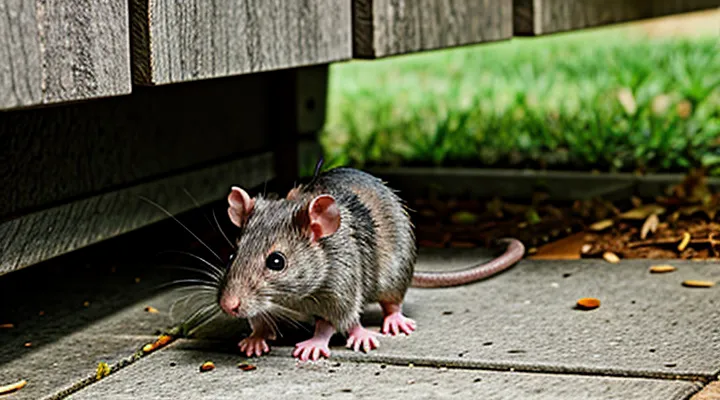
Understanding the Life Cycle of a Pet Rat
Average Lifespan
Rats generally live between one and three years, depending on species, environment, and care. Laboratory strains, such as Sprague‑Dawley and Wistar, commonly reach two to three years under optimal conditions. Wild brown rats (Rattus norvegicus) typically survive twelve to twenty‑four months, with high mortality rates caused by predation, disease, and harsh weather. Pet rats often achieve a lifespan of twenty‑four to thirty‑six months, reflecting moderate veterinary attention and controlled housing.
Shorter lifespans correlate with accelerated onset of age‑related decline. Recognizing a rat’s proximity to death involves observing physiological and behavioral changes that intensify as the animal approaches the end of its expected life span. Key indicators include:
- Marked weight loss exceeding ten percent of body mass.
- Persistent lethargy and reduced responsiveness to stimuli.
- Diminished grooming behavior and unkempt fur.
- Irregular respiration, such as shallow or labored breathing.
- Decreased food and water intake despite prior normal consumption.
Understanding the average lifespan provides a baseline for assessing whether observed signs fall within normal aging or signal imminent mortality. Early detection of these symptoms allows for humane intervention and informed decision‑making regarding end‑of‑life care.
Factors Influencing Longevity
Genetics
Genetic analysis provides objective criteria for recognizing terminal decline in laboratory rodents. Specific molecular changes correlate with physiological failure and precede overt clinical signs.
Key indicators include:
- Up‑regulation of pro‑apoptotic genes such as «p53» and «Bax».
- Down‑regulation of mitochondrial maintenance transcripts, notably «Sirt1» and «PGC‑1α».
- Accelerated telomere attrition detectable by quantitative PCR of telomeric repeats.
- Elevated circulating microRNAs linked to tissue injury, for example «miR‑122» and «miR‑21».
- Shifts in inflammatory cytokine expression, particularly increased «Il‑6» and reduced «Il‑10» transcripts.
Analytical approaches rely on high‑throughput techniques. Quantitative reverse transcription PCR validates expression levels of candidate genes. RNA‑sequencing offers comprehensive profiling, revealing coordinated network alterations. Targeted DNA methylation assays identify epigenetic drift associated with senescence.
Interpretation follows a tiered framework. First, baseline expression patterns from healthy cohorts establish reference ranges. Second, deviations exceeding two standard deviations trigger a mortality risk flag. Third, longitudinal sampling confirms trend consistency, reducing false‑positive identification.
Integration of genetic markers with physiological data enhances predictive accuracy. When genetic signatures align with reduced locomotor activity, loss of body weight, and hypo‑thermia, the probability of imminent death rises sharply. This multimodal strategy supports humane endpoint decisions and improves experimental reproducibility.
Diet and Nutrition
Dietary decline serves as a reliable indicator of impending mortality in laboratory and pet rats. Observable changes in food consumption, body condition, and metabolic waste provide objective data for assessing terminal status.
Key nutritional signs of near‑death condition include:
- Persistent refusal of solid and liquid food for more than 24 hours.
- Rapid, measurable weight loss exceeding 10 % of baseline body mass within a few days.
- Visible dehydration manifested by skin tenting, sunken eyes, and reduced urine output.
- Abnormal fecal consistency, such as watery stool or complete absence of feces, indicating gastrointestinal dysfunction.
- Diminished grooming behavior leading to coat roughness and loss of sheen.
These parameters, when recorded together, improve diagnostic certainty. Regular monitoring of body weight, food intake logs, and hydration status enables early detection of critical decline. Intervention strategies focus on supportive care, including subcutaneous fluids, easily digestible nutrient gels, and caloric supplementation, but may be limited when multiple signs converge, signaling that humane euthanasia should be considered.
Environment and Care
Identifying a rat that is approaching death requires careful observation of its surroundings and the way it is being tended. Subtle changes in habitat conditions often precede the final stage, while alterations in routine care provide additional confirmation.
Typical environmental clues include:
- Diminished activity in the cage, with the animal remaining motionless for extended periods.
- Abnormal posture, such as hunching or inability to maintain balance on the bedding.
- Noticeable drop in body temperature, resulting in cold extremities and a pale, almost translucent coat.
- Reduced or absent grooming, leading to a disheveled appearance and accumulation of waste.
- Persistent respiratory sounds that are shallow, irregular, or accompanied by audible wheezing.
Observations related to handling and nutrition reveal further evidence:
- Sharp decline in food and water intake, often leaving supplies untouched for days.
- Inconsistent response to gentle stimulation; the rat may fail to react to light touches or soft sounds.
- Weakened muscle tone, making it difficult to lift or support the animal without causing distress.
- Increased sensitivity to temperature changes, with the rat seeking warm spots but remaining lethargic.
- Presence of severe weight loss, measurable through regular weighing and comparison with baseline data.
These environmental and caregiving indicators, when considered together, provide a reliable framework for recognizing that a rat is nearing the end of life. Prompt consultation with a veterinarian is advisable to confirm the condition and discuss humane options.
Recognizing Signs of Decline
Behavioral Changes
Lethargy and Reduced Activity
Lethargy and reduced activity represent primary behavioral indicators that a rat is entering a terminal phase. Normal rodents display frequent exploration, rapid movements, and consistent interaction with their environment. When these patterns shift dramatically, the animal may exhibit the following observable changes:
- Persistent inactivity, remaining motionless for extended periods despite the presence of stimuli.
- Diminished response to handling, food, and familiar sounds.
- Slow, uncoordinated movements when locomotion occurs, often limited to short distances.
- Preference for secluded corners or nesting material, accompanied by a lack of curiosity.
These signs often emerge concurrently with physiological decline, such as weight loss, dehydration, and altered respiration. Distinguishing lethargy caused by illness from normal rest periods requires careful comparison with baseline activity levels recorded over several days. A sudden, sustained drop in activity, especially when paired with other health deteriorations, strongly suggests approaching death.
Monitoring protocols should include:
- Daily observation of movement frequency and duration.
- Recording of response latency to gentle tactile stimulation.
- Assessment of feeding and drinking behavior.
- Documentation of any changes in posture, such as hunching or inability to maintain upright stance.
Consistent documentation enables early identification of terminal decline, allowing caregivers to provide appropriate palliative care and to make informed decisions regarding humane end‑of‑life measures.
Hiding and Isolation
Rats approaching the end of life often withdraw from social interaction and seek concealed spaces. This shift in behavior signals a deteriorating physiological state and reduced motivation to engage with conspecifics.
Typical manifestations include:
- Preference for secluded corners, burrows, or behind objects rather than open areas.
- Decreased participation in group activities such as grooming or foraging.
- Limited vocalizations; silence replaces normal squeaking.
- Diminished response to stimuli from cage mates, indicating diminished social drive.
These patterns arise from pain, weakness, or loss of sensory function, prompting the animal to conserve energy and avoid predation risk. Observation of persistent isolation, especially when accompanied by reduced movement and appetite, provides reliable evidence that the rat is nearing death. Continuous monitoring of these behaviors allows timely veterinary intervention and humane end‑of‑life care.
Loss of Appetite and Thirst
Loss of appetite and reduced water intake are immediate indicators that a rat is approaching the end of its life. The animal will often ignore food placed in the cage, even when offered favorite items, and will show little to no interest in drinking fluids.
- No consumption of regular chow for 24–48 hours
- Absence of nibbling on fresh fruits or vegetables
- Lack of interaction with water bottle or droplet bottles
- Weight loss measurable on a scale within a few days
Physiologically, the decline in eating and drinking reflects organ failure, metabolic imbalance, and severe dehydration. As the body conserves energy, digestive activity ceases, leading to muscle wasting and weakened immune response. Dehydration exacerbates circulatory collapse, causing lethargy and a drop in body temperature.
Caretakers should monitor food and water trays multiple times per day. If consumption remains absent for more than two consecutive days, consider the rat to be in a terminal stage and provide humane end‑of‑life care, including a quiet environment, soft bedding, and minimal handling to reduce stress. Immediate veterinary consultation is advisable when loss of appetite and thirst appear sudden, to rule out treatable conditions before confirming a near‑death prognosis.
Changes in Social Interaction
Rats nearing the end of life display marked alterations in their social behavior. Healthy individuals engage frequently in mutual grooming, play bouts, and hierarchical contests. When physiological decline accelerates, these interactions diminish sharply.
Observed changes include:
- Withdrawal from group activities; the rat spends the majority of time isolated in a corner.
- Reduction or cessation of allogrooming; peers receive fewer grooming attempts.
- Decreased huddling during rest periods; solitary sleeping replaces communal nesting.
- Lower frequency of nose‑to‑nose contacts and brief investigative sniffing.
- Attenuated ultrasonic vocalizations during social encounters.
Monitoring protocols recommend continuous observation of interaction counts per hour, comparison with baseline activity recorded during stable health, and documentation of any progressive decline over at least two consecutive days. Quantitative thresholds, such as a 50 % drop in grooming bouts, serve as practical indicators.
Early identification of these behavioral shifts permits timely humane interventions, adjustment of environmental conditions, and preservation of experimental validity. Recognizing «social withdrawal» as a reliable sign of imminent mortality enhances both animal welfare and scientific accuracy.
Physical Manifestations
Weight Loss and Muscle Atrophy
Weight loss in rodents approaching the end of life occurs rapidly and exceeds normal fluctuations caused by dietary changes. Food intake drops dramatically, often falling below 30 % of baseline consumption within 24–48 hours. Body mass measurements reveal a decline of more than 15 % of initial weight over a few days, indicating a shift from fat reserves to catabolic processes.
Muscle atrophy accompanies the loss of body mass. Visible thinning of the hind‑limb and fore‑forearm musculature appears within days of reduced intake. Palpation uncovers decreased firmness, and the muscle‑to‑bone ratio measured with calipers shows a reduction of 10 % or more. Histological examination, when performed, demonstrates fiber shrinkage, increased interstitial space, and infiltration of adipocytes.
Key physiological markers reinforce visual observations:
- Plasma albumin concentration falls below 2.5 g/dL.
- Creatine kinase activity rises modestly, reflecting muscle breakdown.
- Blood urea nitrogen increases, indicating protein catabolism.
Behavioral changes correlate with physical decline. Rats exhibit reduced locomotor activity, spend extended periods immobile, and display diminished grooming. Respiratory patterns become shallow, with occasional irregular breaths.
Combining quantitative weight tracking, muscle thickness assessment, and biochemical profiling provides a reliable framework for recognizing rats nearing mortality. Early detection facilitates humane interventions and accurate interpretation of experimental outcomes.
Poor Grooming
Poor grooming signals a critical health decline in rats. A rat that no longer maintains its coat often suffers from systemic failure, reduced mobility, or severe illness. The condition appears quickly and persists despite normal environmental conditions.
- Matted or tangled fur that the animal cannot untangle.
- Dull, patchy coat lacking the usual sheen.
- Accumulation of debris, urine, or feces on the fur.
- Missing whiskers or visible loss of fur on the face and limbs.
- Persistent self‑neglect despite access to clean bedding and nesting material.
These signs arise from weakened musculature, pain, or neurological impairment that hinder the grooming reflex. Metabolic disorders, advanced respiratory disease, or organ failure commonly produce the same pattern. The absence of grooming correlates with reduced body temperature regulation and increased susceptibility to skin infections, accelerating the decline.
Caretakers should monitor coat condition daily, isolate any rat displaying the above indicators, and consult a veterinarian promptly. Immediate supportive care—hydration, analgesics, and a warm environment—may extend comfort, but persistent poor grooming often indicates that the animal is approaching the end of its life cycle.
Respiratory Distress
Respiratory distress in rats signals severe physiological decline and often precedes mortality. Diminished airflow, abnormal breathing patterns, and inadequate oxygen exchange reflect critical failure of the respiratory system.
Key indicators include:
- Rapid, shallow breaths (tachypnea) that lack depth.
- Audible wheezing or crackles heard during inspiration or expiration.
- Gasping motions without effective air movement.
- Presence of nasal flaring or exaggerated abdominal contractions.
- Cyanotic coloration of the tongue, ears, or extremities indicating hypoxia.
- Lethargic or unresponsive behavior accompanying irregular respiration.
Physiological mechanisms underlying these signs involve obstruction of the airway, pulmonary edema, or collapse of alveolar structures, leading to reduced gas exchange. Progressive hypoxemia triggers compensatory tachycardia, which may become ineffective as cardiac output declines.
Observation of the described respiratory abnormalities, combined with other systemic signs such as severe weight loss, anorexia, and profound weakness, provides a reliable assessment of imminent fatality in laboratory or pet rats. Immediate veterinary intervention is rarely successful once these criteria are met, underscoring the importance of early detection.
Neurological Symptoms
Recognizing terminal neurological decline in laboratory rats requires observation of specific functional impairments. Diminished reflexes, altered gait, and loss of coordination indicate that the animal is approaching the end of life.
- Absence of righting reflex when the animal is placed on its back
- Severe ataxia, characterized by unsteady, wobbling movements
- Persistent tremor or myoclonus that does not respond to stimulation
- Reduced responsiveness to tactile and auditory cues
- Progressive loss of muscle tone leading to flaccidity
- Inability to maintain posture, resulting in frequent falls
These signs reflect widespread central nervous system failure. When multiple indicators appear concurrently, the probability of imminent mortality increases sharply. Veterinary intervention should focus on humane endpoints, ensuring that analgesia and euthanasia are administered promptly to prevent unnecessary suffering. «Neurological decline signifies terminal condition».
Tremors
Tremors indicate neuromuscular deterioration that frequently precedes death in rats. The phenomenon «tremors» manifests as involuntary, rhythmic muscle contractions visible in the limbs, whiskers, or facial muscles. Frequency may increase from occasional quivers to continuous shaking within hours.
Physiological decline reduces motor neuron function, leading to loss of coordination and heightened excitability of peripheral nerves. Energy depletion and organ failure amplify the intensity of the movements.
Observable characteristics include:
- Rapid, low‑amplitude oscillations that become more pronounced over time.
- Persistence during rest and sleep, unlike stress‑induced shaking that ceases with calming.
- Accompaniment by lethargy, loss of appetite, and irregular breathing.
Statistical observation of laboratory colonies shows that sustained «tremors» often appear 12–48 hours before cessation of cardiac activity. The onset aligns with severe metabolic acidosis and systemic hypoxia, both markers of imminent mortality.
Practical monitoring guidelines:
- Record the onset time and progression of shaking.
- Distinguish between brief shivers caused by temperature fluctuations and continuous tremors.
- Note concurrent signs such as pale mucous membranes, reduced responsiveness, and weight loss.
- Maintain a quiet environment to avoid confounding stress responses.
When persistent «tremors» are documented, humane intervention should be considered. Immediate veterinary assessment can confirm terminal status, allowing for appropriate end‑of‑life care and minimizing unnecessary suffering.
Seizures
Seizures represent a critical physiological indicator that a rodent is approaching the end of life. Observable manifestations include sudden, uncontrolled muscle contractions, loss of posture, and rhythmic jerking of limbs. These events often appear after prolonged illness, severe metabolic imbalance, or advanced organ failure.
Key characteristics of terminal seizures in rats:
- Rapid onset without preceding warning signs.
- Duration ranging from a few seconds to several minutes, frequently escalating in intensity.
- Lack of recovery between episodes; the animal remains unconscious or minimally responsive.
- Accompanying autonomic disturbances such as irregular breathing, cyanosis, and drooping of the tail.
Diagnostic considerations:
- Continuous video monitoring permits detection of subtle convulsive activity that may be missed during periodic checks.
- Electroencephalographic recordings show high‑amplitude, low‑frequency spikes correlating with clinical seizures.
- Blood analysis often reveals elevated lactate, hyperkalemia, and severe acidosis, supporting the diagnosis of imminent death.
Management implications:
- Immediate cessation of invasive procedures prevents unnecessary stress.
- Administration of anticonvulsants provides limited benefit; focus shifts to humane euthanasia when seizures persist.
- Documentation of seizure frequency and pattern aids in prognostic assessment for future research cohorts.
Recognition of these seizure patterns enables timely, humane decision‑making for rats nearing the end of life.
Disorientation
Disorientation appears as a reliable indicator that a rodent is entering the final phase of life. The animal may wander aimlessly, fail to recognize familiar parts of its cage, and exhibit hesitation before moving. Loss of spatial awareness often accompanies reduced responsiveness to external stimuli, such as light or sound, and may be observed as frequent pauses or circular paths.
Key manifestations include:
- Inconsistent navigation of the enclosure, with repeated attempts to enter the same area without success.
- Failure to locate food or water sources that were previously identified with ease.
- Reduced ability to climb or use familiar routes, resulting in clumsy or stalled movements.
Physiological correlates support behavioral observations. Declining cerebral perfusion and metabolic slowdown impair neural circuits responsible for spatial memory. Consequently, the rat’s internal map degrades, leading to the erratic behavior described above.
Monitoring disorientation alongside other terminal signs, such as diminished grooming and altered respiration, enhances the accuracy of prognostic assessments. Early detection allows for humane intervention and appropriate end‑of‑life care.
Visible Tumors or Lumps
Visible tumors or lumps frequently indicate severe health decline in rodents approaching the end of life. Tumors manifest as abnormal growths on the skin, fur, or internal organs that become palpable through the coat. Lumps may be firm, irregular, or soft, and their size often increases rapidly over days.
Key observations include:
- Sudden appearance of a mass larger than a pea, especially on the abdomen, hind limbs, or facial area.
- Rapid growth of an existing growth, suggesting uncontrolled cell proliferation.
- Ulceration, bleeding, or necrotic tissue on the surface of the mass, indicating tissue death.
- Associated behavioral changes such as reduced mobility, reluctance to groom, and isolation from conspecifics.
- Weight loss despite the presence of a sizable tumor, reflecting metabolic disruption.
When these signs are present, veterinary assessment is essential to confirm malignancy and evaluate prognosis. In the absence of intervention, visible tumors or lumps often precede systemic failure and are reliable indicators that the animal is nearing death.
Changes in Fur and Skin Condition
Rats approaching the end of life display distinct alterations in fur and skin that can be observed without special equipment. The coat loses its normal sheen, becoming dull and brittle. Individual hairs may break easily, and patches of missing fur appear, especially around the tail, hind limbs, and abdomen. The skin underneath can turn pale or grayish, losing the typical pink coloration; this pallor reflects reduced circulation. Areas of the skin may become dry, flaky, or exhibit fine scaling, indicating dehydration and impaired grooming. Swelling or edema can cause the skin to stretch, creating a taut, shiny appearance, particularly on the paws and facial region.
Key indicators include:
- Dull, brittle fur with frequent breakage
- Localized hair loss, often on tail and limbs
- Skin pallor or grayish hue replacing normal pink tone
- Dry, flaky, or scaly patches suggesting dehydration
- Edematous swelling producing stretched, glossy skin
These physical changes, when combined, provide reliable evidence that a rat is in a terminal condition. Prompt assessment allows for humane decision‑making and appropriate care.
Providing Comfort and Support
Creating a Peaceful Environment
Warmth and Soft Bedding
Rats approaching the end of life exhibit distinct alterations in their use of temperature and nesting material. Loss of thermoregulatory control leads to a noticeable increase in body warmth; the animal may remain in a single spot for prolonged periods, often choosing the warmest area of the cage. Peripheral vasodilation can cause the skin to feel hotter to the touch, and the rat may no longer seek cooler zones even when ambient temperatures rise.
Simultaneously, the animal’s interaction with bedding changes markedly. Soft, insulating substrates become a preferred refuge, and the rat may burrow deeply, forming a compact nest that minimizes movement. Reduced locomotion and a tendency to remain immobile within the bedding are reliable indicators of declining health.
Key observations:
- Persistent presence in the warmest corner of the enclosure.
- Elevated surface temperature detectable by gentle touch.
- Extensive nesting in soft material, with the rat lying flat and motionless.
- Diminished response to external stimuli while concealed in bedding.
These behavioral and physiological cues provide a practical framework for recognizing that a rat is nearing the end of its lifespan.
Reduced Noise and Stress
Reduced acoustic disturbances and environmental stressors enhance the reliability of physiological and behavioral markers that indicate a rat is approaching the end of life. When external stimuli are minimized, subtle changes such as reduced locomotion, altered grooming patterns, and variations in respiration become more discernible.
Key practices for achieving «Reduced Noise and Stress» include:
- Isolation of the animal chamber from loud equipment and foot traffic.
- Use of sound‑absorbing materials on walls and ceilings.
- Maintenance of consistent lighting cycles and temperature without abrupt fluctuations.
- Limitation of handling to essential procedures, performed with gentle restraint techniques.
- Provision of nesting material to allow natural burrowing behavior, which lowers anxiety levels.
Implementing these measures yields a quieter, calmer environment that permits accurate assessment of terminal indicators such as progressive hypothermia, diminished response to tactile stimuli, and prolonged periods of immobility. The clearer signal-to-noise ratio obtained through «Reduced Noise and Stress» supports timely and humane decision‑making regarding end‑of‑life care.
Nutritional Considerations for Senior Rats
Soft and Easily Digestible Foods
Soft and easily digestible foods serve as a practical tool when evaluating a rat that approaches the end of life. Their gentle texture reduces the risk of choking, while rapid absorption provides a clear measure of the animal’s willingness to eat.
Suitable foods possess the following attributes: low fiber content, minimal fat, smooth consistency, and mild flavor. Temperature should be warm, not hot, to encourage consumption without causing discomfort.
Typical options include:
- «baby formula» diluted with water, warmed to body temperature
- «plain oatmeal» cooked to a soupy consistency
- «unsweetened applesauce» thinned with a small amount of water
- «soft boiled egg» mashed and mixed with a splash of broth
Feeding protocol recommends offering a small amount (approximately one teaspoon) every two hours. Present the food on a shallow dish to limit effort required for access. Observe the rat’s response within five minutes; acceptance indicates residual appetite, while refusal suggests diminished physiological function.
Monitoring intake frequency and volume provides a reliable indicator of the animal’s condition. Consistent refusal of these gentle foods, despite repeated offering, typically signals that the rat is no longer able to sustain basic metabolic processes.
Hydration Strategies
Hydration status provides a reliable indicator of a rat’s proximity to mortality. Decreased fluid intake precedes systemic failure and appears before overt behavioral changes. Monitoring water consumption allows early detection of critical decline.
Key observations include:
- Daily water volume reduced by more than 30 % of baseline.
- Dry, brittle mucous membranes upon gentle inspection.
- Skin tenting lasting longer than two seconds after gentle pinch.
Intervention strategies focus on maintaining fluid balance while confirming the animal’s condition:
- Offer electrolyte‑enhanced solutions in addition to plain water to encourage voluntary intake.
- Provide wet food or gel packs to supplement hydration without forcing ingestion.
- Administer subcutaneous isotonic fluids in small increments (2–3 ml per 100 g body weight) if oral consumption falls below detectable levels.
- Record intake hourly during the observation period; abrupt cessation signals imminent death.
Continuous assessment of these parameters, combined with prompt fluid support, refines the ability to recognize rats nearing the end of life without reliance on subjective signs.
Pain Management and Veterinary Consultation
Recognizing Pain Signals
Recognizing pain signals in a rat approaching the end of life requires careful observation of behavioral and physiological changes. Subtle alterations often precede more obvious signs of decline.
Typical indicators include:
- Decreased mobility, reluctance to explore, and prolonged periods of immobility.
- Abnormal posture such as hunching, arching of the back, or a flattened abdomen.
- Reduced grooming activity, resulting in a dull or unkempt coat.
- Changes in facial expression, notably squinting, narrowed eyes, or tension around the muzzle.
- Vocalizations that differ from normal squeaks, such as low‑frequency grunts or prolonged whines.
- Altered feeding and drinking patterns, with marked reduction or complete cessation.
- Irregular respiration, characterized by shallow breaths, irregular rhythm, or audible wheezing.
- Elevated heart rate detectable by palpation or subtle skin color changes, often presenting as a pale or mottled appearance.
Physiological monitoring can complement visual assessment. Temperature drops below normal baseline, typically measured via a rectal probe, signal metabolic slowdown. Blood analysis may reveal increased cortisol or inflammatory markers, though such testing is rarely practical in routine care.
Combining these observations creates a reliable profile of discomfort that signals an approaching terminal phase. Prompt recognition enables humane intervention, pain mitigation, and appropriate end‑of‑life decisions.
Discussing Palliative Care Options
Identifying a rat that is approaching the end of life requires observation of diminished mobility, weight loss, labored breathing, and lack of interest in food or water. Once such signs are evident, palliative care focuses on comfort, pain management, and humane handling.
• Analgesics: administer low‑dose buprenorphine or meloxicam to alleviate pain without inducing sedation.
• Hydration: provide subcutaneous sterile saline to maintain fluid balance when oral intake ceases.
• Nutritional support: offer softened, high‑calorie diets or syringe‑fed formula to prevent severe hypoglycemia.
• Environmental enrichment: keep temperature stable, reduce noise, and provide soft bedding to minimize stress.
• Euthanasia consideration: evaluate the animal’s quality of life continuously; if suffering escalates despite interventions, humane euthanasia may be the most compassionate option.
Implementation demands strict dosage calculation based on body weight, regular monitoring of physiological parameters, and documentation of all interventions. Coordination with a veterinarian experienced in small‑animal care ensures that each measure aligns with ethical standards and the animal’s welfare.
Ethical Considerations
Quality of Life Assessment
Assessing the quality of life in a rat that is approaching death requires systematic observation of physiological, behavioral, and environmental indicators. Objective measures reduce subjectivity and support humane decision‑making.
Key parameters include:
- Body weight loss exceeding 20 % of baseline.
- Decreased food and water intake, measured over a 24‑hour period.
- Reduced locomotor activity, recorded by cage‑mounted motion sensors.
- Altered grooming behavior; absence of self‑maintenance for more than 12 hours.
- Respiratory irregularities such as shallow breaths or audible wheezing.
- Skin temperature gradient, detected with infrared thermography, indicating peripheral vasoconstriction.
Neurological signs provide additional insight:
- Diminished response to tactile stimuli.
- Loss of righting reflex.
- Decreased exploratory behavior in open‑field tests.
Environmental factors influence assessment accuracy. Maintain consistent lighting, temperature, and bedding to avoid confounding stress responses. Record observations at regular intervals—preferably every 6 hours—to capture rapid changes.
«Quality of Life Assessment» integrates these data points into a scoring system. Each criterion receives a weighted value reflecting severity; the aggregate score predicts terminal decline. Thresholds are predefined: scores above 80 % typically signal that the animal is in a near‑death state, warranting humane euthanasia according to institutional guidelines.
Implementing this structured approach ensures that decisions are based on quantifiable evidence rather than intuition, aligning with ethical standards for laboratory animal care.
The Decision-Making Process
Assessing whether a rodent approaches the end of life requires a systematic decision‑making framework. The framework proceeds through data collection, criterion evaluation, and action selection, each stage grounded in observable evidence.
Data collection focuses on physiological and behavioral indicators. Relevant observations include:
- Diminished responsiveness to stimuli
- Marked weight loss and muscle wasting
- Labored breathing or irregular respiratory patterns
- Abnormal gait, frequent stumbling, or inability to move
- Opaque, sunken eyes and dull fur
- Persistent lethargy and reduced grooming
Each indicator should be recorded quantitatively when possible (e.g., frequency of breathing pauses per minute) to reduce subjectivity.
Criterion evaluation translates raw observations into a risk assessment. Thresholds define the point at which signs collectively suggest a «terminal condition». For example, the presence of three or more severe indicators, or any single indicator reaching a critical intensity, triggers a high‑risk classification. The evaluation matrix must remain consistent across assessments to ensure reproducibility.
Action selection follows the risk classification. When a high‑risk status is confirmed, the protocol mandates immediate humane intervention, such as euthanasia following institutional guidelines. If the risk remains moderate, continued monitoring at defined intervals (e.g., every two hours) is required, with reassessment using the same criteria. Low‑risk cases warrant routine care without escalation.
The decision‑making process thus integrates systematic observation, objective threshold analysis, and predefined response pathways, enabling reliable identification of a rat nearing death without reliance on intuition.
Dealing with Grief
Observing a rodent that shows clear signs of imminent demise often triggers a strong emotional response. Recognizing the loss of a small companion, even when the animal is not a pet, can generate grief comparable to that felt after the death of a larger animal.
First step in coping with this sorrow is to acknowledge the feeling without judgment. Naming the emotion—sadness, disappointment, or guilt—creates a mental space for processing. Next, share the experience with a trusted individual; verbalizing the event reduces isolation and validates the reaction.
Practical actions support emotional regulation:
- Remove the animal from the environment promptly, using gloves to protect health.
- Clean the area with mild disinfectant, preventing contamination.
- Dispose of the carcass according to local regulations, ensuring respectful handling.
- Document observations (e.g., lethargy, labored breathing) for future reference or veterinary consultation.
Self‑care measures sustain resilience:
- Maintain regular sleep and nutrition patterns.
- Engage in brief physical activity to lower stress hormones.
- Allocate time for reflective practices such as journaling or meditation.
- Limit exposure to additional distressing stimuli for a short period.
If grief persists beyond a few weeks, professional guidance—counseling, therapy, or support groups—offers structured assistance. Access to trained specialists prevents prolonged emotional distress and promotes healthy adaptation to loss.