
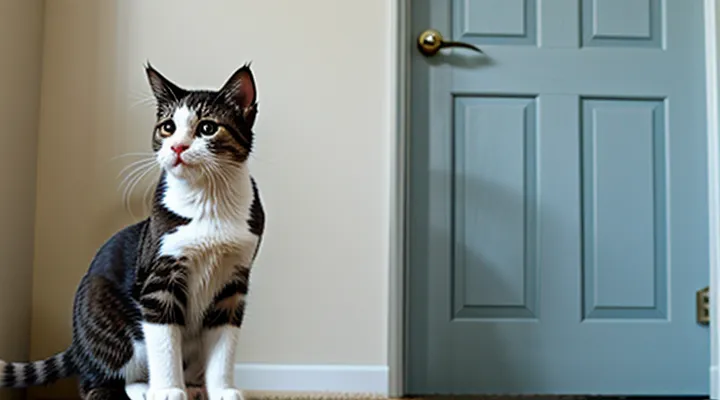
Understanding Your Cat's Instincts
The Predator Within
Cats possess an innate hunting drive that can be harnessed to develop effective mouse‑capture behavior. This drive originates in the species’ evolutionary need to subdue small prey and manifests as heightened focus, rapid pounce, and precise bite. When the drive is engaged under controlled conditions, a cat learns to translate instinct into reliable action.
To convert natural predation into consistent mouse hunting, follow a structured approach:
- Introduce live or simulated prey in a safe, enclosed area; ensure the cat can observe movement without risk of injury.
- Reward successful pounce with a brief, high‑value treat; repeat immediately to reinforce the association between capture and positive outcome.
- Gradually increase prey mobility and complexity, allowing the cat to adapt its timing and stalking technique.
- Incorporate short, regular sessions; excessive duration leads to fatigue and reduced focus.
- Monitor health indicators such as weight, coat condition, and stress signals; adjust frequency or intensity if adverse signs appear.
Progress assessment relies on measurable criteria: latency between prey appearance and attack, accuracy of strike, and consistency across multiple trials. Recording these metrics provides objective feedback and guides incremental adjustments.
Effective activation of the internal predator equips the cat with a functional skill set, reduces rodent populations, and satisfies the animal’s biological expectations without compromising welfare.
Breed-Specific Traits
Different cat breeds display distinct hunting capacities that influence training effectiveness. Siamese and Bengal cats possess high prey drive, rapid reflexes, and strong focus, making them quick learners when introduced to mouse‑chasing exercises. Persian cats, characterized by a calm disposition and lower activity levels, require gradual exposure and frequent positive reinforcement to develop interest in hunting. Maine Coon cats combine size, strength, and a natural inclination toward catching rodents; they respond well to structured play sessions that simulate real prey movements.
When designing a training program, consider the following breed‑related factors:
- Prey motivation: Breeds with elevated instinctual drive (e.g., Bengal, Abyssinian) need minimal incentive; occasional treats suffice.
- Physical agility: Agile breeds (e.g., Oriental Shorthair) benefit from obstacle courses that enhance pouncing accuracy.
- Temperament: Reserved breeds (e.g., Russian Blue) respond best to calm, consistent sessions rather than high‑energy play.
- Energy expenditure: High‑energy cats (e.g., Savannah) require longer, varied drills to prevent boredom.
Tailoring exercises to these traits accelerates skill acquisition. For instance, a Bengal cat improves faster when a moving toy mimics mouse erratic patterns, while a Persian cat shows progress when the same toy is introduced slowly and paired with verbal praise. Adjusting session length, frequency, and reward type according to breed characteristics ensures reliable development of effective mouse‑catching behavior.
Preparing for Training
Creating a Stimulating Environment
A cat’s hunting proficiency depends on the quality of its surroundings. Providing a setting that mimics natural prey‑chasing conditions encourages instinctual behavior and improves success rates in rodent capture.
Key components of an effective environment include:
- Varied textures such as shredded paper, sisal rope, and carpet tiles to stimulate paw work.
- Elevated platforms and perches that allow observation of movement from a safe height.
- Interactive toys that replicate mouse motion, featuring erratic dashes, sudden stops, and unpredictable direction changes.
- Controlled lighting that creates subtle shadows, prompting the cat to track silhouettes.
- Scent markers like dried mouse fur or diluted pheromone sprays placed near play zones to trigger predatory interest.
Regular rotation of these elements prevents habituation. Replace toys, adjust platform positions, and introduce new textures weekly to maintain engagement. Consistent exposure to a dynamic environment translates into sharper reflexes and more reliable capture of small rodents.
Essential Training Tools
Training a cat to hunt mice requires equipment that shapes behavior, reinforces correct actions, and ensures safety. Selecting the right tools streamlines the learning process and reduces frustration for both animal and owner.
- Clicker: delivers a consistent, audible cue that marks the exact moment a desired response occurs, facilitating precise conditioning.
- Target wand: a lightweight rod with a small attachment that guides the cat’s focus and directs movement toward a specific area.
- Treat dispenser: a sealed container that releases small rewards instantly, maintaining motivation without interrupting the session.
- Mock prey: soft, feathered or fabric toys that imitate the size, texture, and movement of a mouse, allowing the cat to practice capture techniques.
- Secure training zone: a confined space free of hazards, equipped with non‑slip flooring, where the cat can chase and pounce without risk of injury.
- Adjustable harness: a snug, breathable strap that limits escape while permitting natural movement, useful for outdoor drills or controlled chase scenarios.
Each item contributes to a structured program: the clicker signals success, the target wand shapes approach, the treat dispenser rewards, the mock prey provides realistic practice, the training zone offers a safe environment, and the harness ensures control. Proper integration of these tools results in reliable hunting performance.
Training Techniques and Strategies
Introducing «Prey» Items
Play-Based Learning
Play‑based learning transforms hunting training into a series of engaging exercises that exploit a cat’s natural curiosity. By presenting prey‑like stimuli in a controlled environment, the feline develops the motor patterns and timing required for successful capture.
The method relies on three core components:
- Stimulus variation – Rotate toys that mimic mouse movement, sound, and texture. A feather wand, a motorized mouse replica, and crinkling paper each trigger different sensory responses, encouraging adaptability.
- Incremental difficulty – Begin with stationary targets, progress to slow‑moving replicas, then introduce erratic motion. Each stage demands finer coordination, reinforcing the predatory sequence.
- Positive reinforcement – Reward the cat immediately after a successful pounce with a brief food morsel or a brief petting session. Consistent reinforcement strengthens the association between the action and the outcome.
Implementation steps:
- Allocate a safe, distraction‑free area for each session.
- Introduce a single stimulus and allow the cat to explore without pressure.
- Encourage pounce by gently guiding the toy toward the cat’s line of sight.
- Record the latency between sighting and strike; aim to reduce this interval over successive trials.
- Increase speed and unpredictability once latency stabilizes below a predetermined threshold.
- Conclude each session with a brief reward and a calm period to prevent fatigue.
Regular, short sessions—five to ten minutes, three times daily—maintain enthusiasm while preventing overstimulation. Over weeks, the cat transfers skills from artificial toys to live rodents, achieving reliable hunting performance without coercive methods.
Positive Reinforcement
Positive reinforcement rewards a cat immediately after it displays a desired behavior, strengthening the likelihood of repetition. The reward can be a treat, verbal praise, or brief petting, provided it follows the action within seconds.
When a feline successfully captures or stalks a mouse, delivering a reward links the hunting act to a pleasant outcome. This connection accelerates learning because the cat associates the effort with a tangible benefit, rather than relying on instinct alone.
Practical application:
- Identify a safe, enclosed area where a mouse can be introduced without risk to the cat or the animal.
- Observe the cat’s natural stalking behavior; intervene only after the cat makes a decisive move toward the mouse.
- Immediately present a high‑value treat or a brief session of affection.
- Repeat the sequence in short, consistent sessions, gradually increasing the distance between the cat and the mouse’s hiding spot.
- Phase out treats once the cat reliably initiates the chase, maintaining occasional reinforcement to prevent extinction.
Consistency is critical. Use the same type of reward each time, and keep training sessions under ten minutes to sustain focus. Avoid punishment; negative feedback can undermine the association between hunting and reward, reducing motivation.
Simulating Hunting Scenarios
Controlled Environments
A controlled environment supplies the consistency needed for systematic feline hunting instruction. Enclosed spaces eliminate external distractions, allowing precise observation of the cat’s responses to live prey.
The primary advantages are repeatability, safety, and measurable outcomes. Repeating identical scenarios clarifies which stimuli trigger predatory behavior, while containment prevents unintended injury to the animal or surrounding wildlife. Data collected in such settings supports objective assessment of progress.
Key elements for constructing an effective training arena include:
- Secure, escape‑proof enclosure sized to permit natural pursuit movements.
- Non‑slip flooring that mimics natural terrain without posing injury risk.
- Adjustable lighting to simulate dawn, dusk, or nighttime conditions.
- Live or realistic mouse simulants introduced via a concealed opening.
- Reward system (e.g., food treats) positioned to reinforce successful captures.
The training protocol proceeds in stages. First, habituate the cat to the enclosure by allowing free exploration without prey. Next, introduce a restrained mouse for brief exposure, observing the cat’s stalking posture. Gradually increase exposure duration and reduce restraint, encouraging the cat to initiate a pounce. Immediate reinforcement follows each successful capture, strengthening the predatory sequence.
Progress monitoring relies on recorded metrics: number of attempts, latency to first pounce, and capture success rate. Adjust variables—such as lighting intensity or prey visibility—when performance plateaus. Continuous welfare checks ensure the cat remains healthy and motivated throughout the program.
Gradual Introduction of Real-World Elements
Introduce realistic stimuli only after the cat reliably follows a simplified mock hunt. Begin with a plush mouse that moves on a string, ensuring the animal consistently pounces. Once the cat displays consistent engagement, replace the toy with a dead mouse or a frozen rodent that retains natural scent but cannot move. Observe the cat’s reaction; if the predatory response remains strong, proceed to a live but restrained insect such as a cricket. Allow the cat to watch the insect’s erratic motion without physical contact for several minutes, reinforcing interest with brief, timed releases.
When the cat shows sustained focus on the live prey, transition to a securely enclosed arena where a mouse can move freely but remains out of reach. Use a transparent barrier that permits visual and olfactory cues while preventing injury. Conduct short sessions, gradually extending the exposure time as the cat’s confidence grows. After multiple successful observations, introduce a controlled, supervised chase in a safe, escape‑proof room, allowing the cat to attempt capture under direct supervision.
Key points for each phase:
- Consistency: Maintain identical conditions for each session to build reliable expectations.
- Safety: Ensure all live prey are sourced ethically and that the cat cannot be harmed by defensive behavior.
- Timing: Limit each exposure to 5–10 minutes initially; increase duration only after the cat demonstrates calm focus.
- Reinforcement: Offer a brief, high‑value reward (e.g., a small treat) immediately after a successful pounce or capture attempt to cement the behavior.
By progressing through these stages, the cat acclimates to authentic hunting cues while minimizing stress and maximizing skill acquisition.
Maintaining and Reinforcing Skills
Regular Play Sessions
Regular play sessions provide the structured experience a cat needs to refine hunting techniques. Consistent engagement mimics natural predation cycles, allowing the animal to practice stalking, pouncing, and capture motions in a controlled environment.
- Frequency: Conduct sessions at least once daily; two short intervals (10–15 minutes each) are more effective than a single extended period.
- Timing: Schedule sessions during the cat’s peak activity windows—early morning and evening—to align with innate hunting rhythms.
- Duration: Keep each bout brief enough to maintain focus; prolonged play leads to fatigue and reduced precision.
Selecting appropriate stimuli is crucial. Use toys that replicate mouse movement: feather wands, motorized rodents, and crinkled fabric pieces. Encourage the cat to chase, bat, and seize the toy, then reward successful grabs with a brief pause before resuming the chase. This pattern reinforces the capture sequence and builds confidence.
Progression follows a simple escalation ladder. Begin with slow, predictable motions; gradually increase speed and introduce erratic changes in direction. Introduce obstacles such as boxes or tunnels to require the cat to navigate confined spaces before striking. Each incremental challenge sharpens agility and decision‑making, directly translating to improved performance when confronting real prey.
Troubleshooting Common Issues
Training a cat to hunt rodents often encounters predictable setbacks. Recognizing the source of each problem enables swift correction and maintains the animal’s motivation.
- Lack of interest in prey: Verify that the cat’s age and health support hunting activity; provide live or moving toys that simulate mouse behavior to stimulate instinct. Gradually replace toys with actual rodents once the cat shows engagement.
- Inconsistent response to cues: Establish a single, distinct signal—such as a short click or verbal cue—and pair it with a reward every time the cat initiates a chase. Consistency reinforces the association and reduces hesitation.
- Fear of the mouse: Introduce the target gradually. Begin with a mouse confined in a secure container, allowing the cat to observe without direct contact. Increase exposure time before permitting free interaction.
- Overstimulation leading to aggression: Monitor the cat’s body language; pause sessions if ears flatten, tail flicks, or growls appear. Short, calm training periods prevent escalation and preserve focus.
- Failure to retrieve captured mice: Teach the “release” command immediately after a successful catch. Reward the cat for dropping the mouse at a designated spot, reinforcing the desired post‑hunt behavior.
When a problem persists despite these adjustments, reassess environmental factors such as noise, lighting, or competing distractions. Eliminating extraneous stimuli often restores the cat’s concentration. If health concerns arise—weight loss, lethargy, or injuries—consult a veterinarian before continuing training.