
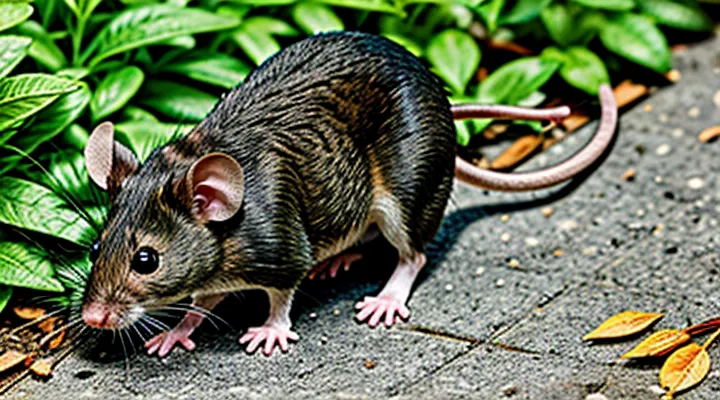
Understanding Mouse and Rat Repellers
Types of Repellers
Electronic (Ultrasonic) Repellers
Electronic ultrasonic repellers emit high‑frequency sound waves that rodents cannot hear but find uncomfortable. The device converts electrical energy into ultrasonic pulses, creating an invisible barrier that deters mice and rats without chemicals or traps.
When evaluating ultrasonic models, focus on measurable parameters:
- Frequency spectrum: 20–65 kHz covers most rodent hearing ranges; lower frequencies affect larger species, higher frequencies target smaller pests.
- Coverage radius: Specify square footage or meter radius; larger areas reduce the number of units needed.
- Output power: Measured in milliwatts; higher power delivers stronger signals through walls and furniture.
- Adjustable modes: Continuous, intermittent, or programmable schedules conserve energy and prevent habituation.
- Safety features: Automatic shut‑off when pets are detected, compliance with FCC/CE standards, and insulated casings to avoid electrical hazards.
Placement determines effectiveness. Install units near entry points, along walls, and in concealed corners where rodents travel. Mount devices at 1.5–2 m height to maximize horizontal dispersion; avoid direct contact with metal surfaces that may reflect or absorb ultrasonic waves. Ensure unobstructed line of sight between emitter and target area; objects such as thick furniture or concrete walls can attenuate the signal.
Verify performance after installation. Use a calibrated ultrasonic detector to confirm signal presence within the advertised radius. Check for consistent operation over at least 30 days; many manufacturers provide a 12‑month warranty and a money‑back guarantee if efficacy is not demonstrated. Look for independent laboratory test results or consumer‑report certifications that substantiate claims.
Scent-Based Repellers
Scent‑based repellents rely on odors that rodents find unpleasant, prompting them to avoid treated areas. Common active ingredients include peppermint oil, eucalyptus, and predator urine extracts. These compounds affect the sensory receptors in mice and rats, creating an environment that discourages nesting and foraging.
Effectiveness depends on several factors. Choose products that specify a high concentration of active scent, as diluted formulas lose potency quickly. Apply the repellent near entry points, food storage zones, and known travel routes; a thin, continuous layer is more reliable than sporadic spots. Verify that the formulation is safe for humans, pets, and food contact surfaces, especially when using concentrated essential oils. Expect a limited active period—most sprays require reapplication every two to four weeks, while solid pellets may last longer but need replacement when the scent diminishes. Test a small area first to confirm that the odor does not cause adverse reactions in occupants.
Key considerations when evaluating scent‑based options:
- Active ingredient potency – high‑strength essential oil or synthetic analogues.
- Application method – spray, granules, or impregnated pads; ensure coverage matches the target area.
- Safety profile – non‑toxic to humans and domestic animals, compliant with relevant regulations.
- Longevity – documented duration of effective scent release; schedule for re‑treatment.
- Environmental tolerance – resistance to humidity, temperature fluctuations, and ventilation that could dilute the odor.
Integrating scent‑based repellents with physical barriers, sanitation, and trapping increases overall control success. Selecting a product that meets the criteria above maximizes deterrence while minimizing health and maintenance concerns.
Traps (as a last resort/complementary method)
Traps serve as a supplemental measure when repellent devices alone fail to achieve satisfactory control of rodents. Their purpose is to reduce population levels, confirm activity zones, and provide immediate removal of individuals that have bypassed other deterrents.
- Snap traps: mechanical devices that deliver a rapid, lethal strike; suitable for discreet placement in concealed pathways.
- Electronic traps: battery‑powered units that administer a high‑voltage shock; reusable and often equipped with indicator lights.
- Live‑catch traps: cage‑style enclosures that confine rodents without injury; require prompt release or humane euthanasia.
- Glue boards: adhesive surfaces that immobilize pests; best reserved for limited, monitored use due to welfare concerns.
Effective positioning follows a pattern of targeted placement along established runways, near walls, and at entry points identified by droppings or gnaw marks. Bait selection should match the species’ preferences—peanut butter, dried fruit, or small meat pieces—while ensuring the bait does not attract non‑target animals.
Safety protocols demand that traps be set out of reach of children and pets, with clear instructions for handling captured rodents. Regular inspection prevents prolonged suffering and reduces the risk of secondary infestations. Disposal of dead rodents must comply with local health regulations.
Integrating traps with ultrasonic emitters, scent repellents, and structural sealing creates a layered defense. Traps verify the presence of rodents, inform adjustments to repellent placement, and maintain pressure on the population while primary deterrents continue to operate. This combined approach maximizes overall efficacy and minimizes reliance on chemical controls.
How Repellers Work
Ultrasonic Frequencies and Their Effect
Ultrasonic repellers emit sound waves beyond the upper limit of human hearing, typically between 20 kHz and 70 kHz. Rodents perceive these frequencies as irritating, causing discomfort and prompting avoidance of the treated area. The effectiveness of a device depends on the specific frequencies generated, their modulation pattern, and the acoustic power delivered.
- 20 kHz – 30 kHz: Detected by most mouse species; produces mild aversion, suitable for low‑intensity devices.
- 30 kHz – 45 kHz: Covers the peak hearing range of rats; induces stronger avoidance behavior, common in mid‑range models.
- 45 kHz – 70 kHz: Targets the highest sensitivity of both mice and rats; requires higher output power to maintain efficacy over larger spaces.
Consistent frequency variation prevents habituation; devices that alternate between several tones reduce the likelihood of rodents adapting to a single constant frequency. Acoustic power, measured in milliwatts, must be sufficient to penetrate typical indoor obstacles such as walls and furniture. Selecting a repeller with adjustable frequency bands and adequate power ensures sustained deterrence across diverse environments.
Natural Scents and Their Deterrent Properties
Natural scents deter rodents by exploiting their acute sense of smell. Compounds that irritate or overwhelm olfactory receptors cause mice and rats to avoid treated areas. Effective botanical deterrents include:
- Peppermint oil: high menthol concentration produces a sharp, lingering aroma that rodents find unpleasant.
- Citronella: citral and geraniol create a strong citrus scent that masks food odors and prompts avoidance.
- Garlic extract: allicin releases a pungent vapor that interferes with rodent sensory pathways.
- Clove oil: eugenol generates a spicy odor that repels both species at low concentrations.
- Eucalyptus oil: cineole and related terpenes emit a fresh, resinous scent that discourages nesting.
Selection criteria focus on potency, persistence, and safety. Potency depends on the concentration of active constituents; formulations typically range from 5 % to 15 % essential oil diluted in a carrier. Persistence relates to volatility; encapsulated or oil‑infused substrates release scent over weeks, reducing reapplication frequency. Safety considerations require non‑toxic ingredients for humans, pets, and non‑target wildlife; pure essential oils applied according to manufacturer guidelines meet this standard.
Application methods affect performance. Common practices include:
- Soaking cotton balls or cloth strips and placing them in cracks, burrows, and near food sources.
- Spraying diluted oil solutions on baseboards, entry points, and interior surfaces.
- Using commercially available sachets or plug‑in diffusers that emit a steady vapor.
Monitoring rodent activity after deployment helps gauge efficacy. A noticeable decline in droppings, gnaw marks, or sightings within 48–72 hours indicates successful deterrence. If activity persists, increase concentration, add complementary scents, or combine with physical barriers for enhanced control.
Mechanism of Traps
Effective rodent control relies on understanding how each trap operates. The mechanism determines capture speed, animal welfare, and suitability for different environments.
Snap traps employ a tensioned spring that releases a lethal bite when a mouse or rat triggers a pressure plate. The rapid motion ensures immediate immobilization, minimizing suffering and preventing escape.
Live‑catch traps use a hinged door that closes once the animal enters a baited chamber. The door is held open by a trigger mechanism, typically a spring‑loaded latch, which releases when weight is applied, sealing the interior without harming the rodent.
Electronic traps contain a high‑voltage circuit activated by a contact sensor. When the rodent steps onto the conductive plate, the circuit delivers a lethal shock within milliseconds. Some models include a visual indicator to confirm a kill and facilitate prompt disposal.
Selection of a trap should consider:
- Target species size and behavior
- Desired outcome (lethal vs. humane)
- Placement constraints (e.g., tight spaces, high‑traffic areas)
- Maintenance requirements (cleaning frequency, battery life for electronic units)
By matching the trap’s operational principle to these factors, users achieve reliable and efficient rodent deterrence.
Effectiveness and Limitations
Factors Influencing Ultrasonic Repeller Effectiveness
Understanding the variables that determine ultrasonic deterrent performance is essential when choosing a device for rodent control. Effectiveness depends on technical specifications, environmental conditions, and animal behavior. Ignoring these variables often leads to reduced efficacy and unnecessary expense.
- Frequency range: Devices must emit frequencies (typically 20–70 kHz) that match the hearing sensitivity of target species. Mice respond to higher frequencies than rats; mismatched ranges limit deterrence.
- Coverage area: Acoustic output should match the size of the protected zone. Over‑ or under‑coverage creates dead zones where rodents are not affected.
- Placement: Direct line‑of‑sight and unobstructed propagation enhance signal strength. Positioning near walls, furniture, or insulation absorbs energy and diminishes reach.
- Ambient noise: Background sounds, especially ultrasonic sources from other electronics, interfere with the emitted signal and can mask the deterrent effect.
- Power source: Consistent voltage ensures stable frequency output. Fluctuations from batteries or unreliable wiring cause frequency drift and loss of efficacy.
- Durability and weather resistance: Outdoor units require protection against moisture and temperature extremes; degradation reduces acoustic output over time.
- Species sensitivity: Different rodent species exhibit varying tolerance thresholds. Selecting a device calibrated for the specific pest population improves results.
- Habituation potential: Continuous exposure without variation may lead to desensitization. Rotating frequencies or integrating intermittent operation mitigates habituation.
- Maintenance requirements: Clean transducers and regular battery replacement sustain optimal performance; neglect shortens functional lifespan.
Each factor interacts with the others; optimal selection balances technical capability with site‑specific conditions. Evaluating frequency suitability, coverage, placement, and environmental influences together yields a repeller that consistently deters mice and rats.
Longevity of Scent-Based Repellers
Scent‑based rodent repellers rely on volatile compounds that deter mice and rats through olfactory irritation. Their effectiveness diminishes as the active ingredients evaporate, degrade, or become masked by ambient odors. Longevity, therefore, determines how often a user must replace or refresh the device.
Key factors influencing durability include:
- Compound stability – Synthetic predator‑urine formulations and concentrated essential oils retain potency longer than dilute natural extracts.
- Delivery medium – Gel or solid plug matrices release scent more slowly than open‑air sprays, extending functional life.
- Environmental conditions – High temperature, low humidity, and strong ventilation accelerate volatilization; cooler, stable environments preserve potency.
- Container integrity – Sealed packaging prevents premature diffusion; broken or loosely sealed units lose active scent within days.
- Concentration level – Higher initial concentrations sustain deterrent effect over weeks, whereas low‑strength products may become ineffective after a few days.
Manufacturers typically specify a service life ranging from two weeks to three months, based on laboratory evaporation rates and field trials. Real‑world performance aligns with these estimates when users store unused units in cool, dry places and avoid exposing them to direct sunlight or drafts.
Monitoring effectiveness involves observing rodent activity signs—droppings, gnaw marks, or nesting material. A noticeable resurgence indicates that the scent has waned and replacement is required. Regular rotation of devices, especially in high‑traffic areas, maintains a consistent olfactory barrier and reduces the likelihood of habituation.
In practice, selecting a repeller with proven long‑lasting formulation, robust packaging, and clear usage guidelines minimizes maintenance frequency and maximizes deterrent reliability.
Ethical Considerations of Traps
When evaluating rodent deterrent devices, ethical dimensions must be examined alongside performance criteria. Lethal traps that cause prolonged suffering conflict with humane standards; preference should be given to mechanisms that incapacitate quickly or repel without physical injury. Devices that deploy poisons pose risks to secondary consumers and pets, demanding strict placement controls and adherence to regulatory limits.
Key ethical factors include:
- Immediate cessation of pain: traps should deliver a swift, decisive effect or avoid physical capture altogether.
- Species specificity: designs must minimize accidental injury to non‑target wildlife.
- Environmental impact: reusable or biodegradable components reduce waste and ecological burden.
- Legal compliance: operators must follow local animal welfare statutes and licensing requirements.
- End‑of‑life handling: captured rodents require humane euthanasia or release in accordance with regional guidelines; disposal of carcasses must prevent disease spread.
Integrating these considerations ensures that the selected rodent deterrent aligns with both efficacy goals and responsible animal treatment.
Choosing the Right Repeller
Assessing Your Infestation
Identifying Pest Type
Accurate identification of the target rodent is the first step toward choosing a repeller that works reliably. Mice and rats differ in size, habits, and preferred habitats, so a device effective against one may be ineffective against the other.
Typical characteristics that separate mice from rats include:
- Body length: mice usually measure 2‑4 inches (5‑10 cm); rats range from 7‑9 inches (18‑23 cm) for Norway rats and up to 12 inches (30 cm) for roof rats.
- Tail proportion: mouse tails are long and slender, nearly equal to body length; rat tails are thicker and shorter relative to the body.
- Ear size: mouse ears are large in proportion to the head; rat ears are smaller and less conspicuous.
- Droppings: mouse droppings are ¼‑inch (6 mm) black pellets; rat droppings are ½‑inch (12 mm) and often have a more pointed shape.
- Gnaw marks: mice chew narrow, shallow holes; rats produce larger, deeper gnawing, often at the base of structures.
Behavioral clues further refine identification:
- Activity time: house mice are primarily nocturnal but may appear during daylight; roof rats are more active at night, while Norway rats show crepuscular activity.
- Pathways: mice travel close to walls and use tight openings; rats prefer larger gaps, often near ground level, and establish extensive burrow systems.
- Food sources: mice favor grains, seeds, and soft foods; rats are attracted to meat, garbage, and larger food items.
By matching observed signs to these criteria, users can determine whether the infestation consists of mice, Norway rats, roof rats, or a combination. This information directs the selection of a repeller that emits frequencies, vibrations, or ultrasonic patterns tuned to the specific auditory range of the identified pest, ensuring maximum efficacy.
Estimating Infestation Size
Accurately gauging the extent of a mouse or rat problem is a prerequisite for choosing a repeller that will deliver reliable results. The process begins with a systematic inspection of the premises, followed by quantitative assessment based on observable indicators.
First, document all evidence of activity. Typical signs include gnaw marks on structural elements, fresh droppings, shredded insulation, and grease or urine stains along walls. Record the number of droppings per square foot, the distribution of gnaw marks, and the locations of nesting material. This data creates a baseline for estimating population density.
Second, apply a standardized counting method. Divide the affected area into equal sections (e.g., 10 ft × 10 ft grids). Count droppings, tracks, or sightings within each grid, then calculate an average per grid. Multiply the average by the total number of grids to obtain an estimated total presence index. The index provides a metric that can be compared against manufacturer guidelines for device coverage.
Third, consider temporal factors. Conduct inspections at dawn and dusk, when rodents are most active, to capture peak activity levels. Repeat the survey over three consecutive nights; average the results to smooth out short‑term fluctuations.
The resulting infestation estimate informs the selection of a repeller with appropriate power and coverage radius. Devices rated for low‑level activity may suffice for a small index, whereas high‑capacity units are necessary when the index exceeds thresholds indicating extensive colonization. Aligning the device’s specifications with the calculated infestation size maximizes efficacy and minimizes unnecessary expenditure.
Locating Entry Points and Nesting Areas
Identifying where rodents gain access and establish nests is a prerequisite for any repellent system. Begin with a systematic inspection of the building envelope. Examine the foundation, walls, and roof for gaps larger than ¼ inch, cracks around utility penetrations, and deteriorated weather‑stripping. Pay special attention to areas where pipes, vents, and cables enter the structure; these are common conduits for mice and rats.
Survey interior spaces for signs of nesting activity. Look for shredded insulation, droppings, gnaw marks, and grease trails along walls and baseboards. Typical nesting sites include:
- Attics and ceiling voids
- Crawl spaces beneath floors
- Behind appliances such as refrigerators and stoves
- Storage closets and pantry shelves
Document each opening and nesting location, then prioritize sealing or blocking based on size and proximity to food sources. Effective sealing—using steel wool, caulking, or metal flashing—reduces the need for continuous repellent deployment and increases overall control efficacy.
Evaluating Repeller Features
Coverage Area
When evaluating a rodent deterrent, the first specification to verify is the coverage area. Manufacturers list the maximum square footage the device can protect; this figure assumes an open‑plan environment without obstructions. For multi‑room residences, calculate the total floor space and compare it with the advertised range. If the sum exceeds the listed capacity, consider additional units to ensure full protection.
Key points for assessing coverage:
- Measure the exact square footage of each area where rodents are a concern.
- Account for walls, furniture, and other barriers that can diminish signal strength or ultrasonic propagation.
- Verify whether the device is rated for indoor, outdoor, or both settings; outdoor models often have larger advertised ranges but may be affected by weather and vegetation.
- Check for the ability to interlink multiple units; some systems allow overlapping zones to eliminate dead spots.
- Review user feedback for real‑world performance, especially in homes with complex layouts.
If the required protection exceeds a single unit’s rating, install additional devices at strategic points—typically at entryways, corners, and near known rodent pathways—to create a continuous deterrent field. Ensure that each unit’s coverage zones overlap slightly; this eliminates gaps where rodents could evade detection.
Power Source and Durability
When evaluating a mouse or rat repeller, the power source determines installation flexibility and ongoing maintenance. Battery‑operated units offer placement freedom but require regular replacement; alkaline or lithium cells provide longer intervals between changes, while rechargeable packs reduce long‑term cost. Plug‑in models guarantee continuous operation, eliminate battery waste, and suit indoor environments with nearby outlets. Solar‑powered devices combine autonomy with eco‑friendliness, yet their effectiveness depends on consistent sunlight exposure and may need supplemental battery backup during overcast periods.
Durability influences reliability and overall expense. Consider the following factors:
- Housing material: UV‑stabilized plastics resist cracking under sunlight; metal casings offer superior impact protection but may corrode if not coated.
- Weather rating: Look for IP‑rated enclosures (e.g., IP65) that shield internal components from rain, dust, and temperature fluctuations.
- Component lifespan: Ultrasonic emitters and electronic circuits typically retain performance for 2–3 years; models with sealed designs often exceed this range.
- Warranty coverage: A minimum one‑year warranty indicates manufacturer confidence in build quality and provides recourse for premature failure.
Balancing power availability with robust construction ensures the repeller remains functional throughout the pest‑control cycle, minimizing service interruptions and replacement costs.
Safety for Pets and Humans
When choosing a rodent deterrent, the foremost priority is the well‑being of household animals and people. Devices that emit ultrasonic waves, electromagnetic fields, or chemical agents each present distinct risk profiles; understanding those profiles prevents accidental harm.
Ultrasonic units operate at frequencies beyond human hearing but within the audible range of many pets, especially dogs and cats. Prolonged exposure can cause stress, disorientation, or hearing damage in sensitive animals. Electromagnetic models generate low‑frequency fields that may interfere with medical implants such as pacemakers and can affect the behavior of small mammals. Chemical repellents—sprays, powders, or bait stations—contain substances toxic to mammals if ingested or contacted, and they may linger on surfaces where children or pets might encounter them.
Key safety criteria for any rodent deterrent:
- Frequency range: Verify that ultrasonic output stays above 30 kHz, a threshold generally inaudible to dogs and cats. Choose models with adjustable settings to accommodate different pet sensitivities.
- Emission strength: Select devices that limit power density to levels approved by safety standards (e.g., IEC 60601‑1 for electromagnetic emissions).
- Containment: Prefer sealed, tamper‑resistant housings for chemical products to prevent accidental ingestion.
- Certification: Look for certifications such as UL, CE, or EPA registration, indicating compliance with health and safety regulations.
- Placement guidelines: Install units away from pet sleeping areas, feeding stations, and child‑accessible zones. Follow manufacturer instructions regarding height and distance from walls.
Regular inspection ensures continued safety. Clean ultrasonic transducers to prevent dust buildup that could alter output. Replace depleted chemical cartridges promptly, and dispose of them according to local hazardous‑waste protocols. Monitor pets for signs of distress—excessive vocalization, avoidance behavior, or changes in appetite—and discontinue use if adverse reactions appear.
Selecting a rodent repeller with documented safety performance protects both occupants and the intended target species, delivering effective pest control without compromising health.
Ease of Installation and Maintenance
When evaluating rodent deterrents, the simplicity of setup and ongoing upkeep directly affects user satisfaction and long‑term efficacy.
Installation considerations include:
- Power options: devices that operate on standard outlets avoid the need for frequent battery swaps.
- Mounting method: models with adhesive pads or screw‑in brackets can be attached to walls, ceilings, or baseboards without specialized tools.
- Setup steps: clear, illustrated instructions that require fewer than five actions reduce installation time and error risk.
Maintenance factors focus on preserving performance with minimal effort:
- Cleaning schedule: surfaces that can be wiped with a damp cloth prevent buildup of dust or residue that may diminish ultrasonic output.
- Consumable parts: units that use sealed batteries or have a built‑in rechargeable cell eliminate regular replacement.
- Durability: casings constructed from impact‑resistant polymer withstand accidental knocks, extending service life.
Choosing a repeller that combines plug‑and‑play installation with low‑maintenance design ensures reliable operation while minimizing user intervention.
Considering Your Environment
Indoor vs. Outdoor Use
When evaluating a rodent deterrent, the environment in which it will operate determines the most reliable technology and installation method. Indoor applications demand devices that function safely around humans, pets, and household furnishings, while outdoor setups must endure weather extremes and larger infestation zones.
Indoor considerations include:
- Power source: plug‑in units avoid battery maintenance; ultrasonic models require continuous electricity.
- Emission type: ultrasonic and electromagnetic fields must comply with indoor safety standards; chemical repellents should be low‑odor and non‑toxic.
- Coverage radius: typical indoor units protect rooms up to 1,500 sq ft; larger homes may need multiple synchronized devices.
- Noise level: audible alerts should remain below 40 dB to prevent disturbance.
Outdoor considerations include:
- Weather resistance: enclosures rated IP65 or higher protect against rain, dust, and temperature fluctuations.
- Power autonomy: solar‑powered units reduce wiring complexity; battery packs must support at least 30 days of operation.
- Range: devices intended for fields, barns, or warehouses often cover 2,500 sq ft or more, sometimes with directional antennas.
- Durability: casings constructed from UV‑stable polymers or stainless steel resist corrosion and animal tampering.
Choosing the appropriate system hinges on matching these criteria to the specific location. Indoor devices prioritize safety and quiet operation; outdoor devices prioritize robustness and expansive coverage. Aligning the product’s specifications with the intended setting ensures consistent rodent deterrence and reduces the need for supplementary measures.
Presence of Children or Pets
When children or pets share the living space, the safety profile of a rodent deterrent becomes a primary selection criterion. Devices that emit high‑frequency sound or electromagnetic pulses must be verified as non‑harmful to mammals; manufacturers typically provide acoustic intensity data and compliance with pet‑safety standards. Chemical repellents, baits, and snap traps introduce ingestion risks and should be avoided in households with curious animals or young children.
Key factors to evaluate:
- Emission type – ultrasonic units should list a frequency range above 20 kHz, confirming inaudibility for humans and most pets; electromagnetic models must state that field strength stays below thresholds that affect animal nervous systems.
- Physical security – models with sealed housings prevent accidental contact with internal components.
- Placement restrictions – products that require mounting out of reach of children or pets reduce exposure risk.
- Regulatory certification – look for approvals from agencies such as the EPA, FDA (for chemical products), or EU CE marking, indicating adherence to safety regulations.
- Failure mode – devices that shut off automatically when tampered with or tipped over limit unintended activation.
Choosing a deterrent that meets these safety standards ensures effective rodent control without compromising the well‑being of vulnerable household members.
Climate and Weather Conditions
Climate and weather conditions determine the reliability of any rodent deterrent system. Temperature extremes influence power consumption, signal propagation, and the stability of chemical agents. Devices rated for operation between 0 °C and 40 °C maintain consistent ultrasonic output; below this range, battery capacity drops and sound waves weaken, while above it, electronic components may overheat.
Humidity affects acoustic transmission and the durability of electronic housings. High relative humidity absorbs ultrasonic frequencies, reducing effective range. Moisture ingress can corrode circuit boards, especially in devices lacking sealed enclosures. In humid environments, solid‑state repellents with moisture‑resistant casings outperform open‑circuit models.
Rainfall and precipitation directly challenge outdoor installations. Water exposure shortens the lifespan of ultrasonic emitters and can dissolve chemical repellents, rendering them ineffective. Waterproof ratings (e.g., IP65) are essential for any device placed in exposed locations; otherwise, regular maintenance and protective shelters are required.
Seasonal shifts alter rodent behavior and consequently the demand on repellent systems. Winter brings lower activity levels but increased indoor migration, necessitating devices with longer continuous operation and low‑temperature tolerance. Summer spikes outdoor foraging, favoring models with extended range and weather‑proof construction.
Key climate‑related factors when choosing a deterrent:
- Operational temperature range matching local extremes.
- Humidity resistance, indicated by sealed or conformally coated electronics.
- Waterproof rating appropriate for expected precipitation intensity.
- Power source suitability (battery vs. mains) for temperature‑dependent performance.
- Adjustable intensity or scheduling to align with seasonal rodent activity patterns.
Evaluating these conditions ensures the selected repeller remains effective throughout the year, regardless of climatic fluctuations.
Combining Repeller Types for Optimal Results
Strategic Placement of Multiple Repellers
Strategic placement of several repellers maximizes coverage and prevents rodents from exploiting gaps in the protection zone. Effective deployment follows three core principles: coverage overlap, proximity to entry points, and obstacle avoidance.
- Identify all potential access routes—gaps under doors, vents, utility openings, and foundation cracks. Position a repeller within two to three feet of each entry to intercept rodents before they enter interior spaces.
- Measure the advertised effective radius of each device. Arrange units so that the outer edges of adjacent fields intersect by 10‑20 percent, creating a continuous deterrent envelope without blind spots.
- Install devices at the recommended height, typically 4‑6 feet above the floor, to align with the typical travel path of mice and rats. Avoid placement behind large furniture, dense insulation, or metal cabinets that can block ultrasonic or electromagnetic emissions.
- Separate units according to the manufacturer’s minimum spacing guidelines, usually 10‑15 feet for ultrasonic models. Excessive clustering reduces overall area and may cause signal interference.
- Ensure each unit has an unobstructed power source. For battery‑operated devices, locate them where regular maintenance is convenient; for plug‑in models, use surge‑protected outlets and avoid extension cords that can attenuate signal strength.
- Periodically verify functionality by listening for the low‑frequency tone (if audible) or checking indicator lights. Replace or reposition any unit that shows diminished performance.
By systematically mapping entry points, calculating overlapping fields, and respecting placement constraints, multiple repellers work together to create a robust barrier that deters mice and rats across the entire target environment.
Integrating Repellers with Exclusion Techniques
Integrating electronic repellers with exclusion techniques creates a layered defense that reduces mouse and rat activity more reliably than either method alone. Repellers emit ultrasonic or electromagnetic signals that deter rodents while exclusion focuses on eliminating entry points and providing physical barriers.
Effective integration follows a systematic approach:
- Conduct a thorough inspection to locate all potential ingress points, including gaps around pipes, vents, and foundation cracks.
- Seal identified openings with steel wool, copper mesh, or caulk rated for pest control; these materials resist gnawing.
- Install repeller units near remaining vulnerable zones, ensuring devices cover the full range of the protected area without obstruction.
- Position barrier devices such as door sweeps, window screens, and trim caps to prevent re‑entry after sealing.
- Verify that repeller placement aligns with exclusion measures; overlapping coverage minimizes blind spots where rodents could bypass the signal.
Maintenance reinforces the combined strategy. Replace worn seals annually, clean repeller surfaces to prevent dust buildup, and test device output quarterly with a calibrated detector. Document changes to the building envelope and repeller configuration to track effectiveness over time.
When exclusion and repellent technologies operate concurrently, rodents encounter both sensory deterrence and physical denial, leading to rapid population decline and reduced risk of damage. This dual‑method model maximizes protection while minimizing reliance on chemical controls.
Monitoring and Follow-Up
After installing a rodent deterrent, systematic observation confirms whether the device meets performance expectations. Begin by recording baseline activity: note signs of gnawing, droppings, and audible noises for at least 48 hours before activation. Use a simple log format—date, time, observed evidence, and environmental conditions—to establish a reference point.
Once the repeller is operational, schedule regular inspections:
- Daily checks during the first week for immediate anomalies (e.g., loss of power, audible alerts, or malfunctioning sensors).
- Weekly reviews for the subsequent month to compare current signs against the baseline.
- Monthly evaluations thereafter, focusing on long‑term trends such as reduced droppings or disappearance of entry points.
During each inspection, verify the following components:
- Power source integrity (battery voltage, wiring connections, or solar panel output).
- Signal emission strength (ultrasonic frequency, electromagnetic field intensity) using a calibrated tester.
- Physical placement (ensure the unit remains unobstructed and oriented toward target pathways).
If observations indicate persistent activity, adjust the strategy. Relocate the device to a more strategic spot, increase the number of units, or combine ultrasonic models with physical barriers. Document every modification in the log; this creates a data trail that facilitates cause‑and‑effect analysis.
Finally, retain records for at least six months. Analyzing trends over this period reveals the repeller’s efficacy, informs future procurement decisions, and supports compliance with pest‑management protocols. Continuous monitoring and disciplined follow‑up transform a single purchase into a reliable, evidence‑based control solution.
Tips for Maximizing Repeller Efficiency
Proper Placement and Setup
Optimal Height and Location for Ultrasonic Devices
When installing ultrasonic deterrents for rodents, height and placement determine the effective range of the emitted frequencies. The transducer should be positioned 5 to 7 feet (1.5–2 m) above the floor, where sound waves encounter fewer obstructions and can propagate uniformly across the target area. Mounting the unit on a wall or ceiling bracket at this elevation maximizes coverage while reducing the likelihood of signal absorption by furniture or carpeting.
Location selection follows two principles: unobstructed line‑of‑sight and central positioning. Place the device near the center of the space you wish to protect, ensuring the acoustic field reaches all entry points, such as gaps under doors, vents, and utility openings. Avoid mounting directly above large metal objects, mirrors, or thick wooden panels, as these surfaces reflect or dampen ultrasonic waves. Keep the unit at least 12 inches (30 cm) away from walls to prevent the creation of dead zones where the signal weakens.
For larger rooms or multi‑level structures, deploy additional units in a staggered pattern:
- Space devices 15–20 feet (4.5–6 m) apart horizontally.
- Align each unit at the same height to maintain a consistent acoustic layer.
- Overlap coverage zones by 10–15 percent to eliminate gaps.
Regularly verify device positioning after cleaning or rearranging furniture, as changes in the environment can alter the acoustic path and diminish efficacy. Adjust height or relocate units promptly if monitoring indicates reduced activity suppression.
Refreshing Scent-Based Repellers
Refreshing scent‑based repellers rely on volatile compounds that rodents find unpleasant. The scents typically derive from natural oils, such as peppermint, eucalyptus, or citrus, which interfere with the animals’ olfactory receptors and deter entry into treated areas.
Effectiveness depends on concentration, delivery method, and environmental conditions. High‑concentration formulations maintain a detectable odor for longer periods, while aerosol or plug‑in devices provide continuous release. Humidity and temperature influence volatility; warmer, drier spaces accelerate dispersion, requiring more frequent replacement.
Key factors for selecting a suitable product:
- Active ingredients: peppermint, spearmint, rosemary, or citrus extracts are proven deterrents.
- Release mechanism: plug‑in, ultrasonic‑combined, or replaceable cartridge.
- Coverage area: match the device’s rated square footage to the target space.
- Longevity: choose formulations offering at least 30 days of consistent scent emission.
- Safety: verify non‑toxicity for humans, pets, and food‑handling environments.
Installation guidelines:
- Position the device near entry points, such as gaps under doors, vents, or wall cracks.
- Avoid direct exposure to open flames or extreme heat sources.
- Replace cartridges or refill containers according to the manufacturer’s schedule to prevent scent degradation.
When integrated with structural sealing and sanitation measures, refreshing scent‑based repellers contribute significantly to reducing rodent activity and maintaining a pest‑free environment.
Regular Checking and Resetting of Traps
Regular inspection and resetting of rodent traps keep a control program effective. Traps that remain unattended lose bait potency, become obstructed, or fail to trigger, allowing mice and rats to repopulate the area.
Check traps at least once daily in high‑activity zones and every 48 hours in lower‑traffic locations. Look for signs such as fresh droppings, gnaw marks, or disturbed bait. If a trap shows no capture after three consecutive checks, relocate it to a more active pathway.
When inspecting a trap, follow these steps:
- Verify that the trigger mechanism moves freely.
- Examine bait for moisture, mold, or depletion; replace if compromised.
- Remove any captured rodents and dispose of them according to local regulations.
- Clean the interior with mild detergent to eliminate scent residues.
Resetting a trap involves:
- Disassembling the device to access the spring or electronic component.
- Rinsing and drying all surfaces to prevent corrosion.
- Re‑applying fresh, attractive bait appropriate for the target species.
- Re‑arming the trigger and positioning the trap along the identified run.
Maintain a log that records inspection dates, capture counts, and any adjustments made. An up‑to‑date record highlights patterns, informs placement refinements, and ensures the repellent system operates at peak performance.
Maintenance and Troubleshooting
Cleaning and Servicing Electronic Devices
When evaluating a rodent deterrent unit, consider not only its specifications but also the maintenance it requires. Clean and well‑serviced electronics deliver consistent ultrasonic output, reliable power consumption, and prolonged service life, all of which influence the suitability of a model for a given environment.
Regular upkeep prevents dust accumulation on transducers, which can attenuate sound waves and reduce coverage area. It also safeguards internal circuitry from overheating, a common cause of premature failure. Ignoring these factors often leads to reduced efficacy, forcing premature replacement and increasing overall cost.
Key maintenance actions:
- Power off the device and disconnect it from any source.
- Use a soft brush or compressed air to remove debris from vents and speaker openings.
- Wipe exterior surfaces with a slightly damp, lint‑free cloth; avoid liquids near openings.
- Inspect battery contacts (if applicable) for corrosion; clean with a cotton swab dipped in isopropyl alcohol.
- Verify that the ultrasonic emitter is free of obstructions; replace the unit if damage is visible.
- Reassemble, restore power, and perform a functional test to confirm emission strength.
Documenting service intervals—typically quarterly for high‑traffic areas and semi‑annually for occasional use—helps track performance trends. Devices that maintain peak output after each service cycle demonstrate higher reliability, making them preferable choices for long‑term pest management.
Replenishing Scent Cartridges
Scent cartridges provide the active deterrent in many rodent repelling units; their effectiveness depends on proper maintenance. When a cartridge’s fragrance fades, replace it promptly to preserve the device’s performance.
Replenishment procedure
- Turn off the repeller and disconnect power sources.
- Remove the housing cover according to the manufacturer’s instructions.
- Extract the spent cartridge by pulling it straight out; avoid twisting to prevent damage.
- Insert a new cartridge, aligning the connector with the slot and pressing until it clicks into place.
- Replace the cover, restore power, and verify that the indicator signals active operation.
Select cartridges that match the device’s model and emit scents proven to repel mice and rats, such as peppermint oil, ammonia, or predator urine. Verify the label for concentration level; higher concentrations sustain deterrence longer but may require more frequent replacement if the device runs continuously.
Store unopened cartridges in a cool, dry environment away from direct sunlight. Seal each package tightly after each use to prevent evaporation. Dispose of spent cartridges according to local hazardous‑waste guidelines; do not discard them in regular trash.
Establish a replacement schedule based on usage intensity: for devices operating 24 hours, change cartridges every 30 days; for intermittent operation, a 60‑day interval usually suffices. Record the replacement date on the device to ensure consistency.
Addressing Common Issues
When evaluating rodent deterrent devices, buyers frequently encounter obstacles that can undermine performance or safety.
- Inconsistent coverage – Verify the advertised radius with independent measurements; select models that provide overlapping zones for larger areas.
- Excessive noise – Opt for ultrasonic units with adjustable frequencies; test the device in a quiet environment before permanent installation.
- Power interruptions – Choose products equipped with battery backup or low‑voltage detection; schedule regular checks of power sources.
- Pet interference – Identify repellers labeled pet‑safe; place units out of reach of cats and dogs to prevent accidental exposure.
- Device failure – Purchase from manufacturers offering warranty and clear troubleshooting guides; keep spare units for critical locations.
- False triggering by non‑target species – Prefer systems that emit species‑specific sound patterns; calibrate sensitivity settings to reduce unintended activation.
- Maintenance neglect – Implement a monthly inspection routine to clean speaker grills and replace depleted batteries; record observations in a log.
Addressing these points during the selection process reduces the likelihood of ineffective operation and ensures long‑term rodent control.
Prevention and Exclusion Strategies
Sealing Entry Points
Sealing entry points is the foundation of any rodent deterrent program; without eliminating access, even the most advanced repeller cannot achieve lasting results.
Begin by inspecting the interior and exterior of the building. Look for gnaw marks, fresh droppings, and visible gaps around pipes, vents, doors, windows, and the foundation. Pay special attention to areas where utilities enter the structure, as these are common invasion routes.
- Conduct a systematic walk‑through, documenting each opening larger than ¼ inch.
- Apply steel wool or copper mesh to holes before sealing, preventing rodents from chewing through the material.
- Use high‑quality silicone or polyurethane caulk to fill cracks and seams; ensure the product remains flexible for structural movement.
- Install weatherstripping on doors and windows, compressing the seal to block narrow passages.
- Repair foundation fissures with hydraulic cement, which expands as it cures and creates a permanent barrier.
Select sealants that retain adhesion in damp or temperature‑fluctuating environments. Avoid temporary fixes such as expandable foam that rodents can gnaw away after curing.
Schedule quarterly inspections to verify the integrity of seals. Replace deteriorated material promptly, especially after severe weather or building renovations. Consistent maintenance preserves the effectiveness of the repellent system and prevents new infestations.
Eliminating Food and Water Sources
Removing food and water supplies is the first step in any rodent‑deterrent strategy. Without attractants, the effectiveness of a repeller increases dramatically, and the likelihood of re‑infestation drops.
- Store dry goods in airtight containers made of metal or heavy‑wall plastic.
- Keep pantry shelves clean; wipe spills immediately.
- Dispose of cracked or moldy food items; do not leave crumbs on countertops.
- Seal gaps around cabinets, walls, and floors to block access to stored provisions.
Water sources demand equal attention. Rodents can survive on minimal moisture, but readily available liquids accelerate population growth.
- Repair leaking pipes, faucets, and roof fixtures.
- Empty pet water bowls nightly; refill only with fresh water.
- Place trash cans on lids that close tightly and empty them regularly.
- Remove standing water from plant saucers and outdoor containers.
When evaluating repelling devices, prioritize models that operate reliably in environments where food and water have been secured. Devices that emit ultrasonic frequencies or release scent‑based deterrents perform best when rodents have no immediate incentive to remain. Selecting a system that integrates with a clean, dry setting ensures the highest probability of long‑term control.
Maintaining a Clean Environment
A clean environment reduces food sources, shelter, and entry points that attract rodents, thereby increasing the efficacy of any deterrent device. Eliminating spilled grains, crumbs, and pet food removes the primary incentive for mice and rats to explore a space.
- Store dry goods in airtight containers; inspect seals regularly.
- Sweep and vacuum floors daily; focus on corners, under appliances, and behind furniture.
- Clean countertops and tabletops after each use; wipe with a disinfectant that leaves no residue attractive to rodents.
- Remove clutter that creates nesting sites; recycle cardboard boxes, paper stacks, and fabric piles.
- Seal gaps around pipes, vents, and doors; use steel wool, caulk, or metal mesh to block entry.
Maintaining these habits creates a hostile environment for rodents, allowing a selected repeller—whether ultrasonic, electromagnetic, or trap‑based—to operate under optimal conditions. The device’s performance depends on the absence of competing attractants; thus, sanitation directly supports the chosen control method.