
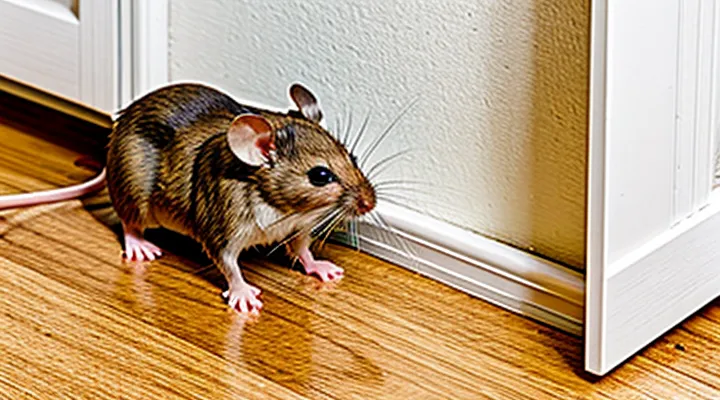
Understanding the Mouse Problem
Why Mice Enter Your Apartment
Food and Water Sources
Mice are drawn to readily available nourishment and hydration; eliminating these incentives is essential before sealing entry points.
Identify and secure all potential food supplies:
- Store dry goods in airtight containers made of metal or heavy‑wall plastic.
- Keep pet food in sealed bins and avoid leaving bowls overnight.
- Clean crumbs and spills from countertops, floors, and appliances immediately.
Control water sources:
- Fix leaky faucets, pipes, and condensation on windows.
- Empty trays beneath houseplants; use saucers that can be drained.
- Do not leave standing water in pet dishes or buckets.
Removing attractants reduces the likelihood that mice will investigate repaired openings, ensuring long‑term effectiveness of the sealing measures.
«Eliminate food and water, then close the gaps».
Shelter and Warmth
Mice enter residential units seeking shelter from predators and external temperature extremes. Small openings in walls, floors, or baseboards provide direct access to insulated spaces where ambient heat is retained. When these passages remain unsealed, rodents establish nests using shredded material, which further traps warm air and creates a micro‑environment favorable for breeding.
Effective sealing eliminates the shelter component by removing the physical pathway to interior cavities. Materials such as steel wool, silicone caulk, or expanding foam block entry while resisting gnawing. Applying a two‑layer approach—first packing the gap with a non‑chewable barrier, then covering it with a durable sealant—prevents re‑entry and maintains structural integrity.
Addressing warmth involves targeting areas where heat accumulates:
- Gaps around heating ducts or radiators; fill with heat‑resistant filler to stop air flow.
- Openings near window frames; use weather‑stripping or foam tape to block drafts that attract rodents seeking temperature stability.
- Spaces under appliances; install metal mesh before sealing to avoid damage from expanding materials.
By removing both the shelter and the thermal advantage, the apartment becomes inhospitable to mice, reducing the likelihood of infestation without reliance on traps or chemicals.
Identifying Mouse Entry Points
Common Areas for Holes
Mice exploit structural gaps to access food, water, and shelter. Identifying typical entry points is essential for effective remediation.
• Baseboards and crown molding – seams often separate from walls, creating narrow openings.
• Wall cavities – especially near utility penetrations such as electrical outlets, plumbing stacks, and vent pipes.
• Floor joist gaps – gaps beneath flooring or around carpet edges allow passage between rooms.
• Cabinet backs and drawer slides – insufficient sealing behind kitchen and bathroom cabinets provides direct routes.
• Appliance spaces – gaps around refrigerators, dishwashers, and washing machines frequently serve as concealed entryways.
• Door thresholds – worn weatherstripping or misaligned door sweeps leave gaps at the floor‑door interface.
• Window frames – cracked or missing caulking around sash and hinges creates small but exploitable openings.
Regular inspection of these locations, combined with prompt sealing, reduces the likelihood of future infestations.
Signs of Mouse Activity
Detecting mouse presence is essential before sealing any openings in a dwelling. Visible evidence confirms infestation, guides location of entry points, and prevents recurrence after repairs.
Common indicators include:
- Fresh droppings, typically dark, rice‑shaped, found along walls, behind appliances, and in cabinets.
- Gnaw marks on wood, plastic, or insulation, often at the edges of furniture or structural components.
- Small, round holes ranging from ¼ to ½ inch, especially near baseboards, pipes, and vents.
- Nests constructed from shredded paper, fabric, or insulation, located in concealed areas such as attics, wall voids, or under sinks.
- Scratching or scurrying sounds heard at night within walls, ceilings, or floor cavities.
- Grease or oil trails left by the animal’s oily fur, visible on surfaces where mice travel frequently.
- Chewed food packaging, spilled crumbs, or unexplained contamination of stored items.
- Urine stains, often invisible but detectable by a faint ammonia odor or by using a blacklight.
Each sign directs attention to specific zones that require inspection and sealing. Addressing all identified areas eliminates pathways, ensuring lasting protection against re‑entry.
Preparing for Sealing
Gathering Necessary Tools and Materials
Measuring Tape and Flashlight
Accurate measurement and adequate illumination are essential when preparing rodent entry points for permanent sealing in a residential unit.
A flexible steel measuring tape determines the exact dimensions of each opening. Extend the tape from one edge of the hole to the opposite side, noting length and width to the nearest millimeter. Record dimensions on a notepad to select filler material that fits without excess.
A high‑luminosity flashlight reveals hidden cracks behind appliances, under baseboards, and within wall cavities. Direct the beam at an angle to cast shadows that expose gaps otherwise invisible under ambient light. Adjust focus to differentiate between superficial marks and genuine entry routes.
Follow these steps to ensure reliable closure:
- Activate the flashlight, scan all suspected areas, and mark visible holes with a non‑permanent marker.
- Position the measuring tape across each marked opening; record length and width.
- Choose appropriate sealing material (e.g., steel wool, silicone caulk, or expandable foam) based on recorded dimensions.
- Apply the material, compressing it to fill the gap completely.
- Verify the seal by re‑illuminating the site; absence of light passing through confirms success.
Consistent use of a measuring tape and a flashlight eliminates guesswork, reduces material waste, and creates durable barriers against future infestations.
Cleaning Supplies
Effective sealing of rodent entry points begins with thorough cleaning of the surrounding area. Dirt, grease, and droplet residues create barriers that prevent adhesive compounds from bonding securely. Selecting appropriate cleaning agents ensures a durable repair and reduces the risk of re‑infestation.
A typical cleaning kit includes:
- All‑purpose detergent diluted according to manufacturer instructions; removes surface grime and food particles.
- Disinfectant solution containing at least 70 % isopropyl alcohol or a bleach‑based formula; eliminates bacterial residues and deters rodents.
- Micro‑fiber cloths or disposable wipes; provide lint‑free removal of moisture without leaving fibers.
- Small brush or soft‑bristle scrubber; reaches crevices around the hole and loosens stubborn deposits.
- Vacuum with a narrow nozzle attachment; extracts dust and loose debris before wet cleaning.
Application sequence:
- Vacuum the opening and adjacent wall or floor surface to eliminate loose particles.
- Apply the detergent solution with a cloth, scrub gently, and wipe away foam.
- Rinse with a damp cloth, then dry the area completely using a clean towel or air‑dry for several minutes.
- Disinfect the cleaned surface with the alcohol or bleach solution; allow a brief contact time before wiping excess liquid.
- Verify that the area is dry and free of residue before applying sealant or filler material.
Proper use of these supplies creates a clean substrate, maximizes adhesion of sealing compounds, and contributes to a long‑lasting barrier against future rodent intrusion.
Sealing Materials «e.g., steel wool, caulk, plaster»
When closing rodent entry points in a flat, selection of appropriate sealing agents determines long‑term effectiveness. Three common options include «steel wool», «caulk», and «plaster». Each material addresses specific gap characteristics and offers distinct advantages.
«Steel wool» provides a physical barrier that rodents cannot easily gnaw through. Insert tightly packed strands into holes measuring up to ¼ inch, then trim excess to sit flush with the surrounding surface. The fibrous matrix resists chewing and permits airflow, preventing moisture buildup behind the seal.
«Caulk» serves as a flexible filler for irregular openings. Apply a continuous bead using a caulking gun, ensuring complete contact with the substrate. Smooth the bead with a putty knife or fingertip to eliminate voids. Choose a latex‑based formulation for interior walls, as it adheres well to plaster, drywall, and wood.
«Plaster» offers a rigid, permanent solution for larger gaps. Prepare a mixture of plaster powder and water according to manufacturer instructions. Press the paste into the aperture, overfilling slightly to allow for shrinkage. After setting, sand the surface smooth and repaint to match surrounding décor.
Typical workflow:
- Remove any debris from the opening.
- Insert «steel wool» for small, gnaw‑prone gaps.
- Apply «caulk» around the wool to seal edges.
- Cover the area with «plaster» for structural integrity.
- Finish with sanding and repainting.
Proper combination of these materials creates a multi‑layer defense that deters rodents while preserving the aesthetic of the living space.
Safety Precautions
Wearing Protective Gear
When repairing rodent entry points, exposure to dust, insulation fibers, and potential allergens is inevitable. Protective equipment prevents skin irritation, respiratory discomfort, and eye injury.
- Heavy‑duty disposable gloves protect hands from sharp edges and contaminated materials.
- N95 or higher‑efficiency respirator filters airborne particles generated by sanding, cutting, or scraping.
- Safety goggles or full‑face shields shield eyes from debris and splinters.
- Disposable coveralls or a reusable work shirt with long sleeves prevent contact with dust and insulation fibers.
- Slip‑resistant boots reduce the risk of falls on uneven surfaces.
Before starting, inspect each item for damage. Secure gloves and goggles tightly; adjust respirator straps for a snug seal. After sealing the holes, remove all gear without touching the contaminated surfaces, place disposable items in sealed bags, and wash reusable equipment according to manufacturer instructions. Proper disposal and cleaning eliminate residual hazards and maintain a safe living environment.
Handling Pests and Materials Safely
When sealing entry points created by rodents, safety must precede any repair work. Direct contact with droppings, urine, or nesting material can transmit diseases such as hantavirus or leptospirosis. Wear a disposable, fluid‑resistant gown, nitrile gloves, and a properly fitted N95 respirator to prevent inhalation of aerosolized particles. Eye protection with sealed goggles shields against splashes when applying sealants.
Select sealants that are non‑toxic and labeled for indoor use. Avoid products containing volatile organic compounds (VOCs) that may irritate the respiratory system. If a pesticide is required to eliminate lingering rodents, ensure it carries the EPA registration number and follow the label dosage strictly. Apply the chemical with a calibrated sprayer, keeping the nozzle directed away from living areas and ventilation openings.
Disposal of contaminated materials follows regulated procedures. Place all used gloves, rags, and disposable gowns in a sealed, heavy‑duty bag. Seal the bag with a tamper‑evident tape and label it «hazardous waste». Transfer the bag to a municipal collection point designated for biohazardous refuse. Do not mix contaminated items with regular trash.
A concise safety checklist:
- Inspect the work zone for visible droppings, gnaw marks, and active rodent signs.
- Don full personal protective equipment before entering the area.
- Ventilate the space for at least 15 minutes after applying sealant or pesticide.
- Use a low‑odor, water‑based filler to close holes; allow curing time as specified by the manufacturer.
- Clean tools with a disinfectant solution containing at least 70 % alcohol after each use.
- Store remaining chemicals in a locked cabinet, out of reach of children and pets.
Adhering to these protocols minimizes health risks while effectively eliminating rodent access points in a residential setting.
The Sealing Process
Cleaning and Preparing Holes
Removing Debris and Droppings
Removing debris and droppings is a prerequisite for any effective mouse‑hole sealant application. Residue left in entryways attracts further infestation, contaminates living spaces, and compromises adhesion of sealants.
Prepare the work area before cleaning. Open windows to ensure ventilation. Assemble disposable gloves, a face mask, paper towels, a small brush, a bucket with warm soapy water, and a sealable plastic bag for waste.
1. Ventilate the room and wear protective gloves and mask.
2. Collect loose debris with a paper towel; discard immediately into the plastic bag.
3. Dampen the brush in soapy water, scrub remaining droppings from walls, baseboards, and corners.
4. Rinse the brush, repeat cleaning until surfaces are free of visible residue.
5. Dry the area with a clean towel; ensure no moisture remains before applying sealant.
Seal the waste bag tightly and place it in an outdoor trash container. Wash hands thoroughly with soap after removal of gloves. The cleaned surface will accept sealant without interference, ensuring a durable barrier against future rodent ingress.
Disinfecting the Area
Disinfecting the area after closing rodent entry points prevents disease transmission and eliminates attractants that could encourage re‑infestation. Thorough cleaning removes urine, feces, and saliva, which may contain pathogens such as hantavirus and salmonella.
- Wear disposable gloves and a mask to protect respiratory health.
- Remove visible debris with a disposable cloth; discard the cloth in a sealed bag.
- Apply an EPA‑approved disinfectant (e.g., a quaternary ammonium solution) to the entire surface of the repaired opening and surrounding floor or wall.
- Allow the disinfectant to remain on the surface for the manufacturer‑specified dwell time, typically 5–10 minutes.
- Rinse with clean water if the product label requires; let the area air‑dry completely before restoring furniture or carpet.
After disinfection, inspect the site for residual moisture. Moist environments foster mold growth, which can compromise structural integrity and health. Use a dehumidifier or increase ventilation until the surface is fully dry. Regular monitoring ensures that the sealed opening remains hygienic and that no new contamination occurs.
Choosing the Right Sealing Material
Steel Wool for Temporary Plugs
Steel wool serves as an effective temporary barrier for rodent entry points in a flat. Its dense, fibrous structure blocks small openings that mice can exploit, while allowing air flow to prevent pressure buildup behind walls.
When applying steel wool to a mouse hole, follow these steps:
- Compress a suitable amount of steel wool to fill the aperture completely, ensuring no gaps remain.
- Push the material firmly into the opening using gloved fingers or a small tool.
- Secure the plug with a layer of caulking or adhesive tape to hold the wool in place during the interim period.
- Inspect the sealed area regularly for displacement caused by movement or humidity, and re‑apply as needed.
Steel wool’s advantages include low cost, ease of installation, and the ability to conform to irregular shapes. It is not a permanent solution; replace the temporary plug with a durable material such as steel mesh or concrete once long‑term repairs are scheduled.
Expanding Foam for Larger Gaps
Expanding foam provides a reliable solution for sealing gaps larger than a quarter‑inch that may serve as entry points for rodents in a flat. The material expands on contact with air, filling irregular openings and creating a solid barrier that resists chewing.
Key advantages include rapid expansion, strong adhesion to wood, drywall, and concrete, and the ability to trim excess after curing. The foam remains flexible enough to accommodate minor building movement while maintaining a seal.
Preparation steps:
- Identify all openings exceeding the size limit for standard caulk.
- Clean debris, dust, and loose material from the surrounding area.
- Wear protective gloves and goggles; foam adheres to skin and eyes.
Application procedure:
- Attach the nozzle to the foam canister, ensuring a tight fit.
- Insert the nozzle into the gap, pressing the trigger to release foam.
- Fill the cavity until the material rises slightly above the surface, allowing for expansion.
- Allow the foam to cure for the manufacturer‑specified period, typically 15–30 minutes.
- Trim excess foam with a utility knife once hardened.
- Apply a thin coat of paint or sealant if aesthetic matching is required.
After curing, verify that the seal remains intact by inspecting for cracks or shrinkage. Reapply foam to any compromised sections to maintain a continuous barrier against rodent intrusion.
Caulk and Plaster for Finishing
Caulk and plaster provide a durable finish after rodent entry points have been closed. Choose a flexible, paint‑compatible caulk for the initial seal; silicone‑based products resist cracking, while acrylic‑latex caulk allows easy sanding. Apply the caulk with a steady pressure, filling the gap completely and smoothing the surface with a damp finger or a caulking tool. Allow the material to cure according to the manufacturer’s guidelines, typically 24 hours.
Once the caulk has set, apply a thin layer of pre‑mixed plaster over the repair. Spread the plaster with a putty knife, feathering the edges to match the surrounding wall. Maintain a wet‑on‑wet technique to avoid visible lines. After the plaster hardens, sand the area with fine‑grit paper until it is flush with the existing surface. Clean dust before painting.
Key considerations:
- Flexibility: select caulk that accommodates minor wall movement.
- Adhesion: ensure the substrate is clean and dry before application.
- Drying time: respect curing periods to prevent shrinkage.
- Compatibility: use plaster that bonds well with the chosen caulk and the wall material.
- Finish: sand and prime the repaired spot to achieve a seamless paint job.
Step-by-Step Sealing Techniques
Filling Small Cracks
Filling small cracks is a critical step in preventing rodent intrusion in a flat. The process begins with locating all hairline openings in walls, baseboards, and flooring. Visual inspection, followed by a tactile sweep using a thin probe, ensures no gap remains unnoticed.
Materials suitable for sealing narrow fissures include acrylic latex caulk, silicone sealant, and expandable polyurethane foam. Acrylic latex provides easy cleanup and paintability, while silicone offers superior elasticity for movement-prone areas. Polyurethane foam expands to fill irregular spaces but requires trimming after curing.
Application procedure:
- Clean the crack surface to remove dust, debris, and grease.
- Cut the nozzle of the sealant tube at a 45‑degree angle to match the crack width.
- Apply a continuous bead of sealant, pressing the tip into the fissure to eliminate air pockets.
- Smooth the bead with a damp finger or a putty knife, creating a flush finish with the surrounding surface.
- Allow the sealant to cure according to the manufacturer’s specifications before repainting or reinstalling trim.
After sealing, conduct a follow‑up inspection. Run a light source along the repaired area; any remaining light indicates incomplete coverage. Reapply sealant where necessary to achieve a seamless barrier. Regular maintenance, including periodic visual checks, sustains the integrity of the seal and deters future rodent activity.
Repairing Larger Openings
Repairing larger openings that allow rodent entry requires durable materials and precise application. Choose steel mesh, hardware cloth, or cement‑based filler for gaps wider than one inch. Ensure the selected product resists chewing and adheres securely to surrounding surfaces.
Materials needed:
- Steel mesh or hardware cloth (gauge 16 or thicker)
- Heavy‑duty caulk or expanding polyurethane foam
- Construction adhesive
- Screws, nails, or masonry anchors
- Utility knife, scissors, and a drill
- Protective gloves and safety glasses
Procedure:
- Remove loose debris and trim any damaged framing around the opening.
- Cut steel mesh to cover the gap with at least two inches excess on each side.
- Secure the mesh with screws or anchors, positioning it flush against the wall or floor.
- Apply a bead of heavy‑duty caulk along the mesh edges, pressing it into the joint to eliminate voids.
- For gaps in plaster or concrete, inject expanding polyurethane foam behind the mesh, allowing it to expand fully before curing.
- After the filler cures, smooth the surface with a putty knife and, if necessary, paint to match the surrounding area.
«Seal all entry points» and regularly inspect repaired sections for signs of wear. Prompt maintenance prevents rodents from exploiting newly created openings.
Reinforcing Sealed Areas
After a mouse entry point is closed, strengthening the repaired section prevents recurrence and protects surrounding structures.
Recommended materials include expanding foam sealant, metal or plastic mesh, waterproof tape, and a suitable primer‑paint combination. Choose products rated for interior use and compatible with wall, floor, or ceiling substrates.
Steps for reinforcement:
- Apply a thin layer of primer to the sealed gap; allow drying according to manufacturer instructions.
- Cover the area with mesh cut to extend several centimeters beyond the seal. Secure mesh with waterproof tape, ensuring full contact.
- Inject expanding foam over the mesh, filling the cavity without over‑expansion.
- Trim excess foam once cured, then sand the surface smooth.
- Finish with a coat of paint matching the surrounding surface to restore aesthetics and add a moisture barrier.
Regular inspection of reinforced zones identifies cracks or moisture intrusion early. Prompt repair of minor imperfections maintains the integrity of the barrier and eliminates potential re‑entry points.
Post-Sealing Maintenance and Prevention
Inspecting for New Entries
Regular Checks of Vulnerable Areas
Regular inspections of potential entry points prevent rodent intrusion before damage occurs. A systematic approach identifies gaps that mice can exploit, allowing timely sealing and reducing the need for extensive repairs.
Common vulnerable zones include:
- Baseboard joints and trim gaps
- Openings around plumbing, electrical conduits, and HVAC ducts
- Gaps beneath appliances such as refrigerators and dishwashers
- Unsealed cracks in walls, floors, and ceilings
- Ventilation grilles and exhaust fans
Inspection frequency should align with seasonal activity. Conduct a visual survey at least once a month, using a flashlight to reveal hidden cracks and gnaw marks. Look for fresh droppings, urine stains, or shredded material as indicators of recent activity. Document each inspected area, noting the size and condition of any openings.
When a gap is detected, employ a layered seal: first insert steel wool or copper mesh to deter chewing, then apply a durable caulk or expanding foam to close the space completely. Replace damaged weatherstripping and ensure doors fit tightly within their frames. Record the remediation method for future reference.
«Regular inspection prevents infestation», reinforcing the principle that proactive monitoring is essential for maintaining a rodent‑free living environment.
Monitoring for Continued Activity
After the repair of rodent entry points, systematic observation confirms the effectiveness of the work. Continuous monitoring detects any renewed activity before damage escalates.
Key indicators include fresh droppings, gnaw marks, squeaking sounds, and disturbed food packages. Absence of these signs over a two‑week period suggests successful closure.
Practical steps for ongoing surveillance:
- Inspect sealed openings daily for gaps or new chew marks.
- Place non‑toxic tracking powder around the repaired area; examine for fresh footprints.
- Deploy snap‑traps or humane catchers for a brief trial; record captures or lack thereof.
- Check pantry and storage zones for unexplained food loss; document findings.
Record observations in a simple log, noting date, location, and type of evidence. Review the log weekly; any recurrence prompts immediate re‑evaluation of the sealing material and technique.
Maintaining a Mouse-Proof Environment
Proper Food Storage
Proper food storage eliminates a primary attractant for rodents, reducing the likelihood of infestation. Food must be kept in containers that prevent access, resist damage, and maintain airtight seals.
- Use metal or heavy‑wall plastic containers with lockable lids.
- Store dry goods such as grains, cereals, and nuts in sealed containers immediately after purchase.
- Refrigerate or freeze perishable items; keep them in sealed packaging before placement in the fridge or freezer.
- Label containers with purchase dates and rotate stock to ensure older items are used first.
- Clean storage areas regularly; remove crumbs and spills promptly.
Maintaining a clutter‑free pantry and disposing of waste in sealed bags further limits food sources. When gaps in walls, floors, or cabinets are sealed, the combination of physical barriers and secure food storage creates a comprehensive deterrent against mouse activity.
Regular Cleaning and Decluttering
Regular cleaning removes food residues that attract rodents, while systematic decluttering eliminates hiding places that facilitate their movement through structural gaps. Maintaining a tidy environment reduces the likelihood that mice will discover and exploit openings in walls, floors, or baseboards.
Effective cleaning practices include:
- Vacuuming floors and edges of cabinets daily to capture crumbs and droppings.
- Wiping countertops, tables, and appliance exteriors with a disinfectant solution after each use.
- Emptying trash bins nightly and sealing them with tight‑fitting lids.
- Sweeping under furniture and behind appliances to clear accumulated debris.
Decluttering actions focus on eliminating potential nesting sites:
- Removing stacks of paper, magazines, and cardboard from storage areas.
- Storing seasonal clothing in sealed containers rather than open wardrobes.
- Organizing pantry items in airtight jars and labeling shelves for easy identification.
- Keeping storage boxes off the floor; place them on shelves or in closets.
Consistent implementation of these measures creates a hostile environment for rodents, making it more difficult for them to locate entry points and reducing the need for extensive hole‑sealing repairs. Regular upkeep therefore supports long‑term structural integrity and pest‑free living spaces.
Long-Term Prevention Strategies
Addressing Exterior Issues
Exterior elements often serve as the primary pathway for rodents entering a flat. Inspection of the building envelope should begin at the ground level, progressing upward to identify gaps in siding, foundation joints, and utility penetrations. All openings that exceed a quarter‑inch in width require immediate remediation.
- Apply steel wool to each identified aperture, then cover with a moisture‑resistant sealant to prevent re‑entry.
- Install metal flashing around vent covers, pipe sleeves, and window frames; secure with stainless‑steel screws.
- Seal foundation cracks using a two‑part epoxy filler, ensuring full penetration into the substrate.
- Trim vegetation within one meter of the building façade to eliminate bridge points for mice.
- Verify integrity of exterior doors by fitting weatherstripping and checking for warped thresholds.
Regular maintenance of these exterior barriers preserves structural integrity and eliminates the conditions that encourage rodent intrusion.
Professional Pest Control Consultation
Professional pest‑control consultation provides a systematic approach to identifying and eliminating rodent ingress in residential units. The specialist begins with a thorough inspection, noting structural vulnerabilities, food sources, and signs of activity. Findings are documented in a detailed report that outlines priority actions.
Key recommendations typically include:
- Sealing all identified openings using materials such as steel wool, copper mesh, or expanding foam designed for rodent exclusion.
- Installing door sweeps and window screens to prevent future entry.
- Removing clutter and securing waste containers to eliminate attractants.
- Applying targeted bait stations or traps in accordance with local regulations and safety standards.
The consultant also advises on maintenance practices that sustain a rodent‑free environment, such as regular checks of seal integrity after renovations or seasonal changes. Compliance with building codes and health regulations is emphasized to avoid penalties and ensure occupant safety.
Engaging a certified professional reduces the risk of recurrence, limits property damage, and provides legal documentation of remedial actions, which can be valuable for insurance claims or tenancy disputes.