
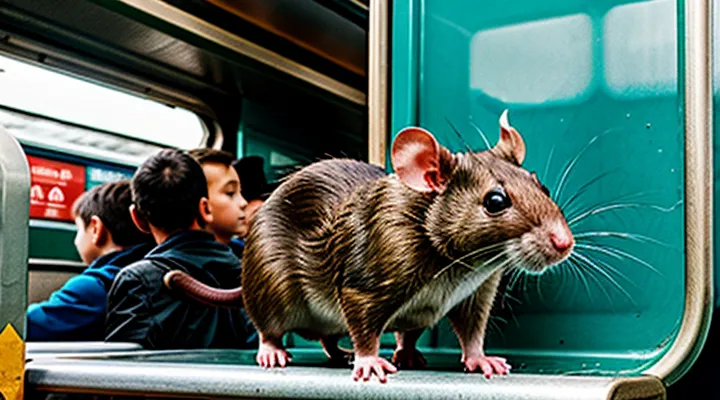
Understanding Train Travel for Rodents
Regulatory Considerations
«Railway Company Policies»
Railway operators enforce strict policies for the carriage of small mammals, ensuring that rats are transported without risk to health or safety. Compliance with national animal‑transport regulations and company‑specific standards is mandatory for all freight bookings involving live rodents.
Key elements of the policy include:
- Certification of the shipper by an accredited animal‑welfare authority.
- Use of certified containers that provide ventilation, secure locking mechanisms, and cushioning to prevent injury.
- Mandatory labeling with the phrase «Live Animals – Rats», accompanied by the shipper’s contact information and emergency handling instructions.
- Temperature control measures guaranteeing that carriage compartments remain within the range of 5 °C to 25 °C throughout the journey.
- Handling procedures that require trained personnel to load, unload, and monitor the containers at each station.
- Documentation of a transport manifest that records species, quantity, container identification, and the applicable permit number.
- Liability clauses assigning responsibility for any injury, loss, or contamination to the shipper unless caused by railway negligence.
- Emergency response protocols that outline immediate isolation, veterinary assessment, and containment actions in the event of container breach or animal distress.
Adherence to these provisions enables rail services to maintain safety standards, protect animal welfare, and fulfill legal obligations while offering reliable freight options for the movement of rats.
«Animal Welfare Laws»
Transporting rats by railway demands compliance with national and international animal welfare statutes. These laws define permissible conditions, mandatory documentation, and enforcement mechanisms to protect the health and safety of the animals during transit.
Key legal requirements include:
- Certification that carriers meet standards for ventilation, temperature control, and secure enclosures.
- Provision of adequate food, water, and bedding for the duration of the journey, with regular checks at designated intervals.
- Submission of a transport permit outlining the species, number of individuals, and route, signed by a licensed veterinarian.
- Adherence to the European Union Regulation (EC) No 1/2005, which mandates humane handling, minimisation of stress, and immediate reporting of injuries.
- Alignment with the United States Animal Welfare Act, specifying cage dimensions, lighting, and emergency procedures for rail shipments.
Failure to observe these provisions may result in fines, suspension of transport licences, or legal action by animal protection agencies. Continuous monitoring and record‑keeping ensure that each shipment conforms to the established welfare criteria, thereby safeguarding the rodents throughout the railway journey.
Health and Safety Precautions
«Pre-Travel Vet Check»
A veterinary assessment before boarding a train is mandatory for rodent passengers. The examination confirms that the animal is fit for the stresses of travel, identifies health issues that could worsen in transit, and verifies compliance with carrier regulations.
Typical components of the assessment include:
- Physical examination to detect injuries, respiratory problems, or signs of illness.
- Verification of up‑to‑date vaccinations against common rodent diseases.
- Screening for ectoparasites and administration of appropriate treatments.
- Assessment of weight and body condition to ensure the animal can tolerate confinement.
- Issuance of a health certificate signed by the veterinarian, required by most railway operators.
Timing of the appointment matters. Conduct the check no earlier than seven days and no later than 48 hours before departure to guarantee that health status remains current. During the visit, request written confirmation that the chosen transport cage meets ventilation, size, and security standards set by the carrier.
All documentation must accompany the animal throughout the journey. Attach the health certificate to the cage, and keep a copy in a travel folder accessible to railway staff. Failure to present valid paperwork can result in denied boarding or quarantine.
Adhering to the «Pre‑Travel Vet Check» protocol minimizes the risk of health complications, protects other passengers, and fulfills legal obligations for safe rail transport of rats.
«Vaccinations and Health Certificates»
When rats travel by rail, official health documentation is mandatory. The carrier must present proof that the animals meet veterinary standards before boarding.
-
Mandatory immunizations typically include rabies (if required by the destination), a combined distemper‑parvovirus vaccine, and a leptospirosis inoculation where regional regulations apply. Each injection must be recorded in the animal’s medical record no later than 30 days before departure.
-
The health certificate must be issued by a licensed veterinarian within seven days of the journey. The document must contain: the rat’s identification details (species, breed, sex, age); a summary of administered vaccines with dates; a statement of fitness for transport; and the veterinarian’s signature and official seal.
Obtaining the certificate involves scheduling a pre‑travel examination, confirming that all vaccinations are up to date, and requesting the written statement. The original certificate should travel with the rat, while a duplicate copy may be kept for the owner’s records.
Railway personnel will verify the certificate at the point of entry. Failure to present a valid document results in denial of boarding and possible quarantine. Compliance with «Vaccinations and Health Certificates» requirements ensures smooth transit and protects public health.
Preparing Your Rat for the Journey
Selecting the Right Carrier
«Size and Ventilation Requirements»
Rats require cages that provide sufficient room to move, eat, and rest without excessive confinement. Minimum interior dimensions for a single adult rat are 30 cm × 20 cm × 20 cm, allowing a floor area of at least 600 cm². When multiple rats share a cage, add 150 cm² of floor space per additional animal. Height must accommodate upright posture, with a clearance of no less than 15 cm above the back of the cage. Cages must be constructed of rigid, non‑porous material and feature secure, lockable doors to prevent escape during rail travel.
Adequate airflow prevents heat buildup and reduces the risk of respiratory distress. Ventilation openings should supply a minimum of 30 L min⁻¹ per rat, measured at the cage’s intake point. Air exchange must be continuous, with no dead‑air zones; placement of perforated panels on opposite walls creates a cross‑draft that removes stale air efficiently. Filters installed on ventilation ports must retain particles larger than 0.3 µm while allowing unrestricted airflow. Temperature inside the carriage should remain within 18 °C – 24 °C, monitored by calibrated sensors linked to the train’s climate‑control system.
Key specifications:
- Minimum cage floor area: 600 cm² per rat, plus 150 cm² per additional rat
- Interior height: ≥ 15 cm above the back of the cage
- Ventilation rate: ≥ 30 L min⁻¹ per rat
- Cross‑draft arrangement: opposite perforated panels
- Filter rating: ≥ 0.3 µm retention
- Carriage temperature range: 18 °C – 24 °C
Compliance with these dimensions and airflow standards ensures that rats experience minimal stress and maintain physiological stability throughout the journey.
«Material and Security Features»
When moving rats by rail, the selection of containers and protective elements determines the success of the operation. Robust cages constructed from high‑density polyethylene resist impact and prevent cracks under vibration. Reinforced mesh panels, with openings no larger than 4 mm, allow airflow while eliminating escape routes. Internal padding made of non‑abrasive, washable foam cushions prevents injuries caused by sudden jolts.
Security mechanisms must complement structural integrity. Double‑locking latch systems, equipped with tamper‑evident seals, ensure that doors remain closed throughout the journey. Integrated RFID tags linked to a central monitoring platform provide real‑time location data and alert personnel to unauthorized access. Temperature‑stable gel packs, placed in designated compartments, maintain ambient conditions within the optimal range for rodent health.
Key material and security components include:
- High‑density polyethylene cage walls, thickness ≥ 5 mm
- 4 mm mesh ventilation panels, stainless‑steel construction
- Foam padding, anti‑microbial, removable for cleaning
- Dual‑action latch with tamper‑evident seal
- RFID tracking tag, encrypted signal transmission
- Temperature‑control gel packs, reusable up to 30 cycles
Compliance with railway carrier regulations mandates certification of all materials for fire resistance and chemical inertness. Regular inspection of seals, latches, and RFID functionality should occur before each departure to eliminate potential failures. By adhering to these specifications, the transport process minimizes risk to both animals and personnel.
Packing Essentials for the Trip
«Food and Water Supplies»
Providing adequate nutrition and hydration is essential for rodent welfare during rail journeys. Food must be packaged in sealed, moisture‑resistant containers to prevent spillage and contamination of the carriage. Water should be supplied in leak‑proof bottles or dispensers, positioned to allow easy access without creating a mess.
Prior to departure, calculate the required amount of sustenance based on the travel duration, average consumption rates, and a safety margin. Include a small reserve to accommodate unexpected delays. All supplies should be labeled with the species name and handling instructions, and stored in a temperature‑controlled compartment to preserve freshness.
- High‑fiber pellets or lab‑grade chow, portioned for the entire trip plus an extra 20 %
- Fresh water in insulated, screw‑cap bottles, replaced every 12 hours
- Small treats for enrichment, limited to 5 % of total caloric intake
- Disposable feeding trays with non‑slip bases to prevent spillage
- Clean, lint‑free wipes for post‑meal cleanup, stored in a sealed pouch
«Bedding and Enrichment Items»
Appropriate bedding maintains thermal comfort, absorbs waste, and prevents slipping inside a moving carriage. Select low‑dust, non‑scented substrates that remain stable when the train accelerates or decelerates.
- «paper bedding» – thin, absorbent, easy to replace, minimal movement.
- «aspen shavings» – coarse enough to provide traction, low allergen risk.
- «recycled cellulose pellets» – compact, high absorbency, reduces bulk.
Place a single layer of the chosen material on the bottom of the transport cage. Secure the bedding with a thin, breathable liner that can be clipped to the cage frame, preventing displacement during vibrations.
Enrichment items mitigate stress by offering mental stimulation and opportunities for natural behaviors. Choose objects that are sturdy, non‑breakable, and fit securely within the limited space of a train‑compatible carrier.
- chewable wooden blocks – satisfy gnawing instinct, resistant to breakage.
- fabric tunnels or PVC tubes – provide shelter, can be anchored with zip ties.
- small plastic balls with textured surfaces – encourage exploration, safe if size‑restricted.
Attach each enrichment piece to the cage interior using removable clips or elastic bands. Ensure that all items are positioned away from the cage door to avoid interference with loading and unloading procedures. Regularly inspect bedding and enrichment for wear, replace as needed, and maintain a clean environment throughout the journey.
Acclimatization and Stress Reduction
«Familiarization with Carrier»
«Familiarization with Carrier» is the first step in preparing rodents for rail travel. Selecting a carrier that matches the animal’s size prevents stress and injury; the enclosure must allow unrestricted movement while maintaining secure containment. Transparent or partially open walls enable visual monitoring without disturbing the animal. Adequate ventilation slots guarantee airflow throughout the journey, and sturdy latches eliminate accidental openings.
The carrier’s interior should be lined with absorbent bedding that can be replaced easily. Non‑toxic, chew‑resistant materials reduce the risk of ingestion. A removable food and water dish simplifies cleaning and ensures hydration without spillage. All surfaces must be smooth to avoid injuries from sharp edges.
Checklist for carrier familiarization:
- Verify internal dimensions: at least twice the length of the rat, with sufficient height for standing.
- Test ventilation: minimum of 2 cm² opening per 100 cm³ of internal volume.
- Inspect closures: latch engages with audible click and cannot be opened by the animal.
- Place bedding, food, and water: confirm stability and accessibility.
- Conduct a leak test: ensure no fluid escape during movement.
Acclimation proceeds through gradual exposure. Begin with short sessions of the rat inside the carrier while the door remains open, allowing voluntary entry. Extend duration over several days, introducing the carrier’s scent by placing familiar bedding. Incorporate feeding inside the enclosure to associate it with positive reinforcement. Handle the carrier gently during transport simulations to desensitize the animal to movement and vibration.
Adhering to these practices satisfies railway regulations concerning live‑animal transport. Proper carrier familiarization minimizes stress, protects animal welfare, and contributes to a smooth, compliant journey.
«Minimizing Stressors Before Travel»
«Minimizing Stressors Before Travel» requires careful preparation of the animal’s environment and routine. A stable pre‑journey condition reduces physiological responses that could compromise health during rail transport.
- Maintain a consistent feeding schedule for at least 24 hours before departure; avoid sudden changes in diet composition.
- Provide fresh water in a spill‑proof container; ensure access until the moment of confinement.
- Limit exposure to loud noises and bright lights in the days leading up to travel; use a quiet room with dim illumination.
- Conduct a brief health check by a veterinarian; address any signs of illness or injury before loading.
- Allow the rat to acclimate to the transport carrier by placing familiar bedding and a favorite chew toy inside for several hours each day.
Prior to loading, ensure the carrier is securely closed, well‑ventilated, and positioned on a stable surface to prevent jostling. Keep the carrier away from other pets or stressful stimuli until the train departs. Monitoring temperature and humidity inside the carriage helps maintain a comfortable microclimate throughout the journey.
During the Train Journey
Securing the Carrier
«Placement on the Train»
Effective «Placement on the Train» requires secure containment, stable positioning, and minimal disturbance. Use a ventilated carrier with a lockable latch, padded interior, and a non‑slip base. Ensure the carrier fits within the allotted luggage space without contacting hard surfaces.
Position carriers according to the following guidelines:
- Place carriers on a flat, level surface such as a shelf or designated pet zone.
- Align carriers away from doors and heavy‑foot traffic to reduce vibration and sudden movements.
- Secure carriers with straps or cargo nets provided by the railway staff.
- Keep carriers upright; avoid laying them on their sides or backs.
Maintain a constant temperature range of 15‑22 °C. Check the carrier every two hours, verifying that ventilation remains unobstructed and that the latch functions correctly. Record any signs of stress, such as excessive grooming or vocalization, and alert train personnel immediately if conditions deteriorate.
«Preventing Movement and Falls»
When rats travel by rail, securing the carrier prevents unwanted motion and reduces the risk of falls. A rigid cage with a lockable lid should be placed on a non‑sliding platform. The platform must be anchored to the carriage floor using straps or brackets that meet the railway’s load‑bearing specifications.
Key measures include:
- Position the cage away from doors and high‑traffic aisles to avoid accidental bumps.
- Fit the cage with a padded base; the padding absorbs shocks generated by train acceleration or braking.
- Use adjustable tie‑down straps that wrap around the cage and attach to certified anchor points on the carriage wall or floor.
- Verify that all latches and hinges are fully engaged before departure; conduct a visual inspection for wear or damage.
- Apply anti‑slip mats under the cage legs; the mats should be certified for use on metal surfaces and resistant to moisture.
During transit, monitor the carrier at each scheduled stop. Check that straps remain taut and that the cage has not shifted. If any movement is detected, re‑secure the carrier immediately. Maintaining a stable environment eliminates the primary causes of rodent injury during rail transport.
Monitoring Your Rat's Well-being
«Regular Check-ups»
Regular check-ups constitute a core component of any rail transport plan for rats. Systematic health assessments identify stress indicators, dehydration, and injury before they compromise welfare or compliance with transport regulations.
- Pre‑departure examination: veterinary inspection of weight, coat condition, and respiratory sounds; vaccination status confirmed; quarantine documentation verified.
- Mid‑journey monitoring: temperature‑controlled carrier inspected at scheduled stops; visual checks for signs of agitation or illness; emergency kit accessed for immediate care.
- Post‑arrival evaluation: comprehensive physical exam; comparison of pre‑ and post‑trip health records; reporting of any deviations to the transport authority.
Accurate record‑keeping links each check-up to a specific train segment, enabling traceability and rapid response to anomalies. Mandatory logs must include date, time, examiner name, and observed findings, stored in a durable format accessible to inspectors. Consistent execution of «Regular Check-ups» minimizes risk, ensures regulatory adherence, and supports the overall goal of safe rat transportation by train.
«Recognizing Signs of Distress»
Recognizing early indicators of distress in rats traveling by rail is essential for preventing injury and ensuring welfare. Observable cues fall into three categories: behavioral, physiological, and vocal.
- Behavioral signs: abrupt cessation of movement, frantic pacing, excessive grooming, or attempts to escape the carrier.
- Physiological signs: rapid breathing, trembling, flushed or pallid fur, and drooling.
- Vocal signs: high‑pitched squeaks or continuous chattering that differs from normal social calls.
When any of these manifestations appear, immediate intervention is required. Secure the carrier, reduce external stimuli such as loud noises and vibrations, and assess temperature and ventilation. If distress persists, consult a veterinarian familiar with small‑animal transport. Continuous monitoring throughout the journey reduces the likelihood of escalation and supports a humane rail passage for the animals.
Feeding and Hydration
«Scheduled Feeding Times»
«Scheduled Feeding Times» form a core component of rail transport protocols for laboratory rodents. Regular intervals of nourishment prevent hypoglycemia, reduce stress‑induced aggression, and maintain normal gastrointestinal function throughout the journey.
Feeding schedules should align with the expected duration of travel. For trips lasting up to 12 hours, provide food every 4–5 hours; for longer voyages, increase frequency to every 3–4 hours. Record the exact times of each feeding to verify compliance with animal‑care regulations.
Key considerations for each feeding session:
- Nutrient‑dense pellets or formulated mash, pre‑weighed to avoid over‑ or under‑feeding.
- Water supplied in sealed, spill‑proof containers; replace at each feeding interval.
- Food placed in individual, perforated containers to allow ventilation while preventing contamination.
- Containers secured to the cage or transport module to avoid displacement during train motion.
Documentation must include the date, time, quantity of food and water, and the personnel responsible for delivery. This log supports traceability and facilitates inspection by veterinary authorities.
Adhering to a strict timetable for nourishment minimizes physiological disruption and upholds the welfare standards required for safe rail carriage of rats.
«Ensuring Access to Water»
When transporting rats via rail, continuous access to fresh water prevents dehydration and maintains physiological stability. Water containers must be secured to withstand motion, temperature fluctuations, and vibration without leakage.
Key measures include:
- Selecting spill‑proof bottles with screw‑on caps rated for travel.
- Positioning containers at the animal’s head level to allow easy drinking while limiting movement.
- Monitoring water temperature; cold‑climate cars require insulated vessels, while warm environments benefit from chilled supplies.
- Replacing water at regular intervals defined by journey duration, typically every 4 hours for adult rats.
Documentation of water provision, including volume per cage and replacement timestamps, should accompany the transport manifest. This record ensures compliance with animal‑welfare regulations and facilitates post‑journey health assessments.
Post-Travel Care
Safe Arrival and Unpacking
«Gradual Reintroduction to Environment»
Transporting rats by rail demands a structured plan for returning them to a familiar setting. The phase known as «Gradual Reintroduction to Environment» mitigates stress and promotes rapid recovery.
- Immediate post‑arrival: place each animal in a clean, well‑ventilated carrier within the transport carriage. Provide familiar bedding and a small amount of water.
- Short‑term enclosure: move rats to a separate acclimatization cage for 12–24 hours. Keep lighting dim and maintain a stable temperature.
- Controlled exposure: introduce a limited portion of the home cage, allowing exploration through a secure opening. Limit handling to brief, calm interactions.
- Full integration: after 48 hours of stable behavior, return rats to their complete enclosure. Observe for normal feeding, grooming, and activity patterns.
Monitoring throughout the process includes checking for signs of dehydration, respiratory distress, or abnormal aggression. Record weight daily; a stable or increasing weight indicates successful adaptation. Adjust the timeline if any rat exhibits prolonged lethargy or loss of appetite.
A typical schedule spans three to five days, depending on individual response. Consistent application of the outlined steps ensures that rail‑relocated rats regain equilibrium with minimal risk.
«Checking for Injuries or Stress»
Before boarding a train, each rat must be examined for physical damage and emotional strain. A brief visual and tactile assessment prevents complications during travel.
Signs of physical damage include:
- Bleeding, swelling, or bruising
- Limping or uneven gait
- Missing fur or open wounds
- Abnormal posture, such as hunching
Indicators of emotional strain comprise:
- Excessive grooming or fur loss
- Rapid breathing or panting
- Vocalizations louder than usual
- Withdrawal from handling or refusal to move
The inspection protocol follows a three‑step routine. First, gently lift the animal and scan the entire body for the listed physical signs. Second, observe behavior for at least one minute in a quiet environment, noting any stress indicators. Third, record findings on a transport checklist and, if any issue appears, isolate the rat for immediate veterinary care before continuing the journey.
Post-Journey Health Monitoring
«Observing Behavior Changes»
Monitoring rats during rail transport provides immediate data on welfare and helps prevent escalation of stress. Observable changes include alterations in grooming, vocalizations, locomotion, and posture. Deviations from baseline indicate discomfort and require prompt intervention.
- Reduced grooming or over‑grooming signals anxiety.
- High‑pitched squeaks or prolonged silence suggest pain or fear.
- Hunched posture, trembling, or excessive freezing reflect acute stress.
- Erratic pacing, clumping, or attempts to escape confinement denote agitation.
Observation should occur at regular intervals aligned with train schedule. Recommended timing:
- Immediately after loading, before departure.
- At each scheduled stop, before and after doors open.
- Mid‑journey, at the half‑way point.
- Upon arrival, during unloading.
Document each observation in a standardized log, noting time, specific behavior, and environmental conditions such as temperature, vibration level, and noise intensity. When stress indicators appear, actions include adjusting ventilation, providing supplemental bedding, reducing ambient noise, and, if necessary, pausing travel to reassess cage security.
Consistent recording and rapid response maintain health standards, reduce mortality risk, and ensure compliance with animal transport regulations.
«Follow-up Vet Visit if Needed»
After a rail journey, assess the animal’s condition before release. Any deviation from normal behavior, appetite, or grooming warrants a veterinary re‑examination.
Key indicators for a follow‑up appointment include:
- Lethargy or reduced activity
- Unexplained weight loss or failure to eat
- Respiratory sounds such as wheezing or crackles
- Visible injuries, swelling, or discharge from wounds
- Abnormal stool or urine output
If one or more signs appear, arrange a veterinary visit within 24 hours. Provide the veterinarian with the transport record, including cage dimensions, ventilation method, and any stress‑reduction measures used during the trip. The professional will conduct a physical examination, may order diagnostic tests, and prescribe treatment as needed.
When no symptoms are observed, a brief health check by the owner or caretaker is sufficient. Record observations in a logbook and retain the information for future trips. This documentation supports risk assessment and improves overall animal welfare during railway transport.