
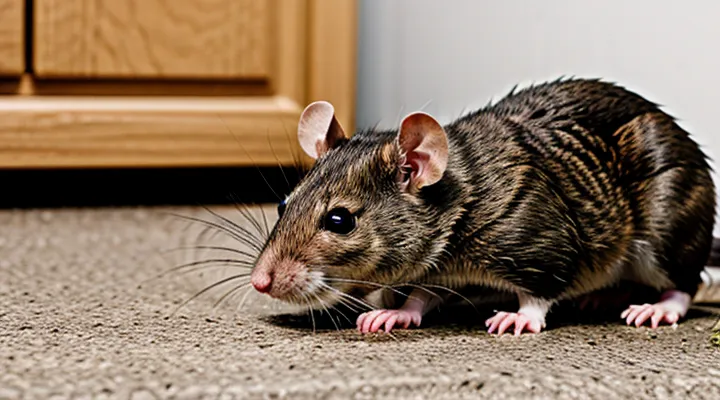
Understanding the Criticality of Timely Intervention
Recognizing Signs of Distress in Rats
Identifying Respiratory Arrest
Respiratory arrest in a rodent manifests as the immediate cessation of airflow and the loss of observable breathing movements. The animal’s thorax becomes static, and the nostrils no longer exhibit rhythmic flaring. Absence of audible breath sounds can be confirmed by placing a stethoscope or a small microphone near the chest. Pupils often dilate, and the mucous membranes turn pale or cyanotic, indicating insufficient oxygen delivery.
Key indicators include:
- No chest wall expansion during attempted ventilation.
- Lack of audible or palpable breath sounds.
- Unchanged or decreasing heart rate despite external stimulation.
- Mucous membrane discoloration (pale, bluish).
- Unresponsive behavior and loss of righting reflex.
Rapid assessment should begin with visual inspection of the thoracic cavity, followed by gentle palpation to detect any residual respiratory effort. If the rat remains motionless and the above signs are present, respiratory arrest can be declared, prompting immediate initiation of resuscitation protocols.
Detecting Cardiac Arrest
Detecting cardiac arrest in a laboratory rat requires immediate, objective assessment.
Observation of thoracic movement determines whether spontaneous breathing persists. Absence of rhythmic expansion indicates respiratory failure, a common precursor to cardiac arrest.
Palpation of the femoral artery or use of a micro‑pulse oximeter provides a rapid check for pulse. A flat or undetectable pulse confirms circulatory collapse.
Electrocardiographic monitoring offers definitive confirmation. Placement of subdermal electrodes in a standard lead configuration yields a trace that, when flat or showing ventricular fibrillation, signifies cardiac arrest.
Blood oxygen saturation measured with a veterinary pulse‑oximeter drops below 80 % during arrest and can serve as an additional indicator.
A concise protocol for detection:
- Inspect chest for breathing; note lack of movement.
- Feel femoral pulse; record absent or weak signal.
- Attach ECG leads; verify flat line or chaotic rhythm.
- Record SpO₂; confirm severe hypoxia.
If all four criteria are met, initiate resuscitation measures without delay.
Noticing Hypothermia or Shock
Recognizing hypothermia or shock in a small rodent is the first critical step in any resuscitation effort. Early detection prevents irreversible tissue damage and increases the likelihood of successful recovery.
Visible indicators include:
- Pale, bluish, or grayish skin, especially on the ears, tail, and paws.
- Lethargic or unresponsive behavior; the animal may remain motionless despite stimulation.
- Slow, shallow breathing or irregular respiratory rhythm.
- Weak or absent pulse; the heart rate may drop below 200 bpm in an adult rat.
- Cool extremities; the tail and ears feel colder than the core body temperature.
- Delayed capillary refill; pressing the skin does not result in rapid color return.
Objective assessment methods:
- Use a rectal thermometer to measure core temperature; values below 35 °C suggest hypothermia.
- Apply a gentle pressure to the nail bed or foot pads; observe the time needed for color to return.
- Listen with a stethoscope for diminished heart sounds; compare with normal rates of 300–500 bpm in healthy adults.
- Monitor respiratory effort visually and, if available, with a small flow sensor.
When any of these signs are present, initiate warming measures and circulatory support immediately, as they form the basis for effective rodent resuscitation.
Immediate Actions and First Aid Techniques
Safe Handling and Environment Assessment
Ensuring a Warm and Quiet Space
A successful resuscitation attempt begins with a controlled environment that minimizes stress and supports physiological recovery. The enclosure should be insulated to retain heat, using materials such as a low‑wattage heating pad set to 30‑32 °C or a warmed blanket wrapped loosely around the animal. Temperature stability prevents hypothermia, which can quickly worsen cardiac and respiratory depression.
Noise levels must be kept low; loud sounds trigger sympathetic activation, raising heart rate and oxygen demand. Place the rat in a quiet room, close doors, and turn off electronic devices. If necessary, a soft background hum (e.g., a fan on low speed) can mask sudden noises without adding stress.
Key actions for establishing the optimal setting:
- Verify ambient temperature with a calibrated thermometer; adjust heating source until the target range is reached.
- Secure the heating element to prevent direct contact that could cause burns.
- Eliminate sources of vibration and sudden sounds; use foam padding under the cage if needed.
- Monitor temperature throughout the procedure, correcting any drift promptly.
Minimizing Stress During Assessment
Assessing a compromised rat can trigger physiological stress that diminishes the effectiveness of resuscitation efforts. Elevated cortisol levels reduce cardiac output and impede ventilation, making a calm environment essential for successful intervention.
- Conduct the assessment in a quiet, low‑light area to limit sensory overload.
- Use gentle handling; support the animal’s body with both hands, avoiding sudden movements.
- Allow a brief acclimation period (30–60 seconds) before initiating any procedures.
- Maintain a stable temperature (22–24 °C) to prevent thermal shock.
- Employ minimal restraint devices, such as soft cloth loops, rather than rigid tubes.
- Perform all measurements with calibrated, low‑noise equipment to reduce auditory stress.
- Record data promptly and return the rat to a familiar cage after the evaluation.
Implementing these practices lowers stress hormones, stabilizes vital signs, and improves the likelihood of recovery when applying rodent resuscitation techniques.
Basic Life Support for Rats
Performing Gentle Chest Compressions
Gentle chest compressions are a core component of rodent revival protocols. Position the rat on a firm, flat surface with the ventral side upward. Locate the sternum by feeling the midline between the forelimbs; place two fingertips lightly on the lower third of the sternum, avoiding the rib cage. Apply pressure that depresses the chest 2–3 mm, maintaining a rhythm of 180–200 compressions per minute. Each compression should be brief, followed by an immediate release to allow passive recoil.
Monitor the thoracic movement visually and by palpating the heart region. If the rat’s skin color remains pallid after 30–45 seconds of uninterrupted compressions, pause briefly to assess pulse and breathing. Resume compressions if no spontaneous circulation is evident.
Key considerations:
- Use a soft, non‑slipping surface to prevent injury.
- Keep hands dry to maintain consistent pressure.
- Avoid excessive depth; deeper compressions risk internal trauma.
- Combine compressions with gentle airway opening and oxygen delivery when possible.
Successful execution requires steady rhythm, minimal force, and continuous observation of physiological response.
Administering Rescue Breaths
Administering rescue breaths restores oxygen circulation when a rat’s heart has stopped or breathing is absent. Immediate ventilation prevents brain hypoxia and improves the chance of successful resuscitation.
Before ventilation, secure the animal on a flat surface, extend the neck gently, and keep the airway open. Use a small, calibrated syringe (1 ml) or a pediatric resuscitation mask attached to a flow‑controlled source of room‑air or oxygen. Ensure the tip does not press against the nostrils or mouth; a slight gap allows air entry without creating excessive pressure.
Deliver breaths as follows:
- Insert the syringe tip into one nostril, directing the flow toward the trachea.
- Inject 0.2–0.3 ml of air over 1 second, producing a visible chest rise.
- Release pressure, allow exhalation, and repeat.
- Provide 1 breath every 3–4 seconds (≈15–20 breaths per minute) until spontaneous breathing returns or emergency care is available.
Observe the thorax for rhythmic expansion. If chest movement is absent, reassess airway patency, reposition the head, and repeat the breath cycle. Once spontaneous respirations appear, discontinue artificial ventilation and monitor heart rate, temperature, and behavior for signs of recovery.
Positioning for Optimal Airway
Proper airway alignment is critical when attempting to restore circulation in a small rodent. Place the animal on a firm, flat surface and gently extend the neck to achieve a neutral spine. Avoid excessive extension that could compress the trachea; a slight head‑up tilt of 10‑15° creates enough space for the tongue to remain clear of the airway.
- Lay the rat in dorsal recumbency with the forelimbs extended forward.
- Apply a gentle chin lift while supporting the mandible with the thumb and forefinger.
- If mouth opening is limited, use a small, blunt instrument to hold the lips apart without damaging the tissue.
- For animals with suspected neck trauma, shift to a lateral recumbent position, keeping the head slightly elevated and the airway open by manually displacing the tongue.
Maintain the chosen position throughout chest compressions and ventilations. Re‑evaluate airway patency after each ventilation cycle and adjust the head angle as needed to prevent obstruction.
Advanced Resuscitation Methods
Addressing Specific Causes of Collapse
Managing Choking Incidents
When a rat stops breathing because its airway is obstructed, immediate action determines survival. The obstruction typically consists of food, bedding, or a foreign object lodged in the oral or pharyngeal cavity. Prompt clearance restores airflow and allows resuscitation efforts to proceed.
First, place the rat on a soft, non‑slippery surface in a supine position. Observe the chest for rhythmic movement; absence of motion indicates a complete blockage. Open the mouth gently with a small pair of tweezers or a fingertip, taking care not to cause trauma. If the object is visible, remove it with a fine forceps. If it is not visible, proceed with the following maneuvers:
- Back blows: Hold the rat with its head lower than its body. Deliver two firm, swift blows to the upper back between the shoulder blades using the heel of the hand.
- Abdominal thrusts: With the rat still inclined downward, place a thumb and index finger just behind the sternum. Apply a quick, upward pressure to generate a cough-like expulsion.
- Repeated cycles: Alternate three back blows and three abdominal thrusts until the obstruction clears or the rat begins to breathe spontaneously.
After the airway is cleared, assess respiration. If the rat resumes normal breathing, keep it warm and monitor for at least ten minutes. If breathing does not return, commence cardiopulmonary resuscitation: perform chest compressions at a rate of 180 compressions per minute, followed by two gentle breaths delivered through the nostrils. Continue cycles until a pulse is detectable or professional veterinary assistance arrives.
Preventive measures reduce choking incidents. Provide appropriately sized food, avoid dense bedding near feeding areas, and supervise group housing to limit competition for resources. Regular inspection of cages for stray objects further minimizes risk.
Counteracting Poisoning Effects
When a rodent shows signs of toxin exposure, immediate reversal of the poison’s action is essential for successful resuscitation.
Common rodenticides include anticoagulant compounds (e.g., warfarin, brodifacoum), neurotoxic agents (e.g., bromethalin, tetramine), and cholinesterase inhibitors (e.g., organophosphates). Each class requires a targeted antidote and supportive measures.
First, remove the animal from the contaminated environment, place it in a clean, well‑ventilated area, and prevent further ingestion by cleaning the oral cavity with lukewarm saline.
Antidotal interventions
- Anticoagulant poisoning: administer vitamin K1 (phytonadione) subcutaneously at 2–5 mg/kg every 12 hours for 7–10 days; monitor clotting times.
- Bromethalin toxicity: give a lipid emulsion bolus of 1.5 ml/kg intravenously, followed by a continuous infusion of 0.25 ml/kg/min for 30 minutes; repeat if neurological signs persist.
- Organophosphate exposure: inject atropine intraperitoneally at 0.05 mg/kg, repeat every 5 minutes until secretions diminish; consider pralidoxime chloride 30 mg/kg intramuscularly as a cholinesterase reactivator.
- General decontamination: provide activated charcoal (1 g/kg) orally or via gastric tube within 30 minutes of ingestion; repeat dosing may enhance toxin binding.
Supportive care includes isotonic fluid therapy (20 ml/kg lactated Ringer’s solution subcutaneously or intravenously) to maintain perfusion, supplemental oxygen delivered via a small mask, and continuous monitoring of heart rate, respiratory pattern, and pupillary response.
After stabilization, observe the rat for at least 24 hours to detect delayed toxicity. Ensure that all bedding, food, and water are free of residual poison to avoid re‑exposure.
Prompt, toxin‑specific antidotes combined with diligent supportive treatment constitute the core strategy for neutralizing poisoning effects and restoring viability in affected rodents.
Responding to Injuries
When a rat suffers trauma, swift assessment determines the chance of successful recovery. First, remove the animal from the source of danger and place it on a clean, flat surface. Check breathing and pulse; if absent, begin ventilatory support within seconds.
- Open the airway by gently extending the neck and clearing any obstructions.
- Apply gentle chest compressions at a rate of 120–140 per minute, using the thumb and forefinger positioned just behind the sternum.
- Deliver rescue breaths by delivering a small volume of oxygen‑enriched air (approximately 0.5 ml) with a syringe or a specialized small‑animal resuscitator.
- Alternate compressions and breaths in a 30:2 ratio until spontaneous circulation returns or advanced help arrives.
After circulation is restored, monitor temperature, heart rate, and respiration. Provide a warm, quiet environment and administer analgesics or antibiotics as indicated. Record the incident details and observe the rat for at least 24 hours to detect delayed complications. Immediate, systematic intervention maximizes the likelihood of survival following injury.
Post-Resuscitation Care and Monitoring
Maintaining Body Temperature
Maintaining the appropriate body temperature is essential for successful rat resuscitation. Hypothermia quickly reduces metabolic rate, impairs cardiac function, and diminishes the effectiveness of ventilation. Conversely, hyperthermia can accelerate metabolic demand and cause cellular injury. Immediate temperature control stabilizes physiological processes and supports the return of spontaneous circulation.
To achieve normothermia, follow these steps:
- Place the animal on a pre‑warmed, non‑slippery surface such as a heated surgical mat set to 37 °C.
- Cover the rat with a thin, insulated blanket to reduce heat loss while allowing visual monitoring.
- Use a calibrated rectal probe to measure core temperature continuously; adjust the heat source to keep the reading within 36.5–38 °C.
- If the environment is excessively warm, apply a cool, damp cloth to the paws for brief intervals to prevent overheating.
When external warming is insufficient, consider internal methods:
- Administer warmed sterile saline (38 °C) intraperitoneally in small volumes (0.5 ml per 100 g body weight) to raise core temperature rapidly.
- For prolonged procedures, insert a temperature‑controlled micro‑tube into the peritoneal cavity, circulating warmed fluid at a controlled rate.
After achieving stable temperature, continue monitoring throughout the resuscitation process. Adjust heating or cooling as needed to maintain the target range, and document temperature trends for post‑procedure analysis.
Providing Hydration and Nutrition
Hydration and nutrition are the first priorities after a rodent has been revived. Without adequate fluid intake, blood volume remains low, and cellular recovery stalls. Energy supplies must be restored promptly to support organ function and prevent further deterioration.
Fluid delivery options include:
- Subcutaneous injection of sterile isotonic solution (e.g., 0.9 % saline) at 0.5 ml per 10 g body weight, administered in multiple sites to promote absorption.
- Oral administration using a calibrated syringe, delivering 0.2 ml of warm electrolyte solution every 15 minutes until the rat drinks voluntarily.
- Intraperitoneal infusion for severe dehydration, limited to 0.2 ml per 10 g body weight to avoid overdistension.
Nutritional support follows fluid therapy:
- Offer a high‑calorie gel formula specifically formulated for small mammals; place a pea‑sized amount on the cage floor and monitor consumption.
- Provide softened rodent chow soaked in warm water, reducing particle size to facilitate swallowing.
- Introduce a diluted whey protein solution (1 % concentration) via the same oral syringe used for fluids, delivering 0.1 ml per 10 g body weight every 4 hours for the first 24 hours.
Monitor body weight, hydration status (skin elasticity, mucous membrane moisture), and stool output. Adjust fluid volumes and food quantities based on observed responses, aiming for gradual return to normal intake patterns.
Observing for Recovery and Relapse
After a rodent has been successfully resuscitated, continuous monitoring determines whether physiological functions are stabilizing or deteriorating. Immediate observation focuses on cardiac rhythm, respiratory effort, and mucous‑membrane coloration; deviations from normal patterns signal the need for rapid intervention.
- Heart rate within species‑specific range (250–400 bpm for adult rats)
- Regular, unlabored breathing with tidal volume appropriate for body weight
- Pink, moist mucosa indicating adequate perfusion
- Spontaneous movement or righting reflex within the first 10 minutes
- Normal body temperature (37–38 °C) maintained by external heat source
Indicators of relapse include:
- Bradycardia or arrhythmia persisting beyond 5 minutes
- Respiratory depression, apnea, or irregular gasping breaths
- Cyanotic or pale mucosa suggesting hypoxia or shock
- Loss of righting reflex or prolonged lethargy after initial responsiveness
- Rapid decline in core temperature despite warming measures
A structured observation schedule enhances detection. Record vital signs at 1‑minute intervals for the first 10 minutes, then every 5 minutes for the next 30 minutes, followed by hourly checks for the subsequent 2 hours. If any relapse marker appears, administer supplemental oxygen, adjust thermal support, and consider repeat cardiopulmonary massage. Documentation of trends enables prompt corrective actions and improves overall survival outcomes.
When to Seek Veterinary Assistance
Recognizing Limitations of Home Resuscitation
Attempts to restart a rat’s circulation at home face significant practical barriers. Most owners lack the specialized tools required for accurate assessment of cardiac activity, such as a veterinary-grade ECG or pulse oximeter calibrated for rodents. Without these instruments, determining whether compressions are effective becomes speculative.
Key limitations include:
- Inadequate equipment: standard human CPR devices are oversized and ineffective for a 200‑gram animal.
- Unreliable assessment: visual cues (e.g., chest movement) are faint; tactile detection of a pulse is often impossible.
- Dosage uncertainty: emergency drugs formulated for larger mammals can cause toxicity if administered incorrectly.
- Technique sensitivity: proper compression depth and rate differ markedly from human guidelines; improper force can cause internal injury.
- Environmental factors: ambient temperature and stress levels alter metabolic demands, complicating resuscitation timing.
When any of these constraints are present, immediate transport to a veterinary clinic is advisable. Professional care provides controlled ventilation, precise drug dosing, and advanced monitoring that cannot be replicated in a typical household setting. Recognizing these boundaries prevents futile effort and reduces the risk of further harm.
Preparing for a Veterinary Visit
Before a veterinary appointment, gather the rat’s medical history, including previous illnesses, medications, and any recent changes in behavior or diet. Bring a written record to ensure the clinician receives accurate information.
Prepare a transport container that provides ventilation, prevents escape, and maintains a stable temperature. Line the cage with soft bedding to reduce stress, but avoid excessive material that could obstruct breathing.
Collect a fresh sample of the rat’s urine and feces if possible. Place each in a sealed, labeled container for laboratory analysis. If the animal has been vomiting or has diarrhea, note the appearance and timing of each episode.
Compile a list of questions for the veterinarian, such as:
- Which diagnostic tests are required to assess cardiac or respiratory function?
- What emergency medications should be kept on hand for sudden collapse?
- How can post‑visit care be optimized to support recovery?
Schedule the visit during the clinic’s quiet hours to minimize environmental stress. Arrive early to allow the rat to acclimate to the waiting area, and keep handling to a minimum.
After the appointment, record the veterinarian’s recommendations, prescribed treatments, and any follow‑up dates. Store this information alongside the initial medical history for quick reference during future emergencies.
End-of-Life Considerations
When a rat shows no response after initial resuscitation attempts, the decision to continue or cease intervention hinges on objective criteria. Persistent absence of a detectable pulse, unresponsive respiratory centers, and lack of reflexes after a defined observation period indicate that further efforts are unlikely to restore viable function.
Ethical assessment requires weighing the animal’s capacity for recovery against the risk of prolonged suffering. If neurological signs remain absent and tissue perfusion cannot be re‑established, humane termination supersedes continued treatment.
Legal frameworks governing laboratory and captive rodents mandate adherence to recognized euthanasia protocols once resuscitation is deemed futile. Documentation of the resuscitation timeline, interventions performed, and physiological measurements must accompany the final decision to ensure compliance with institutional animal care standards.
Practical steps for end‑of‑life management:
- Record time of cardiac arrest and each resuscitation maneuver.
- Monitor heart rate, respiratory effort, and reflexes at five‑minute intervals.
- Apply the following termination criteria:
- No palpable pulse for >10 minutes despite chest compressions.
- Absence of spontaneous breathing for >5 minutes after ventilation support.
- Lack of corneal or pedal reflexes after 15 minutes of observation.
- Upon meeting any criterion, proceed with an approved euthanasia method (e.g., inhalant anesthetic overdose) and note the agent, dosage, and time of administration.
These measures ensure that the cessation of resuscitation is grounded in measurable physiological failure, respects animal welfare obligations, and fulfills regulatory requirements.