
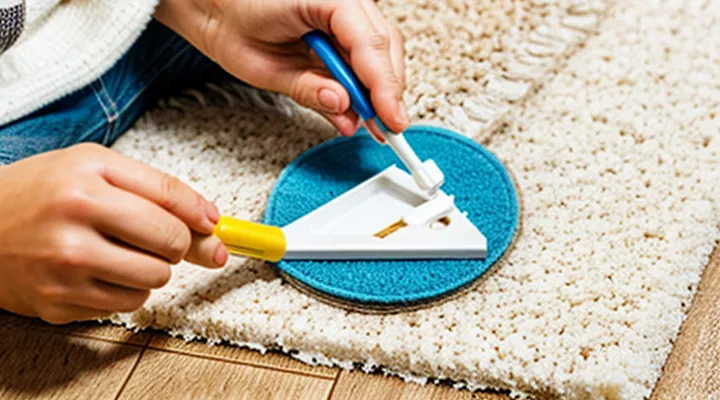
Understanding Glue Traps and Their Dangers
Why Mice Are Caught in Glue Traps
Glue traps immobilize rodents through a powerful adhesive layer. Mice encounter these devices primarily because their foraging instincts draw them to the bait scent applied to the trap surface. The sweet or protein‑rich odor mimics natural food sources, triggering a strong olfactory response that overrides caution.
Additional factors increase capture rates:
- Small body size allows entry into narrow trap openings that larger pests cannot access.
- Rapid movement across the floor reduces the time available to detect the tacky surface before contact.
- Limited tactile perception of sticky substances leads to unintentional foot placement on the adhesive.
- Elevated stress levels during infestation heighten exploratory behavior, making mice more likely to investigate unfamiliar objects.
Understanding why mice become ensnared clarifies the conditions that produce glue residues on carpet and linoleum. Recognizing these behavioral drivers informs effective removal strategies and prevents further trap placement in high‑traffic flooring areas.
The Problem with Glue Residue
Glue residue left by rodents on floor coverings creates several practical issues. The adhesive bonds tightly to carpet fibers and linoleum surfaces, making it resistant to simple vacuuming or wiping. When the tacky film hardens, it can pull at yarns during foot traffic, resulting in premature wear or fraying of the carpet pile. On smooth linoleum, the hardened glue forms a slick layer that reduces traction and increases the risk of slips.
Chemical composition of the glue contributes to the difficulty of removal. Most mouse traps use water‑soluble polyvinyl acetate or rubber‑based adhesives that become water‑resistant after drying. This property prevents ordinary cleaning solutions from penetrating the film, leaving a persistent stain that can attract dust and debris. Additionally, residues may contain small amounts of toxic additives, posing a health concern for households with children or pets.
Effective mitigation requires understanding the specific challenges presented by the residue:
- Identify the adhesive type (water‑soluble vs. rubber‑based) to select an appropriate solvent.
- Test the solvent on an inconspicuous area to avoid discoloration of the carpet or linoleum.
- Apply the solvent, allow it to soften the glue, then gently scrape or blot the softened material.
- Rinse the area with clean water and blot dry to remove any remaining chemical traces.
Addressing these factors prevents further damage to flooring, maintains safety, and eliminates the aesthetic impact of mouse‑trap glue.
Essential Preparations
Safety Precautions
Personal Protective Equipment
When tackling adhesive residue from rodent activity on carpet or linoleum, selecting appropriate protective gear safeguards health and preserves surface integrity.
Gloves made of nitrile or latex prevent skin contact with solvent fumes and potential allergens. Choose a thickness that balances dexterity with barrier performance; a 4‑mil grade offers reliable protection without compromising grip.
Eye protection, such as safety goggles with indirect venting, shields against splashes from chemical removers. Ensure a snug seal around the orbital bone to eliminate exposure to airborne particles.
Respiratory safety requires a disposable N95 mask or a half‑face respirator equipped with organic vapor cartridges when using strong solvents like acetone or mineral spirits. Verify fit through a seal check before commencing work.
Footwear should consist of closed, slip‑resistant shoes with chemical‑resistant uppers. This reduces the risk of slips on wet surfaces and protects against accidental spills.
A disposable overall or a reusable coverall made of polyester‑cotton blend provides an extra barrier for clothing. Select a garment with sealed seams and a front zipper to minimize contamination.
Checklist of essential PPE for adhesive removal:
- Nitrile or latex gloves (4‑mil minimum)
- Safety goggles with indirect venting
- N95 mask or half‑face respirator with organic vapor cartridges
- Slip‑resistant, chemical‑resistant shoes
- Disposable overall or reusable coverall with sealed seams
Proper use of each item, combined with correct removal techniques, ensures a safe and effective cleaning process.
Ventilating the Area
Ventilation is a non‑optional step when tackling adhesive residues on flooring. Open windows and doors to create a cross‑draft; this reduces concentration of solvent vapors and accelerates drying of the treated surface. Position a portable fan near the work zone, directing airflow outward to expel airborne particles.
- Ensure the space remains ventilated for at least 30 minutes after applying any chemical remover.
- If the room lacks external openings, use an exhaust fan or air purifier equipped with a HEPA filter.
- Keep children, pets, and unrelated occupants out of the area until the air quality returns to normal.
Maintain continuous airflow throughout the cleaning process to protect respiratory health and prevent lingering odors from affecting adjacent rooms.
Gathering Your Materials
For Carpet
Mouse adhesive on carpet can damage fibers and attract dirt if left untreated. Prompt removal restores appearance and prevents further contamination.
Materials needed
- Plastic scraper or dull butter knife
- White vinegar or mild dish‑soap solution
- Warm water
- Clean white cloths or microfiber towels
- Vacuum cleaner with brush attachment
- Optional: enzyme‑based cleaner for stubborn residue
Procedure
- Test a small, inconspicuous area with the chosen solvent to confirm no discoloration.
- Soften the glue by applying a few drops of vinegar or a diluted soap solution directly onto the sticky spot. Allow 2–3 minutes for penetration.
- Gently lift the softened adhesive with the plastic scraper, keeping the blade parallel to the carpet surface to avoid cutting fibers.
- Blot the area with a damp cloth, repeating solvent application if residue remains.
- Rinse the spot with a cloth moistened in warm water, then pat dry with a clean towel.
- Vacuum the treated section to restore pile height and remove any loosened particles.
Additional recommendations
- Work in a well‑ventilated area to disperse any odor from the solvent.
- For thick or cured glue, repeat steps 2–4 until the surface is clear; excessive scraping may damage carpet fibers, so proceed cautiously.
- After cleaning, allow the carpet to air‑dry completely before foot traffic resumes.
Following these steps eliminates mouse‑originated adhesive from carpet efficiently while preserving the integrity of the material.
For Linoleum
Mouse‑generated adhesive on linoleum requires prompt removal to prevent staining and surface damage. The following procedure eliminates residue without compromising the flooring.
Materials
- Soft‑bristle brush or non‑abrasive scrub pad
- Warm water
- Mild dish‑soap or neutral pH floor cleaner
- White vinegar (5 % solution) or isopropyl alcohol (70 %)
- Plastic scraper or old credit card
- Clean microfiber cloths
- Protective gloves
Removal steps
- Dampen the brush with warm, soapy water; gently agitate the glue to loosen surface particles.
- Apply a small amount of vinegar or alcohol directly onto the softened area; allow 30 seconds for chemical action.
- Use the plastic scraper to lift the loosened adhesive, working from the edges toward the center.
- Rinse the treated spot with clean water, wiping with a microfiber cloth to remove solvent traces.
- Repeat the solvent application if residual tack remains, then perform a final wipe‑down with plain water.
After‑care
- Dry the cleaned section with a separate cloth to prevent water marks.
- Inspect for any discoloration; if present, apply a linoleum‑safe polish following manufacturer instructions.
Prevention
- Seal entry points to deter rodents.
- Place traps or deterrents away from flooring.
- Maintain a regular cleaning schedule to detect and address adhesive deposits early.
Removing Glue from Carpet
Initial Steps
Removing Solid Debris
When mouse‑generated adhesive accumulates on carpet or linoleum, the first obstacle is the solid residue that remains after the glue dries. This material can be brittle, crumbly, or clumped, and it must be cleared before any solvent or scraper can reach the adhesive itself.
Begin by loosening the debris with a gentle mechanical action. Use a stiff‑bristled brush or a small hand‑held vacuum equipped with a brush attachment. Sweep the area to lift loose particles, then vacuum to remove them from the fibers or surface. If the residue is firmly attached, apply a thin layer of warm water to soften it; allow ten to fifteen minutes for absorption, then repeat the brushing and vacuuming cycle.
For stubborn chunks, a plastic scraper or a dull utility knife works well. Hold the tool at a shallow angle to avoid cutting carpet fibers or damaging linoleum. Gently pry the material away, collecting it in a disposable container. After each removal, inspect the spot for remaining fragments and repeat the brush‑vacuum‑scrape sequence until the surface is clear.
Finally, wipe the cleaned area with a damp microfiber cloth to capture any fine particles. Allow the floor to dry completely before proceeding to the next stage of adhesive removal. This systematic approach ensures that solid debris does not interfere with subsequent cleaning methods and prevents further damage to the flooring.
Gently Scraping Excess Glue
When adhesive from a mouse trap remains on carpet or linoleum, the first priority is to eliminate the bulk of the material without damaging the surface. Gentle scraping achieves this by separating the hardened glue from the fibers or coating while preserving the underlying texture.
Tools required
- Plastic putty knife or stiff credit‑card edge
- Wooden spatula or dull butter knife
- Soft microfiber cloth
Procedure
- Test a small, inconspicuous area with the chosen scraper to confirm it does not lift carpet pile or scratch linoleum.
- Hold the scraper at a shallow angle (approximately 15–20 degrees) and apply light, steady pressure.
- Move the edge in short, controlled strokes, working from the outer edge of the glue toward the center.
- Collect loosened fragments on the microfiber cloth, replacing it when it becomes saturated.
Precautions
- Avoid metal blades; they can gouge the substrate.
- Do not force the tool; excessive pressure may embed glue deeper into fibers.
- After bulk removal, follow with a suitable solvent or adhesive remover to dissolve residual traces.
By maintaining a low angle and modest force, the scraper lifts most of the adhesive while leaving carpet loops and linoleum finish intact, setting the stage for complete cleanup.
Chemical Removal Methods
Using Isopropyl Alcohol
Isopropyl alcohol works efficiently on adhesive residues left by rodents on both carpet and linoleum. The solvent breaks down the polymer chains in most glue formulations, allowing the material to be lifted without damaging the underlying surface.
Begin by checking a concealed spot to confirm that the alcohol does not cause discoloration. Apply a small amount of 70 % or higher concentration to a clean cloth, then press the cloth onto the stained area. Allow the liquid to penetrate for 2–3 minutes; the glue should soften and become tacky.
- Gently scrape the loosened residue with a plastic edge or a soft‑bristled brush.
- Blot the area with a fresh, dry cloth to absorb the dissolved glue.
- Repeat the application if any trace remains, limiting exposure to prevent excess moisture.
After the adhesive is removed, wipe the surface with a mild detergent solution to eliminate alcohol traces, then rinse with clean water. Dry the carpet or linoleum thoroughly, using a fan or low‑heat dryer if necessary.
Safety precautions include working in a well‑ventilated space, wearing disposable gloves, and keeping the solvent away from open flames. Proper disposal of used cloths follows local hazardous‑waste guidelines.
Applying Goo Gone or Citrus-Based Cleaners
Goo Gone and citrus‑based cleaners dissolve the adhesive left by rodents, making them effective for carpet and linoleum surfaces. Apply the product directly to the glue, allow it to penetrate, then remove the residue.
- Test a hidden area to confirm no discoloration or damage.
- Spray or dab the cleaner onto the glue, covering it completely.
- Let the solution sit 3–5 minutes; the solvent will soften the adhesive.
- Gently scrape with a plastic putty knife or a blunt edge; avoid abrasive tools that could fray carpet fibers or scratch linoleum.
- Wipe the area with a clean, damp cloth to remove dissolved glue and any solvent traces.
- Blot dry with a towel; repeat the cycle if a thin layer remains.
Safety measures: wear gloves and ensure adequate ventilation; citrus solvents can irritate skin and eyes. For carpet, avoid saturating the padding, as excess moisture may lead to mold growth. For linoleum, prevent standing liquid to maintain the seal.
After cleaning, vacuum the carpet to lift fibers and restore texture. For linoleum, apply a thin coat of a neutral floor polish if the surface appears dull, restoring its original sheen.
Utilizing WD-40
WD‑40 can effectively dissolve the adhesive left by rodents on both carpet and linoleum when applied correctly.
First, test a small, inconspicuous area to verify that the solvent does not discolor the fiber or the floor coating. If the test spot remains unchanged after five minutes, proceed with the treatment.
- Spray WD‑40 directly onto the glue patch until the surface appears wet.
- Allow the product to penetrate for 2–3 minutes; the solvent will break down the polymer bonds.
- Use a plastic scraper or a blunt putty knife to lift the softened residue. Avoid metal tools that could damage carpet fibers or scratch linoleum.
- Wipe the area with a clean, lint‑free cloth to remove excess liquid.
- Repeat the spray‑wait‑scrape cycle if any tacky spots remain.
After the adhesive is removed, neutralize the WD‑40 odor and residual oil:
- Mix a solution of warm water and a few drops of mild dish detergent.
- Dampen a sponge with the solution and gently blot the treated zone.
- Rinse with a clean, damp cloth to eliminate detergent traces.
- Pat dry with a towel or allow air circulation to complete drying.
Safety considerations include adequate ventilation, wearing disposable gloves, and keeping the product away from open flames. Properly disposed of rags prevent fire hazards. Following these steps restores the carpet or linoleum surface without compromising its appearance or integrity.
Natural Solutions
Ice Application
Ice can loosen adhesive residues without damaging fibers or surface finish. When glue is chilled, it becomes brittle, allowing it to break apart from the carpet pile or linoleum coating.
- Place a sealed bag of ice cubes directly on the glue patch.
- Keep the ice in place for 5–10 minutes, or until the adhesive feels solid.
- Gently scrape the hardened glue with a plastic putty knife or a stiff card; avoid metal tools that might cut the carpet backing or scratch linoleum.
- If remnants remain, repeat the cooling cycle and use a clean, damp cloth to lift the loosened particles.
- After removal, vacuum the area and wipe it with a mild detergent solution to eliminate any residue.
The method works because low temperatures reduce the tackiness of most mouse‑derived adhesives, making mechanical removal safe and effective on both textile and vinyl surfaces.
Peanut Butter or Mayonnaise
Peanut butter and mayonnaise act as mild emulsifiers that can penetrate the protein‑based glue left by rodents, loosening its grip on carpet fibers and linoleum surfaces. Their fatty content reduces surface tension, allowing the adhesive to separate without harsh chemicals.
Begin by testing a small, hidden area. Apply a thin layer of either spread, let it sit for 5–10 minutes, and observe any discoloration or damage. If the test shows no adverse reaction, proceed with the full treatment.
- Spread a generous amount of peanut butter or mayonnaise over the glue spot.
- Allow the spread to sit for 5–8 minutes; the fats will infiltrate the adhesive.
- Using a plastic scraper or blunt edge, lift the softened glue away from the carpet pile or linoleum.
- Blot the area with a clean, damp cloth to remove residual spread.
- Rinse the cleaned section with warm water and a mild detergent, then dry thoroughly with a towel or low‑heat fan.
For carpet, avoid excessive moisture; use a spray bottle to mist the area lightly before blotting. For linoleum, ensure the surface is completely dry before walking on it to prevent slipping. After removal, vacuum the carpet and inspect for any remaining residue, repeating the process if necessary. This approach eliminates glue without abrasive scrubbing, preserving the integrity of both flooring types.
Cleaning Up and Finishing Touches
Rinsing the Area
Rinsing the area eliminates loosened adhesive, dilutes remaining solvent, and prevents the glue from re‑bonding to the fibers or surface. Use only room‑temperature water to avoid shrinking carpet fibers or warping linoleum.
- Saturate a clean microfiber cloth with water; wring out excess so the cloth is damp, not dripping.
- Gently press the cloth onto the treated spot, moving in small circles to lift residual glue.
- Replace the cloth when it becomes saturated with runoff; repeat until no slick feeling remains.
- For larger sections, fill a shallow bucket with water, dip a mop or sponge, and blot the region, ensuring even moisture distribution.
- After the final rinse, blot the area with a dry towel to remove excess water and accelerate drying.
Complete the rinse before the surface dries completely; lingering moisture can cause mildew in carpet backing, so allow the cleaned zone to air‑dry or use a low‑heat fan for rapid evaporation.
Drying the Carpet
After the adhesive has been dissolved and wiped away, the carpet must be dried promptly to prevent mold, odor, and lingering stickiness.
Begin by removing excess moisture with clean, absorbent towels. Press the towels onto the wet area, replace them when saturated, and repeat until no visible liquid remains.
Next, increase air circulation. Position a portable fan a few inches from the carpet surface, directing airflow across the damp spot. If possible, open windows or doors to introduce fresh air.
For thicker piles, elevate the carpet slightly using a thin board or a set of clean blocks. This creates a gap for air to flow underneath, accelerating evaporation.
If the environment is humid, employ a dehumidifier. Set the unit to a low humidity level (40‑50 % relative humidity) and run it continuously until the carpet feels dry to the touch.
Finally, verify dryness by touching the fibers and checking for any dampness on the backing. A quick test with a moisture meter can provide objective confirmation.
Key actions for efficient drying:
- Blot with fresh towels until no liquid is visible.
- Apply steady airflow with a fan or open windows.
- Lift the carpet to expose the underside.
- Use a dehumidifier in humid conditions.
- Confirm dryness by tactile inspection or moisture reading.
Completing these steps ensures the carpet returns to a safe, usable condition after glue removal.
Removing Glue from Linoleum
Initial Steps
Removing Solid Debris
When mouse‑derived adhesive clings to carpet or linoleum, solid particles such as dust, hair, or broken glue chunks must be cleared before chemical treatment. Removing these remnants prevents spreading residue, protects cleaning tools, and ensures the adhesive dissolves evenly.
- Sweep the area with a stiff‑bristled brush to dislodge loose fragments.
- Vacuum using a high‑efficiency filter; pause periodically to empty the canister, avoiding re‑deposition.
- For stubborn pieces, gently lift with a plastic scraper or dull spatula; avoid metal tools that could tear carpet fibers or scratch linoleum.
- Place collected debris in a sealed bag to prevent cross‑contamination of other surfaces.
- Inspect the cleaned zone under angled lighting; repeat sweeping and vacuuming until no visible particles remain.
Completing solid‑debris removal prepares the surface for solvent application, minimizes streaking, and accelerates the overall glue‑elimination process.
Gently Scraping Excess Glue
Begin by removing the bulk of the adhesive while preserving the carpet or linoleum fibers. A flat, rigid plastic scraper (such as a putty knife) provides sufficient leverage without damaging the surface. Hold the tool at a shallow angle, press lightly, and pull the glue toward you in short, controlled strokes. Avoid metal blades, which can gouge the material.
- Position the scraper so it contacts only the glue layer, not the backing.
- Apply steady, moderate pressure; excessive force may lift carpet tufts or crack linoleum.
- Work from the edge of the residue inward, reducing the area of loose glue with each pass.
- If the glue hardens, warm it briefly with a hair‑dryer on low heat for 10–15 seconds; the softened material slides more easily.
- After the majority of the adhesive is lifted, use a clean, damp cloth to wipe any remaining trace, then blot dry.
Finish by inspecting the treated zone for fibers that may have been displaced. If minor lifting is evident, gently re‑align the fibers with a soft brush before proceeding to any further cleaning steps.
Chemical Removal Methods
Using Mineral Spirits or Acetone
Mineral spirits and acetone are effective solvents for dissolving mouse‑derived adhesive on both carpet fibers and linoleum surfaces. Their low viscosity allows deep penetration into the glue, breaking down polymer bonds without extensive mechanical abrasion.
To apply mineral spirits:
- Test a hidden area for colorfastness; wait five minutes.
- Saturate a clean white cloth with the solvent.
- Gently blot the glue, avoiding vigorous rubbing that could lift carpet fibers.
- Allow the solvent to sit for one to two minutes; the adhesive should soften.
- Use a plastic scraper or a soft‑bristled brush to lift the softened residue.
- Blot the area with a damp cloth, then dry with a clean towel.
For acetone, follow a similar protocol, noting its higher volatility:
- Conduct a ventilation check; ensure the room is well‑aired.
- Apply acetone to a disposable pad rather than directly onto the carpet.
- Press the pad onto the glue, maintaining contact for 30–45 seconds.
- Scrape the loosened material with a non‑metallic tool.
- Rinse the treated spot with a mild detergent solution to remove solvent traces.
- Pat dry thoroughly to prevent moisture damage to the backing.
Safety considerations:
- Wear nitrile gloves and eye protection; both solvents can irritate skin and eyes.
- Keep away from open flames; acetone is highly flammable, mineral spirits are combustible.
- Store containers in a cool, sealed environment after use.
- Dispose of used rags in a metal container with a tight lid to avoid spontaneous combustion.
After solvent treatment, vacuum the carpet to extract any remaining particles, and apply a neutral‑pH carpet cleaner if a faint odor persists. This sequence restores the appearance of the flooring while minimizing damage to the underlying material.
Applying Goo Gone or Citrus-Based Cleaners
When adhesive residue remains on carpet or linoleum, a solvent such as Goo Gone or any citrus‑based cleaner can dissolve the material without damaging the substrate.
Before treating the stain, select an inconspicuous spot, apply a small amount of the cleaner, and wait a few minutes. If the fibers or surface show no discoloration, proceed; otherwise, choose a milder formula.
- Dampen a clean cloth with the solvent; avoid saturating the area.
- Press the cloth onto the glue for 30–60 seconds, allowing the chemicals to penetrate.
- Gently scrape the softened residue with a plastic spatula or dull edge; do not use metal tools that could cut fibers.
- Blot the freed glue with a fresh cloth, repeating the dampening step if necessary.
- Rinse the treated zone with warm water and a mild detergent to remove any solvent trace.
- Pat dry with a towel; allow the surface to air‑dry completely before foot traffic resumes.
Ventilate the room during use; wear gloves and eye protection to prevent skin irritation or splashes. For carpet, avoid excessive moisture that could foster mold growth. Citrus‑based cleaners leave a faint scent that dissipates within hours. Following these actions removes mouse‑induced adhesive efficiently while preserving the integrity of carpet and linoleum.
Utilizing WD-40
WD‑40 is an oil‑based solvent that penetrates and softens most animal‑derived adhesives. When applied to mouse‑track glue on carpet or linoleum, it reduces the tackiness, allowing the residue to be lifted without excessive friction.
To use WD‑40 effectively:
- Test a small, hidden area for discoloration or fiber damage. Allow the spot to dry and inspect the result.
- Spray a thin, even layer directly onto the glue. Do not saturate the surrounding material.
- Let the product sit for 30‑60 seconds. The solvent will break down the polymer bonds.
- Using a plastic scraper or a stiff‑bristled brush, gently lift the softened glue. Avoid metal tools that could cut carpet fibers or scratch linoleum.
- Blot the area with a clean, absorbent cloth to remove excess oil. Repeat the spray‑wait‑lift cycle if residue remains.
- After the adhesive is gone, clean the surface with a mild detergent solution (e.g., a few drops of dish soap in warm water). Rinse with a damp cloth and dry thoroughly.
Safety considerations:
- Work in a well‑ventilated space; WD‑40 releases volatile organic compounds.
- Wear disposable gloves to prevent skin contact.
- Keep flammable sources away; the product is highly combustible until fully evaporated.
- Store the can upright and out of reach of children or pets.
The method works on both woven carpet piles and smooth linoleum sheets because WD‑40 penetrates without excessive moisture. Proper ventilation and thorough post‑treatment cleaning prevent lingering oil films that could attract dirt.
Natural Solutions
Vegetable Oil or Olive Oil
Vegetable oil, including olive oil, acts as a mild solvent that softens adhesive residues left by rodents without damaging carpet fibers or linoleum surfaces. Apply the oil directly to the glue, allow it to penetrate, then remove the softened material with a clean cloth or plastic scraper.
- Test a small, hidden area to confirm no discoloration.
- Pour a few drops of oil onto the glue spot; spread evenly with a soft brush.
- Let the oil sit for 2–3 minutes; the adhesive will become pliable.
- Gently lift the residue using a disposable cloth or a plastic putty knife.
- Blot the treated area with a paper towel to absorb excess oil.
- Clean the surface with a mild detergent solution, then rinse with water and dry thoroughly.
For carpet, avoid saturating the pile; use a light amount of oil and a white cloth to prevent staining. For linoleum, a thin film of oil can be spread with a microfiber pad, ensuring the oil does not pool in seams. After removal, vacuum or sweep to eliminate any remaining particles. Use gloves to protect skin and keep the area well‑ventilated during the process.
Ice Application
Ice can be used to harden mouse adhesive on carpet or linoleum, making it easier to lift without damaging the surface. The low temperature reduces the tackiness of the glue, allowing it to break away in solid chunks.
- Place a sealed bag of ice cubes directly on the sticky area for 5–10 minutes, keeping the bag flat to ensure even cooling.
- Test a small spot by gently scraping with a dull plastic scraper; the glue should crack and lift.
- Work from the edges toward the center, applying fresh ice as needed to keep the remaining glue cold.
- Collect the detached pieces and dispose of them; any residue can be removed with a mild solvent after the ice treatment.
The method minimizes moisture exposure, preserving the integrity of carpet fibers and linoleum seams. Repeating the cooling‑and‑scrape cycle until all adhesive is removed yields a clean floor ready for final cleaning.
Cleaning Up and Finishing Touches
Rinsing the Linoleum
After the adhesive has been softened and scraped from the linoleum surface, thorough rinsing removes residual chemicals and prevents streaks. Use warm water at a temperature that comfortably penetrates the material without causing warping. Apply water with a clean sponge or mop, ensuring constant motion to dilute the remaining glue particles.
- Fill a bucket with warm water; add a few drops of mild pH‑neutral dish detergent if the glue was oil‑based.
- Dampen a microfiber cloth or mop, wring out excess liquid, and wipe the area in overlapping strokes.
- Rinse the cloth or mop frequently in clean water to avoid re‑depositing residue.
- Perform a final pass with plain warm water to eliminate any detergent film.
- Dry the floor with a dry, lint‑free towel or allow it to air‑dry for at least 15 minutes before walking on it.
A controlled rinse eliminates sticky remnants, restores the linoleum’s smooth appearance, and prepares the surface for subsequent cleaning or protective treatments.
Drying and Buffing
After the adhesive has been dissolved or lifted, the surface must be thoroughly dried before any further treatment. Residual moisture can react with cleaning agents, cause discoloration, or attract dirt, compromising the restoration of both carpet and linoleum.
- Use a clean, dry microfiber towel to blot excess liquid.
- Apply a low‑speed fan or a portable dehumidifier to circulate air across the area.
- Position a hair‑dryer on a cool setting, keeping it at least six inches from the material to prevent heat damage.
- Allow a minimum of 30 minutes for complete evaporation; extend the period in humid environments.
Once the area is dry, restore the original texture through careful buffing. Buffing eliminates lingering stickiness, re‑aligns fibers, and smooths the linoleum surface, ensuring a uniform appearance.
- Select a soft‑bristle brush or a non‑abrasive carpet rake; move it gently in the direction of the pile.
- For linoleum, use a clean, lint‑free cloth attached to a low‑speed rotary tool; apply light pressure in circular motions.
- Perform a short, controlled pass with a vacuum equipped with a brush roll to lift any loosened particles.
- Inspect the treated zone; repeat buffing if unevenness remains.
The combined drying and buffing steps finalize the removal process, leaving carpet and linoleum free of adhesive residues and visually consistent with surrounding areas.
Preventing Future Infestations
Identifying Entry Points
Mice gain access to indoor spaces through the smallest openings, often unnoticed during routine cleaning. Detecting these passages is essential before addressing adhesive residues on flooring.
Begin by inspecting the perimeter of the room. Look for gaps around baseboards, door frames, and window sills. Any crack wider than a quarter‑inch can accommodate a rodent. Pay special attention to utility penetrations—pipes, vents, and electrical conduits—where the building envelope is compromised.
Next, examine the underside of carpets and the edges of linoleum. Lift a corner of the carpet to reveal the subfloor; ragged or torn fibers may indicate where a mouse has squeezed through. In linoleum, check for lifting or bubbling at seams, which often conceal entry points.
Exterior factors also reveal entry routes. Observe the foundation for cracks, especially near drainage systems. Verify that exterior doors close tightly and that weatherstripping is intact. Even tiny gaps beneath doors can serve as a highway for pests.
Use a systematic checklist to confirm all potential routes:
- Gaps in baseboards or trim (≥ 0.25 in)
- Openings around pipes, cables, and vents
- Cracks in foundation or siding
- Lifted carpet edges or torn fibers
- Separated linoleum seams or bubbled areas
- Door thresholds lacking proper sealing
- Unscreened gaps around exterior utilities
After cataloguing each opening, seal it with appropriate materials—steel wool, caulk, expanding foam, or metal flashing—before proceeding to remove mouse glue. Eliminating entry points prevents re‑contamination and supports long‑term cleanliness.
Humane Trapping Alternatives
Humane trapping alternatives provide effective mouse control without the use of adhesive devices, reducing the risk of accidental glue residue on flooring. Live‑catch cages, constructed from stainless steel or durable plastic, feature a one‑way entry that allows rodents to enter but not exit. After capture, the animal can be released at a safe distance from the home, eliminating the need for chemical or sticky solutions that may contaminate carpet or linoleum surfaces.
Electronic traps deliver a brief, high‑frequency pulse that instantly immobilizes the mouse. The device contains a sealed chamber, preventing any adhesive contact with the floor. Once the rodent is neutralized, the chamber can be emptied and cleaned with a mild detergent, ensuring no residual material remains on the surrounding area.
When selecting a humane method, consider the following criteria:
- Size and placement: choose a trap that fits under furniture or along walls where mouse activity is observed.
- Ease of cleaning: opt for models with removable trays or compartments that can be washed without abrasive tools.
- Non‑toxic materials: avoid traps that incorporate chemicals or adhesives that could seep into flooring seams.
Integrating these alternatives with regular sanitation—vacuuming, sealing entry points, and promptly addressing spills—maintains a clean environment and prevents future glue contamination.
Maintaining a Clean Environment
Rodent adhesive on carpet or linoleum creates a hygiene problem and can attract additional pests. Prompt removal prevents contamination of the living space and supports overall cleanliness.
Procedure for eliminating adhesive residue
- Test a small area with the chosen solvent to confirm material compatibility.
- Apply a commercial adhesive remover or a mixture of warm water and mild dish soap to the affected spot.
- Allow the solution to penetrate for 2–3 minutes; the glue will soften.
- Gently scrape with a plastic spatula, avoiding damage to fibers or surface coating.
- Rinse the area with clean water, blot dry with a lint‑free cloth, and let it air‑dry completely.
Effective removal reduces the risk of bacterial growth and minimizes exposure to harsh chemicals, contributing to a healthier indoor environment. Maintaining a clean floor also discourages future rodent activity, as pests are less likely to inhabit well‑kept areas.
Ongoing maintenance recommendations
- Conduct visual inspections of floor coverings weekly to detect adhesive or debris early.
- Keep a small supply of safe solvent and a plastic scraper for immediate action.
- Use vacuum cleaners equipped with HEPA filters to capture fine particles released during cleaning.
- Dispose of used solvent containers according to local hazardous‑waste guidelines to avoid environmental contamination.
Consistent application of these practices sustains a sanitary setting, limits pest recurrence, and preserves the integrity of carpet and linoleum surfaces.