
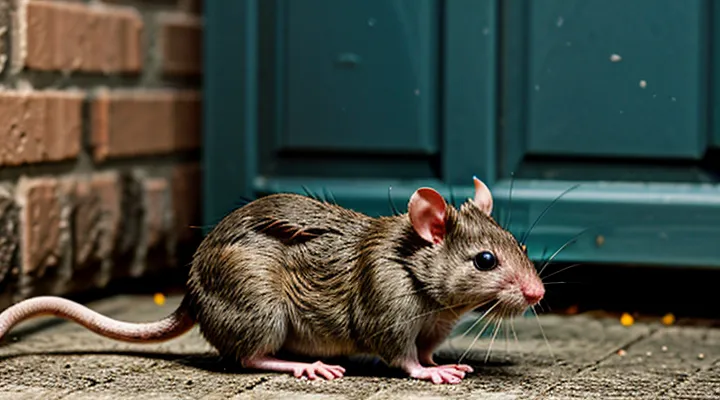
Understanding the Need for Euthanasia
When Euthanasia is Necessary
«Considering the Rat's Quality of Life»
When a rat’s health deteriorates, assessing its quality of life becomes the first step before selecting an end‑of‑life procedure. Evaluation focuses on observable indicators rather than subjective judgment.
Key indicators of diminished welfare include:
- Persistent weight loss exceeding 15 % of baseline.
- Chronic pain evident from reluctance to move, vocalization, or self‑mutilation.
- Severe respiratory distress or uncontrolled bleeding.
- Inability to eat or drink for more than 48 hours.
- Progressive neurological decline, such as loss of coordination or seizures.
If two or more criteria persist for several days, humane euthanasia is justified. The chosen method must achieve rapid loss of consciousness followed by immediate cessation of brain activity, minimizing pain and stress.
Effective, humane techniques commonly employed are:
- Carbon dioxide overdose – delivered at a flow rate that prevents hypoxia before unconsciousness, ensuring a swift transition.
- Injectable anesthetic agents – a combination of a sedative (e.g., medetomidine) and a barbiturate (e.g., pentobarbital) produces rapid unconsciousness and cardiac arrest.
- Inhalant anesthetic (isoflurane) induction – administered in a closed chamber until apnea occurs, then confirmed by absence of reflexes.
Each method requires proper equipment, dosage calculation based on body weight, and verification of death by checking for lack of heartbeat and reflexes. Documentation of the animal’s condition, the decision criteria, and the euthanasia protocol is essential for ethical compliance and record‑keeping.
«Addressing Severe Injury or Illness»
When a rodent exhibits trauma or disease that cannot be alleviated, immediate assessment determines whether humane termination is required. Critical indicators include uncontrolled bleeding, fractured limbs, severe respiratory distress, or progressive neurological decline. Veterinarians or trained personnel must evaluate these signs promptly, confirm that treatment options are exhausted, and document the decision.
The euthanasia process must meet two objectives: rapid loss of consciousness and painless death. Effective techniques include:
- CO₂ inhalation: Fill a sealed chamber with a calibrated flow of carbon dioxide (30‑50% concentration) until the animal loses consciousness, then maintain exposure for at least five minutes.
- Injectable anesthetic overdose: Administer a dose of a barbiturate or a combination of ketamine and xylazine that exceeds the lethal threshold, ensuring intravenous delivery for immediate effect.
- Physical method: Apply a calibrated captive‑bolt device to the skull, delivering a single, precise impact that destroys brain function instantly.
Prior to execution, verify equipment functionality, ensure proper dosing calculations, and use personal protective equipment to prevent contamination. After death, confirm cessation of cardiac activity and respiratory movements before disposal according to institutional biohazard protocols.
«Population Control in Humane Contexts»
Population control in humane contexts requires methods that eliminate target animals swiftly while preventing unnecessary pain. In laboratory and pest‑management settings, rapid euthanasia of rats reduces breeding potential and limits the spread of disease, aligning with ethical obligations to minimize suffering.
Humane standards demand procedures that achieve unconsciousness within seconds and cause irreversible loss of brain activity. Accepted protocols are documented by veterinary and research oversight bodies, which specify acceptable agents, equipment calibration, and verification steps.
Effective techniques include:
- Inhalation of high‑concentration carbon dioxide, delivered at a flow rate that induces loss of consciousness in less than 30 seconds.
- Intravenous injection of a barbiturate overdose, providing immediate apnea and cardiac arrest.
- Cervical dislocation performed by trained personnel, producing instantaneous brainstem interruption.
Each method requires pre‑procedure training, proper personal protective equipment, and post‑procedure assessment to confirm cessation of heartbeat and reflexes.
Implementation guidelines emphasize routine equipment checks, dose calculations based on body weight, and documentation of each euthanasia event. Records support traceability, compliance audits, and evaluation of population‑reduction efficacy.
Continuous monitoring of colony size, reproductive rates, and mortality data informs adjustments to control strategies, ensuring that humane euthanasia remains a central component of responsible population management.
Preparing for Euthanasia
Essential Supplies and Environment
«Gathering Necessary Materials»
Effective preparation of equipment is essential for rapid and humane rat euthanasia. Assemble the following items before beginning the procedure:
- CO₂ delivery system with calibrated flow regulator or a sealed chamber designed for small rodents.
- Anesthetic gas source (e.g., isoflurane) with appropriate vaporizer and scavenging system.
- Injectable euthanasia solution, such as sodium pentobarbital, in a concentration suitable for rodents.
- Sterile syringes and needles sized for the animal’s weight.
- Disposable gloves, lab coat, and eye protection to maintain personal safety.
- Biohazard waste container for immediate disposal of carcasses and sharps.
- Record‑keeping sheet to document dose, time, and confirmation of death.
Verify that all devices function correctly, that gas concentrations are within recommended limits, and that the euthanasia solution is within its expiration date. Place the rat in the chosen method’s apparatus only after confirming that the environment is free of contaminants and that emergency equipment, such as a rescue chamber, is accessible. Proper organization of these materials minimizes handling time, reduces stress for the animal, and ensures compliance with ethical standards.
«Ensuring a Private and Calm Setting»
A private, undisturbed environment reduces the animal’s stress and facilitates a swift, humane procedure. Choose a room that can be closed to outside noise and foot traffic; lock the door or place a sign indicating that the area is in use. Dim lighting to a low, consistent level prevents sudden visual stimuli, while maintaining enough illumination to see the rat clearly.
Prepare the space in advance to avoid interruptions.
- Remove extraneous items that could generate sound or movement.
- Place a clean, soft surface (e.g., a towel or disposable pad) on a stable table to support the rat.
- Have all required equipment (e.g., anesthetic gas, CO₂ chamber, or injectable agent) within arm’s reach.
- Ensure a waste container and disinfectant are ready for immediate post‑procedure cleanup.
Limit human presence to the minimum number of trained personnel. One individual should handle the rat while another monitors the equipment and records observations. The handler should wear gloves and maintain a calm demeanor; abrupt gestures or vocalizations can trigger panic responses in the animal, compromising the effectiveness of the euthanasia method.
Ethical Considerations and Legalities
«Local Regulations and Animal Welfare Laws»
Local regulations governing the euthanasia of rats vary by jurisdiction, but they share common requirements aimed at minimizing suffering and ensuring traceability. In most U.S. states, the Animal Welfare Act and state-specific animal cruelty statutes prohibit inhumane killing methods and mandate the use of approved techniques such as carbon dioxide exposure, cervical dislocation performed by trained personnel, or injectable anesthetics that induce rapid loss of consciousness followed by death. Failure to follow these standards can result in civil penalties, loss of research licenses, or criminal prosecution.
Compliance typically involves documentation of each euthanasia event. Required records include the species, identification number, method employed, date and time, and the name and certification level of the individual performing the procedure. Institutions often maintain a centralized log reviewed periodically by an Institutional Animal Care and Use Committee (IACUC) or equivalent oversight body. Audits may verify that personnel possess current training certificates and that equipment, such as CO₂ chambers, meets calibration standards.
When operating in the European Union, the Directive 2010/63/EU sets legally binding criteria for the humane termination of laboratory rodents. The directive mandates that any method must cause immediate unconsciousness and prevent pain, distress, or lasting harm. Accepted practices include:
- Overdose of inhalant anesthetics administered in a closed system.
- Use of a rapid‑acting barbiturate injection, provided dosage follows the latest veterinary guidelines.
- Mechanical methods (e.g., cervical dislocation) performed by individuals who have demonstrated competence through a validated training program.
In Canada, the Criminal Code classifies cruelty to animals as an indictable offense, and the Health of Animals Act requires that euthanasia be performed by a veterinarian or a person authorized by a veterinarian. Records must be submitted to provincial animal welfare agencies within a specified timeframe, and any deviation from approved methods may trigger investigations.
Internationally, the World Organization for Animal Health (OIE) recommends that all euthanasia protocols be based on peer‑reviewed scientific evidence and that they be reviewed by an ethical review board before implementation. The OIE also advises that facilities maintain emergency plans for accidental exposure to euthanasia agents, ensuring both animal and staff safety.
Adhering to these regulations protects institutions from legal liability, safeguards research integrity, and upholds ethical standards for the treatment of rodents. Continuous monitoring of legislative updates and regular refresher training for staff are essential components of a compliant euthanasia program.
«Minimizing Stress for Both Rat and Owner»
Minimizing stress for both the rat and the owner is essential to ensure a humane and efficient euthanasia process. Proper preparation reduces anxiety, prevents agitation, and facilitates a calm procedure.
Create a low‑stimulus environment. Dim lights, silence loud noises, and keep the room temperature stable. Place a soft surface in the euthanasia chamber to provide comfort and reduce the animal’s instinct to escape.
Handle the rat gently but securely. Use a calm grip, avoiding sudden movements that could trigger a fight‑or‑flight response. If possible, pre‑sedate with an appropriate anesthetic to diminish awareness and stress before the final method is applied.
Equip the owner with clear instructions. Provide a step‑by‑step guide, demonstrate the technique beforehand, and allow the owner to practice handling the rat in a non‑lethal context. Offer a quiet space for the owner to compose themselves, and recommend a brief period of rest after the procedure to process emotions.
Key actions for stress reduction:
- Prepare the area: quiet, dim, temperature‑controlled.
- Use a soft bedding surface inside the euthanasia device.
- Apply a mild sedative or anesthetic before euthanasia.
- Employ a steady, gentle grip; avoid rapid motions.
- Supply the owner with a concise procedural checklist.
- Allow the owner a private moment to recover emotionally after completion.
By adhering to these measures, the procedure remains swift, humane, and minimally distressing for both the animal and the caretaker.
Humane Euthanasia Methods
Carbon Dioxide (CO2) Asphyxiation
«Setting Up a CO2 Chamber Safely»
A CO₂ chamber provides a rapid, humane method for rodent euthanasia when constructed and operated correctly. Safety begins with a sealed, non‑reactive container that can hold the animal without risk of leakage. Use a chamber made of glass, acrylic, or stainless steel, equipped with a secure lid and a gas‑tight inlet and outlet. Verify that the material does not absorb CO₂ and that all connections are tightened with appropriate clamps or O‑rings. Install a calibrated flow meter to monitor gas delivery and a vent to release excess CO₂ after the procedure, ensuring the vent leads to a well‑ventilated area or a fume hood.
- Select a chamber volume that allows at least 10 L of CO₂ per 100 g of body weight.
- Connect the CO₂ source to the inlet using a stainless‑steel tubing set with a regulator.
- Set the flow rate to achieve a gradual increase to 30–40 % CO₂ concentration within 1–2 minutes.
- Place the rat inside the chamber, close the lid, and start the gas flow.
- Monitor concentration with a CO₂ sensor; maintain the target level until loss of consciousness is confirmed (approximately 2–3 minutes).
- After confirming death, disconnect the gas, open the vent, and remove the carcass for disposal according to institutional guidelines.
«Proper CO2 Concentration and Duration»
CO₂ euthanasia requires a concentration that reliably induces unconsciousness without causing excessive distress. Research indicates that a stable level of 70 %–100 % CO₂ within the chamber produces rapid loss of consciousness in rats. Concentrations below 70 % may prolong the induction period and increase the likelihood of aversive behaviors.
The exposure duration must correspond to the chamber’s fill rate. A flow of 20 % of the chamber volume per minute, delivering the target concentration within 5–6 minutes, ensures that the animal reaches unconsciousness before the onset of painful sensations. After achieving the desired concentration, maintain exposure for an additional 5 minutes to guarantee irreversible cessation of brain activity.
Key parameters:
- Target concentration: 70 %–100 % CO₂
- Flow rate: ≥20 % chamber volume per minute
- Initial fill time: 5–6 minutes to reach target concentration
- Post‑induction exposure: ≥5 minutes at target concentration
Monitoring signs such as loss of righting reflex, absence of vocalizations, and cessation of respiratory movements confirms successful euthanasia. Failure to maintain the specified concentration or to allow sufficient exposure time may compromise both speed and humane standards.
«Signs of Successful Euthanasia»
Successful euthanasia of a rat can be confirmed by observing physiological and behavioral indicators that demonstrate irreversible loss of consciousness and cardiac function.
- Absence of respiratory movements: no chest rise, no audible breathing sounds, and no airflow through the nares.
- Lack of corneal reflex: gentle stimulation of the eye does not produce blinking or pupil constriction.
- No response to painful stimuli: firm pressure on the hind paw or tail elicits no withdrawal or vocalization.
- Flaccid musculature: limbs become limp, and the animal cannot maintain posture or balance.
- Cardiac arrest: heart rate undetectable by stethoscope or pulse monitor, and peripheral vessels show no pulsation.
- Fixed, dilated pupils: eyes remain unresponsive to light, with pupils remaining enlarged and unchanging.
A final verification step involves confirming the absence of a heartbeat and respiration for at least 30 seconds before disposal, ensuring that the procedure achieved its intended humane endpoint.
Cervical Dislocation
«Understanding the Technique»
Understanding the technique for rapid and humane rat euthanasia requires knowledge of physiological endpoints, equipment specifications, and procedural precision.
Effective methods rely on immediate loss of consciousness followed by irreversible cessation of vital functions. The most widely accepted approach uses a controlled carbon dioxide (CO₂) environment because it induces unconsciousness within seconds and complies with institutional animal care guidelines.
Procedure for CO₂ euthanasia
- Place the rat in a sealed chamber sized to hold no more than five individuals to ensure uniform gas distribution.
- Initiate a gradual flow of CO₂ at 30 % of the chamber volume per minute; this rate prevents distress while achieving a rapid rise in concentration.
- Monitor the animal until respiratory arrest is observed, typically within 1–2 minutes after reaching 70 % CO₂.
- Confirm death by checking for the absence of heartbeat and corneal reflex for at least 30 seconds.
Alternative techniques include an overdose of injectable anesthetic agents (e.g., sodium pentobarbital) administered intraperitoneally at 150 mg/kg, and cervical dislocation performed by trained personnel. Both require strict adherence to dosage calculations and immediate verification of cessation of cardiac activity.
Key considerations:
- Verify calibration of flow meters before each session.
- Ensure personnel wear protective equipment to avoid inhalation exposure.
- Document the method, concentration, and confirmation times in compliance records.
Mastery of these steps guarantees that the procedure meets ethical standards while minimizing animal suffering.
«Proper Hand Placement and Force»
Effective euthanasia of a rat requires precise hand placement and controlled force. The operator must locate the cervical vertebrae and secure the animal’s head without causing undue stress. Position the thumb and index finger on either side of the neck, just behind the jaw, while the remaining fingers wrap around the skull to stabilize the body.
- Align thumbs over the second cervical vertebra (C2) to target the spinal cord.
- Apply steady, downward pressure until a crisp, audible snap indicates vertebral dislocation.
- Maintain pressure for 2–3 seconds to ensure complete loss of consciousness.
- Release grip immediately after confirming cessation of respiratory movement.
Improper placement—such as gripping the torso or applying force to the limbs—results in prolonged distress and reduces humane outcomes. Consistent practice on a cadaver model improves accuracy and reduces the required force, minimizing tissue damage while achieving rapid incapacitation.
«When Cervical Dislocation is Appropriate»
Cervical dislocation can be employed as a humane euthanasia technique for rats only under specific conditions that ensure rapid loss of consciousness and minimal distress. The method is appropriate when the following criteria are met:
- The operator possesses documented training and proficiency in performing the maneuver on rodents of the target size and age.
- The rat is small (generally under 250 g) and the cervical vertebrae are easily accessible without excessive force.
- The procedure is conducted on a stable, non‑slippery surface to prevent accidental injury to the animal or the handler.
- Institutional animal care and use protocols expressly permit cervical dislocation as an approved method for the species and experimental context.
- No alternative methods (e.g., CO₂ inhalation, anesthetic overdose) are available that would achieve a faster or equally painless outcome.
When these prerequisites are satisfied, cervical dislocation produces instantaneous disruption of the brainstem, leading to immediate unconsciousness. The technique must be executed with a single, swift motion that separates the occipital condyles from the atlas, avoiding any prolonged struggle or reflexive movements. Post‑procedure verification includes confirming the absence of heartbeat, respiration, and reflexes before disposal.
If any of the listed conditions are unmet—such as insufficient training, larger body mass, or lack of protocol approval—the method should be rejected in favor of alternatives that guarantee a more reliable and ethically defensible outcome.
Overdose of Anesthetic
«Veterinary Consultation for Medications»
A veterinarian’s input is essential when selecting medication for rapid, humane rat euthanasia. Professional guidance ensures that the chosen agent is appropriate for the animal’s size, health status, and legal regulations, and that the dosage achieves swift loss of consciousness without pain.
Key aspects of a veterinary consultation include:
- Confirmation of the drug class (e.g., barbiturates, inhalants, or injectable anesthetics) that meets humane standards.
- Calculation of exact dose based on the rat’s weight, with safety margins to prevent under‑dosing.
- Instruction on proper injection technique or delivery method to avoid accidental injury or distress.
- Review of contraindications, such as pre‑existing conditions that could alter drug metabolism.
- Documentation of the procedure, including drug name, batch number, dose, and practitioner signature, to satisfy ethical and regulatory requirements.
Veterinarians also advise on disposal of unused medication and carcass handling, preventing environmental contamination and ensuring compliance with local animal welfare laws. Engaging a qualified professional before administering any euthanasia agent eliminates guesswork, reduces the risk of prolonged suffering, and aligns the process with recognized veterinary standards.
«Administering the Anesthetic Safely»
Administering the anesthetic safely requires precise dosage calculation, proper equipment preparation, and continuous monitoring of the animal’s physiological response.
Calculate the dose based on the rat’s weight, using the concentration recommended for the selected agent. For example, a 250‑gram rat receiving isoflurane at 4 % concentration inhaled for 1–2 minutes achieves rapid loss of consciousness without excessive respiratory depression. Record the exact weight and dose before beginning.
Prepare the delivery system:
- Verify that the vaporizer or syringe is calibrated.
- Attach a low‑dead‑space mask or a sealed chamber to prevent leakage.
- Ensure a scavenging system is in place to protect personnel from exposure.
Induce anesthesia:
- Place the rat in the induction chamber or under the mask.
- Initiate flow at the calculated concentration.
- Observe for loss of righting reflex; this indicates unconsciousness.
Maintain monitoring throughout the procedure:
- Check respiratory rate and depth every 15 seconds.
- Watch for signs of agitation or coughing, which suggest inadequate depth.
- Adjust concentration promptly if the animal shows any response.
After confirming deep anesthesia, proceed with the euthanasia method stipulated by institutional guidelines. Dispose of all waste according to hazardous material protocols and document the anesthetic dose, administration time, and observed reactions.
«Monitoring for Complete Cessation of Life»
After a rodent has been euthanized, verification of death must be immediate and unequivocal. Observe the animal for the following indicators, each of which should be absent before the procedure is considered complete:
- Absence of respiratory movements. Visual inspection of the chest and auscultation with a stethoscope confirm no breath sounds.
- Lack of cardiac activity. Palpation of the femoral pulse or use of a portable Doppler probe should reveal no heartbeat.
- No corneal or pinna reflexes. Light pressure on the cornea or ear does not elicit a blink or twitch response.
- Absence of muscle tone. Limbs remain flaccid, and the body does not exhibit spontaneous movements.
- No response to nociceptive stimuli. A gentle pinch of the tail or hind limb fails to produce any reaction.
If any of these signs persist, continue observation and repeat the euthanasia step according to the selected method. Maintain a minimum observation period of 30 seconds after the last detectable sign to ensure irreversible cessation. Document the final assessment, including the time elapsed and the specific observations recorded, to fulfill ethical and regulatory requirements.
Post-Euthanasia Procedures
Confirming Death
«Checking for Vital Signs»
Checking for vital signs is the final verification step after a rat has been euthanized. Accurate assessment prevents premature disposal and ensures that the method used achieved the intended humane endpoint.
Typical indicators include:
- Absence of spontaneous respiration: observe the chest for any movement; place a mirror or lightweight tissue near the nostrils to detect exhaled moisture.
- Lack of cardiac activity: palpate the femoral artery or use a small animal pulse oximeter to confirm no pulse.
- No neurological reflexes: apply a gentle toe pinch or corneal stimulation; a lack of response confirms loss of brainstem function.
- Absence of audible heart sounds: listen with a stethoscope positioned over the thorax.
Interpretation follows a strict rule: if all listed signs are negative, the animal can be declared deceased. Any residual sign, however minimal, requires repeat assessment or continuation of the euthanasia protocol until complete cessation is confirmed.
«Ensuring Irreversibility»
Ensuring that death is irreversible is a non‑negotiable component of rapid, humane rat euthanasia. Irreversibility eliminates the risk of spontaneous recovery, reduces animal distress, and meets ethical and regulatory standards.
Key actions to achieve certainty of death:
- Select an anesthetic or chemical agent with a well‑documented lethal dose for the target species; confirm the concentration is within the recommended range for the rat’s weight.
- Administer the agent using a calibrated syringe or inhalation system to guarantee full delivery; avoid partial dosing or leakage.
- Apply a physical method (e.g., cervical dislocation or decapitation) only after chemical induction, providing a secondary guarantee that neural activity cannot resume.
- Observe physiological indicators—absence of heartbeat, respiratory effort, and corneal reflex—for a minimum of 60 seconds before proceeding to disposal.
Verification of irreversibility must include a final assessment of cardiac and respiratory silence, followed by a secondary physical disruption of the central nervous system when required. Documentation of dosage, administration time, and observed signs completes the protocol and provides traceable evidence of humane practice.
Disposal of the Deceased
«Respectful and Hygienic Options»
When a rat must be terminated, the process should preserve dignity and maintain a sterile environment. The following methods meet both criteria when applied correctly.
-
Carbon dioxide exposure – Fill a sealed chamber with a calibrated CO₂ flow that reaches 30‑50% concentration within minutes. Monitor the animal until loss of consciousness, then confirm death. Use disposable gloves, a sealed chamber, and a vented exhaust system to prevent gas buildup in the workspace.
-
Anesthetic overdose – Administer a high‑dose injectable anesthetic such as pentobarbital or isoflurane. Inject the drug intraperitoneally with a sterile syringe, then verify cessation of heartbeat. Perform the procedure on a clean surface, change gloves afterward, and dispose of sharps in a puncture‑proof container.
-
Rapid cervical dislocation – Execute a precise, single‑stroke dislocation at the occipital–cervical junction. This technique requires training to avoid tissue tearing and to ensure immediate loss of brain function. Conduct the action on a disinfected platform, wear disposable gloves, and sanitize the area immediately after.
-
Decapitation with a guillotine – Use a calibrated rodent guillotine that delivers a clean, swift cut. Position the animal correctly, activate the blade, and confirm death by checking for respiration. Clean the blade with 70% ethanol after each use and store it in a sterile container.
-
Chemical inhalant chambers – Employ commercially available euthanasia chambers that release a controlled dose of an inhalant agent (e.g., isoflurane). The sealed system prevents aerosol escape, protecting personnel. Follow manufacturer cleaning protocols between uses.
Hygienic practices essential for all methods include: wearing disposable gloves and lab coats, using sterile instruments, disinfecting work surfaces before and after the procedure, and disposing of carcasses in approved biohazard containers. Record the method, time, and confirmation of death to maintain compliance with institutional animal care standards.
«Local Regulations for Animal Remains»
When a rat is euthanized, local authorities impose specific rules on how the carcass must be handled. Compliance protects public health, prevents environmental contamination, and avoids legal penalties.
- Permitted disposal methods: municipal incineration, licensed rendering facilities, or approved burial sites. Each option requires verification that the service provider holds the appropriate permits.
- Documentation: a record of the euthanasia date, method used, and disposal receipt must be retained for a minimum period defined by the jurisdiction, often 12 months.
- Burial restrictions: burial is allowed only on private property that meets depth and distance criteria (typically at least 3 feet below ground and 100 feet from water sources). Soil testing may be required to confirm suitability.
- Prohibited actions: discarding carcasses in regular trash, dumping in public areas, or composting without authorization is illegal in most regions.
- Special considerations for research or veterinary settings: institutions must follow institutional animal care and use committee (IACUC) guidelines, which often mandate waste tracking and periodic audits.
Failure to adhere to these regulations can result in fines, suspension of animal‑care licenses, or criminal charges. Verify local ordinances before proceeding with any disposal method to ensure full compliance.