
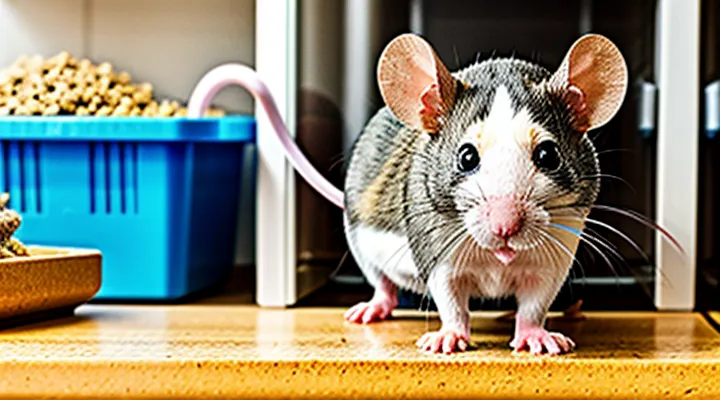
Understanding Feeder Mice Needs
Types of Feeder Mice
Live vs. Frozen Feeder Mice
Live feeder mice provide immediate movement, stimulating natural hunting behavior in predatory species. Their metabolic profile remains unchanged until consumption, preserving nutritional value. Handling live rodents requires strict biosecurity protocols, including quarantine, health screening, and temperature‑controlled transport. Mortality rates increase during prolonged storage, leading to waste and potential disease transmission.
Frozen feeder mice retain nutritional content when stored at –20 °C or lower. Thawing eliminates movement, reducing stress for both staff and receiving animals. Shelf life extends to several months, allowing bulk purchase and inventory stability. Freezing eliminates live‑animal regulations, simplifying compliance with animal welfare legislation. Nutrient degradation may occur after repeated thaw‑refreeze cycles; proper packaging minimizes oxidation.
Key factors for selection:
- Purpose of feeding: enrichment and training favor live mice; routine diet and breeding programs favor frozen mice.
- Facility capacity: labs with dedicated animal‑care units can manage live‑animal logistics; pet stores often lack such infrastructure.
- Cost considerations: live mice involve ongoing veterinary expenses; frozen mice involve upfront purchase and storage equipment.
- Regulatory environment: live rodents trigger additional permits; frozen rodents generally classified as food product.
Decision matrix: evaluate animal species, health‑status requirements, budget constraints, and local regulations. Align procurement strategy with operational capabilities to ensure consistent supply and optimal animal welfare.
Sizes and Stages of Feeder Mice
Feeder mice are classified by size and developmental stage to match the nutritional needs of laboratory rodents and captive predators. Size categories correspond to weight ranges, which determine suitability for different animal models and species.
- «Pinkies» – newborn mice, 1–3 g; optimal for small snakes, juvenile ferrets, and early‑stage research subjects.
- «Weanlings» – 4–7 g; appropriate for medium‑size reptiles, young carnivorous mammals, and mid‑stage experimental groups.
- «Juveniles» – 8–12 g; suitable for larger snakes, adult ferrets, and studies requiring moderate prey size.
- «Adults» – 13–25 g; intended for big constrictors, large carnivores, and protocols that demand substantial prey mass.
Developmental stages align with physical maturity:
- Neonatal stage: eyes closed, fur sparse, rapid growth; used primarily for delicate predators.
- Early juvenile stage: eyes open, fur fully developed, increased mobility; supports a broader range of consumers.
- Mature stage: full body mass, stable weight, consistent nutritional profile; serves most adult predatory species.
Selecting the correct size and stage ensures optimal feeding efficiency, minimizes waste, and supports animal health standards in laboratory and retail environments.
Ethical Considerations and Welfare Standards
When acquiring feeder mice for research facilities or retail outlets, compliance with ethical guidelines governs every transaction. Suppliers must demonstrate that breeding practices minimize pain, distress, and unnecessary sacrifice, aligning with recognized animal welfare frameworks.
Welfare standards require documented health monitoring, environmental enrichment, and humane handling. Breeding colonies should be housed in conditions that provide adequate space, temperature control, and access to clean water and nutrition. Euthanasia methods must follow approved protocols to ensure rapid loss of consciousness and minimal suffering.
Key compliance points include:
- Certification from accredited animal welfare organizations.
- Regular veterinary assessments and disease screening records.
- Transparent sourcing information that identifies breeding facilities and their compliance status.
- Implementation of enrichment devices that encourage natural behaviors.
- Adoption of humane killing techniques, such as CO₂ inhalation with controlled flow rates or cervical dislocation performed by trained personnel.
Sourcing Reputable Feeder Mouse Suppliers
Identifying Quality Suppliers
Supplier Reputation and Reviews
When selecting a vendor for feeder mice intended for laboratory and pet‑store applications, reputation provides the primary indicator of reliability. Established suppliers typically maintain transparent operational histories, documented compliance with animal‑welfare standards, and consistent delivery performance.
Key reputation markers include:
- Accreditation from recognized bodies such as the International Laboratory Animal Science Association.
- Audits confirming biosecurity protocols and humane breeding practices.
- Longevity of market presence, reflected in continuous service over multiple years.
Customer reviews supplement formal credentials. Effective review analysis focuses on:
- Frequency of positive versus negative feedback.
- Specific comments regarding health of delivered mice, packaging integrity, and order accuracy.
- Reviewer credibility, identified through verified purchase status or professional affiliation.
Practical evaluation steps:
- Collect accreditation certificates and confirm their validity on issuing organization websites.
- Request recent audit reports or quality‑assurance summaries directly from the supplier.
- Examine online review platforms, noting recurring themes such as «Prompt delivery and healthy mice» or «Inconsistent shipment sizes».
- Contact provided references, asking about response times, issue resolution, and overall satisfaction.
- Record performance metrics during initial orders to establish a baseline for future comparisons.
By integrating formal credentials with systematic review scrutiny, purchasers can minimize risk, ensure consistent supply, and maintain the standards required for scientific and retail environments.
Health and Hygiene Practices of Suppliers
Suppliers of feeder rodents must implement rigorous health and hygiene protocols to guarantee safe delivery to research facilities and pet retailers. Certified breeding facilities adhere to national and international standards, including ISO 9001 and GMP, which require documented quality management systems.
Key practices include:
- Routine veterinary examinations of breeding colonies, with quarterly health assessments and immediate isolation of any animal showing clinical signs.
- Mandatory testing for common pathogens such as Mycoplasma pulmonis, Sendai virus, and E. coli using validated PCR or serological methods.
- Strict sanitation procedures: daily cleaning of cages, weekly disinfection of housing rooms with EPA‑approved agents, and regular validation of cleaning efficacy through swab cultures.
- Controlled access to animal areas, employing personnel protective equipment, hand hygiene stations, and restricted entry logs.
- Integrated pest management programs that monitor and eradicate rodents, insects, and other vectors through traps, bait stations, and environmental modifications.
- Temperature‑controlled transport containers that maintain 18‑22 °C, provide adequate ventilation, and prevent cross‑contamination between shipments.
- Comprehensive record‑keeping of health status, breeding lineage, and shipment details, retained for a minimum of two years to facilitate traceability.
Compliance audits conducted by third‑party agencies verify adherence to these standards, ensuring that feeder mice meet the health requirements of downstream users. Continuous improvement cycles, driven by audit findings and emerging scientific data, sustain the integrity of the supply chain.
Legal and Regulatory Compliance
Purchasing feeder rodents for research facilities and pet retailers demands strict adherence to federal, state, and local statutes governing animal commerce. Violations trigger civil penalties, license revocation, and possible criminal prosecution.
Federal law requires compliance with the Animal Welfare Act, the Public Health Service Policy, and the Food, Drug, and Cosmetic Act. These regulations mandate that vendors possess a valid USDA license, maintain sanitary housing, and implement humane handling procedures. Documentation of each transaction must include vendor license number, shipment date, and species identification.
State and provincial authorities impose additional requirements. Common provisions include:
- Registration of breeding colonies with the appropriate agricultural department.
- Mandatory health certifications confirming absence of zoonotic diseases.
- Limits on the number of rodents per facility based on cage space calculations.
Licensing agencies conduct routine inspections. Inspectors verify that transport containers meet size, ventilation, and temperature standards. Any deviation from approved specifications constitutes a regulatory breach.
Recordkeeping obligations extend beyond purchase invoices. Required logs encompass:
- Supplier identification and licensing status.
- Batch numbers and origin of each shipment.
- Disposition records indicating delivery to laboratories or retail outlets.
Animal welfare statutes compel humane euthanasia methods, proper enrichment, and emergency veterinary care. Non‑compliance with these provisions may result in suspension of the USDA license and loss of eligibility for federal funding.
International trade of feeder mice falls under the Convention on International Trade in Endangered Species of Wild Fauna and Flora (CITES) when species are listed. Import permits, export certificates, and health attestations must accompany each cross‑border shipment.
Enforcement agencies impose escalating fines for repeated offenses, ranging from monetary penalties to permanent bans on animal sales. Continuous monitoring, accurate documentation, and vendor verification constitute the core elements of a compliant procurement program.
Establishing a Purchasing Process
Ordering Procedures and Lead Times
The ordering workflow begins with a formal request submitted through the supplier’s electronic portal or designated email address. The request must contain the required species, strain, age range, quantity, and packaging specifications. Upon receipt, the supplier’s sales team validates inventory availability, confirms compliance with regulatory documentation, and issues a pro‑forma invoice. Acceptance of the invoice triggers the allocation of stock and preparation for shipment.
Key steps in the procedure:
- Submit detailed order form with all specifications.
- Receive and review pro‑forma invoice; approve payment terms.
- Supplier confirms stock allocation and generates a dispatch schedule.
- Arrange transportation method (refrigerated courier, bulk freight, or local delivery).
- Track shipment using the provided reference number until delivery confirmation.
Lead times depend on order size, strain rarity, and shipping method. Standard processing typically requires 3–5 business days from invoice approval to dispatch. Expedited handling reduces this interval to 1–2 days, subject to additional fees. International shipments add customs clearance time, generally 2–4 days, and may extend total delivery to 7–10 days. Seasonal demand spikes can increase all timelines by up to 48 hours. Continuous communication with the supplier’s logistics coordinator mitigates unexpected delays.
Payment and Delivery Options
When ordering feeder rodents for research facilities or pet retailers, payment procedures must align with institutional procurement policies. Accepted methods typically include credit‑card processing, electronic funds transfer (ACH), wire‑transfer, and approved purchase‑order systems. Some suppliers extend net‑30 or net‑60 terms to accredited organizations after credit evaluation. Invoices are usually issued in PDF format and delivered electronically to streamline reconciliation.
Delivery arrangements address both speed and animal welfare. Common options comprise:
- Standard ground shipping with insulated packaging, suitable for non‑urgent orders.
- Expedited courier service offering next‑day delivery, maintaining temperature control.
- Refrigerated freight for bulk shipments, ensuring consistent ambient temperature throughout transit.
- Local pickup from distribution centers, allowing immediate collection and reduced handling.
- Direct drop‑ship to the end‑user, minimizing intermediate storage.
All shipments comply with relevant animal transport regulations, include traceable tracking numbers, and feature tamper‑evident containers. Selecting the appropriate payment term and delivery mode balances cost efficiency with the health of the feeder mice upon arrival.
Receiving and Storing Feeder Mice
Proper Handling Upon Arrival
Proper handling of feeder mice upon delivery safeguards animal welfare and maintains product integrity. Inspect the outer packaging for tears, punctures, or evidence of moisture. Verify that the shipping label matches the order details, including quantity, strain, and health status. Record any discrepancies immediately and contact the supplier before releasing the shipment.
Once the outer carton passes visual inspection, transfer the sealed inner containers to a designated quarantine area. Perform a secondary check of each inner package for intact seals and proper labeling. Discard any compromised containers according to biohazard disposal guidelines.
Maintain temperature control throughout the transfer process. Use calibrated refrigeration units set to the recommended range of 2–8 °C for short‑term storage. Monitor ambient conditions with a digital thermometer and log readings at regular intervals.
Implement a documented handover protocol:
- Verify supplier documentation against received items.
- Record temperature logs from arrival to placement in quarantine.
- Assign a unique identifier to each batch for traceability.
- Store batches in individually labeled, ventilated cages with bedding that meets laboratory standards.
After placement in quarantine, observe the mice for signs of stress, injury, or disease for at least 24 hours. Report abnormal findings to veterinary staff and isolate affected animals promptly. Conduct a final health assessment before integrating the mice into the primary facility inventory.
Storage Requirements for Live Feeder Mice
Live feeder mice must be stored under conditions that preserve health, minimize stress, and comply with regulatory standards. Temperature control is critical; maintain ambient ranges between 18 °C and 24 °C, with fluctuations not exceeding ±2 °C. Relative humidity should stay within 40‑60 % to prevent dehydration and respiratory issues.
Cage management requires adequate ventilation to supply fresh air while preventing drafts. Provide at least 15 air changes per hour, using filtered airflow to limit pathogen ingress. Bedding material must be absorbent, dust‑free, and changed daily; corn‑cob or paper‑based substrates meet these criteria.
Nutrition and hydration must be uninterrupted. Offer water in sealed, leak‑proof bottles, refilled at least every 12 hours. Provide a balanced diet of rodent chow, replenished daily, and avoid over‑feeding to reduce waste buildup.
Biosecurity measures include a quarantine area for newly received mice, isolated for a minimum of 14 days, with separate equipment and PPE. Disinfect cages, tools, and surfaces with an EPA‑registered rodent‑safe sanitizer before each use.
Inventory control relies on clear labeling: each cage should display species, strain, age, and arrival date in legible print. Track cage numbers and health status in a digital log, updating records after any health check or treatment.
Regular health monitoring mandates weekly visual inspections for signs of illness, injury, or abnormal behavior. Any compromised animal must be removed promptly to a designated sick‑room facility, following institutional animal‑care protocols.
Compliance with local and federal regulations demands documentation of all storage practices, including temperature logs, sanitation schedules, and quarantine records. Retain records for the period stipulated by governing authorities.
Storage Requirements for Frozen Feeder Mice
Temperature Control
Temperature regulation directly affects the health and suitability of feeder rodents destined for scientific facilities and commercial outlets. Maintaining a consistent thermal environment preserves body condition, reduces stress‑induced mortality, and prevents the proliferation of temperature‑sensitive pathogens.
Key parameters for temperature control include:
- «Optimal range»: 68 °F – 72 °F (20 °C – 22 °C) for most laboratory‑grade feeder mice.
- «Monitoring frequency»: hourly checks with calibrated digital thermometers or data‑logging devices.
- «Transport conditions»: insulated containers equipped with ice packs or heat packs to keep internal temperature within ±2 °F of the storage range.
- «Acclimation period»: minimum 12 hours in a controlled environment before distribution to allow physiological stabilization.
- «Alarm thresholds»: automatic alerts triggered when temperature deviates by more than 3 °F from the set point.
Equipment recommendations:
- Thermostatically regulated holding rooms with redundant HVAC systems.
- Portable temperature data loggers capable of continuous recording and downloadable reports.
- Insulated transport crates featuring vented panels to prevent condensation while preserving thermal integrity.
Regulatory compliance requires documentation of temperature logs for each batch, verification against established standards, and corrective action procedures for any recorded excursions. Adhering to these practices ensures that feeder rodents meet the quality expectations of both research laboratories and pet‑store inventories.
Packaging and Labeling
Packaging for feeder rodents must protect animals from contamination, maintain appropriate temperature, and allow easy handling. Secure, puncture‑resistant containers of suitable dimensions prevent escape and reduce stress during transport. Transparent or semi‑transparent materials enable visual inspection without opening the package.
Labeling conveys critical information required by laboratories and pet retailers. Accurate labels support traceability, regulatory compliance, and animal welfare. Essential elements include:
- Species identification («Mus musculus» or similar)
- Age range expressed in weeks
- Weight range in grams
- Health status declaration (e.g., pathogen‑free)
- Lot or batch number
- Production and expiration dates
- Supplier name, contact details, and registration number
- Barcode or QR code for inventory systems
- Storage instructions (temperature, humidity)
Compliance with national and international regulations demands that labels meet size, font, and durability standards. Labels must remain legible after exposure to cold storage and handling. Barcode placement should avoid interference with animal visibility and container integrity.
Quality control procedures verify that each package contains the correct quantity, that seals are intact, and that label data match the accompanying documentation. Routine audits of packaging materials and labeling processes help prevent errors that could affect experimental outcomes or pet‑store inventory management.
Best Practices for Labs and Pet Stores
Inventory Management
Effective inventory management is essential when acquiring feeder rodents for research facilities and animal retailers. Accurate demand forecasting prevents shortages that could disrupt experiments or sales cycles. Historical usage data, seasonal trends, and upcoming research projects provide the basis for reliable projections.
Supplier selection relies on consistent quality, health certifications, and delivery reliability. Contracts should define lead times, batch traceability, and penalties for non‑compliance. Regular audits verify that suppliers meet biosecurity standards and regulatory requirements.
Key operational controls include:
- Reorder point calculation: average daily consumption × lead time + safety stock.
- Safety stock determination: buffer based on demand variability and supplier reliability.
- First‑in, first‑out (FIFO) rotation: ensures older batches are dispatched before newer ones, reducing mortality risk.
- Temperature and humidity monitoring: maintains optimal storage conditions, documented through continuous sensor logs.
- Batch tracking: assigns unique identifiers to each shipment, enabling traceability from supplier to end user.
- Periodic cycle counts: verify physical inventory against system records, correcting discrepancies promptly.
- Cost analysis: monitors unit price fluctuations, freight expenses, and holding costs to optimize budgeting.
Integrated inventory software centralizes data, automates reorder alerts, and generates compliance reports. Real‑time dashboards provide visibility into stock levels, expiration dates, and order status, supporting swift decision‑making.
Regular performance reviews assess turnover rates, fill‑rate percentages, and order accuracy. Adjustments to safety stock levels or supplier contracts respond to identified inefficiencies, sustaining a reliable supply chain for feeder mice in laboratory and retail environments.
Quality Control and Inspection
Ensuring the integrity of feeder rodents requires systematic quality control from source selection to final delivery. Reliable procurement depends on verified suppliers, documented health status, and compliance with regulatory standards.
Supplier verification involves reviewing licensing records, inspecting breeding facilities, and confirming adherence to biosecurity protocols. Audits should assess cage hygiene, ventilation, and rodent density to prevent stress‑induced disease. Documentation provided by the vendor must include recent health certificates and vaccination histories for each batch.
Health screening mandates laboratory testing for common pathogens such as Salmonella, E. coli, and Mycoplasma. Samples taken from a statistically valid subset of each shipment undergo PCR or culture analysis. Results must be negative before acceptance; any positive finding triggers quarantine and disposal procedures.
Physical specifications focus on age, weight, and condition. Acceptable age ranges are 4–6 weeks for laboratory use and 6–8 weeks for retail environments. Weight tolerances should fall within ±10 % of target values, ensuring uniformity for experimental consistency or consumer expectations. Visual inspection checks for injuries, ectoparasites, and abnormal behavior.
Traceability requires each container to carry a unique identifier linked to the supplier’s batch record. Labels must display the date of birth, source facility, and health certification number. Electronic tracking systems facilitate rapid recall if a contamination event occurs.
Regulatory compliance demands alignment with national animal welfare statutes and import/export guidelines. Certifications from agencies such as the USDA, FDA, or relevant European authorities confirm that the procurement process meets legal obligations and industry best practices.
Emergency Preparedness
When ordering feeder rodents for research facilities and pet retailers, a robust emergency plan protects animal welfare, experiment continuity, and regulatory compliance.
Risk assessment must identify potential disruptions such as natural disasters, transportation strikes, supplier insolvency, and disease outbreaks. Each identified risk requires a predefined response that includes alternative sourcing, inventory buffers, and communication protocols with vendors and internal stakeholders.
Supply‑chain resilience relies on maintaining a minimum on‑hand quantity that covers at least two weeks of expected consumption. This safety stock should be stored in climate‑controlled conditions, with regular health checks to ensure the mice meet laboratory or retail standards.
Key actions for emergency readiness:
- Verify that all suppliers possess documented contingency plans and can provide rapid substitution with comparable stock.
- Establish contracts that include clauses for priority delivery during crises.
- Implement a real‑time inventory tracking system that alerts personnel when stock falls below the safety threshold.
- Conduct quarterly drills that simulate supply interruptions, testing the effectiveness of alternative sourcing and internal communication channels.
- Keep a record of quarantine procedures and health certifications readily accessible for immediate review.
Documentation of every step, from order placement to receipt, must be stored both digitally and in physical form to survive potential data‑center outages. Regular audits confirm that records remain complete and compliant with relevant animal‑use regulations.
By integrating these measures into the procurement workflow, laboratories and pet stores ensure continuity of operations even when unforeseen events threaten the availability of feeder mice.
Cost-Benefit Analysis of Feeder Mouse Procurement
The cost‑benefit analysis of acquiring feeder rodents for research facilities and pet retailers requires systematic evaluation of expenses and returns. Direct costs include purchase price per unit, shipping charges, and handling fees. Indirect costs encompass storage requirements, inventory turnover, and waste disposal.
«Purchase price per unit» varies with supplier volume, breed specifications, and health certifications. «Shipping charges» depend on distance, carrier selection, and temperature control needs. «Handling fees» arise from receiving, quarantine, and record‑keeping processes.
Benefits are measured by operational efficiency, animal welfare compliance, and downstream revenue. Efficient procurement reduces stock‑outs, ensuring uninterrupted laboratory protocols and consistent pet store supply. High‑quality feeder mice meet regulatory standards, decreasing the risk of contamination and associated corrective expenses. Reliable sourcing supports consistent product availability, enhancing customer satisfaction and repeat business.
Key cost components
- Unit price
- Freight and temperature control
- Receiving, quarantine, and documentation
- Storage space and inventory management
- Disposal of unsold or expired stock
Key benefit components
- Continuous availability for experimental and retail use
- Compliance with health and welfare regulations
- Reduction of protocol delays and associated labor costs
- Enhancement of brand reputation through reliable supply
- Potential for bulk‑purchase discounts and long‑term supplier contracts
Balancing these elements enables decision‑makers to select suppliers that minimize total expenditure while maximizing operational stability and regulatory adherence.