
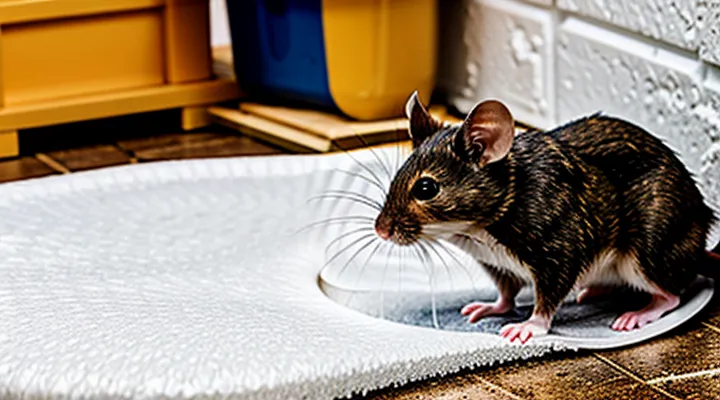
Understanding the Threat: Why Mice Target Foam Insulation
The Appeal of Foam Insulation for Rodents
Nesting and Shelter
Mice select foam insulation for nesting because its softness, warmth, and ease of shaping create an ideal shelter. The material retains heat, allowing rodents to maintain body temperature while constructing a compact chamber. Foam also provides concealment within walls, floors, or ceilings, reducing exposure to predators and human activity.
The primary reasons foam attracts rodents include:
- Soft texture that can be chewed and molded.
- Insulating properties that maintain a stable micro‑climate.
- Gaps and seams that serve as entry points and hideouts.
Effective prevention focuses on eliminating nesting opportunities and denying access:
- Seal all openings larger than ¼ inch with steel wool, copper mesh, or silicone caulk.
- Install rodent‑proof barriers, such as metal flashing or hardware cloth, around insulation edges.
- Remove nearby food sources, debris, and vegetation that draw mice toward the building envelope.
- Apply non‑toxic repellents (e.g., peppermint oil or ultrasonic devices) directly onto foam surfaces, reapplying according to product guidelines.
- Conduct quarterly inspections to detect chew marks, droppings, or displaced insulation, and repair damage promptly.
By addressing the factors that make foam a preferred nesting material and reinforcing structural defenses, the risk of rodent‑induced degradation is substantially reduced.
Material for Chewing and Tunneling
Mice target materials that are soft, readily available, and easy to gnaw. The most common substances include:
- Untreated wood framing and joists
- Exposed wiring sheathing made of plastic or rubber
- Loose drywall or plaster that has not been sealed
- Cardboard, paper, and insulation batts with a fibrous texture
These items provide both a food source and a pathway for burrowing. When mice encounter foam insulation, they often use nearby chewable material to create entry points, then gnaw the foam to expand their tunnel network. The combination of structural weakness and the insulating material’s pliability accelerates damage.
To limit exposure, replace or shield vulnerable substrates with rodent‑resistant alternatives:
- Install metal or steel plates over joists, studs, and pipe penetrations.
- Use conduit or armored cable for electrical wiring instead of plain plastic sheath.
- Apply cement‑based or spray‑on sealants to drywall seams, gaps, and joints.
- Cover cardboard or paper debris with rigid sheeting or store it in sealed containers.
Selecting insulation that incorporates a hard, non‑edible outer layer further reduces gnawing. Polyurethane foam with a reinforced foil or metal facing resists chewing and prevents mice from creating tunnels through the material itself. Combining barrier materials with proper sealing creates a continuous defense that discourages rodents from exploiting chewable resources and protects the foam from structural compromise.
Consequences of Rodent Infestation
Structural Damage to Insulation
Mice gnaw on foam insulation to create entry points, compromising the material’s integrity. Their incisors cut through the cellular matrix, collapsing the structure and reducing thermal resistance. The resulting gaps allow air infiltration, increasing heating and cooling loads and accelerating energy loss.
Physical signs of structural compromise include exposed fibers, visible bite marks, and softened sections where the foam has been chewed away. These defects often appear near utility penetrations, vents, and gaps around piping, where rodents can gain access.
Preventive actions focus on eliminating pathways and reinforcing vulnerable zones:
- Inspect all exterior and interior openings; close gaps larger than ¼ inch with steel wool, copper mesh, or expanding foam designed for rodent resistance.
- Install metal flashing or hardware cloth around vents, chimneys, and utility entries to create a barrier that mice cannot penetrate.
- Apply a thin coating of rodent‑deterrent sealant to the surface of foam panels in high‑risk areas; the coating adds a protective layer without reducing insulating value.
- Maintain a clean environment around the building envelope; remove debris, stored wood, and food sources that attract rodents.
- Set up monitoring stations—such as snap traps or electronic detectors—near suspected entry points to identify activity promptly.
If damage is discovered, remove the compromised foam sections and replace them with new insulation that includes a built‑in rodent‑proof layer. Seal the replacement edges thoroughly to prevent recurrence. Regular audits of the insulation envelope, combined with consistent barrier maintenance, preserve structural performance and sustain energy efficiency.
Reduced Thermal Performance
Mice gnawing and nesting in foam insulation create pathways for air and moisture, directly lowering the material’s R‑value. Each puncture reduces the effective thickness, allowing heat to bypass the insulating barrier.
- Holes increase convective heat transfer.
- Compression shortens the insulation layer, decreasing resistance.
- Nesting material adds moisture, which conducts heat more readily.
- Accumulated debris fills cells, diminishing trapped air volume.
A single ¼‑inch hole can cut the R‑value of a typical 2‑inch board by up to 10 %. Cumulative damage often results in a measurable rise in heating and cooling costs, sometimes exceeding 15 % of baseline energy consumption.
Preventative actions maintain thermal performance:
- Seal all exterior and interior entry points with steel wool, copper mesh, or caulk.
- Install metal flashing or hardware cloth over foam surfaces in vulnerable areas.
- Choose rodent‑resistant foam formulations that incorporate deterrent additives.
- Conduct quarterly inspections to detect and repair damage promptly.
- Deploy snap traps or electronic repellents in proximity to insulation zones.
Preserving the integrity of foam insulation eliminates the thermal penalties caused by rodent activity, ensuring consistent energy efficiency and prolonging the lifespan of the building envelope.
Health Risks and Contamination
Mice that gnaw or nest in foam insulation introduce urine, feces, and saliva directly onto the material. These secretions contain pathogens such as Hantavirus, Salmonella, and Leptospira, which can become airborne when the insulation is disturbed or when moisture promotes bacterial growth. Exposure to contaminated fibers may trigger respiratory irritation, allergic reactions, and, in severe cases, infection.
Urine and fecal matter increase humidity within the insulation cavity. Elevated moisture supports mold colonization on the foam surface and surrounding building components. Mold spores released into indoor air cause sinus congestion, asthma exacerbation, and chronic cough. The combination of microbial load and mold toxins creates a compounded health hazard for occupants.
Foam insulation often incorporates flame retardants and plasticizers. When mice chew the material, they create fine particles that can be inhaled. These particles may contain chemicals such as polybrominated diphenyl ethers (PBDEs) or phthalates, which are linked to endocrine disruption and neurodevelopmental effects. Continuous exposure through dust accumulation raises long‑term health concerns.
Key contamination pathways include:
- Direct contact with mouse excreta on foam surfaces.
- Inhalation of aerosolized fibers and chemical particles.
- Secondary mold growth fueled by moisture from urine.
- Transfer of contaminants to HVAC filters and ductwork.
Mitigation measures:
- Seal all entry points to prevent rodent access.
- Replace or remove foam sections that show signs of gnawing or staining.
- Apply a rodent‑resistant barrier, such as metal mesh, over insulation.
- Conduct thorough cleaning with EPA‑approved disinfectants after any rodent activity.
- Install air filtration capable of capturing fine particles and spores.
Implementing these actions eliminates the primary vectors of health risk, maintains indoor air quality, and preserves the functional integrity of the insulation system.
Proactive Prevention Strategies
Physical Barriers and Exclusion
Sealing Entry Points
Sealing entry points forms the first line of defense against rodents that chew foam insulation.
Typical gaps that allow access include:
- Openings around plumbing, electrical conduits, and HVAC ducts
- Gaps beneath doors and windows
- Cracks in foundation walls and slab edges
- Uncovered vent openings and crawl‑space access points
Effective sealants consist of:
- Steel wool or copper mesh, pressed into narrow cracks, then covered with caulk or expanding foam
- Rigid metal flashing for larger gaps around pipes and vents
- Silicone or polyurethane caulk for joints and seams
- Low‑expansion spray foam for irregular cavities, applied sparingly to avoid pressure on insulation
Procedure:
- Conduct a thorough visual inspection of the building envelope, noting every opening larger than ¼ inch.
- Remove debris and loose material from each gap.
- Insert steel wool or copper mesh into the opening, ensuring a tight fit.
- Apply a continuous bead of caulk over the filler, smoothing to create a waterproof seal.
- For larger voids, attach metal flashing, then seal edges with caulk.
- Use a small amount of expanding foam to fill remaining irregular spaces, trimming excess after cure.
Maintenance: schedule semi‑annual checks, focus on areas prone to settlement or moisture, and repair any compromised seals promptly. Continuous monitoring preserves the integrity of foam insulation and prevents rodent damage.
Using Rodent-Proof Mesh and Screens
Rodent‑proof mesh and screens provide a physical barrier that prevents mice from gnawing or nesting in foam insulation. The material must be stainless steel or galvanized wire with openings no larger than ¼ inch, because mice can squeeze through gaps as small as ½ inch. Choose a mesh gauge of 16‑20 to resist chewing while allowing airflow, which preserves the insulation’s thermal performance.
Installation begins with a thorough inspection of the area surrounding the foam. Identify all entry points, including gaps around pipes, vents, and the building envelope. Apply mesh to these openings before sealing the foam, using the following sequence:
- Cut mesh to size, leaving a 2‑inch overlap on each side of the opening.
- Secure the mesh with stainless‑steel screws or heavy‑duty staples, ensuring a tight fit against the substrate.
- Apply a rodent‑resistant sealant along the edges to eliminate any residual spaces.
- Install the foam insulation against the mesh, avoiding direct contact with exposed wire that could be chewed.
After the barrier is in place, inspect the mesh regularly for signs of wear, rust, or displacement. Replace any compromised sections promptly to maintain continuous protection. Cleaning the mesh surface with a mild detergent removes debris that could attract rodents, and a periodic coat of corrosion‑inhibiting spray extends the lifespan of metal components.
Integrating rodent‑proof mesh and screens into the insulation envelope creates a durable, low‑maintenance solution that safeguards the foam from damage while preserving its insulating properties.
Reinforcing Vulnerable Areas with Hard Materials
Reinforcing vulnerable sections of foam insulation with rigid barriers creates a physical obstacle that rodents cannot easily penetrate. Install metal mesh, steel plates, or rigid plastic sheeting over gaps around pipe penetrations, vent openings, and wall studs. Secure the material with stainless‑steel screws or nails to prevent loosening over time.
- Use ¼‑inch galvanized steel sheet for areas exposed to direct gnawing.
- Apply high‑density polyethylene (HDPE) panels where moisture resistance is required.
- Attach aluminum flashing around soffits and eaves to block entry points.
Seal seams between the hard barrier and the foam with rodent‑proof caulk. Overlap edges by at least two inches and fasten with interior‑grade staples to maintain continuous coverage. Regularly inspect joints for signs of wear or displacement and replace compromised sections promptly.
Integrating these durable materials into the insulation envelope reduces the likelihood of mouse intrusion and extends the service life of the foam.
Repellents and Deterrents
Natural Repellents
Natural repellents offer a chemical‑free way to deter mice from contacting foam insulation. Their strong scents interfere with rodents’ olfactory receptors, reducing the likelihood of nesting or chewing.
Peppermint oil, clove oil, and eucalyptus oil are among the most effective. Apply a few drops to cotton balls, place them at entry points, and replace every 2–3 weeks. For larger areas, mix 1 part essential oil with 10 parts water, spray onto surfaces surrounding the insulation, and reapply after rain or cleaning.
Cayenne pepper, ground mustard, and crushed garlic create an unpleasant taste when mice attempt to gnaw. Sprinkle a thin layer on the exterior of insulation panels, then cover with a breathable fabric to prevent dust migration. Refresh the coating monthly, as moisture diminishes potency.
Herbal sachets containing dried lavender, rosemary, or bay leaves can be positioned in crawl spaces. Secure the sachets in perforated containers to allow scent diffusion while protecting the foam from moisture.
When using natural repellents, observe the following practices:
- Test a small area to confirm the repellent does not degrade the foam’s integrity.
- Avoid direct contact of liquid oils with the foam surface to prevent softening.
- Combine multiple scents to increase effectiveness and reduce habituation.
- Maintain a clean environment; eliminate food sources that attract rodents.
Natural repellents complement structural barriers, sealing gaps, and traps. Their low toxicity makes them suitable for residential and commercial applications where chemical treatments are undesirable. Regular monitoring and replenishment ensure continuous protection of foam insulation from mouse damage.
Chemical Repellents
Chemical repellents offer a practical means of deterring mice from contacting foam insulation. Most products contain volatile compounds that irritate rodents’ sensory receptors, prompting avoidance of treated areas.
Common categories include:
- Ammonia‑based sprays: Emit a sharp odor that mice find hostile. Apply directly to the surface of the foam and surrounding gaps.
- Essential‑oil formulations: Contain peppermint, eucalyptol, or clove oil, which act as natural deterrents. Dilute according to manufacturer instructions and coat the insulation with a fine mist.
- Synthetic rodent‑repellent granules: Release low‑level fumes over time. Spread granules along the perimeter of the insulated cavity and seal with a thin layer of mesh to prevent migration into the foam.
Effective application follows a systematic process:
- Inspection: Identify entry points and locate foam sections at risk.
- Cleaning: Remove dust and debris to ensure proper adhesion of the repellent.
- Application: Use a spray bottle or fogger for liquids; distribute granules evenly for solids.
- Sealing: Close gaps with steel wool, caulk, or expanding foam to limit re‑entry.
- Re‑treatment: Reapply after rainfall or every 30‑45 days, depending on product durability.
Safety considerations are essential. Wear gloves and eye protection when handling concentrated chemicals. Verify that the chosen repellent does not degrade the foam’s structural integrity; most manufacturers list compatibility on the label. Ventilate the area to avoid excessive inhalation by occupants.
Limitations include reduced effectiveness in heavily infested environments and the potential for mice to develop habituation. Chemical repellents work best when combined with physical barriers and regular monitoring.
In summary, selecting an appropriate repellent, applying it correctly, and maintaining a sealed environment provide reliable protection for foam insulation against rodent damage.
Ultrasonic Devices: Efficacy and Limitations
Ultrasonic repellents emit high‑frequency sound waves intended to deter rodents from entering treated areas. Laboratory tests show that exposure can cause temporary discomfort, prompting mice to avoid the immediate vicinity. In practice, the devices provide only short‑term deterrence; mice quickly acclimate to the tone, reducing the repellent effect after a few days.
Effectiveness depends on several factors:
- Placement: devices must be positioned near entry points and close to foam surfaces to create a consistent acoustic field.
- Frequency range: most units operate between 20–65 kHz; frequencies below 20 kHz are audible to humans, while above 65 kHz may be outside the hearing range of mice.
- Power supply: battery‑operated models lose output as charge diminishes, compromising efficacy.
Limitations include:
- Habituation – rodents learn to ignore the sound after repeated exposure.
- Obstructions – walls, insulation, and furniture block wave propagation, creating silent zones where mice can hide.
- Species variability – some mouse strains exhibit reduced sensitivity to ultrasonic frequencies.
- Lack of standards – performance claims often lack independent verification, making comparison difficult.
When integrated with physical barriers, sealing gaps, and regular inspection, ultrasonic devices can contribute to a multi‑layered strategy for preserving foam insulation from rodent damage. Relying solely on acoustic repellent is insufficient; comprehensive protection requires combined mechanical and environmental controls.
Smart Installation Practices
Choosing Rodent-Resistant Insulation Types
When selecting insulation that will withstand rodent activity, prioritize materials with physical characteristics that deter chewing and penetration.
Closed‑cell spray foam offers high density, making it difficult for mice to gnaw through. However, its cost and the need for professional application may limit use in large projects.
Rigid board insulation, such as polyisocyanurate or extruded polystyrene (XPS), provides a smooth, hard surface that rodents find unappealing. These boards can be cut to fit cavities and sealed with appropriate tape or caulk to eliminate gaps.
Mineral wool (rock or slag wool) possesses a coarse texture that discourages chewing, and its fire‑resistant properties add safety benefits. It must be encased in a vapor barrier to prevent moisture accumulation.
Cellulose insulation, when densely packed and treated with borate additives, can resist rodent intrusion while offering good thermal performance. Properly sealed loft spaces are essential to maintain its effectiveness.
Key factors for choosing rodent‑resistant insulation
- Density – higher density materials increase chewing resistance.
- Surface texture – smooth, hard surfaces reduce attraction.
- Chemical treatment – additives such as borates or rodent repellents enhance deterrence.
- Sealing capability – ability to be wrapped or sealed eliminates entry points.
- Installation practicality – consider labor requirements, compatibility with existing structures, and cost.
Evaluate each option against these criteria, match the material to the specific building envelope, and ensure all seams and edges are tightly sealed. This systematic approach maximizes protection of foam insulation from rodent damage.
Proper Installation Techniques to Minimize Gaps
Proper installation eliminates the pathways mice use to reach foam insulation. Precise cutting, snug fitting, and thorough sealing create a continuous barrier that resists gnawing and infiltration.
- Measure and cut foam panels to match cavity dimensions, leaving no excess space.
- Apply a high‑expansion, low‑odor spray foam around seams, edges, and penetrations; allow it to cure fully before trimming.
- Insert backer rods in larger joints, then fill with sealant to prevent shrinkage gaps.
- Secure panels with corrosion‑resistant fasteners, spacing them according to manufacturer specifications to avoid warping.
- Wrap seams with reinforced foil or pressure‑sensitive tape designed for rodent resistance; overlap each layer by at least 2 inches.
- Seal all utility penetrations (pipes, wires, ducts) with rodent‑grade caulk or steel wool before applying foam.
After installation, conduct a visual inspection to verify that no openings remain. Perform periodic checks, especially after seasonal temperature changes, and reapply sealant where movement or wear appears. Consistent maintenance preserves the integrity of the barrier and prevents damage to the insulation.
Integrating Protective Layers During Construction
Integrating protective layers while the structure is being erected creates a continuous barrier that blocks rodents from reaching foam insulation. By installing the barrier before the insulation is placed, gaps that could become entry points are eliminated, and the insulation remains untouched throughout its service life.
Choose materials that combine durability with resistance to chewing. Effective options include:
- Galvanized steel mesh with openings no larger than ¼ inch, positioned directly against framing members.
- Rigid, non‑woven polypropylene sheets that overlay the mesh and provide a smooth surface for insulation attachment.
- Rodent‑proof sealants applied to seams, penetrations, and around utility conduits before the foam is installed.
During installation, follow a sequential process:
- Fit the steel mesh around joists, studs, and rim joists, securing it with corrosion‑resistant fasteners.
- Apply the polypropylene sheet over the mesh, overlapping edges by at least 6 inches and sealing the overlap with the chosen sealant.
- Install foam insulation on top of the protected surface, ensuring that no foam contacts structural members directly.
After construction, conduct a visual inspection of the barrier system at each access point. Repair any torn mesh, detached sheet, or compromised sealant immediately to maintain the integrity of the protective envelope. Regular monitoring prevents rodents from exploiting minor defects, preserving the thermal performance of the foam insulation over the building’s lifespan.
Ongoing Maintenance and Monitoring
Regular Inspections
Identifying Early Signs of Rodent Activity
Early detection of rodent presence prevents damage to foam insulation and reduces repair costs.
Typical indicators appear before visible gnawing:
- Small droppings near insulation seams or vents
- Fine gnaw marks on foam edges or surrounding framing
- Chewed or displaced wiring, pipe insulation, or HVAC ductwork
- Sawdust‑like material (filtration debris) accumulating in corners or attic spaces
- Unusual odors, especially a musky scent from urine
Inspecting for these signs requires systematic visual checks. Begin at entry points such as foundation cracks, utility openings, and roof penetrations. Use a flashlight to examine concealed cavities and follow insulation layers to exposed surfaces. Touch suspicious spots; fresh droppings feel moist, while older ones are brittle.
Implement a monitoring routine. Record findings in a log, noting location, type of evidence, and date. Repeat inspections monthly, increasing frequency after seasonal changes that encourage rodent activity. Promptly address any detected evidence with sealing, traps, or professional pest control to protect foam insulation integrity.
Checking for Damage to Insulation and Barriers
Inspect insulation regularly to identify gnaw marks, exposed fibers, or holes that indicate rodent activity. Early detection prevents loss of thermal performance and reduces repair costs.
Visible signs include chewed edges, nesting material, droppings, and displaced sealing tape. Feel for softened or compressed foam, which may result from burrowing pressure. Use a flashlight to examine concealed areas behind walls, under flooring, and within crawl spaces.
Inspection procedure:
- Walk the perimeter of the building, checking exterior sheathing and foundation for entry points.
- Remove any accessible panels or vent covers to expose foam surfaces.
- Run a gloved hand over the foam, noting any irregularities in texture or density.
- Document each finding with photos and a location log for follow‑up repairs.
When damage is confirmed, seal openings with steel wool, copper mesh, or hardware cloth before re‑applying a rodent‑resistant sealant. Replace compromised foam sections with new, mouse‑grade material that includes built‑in deterrents. Re‑inspect the area after repairs to verify integrity.
Addressing Infestations Promptly
Trapping and Removal Methods
Effective control of rodent intrusion begins with reliable trapping and removal. Choose devices that target mice without damaging surrounding insulation, and position them where activity is evident—near entry points, along walls, or adjacent to foam layers.
- Snap traps: steel spring mechanisms, quick kill, minimal mess; set perpendicular to running paths, bait with high‑protein items.
- Live‑catch traps: wire cages with a single entry door; inspect and release captured mice far from the property to prevent re‑entry.
- Electronic traps: high‑voltage plates deliver an instant kill; battery‑operated models work in confined spaces where electricity is unavailable.
- Glue boards: adhesive surfaces that immobilize; use sparingly, as they may cause prolonged suffering and are difficult to clean from foam.
- Multi‑catch traps: compartmentalized cages capture several mice before requiring emptying; suitable for high‑infestation zones.
After capture, remove rodents promptly, seal the trap, and dispose of the carcass according to local regulations. Clean the area with a mild disinfectant to eliminate scent trails that could attract others. Replace any compromised insulation sections before re‑securing entry points, ensuring that future infestations encounter no accessible pathways.
Professional Pest Control Services
Professional pest‑control firms specialize in identifying and eliminating rodent activity that threatens foam insulation. Their expertise includes locating entry points, assessing infestation levels, and applying targeted interventions that prevent mice from gnawing or nesting within insulated cavities.
Typical services include:
- Comprehensive inspection of building envelope and interior spaces.
- Sealing cracks, gaps, and utility penetrations with durable materials.
- Installation of bait stations and traps positioned to intercept rodent pathways.
- Application of rodent‑specific rodenticides or repellents following safety regulations.
- Ongoing monitoring to verify that exclusion measures remain effective.
Engaging a certified provider yields long‑term protection for insulation, reduces the risk of thermal loss, and avoids costly repairs caused by rodent damage. Integrated pest‑management (IPM) protocols minimize chemical use while maximizing efficacy, aligning with building‑code requirements and health standards.
When selecting a contractor, verify licensing, adherence to IPM principles, documented success rates, and a warranty covering re‑infestation. Reliable service contracts include scheduled inspections and prompt response to emerging rodent activity, ensuring the integrity of foam insulation remains intact.
Long-Term Management
Maintaining a Clean Environment
A clean environment reduces the likelihood that mice will discover and gnaw foam insulation. Food residues, clutter, and standing water create attractants; eliminating these factors removes the primary motivation for rodents to explore building cavities.
Maintain cleanliness through the following actions:
- Store all food, pet feed, and waste in sealed containers; dispose of trash daily in bins with tight‑fitting lids.
- Sweep, vacuum, and mop floors regularly to remove crumbs and droppings that signal a food source.
- Keep storage areas, attics, and crawl spaces free of cardboard, paper, and fabric piles that can serve as nesting material.
- Repair leaks promptly; dry surfaces discourage mice from seeking moisture near insulation.
- Organize tools and equipment so that gaps and openings are not concealed by debris, allowing easy inspection of potential entry points.
By consistently applying these practices, the risk of rodent intrusion into insulated spaces diminishes, preserving the integrity of foam material and extending its performance.
Landscape Management to Reduce Hiding Spots
Effective landscape management reduces rodent shelter near structures, directly contributing to the preservation of foam insulation. Dense shrubs, tall grass, and accumulated leaf litter create pathways and nesting sites that allow mice to approach walls and crawl spaces where insulation is installed. By eliminating these environmental cues, the likelihood of rodents locating entry points diminishes.
Key actions include:
- Trim vegetation to a minimum of 12 inches from building foundations.
- Remove piles of wood, compost, and debris within a 3‑foot radius of exterior walls.
- Replace mulch with low‑profile stone or gravel that does not retain moisture.
- Grade soil away from the foundation to prevent water pooling and discourage burrowing.
Regular inspections reinforce these measures. Conduct a visual sweep of the perimeter each season, noting any regrowth or new debris. Promptly address identified issues to maintain a clear zone around the building envelope. Consistent upkeep limits hiding opportunities, thereby protecting foam insulation from mouse‑induced damage.