
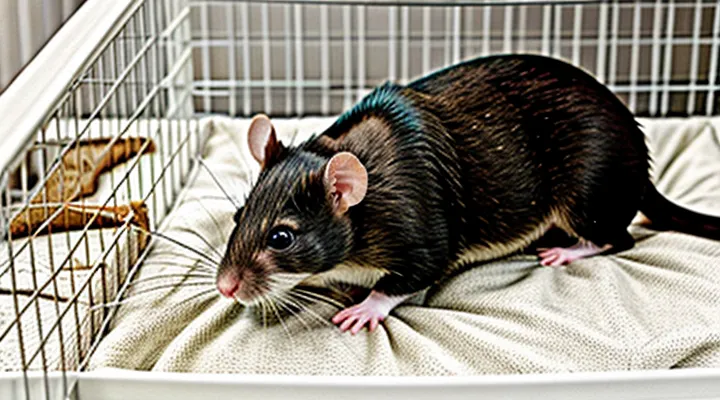
«Understanding the Importance of Proper Bedding»
«Why Good Bedding Matters for Rats»
«Health Benefits»
Properly lining the bedding in a rat enclosure yields measurable health advantages. The barrier created by a clean, absorbent layer prevents direct contact with waste, limits bacterial proliferation, and stabilizes the micro‑environment within the cage.
- Reduces respiratory irritation by trapping dust and ammonia.
- Maintains skin integrity through a dry, non‑abrasive surface.
- Lowers incidence of gastrointestinal infections by minimizing fecal exposure.
- Decreases stress‑related behaviors by providing a consistent, comfortable substrate.
- Supports immune function through reduced pathogen load.
The lined material acts as a physical filter, absorbing moisture and volatile compounds. By keeping humidity low, it curtails mold growth and suppresses the development of respiratory pathogens. Odor containment also discourages aggressive interactions that can arise from heightened scent cues.
Routine assessment of the bedding layer—checking for saturation, clumping, or discoloration—ensures the protective qualities remain effective. Replacing the liner before it reaches saturation preserves the health benefits and extends the overall lifespan of the primary substrate.
«Comfort and Enrichment»
Properly lining the bedding directly influences a rat’s physical comfort and mental stimulation. A substrate that remains dry, soft, and odor‑free reduces skin irritation and encourages natural foraging behavior. Selecting a material with appropriate texture prevents foot pad injuries while allowing the animal to dig, nest, and explore.
Key considerations for an effective lining:
- Use absorbent, low‑dust options such as compressed wood shavings, paper‑based pellets, or aspen chips; avoid cedar and pine due to volatile oils.
- Maintain a depth of 2–3 cm; this thickness provides cushioning without creating excessive humidity.
- Replace the base layer weekly, or sooner if it becomes soiled, to preserve cleanliness and reduce pathogen risk.
- Incorporate enrichment objects (e.g., tunnels, chew sticks, hideouts) within the bedding depth to promote exploratory activity.
Monitoring moisture levels and adjusting the replacement schedule ensures the environment stays comfortable and engaging, supporting overall health and behavioral well‑being.
«Odor Control»
Effective odor management begins with selecting a substrate that absorbs moisture and neutralizes smells. Paper‑based, aspen shavings, or specially formulated cellulose pellets provide high absorption capacity while remaining safe for rodents. Avoid cedar and pine, which release volatile oils that can irritate the respiratory system and exacerbate odor problems.
Maintain a thin, even layer of bedding to allow rapid turnover of waste. A depth of 1–2 cm prevents excess accumulation, facilitates cleaning, and limits bacterial growth that contributes to foul odors. Replace the entire substrate regularly; a weekly full change eliminates long‑standing waste and reduces lingering smells.
Implement supplemental controls:
- Add a layer of activated charcoal or zeolite under the primary bedding to trap volatile compounds.
- Use a small, sealed container of natural odor‑absorbing material (e.g., baking soda) placed near the cage but out of reach of the animals.
- Provide adequate ventilation by positioning the cage in a well‑aired area and ensuring airflow through any cage vents or mesh panels.
Monitor humidity levels; high moisture accelerates bacterial proliferation and odor production. Replace wet spots immediately, and consider a dehumidifier in rooms with persistently high relative humidity. Consistent application of these practices keeps the cage environment fresh and minimizes odor for both the animals and caretakers.
«Choosing the Right Bedding Materials»
«Safe and Unsafe Options»
«Recommended Bedding Types»
Paper‑based bedding, such as shredded newspaper or commercially prepared paper pellets, offers low dust, high absorbency, and is safe for chewing. Its softness reduces the risk of skin irritation, and it can be composted after use.
Aspen shavings provide moderate absorbency, minimal aromatic oils, and a pleasant scent. Unlike pine, aspen does not contain phenols that can irritate the respiratory system, making it suitable for long‑term housing.
Coconut husk (coir) combines excellent moisture retention with a fibrous texture that encourages natural foraging behavior. It is biodegradable, lightweight, and free from harmful chemicals.
Hemp bedding delivers strong absorbency and low dust levels. Its natural fibers are durable, resist clumping, and decompose quickly, supporting sustainable cage maintenance.
Recycled wood pulp, often marketed as “paper pulp” or “cellulose” bedding, absorbs moisture efficiently and produces minimal waste. It is dust‑free and can be flushed down the toilet in small quantities, simplifying disposal.
When selecting bedding, prioritize the following criteria:
- Low dust generation to protect respiratory health.
- High absorbency to control odor and moisture.
- Non‑toxic composition, free of aromatic oils or chemicals.
- Soft texture to prevent foot injuries and skin irritation.
- Biodegradability for environmentally responsible disposal.
«Bedding to Avoid»
Choosing the right substrate is critical for rat health. Certain materials create respiratory problems, skin irritation, or ingestion hazards and should never be used in a rat enclosure.
- Cedar and pine shavings: emit aromatic oils that damage respiratory epithelium.
- Scented or fragranced litters: contain chemicals that irritate mucous membranes.
- Corncob bedding: breaks down into fine dust, increasing inhalation risk.
- Straw or hay with mold: promotes fungal spores, leading to respiratory infections.
- Paper towels or tissue: disintegrate quickly, allowing rats to ingest large fragments.
- Wood chips from untreated lumber: may contain preservatives or splinters that cause wounds.
Avoiding these substrates reduces the likelihood of respiratory distress, dermatitis, and gastrointestinal blockages, supporting a stable, hygienic environment for the animals.
«Factors to Consider When Selecting Bedding»
«Absorbency»
Absorbency determines how effectively bedding captures urine, moisture from food, and condensation, directly influencing cage hygiene and rat health. High‑absorbency materials retain liquid within their fiber structure, reducing surface wetness and limiting bacterial growth.
Key properties of absorbent bedding:
- Retention capacity – measured in grams of fluid per gram of substrate; higher values indicate longer intervals between complete changes.
- Wicking speed – rapid distribution of moisture throughout the bedding prevents localized pooling.
- Drying rate – ability to release absorbed moisture when exposed to air, facilitating partial refreshes without full removal.
When selecting bedding for a rat enclosure, prioritize substrates with documented absorbency metrics. Wood shavings treated to remove oils, paper pulp pellets, and specialized cellulose blends typically exceed 2 g/g retention, outperforming untreated corn cob or straw, which often fall below 1 g/g.
Maintenance guidelines:
- Initial layer – spread a uniform depth of 2–3 cm of the chosen absorbent material to ensure complete coverage of the cage floor.
- Monitoring – inspect for damp spots daily; a dry surface indicates adequate wicking, while visible moisture signals the need for partial replacement.
- Partial refresh – remove only saturated sections, add fresh bedding of equal thickness, and stir the remaining material to redistribute moisture.
- Full change – perform when overall absorbency drops below 50 % of the original capacity, typically after 7–10 days for high‑performance substrates.
Choosing bedding with superior absorbency minimizes odor, curtails pathogen proliferation, and supports a stable microenvironment, thereby promoting the well‑being of laboratory or pet rats.
«Dust Levels»
Dust accumulation directly affects respiratory health in laboratory and pet rats. High‑dust bedding particles remain suspended after the cage is lined, creating inhalable aerosols that irritate nasal passages and lungs. Chronic exposure can lead to increased morbidity, reduced breeding performance, and higher veterinary costs.
Selecting low‑dust substrates minimizes airborne particles. Materials such as paper‑based pellets, compressed wood shavings, and specialized low‑dust cellulose blends release fewer than 10 mg m⁻³ when disturbed, compared with standard pine shavings that may exceed 50 mg m⁻³. Verify manufacturer specifications for dust emission rates before purchase.
Maintaining optimal dust levels requires regular cage hygiene. Replace used bedding at least once weekly; more frequent changes are necessary if visible dust clouds appear during handling. When adding fresh substrate, gently tap the material to settle loose particles before placing it in the cage. Avoid vigorous shaking that propels dust into the air.
Ventilation complements bedding choice. Ensure cage racks incorporate filtered airflow, and position cages away from drafts that could lift settled dust. Periodic monitoring with a handheld particulate counter can confirm that concentrations stay below 20 mg m⁻³, a threshold associated with minimal respiratory impact.
Practical steps to control dust:
- Choose certified low‑dust bedding products.
- Pre‑condition new bedding by lightly compressing and tapping.
- Perform weekly full‑substrate changes; increase frequency during breeding cycles.
- Clean cage interiors with a damp cloth to capture residual particles.
- Maintain adequate airflow and filter replacement schedules.
By adhering to these measures, dust levels remain low, supporting healthy respiration and stable experimental outcomes.
«Scent and Allergens»
When bedding is introduced into a rat enclosure, the scent it carries and the allergens it may release affect animal welfare and caretaker health. Strong fragrances conceal waste odors but introduce volatile compounds that irritate the respiratory tract of both rats and humans. These compounds can trigger sneezing, nasal discharge, and reduced activity in rodents, while exposing handlers to potential sensitization.
Dust particles generated by many bedding types become airborne, serving as carriers for allergens such as rodent dander, urine proteins, and fungal spores. High‑dust substrates increase the likelihood of allergic reactions, ranging from mild irritation to asthmatic episodes. Moisture trapped in thick bedding layers promotes mold growth, adding fungal allergens to the environment.
Effective control of scent and allergens requires careful selection and maintenance of bedding material:
- Choose unscented, low‑dust substrates (e.g., paper‑based, aspen shavings, or specialized cellulose pellets).
- Avoid cedar, pine, or any wood treated with aromatic oils; these emit phenols that irritate mucous membranes.
- Replace bedding at least twice weekly, or more often if wet spots appear, to limit urine and fecal buildup.
- Ensure adequate cage ventilation; airflow reduces concentration of airborne particles.
- Wear a disposable mask when handling fresh bedding to limit inhalation of residual dust.
- Observe rats for signs of respiratory distress or excessive grooming, which may indicate allergic irritation.
By eliminating fragrance additives and minimizing dust, the enclosure remains a clean, odor‑controlled habitat that supports the health of both rats and their caretakers.
«Preparing the Cage for Bedding»
«Cleaning and Disinfecting the Cage»
«Routine Cleaning»
Routine cleaning maintains a healthy environment for laboratory rats and preserves the integrity of the bedding layout. Perform a full cage clean at least once a week; spot‑clean daily to remove soiled material and droppings.
Before cleaning, gather supplies: disposable gloves, a clean disposable pad, mild disinfectant approved for animal use, a soft brush, and fresh bedding. Follow these steps:
- Remove the rat(s) and place them in a secure, ventilated holding container.
- Discard all used bedding and any debris.
- Wash the cage interior with warm water, then apply the disinfectant according to the manufacturer’s contact time.
- Rinse thoroughly to eliminate residue; allow the cage to air‑dry completely.
- Re‑line the cage with a fresh, uniform layer of bedding, ensuring an even depth that supports nesting behavior.
- Return the rat(s) to the cleaned cage and observe for signs of stress or illness.
Consistent spot‑cleaning involves inspecting the bedding each day, removing clumped areas, and replacing them with a small amount of fresh substrate. This practice reduces ammonia buildup, prevents pathogen proliferation, and extends the lifespan of the primary bedding layer between full cleanings.
«Deep Cleaning Practices»
Deep cleaning the cage after changing the bedding eliminates residual waste, bacterial colonies, and odor that surface cleaning cannot remove. The process restores a hygienic environment, reduces the risk of disease, and prolongs the lifespan of cage components.
- Remove all bedding, food dishes, water bottles, and accessories; discard bedding in a sealed bag.
- Rinse the cage interior with warm water to loosen debris.
- Apply a rodent‑safe disinfectant (e.g., diluted bleach solution 1:32 or a veterinary‑approved sanitizer); ensure full coverage of walls, floor, and corners.
- Allow the disinfectant to act for the manufacturer‑specified contact time, typically 5–10 minutes.
- Scrub surfaces with a non‑abrasive brush to dislodge biofilm and dried matter.
- Rinse thoroughly with clean water until no chemical residue remains.
- Dry the cage completely using a clean towel or air‑dry for at least 30 minutes; moisture promotes mold growth.
- Reinstall accessories, then add a fresh, appropriate depth of bedding material.
Use disposable gloves and eye protection throughout the procedure. Perform deep cleaning at least once a month, or more frequently if multiple litters are present, if the cage shows visible stains, or after any illness outbreak. Regular deep cleaning, combined with routine spot cleaning, maintains optimal conditions for laboratory or pet rats.
«Liner Placement and Layering Techniques»
«Base Layer Considerations»
Choosing an appropriate base layer is the first step in establishing a functional cage substrate. The material must absorb moisture quickly, limit ammonia buildup, and remain free of irritants. Common options include paper-based bedding, aspen shavings, and coconut fiber. Paper products provide high absorbency and produce minimal dust, reducing respiratory risk. Aspen offers a natural scent that discourages gnawing but requires frequent replacement to prevent moisture accumulation. Coconut fiber retains moisture without clumping, yet may harbor mold if not monitored closely.
Select a thickness that fills the cage floor without compromising stability. A depth of 1–2 cm allows effective liquid capture while maintaining a firm surface for the animals. Ensure the bedding is free of chemical additives, such as scented oils or pesticides, which can cause skin irritation or affect behavior.
Implement a regular replacement schedule. Replace the base layer at least once weekly, or sooner if it becomes damp. When changing, remove all debris, clean the cage floor with a mild, non‑toxic disinfectant, rinse thoroughly, and allow it to dry before adding fresh substrate. This routine prevents bacterial growth and maintains a hygienic environment.
Consider compatibility with secondary layers. The base should support any additional materials, such as nesting strips or enrichment items, without shifting. A stable foundation reduces the need for frequent repositioning and promotes consistent cage conditions.
«Top Layer Options»
Choosing an appropriate top layer directly influences rodent comfort and cage hygiene. The material should provide a dry, non‑abrasive surface while allowing waste to pass to the underlying absorbent layer.
-
Paper‑based bedding (e.g., recycled paper pellets, shredded newspaper).
High absorbency, low dust, easy to replace. Suitable for animals with respiratory sensitivities. Lacks natural scent, which may reduce enrichment. -
Aspen shavings.
Low aromatic oils compared with pine, moderate absorbency, minimal dust. Provides a natural feel and encourages nesting behavior. Requires more frequent changes to prevent moisture buildup. -
Hemp or coconut fiber.
Excellent moisture retention, biodegradable, minimal dust. Soft texture supports nesting. Higher cost and occasional clumping when wet. -
Corn cob bedding.
Good absorbency, inexpensive, low dust. Tends to fragment, creating small particles that can be ingested. Not ideal for long‑term use in high‑humidity environments. -
Compressed wood pellets (e.g., kiln‑dried hardwood).
Expands when wet, creating a deep, fluffy surface. Low dust, strong odor control. Pellet fragments may be difficult for rats to manipulate for nesting.
Each option should be evaluated against cage size, ventilation, and the specific health profile of the colony. Rotate or combine materials only after confirming compatibility with the underlying absorbent layer to maintain optimal moisture management.
«Maintaining Bedding Hygiene»
«Daily Spot Cleaning»
«Frequency and Methods»
Regularly replacing bedding preserves hygiene and prevents odor buildup. Spot‑clean debris and wet spots each day; remove soiled fragments and replace with fresh material. Conduct a complete bedding change once every seven to ten days, depending on cage size, number of occupants, and type of substrate. Increase frequency during breeding cycles or when visible contamination appears.
Effective bedding replacement follows a defined procedure:
- Remove all animals and place them in a temporary, secure carrier.
- Discard the used substrate; avoid shaking to disperse particles.
- Clean the cage floor with a mild, non‑toxic disinfectant; rinse thoroughly and allow to dry.
- Lay a fresh, even layer of chosen bedding, typically 2–3 cm deep for hardwood shavings or 1–2 cm for paper‑based products.
- Return the rats, monitor for signs of stress, and record the date of change for future reference.
Adjust the schedule if urine stains, ammonia odor, or excessive nesting material accumulate before the standard interval. Consistent adherence to these timings and steps ensures a stable, healthy environment for laboratory or pet rats.
«Full Bedding Changes»
«Schedule Recommendations»
A consistent schedule ensures a healthy environment for laboratory rats and simplifies cage maintenance.
Perform a visual inspection each morning. Look for wet spots, clumped bedding, and signs of soiled corners. Remove any debris immediately.
Replace a portion of the bedding twice a week. Use a clean, dry layer of approximately 2 cm thickness to maintain insulation and comfort.
Conduct a full bedding change every 14 days. Empty the cage, clean the base with a mild, non‑toxic disinfectant, rinse thoroughly, and apply a fresh lining of the same depth.
Schedule a deep cleaning of the cage interior monthly. Disassemble components, soak in a diluted bleach solution (1 % concentration), rinse, dry, and reassemble before adding new bedding.
Record each maintenance action in a log. Include date, time, and observations such as moisture level or abnormal odors. Review the log weekly to identify trends and adjust intervals if needed.
«Disposal of Used Bedding»
Disposal of used bedding is a critical component of maintaining a healthy rat enclosure. Improper handling can spread pathogens, create odors, and attract pests.
First, remove all soiled material while the cage is still sealed. Place the bedding in a disposable, leak‑proof bag to prevent spills. Seal the bag tightly, then transfer it to a secondary container for added protection during transport.
Second, follow local regulations for animal waste. Many municipalities require disposal in a designated biohazard or organic waste bin. If such services are unavailable, freeze the sealed bag for at least 48 hours to kill parasites before discarding it in regular trash.
Third, clean the cage interior after bedding removal. Use a mild, rodent‑safe disinfectant, rinse thoroughly, and allow the surface to dry completely before adding fresh material.
Key points for safe disposal:
- Use a sturdy, sealable bag for each removal cycle.
- Label the bag with “used rodent bedding – biohazard” if required.
- Store the sealed bag in a cool, dry area until disposal.
- Adhere to municipal waste guidelines; contact local health department when uncertain.
Regularly scheduled bedding changes, combined with consistent disposal practices, minimize health risks and maintain a hygienic environment for the animals.
«Troubleshooting Common Bedding Issues»
«Odor Problems»
«Addressing the Source»
The effectiveness of a rat enclosure’s bedding depends on eliminating the origin of moisture, waste, and odor rather than merely covering them. Identify where urine, feces, and spilled food accumulate; these points become the primary source of contamination.
- Select absorbent, low‑dust substrate such as paper‑based pellets or aspen shavings; these materials capture liquid before it spreads.
- Place a thin, impermeable liner beneath the bedding to prevent liquid from reaching the cage floor; the liner should be trimmed to fit snugly, leaving no gaps.
- Position food dishes and water bottles away from corners where waste tends to pool; this reduces direct contact between bedding and waste.
- Perform spot cleaning at the first sign of wetness; removing the source promptly stops seepage into surrounding bedding.
- Replace the entire bedding layer weekly, regardless of visible soiling, to reset the environment and prevent hidden buildup.
Continuous observation of humidity levels and odor intensity provides feedback on source control. If moisture persists despite the measures, reassess the liner’s integrity and substrate capacity, then adjust material thickness or switch to a higher‑absorption product. Maintaining a proactive stance on the origin of contamination ensures a consistently clean and healthy habitat for laboratory rats.
«Natural Deodorizers»
Natural deodorizers improve air quality in a rodent enclosure while maintaining a safe environment for the animals. Selecting agents that are non‑toxic, odor‑neutralizing, and compatible with common bedding materials is essential for effective odor management.
Common natural deodorizers include:
- Baking soda – absorbs moisture and neutralizes volatile compounds; sprinkle a thin layer (approximately ½ cup per 10 L of bedding) before adding the primary substrate.
- Activated charcoal – traps gases within its porous structure; place a small, sealed pouch (2–3 inches) in a corner of the cage, ensuring it does not contact the bedding directly.
- Dried lavender or rosemary – release pleasant aromatics that mask odors; use a few dried sprigs, keeping them away from the rats’ food and water.
- Cedar shavings (low‑oil) – provide a mild scent and absorb moisture; limit use to a thin base layer to avoid respiratory irritation.
When integrating natural deodorizers, follow these guidelines:
- Apply the deodorizer after the initial bedding layer is in place, before adding the top layer. This ensures even distribution and prevents direct contact with the rats.
- Monitor the enclosure weekly for signs of respiratory distress; discontinue any agent that provokes sneezing or nasal discharge.
- Replace the deodorizer according to its functional lifespan—baking soda every two weeks, charcoal every four weeks, and dried herbs every week—to maintain efficacy.
- Combine deodorizers with regular bedding changes; a clean substrate reduces the load on natural agents and extends their service life.
Proper use of these natural substances supports a healthier habitat, reduces unpleasant smells, and minimizes reliance on synthetic chemicals.
«Allergies and Respiratory Concerns»
«Identifying Triggers»
Identifying the factors that compromise an effective bedding layout is essential for maintaining a healthy rat environment.
- Excess moisture from food spills, water bottles, or inadequate ventilation leads to mold growth and respiratory problems.
- Contaminants such as urine, feces, and bedding fragments create localized hotspots of bacteria and ammonia.
- Insufficient depth prevents rats from building nests, while excessive depth retains waste and hampers cleaning.
- Incompatible materials (e.g., scented or dusty substrates) provoke irritation and allergic reactions.
- Placement of enrichment items too close to the bedding surface disrupts nest construction and can trap debris.
- Irregular cleaning intervals allow waste accumulation, increasing odor and pathogen load.
- Temperature fluctuations cause condensation within the bedding, promoting fungal development.
- Strong odors from certain bedding types or cleaning agents can stress rats and alter their behavior.
Monitoring these triggers involves daily visual inspection for wet spots, discoloration, or clumping; weekly measurement of bedding depth; routine testing of ammonia levels; and recording any changes in rat activity or health. Prompt adjustment of moisture sources, selection of low‑dust, absorbent substrates, and adherence to a consistent cleaning schedule mitigate the identified risks, ensuring a stable and hygienic bedding arrangement.
«Alternative Bedding Solutions»
Alternative bedding materials can improve hygiene, odor control, and comfort for laboratory and pet rats when the cage floor is properly covered. Selecting a substrate requires consideration of absorbency, dust production, ease of cleaning, and compatibility with the cage’s liner.
- Paper-based products (e.g., shredded newspaper, compressed paper pellets) absorb moisture quickly, generate minimal dust, and decompose into harmless waste. They are inexpensive and widely available, but may require frequent replacement to prevent mold growth.
- Coconut husk fiber (coir) offers high absorbency and a natural scent that masks waste odors. Its porous structure supports burrowing behavior, yet it can retain humidity if not changed regularly, increasing the risk of fungal development.
- Corncob granules provide a firm yet soft surface, absorb liquid efficiently, and produce low dust levels. The rigid texture may discourage excessive chewing, but the material can become hard when dry, potentially causing footpad irritation.
- Wood shavings (aspen, pine-free) deliver a pleasant aroma and good absorbency. Aspen shavings are low in aromatic oils, reducing respiratory irritation compared to untreated pine. However, shavings generate more dust than paper or corncob options and may require more frequent vacuuming.
- Recycled hemp fibers combine high absorbency with low dust output and a biodegradable profile. Hemp maintains structural integrity when wet, but its cost can be higher than conventional alternatives.
When integrating any of these substrates, place a waterproof liner beneath the bedding to prevent liquid seepage into the cage base. Secure the liner with clips or a silicone seal to eliminate gaps where waste could escape. Rotate the bedding material weekly, removing soiled portions and adding fresh substrate to sustain a dry, odor‑free environment. Regular monitoring of humidity levels and visual inspection for mold ensure the chosen alternative remains safe and effective for the rodents.