
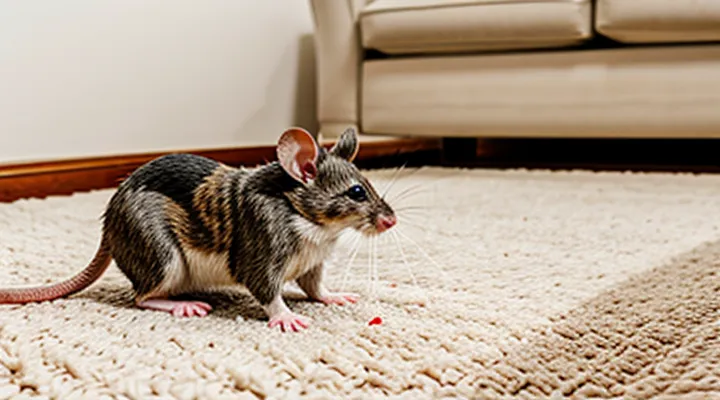
Why Cleanliness is Crucial for Your Mouse's Health
Understanding the Risks of a Dirty Cage
Health Complications from Poor Hygiene
Poor sanitation of the cage substrate creates a breeding ground for pathogens that directly affect mouse health. Accumulated urine, feces, and food debris increase moisture, encouraging bacterial colonies and fungal spores. These microorganisms can penetrate the respiratory tract, leading to:
- Pneumonia caused by Pasteurella or Mycoplasma species
- Upper‑respiratory inflammation from Streptococcus and Klebsiella
- Allergic airway reactions to dust and mold particles
Skin contact with contaminated fibers results in dermatitis, characterized by erythema, hair loss, and secondary infections with Staphylococcus or Corynebacterium. Persistent exposure to irritants also predisposes animals to ulcerative pododermatitis.
Gastrointestinal disturbances arise when mice ingest contaminated bedding. Pathogenic Salmonella or E. coli can cause diarrhea, weight loss, and dehydration, compromising growth rates and experimental reliability.
Immunocompromised individuals, such as genetically modified strains, experience amplified susceptibility. Even subclinical infections can trigger chronic inflammation, reducing reproductive performance and skewing physiological data.
Regular removal of soiled carpet, thorough washing with a mild disinfectant, and complete drying before replacement eliminate nutrient sources for microbes, maintain optimal humidity, and protect the colony from the health complications described above.
Odor Control and Environmental Comfort
Effective odor management begins with prompt removal of waste. Spot‑clean the bedding area daily, using a disposable paper towel or a small scoop to eliminate solid deposits before they decompose. Follow each spot‑cleaning session with a brief wash of the carpet fibers using a mild, low‑pH detergent diluted 1:20 in warm water. Rinse thoroughly with a spray bottle filled with clean water, then blot dry with an absorbent cloth.
Maintain low humidity to inhibit bacterial growth. Place a small, calibrated hygrometer inside the cage and keep relative humidity between 40 % and 55 %. If levels rise, increase ventilation by adjusting the cage lid or installing a low‑noise fan set to a gentle flow.
Control lingering smells with safe, odor‑neutralizing agents. Apply a thin layer of food‑grade baking soda to the carpet after cleaning; allow it to sit for 15 minutes, then vacuum or sift it out. Avoid scented powders or essential oils, which can stress rodents.
Ensure environmental comfort through regular substrate replacement. Replace the entire carpet at least once every four weeks, or sooner if visual soiling occurs. Use a recyclable, low‑dust material designed for laboratory rodents; such substrates reduce particle accumulation and improve airflow.
Key practices for odor control and comfort:
- Daily spot‑cleaning of waste
- Weekly full carpet wash with diluted mild detergent
- Post‑wash rinsing and thorough drying
- Humidity monitoring and ventilation adjustment
- Periodic application of food‑grade baking soda
- Monthly carpet replacement with low‑dust substrate
Consistent application of these steps preserves a neutral odor profile and creates a stable micro‑environment that supports mouse health and experimental reliability.
Preparing for the Cleaning Process
Essential Cleaning Supplies
Safe Disinfectants for Pet Environments
Choosing a disinfectant for a rodent enclosure requires a balance between antimicrobial efficacy and safety for small mammals. The cleaning solution must eliminate bacteria, fungi, and viruses without leaving toxic residues that can be ingested or inhaled by mice.
Effective options include:
- Diluted hydrogen peroxide (3 % solution, further reduced to 0.5 % with water). Breaks down into water and oxygen, leaving no harmful by‑products. Apply, let stand for 5 minutes, then rinse thoroughly.
- Veterinary‑grade quaternary ammonium compounds formulated for animal housing. Provide broad‑spectrum kill with low toxicity when used at the manufacturer’s recommended concentration. Rinse after the prescribed contact time.
- Enzymatic cleaners designed for pet environments. Target organic stains and odors while preserving carpet fibers. No rinsing required if the product specifies a no‑rinse formulation.
- Diluted bleach (sodium hypochlorite) at 0.1 % concentration. Effective against most pathogens; ensure complete rinsing and adequate ventilation to prevent respiratory irritation.
Key criteria for selection:
- Non‑phytotoxic and free of heavy metals.
- Low odor intensity to avoid stress to the animals.
- Compatibility with the carpet material; test a small area before full application.
- Clear instructions for contact time and rinsing procedures.
After disinfecting, allow the carpet to air dry completely before returning the mice. Regular monitoring of the cleaning protocol helps maintain a hygienic environment while protecting animal health.
Tools for Effective Carpet Cleaning
Effective carpet maintenance in a mouse enclosure requires a specific set of tools designed for small‑scale, hygienic cleaning. Selecting appropriate equipment ensures thorough removal of debris, urine stains, and odor without damaging the delicate fibers.
A compact, low‑speed vacuum equipped with a fine‑mesh filter captures particles as small as 10 µm while preventing suction of bedding material. A detachable nozzle with a soft brush tip loosens adhered waste without tearing the carpet backing. For spot treatment, a spray bottle containing a non‑toxic enzymatic cleaner dilutes to a safe concentration for rodents; the solution breaks down organic stains and neutralizes smells. A soft microfiber cloth or lint‑free wipe applies the cleaner evenly and absorbs excess moisture. Finally, a small, battery‑powered air dryer or a clean, low‑heat hair dryer accelerates drying, reducing the risk of mold growth.
- Vacuum with fine‑mesh filter and soft‑brush nozzle
- Enzymatic, rodent‑safe cleaning solution in a spray bottle
- Microfiber cloth for application and absorption
- Low‑heat air dryer for rapid drying
Using these tools in the prescribed sequence—vacuum, brush, spray, wipe, dry—delivers consistent results, maintains a sanitary environment, and prolongs carpet lifespan.
Removing Your Mouse Safely
Temporary Housing Options
When the bedding material of a mouse enclosure requires thorough cleaning, the animals must be transferred to a short‑term carrier to prevent stress and contamination.
Common temporary housing solutions
- Small polycarbonate cages with secure lids; provide clear visibility and easy disassembly.
- Plastic bins fitted with ventilation holes; inexpensive and readily available in most laboratories.
- Wire‑mesh breeding cages; allow airflow and are compatible with standard cage racks.
- Commercial transport boxes with removable dividers; facilitate segregation of individuals or groups.
Selection of a temporary unit should consider size compatibility, ventilation, ease of cleaning, and the ability to maintain consistent temperature and humidity. The carrier must accommodate the normal number of occupants without overcrowding, and it should be sterilizable using the same procedures applied to the primary enclosure. After the carpet is removed, cleaned, and replaced, mice are returned to the main cage only once the new substrate has cooled and any disinfectant residues have evaporated.
Minimizing Stress During Relocation
When a mouse cage is opened for carpet cleaning, the animal experiences a sudden change in environment that can trigger stress. To keep stress levels low, handle the relocation process with predictable timing, minimal disturbance, and consistent cues.
- Transfer the mouse to a temporary habitat that matches the original cage in size, bedding type, and lighting before beginning any cleaning work.
- Keep the cage and temporary enclosure on the same surface to avoid vibrations that the mouse can detect.
- Perform the move during the animal’s inactive phase (usually early daylight hours) to reduce exposure to unfamiliar activity.
- Use a soft cloth or gloved hand to guide the mouse gently; avoid sudden grabs or lifts that could startle it.
- Return the mouse to its cleaned cage only after the new carpet is fully dry and any cleaning agents have evaporated, ensuring the scent of the enclosure remains familiar.
By standardizing these actions, the relocation required for thorough carpet sanitation becomes a routine event rather than a source of anxiety, preserving the mouse’s physiological balance and supporting reliable experimental outcomes.
Step-by-Step Carpet Cleaning Guide
Initial Debris Removal
Vacuuming Techniques for Small Cages
Effective vacuuming of a mouse cage carpet requires equipment suited to confined spaces, careful handling to avoid stress, and a consistent schedule. A compact, low‑noise handheld vacuum equipped with a fine‑mesh filter prevents debris from escaping the enclosure while protecting the motor from fur and dust. Attach a narrow nozzle or brush‑type head no wider than 1 cm; this dimension reaches the edges of the bedding without disturbing the cage structure.
- Prepare the cage – temporarily relocate the mouse to a transport container. Close all ventilation slots to contain loose particles.
- Select the setting – use the lowest suction power that lifts debris; excessive force can pull bedding fibers into the motor and create noise that agitates the animal.
- Apply the nozzle – glide the tip along the carpet in slow, overlapping strokes. Maintain a 45‑degree angle to keep the brush in contact with the fibers while avoiding direct contact with the cage bars.
- Target corners – rotate the nozzle to enter tight corners, ensuring no buildup remains where humidity can promote mold.
- Inspect and repeat – after a pass, visually confirm that all visible particles are removed. Perform a second pass if any clumps remain.
After vacuuming, clean the nozzle with a soft brush and wipe the filter to maintain airflow. Schedule the procedure every 3–4 days for standard bedding; increase frequency when using high‑absorbency substrates or during humid seasons. Consistent application of these steps preserves carpet integrity, reduces odor, and supports a healthy environment for the mouse.
Hand-Picking Larger Debris
Hand‑picking larger debris is the first decisive step when maintaining a clean substrate in a rodent enclosure. Remove the cage from its stand, tilt it gently, and use a pair of tweezers or a small spoon to extract visible fragments such as food crumbs, fur clumps, and bedding pieces. Perform this action before any wet cleaning to prevent particles from spreading or embedding deeper into the carpet fibers.
Key actions for efficient debris removal:
- Inspect the entire surface, paying special attention to corners and edges where waste accumulates.
- Grip each piece firmly, lift it away from the carpet, and dispose of it in a sealed container.
- Rotate the cage if needed to access hidden spots without disturbing the mouse.
Completing the manual extraction reduces the load on subsequent washing or vacuuming steps, ensures that cleaning agents reach the carpet evenly, and minimizes the risk of re‑contamination.
Deep Cleaning the Carpet
Pre-Treatment of Stains
Pre‑treatment removes contaminants before the carpet undergoes a full wash, preventing residue from embedding in the fibers and reducing the need for repeated cleaning cycles.
Begin by isolating the stained area. Use a clean, lint‑free swab or paper towel to blot excess material; do not rub, as this spreads the stain and damages the delicate weave. After blotting, select a solvent compatible with both the carpet material and the health of laboratory mice. Acceptable options include diluted white vinegar (1 part vinegar to 4 parts water), mild enzymatic cleaners, or a saline solution with a few drops of mild dish soap. Avoid bleach, ammonia, and petroleum‑based agents, which can release toxic fumes in a confined cage.
Apply the chosen solution sparingly. Dampen a cotton tip or soft brush, then gently work the liquid into the stain from the outer edge toward the center. Limit exposure time to 30–60 seconds; prolonged contact may weaken the fibers. Rinse the treated spot with a small amount of sterile water to remove residual cleaning agent, then pat dry with absorbent tissue.
A concise checklist ensures consistency:
- Identify and isolate the stain.
- Blot excess material without friction.
- Choose a rodent‑safe solvent (diluted vinegar, enzymatic cleaner, saline‑soap mix).
- Apply solvent with a cotton tip, moving inward.
- Limit contact to under one minute.
- Rinse with sterile water.
- Pat dry with absorbent material.
After pre‑treatment, allow the carpet to air‑dry completely before returning the animal to the cage. This step preserves the integrity of the bedding surface and maintains a hygienic environment for the mice.
Washing Methods for Different Carpet Types
Proper cleaning of the bedding surface in a mouse enclosure requires matching the wash technique to the carpet material. Using an unsuitable method can damage the substrate, reduce absorbency, and create health risks for the animals.
-
Synthetic fibers (polyester, nylon)
- Rinse with lukewarm water to remove loose debris.
- Apply a mild, fragrance‑free detergent diluted 1:20.
- Gently agitate for 2–3 minutes; avoid vigorous scrubbing that may fray fibers.
- Rinse thoroughly until no suds remain.
- Air‑dry flat; do not expose to direct sunlight.
-
Natural fibers (cotton, hemp)
-
Fleece or plush materials
- Pre‑brush to eliminate hair and droppings.
- Wash in a mesh laundry bag on a delicate cycle, cold water, and a hypoallergenic detergent.
- Skip fabric softeners; they leave residues harmful to rodents.
- Spin at low speed, then lay flat on a clean surface to dry completely.
-
Paper or cellulose‑based mats
- Discard if heavily soiled; these substrates are not designed for repeated washing.
- For light contamination, spot‑clean with a damp cloth and a small amount of diluted disinfectant (e.g., 0.5% hydrogen peroxide).
- Allow to dry fully before reuse; replace when moisture is retained.
General precautions apply to all carpet types: use only animal‑safe detergents, maintain water temperature below 40 °C, and ensure complete drying before returning the carpet to the cage. Regular inspection for wear prevents accidental ingestion of fibers and sustains a hygienic environment for the mice.
Rinsing and Drying Thoroughly
Ensuring All Cleaning Agents are Removed
When cleaning a mouse‑cage carpet, the final step must eliminate every residue of detergent, disinfectant, or solvent. Residual chemicals can irritate skin, alter the animals’ scent markings, and compromise experimental data.
Begin by rinsing the carpet thoroughly with lukewarm water. Use a clean container or a gentle stream from a faucet; avoid high pressure that could damage fibers. Continue until water runs clear and no suds appear.
After rinsing, remove excess moisture with a clean, lint‑free cloth. Press the cloth onto the carpet surface to absorb water; do not rub, which could embed particles deeper into the fibers.
Finish the drying process with one of the following methods:
- Place the carpet on a sterile drying rack in a well‑ventilated area for at least two hours.
- Use a low‑heat laboratory dryer set to ≤ 40 °C, rotating the carpet halfway through the cycle.
- If time is limited, employ a sterile blower to circulate air across the surface while monitoring humidity.
Verify the absence of cleaning agents by performing a simple swab test. Moisten a sterile swab with distilled water, wipe a small section, and place the swab in a sealed tube. Inspect the sample under a microscope or use a chemical test strip designed for common detergents. Absence of color change confirms complete removal.
Document the procedure, noting rinse volume, drying time, and test results. This record provides traceability and ensures consistent conditions for future cage preparations.
Preventing Mold and Mildew Growth
Maintaining a dry environment is essential to stop mold and mildew from establishing on the bedding material used in rodent enclosures. Moisture provides the conditions needed for fungal spores to germinate; therefore, each cleaning cycle should remove excess water and prevent residual dampness.
- Use a lint‑free, absorbent cloth or paper towel to blot the carpet immediately after any spill.
- Apply a diluted, rodent‑safe disinfectant (e.g., a 1 % solution of hydrogen peroxide) and allow it to sit for no longer than five minutes.
- Rinse with a minimal amount of cool water, then press the material with a clean, dry towel to extract as much liquid as possible.
After cleaning, place the carpet in a well‑ventilated area until it reaches ambient temperature. A fan or low‑speed air circulation device can accelerate drying without creating drafts that disturb the animals.
Regular inspection reduces the risk of hidden fungal growth. Look for discoloration, a musty odor, or a fuzzy surface. If any of these signs appear, discard the affected section and replace it with fresh material.
Cleaning frequency should align with the cage’s humidity level. In humid climates, replace or wash the carpet at least twice weekly; in drier settings, a weekly schedule suffices. Monitoring the enclosure’s relative humidity with a small hygrometer helps determine the optimal interval.
Finally, ensure the cage’s overall ventilation is adequate. Provide perforated sides or a small air‑exchange system to maintain airflow, which discourages the stagnant moisture pockets where mold thrives. Implementing these measures will keep the bedding clean, dry, and free from fungal contamination.
Maintaining a Clean Environment Between Deep Cleans
Daily Spot Cleaning Practices
Addressing Fresh Spills and Droppings
Fresh spills and droppings must be dealt with immediately to prevent bacterial growth and odor buildup. Delay allows moisture to soak into the carpet fibers, creating a breeding ground for pathogens that can affect the health of the mice.
- Remove visible material with a disposable paper towel or a soft cloth; discard the waste in a sealed bag.
- Apply a mild, non‑toxic cleaning solution (e.g., 1 % hydrogen peroxide in water or a commercial rodent‑safe disinfectant) directly onto the affected area.
- Gently scrub the carpet with a soft brush to lift residue from the fibers, avoiding excessive agitation that could damage the material.
- Rinse the spot with a small amount of clean water to flush out cleaning agents; use a clean cloth to absorb excess liquid.
- Place the carpet in a well‑ventilated area until completely dry; moisture left in the pile can re‑introduce contaminants.
After the surface is dry, inspect the carpet for any remaining stains or odors. If discoloration persists, repeat the cleaning cycle with a slightly stronger solution, ensuring the concentration remains safe for rodents. Finally, return the carpet to the cage only when it is fully dry and odor‑free, then monitor the enclosure daily for new incidents.
Quick Wipe-Downs of High-Traffic Areas
Maintaining a clean carpet in a mouse cage requires regular attention to the areas most frequently traversed by the animals. These zones accumulate bedding, droppings, and urine quickly, creating conditions that can affect health and behavior.
Perform quick wipe-downs at least once daily. Use a soft, lint‑free cloth dampened with a dilute solution of distilled water and a rodent‑safe disinfectant (e.g., 0.5 % chlorine bleach or a commercial product labeled for small mammals). Avoid soaking the carpet; excess moisture can promote mold growth.
- Remove visible debris with a small, sterilized brush.
- Lightly moisten the cloth; excess liquid should be wrung out completely.
- Gently sweep the cloth across the high‑traffic strip, applying uniform pressure.
- Allow the carpet to air‑dry for 5–10 minutes before re‑introducing the mice.
- Discard the cloth and disinfect the brush after each use.
Inspect the carpet after each wipe-down. Persistent discoloration or odor indicates deeper contamination that may require a full carpet replacement or a more thorough cleaning cycle. Regular monitoring ensures the quick wipes remain effective and the environment stays hygienic.
Regular Bedding Changes
Frequency Recommendations Based on Cage Size
Effective carpet maintenance for mouse enclosures depends on the amount of bedding material exposed to waste, moisture, and odor. Larger surfaces accumulate debris more slowly per unit area, but total load increases with cage size, requiring adjustments in cleaning intervals.
- Small cages (up to 0.5 ft²): clean the carpet at least twice per week.
- Medium cages (0.5–1.0 ft²): clean the carpet once every 3–4 days.
- Large cages (over 1.0 ft²): clean the carpet once per week, with spot‑cleaning of visibly soiled sections every 2–3 days.
Adjust the schedule for breeding colonies, high‑humidity environments, or when using diets that produce excess droppings. More frequent spot‑cleaning reduces the need for full replacements and maintains a healthier habitat.
Tips for a Quick and Efficient Change
When replacing the bedding layer in a mouse enclosure, speed and hygiene are paramount. Begin by preparing a clean workspace and gathering all required items: fresh carpet, disposable gloves, a small scoop, and a disinfectant spray approved for animal use.
- Remove the old carpet swiftly with a single hand motion, folding it inward to contain debris.
- Immediately place the discarded material into a sealed bag to prevent odor spread.
- Lightly mist the interior of the cage with the disinfectant; allow the surface to air‑dry for no more than 30 seconds.
- Align the new carpet so that the edges match the cage walls; press firmly to eliminate gaps that could harbor waste.
- Use the scoop to distribute a thin, uniform layer of fresh bedding over the carpet, ensuring coverage without excess.
Finalize by inspecting the installation for loose sections and confirming that no residue remains on the cage floor. The entire procedure can be completed in under five minutes while maintaining a sterile environment for the rodents.