
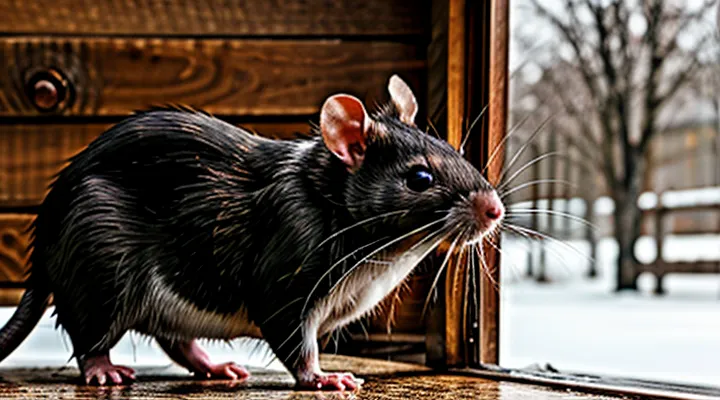
Understanding the Unique Needs of Rats in Winter
The Impact of Cold on Rat Physiology
Cold temperatures impose immediate stress on a rat’s body, triggering physiological systems designed to preserve core temperature and maintain organ function. Exposure below the thermoneutral zone (approximately 26–30 °C for laboratory rats) forces rapid adjustments that, if unmanaged, can compromise health.
- Thermoregulatory response: Brown adipose tissue activates non‑shivering thermogenesis, generating heat through mitochondrial uncoupling. Peripheral vasoconstriction reduces heat loss but limits blood flow to extremities, increasing the risk of frostbite.
- Metabolic shift: Basal metabolic rate rises 30–50 % to fuel heat production, elevating oxygen consumption and glucose turnover. Prolonged elevation depletes glycogen stores and may induce weight loss despite unchanged food intake.
- Cardiovascular strain: Heart rate accelerates to support increased metabolic demand; systemic vascular resistance climbs due to vasoconstriction, raising arterial pressure. Chronic cold exposure can predispose rats to hypertension and cardiac remodeling.
- Respiratory adaptation: Tidal volume expands to satisfy heightened oxygen requirements, while respiratory rate may rise modestly. Cold, dry air can irritate airway mucosa, reducing mucociliary clearance and heightening susceptibility to respiratory infections.
- Immune modulation: Cold stress suppresses lymphocyte proliferation and cytokine production, weakening the adaptive immune response. Simultaneously, innate defenses such as neutrophil activity may be dampened, increasing vulnerability to bacterial and viral pathogens.
Understanding these physiological reactions informs practical winter management. Provide insulated housing that maintains ambient temperature within the thermoneutral range, supplement bedding with high‑quality material to minimize heat loss, and ensure constant access to nutrient‑dense food and warm water. Monitoring body weight, coat condition, and activity levels offers early indicators of thermal distress, allowing timely intervention before severe complications arise.
Recognizing Signs of Cold Stress in Rats
Cold stress reduces a rat’s core temperature, impairing immunity and metabolism. Prompt identification prevents severe complications.
- Shivering or tremors
- Hunched posture, reduced movement
- Pale or bluish ears, tail, and foot pads
- Decreased food and water intake
- Lethargy or unresponsiveness
- Rapid breathing or panting
Shivering indicates the animal is generating heat involuntarily. A hunched stance conserves warmth; limited activity conserves energy. Discoloration of extremities reflects peripheral vasoconstriction, a direct response to low ambient temperature. Reduced consumption signals an inability to maintain energy balance, while lethargy and slowed reflexes reveal systemic depression. Abnormally fast respiration often accompanies hypothermia as the body attempts to increase oxygen delivery.
When any of these indicators appear, relocate the rat to a draft‑free enclosure heated to 68–72 °F (20–22 °C). Provide supplemental heat sources such as a low‑watt ceramic heater or a warm water bottle wrapped in cloth. Offer high‑calorie, easily consumable foods and fresh water at room temperature. Monitor temperature with a reliable thermometer and record behavioral changes every few hours until normal activity resumes.
Creating an Optimal Winter Environment
Maintaining Ideal Cage Temperature
Recommended Room Temperature Ranges
Rats maintain optimal health when their environment stays within a narrow thermal window. Temperatures that are too low increase metabolic stress and susceptibility to respiratory infections; temperatures that are too high can cause overheating and dehydration.
- General housing: 68 °F – 72 °F (20 °C – 22 °C). This range supports normal activity levels and immune function.
- Nursery or breeding cages: 70 °F – 75 °F (21 °C – 24 °C). Young pups and pregnant females benefit from slightly warmer conditions.
- Seasonal adjustment: During the coldest months, avoid dropping below 65 °F (18 °C). If heating is necessary, use a thermostatically controlled source to prevent spikes above 78 °F (26 °C).
Consistent monitoring with a digital thermometer ensures the enclosure remains within these limits, reducing the need for emergency interventions.
Safe Supplemental Heating Options
Rats are vulnerable to low temperatures; maintaining a stable, comfortable environment prevents hypothermia and stress. Supplemental heat should be gentle, evenly distributed, and protected from direct contact with the cage.
- Ceramic heat emitters – produce radiant warmth without a hot surface; mount outside the cage and cover with a metal screen to avoid accidental burns.
- Low‑wattage incandescent bulbs – provide modest heat when placed at a safe distance (minimum 12 inches) and shielded by a heat‑resistant barrier; use a timer to limit exposure to 8–10 hours per day.
- Thermostatically controlled heating pads – designed for small animal enclosures; attach to the cage underside, set to maintain 70–75 °F, and monitor with a digital thermometer.
- Warm water bottles – fill a sealed, leak‑proof bottle with warm (not hot) water, wrap in a towel, and position in a corner; replace every 12 hours to sustain temperature.
Safety measures include regular temperature checks, ensuring all heating elements are rated for indoor pet use, and preventing cords from being chewed. Provide ample nesting material so rats can self‑regulate heat by burrowing. Maintain ventilation to avoid humidity buildup while preserving the desired warmth.
Ensuring Proper Humidity Levels
Maintain indoor humidity between 45 % and 55 % to prevent respiratory irritation and skin dryness in rats during cold months. Use a reliable hygrometer to monitor levels; adjust with a humidifier or dehumidifier as needed.
- If humidity falls below 45 %, place a shallow water dish near the cage or run a cool‑mist humidifier for 15–30 minutes twice daily.
- When humidity exceeds 55 %, increase ventilation by opening a window briefly or using a low‑speed exhaust fan.
- Avoid direct drafts on the cage; position the enclosure away from open doors and heating vents.
Dry air accelerates shedding and can exacerbate common infections such as Mycoplasma pulmonis. Regularly inspect the cage for condensation on the roof; excessive moisture indicates over‑humidification and may promote mold growth. Clean any wet bedding immediately and replace with fresh, low‑dust substrate.
Consistent humidity control reduces stress, supports healthy mucous membranes, and contributes to overall well‑being throughout the winter season.
Protecting Against Drafts and Temperature Fluctuations
Rats are highly sensitive to sudden changes in air flow and temperature; exposure to drafts can cause respiratory distress and stress, while rapid temperature shifts may impair immune function.
- Place the cage away from doors, windows, and vents that generate direct airflow.
- Seal gaps around the enclosure with weather‑stripping or acrylic panels.
- Use a solid, insulated cage cover rather than a mesh lid to block cold drafts while allowing ventilation.
- Add a layer of thick, absorbent bedding (e.g., aspen shavings) to create a thermal buffer at the cage floor.
Maintain a stable ambient temperature within the rat’s environment.
- Set room heating to a constant range of 18–22 °C (64–72 °F); avoid thermostat cycles that cause brief cooling periods.
- Employ a low‑wattage ceramic heat emitter or a thermostatically controlled heating pad placed beneath the cage, not directly on it, to provide gentle warmth.
- Monitor cage temperature with a digital probe; adjust heating sources if readings deviate more than ±2 °C from the target range.
- Ensure adequate ventilation without creating drafts; a small, filtered air inlet can supply fresh air while preserving temperature consistency.
Regularly assess the rats for signs of discomfort: rapid breathing, shivering, or reduced activity indicate that draft protection or temperature control requires adjustment. Promptly modify enclosure placement, insulation, or heating settings to restore a stable, draft‑free environment.
Enhancing Cage Comfort
Bedding Choices for Insulation
Choosing the right bedding directly affects a rat’s ability to retain body heat in cold months. Materials with low thermal conductivity, high absorbency, and safe composition provide the most effective insulation.
- Compressed wood shavings (e.g., pine, cedar-free): Light, trap air pockets, absorb moisture; replace weekly to prevent mold.
- Paper-based bedding (recycled newspaper, shredded paper): Soft, non‑abrasive, excellent insulator; requires frequent cleaning to avoid ammonia buildup.
- Corncob bedding: Naturally breathable, retains warmth; monitor for dust inhalation, especially in older animals.
- Fleece liners: Provide a reusable, dry surface that reduces heat loss; wash regularly at 60 °C to eliminate pathogens.
- Straw or hay: Offers bulk insulation, but can harbor parasites; use only as supplemental layer beneath primary bedding.
Maintain a dry environment by checking moisture levels each day. Remove any damp spots promptly, as wet bedding accelerates heat loss and promotes bacterial growth. Rotate bedding layers to ensure even distribution of warmth throughout the cage.
Safety considerations include avoiding aromatic woods (cedar, pine) that release volatile compounds, eliminating scented or chemically treated products, and ensuring all materials are free of sharp edges that could injure delicate paws. Regular inspection of bedding integrity prevents accidental ingestion of large fragments.
Providing Adequate Hiding Spots and Nests
Rats experience stress when ambient temperature drops; a secure hiding area and well‑constructed nest prevent hypothermia and maintain normal activity levels.
Provide multiple enclosed spaces that mimic natural burrows. Use solid‑wall cages or attach PVC tunnels, wooden boxes, or ceramic hideaways. Ensure each hideout is large enough for a rat to turn around without touching the walls, and position them away from direct drafts while keeping them near a gentle heat source such as a low‑wattage ceramic heater.
Construct nests with absorbent, insulating bedding. Preferred materials include shredded paper, aspen shavings, or fleece blankets; avoid cedar or pine, which release harmful oils. Layer bedding 2–3 inches deep, allowing rats to shape a cup‑shaped nest that traps body heat. Replace soiled bedding weekly to prevent moisture buildup and fungal growth.
Key actions:
- Install at least two hideouts per cage to reduce competition.
- Locate hideouts on the cage’s warm side, away from windows or vents.
- Use fleece liners under the nest for extra insulation.
- Check nest temperature with a digital probe; aim for 68–72 °F (20–22 °C).
- Rotate bedding weekly to maintain dryness and scent freshness.
Nutritional Considerations for Winter Months
Adjusting Diet for Increased Energy Demands
Rats expend more calories in cold environments to maintain body temperature. Their diet must supply additional energy while preserving nutritional balance.
Increase caloric density by adding high‑quality fats such as unsalted sunflower oil or small amounts of melted coconut oil. Replace a portion of standard pellets with mixed seeds, pumpkin, or sunflower kernels, each providing 5–7 kcal g⁻¹. Ensure the total fat contribution does not exceed 10 % of the diet to avoid digestive issues.
Boost protein intake to support thermogenesis and muscle maintenance. Offer cooked egg whites, low‑fat cottage cheese, or commercially available rat protein treats. Aim for a protein level of 20–25 % of total calories, compared with the typical 15 % in winter‑time formulations.
Include readily digestible carbohydrates for quick energy. Provide small quantities of rolled oats, cooked rice, or barley. Limit sugary treats; excess simple sugars can cause rapid weight fluctuations.
Maintain essential micronutrients. Winter conditions increase the need for vitamin C, vitamin E, and selenium, which assist in oxidative stress reduction. Supplement with a few drops of a rodent‑safe vitamin concentrate or incorporate fortified pellets designed for cold‑weather support.
Monitor body condition weekly. Adjust portion sizes based on weight trends: a 5 % increase over baseline indicates adequate energy provision; a larger gain suggests over‑feeding, while weight loss mandates higher caloric input.
Practical feeding schedule
- Morning: 30 % of daily portion, primarily protein‑rich foods.
- Midday: 20 % of daily portion, balanced mix of pellets and seeds.
- Evening: 50 % of daily portion, higher in fats and carbohydrates.
Consistent water availability remains critical; heated water bottles prevent freezing and encourage adequate hydration, which supports metabolic processes during the colder months.
Importance of Fresh Water Access
Rats increase water intake during cold months to maintain body temperature and support kidney function. When ambient temperature drops, water in typical containers can freeze, limiting access and causing rapid dehydration. Dehydration impairs digestion, reduces immune response, and accelerates weight loss, all of which elevate mortality risk in winter.
- Provide a heating element designed for small animal bottles; set to a temperature that keeps water liquid without overheating.
- Use insulated or double‑walled bowls that slow heat loss; place them away from drafts and direct heat sources.
- Replace water at least twice daily; discard any ice that forms and refill with fresh, filtered water.
- Add a minimal amount of safe, non‑sugar syrup (e.g., a few drops of apple juice) to lower the freezing point when temperatures approach 0 °C.
- Monitor water temperature with a probe; adjust heating settings promptly if water approaches freezing.
Veterinary guidelines emphasize regular observation of water levels and clarity. Cloudy or contaminated water indicates bacterial growth, which can spread disease more readily in confined winter habitats. Maintaining a constant supply of clean, unfrozen water therefore underpins overall health, supports metabolic processes, and reduces the likelihood of winter‑related illnesses in pet rats.
Supplementing with Winter-Friendly Treats
Providing appropriate treats during the colder months helps maintain body temperature, supports immune function, and prevents weight loss in pet rats. Select foods that remain palatable at low temperatures and supply nutrients that are less abundant in winter.
- Warmed pumpkin puree (1 tsp per rat) – rich in beta‑carotene and easily digestible.
- Cooked sweet potato cubes (2–3 g) – high in complex carbohydrates and vitamin C.
- Small portions of low‑fat cheese, lightly warmed – source of calcium and protein.
- Unsalted, roasted pumpkin seeds (a few per day) – provide essential fatty acids.
- Fresh, chilled apple slices (no more than 5 g) – offers fiber and natural sugars.
Guidelines for safe supplementation:
- Serve treats at room temperature or slightly warmed; avoid frozen items that may cause dental strain.
- Introduce one new food at a time, monitoring for digestive upset over 24 hours.
- Limit total treat calories to no more than 10 % of the daily intake to prevent obesity.
- Store perishable treats in airtight containers in the refrigerator and discard any that develop mold or odor.
- Combine treats with a balanced pellet diet to ensure complete nutrition.
Regularly rotating these winter‑friendly options keeps the diet varied, encourages healthy feeding behavior, and helps rats cope with seasonal challenges.
Promoting Health and Well-being
Maintaining Good Hygiene Practices
Winter conditions increase the risk of bacterial growth and respiratory problems in pet rats. Consistent sanitation reduces these risks and supports healthy activity levels.
Clean the cage at least twice weekly. Remove all bedding, wipe surfaces with a mild, chlorine‑free disinfectant, rinse thoroughly, and dry before adding fresh material. Spot‑clean daily to eliminate urine and droppings.
- Use absorbent, low‑dust bedding such as shredded paper or aspen shavings.
- Replace the entire bedding load every 7–10 days to prevent moisture buildup.
- Avoid cedar or pine products, which release harmful oils.
Food and water containers require daily inspection. Rinse water bottles with warm, soapy water, rinse well, and refill with fresh water each day. Store dry food in airtight containers; discard any damp or spoiled portions immediately.
Maintain personal hygiene when handling rats. Wash hands with soap before and after contact. Wear clean gloves if moving bedding or cleaning the cage to avoid transferring contaminants.
Apply a broad‑spectrum, rodent‑safe sanitizer to cage accessories once a month. Monitor the enclosure for signs of mold, foul odors, or unusual droppings; address any issue promptly to prevent health complications.
Recognizing and Addressing Common Winter Ailments
Respiratory Issues
During colder months, lowered ambient temperature and reduced humidity create an environment where respiratory pathogens thrive, making rats particularly vulnerable to infections such as pneumonia, bronchitis, and sinusitis.
Watch for rapid breathing, nasal discharge, audible wheezing, reduced activity, or a change in vocalizations. Even subtle signs, like a slight increase in respiratory rate, may indicate the onset of a problem.
- Maintain cage temperature between 18‑22 °C (64‑72 °F).
- Use a humidifier or place a shallow water dish to keep humidity around 40‑60 %.
- Provide bedding that is dust‑free and changed regularly to limit irritants.
- Ensure cages are well‑ventilated but free from drafts.
- Limit exposure to other animals that may carry respiratory agents.
- Perform daily health checks, focusing on breathing patterns and nasal condition.
If any respiratory signs appear, isolate the affected rat, keep the enclosure warm and humidified, and seek veterinary evaluation promptly. Antibiotic therapy, supportive care, and environmental adjustments are typically required to prevent progression and promote recovery.
Skin Dryness and Irritation
Dry skin and irritation are common in rats kept indoors during cold months because heated environments lower humidity and strip natural oils from the coat. Reduced moisture also compromises the skin barrier, making rats more susceptible to cracking, redness, and secondary infections.
- Maintain ambient humidity between 45‑55 % with a humidifier or by placing water‑filled containers near the cage.
- Provide a diet rich in essential fatty acids; include small amounts of fish oil or flaxseed oil to support skin health.
- Offer soft, dust‑free bedding such as paper or hemp to minimize abrasive contact.
- Limit exposure to direct drafts from heaters or open windows; use a cage cover that shields against sudden temperature changes while allowing ventilation.
If dryness or irritation appears:
- Inspect the affected area daily for swelling, discharge, or sores.
- Apply a veterinary‑approved, hypoallergenic moisturizer or a few drops of diluted vegetable oil to the skin, avoiding the eyes and nose.
- Increase the frequency of cage cleaning to remove excess dander, but avoid harsh disinfectants that can further dry the skin.
- Consult a veterinarian if lesions worsen, spread, or if the rat shows signs of discomfort, as prescription ointments or antibiotics may be required.
Encouraging Mental and Physical Stimulation
Winter lowers ambient temperature and limits outdoor exploration, so indoor rats require deliberate enrichment to maintain health. Provide a safe, heated enclosure that allows free movement; ensure the floor remains dry and non‑slippery to prevent injuries.
- Rotate climbing structures (branches, ladders) every few days to challenge muscles.
- Offer tunnels of varying diameters; narrow passages stimulate agility.
- Introduce exercise wheels with solid surfaces to avoid foot injuries.
- Place chewable toys (untreated wood blocks, safe cardboard) to promote dental wear.
Mental engagement relies on novelty and problem‑solving opportunities.
- Hide small food rewards in puzzle boxes; require manipulation to access treats.
- Use scent trails (lavender, rosemary) on paper strips to encourage sniffing and tracking.
- Teach simple commands with clicker training; reward consistent responses.
- Change the layout of the habitat weekly, moving objects to create new routes.
Observe activity levels daily; reduced interaction signals stress or illness. Adjust enrichment intensity, replace worn items, and consult a veterinarian if lethargy persists. Consistent physical and cognitive challenges sustain vigor throughout the cold season.
Emergency Preparedness
Developing a Cold Weather Emergency Plan
A cold‑weather emergency plan is essential for maintaining rat health when temperatures drop sharply. The plan should address shelter, heating, nutrition, and monitoring, ensuring that rats remain safe during power outages or severe weather events.
First, secure a draft‑free enclosure. Use thick bedding, such as shredded paper or fleece, to provide insulation. Add a layer of cardboard or a wooden board beneath the cage to block floor chill. Verify that the cage’s ventilation remains adequate while preventing cold drafts.
Second, establish a reliable heat source. An adjustable ceramic heat plate placed under a corner of the cage offers steady warmth without emitting light. Backup options include a low‑wattage incandescent bulb with a timer or a battery‑powered heating pad. Test all devices for consistent temperature before winter begins.
Third, adjust the diet to meet increased energy demands. Provide high‑calorie pellets, fresh fruits, and occasional seeds. Ensure water bottles are insulated or use heated water dispensers to prevent freezing.
Fourth, outline a monitoring schedule. Check temperature inside the enclosure at least twice daily with a digital probe. Record any deviations and act immediately if the environment falls below the species‑specific comfort range (approximately 18‑22 °C). Observe rats for signs of stress, such as reduced activity or ruffled fur, and intervene promptly.
Finally, prepare emergency supplies. Keep spare bedding, extra food, a battery‑powered flashlight, and a portable power bank for heating devices. Store a contact list of a local veterinarian experienced with rodents and a nearby animal shelter in case evacuation becomes necessary.
Implementing these steps creates a structured response to winter emergencies, safeguarding rat welfare throughout the cold season.
Essential Supplies for Power Outages
Rats remain vulnerable during cold months when electricity failures interrupt heating and lighting. Preparing a dedicated emergency kit ensures their health and safety until power returns.
- Insulated housing: Heavy‑duty plastic or wood cages fitted with foam panels or blankets to retain warmth. Include a separate, sealed compartment for bedding that can be swapped if moisture accumulates.
- Thermal bedding: High‑loft pine shavings, shredded paper, or fleece blankets provide consistent insulation. Keep an extra supply to replace damp material promptly.
- Heat source: Battery‑operated heating pads or rechargeable ceramic heat emitters set to low intensity. Verify that devices have automatic shut‑off to prevent overheating.
- Portable lighting: LED lanterns or headlamps with long‑life batteries enable visual checks and feeding after dark. Choose models with adjustable brightness to avoid stress.
- Food reserves: At least three days of nutritionally balanced pellets, supplemented with fresh vegetables stored in airtight containers. Freeze‑dry treats occupy minimal space and retain value without refrigeration.
- Water supply: Sterile, pre‑filled water bottles with drip‑proof caps. Include a manual squeeze bottle for emergency hydration if bottles become clogged.
- Power backup: Compact power banks (minimum 20,000 mAh) equipped with USB‑C and 12 V outputs to sustain heating pads and lights. Keep spare rechargeable batteries for lanterns.
- Sanitation tools: Disposable gloves, paper towels, and a small container of pet‑safe disinfectant to clean spills and prevent disease spread in confined spaces.
- Emergency contact information: Printed list of veterinary services, local animal shelters, and utility outage hotlines, stored in a waterproof pouch.
Regularly inspect each component for functionality, replace expired food, and test heating devices before winter peaks. A well‑stocked kit eliminates the need for improvised solutions and protects rat welfare during prolonged outages.