
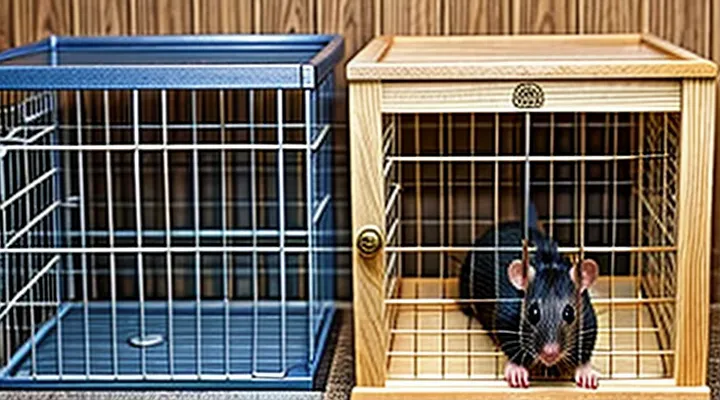
Considering Your Rats’ Needs
Size and Space Requirements
When constructing a rat enclosure, allocate sufficient floor area to support natural behaviors and prevent stress. A single adult rat requires at least 0.75 sq ft (≈0.07 m²) of horizontal space; groups of two to three rats need a minimum of 1.5 sq ft (≈0.14 m²). Larger colonies benefit from proportional increases, adding roughly 0.5 sq ft (≈0.05 m²) per additional rat.
Vertical space contributes to enrichment but should not replace floor area. Provide a minimum cage height of 12 in (30 cm) to accommodate climbing structures and nesting platforms. When incorporating multiple levels, maintain at least 6 in (15 cm) of clearance between tiers to allow free movement.
Key dimensions:
- Minimum floor area per rat: 0.75 sq ft (0.07 m²)
- Recommended floor area for 2–3 rats: 1.5 sq ft (0.14 m²)
- Minimum height: 12 in (30 cm)
- Clearance between levels: ≥6 in (15 cm)
Ensure that the overall cage size exceeds the sum of these requirements, allowing space for food dishes, water bottles, and enrichment items without crowding. Adequate space promotes health, activity, and social interaction.
Ventilation Considerations
When building a rat enclosure, adequate airflow prevents respiratory problems and controls humidity. Fresh air must enter the cage without creating drafts that chill the animals. Position vents near the top of the structure, where warm, moist air naturally rises, and locate intake openings lower down to draw in cooler, drier air.
- Use mesh with openings no larger than 1 mm to keep rodents from escaping while allowing gas exchange.
- Install at least two vent slots on opposite walls to create a cross‑ventilation path.
- Ensure each vent area totals a minimum of 5 % of the cage’s interior surface to maintain oxygen levels above 18 %.
- Attach a removable filter of activated charcoal or HEPA material to intake vents for dust reduction; replace filters monthly.
- Seal all joints with non‑toxic silicone to prevent gaps that could lead to uneven airflow.
Monitor temperature and humidity with a digital hygrometer. If readings exceed 70 % relative humidity, increase vent size or add a small, low‑speed fan rated for pet use. Maintain a consistent temperature between 18 °C and 24 °C; excessive heat can diminish air quality and stress the occupants.
Regular cleaning of vent screens removes accumulated droppings and bedding debris, preserving airflow efficiency. Inspect vents weekly for damage; replace compromised mesh promptly to avoid escape risk.
Material Safety
When constructing a rat enclosure, select materials that will not release toxins, degrade under urine, or become brittle over time. Stainless steel, powder‑coated metal, and solid hardwood such as untreated pine or maple are proven to resist corrosion and chemical leaching. Acrylic panels provide visibility but must be at least 5 mm thick to avoid cracking under the weight of the cage and the rats’ chewing activity.
Avoid particle board, MDF, and plywood that contain formaldehyde‑based resins; these emit fumes that can irritate the respiratory system. Plastic piping should be labeled food‑grade polyethylene or polypropylene; PVC and PVC‑based adhesives release harmful phthalates and should be excluded. Any paint, sealant, or adhesive applied to the cage must be non‑toxic, water‑based, and certified for use with small mammals.
Maintain material integrity through regular inspection. Replace any component showing signs of rust, splintering, or chipping. Clean surfaces with mild soap and warm water; disinfect with a dilute solution of hydrogen peroxide (3 %) or a veterinary‑approved sanitizer. Rinse thoroughly to remove residue before re‑assembly.
Key safety criteria
- Non‑toxic, food‑grade classification
- Resistance to moisture and urine
- Structural strength under chewing pressure
- Absence of volatile organic compounds
- Easy disassembly for cleaning and replacement
Following these guidelines ensures the cage remains a healthy environment and reduces the risk of material‑related health issues for the rodents.
Gathering Your Materials
Choosing the Right Wire Mesh
When constructing a rat enclosure, the wire mesh determines durability, ventilation, and animal safety. Select a mesh that balances strength with openness to prevent escape while allowing airflow.
Key characteristics to evaluate:
- Material: Galvanized steel offers corrosion resistance; stainless steel provides superior longevity but at higher cost. Avoid plain carbon steel, which rusts quickly.
- Gauge: A thickness of 16‑18 gauge (approximately 1.2‑1.5 mm) withstands chewing and prevents deformation under load.
- Opening size: Mesh squares no larger than ¼ inch (6 mm) block a rat’s head and paws, eliminating the risk of accidental entrapment.
- Coating: Powder‑coated or epoxy‑finished surfaces reduce rust and simplify cleaning. Verify that the coating is non‑toxic and food‑grade.
- Flexibility: Rigid panels maintain shape; flexible strips are useful for corners but must be securely fastened to avoid sagging.
Installation tips:
- Cut panels to fit the cage frame, leaving a ½‑inch margin for fastening.
- Use self‑drilling screws with washers to attach mesh to wooden or metal frames, preventing sharp edges from protruding.
- Seal joints with non‑abrasive silicone to block gaps that could become breeding sites for pests.
Choosing the appropriate wire mesh ensures a safe, long‑lasting habitat while simplifying maintenance and minimizing the likelihood of escape.
Selecting a Base Material
Choosing a suitable base material determines the cage’s durability, hygiene, and ease of cleaning. Solid wood, such as untreated pine or birch, offers structural strength but can absorb urine and harbor bacteria if not sealed. Apply a non‑toxic waterproof coating to prevent moisture penetration and simplify disinfection.
Metal sheet flooring, typically stainless steel or galvanized steel, resists corrosion and tolerates frequent washing. Ensure edges are smooth to avoid injury and use a grated pattern that prevents bedding from falling through while allowing droppings to be collected beneath.
Plastic panels, especially high‑density polyethylene (HDPE), provide lightweight construction and are impervious to moisture. Verify that the plastic is free of BPA and other harmful additives; cut panels to fit snugly and seal joints with silicone‑based adhesive to eliminate gaps.
When evaluating options, consider:
- Load‑bearing capacity: must support the weight of rats, accessories, and bedding.
- Cleanability: surface should withstand hot water, mild detergents, and occasional disinfectants.
- Safety: edges and surface texture must not cause cuts or abrasions.
- Cost and availability: material should be affordable and readily sourced from local suppliers.
A combination of a sturdy wooden frame with a stainless‑steel or HDPE floor often yields the best balance of strength, hygiene, and affordability.
Essential Tools for Construction
When constructing a rat enclosure, selecting the proper instruments determines both efficiency and structural integrity.
- Tape measure – verifies dimensions and spacing.
- Fine‑tooth hacksaw or coping saw – cuts plywood, acrylic, or plastic panels.
- Power drill with assorted drill bits – creates ventilation holes and mounting points.
- Screwdriver set (flat‑head and Phillips) – secures brackets, hinges, and fasteners.
- Wire cutters/stripper – trims and prepares metal mesh or wiring.
- Pliers – bends and shapes small hardware.
- Sandpaper or rotary sander – smooths cut edges to prevent injury.
- Safety goggles and ear protection – shield eyes and ears during cutting and drilling.
- Clamps – hold materials steady while assembling.
- Level – checks that surfaces are even, preventing warping.
Step-by-Step Cage Assembly
Cutting and Shaping the Wire Mesh
When constructing a homemade rat enclosure, the wire mesh determines structural integrity and ventilation. Precise cutting and shaping of the mesh prevents gaps, sharp edges, and deformation that could endanger the animals.
Safety measures are mandatory. Wear cut‑resistant gloves, safety glasses, and a dust mask. Secure the workpiece on a stable surface to avoid movement during sawing or shearing.
Required tools include a heavy‑duty tin snips or aviation shears, a metal ruler, a permanent marker, a deburring file, and a bench vise if available. Choose galvanized or stainless‑steel mesh of 1 mm gauge to balance strength and ease of handling.
- Measure the desired panel dimensions and mark them clearly on the mesh.
- Align the mesh within the vise or clamp it to a workbench, ensuring the marked line is accessible.
- Cut along the line using snips, applying steady pressure to produce a clean seam.
- Rotate the cut piece and repeat for each side of the enclosure, maintaining consistent lengths.
- Run a deburring file along all cut edges to eliminate burrs and sharp points.
- If a curved section is needed, heat the mesh gently with a propane torch until pliable, then bend over a form and allow it to cool, preserving the shape.
After shaping, verify that each panel fits the frame without forcing. Check that all edges are smooth and that no gaps exceed 2 mm. Properly prepared wire mesh provides a durable, escape‑proof cage that meets the needs of pet rats.
Constructing the Frame
Choosing sturdy, non‑toxic material is the first step. Common options include untreated pine, hardwood strips, or metal conduit. Cut each component to the required lengths, accounting for the intended interior dimensions (e.g., 24 in × 18 in × 12 in). Verify cuts with a square to ensure right angles.
Assemble the base rectangle by joining two longer pieces to two shorter pieces with interior‑corner brackets or wood screws. Reinforce each corner with a 90° metal brace to prevent sagging under the weight of bedding and accessories. Drill pilot holes before inserting screws to avoid splitting the wood.
Construct the vertical uprights by attaching four posts to the base corners. Use brackets that extend at least 12 in above the base; secure them with long wood screws or bolts that penetrate the base at a 45° angle for added rigidity. Check that all uprights stand perpendicular to the base with a level.
Build the top frame by connecting the uprights with the same method used for the base. Ensure the top rails are flush with the uprights to create a uniform rectangular prism. Add a cross‑brace across the middle of the top for extra support, especially if the cage will hold heavy accessories.
Secure all joints with wood glue before final tightening of fasteners. Allow the glue to cure for at least 30 minutes, then test the frame for wobble by applying gentle pressure at each corner. If movement is detected, tighten screws or add additional brackets.
Optional reinforcement:
- Install metal corner brackets inside each joint.
- Add a thin sheet of acrylic or metal between the top and bottom rails for added stability.
The completed frame provides a rigid skeleton onto which wire mesh, panels, or acrylic walls can be attached, forming a safe, durable enclosure for pet rodents.
Attaching the Base
Begin by selecting a sturdy material for the base, such as untreated plywood or melamine board, at least ¼ inch thick. Cut the panel to the exact dimensions of the cage’s floor plan, allowing a ½‑inch overhang on each side to accommodate the side walls.
Secure the base to the frame with stainless‑steel screws. Pre‑drill holes ¼ inch from the edge to prevent splitting, then drive screws at 4‑inch intervals along each side. Use a flat‑head screwdriver to keep the screw heads flush with the surface, eliminating protrusions that could injure the animals.
Apply a thin layer of non‑toxic, water‑based sealant to the entire base. Allow the sealant to cure for the manufacturer‑specified time, typically 2 hours, before proceeding. This barrier protects the wood from urine and moisture, extending the cage’s lifespan.
Reinforce the perimeter with a metal angle bracket or a wooden strip glued and screwed to the underside of the base. Align the reinforcement with the interior wall brackets, ensuring a continuous, rigid joint that resists sagging under the weight of bedding and supplies.
Finally, test the stability by applying pressure near the center of the base. The structure should remain level, with no wobble or flex. If any movement is detected, add additional screws or brackets at the affected points before introducing the rats.
Creating Doors and Latches
When constructing a DIY rat enclosure, the entry point must combine security, ease of access, and ventilation. Choose a frame material that resists chewing, such as ¼‑inch acrylic or reinforced PVC, and attach a door that aligns flush with the cage wall to prevent gaps.
Materials and hardware
- Acrylic or polycarbonate sheet for the door panel
- Stainless‑steel hinges that lock in place when closed
- Spring‑loaded latch or sliding bolt made of rust‑proof metal
- Silicone sealant for perimeter sealing
- Small screws with lock‑nut washers to deter gnawing
Assembly steps
- Cut the door panel to match the opening, leaving a 2‑mm clearance for smooth movement.
- Position two hinges on the top and bottom edges, spacing them 2 inches from each corner; secure with lock‑nut washers.
- Install the latch on the opposite side of the hinges, ensuring the catch aligns with a recessed plate on the cage frame.
- Apply a thin bead of silicone sealant around the door perimeter, then smooth it with a gloved finger to create an airtight seal without restricting movement.
- Test the door repeatedly: open, close, and engage the latch to confirm that the mechanism holds under the weight of a rat and resists forced opening.
Safety considerations
- Use non‑toxic sealants and coatings; rats may chew edges.
- Verify that the latch releases with a gentle push, preventing accidental trapping.
- Regularly inspect hinges and screws for wear; replace any components showing signs of chewing or corrosion.
A well‑executed door and latch system provides reliable containment while allowing quick cleaning and food replenishment, essential for maintaining a healthy environment for pet rodents.
Adding Levels and Ramps
A multi‑tier cage maximizes usable space and encourages natural climbing behavior. Begin by determining the cage’s overall footprint; each level should be no more than 12 inches above the one below to maintain stability and allow easy access.
- Cut plywood or solid wood panels to the desired dimensions (e.g., 24 × 12 inches per tier).
- Reinforce edges with metal brackets or corner brackets to prevent flexing.
- Attach each tier to the vertical supports using screws spaced every 4 inches.
- Leave a 1‑inch gap between levels for ventilation and to accommodate a ramp.
Ramps must provide a gentle incline and a secure surface. A 30‑degree angle is optimal for most laboratory‑grade rats; steeper slopes increase the risk of slips.
- Use a ¼‑inch thick acrylic sheet or untreated hardwood for the ramp deck.
- Cover the deck with a thin layer of textured silicone matting to improve traction.
- Secure the ramp to the lower tier with two metal L‑brackets and a set screw on each end.
- Install a short side rail (½ inch high) along the ramp’s outer edge to prevent falls.
Safety considerations include eliminating sharp edges, securing all joints, and ensuring that gaps between bars or panels are no larger than ½ inch to prevent escape. After construction, inspect the structure for wobble; reinforce any loose connections before introducing the animals.
Essential Cage Accessories and Setup
Bedding and Litter Options
When constructing a rat enclosure, the choice of substrate directly influences hygiene, comfort, and odor management. Select materials that combine high absorbency, low dust generation, and non‑toxicity.
-
Paper‑based bedding (e.g., shredded paper, recycled cardboard).
• Excellent absorbency; quick to replace.
• Minimal dust; safe for respiratory health.
• Inexpensive and readily available. -
Hemp bedding.
• Naturally antimicrobial; reduces bacterial growth.
• Soft texture supports nesting behavior.
• Slightly higher cost; moderate dust level. -
Aspen shavings.
• Low aromatic oil content, preventing respiratory irritation.
• Good absorbency; pleasant scent.
• Requires regular replacement to avoid compaction. -
Corncob or wheat straw.
• Coarse particles encourage digging.
• Lower absorbency; may retain moisture longer.
• Potential for mold if not changed frequently. -
Recycled wood pellets (non‑pine).
• High absorbency; compact storage.
• Minimal dust when pre‑soaked.
• Must be rinsed to remove binding agents. -
Coconut fiber (coir).
• Excellent for nesting; retains moisture without becoming soggy.
• Low dust; biodegradable.
• May retain odors if not refreshed regularly.
Combine a thin layer of absorbent substrate (paper or hemp) with a secondary material that encourages digging (aspen or corncob). This arrangement provides a clean surface for waste collection while allowing natural behaviors. Replace the top layer weekly and perform a full substrate change every two to three weeks, depending on cage size and occupancy.
Maintain dry conditions by monitoring humidity; excessive moisture accelerates bacterial growth. Use a shallow tray beneath the bedding to collect liquid waste, simplifying cleaning and prolonging substrate life.
Food and Water Solutions
Providing reliable nutrition and hydration is essential when constructing a DIY rat enclosure. Select containers that prevent spillage, resist chewing, and allow easy cleaning. Stainless‑steel bowls and glass dishes meet these criteria; they are durable, non‑porous, and can be sterilized in a dishwasher.
-
Water delivery:
- Squeeze bottles with metal or reinforced plastic nozzles. Attach securely to the cage wall using zip ties or brackets.
- Gravity feeders made from PVC pipe caps, fitted with a small opening, ensure a constant drip without flooding the bedding.
- Ceramic water dishes with a shallow rim reduce tipping and are easy to refill.
-
Food provision:
- Heavy ceramic or metal plates prevent displacement during vigorous activity.
- Separate compartments for dry mix, fresh produce, and occasional treats help maintain a balanced diet and simplify waste removal.
- Food hoppers with a sliding lid limit exposure to humidity, preserving pellet integrity.
Place water and food stations away from the primary nesting area to keep bedding dry. Position them at a height reachable for the rats but low enough to avoid excessive splashing. Regularly inspect containers for wear, replace cracked items, and clean all surfaces with mild, unscented soap to prevent bacterial growth.
Enrichment and Toys
When constructing a rat enclosure, integrate elements that stimulate natural behaviors and prevent boredom. Materials such as untreated wood, PVC pipe, and sturdy wire mesh provide a safe framework for attaching accessories.
- Climbing structures: vertical ladders, angled ramps, and woven branches encourage exploration and muscle development.
- Chewing objects: untreated wooden blocks, natural twine, and cardboard tubes satisfy dental wear needs.
- Foraging stations: shallow dishes filled with hidden seeds, rolled oats, or dried insects promote problem‑solving and scent tracking.
- Nesting zones: a corner lined with shredded paper, fleece, or coconut fiber offers a secure retreat for rest and breeding.
Position each item at varying heights and distances to create a dynamic environment. Rotate toys weekly to maintain interest and reduce habituation. Ensure all components are securely fastened to the cage frame to avoid accidental detachment.
Safe Placement in Your Home
When positioning a homemade rat enclosure, choose a location that remains out of direct sunlight and away from drafts. Constant temperature and humidity levels reduce stress and prevent respiratory problems.
Secure the cage on a stable surface such as a sturdy table or a low shelf. The support must bear the cage’s weight plus the weight of bedding, food, and water dishes without wobbling. Avoid placement on furniture that can be easily knocked over, such as chairs or flimsy coffee tables.
Ensure the area is inaccessible to children and other pets. Install a barrier—such as a baby gate or a closed door—if the enclosure is in a room where pets roam freely. Keep cords, cleaning supplies, and toxic substances out of reach.
Maintain easy access for routine cleaning and observation. Leave sufficient clearance around the cage (at least 12 inches on each side) to allow removal of trays, replacement of bedding, and inspection of the rats’ health.
Typical safe‑placement checklist:
- No direct sunlight or heat sources
- No drafts from windows, vents, or doors
- Stable, level surface capable of supporting full load
- Separation from children, cats, dogs, or other small animals
- Clear space of at least 12 inches around the cage
- Easy reach for daily maintenance tasks
Follow these guidelines to create a secure environment that promotes the well‑being of the rats while minimizing risk to the household.