
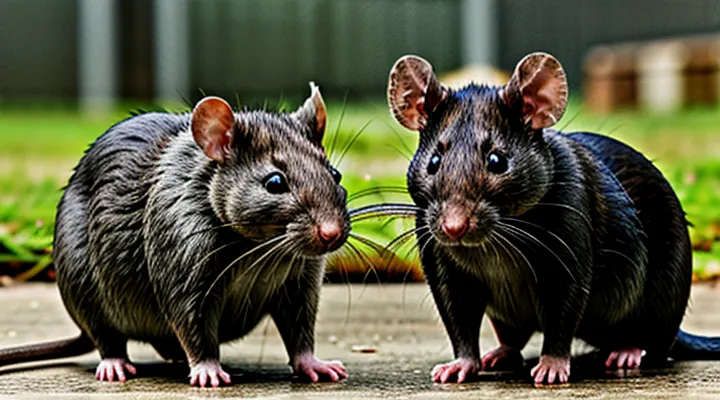
Understanding Rat Behavior
General Rat Characteristics
Rats possess a set of physical and behavioral traits that provide reliable cues when evaluating their disposition toward humans. Recognizing these traits simplifies the process of distinguishing a companionable individual from a more cautious or territorial counterpart.
- Body length: 6–9 inches (excluding tail); tail adds another 7–10 inches.
- Weight: 200–500 g for common laboratory or pet strains.
- Fur: dense, smooth, varies in color from white to brown, black, or spotted.
- Vision: limited color perception, strong motion detection; relies heavily on whisker input.
- Hearing: acute range up to 80 kHz, detects ultrasonic vocalizations.
Social structure influences interaction patterns. Rats live in hierarchical groups, establish bonds through grooming, nesting, and shared foraging. A rat that engages in mutual grooming, rests in close proximity, and exhibits relaxed body posture—ears back, tail low, whiskers forward—signals trust. Vocalizations such as soft chirps or purring sounds accompany positive contact, whereas high‑pitched squeaks often indicate stress or aggression.
Cognitive capacity further clarifies friendliness. Rats solve simple puzzles, navigate mazes, and respond to consistent handling. An individual that readily approaches, accepts food offers, and learns to associate a handler’s presence with reward demonstrates a cooperative mindset. Conversely, avoidance of contact, rapid flight responses, or aggressive biting reflect a defensive stance.
By correlating these observable characteristics—size, coat condition, sensory reliance, social grooming, vocal cues, and problem‑solving behavior—one can accurately assess a rat’s propensity for amicable engagement.
Social Structures of Rats
Rats live in organized colonies where each individual occupies a defined position within a dominance hierarchy. The hierarchy is established through aggressive encounters, chase sequences, and submissive postures; higher‑ranking rats gain priority access to food, nesting sites, and mates. Subordinate members display avoidance behaviors and defer to dominant individuals during feeding or grooming sessions.
Cooperative behaviors reinforce social bonds and indicate amicable relationships. Adult rats engage in mutual grooming, removing parasites and debris from each other’s fur, which reduces stress hormones and strengthens trust. Vocalizations such as high‑frequency chirps accompany grooming and play, signaling positive affect. Scent marking with urine and glandular secretions conveys identity and group membership, allowing rats to recognize familiar companions.
Key elements of rat social structure include:
- Linear dominance order based on repeated confrontations
- Reciprocal grooming that functions as a affiliative exchange
- Play fighting among juveniles that develops motor skills and social competence
- Vocal communication that differentiates between aggressive and friendly contexts
- Scent‑based recognition that maintains colony cohesion
Understanding these patterns enables observers to differentiate friendly rats from those that are merely tolerated. Consistent grooming, frequent gentle vocalizations, and voluntary proximity without aggressive displays are reliable indicators of a rat that perceives others as allies.
Signs of Friendly Rat Interaction
Body Language and Posture
Relaxed and Comfortable Indicators
Rats display clear physical and behavioral signs when they feel safe and accept human interaction. Recognizing these cues helps determine whether a rodent views a person as a companion rather than a threat.
- Body posture: A relaxed rat lies flat on its belly or sprawls with limbs extended, showing no tension in the muscles. A tight, crouched stance indicates wariness.
- Grooming activity: Frequent self‑grooming while near a person signals comfort; avoidance of grooming suggests stress.
- Facial expression: Soft, unblinking eyes and a slightly open mouth convey ease. Narrowed eyes or rapid blinking are warning signs.
- Vocalizations: Low, steady chirps or soft squeaks accompany contentment. High‑pitched, rapid squeals typically accompany agitation.
- Tail position: A loosely hanging or gently swaying tail reflects relaxation; a stiff, upright tail denotes alertness.
- Exploratory behavior: The rat ventures out of its hideout, investigates hands, and follows movements without hesitation. Reluctant or brief forays indicate uncertainty.
- Interaction duration: Sustained contact, such as sitting on a lap or accepting gentle handling for several minutes, demonstrates trust. Quick retreats after brief touches reveal limited confidence.
Observing these indicators together provides a reliable assessment of a rat’s willingness to engage socially. Consistent patterns of relaxed posture, calm vocalizations, and voluntary interaction confirm a positive, friendly relationship.
Playful Gestures
Rats display a range of playful gestures that signal comfort and social bonding. Observing these behaviors helps distinguish a friendly companion from a merely tolerant cage‑mate.
Typical signs include:
- Light nibbling on fur or whiskers, often followed by a pause and a relaxed posture.
- Gentle chasing that ends with both animals pausing side by side, ears back, and whiskers relaxed.
- Pouncing on small objects or each other, accompanied by rapid, rhythmic tail movements.
- Rolling onto the back while exposing the belly, then inviting the partner to nuzzle the exposed area.
These actions occur alongside a soft, steady breathing pattern and a lack of aggressive posturing such as raised fur or bared teeth. The presence of multiple gestures in succession indicates a high level of trust and enjoyment.
When a rat repeatedly initiates the listed behaviors, it demonstrates an active desire for interaction. Consistent engagement over time confirms a stable, friendly relationship.
Vocalizations and Sounds
Soft Chirps and Squeaks
Soft chirps and gentle squeaks are primary vocal indicators of a rat’s comfort and sociability. When a rat emits a high‑pitched, brief chirp while approaching a human or another rat, it signals curiosity without threat. A low, continuous squeak, often accompanied by relaxed body posture, reflects a state of trust and contentment.
Key acoustic cues that denote amicable behavior:
- Short, melodic chirps during close contact; frequency rises slightly as the rat becomes more engaged.
- Steady, low‑volume squeaks paired with grooming or nibbling of the handler’s hand, indicating acceptance.
- Absence of harsh, rapid squeals that typically accompany fear or aggression.
Monitoring these sounds alongside body language provides reliable insight into a rat’s friendly disposition.
Absence of Aggressive Noises
Rats that are comfortable around humans rarely emit harsh squeaks, chattering, or teeth‑gnashing sounds. These aggressive vocalizations serve as alarms when a rat feels threatened or territorial; their absence signals a relaxed state and willingness to interact.
Key observations when aggressive noises are missing:
- Soft, steady purring or gentle whisker‑to‑whisker contact replaces loud squeals.
- The animal remains still while being handled, showing no sudden bursts of sound.
- When approached, the rat emits low‑volume cooing rather than sharp, repetitive bursts.
The lack of hostile acoustics also correlates with other friendly behaviors, such as grooming, climbing onto a hand, and maintaining eye contact without flinching. Together, these cues provide a reliable framework for assessing rat sociability without relying on visual aggression alone.
Grooming and Physical Contact
Mutual Grooming Behavior
Mutual grooming, also known as allogrooming, occurs when two rats clean each other’s fur, whiskers, or paws. The behavior is typically slow, rhythmic, and involves the groomer using its forepaws or mouth to remove debris and distribute saliva.
Allogrooming creates a physiological feedback loop that lowers cortisol levels and raises oxytocin, reinforcing a social connection between the participants. The exchange is mutually beneficial; each rat receives tactile stimulation that reduces anxiety and promotes group cohesion.
Observable indicators of friendly interaction include:
- Repeated grooming bouts lasting more than a few seconds.
- Alternating roles, where each rat both grooms and is groomed.
- Targeted grooming of sensitive areas such as the face, ears, and tail base.
- Grooming performed in a relaxed posture, without signs of aggression or avoidance.
To assess the presence of this behavior, monitor the cage during active periods, record the frequency and duration of grooming episodes, and compare them with baseline activity levels. Consistent, reciprocal allogrooming signals a stable, affiliative relationship between the rats.
Piling and Huddling
Piling and huddling refer to the spontaneous gathering of several rats in a single, compact formation. The behavior occurs without external prompting and often continues for extended periods.
When rats choose to pile or huddle, they demonstrate a high level of social tolerance. The animals relinquish personal space, tolerate close physical contact, and maintain the grouping even when a human observer is present. These actions indicate that the individuals perceive each other—and any nearby caretaker—as safe.
Typical circumstances in which piling and huddling appear include:
- After feeding, when the group settles on a warm surface.
- During nighttime, when ambient temperature drops.
- In the presence of a familiar handler who has provided consistent care.
Observing these patterns provides reliable evidence that the rats view the environment, and the person interacting with them, as non‑threatening. The frequency and duration of the gatherings correlate directly with the strength of the bond.
Differentiating Friendly from Neutral or Aggressive Behavior
Recognizing Warning Signs
Hissing and Biting Attempts
Rats communicate discomfort through hissing; a sharp, sustained sound usually signals perceived threat or territorial stress. When a rat emits this noise, observe body posture: ears flattened, tail rigid, and muscles tensed. These physical cues accompany the vocalization and indicate that the animal does not yet trust the handler or other rats.
Biting attempts represent a more direct defensive response. A quick snap at a hand or cage mate, especially without prior gentle nibbling, reflects fear or irritation. Note the bite’s intensity, location, and frequency. Light, exploratory nibbles often precede grooming behavior, whereas forceful, repeated bites accompany avoidance or retreat.
Key factors that differentiate hostile actions from tentative interaction:
- Duration of hiss – brief, intermittent sounds may accompany play; prolonged hiss denotes alarm.
- Tail position – relaxed tail suggests curiosity; raised, stiff tail signals agitation.
- Eye contact – soft, blinking eyes correlate with trust; wide, unblinking stare aligns with aggression.
- Bite pressure – gentle pressure used in grooming versus strong pressure aiming to cause pain.
Understanding these signals enables owners to assess whether a rat is moving toward companionship or remains defensive. Adjust handling techniques accordingly: reduce sudden movements, offer treats, and allow the animal to approach on its own terms. Consistent observation of hissing and biting patterns provides reliable insight into the rat’s social readiness.
Aggressive Posturing
Aggressive posturing in rats signals that the animal does not view the observer as a companion. Typical behaviors include:
- Standing on hind legs while arching the back, exposing the belly, and raising the tail.
- Flattening the ears against the head and emitting sharp, high‑pitched squeaks.
- Lunging forward with bared teeth or snapping at the hand.
- Rapid, jerky movements coupled with a stiff, tense body posture.
These actions serve as defensive mechanisms, indicating fear, territoriality, or competition. When a rat displays any of the above, it is unlikely to be comfortable or trusting. To assess the potential for friendship, observe the animal’s response to gradual, non‑threatening interaction:
- Approach slowly, keeping movements smooth and predictable.
- Offer food from a hand or a low tray, watching for relaxed whisker positioning and soft vocalizations.
- Allow the rat to retreat if it steps back; forced proximity often reinforces aggression.
A rat that consistently avoids aggressive posturing, exhibits relaxed body language, and engages in gentle sniffing or grooming behaviors is more likely to develop a bond. Conversely, repeated displays of the listed aggressive cues suggest the need for additional time, environmental enrichment, or a reassessment of compatibility before considering the animal a friend.
Contextual Cues
Resource Guarding vs. Sharing
Resource behavior provides a reliable metric for evaluating rat companionship. When two rats encounter food, bedding, or nesting material, their interaction reveals the depth of their social bond.
Resource guarding appears as a rapid, defensive response. Typical indicators include:
- Immediate snatch of the item followed by a rigid posture;
- Low, guttural vocalizations directed at the partner;
- Quick retreat to a separate area after the item is secured;
- Persistent focus on the object, ignoring the other's presence.
Resource sharing, by contrast, demonstrates mutual tolerance. Observable signs consist of:
- Gentle hand‑over of the item without aggression;
- Simultaneous consumption of the same food piece;
- Relaxed body language, such as stretched posture and open ears;
- Alternating access, where each rat pauses to allow the other to retrieve the resource.
The distinction lies in the presence or absence of defensive tension. Guarding reflects competition and a lack of trust, whereas sharing indicates confidence in the partner’s intentions. Consistent sharing across multiple resources strongly suggests a friendly relationship, while recurring guarding signals a need for gradual socialization or separation.
Interaction with Humans and Other Rats
Rats demonstrate friendliness through specific behavioral patterns that are observable both in their interactions with people and with fellow rodents. When a rat approaches a human with a relaxed posture, ears forward, and whiskers slightly splayed, it signals trust. The animal will often present its nose for gentle petting, emit soft squeaks, and maintain eye contact without rapid blinking. In group settings, friendly rats engage in mutual grooming, share food without aggression, and display parallel movement, aligning their bodies side by side.
Key indicators of amicable conduct include:
- Body language: lowered tail, smooth fur, and a calm gait.
- Vocal cues: low-frequency chirps or purring sounds during close contact.
- Social actions: reciprocal nibbling, shared nesting material, and coordinated play bouts.
Conversely, signs of discomfort—such as raised fur, rapid tail flicking, or sudden retreats—suggest the rat does not consider the interaction safe. Monitoring these cues enables owners to assess the quality of the relationship and adjust handling techniques accordingly.
Building a Friendly Relationship with Rats
Establishing Trust
Gentle Handling Techniques
Gentle handling establishes trust, allowing you to observe the cues that indicate a rat’s willingness to interact. Approach the cage slowly, keeping movements smooth and avoiding sudden gestures that can startle the animal. Extend a hand with the palm facing upward, allowing the rat to sniff before any contact is made. When the rat steps onto your hand, support its body with both palms, maintaining a steady grip that distributes weight evenly.
Key techniques for assessing friendliness through handling:
- Soft palm pressure – apply light, consistent pressure to keep the rat feeling secure.
- Minimal restraint – avoid tightening the grip; allow the rat to move its limbs freely.
- Quiet voice – speak in low tones to reduce auditory stress.
- Slow withdrawal – when ending the session, lower the rat gently back into the cage rather than releasing it abruptly.
Consistent use of these methods encourages rats to display relaxed postures, such as a loose tail, calm whisker movement, and willingness to approach. Observing these behaviors during routine handling provides reliable evidence of a positive relationship.
Positive Reinforcement
Positive reinforcement provides a reliable method for evaluating rat sociability. By pairing desired interactions with immediate rewards, owners can observe whether the animal seeks repeated contact, indicating a friendly disposition.
Effective techniques include:
- Delivering a small food treat the moment a rat approaches or initiates contact.
- Using a clicker to mark the exact instant of a social cue, followed by a reward.
- Maintaining a consistent interval between behavior and reinforcement to strengthen the association.
When reinforcement consistently follows actions such as grooming, gentle nibbling, or voluntary proximity, the rat learns that these behaviors yield benefits. Repeated occurrence signals a willingness to engage, a hallmark of amicable relationships.
To implement the approach, start with low‑value treats, introduce the reward after each friendly gesture, and gradually increase the complexity of tasks (e.g., guiding the rat through a maze together). Record the frequency of positive responses; a rising trend confirms the development of a friendly bond.
Creating a Safe Environment
Adequate Space and Enrichment
Rats exhibit social behavior when their environment meets two basic requirements: enough room to move freely and opportunities for mental stimulation.
A cage that provides at least 2 sq ft per pair of rats prevents crowding, reduces stress, and encourages natural interactions. Vertical space, such as climbing ladders or shelves, adds usable area without expanding the footprint.
Enrichment items support curiosity and cooperation. Include:
- Nesting material for building communal nests
- Chewable objects that promote dental health
- Puzzle feeders that require teamwork to access food
- Tunnels and hideouts that allow private retreats and shared exploration
Regular rotation of toys and rearrangement of the layout maintains novelty, preventing boredom that can lead to aggression. Monitoring how rats use the space—whether they explore together, share resources, or display relaxed postures—provides clear evidence of a healthy, friendly relationship.
Consistent Routine
A consistent routine establishes a predictable environment for a pet rat. Repeating the same feeding schedule, handling method, and cage‑cleaning times creates a stable backdrop against which the animal’s behavior can be evaluated.
When the schedule remains unchanged, rats display measurable signs of trust. They approach the hand without hesitation, allow gentle restraint, share food, and engage in mutual grooming. Deviations from these actions—hesitation, retreat, or aggression—often indicate discomfort rather than friendship.
Practical steps to implement a reliable routine:
- Feed at identical times each day; use the same bowl and food type.
- Handle the rat using the same grip and voice tone for several minutes daily.
- Clean the cage on a fixed weekly schedule, maintaining consistent bedding depth.
- Introduce a brief, distinct cue (e.g., a soft click) before interaction to signal upcoming contact.
Observing how the rat reacts under these unchanged conditions provides clear evidence of a bond. Consistent, repeatable interactions allow the animal to anticipate care, reducing stress and fostering cooperative behavior that signals friendship.
The Benefits of Friendly Rats
Reduced Stress for Rats
Rats display calm behavior when they trust a human companion. Reduced cortisol levels, steady breathing, and relaxed posture signal a secure bond. Observing these physiological markers helps owners confirm that a rat perceives the interaction as friendly.
Consistent environmental management lowers stress and strengthens the relationship:
- Provide a stable routine for feeding and cleaning.
- Maintain cage temperature between 68‑75 °F (20‑24 °C) and humidity below 60 %.
- Use nesting material such as shredded paper or cotton to allow natural burrowing.
- Limit loud noises and sudden movements during handling sessions.
Gentle handling techniques further decrease anxiety. Approach the cage slowly, extend a hand with a treat, and allow the rat to initiate contact. Support the body fully when lifting to prevent panic. Regular short sessions improve habituation and reinforce the perception of safety.
Monitoring weight, grooming quality, and activity patterns offers additional evidence of reduced stress. Stable weight, a clean coat, and regular exploration indicate that the rat feels comfortable in its environment and with its caretaker.
Enjoyable Companionship for Owners
Rats that engage in gentle nibbling, soft foot‑tapping, and relaxed grooming are showing trust. They will approach without hesitation, follow the owner’s hand, and remain calm when handled. These behaviors indicate a bond that can be nurtured for mutual enjoyment.
Key behaviors that signal a friendly rat include:
- Approaching the cage entrance or a hand voluntarily.
- Allowing the owner to hold them without struggling.
- Engaging in reciprocal grooming or gentle chewing.
- Displaying curiosity by exploring new objects together.
- Remaining still and alert when the owner is nearby.
To deepen companionship, owners should establish a routine of short, daily handling sessions, use treats to reinforce positive interactions, and provide enrichment such as tunnels, chew toys, and climbing structures. Consistent exposure to the same scent and voice reduces stress and promotes familiarity. Monitoring the rat’s response to each activity allows the owner to adjust the approach, ensuring that interactions remain pleasant for both parties.