
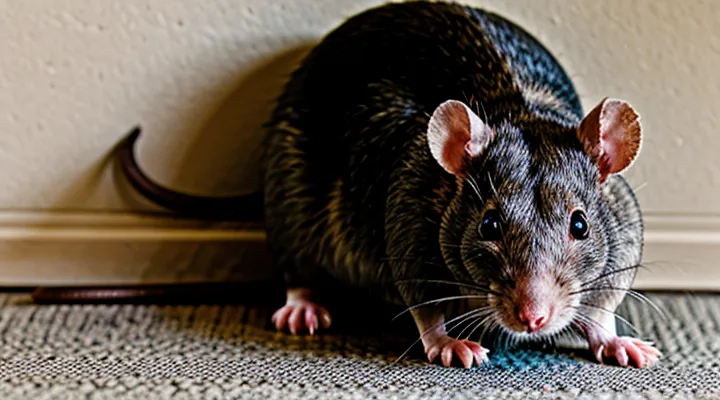
Understanding the Rat Lifespan
Typical Rat Lifespan
Rats generally live between two and three years under optimal laboratory conditions, while pet rats may reach three to four years with attentive care. Wild specimens rarely exceed one year due to predation, disease, and environmental stressors. Longevity varies among species: the common brown rat (Rattus norvegicus) averages 2.5 years, whereas the smaller black rat (Rattus rattus) often lives slightly less, around 2 years. Factors influencing lifespan include genetics, diet quality, housing hygiene, and exposure to pathogens.
Key points for assessing age‑related decline:
- Weight loss of more than 10 % of body mass.
- Diminished activity, reduced grooming, and slower response to stimuli.
- Appearance of gray‑white fur, particularly on the tail and back.
- Development of cataracts, arthritis, or respiratory issues.
- Decreased appetite and irregular drinking patterns.
Understanding typical longevity provides a baseline for recognizing when an older rat approaches the end of its natural life span, allowing timely veterinary intervention and humane care decisions.
Factors Influencing Longevity
Genetics
Genetic analysis provides objective criteria for detecting the terminal phase of senescence in laboratory rats. Age‑related alterations in DNA, RNA, and protein expression create a molecular signature that precedes overt physiological failure.
Key molecular indicators include:
- Telomere shortening, measured by quantitative PCR, correlates with reduced cellular replication capacity.
- Up‑regulation of the cyclin‑dependent kinase inhibitor p16^Ink4a, detectable in peripheral blood mononuclear cells, signals irreversible cell‑cycle arrest.
- Accumulation of point mutations and deletions in mitochondrial DNA, identified through high‑throughput sequencing, reflects compromised oxidative phosphorylation.
- Decline in expression of the longevity‑associated gene Sirt1, quantified by reverse transcription PCR, associates with heightened inflammatory response.
These biomarkers exhibit strong statistical association with decreased locomotor activity, loss of grooming behavior, and reduced food intake, all of which are clinical hallmarks of imminent death in aged rodents. Longitudinal studies demonstrate that rats reaching predefined thresholds for telomere length and p16^Ink4a expression experience mortality within weeks, even when external signs remain subtle.
Practical implementation for laboratory investigators:
- Collect peripheral blood samples at monthly intervals beginning at the onset of middle age.
- Perform telomere length assessment using the monochrome multiplex qPCR method.
- Quantify p16^Ink4a and Sirt1 transcripts via real‑time PCR with validated primer sets.
- Sequence mitochondrial genomes to calculate mutation burden, employing a minimum coverage of 500× for reliable detection.
Integration of these genetic metrics into routine health monitoring enables early identification of rats approaching the end of life, thereby improving ethical decision‑making and experimental design. As reported in recent literature, «Telomere attrition predicts mortality in laboratory rodents», underscoring the predictive power of molecular aging markers.
Diet and Nutrition
Aging rats exhibit marked alterations in food intake and nutrient processing that signal proximity to the end of life. Consumption declines sharply, often falling below 50 % of the normal daily amount recorded during prime health. When food is accepted, preference shifts toward easily digestible, high‑energy items such as soft pellets or soaked mash, while fibrous or coarse materials are rejected.
Key nutritional indicators of imminent mortality include:
- Rapid weight loss exceeding 10 % of body mass within a week.
- Decreased serum albumin and total protein concentrations.
- Elevated blood glucose variability, with frequent hypoglycemic episodes after meals.
- Reduced absorption efficiency, evident from increased fecal fat and undigested matter.
- Diminished grooming behavior leading to a rough coat and skin lesions, reflecting inadequate essential fatty acid intake.
Intervention focuses on supportive feeding strategies rather than curative measures. Offer nutrient‑dense formulas with added vitamins A, D, E, and B‑complex to mitigate deficiencies. Provide moisture‑rich foods to counter dehydration and facilitate swallowing. Monitor body condition scores daily, adjusting caloric density to maintain a minimal energy threshold and prevent severe catabolism.
Environment and Care
When a rat reaches the end of its natural lifespan, the surrounding environment and the level of care become decisive factors in identifying imminent mortality.
A stable, low‑stress habitat reduces the likelihood of acute complications that could mask the gradual decline associated with old age. Temperature should remain within the species‑optimal range of 20‑24 °C, with humidity between 40 % and 60 %. Sudden fluctuations accelerate physiological exhaustion and obscure terminal signs.
Nutritional provision must shift from high‑calorie pellets to easily digestible, soft foods. Reduced appetite, prolonged periods without feeding, and refusal of even softened fare indicate a loss of gastrointestinal function that typically precedes death.
Observation of physical condition yields reliable indicators:
- Weight loss exceeding 15 % of baseline body mass.
- Persistent lethargy, with the animal remaining motionless for the majority of daylight hours.
- Diminished grooming behavior, resulting in a dull, unkempt coat.
- Labored breathing, characterized by shallow, irregular breaths and occasional audible wheezing.
- Presence of uncontrolled muscle tremors or seizures, reflecting neurological deterioration.
Hygiene management should focus on frequent cage cleaning to prevent infection, while avoiding excessive handling that could cause additional stress. Provide soft bedding that supports weakened joints and limits the risk of pressure sores.
Water access must be guaranteed through shallow dishes to prevent spillage and dehydration. A noticeable decline in water consumption, coupled with dry mucous membranes, signals renal insufficiency commonly observed in the final phase.
Social context influences the rat’s condition. Isolation can exacerbate anxiety, whereas gentle companionship from a familiar conspecific may offer comfort. However, aggressive interactions must be eliminated, as they accelerate physiological decline.
In summary, a controlled, tranquil environment combined with adjusted nutrition, vigilant monitoring of weight and behavior, and meticulous hygiene creates the conditions necessary to recognize the approaching end of life in an elderly rat.
Recognizing General Signs of Aging
Behavioral Changes
Decreased Activity Levels
Rats approaching the end of their natural lifespan often exhibit a marked decline in movement. Observers can expect the following patterns:
- Reduced exploration of the cage, with the animal remaining in a single corner for extended periods.
- Shortened bursts of activity followed by prolonged rest intervals.
- Decreased frequency of climbing, running on wheels, or engaging with enrichment objects.
- Minimal grooming behavior, indicating low energy expenditure.
- Slower response to external stimuli such as handling or food presentation.
These changes reflect a systemic slowdown of physiological processes. The animal’s willingness to conserve energy supersedes typical curiosity-driven behavior. Monitoring activity trends over several days provides a reliable indicator that the rat is entering the final phase of life.
Reduced Social Interaction
Reduced social interaction stands out as a reliable indicator of advanced age‑related decline in laboratory rats. As physiological systems deteriorate, motivation to engage with conspecifics diminishes, leading to observable isolation behaviors.
Key manifestations include:
- Decreased frequency of grooming exchanges with cage mates.
- Shortened duration of group play or exploration activities.
- Preference for solitary nesting sites, even when communal options are available.
- Lower responsiveness to social cues such as vocalizations or scent marks.
These patterns emerge progressively, often preceding overt physical decline. Continuous observation of interaction metrics enables early identification of rats approaching the terminal phase of senescence. Quantitative recording—such as the number of initiated contacts per hour—provides objective data for assessing health status without invasive procedures.
Increased Sleep
In aging rodents, sleep duration expands markedly. « Increased sleep » manifests as prolonged periods of inactivity, often exceeding 12 hours per day, and a shift toward diurnal rest when the animal previously exhibited nocturnal activity.
The change reflects systemic decline: reduced metabolic rate, weakened musculature, and impaired thermoregulation limit the ability to sustain normal foraging and exploration. Consequently, the rat conserves energy by extending rest periods.
Key indicators associated with this pattern include:
- Daily sleep time surpassing typical baseline by 30 % or more.
- Frequent, uninterrupted bouts of rest lasting several hours.
- Diminished response to external stimuli during waking phases.
- Progressive loss of weight and coat condition concurrent with sleep increase.
Recognition of these signs enables timely assessment of the animal’s health trajectory and informs decisions regarding humane care.
Physical Manifestations
Fur and Skin Changes
Fur and skin condition provides reliable indicators of terminal decline in senior rats. The coat typically loses its glossy appearance, becoming rough and uneven. Sparse patches emerge as hair follicles cease producing new fur, often beginning on the back and spreading to the limbs. Color may fade, turning grayish or dull, reflecting reduced pigment production.
Skin elasticity diminishes noticeably. When gently lifted, the skin remains taut longer than in younger individuals, indicating loss of collagen and underlying tissue support. Small, dry lesions appear, particularly around the ears, tail base, and ventral area. These lesions rarely heal and may become ulcerated, signaling compromised immune function.
Additional observable changes include:
- Brittle whiskers that break easily.
- Increased shedding of dead hair, leaving a thin, patchy layer.
- Persistent dryness, causing flaking and occasional cracking.
- Reduced grooming behavior, leading to accumulated debris in the fur.
Monitoring these physical signs alongside behavioral cues enables early recognition of imminent mortality due to advanced age. Prompt veterinary consultation is advisable when multiple fur and skin abnormalities co‑occur, as they often precede systemic decline.
Weight Loss or Gain
Weight fluctuations serve as a reliable physiological marker when evaluating the health status of elderly rodents.
In the final stages of life, rats commonly exhibit a gradual decline in body mass. The loss reflects reduced food intake, diminished digestive efficiency, and muscle catabolism. A reduction exceeding ten percent of the baseline weight within a fourteen‑day period typically signals an imminent terminal phase.
Occasionally, a rapid increase in weight precedes death. This pattern often results from fluid accumulation in the abdominal cavity or pulmonary edema. The gain is usually abrupt, surpassing five percent of the initial weight within a few days, and is accompanied by a distended abdomen or labored breathing.
Monitoring protocols should include:
- Daily weighing using a calibrated scale; record to the nearest gram.
- Calculation of percentage change relative to the initial adult weight.
- Correlation of weight trends with appetite, activity level, and coat condition.
- Immediate veterinary assessment if weight loss exceeds ten percent or if sudden gain exceeds five percent.
Consistent documentation of these metrics enables accurate prediction of the terminal stage, allowing timely intervention and humane end‑of‑life decisions.
Dental Issues
Dental health provides reliable indicators that an elderly rat is approaching the end of life. As teeth continue to grow throughout a rat’s lifespan, the ability to maintain proper occlusion declines with age. When incisors become excessively long, the animal may experience difficulty gnawing, leading to reduced food intake and rapid weight loss. Overgrown molars can cause oral ulcers, inflammation, and secondary infections that further diminish appetite and overall condition.
Key dental signs of imminent mortality include:
- Incisors extending beyond the normal edge, often curving or breaking.
- Visible tooth wear loss or exposed pulp chambers.
- Persistent drooling or foul‑smelling saliva, suggesting infection.
- Reluctance to chew, observed as prolonged chewing motions without effective food consumption.
- Presence of oral lesions, abscesses, or swelling around the jaw.
These symptoms often coexist with systemic decline. Reduced intake accelerates dehydration and organ failure, while chronic oral infections can spread, compounding the animal’s frailty. Monitoring dental condition alongside weight, activity level, and grooming behavior enables early recognition of the terminal phase.
«Veterinary literature notes that dental deterioration in geriatric rats correlates strongly with decreased survival time», reinforcing the importance of regular oral examinations. Prompt identification of these dental problems allows caregivers to provide appropriate palliative care, ensuring comfort during the final stage of life.
Vision and Hearing Decline
Vision loss in senior rats often appears as reduced responsiveness to moving objects. Typical manifestations include:
- Diminished startle reflex when a hand or object approaches the cage.
- Failure to navigate familiar pathways, resulting in frequent collisions with walls or obstacles.
- Decreased ability to locate food pellets without tactile cues.
Hearing decline accompanies visual impairment and can be observed through altered acoustic behavior. Common indicators are:
- Lack of reaction to high‑frequency squeaks or predator calls.
- Absence of startle response to sudden noises, even when other senses remain functional.
- Reduced vocalization frequency, suggesting impaired self‑monitoring of auditory feedback.
Combined sensory deficits accelerate disorientation, leading to reduced mobility and lower food intake. Persistent neglect of these signs signals that the animal is approaching the final stage of life. Continuous monitoring of visual and auditory responses provides reliable evidence of impending mortality in aged rats.
Specific Indicators of End-of-Life
Significant Decline in Mobility
Difficulty Walking or Standing
Reduced mobility often signals that a rat is approaching the end of its natural lifespan. Weakness in the hind limbs, frequent stumbling, and an inability to maintain a stable posture indicate that the animal’s muscular and skeletal systems are failing.
- Reluctance to climb or explore vertical surfaces
- Frequent pauses while moving, followed by loss of balance
- Inability to rise from a seated or lying position without assistance
- Dragging of hind paws or dragging the body while walking
- Visible trembling or shaking of the legs during movement
When these behaviors become consistent, the likelihood of imminent death increases. Immediate veterinary assessment may confirm terminal decline, while humane end‑of‑life care should be prepared to prevent unnecessary suffering.
Loss of Coordination
Loss of coordination appears as a marked decline in a rat’s ability to move smoothly. The animal may stagger, fall frequently, or fail to navigate familiar pathways. Muscle tremors and unsteady gait replace the previously precise, rapid motions typical of a healthy adult.
Observable indicators include:
- Repeated loss of balance while climbing or descending.
- Inability to maintain a steady position when placed on a narrow surface.
- Frequent slipping or sliding when attempting to grasp food or objects.
- Reduced responsiveness to tactile cues, resulting in delayed or inaccurate movements.
These behaviors reflect progressive neurological degeneration and muscular atrophy, both common in the final stage of an elderly rat’s life. As central nervous system function wanes, motor control deteriorates, leading to the described coordination deficits. Monitoring these changes provides a reliable method for recognizing that the animal is approaching the end of its lifespan.
Paralysis or Weakness
Paralysis or marked weakness often signals that an elderly rat is approaching the end of life. Loss of muscle tone begins in the hind limbs, progressing to the forelimbs. The animal may be unable to support its weight, resulting in a tendency to collapse or remain motionless for extended periods. Respiratory effort may become shallow, and the rat may display reduced response to stimuli, indicating diminished neuromuscular function.
Key observations include:
- Inability to stand or walk, even with assistance.
- Flaccid limbs that do not resist gentle pressure.
- Decreased grooming activity and failure to maintain normal posture.
- Slow or absent reaction to tactile or auditory cues.
These signs differentiate normal age‑related decline from acute illness. When paralysis is accompanied by anorexia, weight loss, and a decline in overall activity, the likelihood of imminent death increases. Veterinary assessment should focus on evaluating muscle strength, reflexes, and the rat’s capacity to perform basic survival behaviors. Early identification allows for humane decision‑making and appropriate end‑of‑life care.
Severe Appetite and Thirst Loss
Refusal to Eat
Refusal to eat is a primary indicator that an aging rat is approaching the end of life. The behavior reflects a decline in metabolic function, loss of appetite control, and reduced gastrointestinal motility that commonly accompany senescence.
Observable characteristics include:
- Persistent lack of interest in standard chow or fresh foods for more than 24 hours.
- Absence of water consumption, often accompanied by dehydration signs such as skin tenting and sunken eyes.
- Weight loss exceeding 10 percent of body mass within a short period, measurable on a calibrated scale.
- Diminished activity and increased time spent in a curled, immobile posture.
Physiological mechanisms underlying anorexia in senior rodents involve diminished hormone secretion (e.g., leptin and ghrelin), impaired taste perception, and chronic inflammation of the digestive tract. These factors disrupt normal feeding cues and accelerate catabolism.
Management recommendations focus on humane care rather than nutritional intervention. Provide easy‑access water sources, consider moist or gelatinous diets that require minimal effort, and monitor for signs of pain or distress. If refusal to eat persists and other terminal signs emerge, consult a veterinarian for palliative options.
«Refusal to eat is a critical indicator of imminent mortality in geriatric rats». Recognizing this symptom promptly enables appropriate end‑of‑life decisions and reduces unnecessary suffering.
Reduced Water Intake
Reduced water consumption often appears in senior rats as a direct indicator of declining physiological function. The animal drinks less because thirst mechanisms weaken, kidneys lose concentrating ability, and metabolic demand decreases. Observing a consistent drop in daily fluid intake signals that the rat’s body is no longer maintaining homeostasis.
Typical manifestations include:
- Daily water volume falling below 30 % of the average recorded during middle age.
- Increased urine concentration accompanied by reduced urine volume.
- Lack of compensatory drinking after mild dehydration episodes.
When reduced fluid intake persists for several days without improvement, it commonly precedes other terminal signs such as weight loss, lethargy, and loss of grooming behavior. Monitoring water consumption alongside these symptoms provides a reliable metric for assessing the final stage of aging in laboratory rats.
Dehydration Signs
Dehydration presents a reliable indicator that an elderly rat is approaching the end of life. Reduced fluid intake, combined with physiological decline, manifests in observable symptoms.
Key dehydration signs include:
- Sunken eyes and recessed orbital tissue.
- Dry, tacky mucous membranes, especially around the nose and mouth.
- Loss of skin elasticity; skin remains tented when gently lifted.
- Decreased urine output, often resulting in concentrated, amber-colored urine.
- Lethargy and diminished responsiveness, with the animal remaining in a prolonged low‑activity state.
Monitoring should involve daily visual inspection of eye depth, mucous membrane moisture, and skin recoil. Weighing the rat each morning provides quantitative data; a rapid weight loss of more than 5 % within 24 hours signals critical fluid deficiency. Immediate provision of accessible water sources, moist food, and, if necessary, subcutaneous fluids can temporarily alleviate symptoms but does not reverse the underlying age‑related decline. Recognizing these dehydration signs enables timely decision‑making regarding humane end‑of‑life care.
Respiratory Distress
Labored Breathing
Labored breathing signals that an aging rat is approaching the end of life. The respiratory muscles weaken, causing irregular, shallow inhalations followed by prolonged exhalations. This pattern reflects reduced lung elasticity and diminished oxygen exchange efficiency.
Observable characteristics include:
- Audible wheezing or rasping sounds during each breath.
- Noticeable effort in the chest and abdomen, visible as rapid movement of the ribcage.
- Periods of apnea lasting several seconds between breaths.
- Skin pallor or bluish tint around the muzzle, indicating insufficient oxygenation.
These signs emerge gradually as the animal’s metabolic rate declines. They often accompany other terminal indicators such as reduced mobility, loss of appetite, and unsteady gait. When «labored breathing» becomes persistent, the likelihood of imminent death increases markedly.
Intervention should focus on comfort rather than revival. Provide a warm, quiet environment, minimal handling, and easy access to water. Analgesics may be administered under veterinary guidance to alleviate potential distress associated with respiratory effort. Monitoring should continue at regular intervals to confirm progression toward natural cessation.
Wheezing or Sniffing
Wheezing and persistent sniffing often signal severe respiratory decline in geriatric rats. The sounds arise from reduced airway elasticity and weakened muscular control, typical of advanced age.
Wheezing presents as high‑pitched, continuous tones during exhalation. The noise intensifies when the animal attempts to breathe against narrowed passages. A sudden increase in frequency or volume frequently precedes fatal respiratory failure.
Sniffing appears as rapid, shallow inhalations accompanied by audible nasal airflow. The behavior replaces normal, quiet breathing and indicates that the rat can no longer sustain adequate oxygen exchange. Continuous sniffing, especially when combined with lethargy, marks a critical health threshold.
Key observations for assessing terminal respiratory distress:
- Audible wheeze during most exhalations
- Sharp rise in wheeze intensity over minutes
- Persistent, rapid sniffing without pause
- Reduced responsiveness to tactile stimuli
- Weight loss exceeding normal age‑related decline
When these signs co‑occur, immediate veterinary consultation is advisable. Supportive measures, such as maintaining a warm, low‑stress environment and providing easy access to water, may alleviate discomfort but do not reverse the underlying age‑related deterioration. End‑of‑life decisions should be based on the animal’s overall condition and quality of life.
Blue-tinged Gums
Blue‑tinged gums represent a critical indicator of impending mortality in senior rodents. The discoloration results from reduced oxygen saturation in the bloodstream, often caused by cardiac decline and weakened peripheral circulation. As hemoglobin fails to transport adequate oxygen, the mucosal tissue acquires a bluish hue.
Key physiological changes accompanying this sign include:
- Slowed heart rate below normal resting levels
- Labored respiration with audible wheezing
- Decreased activity and reluctance to move
- Loss of appetite and reduced water intake
When «blue‑tinged gums» appear, immediate veterinary assessment is advisable. Supportive measures may involve:
- Providing a warm, stress‑free environment
- Ensuring easy access to fresh water and soft food
- Monitoring temperature and heart rhythm closely
Observation of this symptom, together with the listed systemic changes, enables accurate determination that an aging rat is approaching the end of life.
Changes in Body Temperature
Cold Extremities
Cold extremities are a reliable indicator that an elderly rat is approaching the end of life. Peripheral blood flow diminishes with age, causing the paws, tail and ears to feel markedly cooler to the touch. The temperature drop often accompanies a pale or bluish hue of the skin, reflecting reduced oxygen delivery.
Typical manifestations include:
- Noticeable chill in the paws, tail and ears when compared with the body core.
- Skin discoloration ranging from pallor to cyanosis.
- Decreased responsiveness to gentle pressure or warmth applied to the extremities.
- Slower return of warmth after brief exposure to a warm surface.
These signs arise from age‑related cardiovascular decline and impaired thermoregulation. When multiple symptoms appear together, they strongly suggest that the rat’s physiological systems are failing, and immediate humane considerations become necessary.
Inability to Regulate Body Heat
The decline of thermoregulatory capacity is a reliable indicator that an elderly rat is approaching the end of life. Age‑related deterioration of hypothalamic control reduces the ability to maintain a stable core temperature, leading to observable physiological changes.
Typical manifestations include:
- Persistent drop in core body temperature below normal resting range.
- Cool extremities that remain unresponsive to external warming.
- Reduced shivering response despite ambient cold.
- Extended periods of lethargy accompanied by a lack of thermogenic activity.
These signs emerge as the animal’s metabolic rate slows and peripheral circulation weakens. Monitoring temperature with a rectal probe or infrared sensor provides objective data; a sustained decline of several degrees Celsius over a short interval signals imminent mortality. Prompt recognition allows caregivers to adjust environmental conditions, provide supportive heat sources, and prepare for end‑of‑life care.
Pain and Discomfort Signals
Hunching or Guarded Posture
Hunched or guarded posture signals a severe decline in an elderly rat’s ability to maintain normal musculoskeletal function. The animal often folds its back, lowers its head, and keeps limbs close to the body, minimizing movement and exposure. This stance reduces energy expenditure and protects vulnerable joints from stress.
The posture results from a combination of factors: loss of muscle mass, joint stiffness, and chronic pain. Diminished spinal flexibility forces the spine into a curved position, while discomfort in the hips or shoulders encourages the rat to keep limbs tucked. Neurological deterioration may also impair balance, prompting a more compact stance to avoid falls.
Observing this behavior requires consistent monitoring. Key points for caretakers:
- Record frequency of hunching during daylight and nighttime periods.
- Note any accompanying signs such as reduced grooming, decreased food intake, or labored breathing.
- Compare posture to baseline observations made when the rat was younger and more active.
- Provide soft bedding and low‑profile shelters to accommodate reduced mobility.
Persistent hunching, especially when paired with other age‑related deteriorations, indicates the animal is approaching the final stage of life. Immediate veterinary consultation is advised to assess pain management and humane end‑of‑life options.
Grinding Teeth (Bruxism)
Grinding teeth, known as bruxism, frequently appears in senior rats as a physiological response to declining health. The behavior involves repetitive gnawing motions of the incisors, often audible to caretakers.
In aged rodents, dental wear intensifies, nerves become hypersensitive, and muscular tension rises, prompting involuntary grinding. The condition correlates with systemic deterioration, including reduced kidney function, metabolic imbalance, and neurodegeneration.
Key observations indicating bruxism and imminent mortality:
- Continuous audible grinding, especially during rest periods.
- Excessive wear on incisor tips, visible under close inspection.
- Reduced food intake combined with persistent chewing motions.
- Restlessness or agitation while the animal appears lethargic otherwise.
Presence of these signs typically precedes rapid health decline. The muscular strain associated with grinding can exacerbate discomfort, leading to weight loss and weakened immunity.
Monitoring bruxism enables timely intervention. Provide soft, easily chewable food, ensure a quiet environment to reduce stress, and consult a veterinarian for analgesic options. Early recognition of dental grinding supports humane end‑of‑life care and minimizes suffering.
Excessive Grooming or Lack Thereof
Excessive grooming or a complete lack of grooming provides reliable information about a senior rodent’s health decline.
When a rat approaches the end of its natural lifespan, the grooming routine changes noticeably. The following observations are most indicative:
- Repetitive, frantic grooming of a single body area, often accompanied by self‑inflicted wounds.
- Persistent neglect of fur maintenance, resulting in a dull, matted coat and accumulation of debris.
- Abnormal grooming patterns, such as alternating between hyper‑grooming and total inactivity within short intervals.
- Presence of hair loss or skin lesions that worsen despite the animal’s attempts to clean the affected region.
These behaviors reflect the animal’s deteriorating physiological control and reduced energy reserves. Hyper‑grooming signals discomfort, pain, or neurological impairment, while an absence of grooming indicates weakness, loss of motivation, or severe systemic decline. Monitoring these signs alongside other age‑related symptoms enables timely assessment of terminal conditions.
Altered Mental State
Disorientation
Disorientation manifests as a measurable decline in a rat’s ability to navigate its environment, often preceding the final stages of senescence. The animal may fail to recognize familiar pathways, exhibit aimless wandering, and display difficulty locating food or water sources despite previous proficiency.
Key indicators of disorientation include:
- Repeated circling or pacing in place without reaching a goal.
- Inability to return to a known nesting area after brief displacement.
- Erratic responses to tactile cues, such as reduced grip on textured surfaces.
- Frequent collisions with enclosure walls or objects that were previously avoided.
These behaviors reflect deterioration of spatial memory and sensory integration, signaling that the rat is approaching the end of its lifespan. Monitoring for such patterns provides a practical method to assess terminal decline in geriatric rodents.
Unresponsiveness
Unresponsiveness indicates a severe decline in neurological function and is a primary indicator that an elderly rat is approaching the end of life. The animal fails to react to tactile, auditory, or visual stimuli that previously provoked movement or alertness. This loss of reflexes reflects widespread deterioration of the central nervous system, often accompanied by metabolic failure and organ shutdown.
Observable manifestations include:
- Absence of startle response when the cage is gently tapped or a soft sound is produced.
- Lack of voluntary locomotion even when the rat is placed on a warm surface.
- No grooming or exploratory behavior despite the presence of familiar objects.
- Diminished or absent whisker movement when the animal is brushed lightly.
Distinguishing terminal unresponsiveness from temporary sedation requires careful assessment. If the rat remains inert after a minimum of 15 minutes without any external drug administration, and the condition persists across multiple checks spaced an hour apart, the state is likely irreversible. Transient stupor caused by anesthesia, hypothermia, or acute illness typically resolves within a short period and is accompanied by gradual return of reflexes.
Caretakers should adopt the following protocol when unresponsiveness is detected:
- Verify environmental factors (temperature, lighting) are within normal ranges.
- Conduct a gentle tactile test using a soft brush on the dorsal fur.
- Observe for any spontaneous movements over a 30‑minute observation window.
- Document the time of onset and all observed signs for veterinary consultation.
Persistent lack of reaction, combined with the signs listed above, strongly suggests that the rat is in the final stage of age‑related decline. Immediate humane considerations become paramount, and professional veterinary advice should be sought without delay.
Vocalizations of Distress
Vocalizations of distress provide a reliable indicator that an aging rat is approaching the end of life. As physiological systems decline, the animal’s ability to regulate vocal output diminishes, resulting in audible changes that differ markedly from normal communication.
Typical distress sounds include:
- High‑pitched squeaks lasting less than one second, often emitted in rapid succession.
- Low‑frequency chittering with irregular intervals, usually accompanied by reduced movement.
- Prolonged whines of steady amplitude, persisting for several minutes during handling or when the rat is isolated.
Observation of these patterns, combined with reduced responsiveness to stimuli and noticeable weight loss, enables early detection of terminal decline. Immediate provision of a quiet environment, soft bedding, and minimal handling reduces stress and supports humane end‑of‑life care.
Providing Comfort in Old Age
Environmental Adjustments
Soft Bedding
Soft bedding provides a reliable indicator of an aging rat’s declining health. As muscle tone weakens, the animal loses the ability to reposition itself, resulting in prolonged contact with the bedding material. When the substrate remains undisturbed for extended periods, it signals reduced mobility and possible impending death due to senescence.
Key observations related to bedding condition:
- Persistent flattening of the bedding surface beneath the rat, indicating inability to lift or shift weight.
- Accumulation of urine or feces in a localized area, reflecting loss of control over elimination.
- Lack of nesting activity; the rat no longer gathers or rearranges material, a behavior typical of healthy individuals.
Monitoring these factors enables caretakers to assess the terminal stage of aging without invasive procedures, allowing timely humane intervention.
Easy Access to Food and Water
Easy access to food and water significantly influences the condition of elderly rats approaching the end of life. When nourishment is readily available, the animal can maintain body weight longer, reducing the risk of rapid decline. Conversely, limited intake accelerates muscle wasting, weakens immune response, and may hasten the onset of terminal symptoms.
Key physiological changes linked to abundant resources include:
- Sustained plasma glucose levels, which delay hypoglycemia‑related lethargy.
- Preservation of hydration status, preventing dehydration‑induced organ failure.
- Continued gastrointestinal motility, reducing the likelihood of constipation and associated discomfort.
In the final stages, rats with unrestricted access to sustenance often display prolonged activity and slower progression of observable decline, whereas scarcity of food and water correlates with abrupt deterioration and earlier mortality.
Reduced Stressors
Rats approaching the end of their lifespan often exhibit a marked decline in responsiveness to potential stressors. This attenuation manifests as fewer escape attempts, diminished avoidance of novel objects, and reduced agitation when confronted with typical threats.
Key stressors that become less influential include:
• Predator‑related cues such as sudden movements or unfamiliar scents.
• Direct handling or restraint by caretakers.
• Rapid changes in cage configuration or bedding type.
• Competition for limited resources, including food and nesting material.
The underlying mechanisms involve sensory degradation, lowered metabolic reserves, and a shift toward energy conservation. As sensory acuity wanes, stimuli that previously triggered strong defensive behaviors fail to elicit the same reaction. Concurrently, the aging rat prioritizes essential physiological processes over the expenditure of effort required for stress avoidance.
Monitoring the degree of stressor reduction provides a practical indicator of imminent mortality. Observable metrics comprise:
- Frequency of voluntary retreats from perceived threats.
- Latency between stimulus presentation and behavioral response.
- Duration of calm periods following environmental disturbances.
A systematic assessment of these parameters, combined with other age‑related signs, enables accurate determination of the terminal phase in elderly rodents.
Nutritional Support
Softened Foods
Softened foods become a practical indicator when a senior rodent approaches the end of life. Dental wear, reduced jaw strength, and diminished mobility often limit the ability of an aging rat to handle typical pellets or crunchy treats. Offering a diet that requires minimal mastication reveals changes in feeding behavior that correlate with terminal decline.
When a rat consistently rejects even moist, easily chewed items, the loss of appetite may signal imminent mortality. Conversely, regular consumption of such foods indicates that the animal retains sufficient oral function to sustain basic nutrition.
Key softened options include:
- «cooked oatmeal» mixed with warm water to a soupy consistency
- «pureed pumpkin» diluted with a small amount of broth
- «softened commercial rodent mash» rehydrated until smooth
- «boiled egg yolk» finely mashed and cooled to room temperature
- «cottage cheese» blended with a few drops of water for a creamy texture
Observation of intake patterns should focus on frequency, volume, and enthusiasm. A sudden decrease in the number of meals per day, prolonged hesitation before approaching the bowl, or visible difficulty even with the softest preparations warrants immediate veterinary assessment. Persistent refusal of all offered softened foods often precedes death in geriatric rats.
Monitoring dietary response provides a reliable, non‑invasive method to gauge the final stage of aging, allowing caretakers to make informed decisions about comfort care and end‑of‑life management.
Syringe Feeding
Syringe feeding becomes a critical intervention when an elderly rat shows severe decline in voluntary intake. Loss of appetite, reduced grooming, and progressive weight loss indicate that oral consumption can no longer meet metabolic demands. At this stage, manual delivery of a nutrient‑rich formula via a sterile syringe provides essential calories and hydration while minimizing stress.
Key considerations for successful administration include:
- Use a calibrated 1‑ml syringe with a flexible, blunt‑tipped feeding needle to prevent tissue injury.
- Prepare a balanced, isotonic solution containing protein, glucose, and electrolytes; commercial rodent formula or a veterinary‑approved homemade blend may be used.
- Warm the fluid to body temperature (≈38 °C) to encourage acceptance and avoid hypothermia.
- Position the rat in a gentle supine stance, support the neck, and insert the needle lateral to the mouth, aiming toward the esophagus.
- Deliver 0.5‑1 ml per session, observing for signs of aspiration such as coughing or gagging; pause and adjust technique if resistance occurs.
- Repeat feeding every 4‑6 hours, monitoring weight, coat condition, and activity level to gauge effectiveness.
Indicators that syringe feeding should be discontinued include persistent regurgitation, severe respiratory distress, or the onset of moribund behavior such as unresponsiveness and complete loss of motor function. In such cases, humane euthanasia is the ethically appropriate response, as further nutritional support will not improve quality of life.
Hydration Management
Hydration status provides a reliable indicator of declining physiological function in elderly rodents. Reduced water consumption often precedes severe weakness, lethargy, and loss of appetite, all of which signal that the animal approaches the end of life. Monitoring daily fluid intake allows caretakers to distinguish normal age‑related slowdown from critical dehydration that accelerates mortality.
Key observations for assessing hydration:
- Daily water volume falls below 50 % of the established baseline for at least three consecutive days.
- Skin loses elasticity; gentle pinch of the dorsal area yields a slow return to normal position.
- Urine output diminishes, producing concentrated, dark‑colored waste.
- Weight loss exceeds 10 % of body mass without corresponding reduction in food intake.
Effective hydration management includes:
- Provide fresh, clean water at all times; replace bottles or bottles with sipper tubes every 12 hours to prevent contamination.
- Offer palatable supplements such as diluted electrolyte solutions or low‑sugar fruit juices to stimulate drinking.
- Adjust ambient humidity to 50‑60 % to reduce evaporative loss, especially in aged individuals with compromised thermoregulation.
- Implement scheduled oral gavage of sterile saline when voluntary intake drops below critical thresholds, using the minimal volume required to restore plasma osmolarity.
- Record intake, body weight, and urine characteristics in a daily log to detect trends promptly.
Consistent application of these measures prolongs comfort and delays the onset of terminal decline caused by dehydration in senior rats.
Veterinary Consultation
Pain Management Options
Aging rodents frequently develop chronic pain that can exacerbate decline. Effective analgesia improves quality of life and may extend remaining functional capacity.
- Non‑steroidal anti‑inflammatory drugs (NSAIDs) such as meloxicam reduce inflammation‑mediated discomfort; dosage must be adjusted for renal and hepatic function in senescent animals.
- Opioid analgesics (e.g., buprenorphine) provide potent relief for severe nociceptive pain; careful monitoring prevents respiratory depression and constipation.
- Adjuvant agents, including gabapentin or amitriptyline, target neuropathic components often present in degenerative joint disease.
- Localized interventions, such as topical lidocaine or nerve blocks, limit systemic exposure while delivering targeted relief.
- Environmental modifications—soft bedding, temperature control, and reduced handling stress—lower pain‑inducing stimuli without pharmacological intervention.
Selection of a regimen should consider the rat’s overall health status, organ function, and potential drug interactions. Regular assessment using validated pain scales ensures dosage remains appropriate and adjustments are made promptly.
Euthanasia Considerations
When an elderly rat shows irreversible decline, the decision to intervene must balance animal welfare, legal regulations, and the caregiver’s responsibilities.
Typical indicators of terminal decline include severe weight loss, persistent lethargy, inability to eat or drink, and uncontrolled bleeding or infection. These signs suggest that natural life expectancy has been exhausted and that pain relief alone may no longer be sufficient.
Ethical considerations require assessment of the animal’s quality of life, the likelihood of recovery, and the potential for prolonged suffering. Legal frameworks differ by jurisdiction; some regions mandate veterinary oversight for any life‑ending procedure, while others allow owner‑initiated euthanasia under specific conditions. Documentation of the decision‑making process is advisable to ensure compliance and transparency.
Practical steps for humane euthanasia:
- Consult a licensed veterinarian to confirm the terminal status and obtain a prescription for an appropriate agent.
- Choose a method that guarantees rapid loss of consciousness and minimal distress, such as an intravenous injection of a barbiturate solution.
- Prepare a quiet, familiar environment to reduce stress for the animal.
- Perform the procedure according to the veterinarian’s protocol, monitoring for complete cessation of cardiac activity.
- Dispose of remains in accordance with local regulations, and record the outcome for future reference.
Consideration of these factors supports a compassionate and legally sound resolution for rats approaching the end of their natural lifespan.
Quality of Life Assessment
Assessing the well‑being of geriatric rats approaching the end of life requires systematic observation of physiological and behavioral parameters. Objective indicators include body mass trajectory, fur integrity, locomotor activity, food and water intake, and responsiveness to environmental stimuli. Declines in these measures signal a diminishing «Quality of Life» and justify veterinary intervention or humane euthanasia.
Quantitative tools enhance reliability. Regular weighing detects progressive loss exceeding 10 percent of baseline. Scoring systems for coat condition assign values from 0 (healthy) to 3 (severe alopecia). Activity monitors record distance traveled and time spent immobile, establishing thresholds for functional decline. Nest‑building performance, evaluated by the completeness of constructed structures, reflects motivational state and comfort.
Key assessment criteria:
- Body weight change > 10 % of initial adult weight.
- Fur score ≥ 2 on a three‑point scale.
- Daily locomotion reduced to less than 20 percent of baseline activity.
- Food or water consumption falling below 50 percent of normal intake.
- Absence of nest construction for two consecutive days.
Consistent application of these metrics provides a transparent framework for determining when an elderly rat’s «Quality of Life» has deteriorated beyond acceptable limits, guiding timely and ethical decision‑making.