
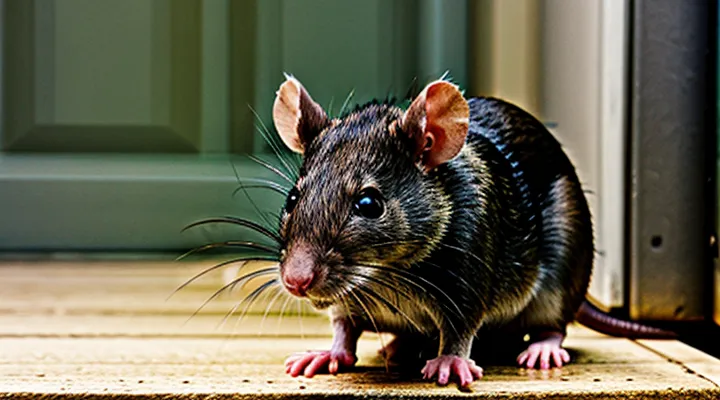
Understanding Rat Trust: An Overview
The Nature of Rat Behavior
Rats are highly social mammals whose interactions rely on a hierarchy of dominance, scent communication, and tactile exchange. Within a group, individuals establish bonds through mutual grooming, shared nesting, and coordinated foraging. These behaviors reflect an underlying need for safety and predictability, which in turn shape the ways rats signal trust toward humans.
Key indicators that a rat perceives a human as trustworthy include:
- Approaching voluntarily and remaining in close proximity without retreating.
- Allowing gentle handling, such as being lifted or held, without exhibiting defensive posturing.
- Engaging in grooming of the handler’s hand or forearm.
- Exhibiting relaxed body language: ears forward, whiskers neutral, and tail low or gently curled.
- Initiating play or exploration behavior in the presence of the handler.
Understanding these natural patterns enables accurate assessment of a rat’s confidence in a caregiver. Consistent, low‑stress interactions that respect the animal’s social cues reinforce the bond and encourage the display of the trust signals outlined above.
Key Indicators of Trust in Rats
Body Language Cues
Rats reveal trust through distinct physical signals. Observing these cues enables accurate assessment of a rat’s confidence in the caretaker.
- Relaxed posture: limbs lie loosely, body appears unguarded, and the animal does not tense when approached.
- Grooming of the handler: the rat licks or nibbles the hands, indicating comfort and social bonding.
- Ear orientation: ears are positioned forward or slightly angled outward, showing attentiveness without aggression.
- Tail placement: a tail held low or gently curled around the body signals security; a stiff, elevated tail suggests unease.
- Whisker direction: whiskers point forward, exploring the environment, whereas backward‑pointed whiskers denote alertness.
- Soft vocalizations: low‑frequency chirps or purr‑like sounds accompany close contact, contrasting with high‑pitched squeaks that signal distress.
- Approach behavior: the rat initiates contact, steps onto the hand, or follows the caretaker voluntarily, demonstrating willingness to interact.
Collectively, these body language elements form a reliable framework for judging whether a rat feels safe and trusting in the presence of a human companion.
Vocalizations and Sounds
Rats communicate trust through a limited but distinct vocal repertoire. When a rat feels secure, vocalizations become softer, more frequent, and are accompanied by relaxed body language. Conversely, tension produces sharp, high‑frequency squeaks.
Key sounds associated with confidence include:
- «purring» – low‑frequency rumble emitted during grooming or while being stroked; indicates contentment and acceptance of proximity.
- «chattering» – rapid, short clicks produced during playful interaction; reflects positive social engagement.
- «soft squeak» – gentle, brief squeal when the animal anticipates a reward; suggests anticipation without fear.
- «quiet whine» – low‑volume, sustained tone heard when the rat is mildly stressed but remains approachable; can precede a return to trust after reassurance.
Absence of harsh, high‑pitched squeals, especially during handling, signals a lack of confidence. Monitoring the transition from sharp alarm calls to the softer sounds listed above provides a reliable metric for assessing a rat’s willingness to trust. Regular observation of these vocal patterns, combined with consistent, gentle handling, enhances the ability to gauge and strengthen the bond.
Interaction Patterns
Interaction patterns reveal the level of confidence a rat places in a human companion. A rat that trusts its caretaker will display consistent, relaxed behaviours during routine contact. When approached, the animal may turn its head toward the hand, maintain eye contact without rapid blinking, and exhibit a steady breathing rhythm. These signals indicate a willingness to engage rather than an instinctive withdrawal.
Typical trustworthy interactions include:
- Gentle nudging of the hand with the nose, suggesting a desire for tactile connection.
- Voluntary climbing onto the forearm or lap, showing comfort with proximity.
- Calm grooming of the human’s fingers, reflecting acceptance of close contact.
- Repeated approach after brief separations, demonstrating confidence in the relationship.
Conversely, signs of uncertainty appear as rapid retreats, frantic scratching, or avoidance of direct touch. A rat that flattens its ears, freezes, or emits high‑pitched squeaks during interaction signals a lack of trust. Monitoring these patterns over multiple sessions provides reliable evidence of the animal’s emotional state and the depth of the bond formed.
Building and Maintaining Trust with Your Rat
Creating a Safe and Positive Environment
Creating a secure enclosure is the foundation of a rat’s confidence. The cage should be spacious enough for exploration, with solid flooring to prevent foot injuries. Provide multiple levels, tunnels, and chew‑able materials to satisfy natural instincts while eliminating gaps that could cause escape or stress.
Consistent handling reinforces trust. Approach the rat calmly, offering a hand that rests on the cage floor before reaching inside. Use slow, deliberate movements; abrupt gestures trigger alarm responses. Allow the animal to initiate contact, rewarding gentle approaches with treats placed near the hand.
Environmental enrichment supports a positive atmosphere. Rotate toys weekly to maintain novelty, and ensure fresh bedding is available at all times. Maintain a stable temperature between 18 °C and 24 °C, and keep noise levels low to avoid sensory overload.
Key practices for a trustworthy relationship:
- Regular cleaning of the habitat to remove waste and odors.
- Balanced diet of high‑quality pellets, fresh vegetables, and occasional protein.
- Daily interaction of 10–15 minutes, focusing on gentle petting and short hand‑out sessions.
- Observation of body language: relaxed posture, grooming, and voluntary climbing indicate comfort.
By maintaining these conditions, a rat displays reduced vigilance and increased willingness to engage, providing clear evidence of trust.
Gentle Handling and Socialization Techniques
Gentle handling and systematic socialization provide reliable indicators of a rat’s willingness to trust a caretaker. Consistent, low‑stress interactions reduce fear responses, allowing the animal to display relaxed body language and voluntary proximity.
Key techniques include:
- Gradual exposure to the handler’s hands, beginning with brief, stationary contact and extending to gentle petting along the back and sides.
- Use of soft, slow movements when picking up the rat, supporting the chest and hindquarters to prevent sudden shifts.
- Daily short sessions of hand‑feeding, offering favorite treats directly from the fingertips to encourage approach behavior.
- Introduction of a neutral, quiet environment where the rat can explore without abrupt noises or sudden movements.
- Implementation of positive reinforcement, rewarding calm behavior with treats or brief, calm voice tones.
After applying these methods, observable signs of trust emerge: the rat approaches the hand voluntarily, remains still during handling, exhibits relaxed whisker posture, and shows minimal vocalizations. Absence of escape attempts or aggressive nibbling further confirms a positive bond. Continuous application of gentle handling and structured socialization sustains this trust, facilitating accurate assessment of the rat’s comfort level.
Recognizing and Responding to Your Rat's Needs
Rats reveal trust through specific behaviors; recognizing these signals enables effective care. A rat that feels secure will display a relaxed posture, slow blinking, and voluntary approach for handling. Grooming of another rat, gentle nibbling, and vocalizations such as soft chirps also signify confidence in the environment.
Key indicators of trust include:
- Body language: flattened ears, loose tail, and a calm stance.
- Interaction patterns: initiation of contact, willingness to be lifted, and absence of defensive hissing.
- Vocal cues: low‑frequency chirps and purring‑like sounds during petting.
Responding appropriately reinforces the bond and meets the animal’s needs. Consistent, gentle handling reduces stress; providing a varied cage layout with climbing structures, tunnels, and nesting material satisfies exploratory instincts. Regular health checks, balanced nutrition, and fresh water address physiological requirements. Enrichment activities such as puzzle feeders and supervised out‑of‑cage time stimulate mental acuity.
Practical steps for caretakers:
- Observe daily for the listed trust signals.
- Adjust handling technique to match the rat’s comfort level—use slow movements and support the body fully.
- Rotate enrichment items weekly to prevent habituation.
- Record health observations and seek veterinary advice at the first sign of abnormal behavior.
« A rat that trusts its caregiver will seek proximity and exhibit calm curiosity, not avoidance. » By interpreting these cues and delivering targeted responses, caretakers ensure the rat’s physical well‑being and emotional security.
Common Misconceptions About Rat Trust
Distinguishing Trust from Fear
Rats display distinct behaviors when they feel secure compared with when they are merely avoiding danger. Recognizing these differences clarifies whether an animal has formed a reliable bond or is simply reacting out of fear.
• Relaxed posture: Muscles remain loose, ears are forward, and the tail is not tightly curled.
• Voluntary approach: The rat moves toward the handler without hesitation, often initiating contact.
• Gentle grooming: Self‑grooming or mutual grooming with a human indicates comfort rather than stress.
• Playful activity: Quick, exploratory movements and occasional nudges suggest confidence.
• Absence of defensive signals: No rapid foot‑stomps, aggressive bites, or attempts to flee.
Conversely, fear manifests through tense body language, rapid retreats, heightened alertness, and defensive aggression. Distinguishing these patterns enables accurate assessment of the animal’s trust level.
Patience and Consistency as Cornerstones
Patience allows a rat to adjust to a new presence without pressure. Slow, deliberate movements give the animal time to assess safety, reducing startle responses. When the handler maintains a calm demeanor for several minutes before offering food or a hand, the rat’s willingness to approach signals reduced fear and the emergence of trust.
Consistency reinforces the assessment by creating predictable patterns. Regular feeding times, identical handling techniques, and unchanged cage layout enable the rat to form reliable expectations. Repeated gentle strokes in the same location, delivered at the same interval each day, produce measurable changes in behavior that indicate confidence in the caretaker.
Observable indicators of trust include:
- Voluntary approach to the hand or outstretched fingers
- Relaxed posture, such as lying on the back with limbs extended
- Acceptance of food directly from the handler’s fingers
- Absence of aggressive or defensive actions, like biting or fleeing
When both patience and consistency are applied, the rat’s responses become stable and reproducible. The convergence of these behaviors provides a clear, objective basis for determining the animal’s level of trust.
Advanced Signs of a Strong Bond
Voluntary Approach and Affection
Rats demonstrate trust through voluntary approach and affection. When a rat initiates contact without prompting, it signals confidence in the handler’s presence. Indicators include:
- Approaching the hand or cage entrance of its own accord.
- Seeking physical contact, such as climbing onto the arm or nuzzling.
- Exhibiting relaxed posture, ears forward, and a steady breathing pattern.
- Offering gentle bites or grooming gestures, which replace defensive behaviors with social interaction.
These behaviors replace avoidance reactions and replace them with proactive engagement, confirming a positive bond. Consistent observation of these signs provides a reliable metric for evaluating the animal’s trust level.
Comfort in Your Presence
Comfort exhibited by a rat while near a caretaker serves as a reliable indicator of trust. When a rodent remains relaxed, displays calm respiration, and engages in normal activity without signs of tension, the animal perceives the caretaker as non‑threatening.
Observable signs of comfort include:
- Body posture that is low‑key, with limbs loosely extended rather than tucked or rigid.
- Vocalizations that are soft, intermittent chirps rather than sharp squeaks.
- Exploration of the surrounding area while maintaining proximity to the caretaker.
- Acceptance of gentle handling, such as allowing a hand to rest on the back without attempts to flee.
- Grooming behavior that continues uninterrupted in the caretaker’s presence.
To promote and sustain this state of ease, the caretaker should:
- Approach the enclosure slowly, avoiding sudden movements.
- Offer food from the hand, allowing the rat to take it voluntarily.
- Maintain a consistent routine, reducing unpredictable disturbances.
- Provide enrichment objects that encourage natural foraging, reinforcing a sense of security.
- Limit direct eye contact, as prolonged staring can be perceived as intimidation.
Consistent observation of these behaviors, combined with the outlined practices, enables accurate assessment of a rat’s confidence in its human companion.