
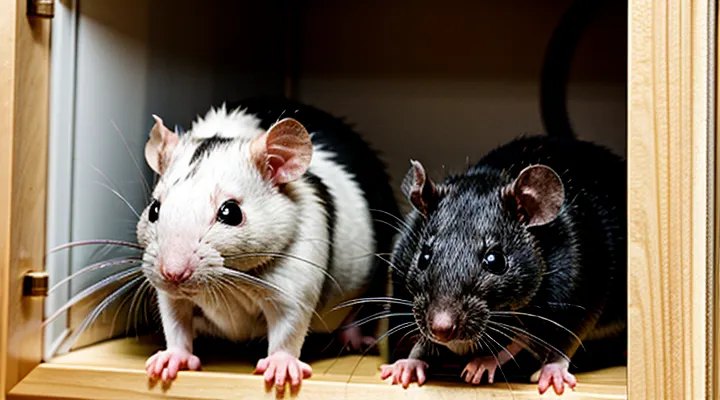
Understanding Rat Social Behavior
The Importance of Companionship
Natural Instincts
Rats possess strong nesting drives that compel them to gather soft materials and construct concealed burrows. When multiple individuals occupy a shared environment, each will attempt to claim a preferred corner or cavity, often leading to competition if space is insufficient. Providing several identical nest boxes, each stocked with shredded paper or cloth, satisfies this instinct while reducing territorial disputes.
Social hierarchy governs interactions among rats; dominant individuals frequently assert control through scent marking and brief aggressive bouts. Introducing a balanced number of conspecifics and maintaining stable group composition limits hierarchy upheavals. Regularly rotating enrichment items prevents dominant rats from monopolizing resources.
Foraging behavior motivates constant exploration and food manipulation. Offering scattered kibble, puzzle feeders, and chewable objects mirrors natural scavenging patterns, encouraging activity without excessive hoarding. Limiting food placement to designated stations prevents territorial guarding of supplies.
Grooming and scent exchange reinforce group cohesion. Supplying ample grooming substrates—such as untreated wood blocks and fleece strips—supports hygienic routines and reduces stress associated with limited grooming opportunities.
Practical guidelines aligned with these instincts:
- Install 2–3 nest boxes per rat, positioned at opposite ends of the enclosure.
- Keep group size stable; avoid introducing new individuals without a gradual acclimation period.
- Distribute food in multiple stations; rotate puzzle feeders weekly to sustain interest.
- Provide diverse chewing and grooming materials, refreshed every 5–7 days.
- Monitor scent-marking behavior; intervene only when aggressive encounters exceed brief, low‑intensity displays.
Adhering to natural behavioral patterns minimizes conflict, promotes health, and creates a harmonious cohabitation environment for house‑sharing rats.
Benefits of Group Living
Rats thrive in communal environments, where the presence of conspecifics directly influences physiological and behavioral outcomes.
- Enhanced social stimulation fosters natural foraging and grooming patterns, reducing incidences of stereotypic behavior.
- Shared body heat stabilizes ambient temperature, decreasing metabolic demands and supporting growth in juveniles.
- Collective nesting improves shelter quality, offering protection from predators and environmental fluctuations.
- Mutual observation enables early detection of illness, allowing prompt veterinary intervention and limiting disease spread.
- Resource pooling reduces per‑animal expenses for food, bedding, and enrichment items, making co‑habitation economically advantageous.
- Group dynamics encourage hierarchy establishment, which organizes access to food and space, minimizing conflict when appropriate hierarchy cues are respected.
Implementing these advantages requires careful assessment of group size, gender composition, and individual health status to maintain a balanced, resilient colony.
Potential Challenges of Co-Habitation
Aggression and Dominance
Aggressive encounters among cohabiting rats typically stem from unclear social hierarchies. Dominance disputes manifest as chasing, biting, or prolonged staring, and can quickly destabilize a shared enclosure.
Establishing a stable hierarchy reduces conflict. Introduce rats in neutral territory, allow visual and olfactory contact before physical interaction, and limit group size to four individuals or fewer. Provide multiple nesting sites, feeding stations, and hideaways so subordinate animals can withdraw without constant exposure to dominant peers.
Practical measures to mitigate aggression:
- Rotate enrichment objects weekly to prevent territorial claims.
- Supply at least one extra water bottle and food dish per rat.
- Observe interactions for the first 48 hours; separate any individual displaying persistent lunging or severe bites.
- Maintain consistent lighting cycles and temperature to avoid stress‑induced dominance spikes.
Regular health checks are essential; injuries often mask underlying infections that exacerbate aggressive behavior. Prompt veterinary assessment of wounds prevents secondary complications and supports a harmonious colony.
Resource Guarding
Resource guarding occurs when a rat defends food, nesting material, or favorite objects from conspecifics. The behavior manifests as snapping, lunging, or blocking access, often accompanied by stiff posture and heightened vocalizations. Recognizing these signals early prevents escalation and injury within a shared enclosure.
Effective mitigation begins with environmental design. Provide multiple feeding stations, each positioned at opposite ends of the cage, to eliminate competition for sustenance. Distribute nesting supplies across several locations, ensuring that no single area becomes a focal point of contention. Incorporate a minimum of three shelters per rat, allowing individuals to retreat without confronting a dominant counterpart.
When guarding behavior appears, intervene with the following steps:
- Separate the involved rats for a brief period (10‑15 minutes) to reduce tension.
- Re‑introduce them in a neutral space, such as a clean playpen, while offering separate food dishes.
- Observe interactions; if aggression persists, repeat separation and consider a gradual re‑introduction schedule, extending exposure time by 5‑10 minutes each session.
Supplementary measures reinforce cooperative dynamics. Rotate food bowls daily to prevent location-based territoriality. Offer high‑value treats in multiple containers simultaneously, encouraging sharing rather than hoarding. Maintain a consistent cleaning routine that removes debris and stray items, decreasing opportunities for competition over resources.
Monitoring remains essential. Record incidents of guarding, noting time of day, specific resources involved, and any changes in group composition. This data guides adjustments to cage layout, feeding frequency, and enrichment distribution, fostering a stable, harmonious community of house‑sharing rats.
Stress Indicators
Observing stress in rats that share a cage requires systematic attention to both behavior and physiology.
Typical behavioral markers include:
- Reduced exploration of the enclosure or avoidance of previously frequented zones.
- Excessive grooming that results in hair loss or skin irritation.
- Aggressive posturing, such as frequent chasing, biting, or mounting attempts.
- Vocalizations that differ from normal chatter, especially high‑pitched squeaks.
- Decreased consumption of food or water, leading to noticeable weight loss.
Physiological signs are equally informative:
- Elevated heart rate detectable through non‑invasive pulse monitoring.
- Increased fecal corticosterone metabolites, measurable with standard assays.
- Darkened, watery urine indicating heightened adrenal activity.
- Altered body temperature patterns, observable with infrared thermography.
Effective monitoring combines regular visual checks with periodic data collection. Recording daily activity levels, weighing each animal weekly, and sampling feces for hormone analysis provide a comprehensive stress profile. Prompt identification of these indicators enables timely environmental adjustments—such as enrichment enrichment, cage rearrangement, or temporary separation—to maintain welfare in a shared housing system.
Preparing for House-Sharing
Initial Considerations
Age and Sex Matching
Pairing rats by age and sex creates a stable social environment that minimizes conflict and prevents unwanted reproduction.
Rats of comparable age share similar activity levels, dietary needs, and grooming habits. When one individual is significantly older, it may dominate younger companions, leading to stress‑induced health problems. Matching ages—ideally within a two‑week range for juveniles and a month for adults—balances hierarchy and encourages cooperative behavior.
Sex matching eliminates the risk of accidental breeding and reduces dominance disputes that often arise in mixed‑sex groups. Same‑sex cohorts maintain clear social structures; if mixed‑sex housing is desired, both animals must be sterilized to prevent litters and mitigate aggressive mating behavior.
Practical steps for implementing age and sex matching:
- Record each rat’s birth date and weight; use weight as a quick proxy for developmental stage.
- Group individuals whose ages fall within the recommended range.
- Keep male‑only and female‑only cages unless both subjects are neutered.
- Monitor interactions for signs of aggression; adjust groups promptly if dominant behavior emerges.
- Update records whenever new rats are introduced or when an existing rat reaches a different life stage.
Consistent application of these guidelines supports harmonious co‑habitation and promotes overall well‑being.
Temperament Assessment
Assessing rat temperament before introducing new individuals is a prerequisite for successful cohabitation. Observation of each animal’s response to novel objects, handling, and interaction with familiar cage mates provides baseline data. Record reactions such as aggression, avoidance, or curiosity, noting frequency and intensity. Use consistent time intervals—daily for the first week, then weekly—to track changes.
Key assessment elements include:
- Social hierarchy: identify dominant, subordinate, and neutral individuals through food competition and territorial marking.
- Stress indicators: monitor grooming frequency, vocalizations, and posture for signs of chronic anxiety.
- Compatibility markers: evaluate willingness to share nesting material, tolerance of proximity, and response to brief forced proximity tests.
When temperament profiles reveal compatible pairings—low aggression, moderate curiosity, and shared nesting preferences—proceed with gradual introduction. Incompatible profiles—high aggression, pronounced stress responses, or exclusive nesting behavior—require separate housing or professional intervention. Continuous re‑evaluation ensures stability as the group dynamics evolve.
Health Checks
Regular health assessments protect all occupants in a shared rat environment. Without systematic checks, diseases spread quickly, compromising welfare and breeding success.
A practical schedule includes:
- Daily visual inspection for abnormal behavior, respiratory distress, or discharge.
- Weekly weight measurement to detect sudden loss or gain.
- Bi‑monthly physical exam focusing on fur condition, skin integrity, and dental alignment.
- Quarterly veterinary evaluation with full blood panel and fecal parasite analysis.
Quarantine newly introduced rats for at least four weeks before integrating them with the group. During this period, conduct the same examinations listed above and observe for signs of illness. If any abnormality appears, isolate the affected individual and initiate appropriate treatment under veterinary guidance.
Maintain detailed records of each rat’s health data, including dates of examinations, observed symptoms, and treatment outcomes. Documentation enables rapid identification of trends and facilitates communication among caretakers.
Consistent health monitoring, strict quarantine, and thorough record‑keeping form the foundation of successful cohabitation for rats.
Creating a Suitable Environment
Cage Size and Layout
A suitable cage for multiple rats must provide at least 2 sq ft (0.19 m²) of floor space per adult. For a pair, a minimum of 4 sq ft (0.37 m²) prevents overcrowding; each additional rat adds another 2 sq ft. Height should be no less than 12 in (30 cm) to accommodate climbing and vertical enrichment.
Layout should separate functional zones while allowing free movement. Essential areas include:
- Nesting corner with soft bedding, positioned away from the main traffic flow.
- Feeding station with a sturdy bowl or feeder, placed on one side to reduce competition.
- Water bottle mounted high enough to avoid contamination but reachable for all occupants.
- Climbing structures (rungs, hammocks, platforms) distributed at varying heights to encourage exercise.
- Hideouts or tunnels placed in opposite corners to give each rat a retreat without direct conflict.
Materials must be chew‑resistant and easy to clean. Wire mesh with a ¼‑inch (6 mm) spacing prevents escapes while allowing ventilation. A removable tray beneath the floor simplifies waste removal and hygiene maintenance.
Regular assessment of space usage is required. If rats display territorial behavior, increase vertical elements or add additional hideouts. Ensure that all accessories are secured to prevent tipping, and verify that the cage remains stable under the weight of multiple occupants.
Multiple Resources
Effective rat cohabitation relies on a diverse set of resources that address health, environment, and social interaction. Access to scientific literature provides evidence‑based guidance on disease prevention, dietary requirements, and behavioral enrichment. Veterinary professionals specializing in small mammals offer diagnostic support, vaccination schedules, and emergency care plans. Online communities, such as dedicated forums and social media groups, facilitate rapid exchange of practical tips, troubleshooting experiences, and supplier recommendations.
- Scientific publications – peer‑reviewed articles, textbooks, and government guidelines; searchable through databases like PubMed or university libraries.
- Veterinary services – clinics with rodent expertise; subscription plans for routine check‑ups and tele‑medicine consultations.
- Enrichment suppliers – manufacturers of chew toys, tunnels, and climbing structures; bulk purchasing options reduce cost per item.
- Housing materials – stainless‑steel cages, acrylic panels, and removable flooring; specifications for ventilation, cleaning ease, and durability.
- Nutritional resources – formulated pellet diets, fresh produce guides, and supplementation charts; validated by rodent nutritionists.
- Regulatory information – local animal welfare statutes, housing permits, and quarantine protocols; available through municipal websites or legal counsel.
Each resource contributes to a stable living arrangement. Scientific publications establish baseline standards; veterinary input adapts those standards to individual health profiles. Community platforms accelerate problem resolution by sharing real‑world outcomes. Supplier networks ensure consistent availability of safe enrichment and durable housing components. Nutritional references prevent deficiencies and promote optimal growth. Regulatory documents safeguard compliance and protect both animals and owners from legal repercussions. Integrating these resources creates a comprehensive framework for successful rat cohabitation.
Hideaways and Enrichment
Providing adequate hideaways and enrichment is essential for successful co‑habitation of rats. Proper shelters reduce aggression, support territorial boundaries, and allow each animal to retreat when needed. Enrichment stimulates natural foraging, climbing, and chewing behaviors, preventing boredom‑related stress.
Effective hideaways should meet the following criteria:
- Dimensions large enough for an adult rat to turn fully inside (minimum 4 × 4 × 4 inches).
- Construction from safe, chew‑resistant materials such as untreated wood, solid plastic, or thick cardboard.
- Placement in quiet corners, away from food dishes and water bottles, to encourage use.
- Multiple units per cage; a minimum of one hideaway per rat ensures each individual can claim a personal space.
Enrichment items that promote physical and mental activity include:
- Chewable objects (natural wood blocks, mineral chews, untreated sisal ropes).
- Tunnel systems or PVC pipes with rounded edges, allowing exploration and escape routes.
- Climbing platforms or ladders anchored securely to the cage interior.
- Foraging puzzles (paper rolls filled with seeds, treat‑filled cardboard tubes).
Regular maintenance maximizes benefits: rotate toys weekly to sustain novelty, inspect all items for wear and replace damaged pieces promptly, and clean hideaways with mild, unscented soap to prevent bacterial buildup. Monitoring rat behavior after each change confirms that the environment continues to meet the group’s needs.
Introducing Rats Gradually
The Introduction Process
Neutral Territory
Neutral territory is a shared zone that neither rat claims as personal space. It provides a predictable setting for interaction, reduces territorial disputes, and supports group cohesion.
Place the neutral zone away from primary nesting areas and feeding stations. Choose a location with even lighting and low foot traffic to prevent accidental intrusion. Ensure the surface is smooth, non‑porous, and easy to disinfect; glass, acrylic, or sealed wood work well.
Key elements for a successful neutral zone:
- Size: Minimum 30 × 30 cm for two rats; increase proportionally with group size.
- Materials: Non‑absorbent bedding, such as paper strips, to allow quick cleaning.
- Enrichment: A single chew toy, a tunnel, or a climbing branch to encourage cooperative play.
- Scent control: Wash the area with a mild, unscented disinfectant weekly; avoid strong fragrances that could stress the animals.
- Access: Provide multiple entry points so each rat can approach without crossing another’s path.
Maintain the zone by inspecting daily for signs of damage, urine marks, or aggression. Replace worn components promptly. Consistent upkeep reinforces the area’s neutrality and promotes harmonious co‑habitation.
Scent Swapping
Scent swapping facilitates the integration of newly introduced rats with established residents, reducing aggression and encouraging mutual grooming.
Rats rely on olfactory cues to recognize individuals, delineate territory, and assess health. When a newcomer arrives, its scent differs from that of the group, triggering defensive behavior. Exchanging scent cues creates a shared olfactory profile, allowing the animals to perceive each other as part of the same colony.
Procedure for effective scent exchange
- Collect fresh bedding, nesting material, or a small cloth from each cage.
- Place the items from the newcomer into the resident’s enclosure for 12–24 hours, and vice versa.
- Use a sterile cotton swab to rub the ventral region of each rat, then apply the swab to the opposite cage’s bedding.
- Repeat the exchange every two days during the first week, then reduce to weekly intervals.
Key considerations
- Limit exposure to 24 hours to prevent overstimulation of the olfactory system.
- Observe rats for signs of stress such as excessive grooming, vocalizations, or reduced food intake.
- Maintain strict hygiene; wash hands and tools between handling different cages to avoid pathogen transfer.
Implementing these steps establishes a common scent environment, smoothing the transition for cohabiting rats and supporting stable group dynamics.
Short, Supervised Sessions
Short, supervised sessions provide the safest method for introducing new rats into a shared environment. During each session, keep the enclosure closed, observe interactions, and intervene immediately if aggression appears. Limit exposure to ten‑minute intervals to prevent stress accumulation and allow both existing and newcomer rats to adjust gradually.
Key practices for effective supervised meetings:
- Conduct sessions in a neutral, clean space separate from the primary cage.
- Use a transparent barrier (e.g., acrylic divider) for initial visual contact before physical interaction.
- Monitor body language: upright posture, grooming, and calm movement indicate acceptance; raised fur, lunging, or biting require termination of the session.
- Record outcomes after each meeting, noting any changes in hierarchy or health status.
- Increase session length by two‑minute increments only after consistent positive behavior across three consecutive meetings.
Implementing these steps minimizes conflict, supports social bonding, and ensures the welfare of all rats involved in cohabitation.
Monitoring and Intervention
Recognizing Positive Interactions
Rats communicate through subtle behaviors that signal comfort, trust, and social harmony. Observing these cues helps caretakers maintain a stable shared environment and intervene before tension escalates.
Positive body language includes relaxed posture, smooth grooming of one another, and gentle nibbling without aggression. When a rat approaches another with a lowered head and slow, deliberate movements, it demonstrates curiosity rather than threat. Mutual grooming sessions often last several minutes, during which both participants remain still, ears flattened, and whiskers lightly brushing each other’s fur.
Vocalizations also indicate amicable interactions. Soft chirps, purr-like sounds, and occasional squeaks accompany contented activity such as play or shared nesting. A sudden increase in high-pitched alarm calls typically signals distress, contrasting with the low, steady tones of calm engagement.
Key indicators of healthy cohabitation:
- Shared nesting: multiple rats occupying the same nest chamber, arranging bodies side‑by‑side.
- Cooperative play: chase sequences that end with both rats pausing, sniffing, and resuming gentle contact.
- Equal access to resources: simultaneous feeding from the same bowl without displacement.
- Consistent grooming: reciprocal cleaning of ears, fur, and tail tips, occurring multiple times daily.
Tracking these patterns enables early detection of compatibility issues. When positive signs diminish—reduced grooming, increased solitary nesting, or heightened vocal alarm—adjustments such as expanding space, adding enrichment, or re‑evaluating pairings become necessary to preserve a harmonious rat household.
Identifying Warning Signs
When multiple rats share a cage, early detection of distress prevents illness, aggression, and loss of life. Observe each individual daily; deviations from normal behavior often signal underlying problems.
- Reduced appetite – skipping meals or eating significantly less than usual indicates pain, illness, or stress.
- Lethargy – prolonged inactivity, unwillingness to explore, or sleeping more than the typical 12‑14 hours per day.
- Abnormal grooming – excessive self‑cleaning, hair loss, or neglect of fur suggests skin irritation, parasites, or neurological issues.
- Changes in stool – watery, discolored, or unusually frequent droppings point to gastrointestinal upset or infection.
- Respiratory sounds – audible wheezing, sneezing, or labored breathing reflect respiratory infections common in densely populated enclosures.
- Aggressive encounters – sudden fights, biting, or dominance displays that result in injuries signal overcrowding or hierarchy disruption.
- Physical abnormalities – swelling, limping, or visible wounds require immediate veterinary assessment.
- Unusual vocalizations – persistent squeaking, chattering, or whimpering beyond normal social communication may indicate discomfort or pain.
Document observations in a log, noting the date, affected rat, and specific symptom. Correlate patterns with environmental factors such as temperature fluctuations, humidity changes, or recent cage cleaning. Promptly isolate any rat exhibiting multiple warning signs and consult a qualified exotic‑animal veterinarian. Early intervention preserves the health of the entire group and maintains a stable cohabitation environment.
When to Separate
Rats that share a cage should be monitored continuously for signs that cohabitation is no longer viable. Separation becomes necessary when any of the following conditions arise:
- Persistent aggression: repeated biting, chasing, or dominance displays that result in injury or chronic stress.
- Severe health disparity: one animal exhibits contagious illness (respiratory infection, skin lesions, parasites) while the other remains healthy.
- Reproductive conflict: a dominant female repeatedly rejects a male’s attempts to mate, leading to prolonged stress or injury.
- Extreme size or age mismatch: a juvenile or significantly smaller rat is repeatedly bullied or excluded from resources.
When aggression is observed, intervene immediately. Remove the aggressor or the victim into a separate enclosure, providing identical environmental enrichment to prevent deprivation. Maintain identical diet, lighting, and temperature to avoid additional stressors.
If illness is suspected, isolate the affected rat in a quarantine cage for at least seven days, monitoring clinical signs and conducting veterinary assessment. Return to shared housing only after full recovery and a negative diagnostic test.
Reproductive issues warrant separation if one sex consistently experiences stress or injury. Provide separate breeding and non‑breeding compartments, allowing controlled mating under supervision.
Size or age imbalances should be addressed by housing mismatched individuals separately or by introducing a third rat of intermediate size to mediate interactions. Regularly assess body condition and behavior to ensure all rats have equal access to food, water, and nesting material.
Prompt separation under these criteria preserves the health and welfare of each rat, reduces the risk of injury, and maintains a stable cohabitation environment.
Managing Established Groups
Maintaining Harmony
Regular Health Checks
Regular health monitoring protects the well‑being of rats sharing a living space and prevents the spread of disease among occupants. Routine examinations enable early detection of problems that could compromise the entire group.
- Weigh each rat weekly; a sudden loss or gain signals metabolic or health issues.
- Inspect fur and skin daily for bald patches, sores, or parasites; any abnormality requires immediate treatment.
- Observe respiratory sounds; wheezing, sneezing, or labored breathing indicate possible infections.
- Check teeth weekly; overgrown incisors cause feeding difficulties and must be trimmed by a veterinarian.
- Record behavior changes such as lethargy, aggression, or loss of appetite; these often precede illness.
- Examine droppings for consistency and color; diarrhea or blood suggests gastrointestinal distress.
- Schedule veterinary examinations at least twice a year; include blood work, parasite screening, and vaccination updates where applicable.
Implementing these checks creates a consistent health record for each rat, facilitates timely veterinary intervention, and sustains a stable cohabitation environment.
Diet and Nutrition
When multiple rats share a cage, a balanced diet prevents competition, supports growth, and reduces health risks. Provide a consistent supply of high‑quality laboratory rat chow as the staple; this ensures adequate protein (18‑20 %), fat, fiber, vitamins, and minerals. Supplement the base diet with fresh foods that meet the species’ nutritional needs and offer enrichment.
- Fresh vegetables: carrots, broccoli, spinach, kale, bell peppers (remove uneaten portions within two hours).
- Fruits in moderation: apple slices, berries, melon (limit to 10 % of total intake to avoid excess sugar).
- Protein treats: boiled egg, cooked chicken breast, low‑fat cheese (small pieces, no seasoning).
- Fiber sources: small amounts of whole‑grain pasta, cooked quinoa, or oatmeal.
- Water: clean, filtered water available at all times; change daily and clean dispensers regularly.
Feeding schedule should consist of two daily servings of fresh items, timed 8–12 hours apart, while the chow remains continuously accessible. Monitor each rat’s consumption; unequal intake may indicate dominance or health issues. Adjust portions to maintain a stable body weight (250–300 g for adults) and observe stool quality for signs of digestive imbalance. Rotate fresh foods weekly to provide variety and prevent selective eating patterns.
Enrichment and Exercise
Providing rats with a variety of stimulating objects and regular physical activity reduces stress and encourages natural behaviors in a shared living environment. A rotating selection of chew toys, tunnels, and climbing structures keeps interest high; items should be made of safe, untreated wood, solid mineral blocks, or untreated cardboard. Introducing puzzle feeders that require manipulation to release food engages problem‑solving skills while delivering nutrition.
Daily exercise sessions improve cardiovascular health and prevent obesity. Allocate at least 30 minutes of supervised out‑of‑cage time on a secure, non‑slippery surface. Include a running wheel with a solid running surface to avoid foot injuries, and place a sturdy ladder or rope for climbing practice. Encourage exploration by rearranging cage accessories weekly, which promotes mental agility and reduces territorial disputes.
A structured enrichment schedule supports consistency. Follow a simple routine:
- Morning: 15 minutes of free‑range exploration in a rat‑proofed room.
- Midday: Replace one chew toy and add a new puzzle feeder.
- Evening: 15 minutes of wheel access and climbing activity.
Monitoring behavior after each change allows rapid identification of preferences and potential stressors. Replace damaged items promptly to maintain safety and engagement.
Addressing Conflict
Identifying Triggers
When multiple rats share a cage, stress often originates from specific environmental and social cues. Recognizing these cues prevents aggression, illness, and reduced breeding success.
- Sudden loud noises (vacuum cleaners, alarms) provoke startle responses; maintain a quiet zone around the enclosure.
- Rapid temperature shifts cause discomfort; keep ambient temperature between 65‑75 °F (18‑24 °C) with gradual adjustments.
- Inconsistent lighting cycles disrupt circadian rhythms; use a timer to provide 12 hours of light and 12 hours of darkness.
- Introduction of unfamiliar scents, such as strong cleaning agents or new bedding, can trigger territorial behavior; opt for unscented, dust‑free materials and allow a acclimation period.
- Overcrowding increases competition for resources; allocate at least 0.5 sq ft (0.05 m²) of floor space per adult rat and provide multiple feeding stations.
- Hierarchical disputes arise when dominant individuals are denied retreat spaces; install elevated platforms or hideaways to give subordinates safe zones.
Monitoring rats’ vocalizations, grooming patterns, and movement trajectories reveals early signs of distress. Elevated vocal chirps, excessive self‑grooming, or avoidance of communal areas indicate that a trigger may be present. Promptly adjust the identified factor to maintain harmony within the shared habitat.
Behavioral Modification Techniques
Effective behavioral modification is essential for harmonious rat cohabitation. Consistent reinforcement shapes desired actions while discouraging problematic habits.
- Positive reinforcement: Offer a favored treat immediately after the target behavior, such as using a small piece of fruit when a rat enters a designated area. Repetition solidifies the association.
- Clicker training: Pair a distinct sound with a reward. The click signals successful execution, enabling precise timing without reliance on food cues alone.
- Target training: Teach rats to touch a fingertip or a small stick. Once mastered, the target guides movements into cages, tunnels, or feeding stations, reducing stress during relocation.
- Desensitization: Introduce potentially distressing stimuli—new bedding, handling, or enclosure changes—in short, controlled exposures. Gradually increase duration until the rats remain calm.
- Counter‑conditioning: Pair an aversive situation, such as a cleaning schedule, with a high‑value reward. Over time the rats associate the event with positive outcomes, diminishing avoidance behavior.
Implement a structured schedule. Conduct short sessions twice daily, each lasting no more than five minutes. Record progress to identify patterns and adjust reinforcement values accordingly. Ensure all household members apply identical cues and rewards to maintain consistency.
Maintain an enriched environment. Rotate toys, provide chewable items, and create vertical pathways. Enrichment reduces boredom‑driven behaviors, supporting the effectiveness of training protocols.
Monitor health indicators. Sudden changes in appetite, grooming, or activity may signal stress unrelated to training and require veterinary assessment. Prompt intervention preserves the overall well‑being of the shared rat community.
Seeking Professional Advice
Professional guidance is indispensable when establishing a shared environment for rats. The welfare of each animal depends on accurate health assessments, appropriate enclosure design, and behavior management that exceed the capabilities of most hobbyists.
- Veterinarian: evaluates physical health, administers vaccinations, identifies disease risk, prescribes treatment plans.
- Certified rodent behaviorist: interprets social dynamics, recommends grouping strategies, advises on enrichment to prevent aggression.
- Regulatory specialist: clarifies local animal‑keeping statutes, ensures compliance with licensing and inspection requirements.
Effective consultation follows a structured approach. First, gather comprehensive medical records, including recent examinations and any observed symptoms. Second, prepare a concise list of objectives—e.g., optimal group size, compatible personality traits, sanitation protocols. Third, present these items during the appointment, requesting evidence‑based recommendations. Finally, document the advice received and schedule periodic reviews to adjust practices as the colony evolves.
Adhering to expert counsel reduces the incidence of illness, minimizes stress‑induced injuries, and aligns the cohabitation arrangement with legal standards. Continuous professional involvement sustains a stable, healthy community of rats.