
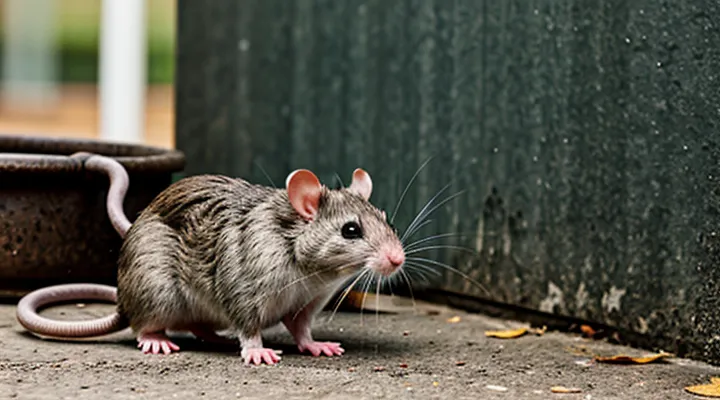
Understanding Hind Limb Problems in Rats
Common Causes of Hind Limb Weakness
Degenerative Myelopathy
Degenerative myelopathy is a progressive neurodegenerative disorder that affects the spinal cord’s white matter, leading to loss of motor function in the hind limbs. In rats, the disease manifests as gradual weakness, ataxia, and eventual paralysis of the rear legs. Early identification relies on observing a consistent decline in gait stability, reduced ability to climb or jump, and diminished reflexes in the affected limbs.
Diagnosis combines clinical assessment with imaging and laboratory tests. Magnetic resonance imaging (MRI) can reveal spinal cord atrophy, while cerebrospinal fluid analysis helps exclude inflammatory or infectious causes. Genetic testing may be relevant in breeds with known predispositions.
Management focuses on preserving quality of life and slowing functional loss:
- Provide a low‑profile, non‑slipping cage floor to prevent falls.
- Install ramps or graded steps to facilitate access to food, water, and nesting material.
- Use supportive harnesses or custom‑fitted slings for assisted mobility.
- Administer analgesics and anti‑inflammatory drugs as prescribed to control discomfort.
- Offer a diet enriched with antioxidants and omega‑3 fatty acids to support neuronal health.
- Schedule regular physiotherapy sessions, including passive range‑of‑motion exercises and gentle stretching.
Prognosis remains guarded; the condition typically advances over several months to a year. Monitoring weight, hydration, and skin integrity is essential to detect secondary complications such as pressure sores or urinary retention. Palliative care, including environmental enrichment and humane end‑of‑life planning, should be discussed with a veterinarian experienced in small‑animal neurology.
Arthritis and Joint Issues
Arthritis and joint disorders are common contributors to hind‑limb impairment in pet rats. Inflammation of synovial membranes, cartilage degradation, and osteophyte formation reduce joint mobility and cause pain, leading to altered gait, reluctance to climb, and decreased activity.
Typical clinical signs include:
- Stiffness after rest periods
- Swelling or heat around the hip, knee, or ankle joints
- Audible cracking or popping during movement
- Reduced weight‑bearing on the affected limb
Diagnosis relies on physical examination, palpation of joint margins, and, when necessary, radiographic imaging to identify joint space narrowing, bone spur development, or erosive changes. Blood tests may reveal elevated inflammatory markers, but they are not definitive for rat arthritis.
Therapeutic strategies focus on pain relief, inflammation control, and preservation of joint function:
- Non‑steroidal anti‑inflammatory drugs (NSAIDs) prescribed at rat‑appropriate dosages, monitoring for gastrointestinal side effects.
- Low‑dose corticosteroids for acute flare‑ups, limited to short courses to avoid immunosuppression.
- Nutritional supplements rich in omega‑3 fatty acids and glucosamine to support cartilage health.
- Controlled physical therapy, such as gentle passive range‑of‑motion exercises, to maintain flexibility without overloading the joint.
- Environmental adaptations, including soft bedding, ramps with low incline, and avoidance of slippery surfaces, reduce stress on compromised joints.
Regular assessment of weight, limb use, and pain indicators allows early detection of disease progression. Adjustments to medication, diet, or activity level should be made promptly to prevent secondary complications such as muscle atrophy or secondary injuries.
Injury or Trauma
Injury or trauma to a rat’s hind limbs can arise from falls, cage accidents, or aggressive encounters. Immediate assessment determines the severity and guides intervention. Observe the animal for limping, swelling, bruising, or an inability to bear weight. Palpate gently to locate tenderness or broken bones; excessive pain warrants veterinary attention without delay.
Stabilization begins with immobilization. Use a soft, adjustable splint or a small piece of padded foam wrapped loosely around the affected leg to restrict movement while preserving circulation. Secure the material with medical tape, ensuring it does not constrict blood flow. Keep the rat in a quiet, temperature‑controlled environment to minimize stress.
Pain management requires veterinary prescription. Commonly recommended analgesics include meloxicam or buprenorphine, administered according to weight and frequency guidelines. Do not administer over‑the‑counter human medications, as they may be toxic to rodents.
Wound care, if present, follows strict aseptic technique. Clean the area with sterile saline, remove debris, and apply a thin layer of veterinary‑approved antiseptic ointment. Cover with a breathable gauze pad, changing dressings daily until healing is evident.
Nutrition supports recovery. Provide high‑protein, easily digestible foods such as boiled egg whites, soft mouse pellets, or specialized rodent recovery formulas. Supplement with vitamin C‑rich vegetables (e.g., broccoli) to aid tissue repair, but limit quantities to avoid digestive upset.
Monitoring continues for at least two weeks. Record changes in gait, swelling, and appetite. Any deterioration—such as increased pain, loss of limb function, or signs of infection—requires prompt veterinary reassessment.
Key actions for trauma‑related hind‑leg problems
- Conduct rapid visual and tactile examination.
- Apply a gentle splint to immobilize the limb.
- Administer prescribed analgesics under veterinary guidance.
- Perform sterile wound cleaning and dressing.
- Offer nutrient‑dense, soft foods to promote healing.
- Observe daily; seek professional care if condition worsens.
Nutritional Deficiencies
Rats with compromised hind limbs often suffer from inadequate intake of nutrients essential for bone integrity, muscle development, and nerve conduction. Low calcium and insufficient vitamin D reduce mineralization, leading to fragile femurs and tibiae. Inadequate protein limits muscle repair, while a shortage of B‑complex vitamins impairs peripheral nerve function, exacerbating gait abnormalities.
Key deficiencies that directly influence hind‑limb health include:
- Calcium < 1 % of diet dry matter
- Vitamin D < 400 IU kg⁻¹ body weight
- High‑quality protein < 18 % of total calories
- Thiamine and pyridoxine < recommended levels
- Omega‑3 fatty acids < 1 % of caloric intake
Addressing these gaps requires a diet formulated for laboratory‑grade rodents, supplemented with calibrated mineral mixes and high‑biological‑value protein sources such as soy or whey. Veterinary‑approved multivitamin preparations can correct B‑vitamin shortfalls, while fish oil or algal oil supplies essential omega‑3s for anti‑inflammatory protection.
Regular monitoring of body weight, coat condition, and activity level provides early indication of nutritional imbalance. Blood panels assessing calcium, phosphorus, vitamin D, and albumin concentrations guide precise adjustments. Prompt correction of identified deficiencies supports skeletal strength, muscle tone, and neural recovery, thereby improving hind‑limb function.
Tumors and Neurological Conditions
Tumors and neurological disorders are common sources of rear‑leg impairment in pet rats. Neoplastic growths such as osteosarcoma, fibrosarcoma, or metastatic lesions can compress nerves, destroy bone, and produce pain that limits mobility. Neurological conditions—including peripheral neuropathy, spinal cord compression, and demyelinating diseases—disrupt signal transmission to the hind limbs, resulting in weakness, ataxia, or paralysis. Both categories may present with swelling, altered gait, reduced weight‑bearing, and behavioral changes indicating discomfort.
Accurate identification relies on clinical examination and targeted diagnostics. Palpation reveals firm masses or abnormal tissue consistency; neurological assessment evaluates reflexes, proprioception, and limb tone. Imaging modalities—radiography for skeletal involvement, ultrasonography for soft‑tissue masses, and magnetic resonance imaging for spinal pathology—provide definitive visualization. Cytology or biopsy confirms tumor type, while nerve conduction studies differentiate neuropathic from muscular causes.
Intervention focuses on pain control, functional support, and disease‑specific therapy. Recommended measures include:
- Analgesics (e.g., buprenorphine) administered at veterinarian‑prescribed intervals.
- Anti‑inflammatory agents (e.g., meloxicam) to reduce swelling around tumors or inflamed nerves.
- Physical therapy: gentle range‑of‑motion exercises, assisted standing platforms, and low‑impact treadmill sessions to maintain muscle tone.
- Surgical excision or debulking of accessible tumors, performed by a qualified veterinary surgeon.
- Radiation or chemotherapy protocols tailored to tumor histology, when surgery is not feasible.
- Neuroprotective supplements (e.g., omega‑3 fatty acids) and vitamin B‑complex to support nerve health.
- Environmental modifications: padded bedding, ramps, and reduced obstacles to prevent falls and encourage voluntary movement.
Continuous monitoring of limb function, appetite, and weight informs treatment efficacy. Adjustments to medication dosage, rehabilitation intensity, or oncologic therapy should be made promptly based on observed changes. Early detection and comprehensive management improve the likelihood of maintaining mobility and quality of life for rats afflicted by tumors or neurological disorders affecting the hind limbs.
Recognizing the Signs
Changes in Gait
Rats with compromised hind limbs display distinct alterations in locomotion that signal pain, weakness, or neurological deficits. Observation of these changes enables timely intervention and improves recovery prospects.
Typical gait abnormalities include:
- Shortened stride length on the affected side, often accompanied by a dragging of the hind paw.
- Asymmetrical weight distribution, with increased pressure on the forelimbs or the unaffected hind limb.
- Irregular timing of foot‑fall, such as delayed toe‑off or premature contact.
- Limping or a pronounced limp that intensifies during acceleration or while navigating obstacles.
- Reduced treadmill speed or inability to maintain a steady pace when challenged.
Quantitative assessment can be performed with video analysis, pressure‑sensitive walkways, or high‑speed cameras. Key metrics—stride length, stance duration, and duty factor—should be recorded for both limbs and compared to baseline data from healthy controls.
When abnormalities are identified, corrective measures may involve:
- Analgesic administration to alleviate pain‑induced gait suppression.
- Physical therapy, including passive range‑of‑motion exercises and targeted strengthening of the quadriceps and gluteal muscles.
- Environmental modifications, such as low‑profile bedding and ramps, to reduce the need for high‑step climbing.
- Orthopedic support, like custom splints, to stabilize the joint while allowing limited movement.
Regular monitoring of gait parameters provides objective feedback on treatment efficacy and guides adjustments in care protocols.
Difficulty Moving
Rats with compromised hind limbs often exhibit reduced mobility, leading to prolonged periods of inactivity, loss of muscle tone, and heightened risk of pressure sores. Limited movement also interferes with normal grooming, feeding, and social interaction, which can accelerate decline in overall health.
Effective support focuses on three core areas: environment, assisted movement, and monitoring.
- Environmental modifications: place soft, non‑slipping bedding; provide low‑profile ramps or steps to reach food, water, and shelter; keep cage accessories within easy reach to prevent unnecessary stretching.
- Assisted mobility: use a lightweight harness or sling to gently lift the animal when relocation is required; practice short, controlled walks on a flat surface to stimulate muscle activity without overexertion.
- Health monitoring: check paws and joints daily for swelling, discoloration, or ulceration; weigh the rat regularly to detect weight loss; record changes in activity level and report them to a veterinarian promptly.
Implementing these measures reduces the physical strain associated with difficulty moving, preserves muscle integrity, and minimizes secondary complications. Consistent application improves the rat’s quality of life while supporting recovery or long‑term management of hind limb impairment.
Incontinence
Incontinence in rodents with rear‑leg weakness results from loss of muscular control over the urinary sphincter and reduced ability to assume a normal posture for elimination. The condition often accompanies nerve damage, spinal injury, or severe arthritis that limits the animal’s capacity to reach a clean surface.
Assessment begins with observation of wet spots in the cage, staining of fur, and frequent grooming of the perineal area. A physical examination should include palpation of the bladder, evaluation of hind‑limb strength, and, when indicated, imaging or neurologic testing to identify underlying lesions.
Management focuses on three priorities: hygiene, bladder emptying, and comfort.
- Replace bedding with absorbent, low‑dust material at least twice daily.
- Clean the perineal region with a mild, unscented antiseptic solution after each episode.
- Provide a shallow, easily accessible water dish to encourage regular drinking and dilute urine concentration.
- Use a small, low‑profile litter box or a smooth, non‑absorbent surface that the rat can reach without climbing.
Pharmacologic support may include anticholinergic agents to reduce involuntary bladder contractions, prescribed by a veterinarian after confirming the absence of contraindications. In severe cases, intermittent catheterization performed under sedation can prevent overdistention of the bladder and reduce the risk of urinary tract infection.
Environmental modifications improve the rat’s ability to maintain cleanliness. Install a gentle ramp or angled platform leading to the litter area, ensuring the slope does not exceed 15 degrees. Keep the cage interior uncluttered to allow unobstructed movement, and position food and water sources at a height that does not force the animal to strain its hind limbs.
Regular monitoring of urine output, skin condition, and weight provides early warning of complications. Prompt veterinary intervention at the first sign of infection or worsening incontinence sustains the animal’s health and quality of life.
Loss of Appetite
Loss of appetite frequently signals that a rat with rear‑leg difficulties is experiencing pain, stress, or metabolic disruption. Reduced mobility limits access to food, while inflammation in the hind limbs can diminish the animal’s willingness to eat.
Typical causes include:
- Persistent pain from injury or arthritis, which suppresses normal feeding behavior.
- Limited ability to reach the feeder due to weakened hind limbs.
- Stress from an unfamiliar or uncomfortable environment, often heightened by the need for assistance.
- Altered digestion or nutrient absorption resulting from decreased activity.
Assessment should focus on quantifiable indicators. Record daily food consumption, compare body weight to baseline, and observe for signs such as prolonged periods of inactivity, vocalization when moving, or reluctance to approach the feeder. A veterinary examination is advisable to rule out secondary infections or systemic illness.
Interventions to restore appetite:
- Administer appropriate analgesics under veterinary guidance to alleviate pain.
- Provide a low‑height, easily reachable feeding platform or place food directly on the cage floor.
- Offer soft, palatable diets (e.g., moistened pellets, small pieces of fruit) that require minimal chewing and manipulation.
- Ensure constant access to fresh water; consider a shallow water dish to prevent spillage.
- Maintain a quiet, stable environment to reduce stress, and include gentle handling to build trust.
- Monitor for improvement daily and adjust medication or diet as needed.
Continued observation is essential. Track weight trends for at least two weeks; a stable or increasing weight indicates successful management, while further decline warrants immediate veterinary reassessment.
Self-Mutilation
Self‑mutilation is a common complication in rats that experience hind‑limb dysfunction. The behavior typically manifests as gnawing or biting of the tail, toes, or skin surrounding the affected area. It arises from a combination of chronic pain, stress, and impaired mobility, which can lead to frustration and a heightened focus on the injured region.
Recognition
- Persistent chewing or biting of the tail, hind paws, or surrounding fur.
- Presence of fresh wounds, reddened tissue, or loss of fur in the posterior region.
- Sudden changes in posture or gait that suggest discomfort.
Prevention
- Provide adequate analgesia tailored to the animal’s weight and condition.
- Maintain a clean, soft bedding substrate to reduce pressure on sore areas.
- Ensure the cage environment includes enrichment that encourages natural foraging without stressing the limbs.
- Fit a snug, breathable protective sleeve or bandage on vulnerable digits, checking frequently for signs of irritation.
Intervention
- Clean wounds with sterile saline; apply a veterinary‑approved topical antiseptic.
- Use Elizabethan collars or custom‑made plastic guards to physically block access to the injured site.
- Adjust pain management protocols if self‑injury persists, consulting a veterinarian for possible dosage changes or alternative medications.
- Monitor weight, hydration, and overall activity levels daily; intervene promptly if decline is observed.
Long‑term management
- Gradually introduce physiotherapy exercises that promote limb strength without provoking pain.
- Reassess environmental factors monthly, modifying cage layout or bedding as the rat’s condition evolves.
- Document all observations, treatments, and outcomes to refine care strategies and reduce recurrence.
Veterinary Care and Diagnosis
Initial Assessment
Physical Examination
A thorough physical assessment is the first step when addressing rear‑leg issues in a rat. Begin by handling the animal gently but securely, allowing observation of posture and gait while the rat moves across a smooth surface. Note any limping, reluctance to bear weight, or abnormal stride length.
Inspect the hind limbs externally. Look for swelling, discoloration, hair loss, or wounds. Palpate each joint—hip, stifle, and hock—checking for heat, crepitus, or resistance to movement. Compare the affected side with the opposite limb to identify asymmetry. Assess muscle tone by gently flexing and extending the thigh and calf; reduced bulk may indicate atrophy.
Evaluate neurological function. Perform a pinna reflex test and observe the toe‑spreading response when the foot is lifted. A diminished response can suggest nerve impairment. Test proprioception by gently placing a small object on the paw and noting the rat’s ability to withdraw it.
Measure range of motion with a goniometer or by estimating angles. Record maximum flexion and extension for each joint, documenting any limitation. Use a calibrated scale to obtain body weight; significant weight loss may exacerbate limb weakness.
Collect baseline data for future comparison. Record findings in a structured format, such as:
- Posture and gait observations
- External inspection results (swelling, lesions)
- Joint palpation notes (temperature, pain)
- Muscle tone assessment
- Neurological reflexes (pinna, toe spread)
- Range of motion measurements
- Body weight
This systematic examination provides the objective information needed to develop an effective intervention plan for a rat experiencing hind‑limb dysfunction.
Neurological Evaluation
Neurological evaluation determines whether hind limb dysfunction originates from the spinal cord, peripheral nerves, or central brain structures. The assessment begins with observation of spontaneous behavior, followed by systematic testing of reflexes, motor strength, and sensory perception.
- General observation – note gait abnormalities, limb positioning, and ability to maintain balance on a smooth surface.
- Reflex testing – evaluate the patellar (knee‑jerk) reflex by tapping the quadriceps tendon, and the withdrawal reflex by gently pinching the plantar surface of the foot. Absence or exaggeration of these responses indicates spinal or peripheral involvement.
- Motor strength – place the rat on a narrow beam or ladder rung and record the number of successful steps versus slips. Compare left and right hind limbs to identify unilateral weakness.
- Sensory assessment – apply light tactile stimuli (e.g., a fine brush) to the dorsal and plantar skin. Record the presence or absence of a withdrawal response.
- Proprioception – lift each hind limb and gently rotate the ankle; observe the animal’s ability to correct the position without visual cues.
If reflexes are diminished or absent, consider spinal cord compression or peripheral neuropathy. Hyperactive reflexes suggest upper motor neuron lesions. Persistent sensory deficits without motor loss point to peripheral nerve damage. Recording baseline values enables monitoring of disease progression and response to therapeutic interventions.
Complement the physical exam with imaging (radiography, MRI) or electrophysiological studies (EMG, nerve conduction velocity) when the clinical picture remains ambiguous. Accurate neurological profiling guides targeted treatments such as physiotherapy, analgesic protocols, or surgical decompression, ultimately improving hind limb function.
X-rays and Imaging
Radiographic evaluation provides the primary means of visualizing skeletal and soft‑tissue structures in rodents presenting with rear‑leg dysfunction. Standard lateral and ventrodorsal projections reveal fractures, dislocations, osteoarthritis, and abnormal joint alignment. Proper positioning requires gentle restraint on a padded surface, with the hind limbs extended to expose the femur, tibia, fibula, and pelvic bones without causing additional stress.
Computed tomography offers cross‑sectional detail, distinguishing subtle cortical disruptions and evaluating bone density. When CT is indicated, anesthesia should be administered to ensure immobility; contrast agents may be used to highlight vascular or inflammatory lesions.
Magnetic resonance imaging supplies superior soft‑tissue contrast, enabling detection of muscle tears, nerve compression, and disc pathology. MRI protocols for small mammals demand high‑resolution coils and careful temperature regulation throughout the scan.
Ultrasound serves as a bedside tool for assessing tendon integrity, joint effusion, and superficial masses. Real‑time imaging guides needle placement for diagnostic aspiration or therapeutic injection.
Key considerations for all modalities:
- Use the lowest radiation dose compatible with diagnostic quality.
- Maintain sterile technique if invasive procedures follow imaging.
- Document findings with calibrated measurements for longitudinal comparison.
- Communicate results promptly to the veterinary team to direct treatment planning.
Interpretation of images should focus on identifying structural abnormalities that could impair weight‑bearing or locomotion. Correlate radiographic evidence with clinical signs to differentiate traumatic injury from progressive degenerative disease, thereby informing surgical, pharmacologic, or rehabilitative interventions.
Treatment Options
Medications
Analgesics such as buprenorphine and meloxicam reduce pain associated with hind‑limb injuries. Buprenorphine is typically administered subcutaneously at 0.01–0.05 mg/kg every 8–12 hours; meloxicam is given orally or subcutaneously at 0.2 mg/kg once daily. Both drugs require veterinary prescription and monitoring for respiratory depression or gastrointestinal ulceration.
Anti‑inflammatory agents, primarily non‑steroidal drugs, limit swelling that impedes mobility. Carprofen, dosed at 5 mg/kg orally once daily, provides effective edema control. NSAIDs must be paired with gastric protectants when used long‑term to prevent ulceration.
Antibiotics become necessary if infection follows a wound or surgery. Enrofloxacin (10 mg/kg subcutaneously once daily) and amoxicillin‑clavulanic acid (20 mg/kg orally twice daily) cover common gram‑negative and gram‑positive pathogens. Culture and sensitivity testing guide selection and reduce resistance risk.
Muscle relaxants, for spasticity or tremor, include methocarbamol at 50 mg/kg orally every 12 hours. Sedation levels should be assessed before each dose to avoid excessive lethargy.
Nutritional supplements support tissue repair. Vitamin C (30 mg/kg orally daily) and omega‑3 fatty acids (100 mg/kg orally daily) enhance collagen synthesis and reduce inflammation. Supplements are adjuncts, not replacements for pharmacologic therapy.
All medications require precise dosing based on the rat’s weight, regular observation for adverse effects, and adjustment according to clinical response. Record‑keeping of administration times, dosages, and observed changes ensures effective management of hind‑limb conditions.
Surgery
Surgical correction becomes necessary when non‑invasive measures no longer restore functional use of the hind limbs. Indications include severe fractures, dislocations, tendon ruptures, and degenerative joint disease unresponsive to medication and physiotherapy.
Before the operation, a thorough physical examination and radiographic assessment are required. Blood work should confirm adequate organ function and rule out infection. Body weight, age, and comorbidities guide the selection of anesthetic protocols and postoperative dosing.
Anesthesia for rodents demands inhalant agents such as isoflurane combined with a short‑acting analgesic (e.g., buprenorphine). Continuous monitoring of respiratory rate, heart rhythm, and temperature prevents intra‑operative complications.
Common procedures for hind‑limb pathology are:
- Open reduction and internal fixation of long‑bone fractures using miniature plates or intramedullary pins.
- Tendon repair with microsutures and epitendinous augmentation.
- Joint arthrodesis or replacement for end‑stage osteoarthritis.
- Nerve decompression when entrapment causes paresis.
Post‑operative care focuses on pain control, infection prevention, and functional recovery. Recommended measures include:
- Administering NSAIDs and opioid analgesics for the first 48–72 hours.
- Providing a warm, low‑profile cage to limit stress on the surgical site.
- Conducting daily wound inspections and sterile cleaning if discharge appears.
- Initiating passive range‑of‑motion exercises after the first 24 hours, progressing to assisted ambulation as tolerated.
Potential complications comprise implant failure, wound dehiscence, and postoperative hypothermia. Early detection and prompt intervention reduce morbidity. When surgery is performed under optimal conditions and followed by diligent aftercare, most rats regain sufficient hind‑limb function to resume normal activity.
Physical Therapy
Physical therapy provides targeted rehabilitation for rats experiencing hind‑limb impairment, aiming to restore mobility, reduce pain, and prevent secondary complications. The approach combines assessment, exercise, and supportive modalities tailored to the animal’s size and condition.
Initial evaluation includes visual gait analysis, palpation of joints and muscles, and measurement of limb range of motion. Baseline data guide the selection of interventions and allow objective tracking of progress.
Therapeutic techniques commonly employed:
- Passive range‑of‑motion (PROM) stretches – gentle flexion and extension of hip, knee, and ankle joints performed several times daily to maintain joint flexibility.
- Weight‑supported treadmill walking – low‑speed treadmill with a harness that offloads a portion of body weight, encouraging coordinated stepping without overloading weakened muscles.
- Aquatic exercise – shallow water bath or small pool where buoyancy reduces load while providing resistance for muscle activation.
- Neuromuscular electrical stimulation (NMES) – low‑intensity currents applied to key muscle groups to promote contraction and improve motor recruitment.
- Balance and proprioception drills – placement of the rat on textured surfaces or low‑profile ramps to challenge limb coordination.
Progress is documented by recording stride length, stepping frequency, and joint angles at regular intervals (e.g., every 48 hours). Adjustments to intensity, duration, or modality are made when measurable improvements plateau or when signs of fatigue appear.
Owners must maintain a consistent therapy schedule, monitor the rat for signs of distress, and provide a safe environment free of obstacles. Regular veterinary check‑ups confirm that the rehabilitation plan remains appropriate and that underlying pathology does not worsen.
Home Care and Support
Creating a Safe Environment
Modifying the Cage
When a rat experiences rear‑leg weakness, the cage must be adapted to reduce strain and prevent injury. Choose a solid, non‑slippery base such as a thin sheet of acrylic or a textured plastic platform. This eliminates uneven flooring that can cause the animal to stumble.
Provide a gentle incline that connects the regular floor to any elevated areas. A ramp with a low slope (no steeper than 15 degrees) and a wide, textured surface allows the rat to climb without excessive effort. Secure the ramp firmly to prevent wobbling.
Adjust bedding depth to a minimal, even layer. Thick loose material can hide obstacles and increase the effort required to move. Use a thin layer of paper bedding or fleece liners that can be replaced frequently for hygiene.
Remove or relocate objects that create high steps or sharp edges. Toys and tunnels should be positioned on the same level as the main floor, or placed on low platforms with ramps. Ensure all openings are wide enough for the rat to pass without squeezing, reducing the risk of joint stress.
Maintain easy access to food, water, and enrichment. Place dispensers at floor height or on low platforms reachable via the ramp. Consider attaching a shallow dish to the side wall to avoid the need for the rat to lift its hind limbs.
Key modifications
- Solid, textured floor surface
- Low‑slope ramp with secure attachment
- Minimal, even bedding layer
- Level placement of toys, tunnels, and accessories
- Wide, low‑height openings for movement
- Floor‑level or low‑platform feeding and watering stations
Implementing these changes creates a stable environment that supports mobility, reduces pain, and promotes recovery for a rat with hind‑limb impairment.
Soft Bedding
Soft bedding provides a stable, cushioned surface that reduces pressure on a rat’s hind limbs and encourages natural posture. By distributing weight evenly, it minimizes strain on joints and muscles, allowing the animal to rest without aggravating injuries.
Selecting appropriate material involves several criteria:
- Texture: Fine, plush fibers such as fleece or high‑grade microfiber create a gentle layer that conforms to the animal’s body.
- Thickness: A minimum of two inches of padding ensures adequate shock absorption; thicker layers are preferable for severe mobility impairments.
- Absorbency: Materials that wick moisture away from the skin help prevent sores and keep the enclosure dry.
- Non‑toxicity: All components must be free of dyes, chemicals, or fragrances that could irritate sensitive respiratory or dermal tissues.
Installation steps:
- Lay a thin, non‑slip base (e.g., a silicone mat) to prevent the bedding from shifting.
- Spread the chosen soft bedding evenly over the base, smoothing out clumps.
- Adjust the depth to maintain a consistent surface level throughout the cage.
- Replace the bedding weekly, or sooner if it becomes soiled, to preserve hygiene and cushioning performance.
Regular monitoring of the rat’s behavior reveals the bedding’s effectiveness. Signs of comfort include relaxed posture, reduced limping, and consistent use of the resting area. If the animal continues to avoid the bedding, reassess material properties or consider supplemental orthopedic pads.
Easy Access to Food and Water
Providing a rat with hind‑limb impairment straightforward access to nourishment and hydration prevents additional stress and supports recovery. The animal must reach food and water without climbing or stretching, which could exacerbate weakness or cause injury.
- Place a shallow dish on the cage floor; the rim should be no higher than 0.5 cm to allow the rat to drink and eat while lying down.
- Use a low, wide platform made of sturdy plastic or wood; secure it near the cage wall so the rat can step onto it with minimal effort.
- Offer soft, bite‑size portions that require little chewing; wet pellets or mashed vegetables reduce the need for strong jaw movements.
- Install a gravity‑fed water bottle with the nozzle positioned low; a flexible silicone tube can be attached to a low reservoir for easy sipping.
- Keep the feeding area free of obstacles; remove toys or bedding that could block the path.
Regularly inspect the dishes for spills, blockages, or wear. Clean and refill them at consistent intervals to maintain hygiene and encourage the rat to use the designated stations. Adjust the height or angle of the platforms as the animal’s condition changes, ensuring continuous, uncomplicated access to sustenance.
Assisting with Mobility
Support Harnesses
Support harnesses provide mechanical assistance that compensates for weakened hind limbs, allowing the rat to maintain balance and move without excessive strain on injured joints. The device transfers weight from the rear to the forelimbs and torso, reducing the risk of secondary injuries caused by dragging or slipping.
Key considerations when choosing a harness:
- Material: breathable, lightweight fabrics such as mesh or soft nylon prevent overheating and skin irritation.
- Adjustability: multiple strap positions and Velcro closures accommodate growth and swelling.
- Load distribution: padded chest and lumbar sections spread forces evenly across the body.
- Secure attachment: a quick‑release mechanism allows rapid removal in emergencies.
Proper fitting requires gentle restraint, measurement of chest circumference and lumbar width, and placement of the harness snugly but without constriction. Once secured, observe the rat for signs of discomfort, skin redness, or restricted breathing. Gradual introduction—starting with short supervised sessions and extending duration as tolerance improves—maximizes acceptance. Regular cleaning with mild, fragrance‑free soap and thorough drying maintains hygiene and prolongs the device’s lifespan.
Gentle Massage
Gentle massage can improve circulation, reduce muscle tension, and promote joint flexibility in rats experiencing rear‑leg difficulties. Apply a light, rhythmic pressure with the fingertips or a soft cloth, moving from the foot toward the hip. Keep strokes short (2–3 seconds) and avoid deep compression that could cause discomfort.
Technique checklist
- Warm hands to body temperature before contact.
- Position the rat on a soft surface, allowing the hind limbs to relax.
- Use circular motions around the ankle joint, then glide upward along the calf muscles.
- Finish with gentle strokes along the thigh, ending at the hip.
Frequency and duration
- Perform sessions 2–3 times daily.
- Limit each session to 5–7 minutes to prevent fatigue.
- Observe the animal’s response; discontinue if the rat shows signs of stress, such as rapid breathing or attempts to escape.
Precautions
- Do not massage over open wounds, inflamed areas, or where fractures are suspected.
- Maintain a calm environment; sudden noises can startle the rat and interfere with the therapeutic effect.
- Consult a veterinarian before beginning if the rat exhibits severe pain or loss of mobility.
Indicators of progress
- Increased willingness to move the hind limbs.
- Reduced swelling or visible edema around joints.
- Normalized gait during brief walking attempts.
Gentle massage, when applied consistently and correctly, supports recovery and enhances comfort for rats with hind‑limb impairments.
Controlled Exercise
Controlled exercise provides targeted movement that maintains muscle tone, promotes joint mobility, and prevents atrophy in rats with hind‑limb dysfunction. The approach relies on precise parameters—speed, range, and duration—to avoid stress while encouraging physiological recovery.
- Begin with short, low‑intensity sessions (2–3 minutes) on a smooth surface that offers traction.
- Use a harness or sling to support the pelvis, allowing the animal to move without bearing full weight.
- Adjust speed to a slow walk; avoid running or rapid changes in direction.
- Conduct sessions 1–2 times daily, increasing total time by no more than 10 % each week.
- Record gait patterns, limb positioning, and any signs of fatigue before, during, and after each session.
Monitoring focuses on observable indicators: reluctance to move, trembling, excessive panting, or altered posture suggest the need to reduce intensity or pause the program. Pain response can be assessed by gentle palpation of the affected limbs after exercise; swelling or heat warrants immediate veterinary consultation. Progression should be guided by consistent improvement in stride length and weight‑bearing capacity, documented in a simple log.
Safety measures include keeping the environment free of obstacles, ensuring the harness fits securely without restricting circulation, and maintaining a temperature that prevents overheating. Regular veterinary evaluation confirms that the exercise regimen aligns with the animal’s overall health status and adapts to any changes in the underlying condition.
Dietary Considerations
Supplementation
Supplementation forms a critical component of therapeutic care for rats experiencing hind‑limb dysfunction. Adequate nutrient intake supports tissue repair, reduces inflammation, and maintains muscle mass while the animal regains mobility.
- Omega‑3 fatty acids (e.g., fish oil, algal oil) – 100 mg per 100 g body weight daily; anti‑inflammatory properties help alleviate joint swelling.
- Vitamin C – 30 mg per kilogram of body weight every other day; enhances collagen synthesis and antioxidant defense.
- Vitamin E – 10 IU per kilogram of body weight three times per week; synergistic with vitamin C in reducing oxidative stress.
- Glucosamine‑chondroitin complex – 50 mg per kilogram of body weight daily; supports cartilage integrity and joint lubrication.
- High‑quality protein (casein or soy isolate) – 15 % of total caloric intake; provides essential amino acids for muscle regeneration.
Supplement selection should consider the rat’s age, weight, and existing health conditions. Begin with low doses, observe tolerance, and adjust upward as needed. Blood work after two weeks can verify that serum levels of calcium, phosphorus, and vitamin D remain within normal ranges, preventing iatrogenic imbalances.
Hydration status influences the efficacy of oral supplements; ensure constant access to fresh water and consider adding electrolyte solutions if the rat shows reduced fluid intake. Combine supplementation with physical therapy, such as gentle passive range‑of‑motion exercises, to maximize functional recovery. Regular assessment of gait and limb strength guides ongoing adjustments to the supplement regimen.
Hydration
Proper hydration is a fundamental component of care for a rat experiencing hind‑limb difficulty. Dehydration accelerates tissue breakdown, impairs circulation, and can worsen mobility constraints. Maintaining fluid balance helps sustain blood volume, supports kidney function, and aids in the delivery of nutrients to compromised muscles.
Key considerations for ensuring adequate fluid intake:
- Provide fresh water at all times; replace it at least twice daily to prevent bacterial growth.
- Use a low‑profile water bottle that the rat can reach without excessive effort; position it near the floor where the animal spends most of its time.
- Offer water‑rich foods such as cucumber, melon, and softened pellets to supplement drinking.
- If the rat shows reluctance to drink, administer small volumes of sterile saline with a blunt‑ended syringe, delivering 0.5 ml per 100 g body weight every 4–6 hours.
- Monitor urine output and skin elasticity; a dry tail or poor skin turgor indicates fluid deficit.
- Consider electrolyte‑enriched solutions for prolonged immobility, but avoid high‑sugar formulations that may cause gastrointestinal upset.
Regular assessment of hydration status, combined with accessible water sources, reduces the risk of secondary complications and promotes recovery of hind‑limb function.
Pain Management at Home
Warm Compresses
Warm compresses increase blood flow to injured hind limbs, reducing stiffness and promoting tissue repair in small rodents.
To prepare a compress, soak a clean gauze pad in warm (not hot) water, wring out excess liquid, and place it in a sealed plastic bag. The temperature should remain comfortably warm to the touch for 5–10 minutes; water that feels hot to a human hand can cause burns in a rat’s delicate skin.
Application guidelines:
- Lay the rat on a soft, non‑slippery surface.
- Position the wrapped pad over the affected hind leg, ensuring full contact without excessive pressure.
- Maintain the compress for 10–15 minutes, monitoring the animal for signs of discomfort.
- Allow a rest period of at least 30 minutes before repeating.
- Perform the routine 2–3 times daily, adjusting frequency based on observed improvement.
Safety considerations:
- Verify temperature with a thermometer (38–40 °C) before each use.
- Replace the gauze after each session to prevent bacterial growth.
- Observe for swelling, redness, or increased agitation; discontinue if adverse reactions appear.
Expected outcomes include softened muscles, reduced joint tension, and quicker return of normal gait. Consistent use, combined with appropriate physiotherapy, enhances recovery speed in rats suffering from hind‑limb ailments.
Stress Reduction Techniques
When a rat experiences difficulty with its rear limbs, stress can exacerbate pain, impede healing, and diminish appetite. Reducing anxiety creates a physiological environment that supports tissue repair and improves overall welfare.
Provide a stable, quiet enclosure. Place the cage on a solid surface away from vibrations, loud appliances, and frequent foot traffic. Maintain a consistent light‑dark cycle, typically 12 hours of dim light and 12 hours of darkness, to regulate circadian rhythms.
Limit handling to essential procedures. When interaction is required, approach slowly, support the animal’s torso with both hands, and avoid sudden movements. Use a soft, breathable fabric to cradle the rat, reducing the perception of threat.
Enrich the environment without demanding locomotion. Offer chewable toys, nesting material, and scent objects (e.g., dried herbs) that can be explored while the animal remains stationary. Rotate items weekly to prevent habituation.
Consider a companion rat if the individual is socially inclined and the health status permits. Pairing with a compatible conspecific can lower cortisol levels, provided space and resources prevent competition.
Implement gentle auditory and olfactory soothing. Play low‑volume, steady instrumental music (60–70 dB) for several hours daily. Introduce calming scents such as lavender or chamomile on a cotton pad placed outside the cage, ensuring ventilation prevents overwhelming odor.
Maintain optimal temperature (20–24 °C) and humidity (45–55 %). Fluctuations trigger stress responses and may hinder circulation in compromised limbs.
Regularly monitor behavioral indicators: reduced grooming, prolonged immobility, and vocalizations signal heightened stress. Adjust environmental variables promptly upon detection.
Practical checklist for stress reduction
- Secure cage on a vibration‑free surface
- Keep noise level below 70 dB, with consistent background music
- Limit handling to necessary care, using gentle support techniques
- Provide stationary enrichment items, refreshed weekly
- Offer a compatible cage‑mate when health permits
- Apply mild calming scents, ensuring proper airflow
- Maintain temperature 20–24 °C, humidity 45–55 %
- Observe and record stress‑related behaviors daily
Applying these measures creates a low‑stress setting that facilitates recovery of hind limb function and promotes the rat’s long‑term health.
Long-Term Management and Quality of Life
Monitoring Progress
Regular Vet Check-ups
Regular veterinary examinations are vital for rats experiencing hind‑limb difficulties. Early detection of musculoskeletal disorders, neurological deficits, or systemic illnesses allows prompt intervention, reducing pain and preventing progression.
During each visit, the veterinarian should:
- Perform a thorough physical assessment, focusing on gait, joint range of motion, and muscle tone.
- Evaluate weight trends and body condition, as rapid loss may indicate underlying disease.
- Conduct neurological testing to differentiate between peripheral nerve injury and central disorders.
- Order diagnostic imaging (e.g., radiographs, ultrasound) when structural abnormalities are suspected.
- Review the rat’s environment, diet, and enrichment to identify factors that could exacerbate limb problems.
Routine screenings enable the practitioner to adjust pain management protocols, prescribe physiotherapy, or recommend assistive devices such as custom cages or mobility aids. Consistent follow‑up appointments, spaced at intervals appropriate to the severity of the condition, ensure that treatment plans remain effective and that any complications are addressed without delay.
Pet owners should keep detailed records of observations between visits, including changes in mobility, appetite, and behavior, and share this information with the veterinarian to facilitate accurate monitoring and timely adjustments to care.
Observing Behavioral Changes
Observing a rat’s behavior provides the most reliable early indication of hind‑limb distress. Subtle shifts in activity often precede visible injury, allowing timely intervention.
Key behavioral markers include:
- Decreased climbing or reluctance to jump onto platforms.
- Preference for lying on the side opposite the affected limb.
- Reduced grooming of the hindquarters, resulting in a noticeably unkempt coat.
- Altered posture, such as a hunched back or uneven weight distribution while standing.
- Hesitation or avoidance of narrow passages where balance is required.
- Changes in social interaction, like withdrawal from group activities or reduced play.
Monitoring these patterns should be systematic. Record observations at consistent intervals—morning, midday, and evening—to capture fluctuations related to fatigue or pain cycles. Document any deviation from the rat’s baseline routine, noting the duration and context of each behavior.
When abnormal signs persist for more than 24 hours, or when the animal displays pronounced limping, immediate veterinary assessment is warranted. Early detection through vigilant behavioral surveillance minimizes the risk of secondary complications and supports effective recovery strategies.
Emotional Support for Your Rat
Gentle Handling
Gentle handling minimizes stress and prevents secondary injuries when caring for rats with rear‑leg difficulties. Approach the animal calmly, allowing it to sniff your hand before contact. Use a slow, steady motion; abrupt movements can trigger panic and exacerbate muscle strain.
- Place one hand under the chest, supporting the torso without pressure on the abdomen.
- Use the other hand to cradle the hindquarters, distributing weight evenly across the pelvis.
- Keep the rat’s body horizontal; avoid lifting by the tail or hind paws.
- Maintain contact with the floor or a soft surface to give the animal a sense of stability.
- Limit handling sessions to brief intervals (1–2 minutes) unless the rat is fully comfortable.
When performing examinations or administering medication, employ soft, padded tools such as silicone‑coated tweezers or a fleece blanket to reduce friction. Position the rat on a non‑slippery mat, and keep the environment quiet to limit auditory stressors.
After each handling episode, observe the rat for signs of discomfort: rapid breathing, vocalization, or avoidance behavior. Adjust technique immediately if any distress is detected. Consistent, low‑impact handling promotes recovery and preserves mobility in rats coping with hind‑limb problems.
Social Interaction
Social interaction significantly influences the recovery trajectory of a rat experiencing rear‑leg impairment. Rats are inherently gregarious; isolation can exacerbate stress, suppress appetite, and impede mobility. Maintaining stable group dynamics while accommodating the injured animal prevents secondary complications such as aggression or dominance disputes.
When integrating a compromised rat into its colony, observe the following practices:
- Gradual re‑introduction – Place the injured rat in a neutral enclosure adjacent to the group for short periods, extending duration as tolerance improves.
- Environmental enrichment – Provide low‑profile tunnels, chew blocks, and textured bedding that allow the rat to explore without excessive weight‑bearing.
- Monitoring hierarchy – Identify dominant individuals and intervene if they display excessive mounting or blocking behavior that restricts the injured rat’s access to food or water.
- Supplemental companionship – If the colony size is small, consider adding a healthy, calm conspecific to share the space, reducing loneliness without introducing competition.
- Behavioral assessment – Record changes in grooming, vocalizations, and social play; deviations from baseline indicate distress and may require veterinary evaluation.
Adequate social contact, combined with careful management of group interactions, supports physiological stability and encourages natural movement patterns, thereby facilitating rehabilitation of the hind limbs.
End-of-Life Decisions
Palliative Care
Palliative care for a rat experiencing rear‑leg difficulties focuses on alleviating discomfort, preserving mobility, and maintaining quality of life. Analgesics such as buprenorphine or meloxicam, administered according to veterinary guidance, reduce pain without compromising the animal’s ability to move. Dose adjustments should reflect the rat’s weight and response, with regular re‑evaluation to avoid over‑sedation.
Environmental modifications minimize strain on weakened limbs. Provide a low‑profile enclosure with smooth surfaces and avoid steep ramps. Place food and water dishes at ground level or on easily reachable platforms. Soft bedding, such as shredded paper or fleece, cushions joints and prevents pressure sores.
Nutritional support sustains energy and promotes healing. Offer high‑calorie, easily digestible foods, and consider supplementing with omega‑3 fatty acids to reduce inflammation. Hydration can be enhanced by providing water gels or syringes if the rat cannot drink independently.
Gentle physiotherapy maintains muscle tone and joint flexibility. Perform passive range‑of‑motion exercises for the hind limbs twice daily, moving each joint through its natural arc without forcing movement. Short, low‑impact treadmill sessions, if tolerated, stimulate circulation and prevent atrophy.
Monitoring includes daily checks for signs of worsening pain, infection, or weight loss. Record body weight, food intake, and mobility scores to detect subtle changes. Prompt veterinary consultation is essential when deterioration is observed.
If palliative measures no longer relieve suffering, humane euthanasia may be considered. The decision should involve a veterinarian, be based on objective assessments, and follow accepted ethical standards.
Euthanasia Considerations
When a rat’s hind limbs are severely compromised, evaluating the option of humane euthanasia becomes a critical component of care. Decision‑making must balance the animal’s quality of life, the likelihood of recovery, and the ethical responsibility of the caretaker.
Key factors to assess:
- Persistent, unrelieved pain despite analgesic protocols.
- Inability to eat, drink, or eliminate waste without assistance.
- Progressive neurological decline that eliminates any realistic chance of functional improvement.
- Presence of comorbid conditions (e.g., severe infection, organ failure) that amplify suffering.
Legal and professional guidelines require that euthanasia be performed by a qualified veterinarian using approved agents (e.g., inhalant anesthetics followed by an overdose of barbiturates). The method must ensure rapid loss of consciousness and a painless death.
Documentation should include:
- Detailed clinical observations of limb function and pain indicators.
- Treatments attempted, dosages, and response.
- Owner’s consent and understanding of prognosis.
- Date, time, and agent used for euthanasia.
Ethical considerations demand transparency with the owner, presentation of all viable alternatives, and reassurance that the chosen method aligns with accepted animal welfare standards.