
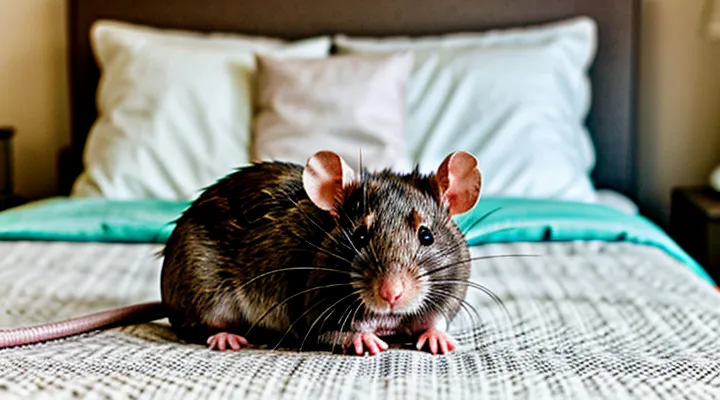
Understanding Your Rat's Sleep Needs
Recognizing Normal Rat Sleep Patterns
Typical Sleep Duration and Cycles
Rats are polyphasic sleepers, dividing rest into multiple periods throughout a 24‑hour cycle. Adult laboratory and pet rats average 12–14 hours of sleep each day, with night‑time accounting for the majority of that total.
Sleep occurs in short bouts lasting 5–15 minutes, interspersed with brief awakenings. Each bout follows a pattern of non‑rapid eye movement (NREM) sleep transitioning to rapid eye movement (REM) sleep. A complete NREM‑REM cycle lasts approximately 30–45 minutes, and a rat typically experiences 20–30 cycles per day.
Key characteristics of the cycles include:
- NREM phase: 70–80 % of total sleep time, dominated by slow‑wave brain activity.
- REM phase: 20–30 % of total sleep time, characterized by muscle atonia and cortical activation.
- Cycle length: 30–45 minutes, with REM periods lengthening as the day progresses.
Understanding these parameters allows caregivers to synchronize calming interventions—such as dim lighting, reduced noise, and gentle handling—with the animal’s natural sleep architecture, thereby enhancing the likelihood of uninterrupted rest.
Signs of Adequate Rest
Rats display several observable behaviors when they achieve sufficient sleep after calming interventions. Their bodies relax, and they settle into a compact, curled position, often on a soft surface. The eyes remain fully closed, and the whiskers stay still, indicating deep rest. Breathing becomes slow and regular, with a rhythm of roughly 70–90 breaths per minute. Muscle tone diminishes, and the rat remains motionless for extended periods, typically 10–15 minutes or longer.
Additional indicators include:
- A consistent, low‑frequency heart rate measurable with a gentle stethoscope.
- Lack of sudden twitching or jerky movements during the sleep episode.
- Restoration of normal activity levels after waking, such as prompt grooming and exploration.
- Absence of vocalizations or signs of distress while resting.
Monitoring these signs helps verify that calming techniques are effective and that the rat’s sleep quality meets physiological needs.
Identifying Sleep Disturbances
Common Causes of Insomnia in Rats
Rats experience insomnia when external and internal factors disrupt their natural sleep cycles.
- Environmental disturbances: sudden noises, bright lights, and fluctuating temperatures create stress that prevents the onset of sleep.
- Improper lighting: exposure to continuous light or irregular light‑dark intervals interferes with melatonin production, shortening sleep duration.
- Dietary issues: high‑sugar or caffeine‑containing foods, as well as feeding schedules that conflict with the animal’s circadian rhythm, stimulate activity during typical rest periods.
- Health problems: pain from injuries, dental disease, gastrointestinal upset, or parasitic infestations generate discomfort that keeps rats awake.
- Hormonal imbalances: irregularities in cortisol or thyroid hormones alter arousal levels, leading to fragmented sleep.
- Social factors: isolation or overcrowding creates anxiety; lack of appropriate social interaction can heighten vigilance and reduce rest.
- Insufficient exercise: limited physical activity fails to generate the natural fatigue needed for deep sleep phases.
- Age‑related changes: older rats may develop neurodegenerative conditions that disturb sleep architecture.
Understanding these causes enables targeted calming strategies that restore regular sleep patterns in laboratory and pet rats.
Behavioral Cues of Poor Sleep
Rats display distinct behaviors when sleep quality deteriorates, providing reliable indicators for caretakers seeking to improve rest. Frequent pacing, especially along cage walls, signals heightened arousal and fragmented sleep cycles. Repeated grooming bouts that exceed normal maintenance levels often accompany anxiety‑related insomnia, as the animal attempts self‑soothing without success. Vocalizations such as high‑pitched squeaks or prolonged chattering increase during periods of sleep disruption and can be heard when the rat is awake but restless.
Additional observable signs include:
- Persistent attempts to escape the enclosure, reflecting an inability to settle.
- Reduced engagement with enrichment items, indicating fatigue but paradoxically paired with restlessness.
- Irregular feeding patterns, where the rat either overeats or skips meals due to disturbed circadian rhythms.
- Dilated pupils and rapid breathing during quiet moments, suggesting underlying stress despite apparent calm.
Recognizing these cues enables timely intervention with calming strategies, such as environmental dimming, consistent light‑dark cycles, and gentle handling techniques, to restore restorative sleep.
Creating an Optimal Sleep Environment
The Ideal Cage Setup
Location and Lighting Considerations
A rat’s sleeping environment must be quiet, secure, and free from sudden visual stimuli. Place the cage in a low‑traffic area of the home, away from doors, windows, and appliances that generate intermittent sounds or vibrations. A corner of a bedroom or a dedicated shelving unit that is not part of daily foot traffic provides the necessary isolation while still allowing easy observation.
Lighting directly influences a rat’s circadian rhythm. Maintain a consistent cycle of approximately 12 hours of dim light followed by 12 hours of darkness. Use a low‑intensity, warm‑colored bulb or a red night light during the dark phase; rats perceive red wavelengths poorly, which minimizes disruption. Avoid fluorescent tubes that flicker, as the rapid changes can trigger stress responses.
Key lighting practices:
- Dim ambient light during the active period; bright illumination is unnecessary.
- Shield the cage from direct sunlight; solar glare elevates temperature and creates uneven lighting.
- Employ a timer to automate light transitions, ensuring reliability and preventing accidental extensions of illumination.
- Ensure the cage’s interior is evenly lit, eliminating shadows that could be interpreted as threats.
By selecting a secluded location and regulating illumination with precision, the rat’s sleep quality improves, supporting overall health and reducing anxiety.
Bedding and Nesting Materials
Providing rats with appropriate bedding and nesting materials directly influences their ability to settle into restful sleep. Soft, absorbent substrates create a stable micro‑environment that reduces temperature fluctuations and dampens external vibrations. Selecting materials that are both hygienic and non‑toxic eliminates respiratory irritation, allowing the animal to remain undisturbed throughout the night.
Recommended options include:
- Paper‑based bedding (e.g., shredded paper, cellulose pads) – low dust, easy to replace.
- Aspen shavings – minimal aromatic oils, safe for inhalation.
- Untreated cotton or fleece blankets – high warmth retention, suitable for nest building.
- Coconut fiber (coir) – natural insulation, encourages chewing behavior.
Maintain a clean nest by removing soiled bedding daily and refreshing the core material weekly. Ensure the nest is positioned in a quiet corner of the cage, away from food and water sources, to prevent contamination. Consistent provision of these materials supports the rat’s natural nesting instincts, leading to deeper, uninterrupted sleep.
Temperature and Humidity Control
Maintaining a Comfortable Climate
A rat’s sleep quality depends heavily on a stable micro‑climate. Temperature that is too high or too low triggers stress responses, interrupts REM cycles, and can lead to respiratory problems. Maintaining an environment that mirrors the animal’s natural habitat promotes relaxation and uninterrupted rest.
The optimal temperature range for most pet rats lies between 68 °F and 75 °F (20 °C–24 °C). Relative humidity should stay within 40 %–60 %. Values outside these limits increase the risk of dehydration, overheating, or chills, all of which interfere with sleep.
Practical steps to achieve and preserve these conditions:
- Use a calibrated digital thermostat to keep ambient temperature within the target band.
- Position the cage away from direct sunlight, drafts, and heating vents.
- Add insulating material (e.g., a thin blanket or foam board) to the cage’s exterior walls if the room temperature fluctuates.
- Install a small, quiet humidifier or dehumidifier to regulate moisture levels; monitor with a hygrometer.
- Ensure adequate but gentle airflow; a low‑speed fan can prevent stagnant air without creating drafts.
Regular monitoring is essential. Check temperature and humidity at least twice daily, adjusting equipment as needed. Record readings to identify patterns and prevent gradual drift. Consistent climate control creates a predictable, soothing environment that supports natural sleep rhythms in rats.
Avoiding Extremes
When a rat struggles to settle, the most reliable approach is to keep environmental conditions within moderate limits. Extreme temperatures disrupt the animal’s circadian rhythm; aim for a stable ambient range of 18‑22 °C (64‑72 °F). Sudden shifts in lighting provoke alertness; provide a consistent dark period of 10‑12 hours, using low‑intensity red bulbs if illumination is necessary during the night cycle.
Handling techniques must avoid both excessive restraint and complete neglect. Gentle, brief contact once or twice daily calms the nervous system without creating dependency. Over‑stimulation through loud noises or vigorous play increases cortisol levels, while total isolation can lead to anxiety; a balanced routine of short, calm interaction is optimal.
Feeding schedules also require moderation. Offer a modest portion of a balanced diet at the same time each evening; large meals near bedtime cause digestive activity that hinders rest, whereas insufficient nutrition may trigger hunger‑driven wakefulness. Provide a small, dry snack (e.g., a few pieces of millet) only if the rat shows signs of hunger before the sleep window.
Avoiding extremes in these three domains—temperature, handling, and nutrition—creates a predictable environment that naturally encourages sleep. The result is a calmer rat with consistent rest patterns, supporting overall health and wellbeing.
Calming Techniques for Better Sleep
Dietary Adjustments
Foods That Promote Relaxation
A rat’s ability to settle into restful sleep improves when its diet includes ingredients that support the nervous system and encourage calmness. Nutrients such as tryptophan, magnesium, and omega‑3 fatty acids have documented sedative effects in rodents and can be incorporated through specific foods.
- Cooked chicken breast – high in tryptophan, a precursor to serotonin and melatonin, which regulate sleep cycles.
- Steamed broccoli – provides magnesium and calcium, both associated with muscle relaxation and reduced neuronal excitability.
- Plain low‑fat yogurt – supplies probiotic cultures that influence gut‑brain signaling, enhancing overall calm.
- Small portions of boiled egg – deliver additional tryptophan and vitamin B6, a cofactor in melatonin synthesis.
- Flaxseed oil – rich in omega‑3 fatty acids, which modulate inflammation and support stable neurotransmitter function.
When introducing these items, offer them in modest quantities to avoid digestive upset. Serve at room temperature and ensure the rat consumes the food within a short period to maintain freshness. Balance the diet by keeping staple pellets as the primary source of nutrition; treat foods should not exceed 10 % of total intake.
Observe the rat after meals for signs of increased relaxation, such as slower breathing and reduced grooming activity. If adverse reactions appear—vomiting, diarrhea, or lethargy—remove the offending food immediately and consult a veterinary professional. Consistent inclusion of the listed foods, combined with a stable environment, creates a dietary foundation that promotes smoother transitions into sleep.
Foods to Avoid Before Bedtime
Rats are sensitive to dietary stimulants that can interfere with natural sleep cycles. Consuming certain foods in the evening raises metabolism, stimulates the nervous system, or disrupts digestion, all of which can prevent a rat from settling down.
- Caffeine‑containing items (e.g., coffee, tea, chocolate): increase heart rate and alertness, delaying onset of sleep.
- Sugary treats (candies, flavored pellets): cause rapid blood‑sugar spikes followed by crashes that can trigger restlessness.
- High‑fat snacks (nuts, seeds with added oil, cheese): slow gastric emptying, leading to discomfort and frequent waking.
- Spicy or heavily seasoned foods (pepper, chili powder, garlic): irritate the gastrointestinal tract, producing agitation.
- Dairy products (milk, yogurt) in large amounts: many rats are lactose intolerant, resulting in cramping and disrupted rest.
Eliminating these items from the pre‑bedtime diet supports a calmer environment and promotes more consistent sleep patterns in pet rats.
Enrichment and Exercise
Daytime Activities for Mental Stimulation
Daytime mental enrichment reduces stress and creates a predictable routine that supports a rat’s ability to settle into restful periods at night. Engaging a pet rat with activities that require problem‑solving, exploration, and sensory variety keeps the brain occupied, lowers anxiety, and promotes a natural sleep‑wake cycle.
- Puzzle feeders that dispense treats only after the rat manipulates a mechanism encourage focused attention and fine‑motor coordination.
- Foraging boxes filled with shredded paper, dried herbs, or small food pieces stimulate natural digging behavior and scent investigation.
- Short training sessions using clicker cues teach simple commands such as “come” or “spin,” reinforcing cognitive engagement and strengthening the bond with the owner.
- Maze layouts constructed from cardboard or plastic tubes provide spatial challenges and encourage navigation skills.
- Interactive toys that roll, bounce, or swivel require the rat to chase and manipulate moving objects, fostering agility and mental alertness.
- Scent enrichment using safe essential oils (e.g., lavender or chamomile) or fresh herbs introduces novel olfactory cues that keep the environment dynamic without causing overstimulation.
Integrating these activities into a consistent daytime schedule creates a balanced routine: several short sessions spaced throughout daylight hours prevent boredom, while the cumulative mental workload helps the rat transition to a calm, undisturbed night. Regular assessment of interest levels ensures that each activity remains effective; if a rat loses enthusiasm, replace the item or modify the challenge to maintain engagement.
Physical Activity and Its Impact on Sleep
Physical activity directly influences the sleep architecture of rats. Regular, moderate exercise stimulates the release of endogenous melatonin, shortens the latency to fall asleep, and promotes deeper non‑rapid eye movement (NREM) periods. Excessive or intense activity close to the rest phase raises cortisol levels, disrupts circadian rhythms, and fragments sleep cycles.
For owners seeking to improve rat sleep quality, apply the following guidelines:
- Provide a running wheel that allows 15–30 minutes of voluntary movement each evening.
- Schedule short play sessions in the early dark period; avoid vigorous handling within two hours of the intended sleep window.
- Ensure the cage includes climbing structures that encourage low‑intensity activity throughout the active phase.
- Monitor food intake; a balanced diet supports energy expenditure without causing hyperactivity.
- Observe individual behavior; adjust the duration of exercise if signs of stress or exhaustion appear.
Implementing consistent, moderate activity aligns the rat’s internal clock with its natural nocturnal pattern, resulting in more stable, restorative sleep.
Establishing a Routine
Consistent Bedtime Schedules
Consistent bedtime schedules create a predictable routine that aligns a rat’s internal clock with the desired sleep period. When the animal receives food, light exposure, and handling at the same times each day, the circadian system receives clear signals to initiate rest at the appointed hour.
Implementing a schedule involves three key steps:
- Set a fixed lights‑off time. Dim the enclosure lighting to a low level 30 minutes before the intended sleep window and keep it steady throughout the night.
- Provide a final feeding session. Offer a small, nutritionally balanced snack at the same time each evening, then remove all food within 15 minutes to signal the end of activity.
- Limit disturbances. Cease handling, cleaning, and loud noises at least 20 minutes before lights are turned off, allowing the rat to settle without abrupt stimuli.
Maintain the routine daily, even on weekends, to prevent drift in the sleep‑wake cycle. If adjustments are needed—such as a shift in the household’s schedule—modify the timetable gradually, moving the lights‑off and feeding times by no more than 15 minutes per day until the new pattern stabilizes.
Monitoring the rat’s behavior provides feedback on schedule effectiveness. Signs of successful adaptation include reduced grooming activity, slower breathing, and a quiet, tucked‑in posture shortly after lights are dimmed. Persistent restlessness or frequent waking suggests the need for tighter adherence to the established times or a review of environmental factors such as temperature and cage enrichment.
Pre-Sleep Rituals
Establishing a predictable routine before bedtime signals to a pet rat that rest is imminent. Consistency reduces anxiety and encourages natural sleep cycles.
Key components of an effective pre‑sleep ritual include:
- Light management: Dim the enclosure lights 30–60 minutes prior to the intended sleep period. Gradual reduction mimics twilight and lowers melatonin suppression.
- Temperature stabilization: Adjust ambient temperature to 18‑22 °C (64‑72 °F) at least 15 minutes before lights out. Stable warmth prevents shivering and metabolic spikes.
- Gentle handling: Offer a brief, calm hand‑out session lasting 2–3 minutes. Light petting and soft vocal tones reinforce a sense of safety without overstimulation.
- Feeding schedule: Provide a small portion of high‑fiber food 20 minutes before darkness. A modest meal satisfies hunger without triggering digestive activity that could disrupt rest.
- Scent cue: Place a piece of clean, unscented cotton cloth infused with a familiar, mild odor (e.g., the rat’s own bedding) in the nest area. Consistent scent acts as a mental trigger for sleep.
- Noise reduction: Activate a low‑volume white‑noise source or ensure the room remains quiet. Ambient consistency masks sudden sounds that could awaken the animal.
Implementing these steps in the same order each evening creates a reliable pattern. Over several weeks, the rat learns to associate the sequence with the onset of rest, resulting in quicker sleep onset and longer, uninterrupted periods of slumber.
Stress Reduction Strategies
Minimizing Noise and Disturbances
Quiet surroundings are critical for a rat’s ability to fall asleep and stay asleep. Sudden sounds, vibrations, and frequent activity can trigger the animal’s alert system, preventing the onset of restful sleep.
Common noise sources include household appliances, footsteps, doors closing, and external traffic. Vibrations transmitted through cages, shelves, or flooring also disturb the rat’s sleep cycle. Light‑induced sounds, such as buzzing from lamps or electronic devices, add to the problem.
Effective measures:
- Place the cage on a stable, insulated surface to dampen vibrations. Rubber pads or foam mats work well.
- Relocate the cage to a low‑traffic area, away from doors, windows, and busy corridors.
- Turn off or mute devices that generate continuous noise (e.g., fans, air conditioners) during the rat’s typical sleep period.
- Use a white‑noise generator set to a low volume to mask intermittent sounds without creating new disturbances.
- Cover the cage with a breathable, sound‑absorbing fabric when the rat is not active, ensuring adequate ventilation.
Additional recommendations: establish a consistent daily schedule so the rat anticipates quiet periods; limit handling and cleaning to designated times; and monitor the environment with a decibel meter to verify that ambient noise remains below 40 dB during nighttime. These steps create a stable acoustic environment that supports uninterrupted sleep for the pet rat.
Gentle Handling and Interaction
Gentle handling reduces stress hormones and prepares a rat for restful sleep. Approach the animal slowly, allowing it to see your hand before contact. Use a flat palm rather than a fist, supporting the body from the chest to the hindquarters. Keep movements smooth; sudden jerks trigger alertness and interrupt the sleep cycle.
Consistent interaction reinforces a sense of safety. Offer brief, daily sessions of calm petting, focusing on the neck and back where the fur is less sensitive. Limit handling time to two‑three minutes at a time, especially during the evening when the rat’s natural sleep period begins.
Key practices for effective gentle handling:
- Approach from the side, avoiding direct overhead views.
- Place one hand under the chest, the other supporting the hind legs.
- Maintain a low, steady voice; avoid loud or abrupt sounds.
- Release the rat onto a familiar surface, such as a padded corner of the cage, before it settles.
- Observe body language: relaxed whiskers, slow breathing, and a lowered tail indicate comfort.
Implementing these techniques creates a predictable routine, encouraging the rat to associate human contact with safety and, consequently, with the onset of sleep.
Addressing Underlying Health Issues
Recognizing Medical Conditions
Common Ailments Affecting Sleep
Rats experience several health conditions that directly disrupt their ability to rest. Recognizing these ailments is essential before applying any calming methods.
- Respiratory infections cause congestion and coughing, leading to frequent awakenings.
- Gastrointestinal upset, including diarrhea or constipation, creates discomfort that prevents sustained sleep.
- Dental overgrowth results in pain when chewing, often causing the animal to stay alert.
- External parasites such as mites or fleas irritate the skin, producing restlessness.
- Stress‑induced ulcers generate chronic pain, interfering with normal sleep cycles.
- Metabolic disorders, especially hypoglycemia, trigger agitation and frequent waking.
- Improper ambient temperature—excessive cold or heat—induces shivering or panting that breaks sleep.
- Persistent loud noises or bright lighting stimulate the nervous system, reducing sleep depth.
Addressing these conditions through veterinary care, proper nutrition, habitat management, and hygiene restores the rat’s physiological balance. Once the underlying health issues are resolved, calming techniques—such as gentle handling, consistent lighting schedules, and safe nesting materials—can effectively promote uninterrupted sleep.
When to Consult a Veterinarian
Rats that struggle to settle may require professional assessment when normal calming methods fail to produce relief. Persistent insomnia, sudden weight loss, or noticeable changes in appetite indicate underlying health issues that exceed routine care. Respiratory noises, coughing, or nasal discharge suggest infection, while excessive scratching, hair loss, or skin lesions point to dermatological problems. Neurological signs—tremors, uncoordinated movements, or seizures—demand immediate veterinary attention.
If a rat exhibits any of the following conditions, schedule a consultation without delay:
- Inability to sleep for more than 24 hours despite a quiet environment
- Continuous vocalization or signs of distress
- Blood in urine or feces
- Persistent diarrhea or constipation
- Fever, measured by a rectal temperature above 103 °F (39.4 °C)
- Swelling or lumps under the skin
Veterinarians can conduct thorough examinations, order diagnostic tests, and prescribe appropriate treatments. Early intervention reduces the risk of chronic illness and supports long‑term well‑being. Regular health check‑ups, even in the absence of symptoms, help maintain a stable sleep pattern and prevent future complications.
Pain Management
Identifying Signs of Discomfort
Recognizing when a rat experiences discomfort is a prerequisite for applying any calming strategy aimed at improving sleep quality. Discomfort disrupts the animal’s natural rest cycles, leading to frequent awakenings and heightened stress responses. Accurate identification enables timely intervention, reducing the need for more intensive measures.
Typical indicators of discomfort include:
- Restlessness or pacing within the cage
- Excessive grooming of a specific body area
- Audible vocalizations such as high‑pitched squeaks
- Abnormal posture, e.g., hunching or flattened back
- Reduced food and water intake
- Changes in stool consistency or frequency
- Withdrawal from social interaction with cage mates
Observing these behaviors consistently allows caretakers to adjust environmental factors, health care, or handling techniques, thereby fostering a more tranquil sleeping environment for the rat.
Veterinary Interventions for Pain Relief
Pain disrupts normal sleep cycles in rats; effective analgesia is essential for establishing a restful environment. Veterinary practitioners assess the source of discomfort, then apply targeted interventions to eliminate nociceptive input and facilitate relaxation.
- Non‑steroidal anti‑inflammatory drugs (e.g., meloxicam, carprofen) administered at species‑appropriate doses reduce inflammation and mild to moderate pain.
- Opioid analgesics (e.g., buprenorphine, fentanyl) provide strong relief for acute postoperative or traumatic pain; dosing intervals are adjusted to maintain steady plasma levels.
- Gabapentinoids (gabapentin, pregabalin) address neuropathic components, decreasing hyperexcitability that can interfere with sleep.
- Local anesthetic blocks (bupivacaine, lidocaine) applied perioperatively limit immediate postoperative discomfort and promote early rest.
Adjunctive measures complement medication:
- Environmental enrichment that minimizes stressors (quiet housing, consistent lighting, soft bedding) reduces sympathetic activation.
- Gentle handling techniques and habituation sessions lower anxiety, allowing analgesics to work without interference from fear‑induced arousal.
- Thermoregulation support (warm blankets, controlled ambient temperature) prevents shivering, which can mask pain relief efficacy.
Continuous monitoring guides dosage adjustments. Observe respiratory rate, heart rate, and activity levels every 2–4 hours after drug administration. Record any signs of over‑sedation, gastrointestinal stasis, or adverse reactions. Titrate to the lowest effective dose that eliminates pain while preserving normal physiological function. Proper documentation ensures repeatable outcomes and supports evidence‑based refinement of analgesic protocols for rats requiring sleep‑enhancing care.
Advanced Soothing Methods
Aromatherapy for Rats «if safe and vet-approved»
Safe Scents and Application Methods
When selecting aromatics for a rodent’s rest environment, prioritize compounds with low toxicity and proven calming effects.
- Lavender (Lavandula angustifolia) – mild sedative, suitable for diffusion at 1–2 drops per 100 ml water.
- Roman chamomile (Chamaemelum nobile) – soothing, effective when applied to a cotton ball placed in the cage, using 1 drop per ball.
- Valerian root (Valeriana officinalis) – strong relaxation, safe at 1 drop per 250 ml water in a diffuser.
- Cedarwood (Juniperus virginiana) – subtle piney scent, appropriate for a small wooden chip in the enclosure, no more than a single chip per cage.
Avoid essential oils known to irritate rodents, such as eucalyptus, tea tree, peppermint, and citrus blends; even diluted, they can cause respiratory distress.
Application methods must ensure consistent, low‑level exposure without direct contact with the animal’s skin or fur.
- Ultrasonic diffusers: set to intermittent mode, limit operation to 15 minutes twice daily.
- Scented cotton pads: place on the cage’s upper corner, replace every 48 hours.
- Diluted spray: combine 1 drop of oil with 250 ml distilled water, mist lightly onto bedding, allow to dry before re‑introducing the rat.
- Aromatic wood chips: add a single piece to the nesting area, monitor for any aversion, replace weekly.
Maintain proper ventilation; ensure the scent concentration never exceeds a faint aroma detectable by human scent alone. Regularly observe the rat for signs of stress or avoidance, adjusting or discontinuing use if adverse behavior appears.
Scents to Avoid
A rat’s ability to settle into rest is highly sensitive to airborne chemicals. Certain odors trigger stress responses, elevate heart rate, and disrupt the natural sleep cycle. Eliminating these scents creates a stable environment conducive to uninterrupted sleep.
- Strong citrus oils (lemon, orange, grapefruit)
- Heavy musk or perfume blends containing synthetic musks
- Ammonia‑based cleaners or cat litter deodorizers
- Pungent spices such as garlic, onion, or chili powder
- Tobacco smoke and nicotine vapors
- Essential oils with high menthol or eucalyptus concentrations
- Chemical solvents, paint fumes, and aerosol sprays
Exposure to any of the listed aromas should be prevented in the rat’s enclosure. Regularly ventilate the area, use unscented bedding, and select cleaning products labeled fragrance‑free. Monitoring the animal’s behavior after any environmental change confirms the effectiveness of scent control.
Calming Sounds and Music
Ambient Noise vs. White Noise
Ambient noise creates a natural soundscape that mimics the rat’s environment, such as soft rustling leaves or distant ventilation hum. These sounds blend with the animal’s existing auditory background, reducing abrupt auditory spikes that could trigger alertness. Because the frequency spectrum is uneven, ambient noise can be less likely to mask subtle cues of danger, preserving the rat’s instinctual awareness while still providing a soothing backdrop.
White noise delivers a constant, broadband sound covering the entire audible range. Its uniform intensity eliminates gaps in the acoustic field, preventing sudden changes that might startle the rat. The steady pressure of white noise can suppress distracting noises from the surroundings, encouraging a more consistent sleep cycle. However, the unvarying high-frequency content may be perceived as harsh if volume exceeds the rat’s comfort threshold.
- Frequency profile: ambient – irregular, low‑to‑mid range; white – flat across all frequencies.
- Masking ability: ambient – partial, blends with background; white – complete, fills silence.
- Potential stress: ambient – low if sounds are familiar; white – moderate if volume is high.
- Suitability for enclosure size: ambient – effective in larger, naturally noisy spaces; white – useful in small, quiet chambers.
Select the type that aligns with the rat’s habitat and monitor behavior for signs of relaxation, such as reduced grooming and steadier breathing. Adjust volume to remain below the animal’s startle threshold; a level just audible enough to cover sudden disturbances typically yields the best outcome.
Specific Frequencies for Relaxation
Rats respond to sound frequencies that align with their natural resting patterns. Research indicates that tones between 2 kHz and 4 kHz promote a state of calm, while frequencies above 8 kHz can trigger alertness. A narrow band centered around 3.5 kHz consistently reduces locomotor activity, suggesting optimal use for sleep induction.
Practical application:
- Generate a continuous 3.5 kHz sine wave at 50‑60 dB SPL within the enclosure.
- Maintain the tone for 10‑15 minutes before the intended sleep period.
- Pair the audio with dim lighting and stable ambient temperature to reinforce the effect.
Safety guidelines:
- Verify that the sound level does not exceed 70 dB SPL to prevent auditory stress.
- Monitor the rat for signs of distress, such as rapid breathing or frantic movement.
- Adjust duration if the animal shows reduced responsiveness after the initial exposure.
Combining the specified frequency range with consistent timing creates a reliable protocol for encouraging restful behavior in laboratory and pet rats.