
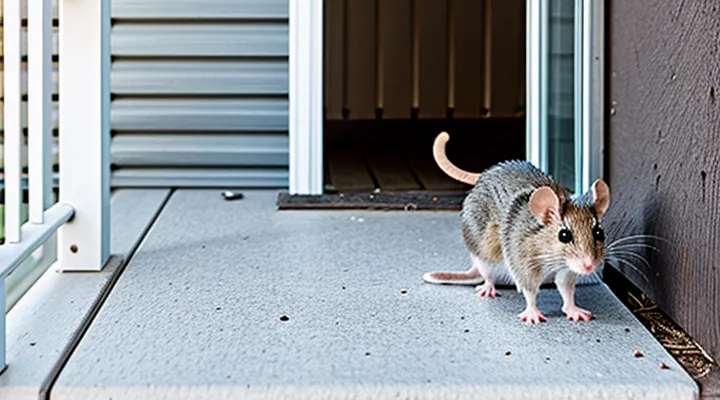
Understanding the Mouse Problem on Your Balcony
Why Mice are Attracted to Balconies
Food Sources
Mice are drawn to balconies that provide easy access to food. Unsealed containers, pet dishes, and leftover crumbs create a reliable supply, encouraging rodents to establish a presence. Eliminate these attractants by storing all edibles in airtight, pest‑proof containers and removing any waste promptly. Keep outdoor dining areas clean; sweep surfaces after each use and dispose of garbage in bins equipped with tight‑locking lids.
Identify specific food sources that may be overlooked:
- Birdseed spilled on the floor or in feeders left unattended.
- Fruit or vegetable scraps from cooking or gardening activities.
- Open packages of snacks, nuts, or pet treats.
Address each point systematically. Transfer birdseed to a metal feeder with a sealed base, and clean the area beneath it regularly. Dispose of organic waste in a sealed compost bin or discard it indoors. Replace open snack packages with resealable bags or store them inside a locked cabinet.
By removing all accessible nourishment, the balcony becomes inhospitable, reducing the likelihood that mice will linger or return. Continuous vigilance—checking for new spills, securing containers, and maintaining cleanliness—maintains a hostile environment for rodents and supports long‑term exclusion.
Shelter and Hiding Spots
Mice on a balcony survive by exploiting any structure that offers protection from weather and predators. Typical shelters include stacked planters, unused furniture, insulation gaps, and debris piles. These locations retain moisture, provide darkness, and create routes for movement between the balcony and adjacent walls or building interiors.
To eliminate these refuges, take the following actions:
- Remove all objects that can serve as cover, such as overturned pots, old crates, and excess garden waste.
- Seal gaps around railings, pipe penetrations, and the base of the balcony with steel wool, caulk, or metal flashing.
- Trim vegetation that touches the balcony, preventing rodents from using vines or branches as bridges.
- Install smooth, non‑porous flooring material that discourages nesting and makes inspection easier.
- Regularly clean the surface with a disinfectant solution to eliminate scent trails that attract rodents.
Consistent maintenance of a clear, sealed environment deprives mice of the shelter they require, reducing the likelihood of infestation on the balcony.
Access Points
Mice reach a balcony through gaps, openings, and structural weaknesses that provide shelter and a route to food sources. Typical entryways include:
- Cracks around window frames and sliding doors
- Unsealed gaps beneath railings or between the balcony floor and the building wall
- Openings around utility lines, vents, and drainage pipes
- Damaged or missing weather‑stripping on doors and windows
- Loose siding, siding trim, or soffit material
Each opening creates a direct pathway for rodents. Inspect the balcony thoroughly, focusing on the perimeter where the slab meets the wall, any metal or wooden joints, and points where cables or pipes penetrate the surface. Use a flashlight to reveal hairline cracks and a piece of paper or tissue to test for airflow, indicating hidden gaps.
After identification, seal all access points with appropriate materials: silicone or polyurethane caulk for small cracks, metal flashing or steel wool for larger holes, and weather‑resistant mesh for vent openings. Replace damaged weather‑stripping with a high‑quality seal. For gaps around utilities, install expandable foam that resists chewing. Ensure that the sealing material adheres firmly and remains intact under weather exposure.
Regularly re‑examine the balcony after heavy rain or seasonal temperature changes, as new fissures can develop. Prompt repair of any newly formed openings prevents re‑infestation and maintains a barrier against future rodent intrusion.
Signs of a Mouse Infestation
Droppings and Urine
Droppings and urine left by rodents on a balcony create health hazards and attract further infestations. Their presence indicates active activity and must be addressed before any preventive measures can succeed.
- Wear disposable gloves and a mask to prevent inhalation of pathogens.
- Collect solid droppings with a damp paper towel; place material in a sealed plastic bag.
- Apply an enzymatic cleaner to urine‑stained surfaces; allow sufficient dwell time to break down odor molecules.
- Rinse the area with hot water and a mild detergent; dry thoroughly to eliminate residual moisture.
- Dispose of waste according to local regulations; sanitize tools with a bleach solution (1 part bleach to 9 parts water).
Removing these contaminants eliminates a food source, reduces disease risk, and discourages mice from returning to the balcony. Subsequent steps—such as sealing entry points and setting traps—will be more effective on a clean, odor‑free surface.
Gnaw Marks
Gnaw marks on a balcony surface, railings, or containers are direct evidence of rodent activity. The depth, shape, and location of these bite marks reveal the size of the intruder and the pathways it uses to reach food or shelter.
Inspect the balcony systematically. Start at ground level and move upward, noting any fresh or fresh‑looking incisions on wood, plastic, or metal. Record the direction of each mark; rodents typically chew outward from a hiding spot toward a food source. Pay special attention to edges of planters, gaps beneath railings, and seams of outdoor furniture, as these are common entry points.
To eliminate the problem based on gnaw‑mark evidence, take the following actions:
- Seal openings larger than ¼ inch with steel wool, copper mesh, or silicone caulk.
- Replace damaged sections of wood or plastic that show extensive chewing.
- Install snap traps or electronic traps directly beside the most recent gnaw marks.
- Apply rodent‑repellent granules or spray along the identified pathways.
- Remove food sources by storing birdseed, pet food, and garbage in airtight containers and clearing debris that may attract rodents.
By correlating gnaw‑mark patterns with structural vulnerabilities, you can target interventions precisely, reduce the likelihood of re‑infestation, and maintain a clean, rodent‑free balcony.
Nests and Sounds
Mice construct nests from shredded paper, fabric, insulation, or plant debris, often tucked behind railings, under planters, or within gaps between balcony walls and floorboards. Identifying these structures provides the first reliable indicator of an infestation and determines where control measures should be concentrated.
Typical mouse sounds include high‑pitched squeaks, rustling of nesting material, and intermittent scurrying noises, most audible during night hours. Listening for these cues while inspecting the balcony helps locate hidden activity without visual confirmation.
- Inspect corners, under pots, and behind furniture for compacted, irregularly shaped piles of shredded material.
- Use a flashlight to examine seams, joints, and drainage openings where nests may be concealed.
- Conduct a brief auditory survey after dusk; note any repetitive squeaking or scratching patterns.
- Once nests are found, remove debris, seal entry points, and apply approved bait stations or traps directly adjacent to the nest site.
Eliminating the nest eliminates the shelter and breeding ground, disrupting the mouse population and reducing the likelihood of recurring damage.
Prevention Strategies
Maintaining a Clean Balcony
Regular Cleaning
Regular cleaning removes food residues, nesting material, and water sources that attract rodents to balcony areas. Sweep surfaces daily to eliminate crumbs, vacuum corners where debris accumulates, and wipe down railings and planters with a mild detergent. Dispose of waste in sealed containers to prevent odors that lure mice.
Key cleaning actions:
- Remove fallen leaves and organic matter that provide shelter.
- Clean pet feeding stations after each use; store food in airtight containers.
- Rinse and dry saucers, water dishes, and flower pots to eliminate standing moisture.
- Inspect and clear drainage gaps weekly, eliminating damp spots that encourage gnawing.
- Disinfect surfaces with a solution containing vinegar or a low‑toxicity disinfectant to disrupt scent trails.
Consistent execution of these tasks creates an environment where mice find no viable resources, reducing their motivation to occupy the balcony.
Proper Waste Disposal
Proper waste management is essential for preventing mice from colonizing a balcony. Food remnants, crumbs, and organic debris provide a reliable food source that encourages rodents to explore and settle in the area. Controlling these attractants eliminates one of the primary incentives for mouse activity.
- Use airtight containers for all food waste; seal lids tightly after each use.
- Empty trash bins at least once daily, especially during warm weather.
- Store compostable material in a closed compost bin located away from the balcony, or dispose of it in municipal collection services promptly.
- Keep the balcony surface free of litter, packaging, and discarded plant material.
- Clean the floor and railings with a mild detergent after any spill, then rinse and dry thoroughly.
Failure to follow these practices results in lingering odors and visible food particles that draw mice. Accumulated waste can also harbor insects, which serve as additional prey for rodents, creating a self‑sustaining cycle of infestation.
Implementing disciplined waste disposal eliminates the food supply that supports mouse populations, reduces the likelihood of nesting, and simplifies the use of other control measures. Consistent adherence to the outlined steps provides a reliable foundation for a mouse‑free balcony environment.
Eliminating Access Points
Sealing Cracks and Holes
Mice can enter a balcony through any opening larger than a quarter‑inch, making the elimination of cracks and holes essential for effective control.
Typical entry points include gaps around railings, joints between balcony slabs, openings around utility pipes, and seams where decking meets the wall. Each of these vulnerabilities provides a direct path for rodents.
Effective sealing requires durable, rodent‑proof materials. Recommended supplies are:
- Steel wool or copper mesh for filling narrow gaps
- Silicone or polyurethane caulk for flexible joints
- Expanding polyurethane foam for larger voids
- Metal flashing or sheet metal for reinforcing structural cracks
- Concrete repair mix for substantial fissures
Procedure:
- Inspect the entire balcony surface; mark every opening with chalk or tape.
- Insert steel wool or mesh into each narrow gap, compressing it tightly.
- Apply caulk over the packed material, smoothing the bead to create a seamless barrier.
- For larger voids, dispense expanding foam, allow it to cure, then trim excess.
- Cover substantial cracks with metal flashing, securing it with screws or construction adhesive.
- Fill remaining structural fissures with concrete repair mix, smooth the surface, and let it cure fully.
Regularly revisit the sealed areas, especially after heavy rain or temperature fluctuations, to verify that the material remains intact. Promptly repair any new cracks to maintain a continuous defense against rodent intrusion.
Inspecting Entryways
Inspect the balcony perimeter for any openings that could admit mice. Small gaps around railings, drainage pipes, vent covers, and the junction between the balcony floor and the building façade are common access points. Identify each potential passage before attempting any control measures.
- Examine joints where the balcony meets the wall; look for cracks wider than ¼ inch.
- Check the underside of railings for gaps between the metal and any attached wood or concrete.
- Inspect drainage channels for loose grates or holes.
- Test the seal around utility conduits (electric, water, internet) for wear or missing caulk.
- Use a flashlight to view dark corners and the space beneath any stored items.
After locating openings, measure their dimensions and prioritize sealing based on size and proximity to mouse activity. Apply appropriate materials: steel wool for irregular gaps, silicone caulk for seams, expanding foam for larger voids, and metal flashing or mesh for vent openings. Ensure that applied barriers are tightly fitted and resistant to chewing.
Re‑inspect the area after repairs. Confirm that no new cracks have formed and that all sealed points remain intact. Regular visual checks, especially after heavy rain or temperature fluctuations, help maintain a mouse‑free balcony.
Removing Attractants
Storing Food Securely
Storing food properly eliminates a primary attraction for rodents on balcony spaces. When edibles are left exposed, mice detect scent cues and gain easy access, undermining any other control measures.
Effective storage practices include:
- Use containers with sealed, lock‑tight lids made of plastic, glass, or metal; ensure the seal remains intact after each use.
- Keep containers off the floor by placing them on a shelf or a raised platform; rodents cannot climb smooth surfaces as easily as they can reach items on the ground.
- Store perishable items in a small refrigerator or insulated box; low temperatures slow decay and reduce odor emission.
- Separate dry goods (e.g., grains, nuts) from pet food and avoid mixing waste with consumables; distinct storage zones prevent cross‑contamination.
- Regularly inspect containers for cracks, gaps, or damaged seals and replace compromised units promptly.
Consistent application of these measures removes food sources that sustain mouse populations, supporting overall pest‑prevention efforts on balconies.
Eliminating Water Sources
Mice survive by accessing water; removing that resource makes a balcony unattractive.
Typical sources of moisture on a balcony include:
- Leaking planters or saucers
- Condensation on windows or railings
- Pet water bowls left outdoors
- Spilled liquids that remain unattended
- Damp soil in potted plants
To eliminate these sources, follow the steps below:
- Inspect all containers for cracks; replace or seal damaged items.
- Position saucers on a waterproof tray and empty them after each use.
- Wipe down windows, railings, and walls regularly to prevent condensation buildup.
- Store pet water dishes indoors; if outdoor use is unavoidable, provide a shallow dish that can be emptied and dried nightly.
- Use well‑draining soil in pots and avoid overwatering; allow the top layer to dry before the next watering.
- Collect and dispose of any spilled liquids promptly; use absorbent mats where needed.
Maintain a routine inspection schedule: check for new leaks after rain, monitor plant watering habits, and ensure all surfaces stay dry. Consistent removal of water eliminates a primary incentive for mice, contributing to a pest‑free balcony environment.
Effective Methods for Mouse Removal
Non-Lethal Approaches
Live Traps
Live traps provide a humane way to remove mice from a balcony without using poison. The device consists of a cage with a trigger mechanism that closes the door when the rodent enters. Below are the essential steps for effective use.
- Choose a trap sized for small rodents; a 12‑inch cage is sufficient for most balcony species.
- Position the trap along the wall or near a known travel route, preferably where droppings or gnaw marks are visible.
- Bait the trap with high‑protein foods such as peanut butter, cooked egg, or small pieces of cheese. Apply a pea‑sized amount to the trigger plate to ensure the mouse contacts the mechanism.
- Secure the trap to prevent tipping caused by wind; use a weighted base or attach it to a rail with zip ties.
- Inspect the trap at least twice daily. When a mouse is captured, transport the cage to a safe release site at least two miles from the building, preferably in a wooded area.
- Release the animal gently, open the door, and allow it to exit without handling.
Regularly clean the trap with mild soap and water to remove scent trails that could deter other mice. Rotate bait types if captures decline, and maintain a clutter‑free balcony to reduce hiding places. Consistent application of these practices limits re‑infestation while adhering to humane standards.
Repellents «Natural and Commercial»
Effective mouse control on a balcony relies on repellent strategies that either use natural substances or commercial products. Natural options exploit odors or textures mice find hostile, while commercial solutions often combine chemical agents with engineered delivery systems.
Natural repellents
- Peppermint oil: dilute 10 ml of oil in 1 liter of water, spray on railings, planters, and any entry points; repeat every three days.
- Cayenne or chili powder: sprinkle a thin layer along the balcony edge and around containers; reapply after rain.
- Dryer sheets: place scented sheets beneath furniture; replace weekly to maintain potency.
- Predator scent: distribute sachets containing fox or cat urine; discard after two weeks to prevent habituation.
Commercial repellents
- Rodent‑resistant mesh: install around vent openings; mesh size no larger than 6 mm blocks entry.
- Ultrasonic emitters: mount devices at ceiling height, set to continuous mode; ensure power source is stable to avoid interruptions.
- Glue boards: affix on walls near suspected pathways; monitor and replace when occupied.
- Bait stations with anticoagulant pellets: position in concealed corners, follow label instructions for dosage and safety.
Combining natural and commercial methods enhances overall efficacy. Apply natural deterrents first to discourage initial intrusion, then supplement with engineered barriers or bait to address any remaining individuals. Regular inspection and prompt reapplication prevent mice from acclimating to the repellents.
Lethal Methods
Snap Traps
Snap traps offer a rapid, humane solution for eliminating mice that have taken up residence on a balcony. The device consists of a spring‑loaded bar that delivers a swift strike when the rodent triggers the trigger plate, ensuring immediate death and preventing prolonged suffering.
Effective use requires proper placement. Position traps along walls, behind potted plants, or near known entry points, as mice prefer to travel close to surfaces. Secure each trap on a stable surface to avoid accidental displacement by wind or movement of balcony furniture.
Bait selection influences capture rates. Use small amounts of high‑fat foods such as peanut butter, cheese, or chocolate. Apply the bait to the trigger plate, ensuring it does not obstruct the mechanism.
Safety considerations include:
- Wearing disposable gloves when handling traps.
- Keeping traps out of reach of children and pets.
- Checking traps daily to remove captured rodents promptly.
Disposal guidelines:
- Seal the dead mouse in a disposable bag.
- Dispose of the bag in an outdoor trash container with a tight‑fitting lid.
- Clean the trap with a mild detergent and rinse thoroughly before reuse.
Advantages of snap traps:
- Immediate result.
- No need for electricity or chemicals.
- Low cost and reusable.
Limitations:
- Requires regular monitoring.
- Ineffective if mice avoid baited areas.
- Potential for accidental activation if not placed correctly.
Electronic Traps
Electronic traps provide a rapid, humane solution for mouse problems on balconies. The device detects a rodent through infrared or motion sensors and delivers an instantaneous high‑voltage shock that kills the animal within seconds, eliminating the need for poisons or manual handling.
The technology relies on a sealed chamber that houses a battery or mains‑powered circuit. When the mouse enters, a sensor activates a capacitor that releases a controlled discharge. The enclosure prevents contact with non‑target species and isolates the carcass for easy disposal.
- Advantages
- Immediate result, no waiting for delayed toxicity.
- No toxic residues; safe for children and pets when installed correctly.
- Reusable after each catch; minimal ongoing cost.
- Disadvantages
- Requires reliable electricity or battery replacement.
- Initial purchase price higher than traditional snap traps.
- Effectiveness depends on correct placement and regular maintenance.
Effective deployment involves positioning the trap along known travel routes, such as near wall edges, pipe openings, or food sources. Secure the unit to a stable surface to avoid displacement by wind. Verify that the power source is protected from moisture; many models include a weather‑proof rating suitable for outdoor use. After each capture, remove the carcass, clean the sensor window with a damp cloth, and inspect the battery or power connection.
When integrated with other preventive measures—sealing entry gaps, removing food debris, and maintaining a tidy balcony—electronic traps become a reliable component of an overall rodent‑control strategy.
Post-Removal Actions
Cleaning and Sanitizing the Area
Disinfecting Surfaces
Disinfecting surfaces after mouse activity is essential to eliminate pathogens left by rodents and to prevent re‑infestation. Proper sanitation removes urine, droppings, and saliva that can attract additional pests and pose health risks.
Before applying any disinfectant, clear the balcony of debris, food remnants, and nesting material. Wear disposable gloves and a mask to avoid direct contact with contaminants. Sweep or vacuum the area, then dispose of waste in a sealed bag.
Select a disinfectant proven effective against rodent‑borne bacteria and viruses. Options include:
- A solution of 1 part household bleach to 9 parts water, applied immediately after cleaning.
- Commercial EPA‑registered rodent disinfectants, used according to label instructions.
- Hydrogen peroxide (3 %) or quaternary ammonium compounds, suitable for metal, wood, and plastic surfaces.
Apply the chosen product with a spray bottle or a clean cloth, ensuring full coverage of all contacted surfaces. Maintain the recommended contact time, typically 5–10 minutes, before wiping or rinsing. For porous materials, repeat the application to reach deeper residues.
After treatment, open balcony doors or windows to ventilate the space for at least 15 minutes. Store cleaning supplies safely, and repeat the disinfection process if signs of mouse activity reappear.
Removing Nesting Materials
Mice construct nests from soft debris, plant litter, and any material that offers insulation. Eliminating these resources removes the incentive for rodents to remain on a balcony.
- Collect and dispose of fallen leaves, twigs, and grass clippings; store them in sealed bags before discarding.
- Remove cardboard boxes, paper bags, and fabric scraps; replace them with rigid containers that close tightly.
- Trim overgrown vegetation that drapes onto the balcony railing; keep shrubs and vines pruned to prevent shelter.
- Sweep the floor and sweep away dust, crumbs, or spilled food; vacuum corners where particles accumulate.
- Inspect roof gutters, eaves, and any attached structures for accumulated debris; clear them regularly.
After clearing nesting material, seal entry points, and maintain a clean environment to discourage re‑infestation.
Ongoing Monitoring
Regular Inspections
Regular inspections are a cornerstone of any effective mouse‑control strategy on a balcony. Detecting signs of activity early prevents infestations from escalating and reduces the need for more aggressive measures.
- Examine the floor and corners for droppings, gnaw marks, or shredded material.
- Check all seams, gaps, and joints where the balcony meets the wall or railings; use a flashlight to reveal hidden entry points.
- Inspect plant pots, soil, and compost containers for burrows or nesting material.
- Look under furniture, cushions, and stored items, as mice often seek shelter in concealed spaces.
- Verify the condition of screens, netting, and any weather‑proofing seals; repair or replace compromised sections promptly.
Conduct these checks at least once a week, increasing frequency after heavy rain or during cooler months when rodents seek shelter. Record observations in a simple log to track patterns and identify persistent problem areas. Promptly addressing detected issues—such as sealing cracks or removing food sources—maintains a mouse‑free balcony with minimal effort.
Implementing Long-Term Prevention
Effective long‑term prevention of rodents on a balcony requires eliminating attractions, sealing entry points, and maintaining an unfriendly environment.
Identify and remove food sources. Store birdseed, pet food, and waste in sealed containers; clean crumbs and spills daily. Reduce vegetation that provides shelter by trimming plants and removing fallen leaves.
Seal all possible gaps. Inspect walls, railings, and floor joints for holes larger than ¼ inch. Use steel wool combined with caulk or expanding foam to fill openings, then cover with metal mesh or weather‑proof tape to prevent re‑entry.
Create deterrents that persist over time. Apply non‑toxic repellents such as peppermint oil or ultrasonic devices near suspected pathways, and replace them according to manufacturer guidelines. Install motion‑activated lights or sprinklers to discourage nocturnal activity.
Maintain these measures consistently. Schedule monthly inspections of seals, clean‑up routines, and deterrent replacements to ensure the balcony remains inhospitable to mice.