
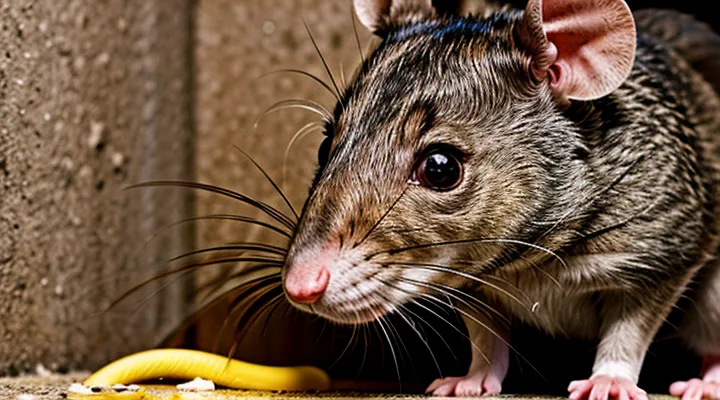
«Understanding the Need for Nasal Flushing in Rats»
«Recognizing Respiratory Distress Symptoms»
«Signs of Nasal Congestion»
Identifying nasal congestion in a pet rat is essential before attempting any nasal irrigation. Congestion interferes with normal breathing, reduces scent detection, and can lead to secondary infections if left untreated.
Typical indicators include:
- Persistent audible breathing sounds such as wheezing or snorting
- Frequent nose rubbing or pawing at the snout
- Visible discharge ranging from clear to purulent, often accumulating around the nostrils
- Reduced activity levels and reluctance to explore, suggesting discomfort
- Swelling or redness of the nasal bridge or surrounding fur
- Inability to maintain normal grooming behavior, resulting in a messy coat near the face
These symptoms provide a clear basis for deciding when a flushing procedure is warranted.
«When to Consider Flushing»
Flushing a rat’s nasal passages is advisable only when specific clinical indicators suggest obstruction or infection.
- Persistent nasal discharge lasting more than 48 hours
- Audible wheezing or labored breathing through the nose
- Visible crusting or blockage within the nostrils
- Reduced appetite or weight loss accompanied by respiratory signs
If any of these signs appear, evaluate the severity before proceeding. Mild discharge without breathing difficulty typically resolves with supportive care; invasive irrigation is unnecessary. Moderate to severe obstruction, especially when accompanied by audible distress, warrants immediate flushing to restore airway patency and prevent secondary complications.
Do not perform flushing if the rat exhibits systemic illness such as fever, severe dehydration, or signs of shock. In such cases, prioritize stabilization and consult a veterinarian before attempting any nasal irrigation.
Timing of the procedure matters: initiate flushing within the first 24 hours of symptom onset for acute blockage, but delay if inflammation is still resolving spontaneously, as premature irrigation may exacerbate tissue irritation.
Adhering to these criteria ensures that nasal flushing is applied judiciously, maximizes therapeutic benefit, and minimizes risk to the animal.
«Potential Causes of Nasal Issues»
«Environmental Factors»
Environmental conditions directly affect the success of nasal irrigation in rats. High humidity reduces the risk of mucosal drying, allowing saline to spread evenly across the nasal cavity. Low humidity can cause crust formation, which impedes fluid flow and may lead to incomplete flushing.
Temperature influences fluid viscosity and the animal’s physiological response. Warm saline (approximately 37 °C) matches the rat’s body temperature, preventing shock and promoting smooth passage through the nasal passages. Cold solutions increase viscosity, slow drainage, and may trigger reflexive closure of the nostrils.
Air quality determines the presence of irritants that can compromise the procedure. Dust, smoke, and strong odors irritate the nasal mucosa, causing swelling that narrows the passage and hinders fluid movement. Conducting the flushing in a clean, well‑ventilated area minimizes these risks.
Ventilation affects the removal of excess fluid and debris after flushing. Adequate airflow helps dry the nasal cavity, preventing residual moisture that could foster bacterial growth. Stagnant environments retain moisture, increasing infection risk.
Common environmental factors to monitor:
- Relative humidity (40‑60 % optimal)
- Ambient temperature (20‑24 °C)
- Air cleanliness (dust‑free, low odor)
- Ventilation rate (steady gentle airflow)
Adjusting these parameters before and during the procedure enhances fluid distribution, reduces animal stress, and lowers the probability of post‑procedure complications.
«Infections and Allergies»
Nasal flushing in rats can be compromised by bacterial or viral infections and by allergic reactions. Recognizing the underlying cause is essential for selecting an appropriate cleaning method and preventing complications.
Infections typically present with purulent discharge, swelling of the nasal tissue, fever, and lethargy. Laboratory analysis of the secretions confirms bacterial presence and guides antibiotic choice. Before flushing, treat the infection with the prescribed antimicrobial agent, then perform a gentle saline rinse to remove residual debris.
Allergic responses generate clear, watery discharge, frequent sneezing, and nasal irritation without systemic illness. Identify allergens in the environment—dust, mold spores, or specific food components—and eliminate exposure. After allergen removal, a low‑osmolarity saline solution can soothe inflamed mucosa and clear mucus.
Practical steps for safe nasal irrigation:
- Prepare sterile isotonic saline (0.9 % NaCl) at body temperature.
- Use a soft, flexible catheter or a small syringe fitted with a blunt tip.
- Insert the tip gently into the nostril, avoiding deep penetration.
- Administer 0.5–1 ml of saline per nostril, allowing the fluid to flow out naturally.
- Pat the external nose dry with a clean, lint‑free cloth.
Monitor the rat after each session. Persistent discharge, worsening swelling, or behavioral changes indicate a need for veterinary reassessment. Proper diagnosis of infection versus allergy, combined with controlled flushing, supports rapid recovery and maintains respiratory health.
«Preparing for the Nasal Flush Procedure»
«Gathering Essential Supplies»
«Appropriate Saline Solutions»
When flushing a rat’s nasal passages, the choice of saline solution determines both safety and effectiveness. Use sterile, isotonic saline (0.9% NaCl) as the primary fluid; its osmolarity matches that of the animal’s tissues, preventing irritation and mucosal damage. For cases involving thick mucus or mild inflammation, a mildly hypertonic solution (1.5%–2% NaCl) can aid in drawing fluid from the tissues, but limit exposure to a single brief flush to avoid dehydration of the epithelium.
Key preparation guidelines:
- Prepare the solution with distilled or deionized water; tap water may contain contaminants that compromise sterility.
- Verify the concentration with a calibrated scale or pre‑measured commercial packets to ensure precise osmolarity.
- Warm the solution to 37 °C (98.6 °F) before use; cold fluid can trigger reflexive sneezing and reduce comfort.
- Store prepared saline in a sealed, sterile container at 2–8 °C; discard any batch after 24 hours to prevent bacterial growth.
Commercial options suitable for rodent nasal irrigation include:
- Pre‑packaged veterinary isotonic saline ampules, sterile and ready‑to‑use.
- Pharmaceutical-grade isotonic saline for human use, provided the packaging is intact and the solution is unopened.
- Custom‑mixed sterile saline, prepared under aseptic conditions in a laboratory setting.
Avoid solutions containing additives such as preservatives, antibiotics, or electrolytes other than sodium chloride; these compounds can irritate the delicate nasal mucosa. Prior to each flush, inspect the fluid for cloudiness or particulates; any sign of contamination requires immediate replacement.
«Syringes and Catheters»
Effective nasal irrigation for rats requires appropriate delivery tools. A sterile syringe provides controlled fluid volume, while a catheter enables gentle insertion into the nasal cavity without damaging delicate tissues.
Select a syringe with a capacity of 1 ml to 2 ml; a 1 ml tuberculin syringe offers precise measurement and low dead space. Use a Luer‑lock tip to secure the catheter firmly, preventing leakage during the procedure.
Choose a catheter with an outer diameter not exceeding 0.3 mm (approximately 24‑ gauge). Soft, flexible material such as silicone reduces trauma. Trim the catheter tip to a length of 2 mm to reach the nostril entrance without reaching the turbinates.
Procedure:
- Prepare isotonic saline at room temperature; filter sterilize.
- Attach the catheter to the syringe, ensuring a tight Luer‑lock connection.
- Gently insert the catheter tip into the rat’s nostril, aligning with the airflow direction.
- Depress the syringe plunger slowly, delivering 0.1 ml to 0.2 ml of saline per nostril.
- Observe for fluid passage through the opposite nostril or nasopharynx; repeat if necessary.
- Remove the catheter carefully, wipe the nostril area with sterile gauze.
After flushing, monitor the animal for normal breathing and any signs of irritation. Repeat the process no more than once daily, adjusting volume based on the rat’s size and response.
«Towels and Protective Gear»
When cleaning a rodent’s nasal passages, towels and protective equipment are essential to maintain hygiene and prevent injury. The items protect both the animal and the handler from contamination and accidental exposure to fluids.
Appropriate towels include:
- Disposable paper towels that absorb moisture without leaving fibers.
- Lint‑free microfiber cloths for gentle wiping after irrigation.
- Pre‑moistened sterile gauze pads for direct contact with the nostrils.
Protective gear must be worn throughout the procedure:
- Nitrile or latex gloves to avoid skin contact with saline and mucus.
- Disposable face shield or safety goggles to shield the eyes from splashes.
- Surgical mask or respirator to block aerosolized particles.
- Lab coat or disposable apron to protect clothing and prevent cross‑contamination.
Select items that are single‑use whenever possible; if reusable, sterilize according to laboratory standards before each session. Proper placement of towels around the work area contains runoff and simplifies cleanup.
«Ensuring Rat Comfort and Safety»
«Handling Techniques for Minimal Stress»
Effective nasal flushing in rats depends on calm handling that limits stress and prevents injury. Secure the animal with gentle restraint, keeping the head supported and the body relaxed. Use a soft cloth or a specialized small-animal holder to avoid excessive pressure on the limbs and spine.
- Place the rat on a padded surface, allowing natural posture.
- Wrap the torso with a lightweight, breathable fabric, leaving the head exposed.
- Position one hand behind the forelimbs, applying light pressure to maintain stability.
- Use the opposite hand to support the skull, aligning the snout with the flush device.
- Perform a brief, smooth motion when introducing the saline solution, avoiding sudden movements.
Maintain a quiet environment, limit background noise, and keep handling time under two minutes per session. Verify that the rat’s breathing remains steady throughout the procedure; any signs of distress require immediate cessation and reassessment of the restraint method. After flushing, release the animal onto a warm, dry area to recover before returning it to its enclosure.
«Creating a Calm Environment»
A rat that feels safe is more likely to remain still during a nasal flush, reducing stress and improving the effectiveness of the procedure.
To establish a calm setting, consider the following actions:
- Place the animal in a quiet room, away from loud appliances and foot traffic.
- Dim the lights to a soft, consistent level; sudden brightness can trigger a flight response.
- Maintain ambient temperature between 20 °C and 24 °C (68 °F‑75 °F) to prevent shivering or overheating.
- Use a soft, non‑slip surface such as a fleece pad to support the rat’s paws and reduce anxiety.
- Limit the presence of unfamiliar scents; clean the area with mild, unscented detergent and avoid strong fragrances.
During handling, follow these guidelines:
- Approach the rat slowly, allowing it to sniff your hand before contact.
- Gently restrain the animal with a small, breathable cloth or a dedicated handling tube; avoid tight grips that could cause panic.
- Speak in a low, steady tone or remain silent; abrupt noises increase heart rate and resistance.
Final considerations:
- Conduct the flush within a short time frame (no longer than a few minutes) to prevent prolonged exposure to stressors.
- Offer a familiar treat or nesting material immediately after the procedure to reinforce a positive association with the environment.
Implementing these measures creates a tranquil atmosphere that facilitates safe and efficient nasal irrigation for a rat.
«Step-by-Step Guide to Nasal Flushing»
«Positioning the Rat Correctly»
«Securing the Head Gently»
Securing the rat’s head gently prevents injury and allows precise delivery of the flushing solution. A stable position reduces stress for the animal and ensures the fluid reaches the nasal cavity without entering the airway.
- Hold the rat on a soft, non‑slippery surface with the forepaws tucked under the body.
- Position one hand over the skull, using the thumb and forefinger to encircle the head lightly; pressure should be just enough to keep the head still.
- Apply a slight downward tilt, aligning the nasal passages with the direction of the syringe.
- Maintain the grip for the brief duration of the flush, then release smoothly to let the rat recover.
«Minimizing Aspiration Risk»
When clearing a rat’s nasal passages, preventing fluid entry into the airway is essential for the animal’s safety. The primary hazard is aspiration, which can cause pneumonia or respiratory distress. Minimizing this risk requires precise technique, proper equipment, and vigilant observation.
Key practices include:
- Position the rat in a slight head‑down angle (approximately 10–15 degrees) to keep the nasal cavity lower than the trachea.
- Use a syringe with a fine, rounded tip; fill it with sterile saline warmed to body temperature (37 °C) to avoid shock.
- Apply a slow, steady stream of fluid, limiting each burst to 0.1 ml to reduce pressure that might drive liquid backward.
- Insert the tip only a few millimeters into the nostril, avoiding contact with the pharyngeal opening.
- Observe the animal’s breathing throughout; pause immediately if gagging, coughing, or irregular respiration occurs.
- After flushing, hold the rat upright for 30–60 seconds to allow excess fluid to drain naturally from the nasal cavity.
Additional measures reinforce safety:
- Perform the procedure on a stable surface to prevent sudden movements that could alter head position.
- Keep a suction device or gentle aspirator ready to remove any inadvertent fluid that reaches the throat.
- Limit the number of flushes per session; repeat only after confirming complete clearance of the previous dose.
By adhering to these protocols, the likelihood of aspiration remains low, ensuring effective nasal decontamination while preserving respiratory health.
«Administering the Saline Solution»
«Proper Syringe Insertion»
Proper syringe insertion is essential for safe and effective nasal irrigation in rats. The technique minimizes trauma, ensures adequate fluid delivery, and reduces the risk of aspiration.
Before beginning, gather a 1‑ml sterile syringe, a flexible catheter or blunt‑tip needle (22‑24 G), isotonic saline warmed to body temperature, and a clean work surface. Restrain the animal gently but securely, using a towel or a purpose‑made holder to keep the head stable without causing stress. Verify that the syringe and catheter are free of air bubbles; expel any trapped air before attachment.
Insertion steps
- Attach the catheter to the syringe, ensuring a tight connection.
- Align the catheter with the rat’s nostril, directing it slightly upward toward the nasal cavity.
- Insert the tip no deeper than 2–3 mm; the tip should rest just inside the nostril opening.
- Depress the plunger slowly to deliver 0.2–0.3 ml of saline, allowing the fluid to flow through the nasal passage.
- Observe the fluid exit from the opposite nostril or mouth, confirming passage through the nasal cavity.
- Withdraw the catheter gently, maintaining a steady hand to avoid sudden movements.
After flushing, monitor the rat for normal breathing and any signs of distress. Gently wipe excess fluid from the snout with a soft cloth. Return the animal to its cage, providing a warm environment to aid recovery. Document the volume used and any observations for future reference.
«Controlled Solution Delivery»
Effective nasal irrigation in rodents requires precise administration of the flushing fluid. Controlled solution delivery ensures the volume, pressure, and temperature of the irrigant remain within safe limits, preventing tissue damage and aspiration.
Key parameters for controlled delivery:
- Volume: 0.1 ml per nostril for an adult rat; adjust proportionally for juveniles.
- Pressure: 5–10 psi, measured with a calibrated syringe or micro‑infusion pump.
- Temperature: 37 °C, matching the animal’s core temperature to avoid vasoconstriction.
- Solution composition: Sterile isotonic saline (0.9 % NaCl) or a buffered sterile solution if therapeutic agents are required.
Implementation steps:
- Prepare the irrigant in a sterile container, pre‑warm to the target temperature.
- Load the fluid into a syringe equipped with a fine‑gauge (30‑32 G) catheter.
- Position the rat in a supine orientation, gently restraining the head to expose the nostrils.
- Insert the catheter just inside the external naris, avoiding deep penetration.
- Deliver the predetermined volume at the specified pressure, pausing briefly between nostrils.
- Observe the animal for spontaneous expulsion of fluid; assist by gently massaging the nasal bridge if necessary.
- After flushing, monitor respiration and behavior for at least five minutes before returning the rat to its cage.
Maintaining consistency in these variables reduces the risk of mucosal trauma and improves the clearance of debris or pathogens from the nasal cavity.
«Post-Flush Care and Observation»
«Monitoring for Improvement»
Effective post‑procedure monitoring determines whether a rat’s nasal passage has cleared and whether the intervention requires adjustment. Observe the animal for signs of normal breathing, absence of nasal discharge, and stable activity levels. Record observations at consistent intervals—immediately after flushing, then at 15‑minute, 30‑minute, and hourly marks.
Key indicators include:
- Respiratory rate within the species‑specific range
- Clear, non‑bloody nasal secretions
- Unhindered sniffing behavior
- Stable body temperature and heart rate
Document each parameter in a log sheet or digital record. Compare successive entries to identify trends; a decreasing respiratory rate combined with clear secretions signals improvement, whereas persistent discharge or labored breathing suggests incomplete clearance.
If data reveal inadequate results, modify the technique: adjust fluid volume, alter temperature, or repeat the rinse after a brief interval. Re‑evaluate the animal using the same monitoring schedule to confirm the effectiveness of the change.
Consistent, objective tracking provides the feedback necessary to refine the nasal flushing protocol and ensures optimal outcomes for the subject.
«Addressing Potential Complications»
When flushing a rat’s nasal passages, complications can arise that jeopardize the animal’s health and the success of the procedure. Common issues include aspiration of fluid into the lungs, irritation or trauma to delicate nasal tissues, bleeding, infection from contaminated solutions, and heightened stress responses that may trigger respiratory distress. Recognizing these risks before and during the flush enables timely intervention and prevents deterioration.
To mitigate potential problems, follow these precise actions:
- Use sterile, isotonic saline warmed to the rat’s body temperature; avoid hyper‑ or hypo‑tonic solutions that can damage mucosa.
- Apply gentle, steady pressure with a calibrated syringe; excessive force may cause mucosal tears or force fluid into the trachea.
- Restrain the rat securely but without excessive compression; use a soft cloth or a specialized restraint device that allows unobstructed breathing.
- Position the animal with the head slightly elevated; this reduces the likelihood of fluid entering the airway.
- Observe the animal’s breathing throughout the procedure; if coughing, gagging, or labored respiration occurs, stop immediately and clear the airway with suction if needed.
- After flushing, wipe excess fluid from the nostrils, inspect for bleeding, and monitor the rat for at least 15 minutes for signs of distress or infection.
- Keep an emergency kit on hand, including oxygen, a small suction catheter, and a broad‑spectrum antibiotic ointment for post‑procedure care.
Consistent adherence to these guidelines minimizes adverse outcomes and ensures that nasal irrigation remains a safe, effective technique for rodent care.
«Alternatives and Complementary Treatments»
«Humidification and Steam Therapy»
«Using a Nebulizer»
A nebulizer delivers a fine mist of sterile saline directly into a rodent’s nasal passages, providing an effective means of clearing mucus and debris. The device must be calibrated for the small airway volume of a rat to avoid over‑inflation and respiratory distress.
- Prepare isotonic saline at room temperature; warm to approximately 22 °C to prevent thermal shock.
- Attach a pediatric‑size mask or a custom‑fit nasal cannula that covers both nostrils without restricting breathing.
- Set the nebulizer flow rate to 0.5 mL/min; this rate produces droplets small enough to reach the lower nasal cavity while maintaining comfortable tidal volume.
- Position the rat in a supine posture on a soft surface; gently restrain the head to keep the mask sealed.
- Activate the nebulizer for 2–3 minutes, observing the animal for signs of coughing, labored breathing, or stress.
- After treatment, remove the mask, wipe excess moisture from the fur, and monitor the rat for at least 10 minutes to ensure normal respiration resumes.
Safety considerations include using only sterile solutions, verifying that the nebulizer tubing is free of contaminants, and limiting sessions to a maximum of three per day to prevent mucosal irritation. If the animal exhibits persistent respiratory difficulty, discontinue nebulization and consult a veterinary professional.
«Creating a Steamy Environment»
A moist atmosphere softens nasal secretions, allowing them to be expelled more easily during a flush. Warm vapor expands the mucosal lining, reduces surface tension, and promotes natural drainage without causing irritation.
To generate an appropriate steamy setting, follow these precise actions:
- Fill a shallow heat‑proof container with hot (not boiling) water; temperature should stay below 60 °C to avoid burns.
- Place a clean, breathable mesh or gauze over the water, creating a barrier that lets vapor rise while keeping the rat out of direct contact.
- Position the rat in a small, enclosed space (e.g., a glass terrarium) adjacent to the vapor source, ensuring the animal can breathe comfortably.
- Allow steam to fill the enclosure for 5‑7 minutes, monitoring the animal for signs of distress.
- After exposure, proceed with the nasal flush using a sterile saline solution, applying gentle pressure to the nostrils.
Maintain the humidity level between 70 % and 80 % during the steam phase; excessive moisture can lead to condensation on the animal’s fur, which may cause chilling. Replace the water each session to prevent bacterial growth. Consistent use of this humid environment improves the efficiency of nasal clearance in rats.
«Veterinary Consultation and Medical Interventions»
«When to Seek Professional Help»
If a rat shows any of the following signs, immediate veterinary attention is warranted:
- Persistent nasal discharge that is thick, blood‑tinged, or foul‑smelling.
- Repeated sneezing or nasal sounds despite several gentle flushing attempts.
- Difficulty breathing, open‑mouth respiration, or audible wheezing.
- Swelling, redness, or ulceration around the nostrils or facial area.
- Lethargy, loss of appetite, or sudden weight loss concurrent with nasal issues.
- Signs of systemic illness such as fever, diarrhea, or abnormal behavior.
These indicators suggest underlying infection, trauma, or structural blockage that home care cannot resolve safely. Delaying professional evaluation may lead to worsening conditions, increased pain, or irreversible damage. Contact a qualified exotic‑animal veterinarian promptly when any of these symptoms appear.
«Prescription Medications»
Prescription medications play a critical role when simple saline irrigation does not resolve nasal congestion in laboratory or pet rats. Veterinarians prescribe these agents after confirming the underlying cause, such as bacterial infection, allergic inflammation, or chronic rhinitis.
Typical drug classes include:
- Antibiotics – Broad‑spectrum agents (e.g., enrofloxacin, amoxicillin‑clavulanate) administered orally or via subcutaneous injection to eliminate bacterial pathogens. Dosage is weight‑based, usually 10–20 mg/kg once or twice daily for 7–10 days.
- Corticosteroids – Systemic (prednisone) or intranasal (fluticasone) formulations reduce mucosal edema and inflammatory cell infiltration. Initial dose often 0.5 mg/kg orally, tapering over 5–7 days to avoid adrenal suppression.
- Antihistamines – Second‑generation compounds (e.g., cetirizine) mitigate allergic rhinitis. Recommended dose 0.5 mg/kg once daily, adjusted according to response.
- Mucolytics – Agents such as N‑acetylcysteine loosen secretions, facilitating removal. Dose ranges from 50–100 mg/kg orally, administered every 12 hours for short periods.
Key safety considerations:
- Verify species‑specific contraindications; some human drugs cause toxicity in rodents.
- Monitor for side effects: gastrointestinal upset with antibiotics, immunosuppression with steroids, sedation with antihistamines.
- Adjust doses for neonatal or geriatric rats, as metabolic rates differ markedly.
- Maintain accurate records of drug name, concentration, administration route, and timing to ensure compliance with veterinary regulations.
When prescription therapy is combined with gentle nasal flushing using isotonic saline, most rats recover normal airflow within 48 hours. Continuous assessment of respiratory rate, nasal discharge character, and behavior determines the need for treatment modification or discontinuation.
«Preventative Measures for Rat Respiratory Health»
«Optimizing Cage Environment»
«Appropriate Bedding Choices»
Choosing the right substrate directly influences the effectiveness of nasal irrigation for pet rats. Dust‑free, absorbent materials reduce the risk of secondary irritation while the animal recovers.
- Untreated paper bedding (e.g., shredded paper, paper pellets) – minimal particulate matter, easy to replace.
- Aspen shavings – low resin content, low dust generation, provides comfortable nesting.
- Hemp or coconut fiber – natural fibers, good moisture control, limited airborne particles.
- Recycled cotton pads – soft texture, quick to clean, no aromatic oils.
Avoid cedar, pine, or scented litters; these emit volatile compounds and particles that can obstruct airflow and compromise the flushing procedure. Maintain a dry, well‑ventilated enclosure; replace soiled bedding promptly to prevent bacterial buildup that may exacerbate nasal congestion.
Proper bedding selection supports a clean environment, facilitates unobstructed nasal passages, and enhances the overall outcome of the flushing protocol.
«Ventilation and Air Quality»
Proper ventilation and clean air are essential when cleaning a rodent’s nasal passages. Stagnant or polluted air can irritate the mucous membranes, increase the risk of infection, and reduce the effectiveness of the flushing procedure.
- Conduct the procedure in a well‑ventilated room; open windows or use an exhaust fan to create continuous airflow.
- Maintain indoor humidity between 40 % and 60 %; excessive dryness can cause crusting, while high humidity encourages microbial growth.
- Filter the ambient air with a HEPA or activated‑carbon unit to remove dust, allergens, and volatile compounds that may compromise the rat’s respiratory health.
- Avoid strong odors, aerosols, and chemical vapors; these substances can trigger reflex sneezing or bronchoconstriction during the flush.
- Ensure the flushing solution is prepared with sterile, room‑temperature water; temperature fluctuations affect vapor pressure and may alter airway comfort.
Monitoring air quality with a portable sensor (temperature, humidity, particulate matter) provides immediate feedback and allows adjustments before the procedure begins. Consistent control of these environmental factors supports a swift, safe cleaning of the animal’s nasal cavity.
«Diet and Nutritional Support»
«Boosting Immune System»
Effective nasal cleansing in rats depends on the animal’s ability to resist infection. A robust immune response limits bacterial colonisation after irrigation and accelerates tissue recovery.
- Provide a balanced diet rich in protein, vitamin C, and zinc; these nutrients support leukocyte function.
- Ensure regular exposure to low‑level environmental enrichment; mild stress reduction preserves immunocompetence.
- Administer probiotic supplements containing Lactobacillus spp.; gut flora influences systemic immunity.
- Maintain optimal ambient temperature (20‑24 °C) and humidity (45‑55 %); extreme conditions suppress immune activity.
- Schedule quarterly health checks with a veterinarian to detect subclinical infections early.
When performing nasal irrigation, use sterile isotonic saline warmed to body temperature. Apply gentle pressure with a calibrated syringe to avoid mucosal trauma. After flushing, monitor the rat for signs of discharge, lethargy, or loss of appetite; any deviation may indicate compromised immunity and require immediate veterinary intervention.
By integrating nutritional support, environmental management, and vigilant post‑procedure observation, the animal’s defensive mechanisms remain strong, reducing the risk of secondary infections and promoting rapid healing of the nasal mucosa.
«Hydration Importance»
Adequate fluid intake is a prerequisite for effective nasal cleansing in rats. Proper hydration maintains the moisture of the nasal epithelium, which facilitates the movement of mucus and the removal of debris during flushing. When the mucosal surface is dehydrated, mucus becomes viscous, adheres to the nasal passages, and impedes the flow of saline solution, reducing the efficiency of the procedure.
Hydration also supports the rat’s systemic health, ensuring that blood volume and circulation are sufficient to supply the nasal tissues with nutrients and oxygen. This physiological stability helps the animal tolerate the flushing process without undue stress.
Key points to consider:
- Provide fresh water daily; monitor consumption to detect any decline.
- Supplement diet with moisture‑rich foods such as fresh vegetables or fruit, if appropriate for the species.
- Before flushing, confirm that the rat has had access to water for at least several hours to guarantee baseline hydration.
- During extended treatment periods, consider offering small amounts of electrolyte solution in addition to plain water to compensate for fluid loss.
By maintaining optimal hydration, the nasal passages remain pliable, mucus stays appropriately thin, and the flushing technique achieves the intended clearance with minimal discomfort.