
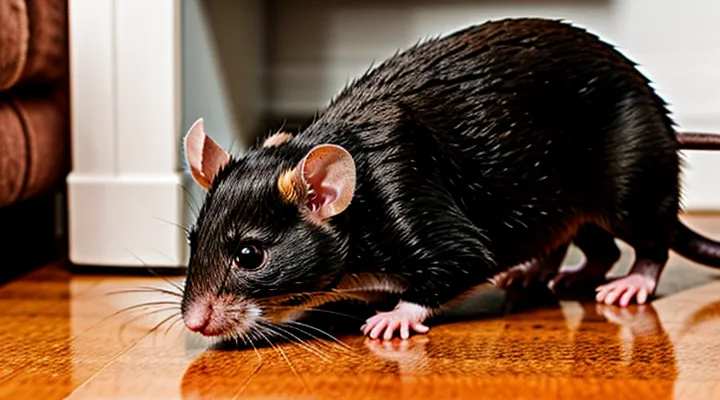
Understanding Female Rats
Why Choose a Female Rat?
Choosing a female rat as a pet offers several practical benefits that simplify care and improve the household environment.
- Female rats typically display a steadier temperament, making them easier to handle during routine activities such as cleaning cages or administering medication.
- They integrate smoothly with other female rats, reducing the risk of territorial disputes that often arise in mixed‑sex groups.
- In mixed‑sex colonies, females are less likely to provoke aggressive behavior, allowing owners to maintain a peaceful group dynamic.
- For those interested in responsible breeding, females provide predictable reproductive cycles, facilitating controlled breeding programs and minimizing unexpected litters.
- Health monitoring is more straightforward; females generally experience fewer hormone‑related conditions, which can lower veterinary costs and simplify preventive care.
These factors contribute to a more manageable and harmonious pet‑keeping experience, supporting the decision to adopt a female rat for a stable, well‑adjusted home.
Typical Female Rat Characteristics
Social Needs
When evaluating a female rat for placement, focus first on her need for companionship. Rats are highly social mammals; isolation triggers anxiety, reduced activity, and health problems. The safest environment pairs the animal with at least one compatible conspecific, preferably of the same sex, to maintain stable hierarchies and mutual grooming.
Key social requirements include:
- Minimum of two rats sharing the same enclosure.
- Cage dimensions that allow each individual at least 0.5 square feet of floor space, plus vertical enrichment.
- Multiple hiding spots and tunnels to support natural burrowing behavior.
- Daily interaction with a knowledgeable caretaker who provides gentle handling and mental stimulation.
Prospective owners must demonstrate capacity to meet these conditions. Evidence of prior rodent experience, a schedule permitting several short sessions of direct contact, and a commitment to retain the pair or group indefinitely are essential criteria. Failure to guarantee ongoing social contact jeopardizes the animal’s welfare and undermines the adoption’s success.
Health Considerations
When evaluating a potential female rat for adoption, prioritize observable health indicators. A clear, bright eye surface, absence of discharge, and a smooth, unblemished fur coat suggest normal condition. Respiratory sounds should be quiet; wheezing or labored breathing indicates possible infection. The animal’s posture should be upright, with active movement and a steady gait; lethargy or unsteady steps warrant immediate veterinary attention.
Key health aspects to verify include:
- Weight stability: Consistent body mass within the species‑specific range reflects adequate nutrition and metabolic health. Sudden loss or gain may signal illness or dietary imbalance.
- Dental integrity: Incisors must be straight, evenly worn, and free of overgrowth. Irregularities can cause difficulty eating and lead to gastrointestinal complications.
- Skin and fur: Skin should be free of lesions, scabs, or parasites. Excessive scratching or bald patches often point to mite or flea infestations.
- Reproductive status: For breeding considerations, confirm that the rat is not pregnant unless intentional. Palpation by a qualified veterinarian can detect early gestation.
- Veterinary records: Request documentation of any previous examinations, treatments, or vaccinations administered by a licensed exotic‑animal practitioner. A recent health check confirms the absence of transmissible diseases.
A short quarantine period, typically seven to ten days, allows observation of delayed symptoms and reduces the risk of introducing pathogens to an existing colony. During quarantine, provide a balanced diet rich in protein, fiber, and essential vitamins, and monitor water intake to prevent dehydration.
Finally, establish a relationship with a veterinarian experienced in small rodents. Regular check‑ups, at least biannually, enable early detection of common conditions such as respiratory infections, gastrointestinal blockages, and neoplasia. Consistent professional oversight ensures the rat’s long‑term wellbeing and compatibility with a responsible household.
Preparing for Your New Rat
Essential Supplies
Cage Requirements
A suitable cage is essential for the health and well‑being of a female rat. The enclosure must meet specific standards for space, safety, and hygiene.
- Minimum floor area: 2 sq ft per rat, larger if multiple animals share the cage. A depth of at least 12 in provides room for nesting material and exercise.
- Bar spacing: ½ in (12 mm) or less to prevent escape and injury.
- Material: sturdy wire with a solid, chew‑proof base; acrylic or polycarbonate lids protect against predators and limit escape.
- Ventilation: unrestricted airflow without drafts; at least four sides should have open mesh or slats.
- Bedding: absorbent, dust‑free substrate such as paper‑based pellets or aspen shavings; replace regularly to control odor and moisture.
- Enrichment: hideouts, tunnels, chew toys, and climbing elements made from safe, untreated wood or plastic; rotate items to stimulate activity.
- Cleaning: removable trays or slide‑out floors simplify waste removal; disinfect with a rat‑safe solution weekly, rinsing thoroughly before reuse.
- Location: quiet area away from direct sunlight, extreme temperatures, and household chemicals; maintain ambient temperature between 65–75 °F (18–24 °C).
Adhering to these parameters creates a stable environment that encourages natural behavior, reduces stress, and supports reproductive health in a female rat.
Food and Water
Providing appropriate nutrition and hydration is essential when selecting a female rat for adoption. A balanced diet prevents health problems that could deter prospective owners and ensures the animal adapts smoothly to a new environment.
A typical daily regimen includes:
- Commercial rodent pellets formulated for adult females; these supply protein, fiber, and essential vitamins.
- Fresh vegetables such as carrots, broccoli, and leafy greens; limit to 1‑2 tablespoons per day to avoid digestive upset.
- Occasional fruit pieces (apple, berries) as a treat; keep portions small due to sugar content.
- Small amounts of cooked lean protein (egg white, tofu) for nursing females or those in estrus.
Water must be available at all times. Use a stainless‑steel bottle with a sipper tube to prevent contamination. Replace the water daily and clean the bottle weekly to inhibit bacterial growth. In hot climates, monitor intake; a sudden increase may signal stress or illness.
When evaluating a potential home, ask the caretaker about feeding schedules, preferred foods, and water‑bottle maintenance. Consistent records of diet and consumption help verify that the rat receives proper care and will thrive in its new setting.
Enrichment and Toys
Providing a prospective female rat with a stimulating environment is a decisive factor in evaluating her suitability for a permanent home. Enrichment items reveal her curiosity, activity level, and capacity to cope with stress, enabling potential caretakers to make an informed decision.
- Chewable objects: wooden blocks, untreated pine sticks, cardboard tubes.
- Climbing structures: sturdy ladders, woven ropes, multi‑level platforms.
- Foraging opportunities: treat balls, hide‑away tubes, puzzle feeders.
- Interactive toys: tunnels with multiple exits, small mirrors, lightweight balls.
Select items made from non‑toxic, pet‑safe materials; avoid painted surfaces, plastic that can splinter, or metal parts with sharp edges. Rotate toys weekly to sustain interest and prevent habituation. Clean reusable toys with mild soap and hot water; discard any that show wear or become contaminated.
Observe the rat’s response during a trial period. A rat that readily explores, gnaws, and manipulates the provided objects demonstrates adaptability and mental health, indicating a higher likelihood of thriving in a new household.
Home Environment Setup
Safety Checks
When selecting a female rat to place in a suitable living environment, thorough safety checks protect both the animal and the future owner.
First, verify the health status of the rat. Request a recent veterinary examination report that confirms the absence of respiratory infections, parasites, and skin conditions. Examine the animal for clear eyes, clean fur, and normal activity levels. Any signs of nasal discharge, wheezing, or lethargy require immediate rejection.
Second, assess the source. Choose a reputable breeder or rescue organization that follows strict hygiene protocols. Ask for documentation of cage sanitation, feeding practices, and the health history of the rat’s littermates. If the provider cannot produce such records, consider alternative sources.
Third, implement a quarantine period. Isolate the new rat for at least seven days in a clean, escape‑proof cage. Monitor temperature, humidity, and ventilation to match the conditions of the intended permanent habitat. During quarantine, conduct daily health observations and perform a fecal examination for parasites.
Fourth, evaluate the transport method. Use a secure carrier with breathable material, padded sides, and a secure latch. Ensure the carrier remains stable, prevents overheating, and avoids exposure to drafts. Transport the rat in a quiet, temperature‑controlled vehicle; avoid sudden accelerations or abrupt stops.
Finally, inspect the future home environment. Confirm that the enclosure is made of solid, non‑toxic material, has adequate space for exercise, and includes chew‑safe accessories. Verify that gaps are small enough to prevent escape, and that the enclosure is positioned away from direct sunlight, drafts, and household chemicals.
By systematically applying these safety checks, the likelihood of introducing a healthy, well‑adjusted female rat into a good home increases substantially.
Temperature and Lighting
When selecting a female rat for adoption, ensure the environment maintains stable temperature and appropriate lighting.
Temperatures between 18 °C and 24 °C (65 °F–75 °F) support normal metabolism, immune function, and reproductive health. Below 18 °C, rats risk hypothermia; above 24 °C, they may experience heat stress, reduced appetite, and breeding difficulties. Use a calibrated thermometer and place the cage away from drafts, direct sunlight, and heating vents.
Lighting should mimic a natural diurnal cycle: 12 hours of light followed by 12 hours of darkness. Consistent cycles regulate circadian rhythms, influence hormone release, and promote regular estrous cycles. Employ a timer‑controlled LED fixture that provides 300–500 lux during the light phase; avoid flickering bulbs and ultraviolet sources that can irritate the eyes.
Key practices:
- Verify temperature daily; adjust with a cage heater or cooling pad if fluctuations exceed ±2 °C.
- Maintain a dark, quiet area for the 12‑hour rest period; use blackout curtains or a cover to prevent accidental light exposure.
- Record temperature and light schedule in a log to identify trends that may affect the rat’s behavior or health.
A stable thermal and photoperiod environment increases the likelihood that a female rat will thrive in her new home and respond positively to handling and potential breeding programs.
Where to Find a Female Rat
Reputable Breeders
What to Look For in a Breeder
Finding a healthy female rat begins with selecting a reputable breeder. A responsible breeder demonstrates consistent standards that protect the animal’s welfare and simplify the adoption process.
- Health documentation: recent veterinary check, vaccination records, and clear guarantee against genetic defects.
- Clean environment: visible sanitation practices, appropriate cage size, and regular bedding replacement.
- Breeding program: limited litter sizes, avoidance of inbreeding, and transparent lineage charts.
- Socialization: evidence that pups receive daily handling, exposure to gentle human interaction, and gradual introduction to varied stimuli.
- Transparency: willingness to answer detailed questions, provide references from previous adopters, and allow a pre‑visit inspection of the facility.
Effective communication builds confidence. Prompt responses, clear policies on returns or health issues, and a written contract outlining responsibilities protect both buyer and animal.
Before committing, verify the breeder’s licensing (if applicable), inspect the premises personally, and request a sample health certificate. Confirm that the breeder offers post‑adoption support, such as dietary guidance and troubleshooting advice. These steps reduce risk and increase the likelihood of a successful, lifelong partnership with the new pet.
Questions to Ask
When evaluating a potential female rat, precise inquiries reveal the animal’s health, temperament, and suitability for your environment. Ask the caretaker or breeder directly; their responses determine the quality of care the rat has received and the expectations for its future.
- What is the rat’s age and birth date?
- Has the rat been examined by a veterinarian, and are health records available?
- Are there any known medical conditions, parasites, or recent illnesses?
- What is the rat’s current diet, and are there any dietary restrictions or preferences?
- How does the rat behave with humans, other rats, and different stimuli?
- Has the rat been socialized with both male and female companions, and what is its history of aggression or compatibility?
- What type of enclosure, bedding, and enrichment items does the rat currently use?
- Are there any vaccinations or preventive treatments administered, and when were they given?
- What is the source of the rat (rescued, breeder, pet store), and can you provide documentation of its origin?
- What are the recommended quarantine or acclimation procedures for introducing the rat to a new home?
Collecting these details ensures an informed decision and promotes a smooth transition for the female rat into a responsible, caring household.
Animal Shelters and Rescues
Adoption Process
Finding a suitable female rat and completing the adoption requires a systematic approach. Begin by identifying reputable animal rescues, shelters, or specialized rodent breeders. Verify each source’s licensing, health screening protocols, and adoption policies before contacting them.
When you reach out, request the rat’s health records, vaccination status, and temperament description. Arrange a brief meeting or video call to observe the animal’s behavior and confirm compatibility with your living environment. Prepare a suitable cage, bedding, hideouts, and a balanced diet in advance; the enclosure must meet size and ventilation standards for a healthy rodent.
The adoption contract typically includes the following elements:
- Signed agreement confirming responsibility for the rat’s welfare.
- Proof of vaccination and any required deworming.
- A brief questionnaire assessing the adopter’s experience and commitment.
- A non‑return clause or a clear re‑homing procedure.
Transportation should minimize stress: use a secure carrier with familiar bedding, maintain a stable temperature, and limit travel time. Upon arrival, allow the rat to acclimate gradually, offering food and water in the new cage before handling.
Finalize the process by completing any required paperwork, paying adoption fees, and scheduling a follow‑up health check with a veterinarian experienced in small mammals. Maintaining regular veterinary visits and monitoring behavior ensures the rat’s long‑term wellbeing in its new home.
Advantages of Adoption
Adopting a female rat offers several practical benefits that directly improve the animal’s welfare and simplify the owner’s responsibilities.
- Shelter from overpopulation: Rescue facilities prioritize rehoming rats that would otherwise face euthanasia, reducing the strain on breeding operations.
- Health screening: Shelters typically provide veterinary checks, vaccinations, and parasite treatments before release, ensuring the new pet arrives healthy.
- Temperament assessment: Staff observe behavior over time, allowing prospective owners to select a rat with a compatible personality for their household.
- Cost efficiency: Adoption fees cover initial medical care and often include basic supplies, lowering the overall expense compared to purchasing from a breeder.
- Ethical assurance: Choosing a rescued rat eliminates support for commercial breeding practices that may involve poor living conditions.
These advantages create a reliable pathway for individuals seeking a well‑adjusted female rat, fostering responsible pet ownership and contributing to broader animal‑rescue efforts.
Pet Stores: Proceed with Caution
Risks Involved
When seeking a female rat to adopt, several hazards must be examined before finalizing the decision.
Health complications pose the most immediate threat. Rats can carry parasites, viral infections such as Sendai virus, or bacterial diseases like streptobacillosis. A pet store or breeder that does not provide recent health certificates increases the likelihood of introducing illness into an existing household. Quarantine for at least two weeks and a veterinary check-up mitigate this risk.
Genetic problems often arise in breeding programs that prioritize appearance over vitality. Inbreeding can produce malformed skulls, respiratory issues, or reduced immune function. Requesting pedigrees and confirming that the source follows outcrossing practices reduces exposure to hereditary defects.
Behavioral uncertainty is another concern. Female rats may display aggression toward other rodents or humans if they have not been socialized properly. Observing the animal in a neutral environment and asking for a short interaction period before purchase help assess temperament.
Legal restrictions vary by jurisdiction. Some regions classify rats as restricted species, requiring permits or prohibiting ownership altogether. Verifying local regulations prevents inadvertent violations and potential confiscation.
Ethical considerations include the source’s breeding standards. Facilities that employ overcrowding, inadequate nutrition, or lack of enrichment can produce stressed animals prone to health and behavioral issues. Opting for reputable breeders or rescue organizations that prioritize animal welfare minimizes these problems.
In summary, the principal risks involve disease transmission, inherited health defects, unpredictable behavior, regulatory non‑compliance, and unethical breeding practices. Conducting thorough health screening, pedigree verification, temperament assessment, legal research, and source evaluation are essential safeguards.
How to Assess Pet Store Rats
When evaluating rats in a retail environment, focus on observable health indicators, temperament, and environmental conditions. These factors directly affect the likelihood of selecting a healthy female for a permanent home.
Key health signs include bright eyes, clean fur, and active movement. Rats should display normal grooming behavior and have no visible wounds, discharge, or parasites. A quick physical check—palpating the abdomen for firmness and listening for normal breathing—provides additional reassurance.
Temperament assessment requires gentle handling. A suitable rat will remain calm during brief restraint, exhibit curiosity without excessive aggression, and quickly resume normal activity after release. Observe interactions with other rats; a well‑socialized individual typically engages in mild, non‑dominant play.
Environmental quality influences overall well‑being. Verify that cages are spacious, equipped with proper bedding, and free of strong odors. Ensure water dispensers deliver fresh, clean water and that food supplies are appropriate and uncontaminated. A clean, well‑maintained display area reflects responsible store management and reduces stress for the animals.
By systematically applying these criteria, prospective owners can identify a female rat that meets health, behavior, and welfare standards, increasing the chances of a successful, long‑term placement.
Evaluating a Potential Rat
Health Indicators
Physical Examination
When evaluating a prospective female rat for placement, a thorough physical assessment is the first step toward confirming suitability for a permanent home.
Examine the animal’s exterior and internal signs of health. Focus on the following criteria:
- Coat: smooth, glossy, free of bald patches or excessive shedding.
- Eyes: clear, bright, without discharge or cloudiness.
- Ears: clean interior, no wax buildup, no odor.
- Teeth: even, sharp incisors with no overgrowth; a gentle bite test can reveal proper alignment.
- Weight: within the normal range for the breed (approximately 150‑300 g); consistent weight indicates adequate nutrition.
- Nose and skin: moist, pink, no lesions, scabs, or signs of parasites.
- Behavior: alert, active, and responsive; signs of lethargy or tremors suggest underlying issues.
Perform each check gently, using clean hands or a soft brush for fur inspection. Observe the rat’s reaction; stress responses may mask subtle problems. Record findings in a brief log to compare with future health checks.
If any abnormality appears—such as respiratory discharge, abnormal posture, or dental irregularities—consult a qualified veterinarian promptly. Early intervention prevents the spread of disease and improves the likelihood of a successful, long‑term placement.
Behavioral Cues
When assessing a prospective female rat, observe her interaction with humans, other rats, and the environment. Calm, curious behavior signals adaptability and reduces the likelihood of stress‑related issues in a new household.
Key behavioral indicators include:
- Approaches the hand without abrupt lunges, indicating trust.
- Explores new objects or spaces methodically rather than fleeing, showing confidence.
- Engages in gentle grooming of cage mates, reflecting social competence.
- Exhibits regular, rhythmic chewing on enrichment items, suggesting dental health and mental stimulation.
- Responds to gentle vocalizations or soft clicks with a relaxed posture, demonstrating receptiveness to human communication.
A rat that consistently displays these patterns is more likely to integrate smoothly into a family setting. Conversely, persistent aggression, extreme shyness, or repetitive stereotypic pacing may require further evaluation before placement.
Temperament Assessment
Socialization with Other Rats
Socializing a female rat with other rodents is a critical factor when seeking a suitable home. A rat accustomed to conspecific interaction displays reduced stress, improved health, and greater adaptability to new environments.
Key considerations for evaluating social behavior include:
- Observation of play, grooming, and nesting activities within the current cage.
- Monitoring for aggression, such as biting, chasing, or dominant posturing.
- Recording the frequency and duration of positive contacts during daylight hours.
When introducing a prospective companion, follow a staged approach:
- Place the newcomer in a neutral enclosure separate from the resident’s territory.
- Allow visual and olfactory exchange for 15‑30 minutes, noting any signs of tension.
- Conduct short supervised sessions within a larger, neutral space, gradually extending the interaction time.
- After successful short meetings, transition to a shared cage with ample hiding spots, multiple feeding stations, and enrichment items to reduce competition.
Indicators of successful integration are mutual grooming, shared nesting, and the absence of sustained aggression over several days. If conflict persists, consider alternative pairings or single‑housing to prevent injury and chronic stress.
Continual assessment is necessary. Regularly check for changes in weight, coat condition, and activity levels, as these reflect the rat’s overall well‑being and the stability of the social group. A well‑socialized female rat will more readily adjust to a new household, increasing the likelihood of a lasting, harmonious placement.
Interaction with Humans
When choosing a female rat for a new residence, the quality of her interaction with people determines long‑term compatibility. Observe her response to handling, vocalizations, and eye contact; calm, curious behavior indicates readiness for domestic life, while persistent aggression or extreme fear signals the need for further assessment.
Key behavioral indicators include:
- Approaches the hand without retreating
- Accepts gentle petting without flinching
- Emits soft chirps when explored
- Shows curiosity toward unfamiliar objects
During a shelter visit, request a brief handling session. Hold the rat loosely, allowing her to sniff and climb onto your fingers. Note whether she remains steady or attempts to escape. Ask staff about her social history, health status, and any previous exposure to children or other pets, as these factors shape her demeanor.
After adoption, establish a routine that reinforces trust. Begin with short, quiet sessions lasting a few minutes, gradually extending duration as confidence grows. Provide enrichment items—tunnels, chew toys, and climbing structures—to keep the rat mentally engaged and reduce stress. Consistent, gentle interaction promotes a bond that benefits both the animal and the household.
Bringing Your New Rat Home
First Days and Acclimation
Setting Up the Introduction
Begin with a clear statement of purpose: explain that the guide will help readers identify a healthy female rat and secure a responsible environment for her. Follow the purpose with a brief overview of the steps involved, such as assessing breeder credibility, evaluating health indicators, and preparing a suitable habitat. This sets expectations and directs attention to the most critical aspects of the process.
Provide context for the reader’s situation. Mention common motivations—companionship, educational value, or breeding—and clarify that the advice applies to first‑time owners as well as experienced caretakers. This establishes relevance and encourages continued engagement.
Outline the structure of the forthcoming content. Use a concise list to preview the main sections, for example:
- Criteria for selecting reputable sources
- Health checks and temperament assessment
- Habitat requirements and enrichment
- Transition and integration into a new home
Conclude the introduction with a call to action, inviting the audience to proceed to the detailed sections. Emphasize that following the outlined approach will increase the likelihood of finding a female rat that thrives in a caring household.
Monitoring Behavior
When assessing a potential female rat for adoption, systematic observation of her behavior provides the most reliable indicator of health, temperament, and compatibility with a home environment.
First, establish a baseline by watching the rat for a minimum of ten minutes in a quiet, neutral space. Record frequency of grooming, activity bursts, and interaction with enrichment objects. Consistent grooming suggests good health; excessive self‑scratching may signal parasites or stress. Short, energetic bursts followed by rest indicate a balanced activity pattern, whereas prolonged hyperactivity can point to anxiety.
Second, evaluate social responses. Introduce the rat to a calm, familiar handler and note the latency before approaching, ear position, and vocalizations. A quick approach with relaxed ears and soft pips reflects confidence; prolonged avoidance or aggressive squeaks warrants further scrutiny.
Third, monitor feeding and drinking habits. Offer standard pellets and water, then observe intake over a two‑hour period. Steady consumption aligns with normal metabolism; erratic or minimal intake may reveal illness.
Fourth, use a simple checklist to document observations:
- Grooming quality (clean, thorough, absent of bald patches)
- Activity level (balanced bursts, no constant pacing)
- Social inclination (approaches handler, gentle sniffing)
- Vocalization tone (soft pips, no harsh squeals)
- Food and water intake (consistent, proportionate to body size)
- Response to enrichment (explores tunnels, wheels, chew toys)
Repeat the monitoring process at different times of day for at least three days to capture variations. Consistency across observations strengthens confidence in the rat’s suitability.
Finally, compile the data into a concise report. Highlight any deviations from normal patterns and recommend a veterinary check if abnormalities persist. This evidence‑based approach ensures that the selected female rat will thrive in a stable, caring home.
Introducing to Existing Rats
Gradual Introduction Methods
When bringing a female rat into a new environment, a step‑by‑step introduction reduces stress and encourages adaptation. Begin by confining the animal in a secure carrier for 15–30 minutes within the designated room. This allows her to scent‑mark the space without direct contact.
After the initial period, place the carrier on a neutral surface such as a clean tile or hardwood floor. Observe her behavior for signs of agitation—rapid breathing, teeth chattering, or attempts to escape. If calm, open the carrier slightly to let her sniff the surrounding air while remaining contained.
Progress to a partially opened carrier for an additional 10–15 minutes. During this stage, introduce a familiar object from her previous habitat—nesting material or a chew toy—to provide reassurance. Ensure the room is quiet and free of other pets.
When the rat appears relaxed, transfer her to a small, pre‑prepared enclosure within the same room. The enclosure should contain bedding, a hideaway, and fresh water. Keep the enclosure isolated for 24–48 hours, monitoring food intake and grooming behavior.
If the rat accepts the temporary enclosure, gradually expand her access to larger sections of the room. Use a baby gate or a low‑height barrier to limit movement while allowing exploration. Extend each session by 20–30 minutes daily, watching for signs of comfort such as normal locomotion and regular eating.
Finalize the integration by allowing unrestricted access to the entire home once the rat consistently uses the larger area without distress. Maintain a consistent routine—same feeding times, quiet evenings, and regular handling—to reinforce the positive experience.
Signs of Successful Integration
Introducing a female rat to a new environment requires careful observation to confirm that she feels safe and socially accepted. Successful integration manifests through specific, measurable behaviors rather than vague impressions.
- Regular grooming of herself and, when appropriate, of cage mates indicates comfort and social bonding.
- Consistent use of the food and water stations without hesitation shows confidence in the surroundings.
- Normal activity cycles, including nocturnal exploration and daytime rest, demonstrate stable circadian rhythms.
- Absence of excessive vocalizations, such as high‑pitched squeals, signals reduced stress.
- Positive interaction with other rats—sharing nesting material, gentle nudging, and cooperative burrowing—reflects mutual acceptance.
- Healthy weight maintenance or gradual gain confirms adequate nutrition and lack of chronic anxiety.
If these indicators appear within the first two weeks, the rat has likely adapted to the household. Persistent aggression, self‑injury, prolonged hiding, or refusal to eat warrant immediate reassessment of housing conditions, social composition, and environmental enrichment. Adjustments may include expanding space, providing additional hiding spots, or re‑evaluating compatible companions. Continuous monitoring ensures long‑term welfare and reinforces the rat’s integration into a supportive home.
Ongoing Care and Enrichment
Diet and Nutrition
Recommended Foods
A balanced diet is essential for a female rat’s wellbeing and can affect her suitability for a permanent home. High‑quality commercial rat pellets should form the foundation of every meal; they deliver consistent protein, fat, fiber, and essential vitamins. Choose a brand that lists whole grains and animal‑based protein as primary ingredients, and avoid formulations with excessive fillers or artificial additives.
- Fresh vegetables: leafy greens (kale, romaine lettuce, spinach), carrots, bell peppers, broccoli florets. Offer 1–2 tablespoons per day, washed thoroughly.
- Fresh fruits: apple slices (no seeds), blueberries, banana chunks. Limit to 1 teaspoon daily to prevent sugar overload.
- Whole grains: cooked quinoa, oatmeal, brown rice. Provide 1 tablespoon as occasional supplement.
- Protein sources: boiled egg white, cooked chicken breast, mealworms. Offer ½ teaspoon two to three times weekly.
Treats should be sparse and nutritionally appropriate. Small pieces of unsalted nuts, plain low‑fat yogurt, or commercial rodent treats can be used for enrichment, but keep total treat intake below 5 % of daily calories.
Feed twice daily, dividing the total portion evenly. Remove uneaten fresh food after four hours to prevent spoilage. Provide constant access to fresh water in a bottle with a metal spout to avoid contamination. Avoid citrus, raw potatoes, and foods high in fat or sugar, as they can cause digestive upset and obesity.
Dietary Supplements
When preparing a female rat for placement in a responsible household, dietary supplementation should complement a balanced commercial rodent diet. Supplements address specific nutritional gaps, support reproductive health, and enhance overall vitality.
Select supplements that meet the following criteria:
- Formulated for rodents, free of artificial colors or unnecessary additives.
- Certified by an independent laboratory for purity and potency.
- Packaged in small, pre‑measured doses to prevent over‑supplementation.
Key supplement categories for a breeding‑capable female rat include:
- Calcium‑phosphorus complex – maintains bone density and supports fetal development; dosage typically 0.1 g per 100 g of body weight per day.
- Omega‑3 fatty acids (EPA/DHA) – reduces inflammation, improves coat condition; 5–10 mg per kilogram of body weight administered with food.
- Vitamin E – antioxidant that protects cellular membranes; 2–5 IU per kilogram daily.
- B‑complex vitamins – facilitate energy metabolism and stress resilience; follow manufacturer’s recommended milligram range.
- Probiotic blends – promote gut health and nutrient absorption; 1 billion CFU per day, mixed into fresh water or wet food.
Administration guidelines:
- Introduce supplements gradually, monitoring for changes in appetite, stool consistency, or behavior.
- Record daily intake to verify compliance and adjust doses according to weight fluctuations.
- Consult a veterinarian experienced with small mammals before adding any new supplement, especially during gestation or lactation.
Avoid excessive supplementation. Overloading with calcium can cause urinary calculi; surplus vitamin D may lead to hypercalcemia. Regular health checks, including blood work when feasible, provide objective data to fine‑tune the supplement regimen.
In summary, a disciplined approach to dietary supplementation—choosing rodent‑specific products, adhering to precise dosing, and maintaining veterinary oversight—optimizes the health of a female rat destined for a nurturing home.
Health Monitoring and Vet Care
Common Ailments
When considering a female rat for adoption, health status determines the suitability of a home. Prospective owners must evaluate the animal for signs of disease before finalizing the placement.
- Respiratory infection: sneezing, nasal discharge, labored breathing; requires prompt veterinary antibiotics.
- Skin mites (e.g., fur mites): hair loss, itching, crusty skin; treated with topical acaricides or systemic medication.
- Dental overgrowth: uneven incisors, difficulty chewing; corrected by regular trimming or appropriate diet.
- Gastrointestinal upset: diarrhea, weight loss, reduced appetite; managed with dietary adjustments and, if necessary, probiotic therapy.
- Tumors (commonly mammary or skin): palpable masses, ulceration; surgical removal or oncological treatment recommended.
Screening involves visual inspection, handling to assess coat condition, and listening for abnormal breathing. A brief health history from the current caretaker can reveal previous illnesses or treatments. Laboratory tests, such as fecal exams and blood panels, provide confirmation of hidden infections or organ dysfunction.
Select a veterinarian experienced with small rodents for initial examination and follow‑up care. Establish a vaccination or preventive protocol if available, and maintain a clean enclosure to minimize exposure to pathogens. Regular monitoring of weight, grooming habits, and activity levels ensures early detection of recurring or new ailments.
Regular Check-ups
Regular veterinary examinations are a non‑negotiable component of responsible rat ownership. A qualified exotic‑pet veterinarian can confirm the animal’s health status, detect parasites, and assess reproductive fitness, ensuring the female rat is suitable for a permanent home.
During each visit, the practitioner will:
- Conduct a physical inspection, checking for respiratory sounds, eye clarity, and skin condition.
- Perform weight measurement and compare it to growth standards for the breed.
- Collect fecal samples to identify internal parasites or bacterial infections.
- Evaluate dental health, as overgrown incisors can cause feeding problems.
- Discuss vaccination options, if applicable, and preventive care schedules.
Scheduling appointments every three to six months provides early detection of common ailments such as respiratory infections, skin disorders, and metabolic issues. Prompt treatment reduces the risk of complications and improves the rat’s long‑term well‑being, which directly impacts her adaptability to a new household.
Owners should maintain a health record that includes dates of examinations, findings, and any administered treatments. This documentation assists future caregivers in understanding the rat’s medical history and facilitates continuity of care if the animal changes homes.
By integrating systematic health checks into the adoption process, prospective owners obtain reliable evidence of the rat’s condition, supporting informed decisions and fostering a stable, thriving environment for the female rat.
Training and Socialization
Basic Handling
When evaluating a potential female rat for adoption, proper handling is essential to assess temperament and health. Begin by washing hands thoroughly to prevent stress‑induced disease transmission. Approach the cage calmly, allowing the rat to become accustomed to your presence before reaching in.
Gently slide a hand into the cage, keeping fingers relaxed and slightly curled. Offer a treat to encourage the rat to step onto your palm. Once the animal is on your hand, support its hindquarters with the other hand to avoid spinal strain. Hold the rat close to your body, limiting movement that could cause panic.
Observe the following during handling:
- Reaction to touch: quick, calm movements indicate confidence; excessive squeaking or attempts to escape suggest fear.
- Physical condition: check for clean fur, bright eyes, and absence of discharge; note any injuries or abnormalities.
- Weight: use a small scale to verify appropriate body mass for the age and breed.
After the brief assessment, return the rat to its enclosure gently, ensuring the cage door is secured. Repeat the handling session after a short interval to confirm consistent behavior. Consistent, low‑stress interaction provides reliable insight into the rat’s suitability for a new home.
Enrichment Activities
Enrichment activities demonstrate a rat’s adaptability, curiosity, and comfort with handling, all critical factors when selecting a female for a permanent home. Regularly providing varied stimuli reveals temperament, health status, and social preferences, enabling prospective owners to make informed decisions.
A structured enrichment program includes:
- Tunnel networks: Encourage exploration and assess confidence in confined spaces.
- Climbing structures: Test strength, coordination, and willingness to navigate vertical environments.
- Foraging puzzles: Measure problem‑solving ability and motivation for food rewards.
- Chewing objects: Observe dental health and natural gnawing behavior.
- Interactive play sessions: Gauge responsiveness to human touch and tolerance for gentle handling.
- Companion interaction: Identify social compatibility with other rats and potential new owners.
Consistent observation during these activities yields data on activity levels, stress responses, and social dynamics. Rats that engage readily, recover quickly from brief disturbances, and display balanced interaction with peers are strong candidates for a stable household.
Implementing enrichment before adoption also prepares the animal for the transition. Familiarity with enrichment items reduces anxiety in a new environment, facilitating smoother integration into the owner’s routine.