
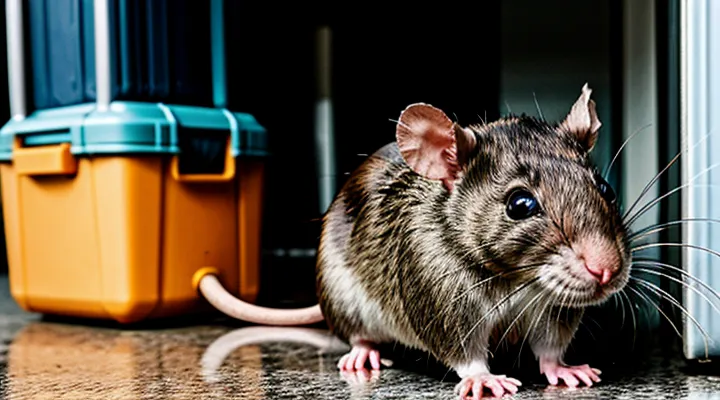
«Understanding the Risks»
«Common Dangers to Rats During Travel»
«Predators»
Traveling with rats introduces exposure to natural predators. Identifying and countering these threats is essential for maintaining animal welfare throughout the journey.
Common predators that may target rats during transport include:
- Domestic cats
- Small‑to‑medium dogs
- Birds of prey (hawks, owls)
- Snakes (especially in warm climates)
- Wild mammals such as foxes, raccoons, and weasels
Effective protection measures focus on containment, environment control, and vigilance.
- Use carriers constructed from rigid, chew‑resistant material; reinforce seams with metal clasps.
- Place carriers inside a secondary, lockable cage or travel crate to create a double barrier.
- Keep carriers concealed and elevated within the vehicle, away from windows and doors.
- Schedule trips during daylight hours when many predators are less active; avoid dusk and dawn in rural areas.
- Apply non‑toxic predator deterrent sprays to the exterior of the travel crate.
- Inspect routes for known wildlife corridors; select highways or roads with minimal habitat overlap.
If a predator breach occurs, isolate the affected rat immediately, assess for injuries, and contact a veterinary professional without delay. Document the incident to refine future preventive protocols.
«Environmental Hazards»
Traveling with a rat exposes the animal to a range of environmental hazards that can compromise health and survival. Extreme temperatures, whether excessive heat in a car or cold in an unheated cabin, can cause rapid dehydration, heatstroke, or hypothermia. Direct sunlight through windows may raise interior temperatures far above ambient levels, while drafts from open doors or windows can lower body temperature quickly. Monitoring ambient conditions and providing climate‑controlled housing mitigates these risks.
Common chemical threats include household cleaners, pesticides, and rodent‑specific poisons that may be present in lodging or transportation vehicles. Contact with residues on surfaces or inhalation of vapors can lead to respiratory distress or organ damage. Securely seal cages, use non‑toxic cleaning agents, and verify that no traps or bait stations are within reach.
Potential physical dangers encompass sharp objects, unsecured luggage, and predatory animals. A rat can become trapped between compartments, injured by moving parts, or attacked by larger pets left unattended. Preventative measures consist of:
- Using a sturdy, escape‑proof carrier with padded interior.
- Placing the carrier in a stable location away from foot traffic and pet animals.
- Inspecting luggage and vehicle interiors for hazardous items before loading.
By addressing temperature control, chemical exposure, and physical safety, owners can reduce environmental threats and maintain rat well‑being throughout the journey.
«Stress and Anxiety»
Traveling can trigger physiological and behavioral reactions in rats that compromise their health. Elevated cortisol, rapid breathing, and excessive grooming indicate heightened stress, while prolonged anxiety may suppress appetite and weaken immune function. Both conditions increase the risk of injury, dehydration, and illness during transport.
Effective mitigation requires consistent environmental control and predictable routines:
- Maintain a stable temperature (18‑22 °C) and low noise level; use insulated carriers and sound‑absorbing materials.
- Provide familiar bedding and a small piece of the home cage to preserve scent cues.
- Limit handling to brief, calm interactions; practice gentle restraint before departure.
- Offer water in a spill‑proof container and schedule small, regular feedings to prevent hunger‑induced agitation.
- Introduce a calming pheromone spray or a low‑dose, veterinarian‑approved anxiolytic if behavioral signs persist.
Monitoring includes checking for rapid heart rate, panting, or abnormal postures at each stop. Immediate correction—adjusting temperature, reducing stimuli, or offering a soothing treat—prevents escalation. Consistent application of these measures reduces stress and anxiety, preserving the rat’s welfare throughout the journey.
«Escapes»
Traveling with a rat demands strict control of enclosure security. A well‑fitted carrier with a lockable latch prevents accidental openings. Inspect the latch before departure; replace worn components immediately. Use a carrier made of rigid material that resists chewing, and line it with a non‑slip mat to discourage movement toward the door.
If a rat escapes, act quickly to reduce stress and prevent loss. Follow these steps:
- Shut off lights and close doors to limit the search area.
- Place familiar bedding, food, and a hideaway near the escape point; the scent will attract the animal.
- Conduct a systematic sweep, moving slowly and listening for squeaks.
- Use a humane trap baited with favorite treats if the rat remains hidden.
- After recapture, examine the carrier for damage and reinforce any weak points before the next journey.
Regularly test the carrier’s closure mechanism during preparation trips. Carry a spare latch or zip tie as a backup. Maintaining these precautions ensures the rat remains safe and contained throughout travel.
«Preparing for the Journey»
«Choosing the Right Carrier»
Selecting an appropriate carrier is the first step in protecting a pet rat during travel. The carrier must be spacious enough for the animal to turn around, sit upright, and stretch without touching the walls. A minimum interior length of 12 inches, width of 6 inches, and height of 8 inches accommodates most adult rats comfortably.
Ventilation is critical. Mesh panels or multiple air holes should be positioned on opposite sides to create a cross‑draft, preventing heat buildup while shielding the rat from drafts that could cause stress. Secure, lockable latches keep the enclosure closed even when the carrier is tipped or jostled.
Materials influence durability and sanitation. Hard‑sided plastic or aluminum frames resist punctures and are easy to wipe down with mild disinfectant. Soft‑sided carriers made from reinforced fabric may be lighter but require a removable, washable liner to maintain hygiene.
Stability and handling features affect safety on moving vehicles. A wide, non‑slipping base prevents the carrier from sliding on seat belts or floor surfaces. Adjustable shoulder straps, grab handles, or rolling wheels distribute weight evenly, reducing the risk of accidental drops.
Compliance with airline or train regulations eliminates last‑minute complications. Verify that the carrier meets size limits for in‑cabin transport and that it can be placed under the seat or in the designated luggage compartment. Documentation, such as a health certificate, should be attached to the carrier exterior for quick inspection.
Maintenance during the journey supports the rat’s welfare. Pack a small towel or absorbent pad to line the floor, replace it if it becomes soiled, and bring a portable water bottle with a leak‑proof cap. A familiar chew toy or nesting material can reduce anxiety without cluttering the carrier.
By evaluating dimensions, airflow, construction, stability, regulatory compliance, and in‑transit care, owners can choose a carrier that safeguards a rat’s physical health and emotional comfort throughout the trip.
«Packing Essentials»
Traveling with a pet rat requires specific equipment to prevent injury, stress, and escape. The following items constitute a complete packing set for safe rodent transport.
- Secure, ventilated carrier meeting airline or train regulations; lockable latch and escape‑proof mesh.
- Soft bedding (e.g., shredded paper or aspen shavings) to cushion movement and maintain familiar scent.
- Portable water bottle with sipper valve; sealed to avoid spills.
- Small, sealed food containers offering a balanced diet for the duration of the journey.
- Heat‑reflective pad or insulated blanket to sustain body temperature in fluctuating climates.
- Cleaning wipes and disposable gloves for quick sanitation of the carrier interior.
- Identification tag with owner contact information and microchip registration details attached to the carrier.
- Emergency veterinary contact list for the destination region, printed and stored in a waterproof sleeve.
Each component addresses a distinct risk factor: containment, hydration, nutrition, temperature regulation, hygiene, and emergency response. Packing these essentials eliminates common hazards and supports the rat’s well‑being throughout the trip.
«Veterinary Check-up»
A veterinary check‑up before a trip is a mandatory step for rat owners who plan to travel. The examination confirms that the animal is healthy, up‑to‑date on vaccinations, and free from parasites that could cause illness during transport or at the destination.
During the appointment the veterinarian will:
- Conduct a physical assessment to detect injuries, respiratory or digestive issues.
- Verify vaccination records and administer any required shots.
- Perform a fecal examination to identify internal parasites.
- Evaluate the rat’s weight and body condition to ensure proper nutrition.
- Provide a health certificate that complies with airline or border regulations.
Owners should schedule the visit at least two weeks before departure. This interval allows time for any necessary treatments, observation of side effects, and completion of paperwork. The health certificate must list the rat’s identification details, vaccination dates, and the veterinarian’s signature.
Transport cages must be clean, well‑ventilated, and sized according to the rat’s dimensions. The veterinarian can recommend appropriate bedding, temperature control, and hydration solutions to maintain comfort throughout the journey.
By following these protocols, the risk of health complications, quarantine delays, or travel interruptions is minimized, ensuring a safe experience for both the rat and its owner.
«During the Journey»
«Car Travel Considerations»
«Temperature Control»
Maintain a stable ambient temperature inside the carrier throughout the journey. Use a carrier with insulated walls and a secure, breathable lid to prevent rapid heat loss or gain. Pre‑condition the carrier by placing it in a climate‑controlled environment for at least 30 minutes before loading the rat.
Monitor temperature continuously. Portable digital thermometers with a range of 0 °C to 40 °C provide real‑time readings. Record the temperature at departure, during transit stops, and upon arrival; adjust the environment if readings fall outside the 18 °C‑26 °C comfort zone.
Apply temperature‑regulating accessories only when necessary. For cold conditions, insert a reusable warm pack wrapped in a thin cloth; for hot conditions, use a frozen gel pack similarly wrapped. Ensure packs do not touch the rat directly to avoid burns or frostbite.
Plan travel routes with climate considerations. Avoid direct exposure to sunlight on vehicles, and select shaded or climate‑controlled waiting areas during layovers. If the journey involves multiple time zones, allow the rat to acclimate gradually to the new ambient temperature before resuming activity.
Maintain carrier ventilation while preserving temperature stability. Small ventilation slots covered with fine mesh allow airflow without compromising heat retention. Verify that airflow does not create drafts that could lower the internal temperature below the safe threshold.
By implementing insulated carriers, continuous monitoring, appropriate thermal accessories, climate‑aware routing, and controlled ventilation, the rat’s temperature remains within a safe range, reducing stress and preventing temperature‑related health risks during travel.
«Secure Placement»
Secure placement is the cornerstone of protecting pet rats during any form of transport. A well‑designed carrier prevents escape, reduces stress, and shields the animal from external hazards.
- Choose a carrier with solid walls, a secure latch, and ventilation holes no larger than ½ inch.
- Line the interior with a non‑slip mat or absorbent bedding to keep the rat steady.
- Position the carrier upright; avoid horizontal placement that allows the rat to roll or tumble.
- Attach the carrier to a seat belt or cargo strap using a reinforced loop; verify that the attachment point does not shift during motion.
- Insert a lightweight, escape‑proof harness inside the carrier if the rat must be free‑moving; connect the harness to the carrier’s interior anchors.
Before departure, inspect the latch mechanism for wear, confirm that ventilation openings are unobstructed, and test the attachment to the vehicle’s restraint system. During travel, monitor the carrier for signs of loosening or damage; replace or repair immediately if any compromise is detected. After arrival, allow the rat a brief acclimation period in a quiet, familiar environment before releasing it from the carrier.
«Regular Breaks»
Regular breaks prevent overheating, dehydration, and stress for rats during transportation. Each interval should allow the animal to stretch, drink water, and relieve waste, reducing the risk of injury and health complications.
- Stop every 1‑2 hours on road trips; on longer train or plane journeys, schedule breaks at least every 2 hours.
- Open the carrier in a safe, quiet area; check temperature, ensure ventilation, and replace any soiled bedding.
- Offer fresh water in a small, spill‑proof bottle; provide a few drops of fruit juice or a slice of cucumber if the rat shows signs of thirst.
- Observe the rat for signs of fatigue, panting, or agitation; adjust the duration of subsequent breaks accordingly.
Consistent scheduling of these pauses maintains stable body temperature, supports digestion, and reinforces the rat’s sense of security throughout the journey.
«Public Transportation Guidelines»
«Airline Regulations (if applicable)»
When transporting a pet rat by air, compliance with airline policies is essential for the animal’s welfare and for a smooth journey. Airlines typically treat rodents as live cargo or as in‑cabin pets, each category subject to distinct rules.
Airline policies often require:
- A carrier that meets specific dimensions, ventilation standards, and structural integrity. The carrier must be leak‑proof, escape‑proof, and allow the rat to stand, turn, and lie down comfortably.
- A health certificate issued by a licensed veterinarian within a defined time frame before departure (commonly 7–10 days). The certificate should confirm that the rat is free of contagious diseases and fit for travel.
- Proof of vaccination or parasite treatment when mandated by the destination country or airline.
- An advance reservation for the animal, as many carriers limit the number of live‑animal passengers per flight.
- Proper labeling of the carrier with the owner’s contact information, the animal’s identification details, and any handling instructions.
- Compliance with the airline’s temperature restrictions, typically prohibiting transport when cabin or cargo hold temperatures fall below a certain threshold.
Additional considerations include:
- Verifying whether the airline permits rats in the cabin; some carriers only accept dogs and cats, requiring rodents to travel as cargo.
- Understanding the airline’s fee structure, which may differ between domestic and international flights.
- Reviewing the airline’s policy on in‑flight care, such as whether the carrier can be opened for feeding or water changes.
Before booking, consult the airline’s official website or customer service to obtain the most current regulations. Keeping documentation organized, ensuring the carrier meets all specifications, and adhering to health requirements dramatically reduce the risk of complications during air travel.
«Train and Bus Policies»
When traveling by train, verify that the carrier complies with the railway’s animal‑transport policy. Most operators require a hard‑sided, ventilated cage that fits under the seat or in a designated luggage area. The cage must be securely locked, labelled with the animal’s name, and equipped with a water bottle that does not leak. Some services mandate a health certificate issued within 48 hours of departure; keep the document readily accessible for inspection.
For bus journeys, consult the carrier’s pet‑travel guidelines before booking. Many intercity buses permit small rodents only if the cage meets specific dimensions—typically no larger than 18 × 12 × 12 inches—and can be stored on the passenger’s lap or under the seat. The cage should have a removable lid to allow quick inspection, and the rat must remain inside at all times. If the bus operator requires a fee, pay in advance to avoid delays at the boarding gate.
Key points to ensure compliance across both modes of transport:
- Confirm that the carrier’s policy allows rodents; some companies restrict travel to dogs and cats.
- Use a cage constructed of sturdy, non‑toxic material; avoid wire mesh that can injure the animal’s paws.
- Provide a stable temperature environment; avoid placing the cage in direct sunlight or near air vents that create drafts.
- Carry a small emergency kit containing a syringe for water, a few familiar treats, and a portable carrier blanket.
- Record the travel itinerary, including departure and arrival times, to plan feeding and bathroom breaks.
Adhering to these policies minimizes stress for the rat and reduces the risk of accidents or health issues during the trip.
«Minimizing Stress»
«Familiar Scents and Toys»
Providing a rat with familiar scents and toys during a trip reduces stress and supports physiological stability. The animal’s olfactory system processes environmental changes rapidly; recognizable odors act as anchors, preventing panic responses that can lead to injury or illness.
- Place a piece of the home cage bedding in the travel carrier. The scent preserves a sense of continuity.
- Attach a small, non‑metallic toy that the rat frequently uses. The tactile familiarity encourages natural chewing and exploration, diverting attention from unfamiliar surroundings.
- Wrap a soft cloth that carries the owner’s scent around the carrier’s interior. The human odor reinforces security without obstructing ventilation.
Maintain these items in a clean condition. Replace soiled bedding before departure, and inspect toys for wear that could cause choking. Secure the items to avoid shifting during transport, which could create hazardous gaps or pressure points.
By integrating home‑derived aromas and objects into the travel environment, owners create a micro‑habitat that mirrors the rat’s regular setting. This strategy directly mitigates anxiety, stabilizes heart rate, and preserves appetite, thereby safeguarding the pet’s health throughout the journey.
«Quiet Environment»
A quiet setting reduces stress for pet rats during travel, supporting their health and behavior. Select lodging that advertises low noise levels or request a room away from elevators, street traffic, and communal areas. Verify that the accommodation’s policies allow the use of a carrier and that the carrier can be placed on a stable surface without exposure to sudden sounds.
When choosing transportation, prefer routes with minimal engine noise and avoid crowded, loud compartments. If a train or bus is necessary, position the carrier on a seat rather than the floor, and use a soft blanket to muffle ambient sounds.
Practical measures to maintain a calm environment:
- Place the carrier in a padded, insulated bag that blocks external noise.
- Use white‑noise or gentle instrumental recordings at a low volume inside the carrier to mask sudden disturbances.
- Keep the carrier’s door securely fastened; a loose latch can generate rattling that frightens the animal.
- Schedule travel during off‑peak hours when ambient noise is reduced.
- Provide familiar bedding and a chew toy to occupy the rat and create a sense of security.
Monitoring the rat’s response is essential. Observe for signs of agitation, such as rapid breathing or excessive grooming, and adjust the surroundings promptly by reducing exposure to loud stimuli. Maintaining a consistently quiet atmosphere throughout the journey helps ensure the rat remains stable and safe.
«Limited Handling»
Limited handling reduces stress and injury risk for traveling rats. Direct contact should be confined to essential tasks such as loading, unloading, and brief health checks. Each interaction must be swift, gentle, and performed with clean hands to prevent disease transmission.
Implementing limited handling involves:
- Using a well‑ventilated, escape‑proof carrier that allows the rat to remain inside for the entire journey.
- Securing the carrier in a stable position to avoid sudden movements that could prompt the animal to flee or become agitated.
- Performing health inspections only when the carrier is stationary, using a calm voice and minimal restraint.
- Keeping handling tools (tweezers, gloves) within reach to limit the need to reach into the carrier repeatedly.
After arrival, maintain the same low‑interaction approach until the rat has acclimated to the new environment. This consistency helps preserve physiological stability and supports overall travel safety.
«Arrival and Acclimatization»
«Setting Up Temporary Housing»
«Safe and Secure Enclosure»
A safe and secure enclosure is the cornerstone of protecting a pet rat during travel. The cage must combine durability, ventilation, and containment to prevent escape and injury.
- Construct the frame from reinforced metal or high‑grade plastic; these materials resist impact and maintain shape under movement.
- Use wire mesh with a minimum aperture of 0.25 cm to allow airflow while preventing the rat from squeezing through.
- Install a lockable latch that engages automatically when the door is closed; a secondary safety clip adds redundancy.
- Include a removable, padded interior tray for bedding; this component should be easy to detach for cleaning without exposing the animal.
- Choose a lightweight design that fits within airline or car carrier specifications; folding legs or collapsible walls reduce bulk.
Secure the enclosure to the transport vehicle with seat belts, cargo straps, or a dedicated carrier slot. Position the cage on a stable surface to minimize shaking; a non‑slip mat beneath the base prevents sliding during abrupt stops. Verify that all openings are sealed before departure, and perform a quick inspection after each leg of the journey to confirm structural integrity.
When selecting accessories, opt for chew‑resistant toys that attach to the cage frame rather than loose items that could become hazards. Maintain a consistent temperature by placing the enclosure away from direct sunlight or drafts, and monitor humidity levels to avoid respiratory issues.
By adhering to these specifications, the enclosure provides a reliable barrier that safeguards the rat throughout the entire travel experience.
«Food and Water Access»
Providing rats with reliable food and water during journeys is a fundamental aspect of travel safety. Secure containers prevent spillage, contamination, and accidental ingestion of foreign objects. Use airtight, chew‑resistant boxes for dry food and sealable bottles for water. Store supplies in a temperature‑controlled compartment to avoid spoilage.
Key practices for safe nutrition and hydration:
- Pack pre‑measured portions in individual packets; this limits exposure and simplifies feeding schedules.
- Carry bottled water that has been sterilized or filtered; avoid tap water unless it has been boiled and cooled.
- Include a small, portable water filter or purification tablets as a backup for emergency refills.
- Keep food and water away from direct sunlight and heat sources; excessive warmth accelerates bacterial growth.
- Inspect containers before each use for cracks, leaks, or residue that could attract pests or cause illness.
Monitoring consumption helps detect early signs of distress. Record daily intake and compare it with normal patterns; significant deviations may indicate stress, illness, or insufficient supply. Adjust quantities promptly to maintain consistent energy levels and hydration throughout the trip.
«Post-Travel Health Check»
«Monitoring for Illness»
When transporting a pet rat, continuous health observation prevents deterioration that could jeopardize the animal’s well‑being.
Before departure, conduct a thorough physical check: examine fur, eyes, and respiratory rate; record weight; verify that vaccinations and parasite treatments are current. Any deviation from normal parameters warrants postponement or veterinary consultation.
During travel, maintain a stable environment and perform periodic checks.
- Keep the carrier at a temperature that matches the rat’s normal housing conditions.
- Observe breathing for signs of labored or rapid respiration.
- Monitor activity level; a sudden lack of movement or excessive lethargy indicates stress or illness.
- Inspect for nasal or ocular discharge, which may signal infection.
- Offer water at regular intervals; dehydration accelerates health decline.
After arrival, repeat the pre‑travel assessment. Compare post‑trip measurements with baseline data; note weight loss, coat condition, or altered behavior. If abnormalities persist, schedule a veterinary examination within 24 hours.
Implementing these systematic observations safeguards the rat throughout the journey and reduces the risk of acute or progressive disease.
«Re-establishing Routine»
After a trip, restoring the rat’s daily pattern is essential for maintaining its well‑being. Immediate re‑implementation of familiar cues signals safety and reduces stress.
- Resume the exact feeding times used before departure.
- Return the cage to its pre‑travel layout: same bedding depth, same placement of tunnels, wheels, and shelter.
- Re‑establish the lighting schedule that matches the home’s natural day‑night cycle.
- Provide the same enrichment items in the same order; avoid introducing new toys until the animal shows comfort with the restored environment.
Observe the animal for changes in appetite, grooming, and activity level. Any deviation from the known baseline warrants a veterinary check. Record observations for at least a week to confirm stability.
Future travel plans should incorporate a post‑journey routine checklist based on these steps. Consistent application of the checklist will streamline the transition back to the home environment, preserving the rat’s health across multiple trips.