
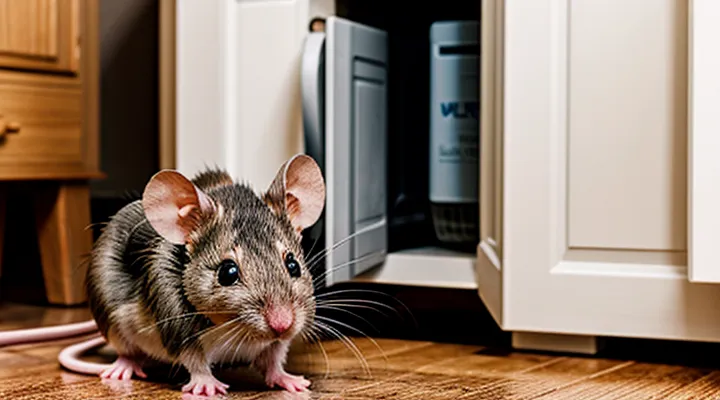
Identifying and Addressing the Source
Locating Contaminated Areas
Visual Inspection for Droppings and Nests
Visual inspection is the first line of defense against lingering rodent odor. Identify droppings and nests promptly to prevent bacterial growth and persistent smells.
Inspect areas where mice travel: behind appliances, under sinks, inside wall cavities, and along baseboards. Look for dark, rice‑shaped feces, typically 1–2 mm long, and for shredded paper, fabric, or insulation that forms a nest. Droppings often appear in clusters near food sources or entry points.
When examining potential sites, follow these steps:
- Wear disposable gloves and a mask to avoid direct contact with contaminants.
- Use a flashlight to illuminate dark corners and crevices.
- Sweep a thin piece of cardboard across surfaces; any residue that adheres indicates recent activity.
- Record locations with a notepad or digital device for targeted treatment later.
After locating droppings, clean them with a disinfectant solution (e.g., 1 part bleach to 10 parts water) and allow the area to dry completely. Remove nests using a sealable bag, then discard them in an outdoor trash container. Seal any discovered entry points to stop further intrusion.
Regular visual checks, performed weekly in high‑risk zones, maintain a odor‑free environment and reduce the need for extensive remediation.
Using UV Light Detection
UV light detection provides a rapid, objective way to locate residual mouse contamination that contributes to lingering odor. When rodents are present, their urine, feces, and secretions contain compounds that fluoresce under short‑wave ultraviolet illumination. By scanning floors, walls, and hidden spaces with a handheld UV lamp, you can identify invisible stains that ordinary lighting misses, allowing targeted cleaning and odor neutralization.
Key advantages of UV inspection:
- Immediate visual confirmation of contaminated spots.
- Ability to reach tight areas such as behind appliances, under cabinets, and inside wall voids.
- Reduced need for extensive surface cleaning, focusing effort where it matters most.
Effective UV‑based workflow:
- Dim ambient lighting and wear protective goggles.
- Sweep the UV lamp slowly across surfaces; bright green or blue fluorescence indicates mouse waste.
- Mark each glowing area with a non‑permanent marker.
- Apply an enzymatic cleaner or a solution of diluted white vinegar directly to the marked spots; let it sit for the manufacturer‑recommended dwell time.
- Rinse or wipe the treated area, then re‑expose it to UV light to verify that fluorescence has disappeared.
- Dispose of cleaning materials in sealed bags to prevent re‑contamination.
Regular UV inspections, performed weekly during an infestation and monthly afterward, ensure that hidden residues are eliminated before they generate persistent odor. Combining UV detection with thorough sanitation and proper ventilation yields a reliable, evidence‑based approach to restoring a fresh indoor environment.
Safe Removal of Infestation Traces
Wearing Appropriate Personal Protective Equipment
When addressing rodent odor in a residence, personal protective equipment shields the handler from harmful bacteria, ammonia, and volatile organic compounds released by decomposing urine and feces.
- Nitrile or latex gloves that resist puncture and chemical penetration.
- N95 or higher‑efficiency respirator to filter airborne particles and odors.
- Safety goggles or face shield to prevent splashes into the eyes.
- Disposable coveralls or a dedicated work shirt and pants to avoid contaminating everyday clothing.
Gloves must cover the wrists, be changed immediately after contact with contaminated surfaces, and be disposed of in sealed bags. Respirators require a proper seal check before each use; filters should be replaced according to manufacturer guidelines or when breathing resistance increases. Goggles should be cleaned with mild soap and water after each session, and coveralls should be removed by turning inside out before disposal.
Maintain adequate ventilation by opening windows or using exhaust fans while cleaning. After completing the task, wash hands thoroughly with soap and water, and launder any reusable PPE according to the recommended temperature and detergent settings. Following these procedures minimizes exposure risk and ensures a safer environment during odor remediation.
Guidelines for Disposing of Dead Rodents
Proper disposal of dead rodents is a critical component of any program aimed at eradicating mouse‑related odors from a residence. Mishandling carcasses releases volatile compounds that quickly permeate fabrics, carpets, and ventilation systems, undoing other odor‑control measures.
- Wear disposable nitrile gloves before handling any dead animal.
- Place the carcass in a sealable, puncture‑resistant bag (e.g., a heavy‑duty freezer bag).
- Remove excess air, seal the bag tightly, and double‑bag for added protection.
- Store the sealed package in a freezer for at least 24 hours to halt decomposition and neutralize odors.
- Transfer the frozen package to a solid‑walled trash container with a secure lid.
- Dispose of the container according to local regulations, typically via municipal waste services or a licensed pest‑removal contractor.
After removal, clean and disinfect the area where the rodent was found. Use an enzymatic cleaner to break down residual proteins, then apply a disinfectant with a proven efficacy against bacterial and fungal growth. Finally, ventilate the space for a minimum of 30 minutes to disperse any lingering scent particles.
Sanitization and Biohazard Cleanup
Initial Cleaning Protocols
Ventilating the Affected Space
Ventilation removes odor molecules by replacing stale air with fresh outdoor air, reducing the concentration of the smell that mouse urine and droppings release. Effective airflow also prevents moisture buildup, which can intensify the odor and promote bacterial growth.
- Open windows and doors on opposite sides of the room to create a cross‑draft.
- Use a high‑capacity floor or tower fan to push indoor air toward the exit.
- Position the fan near the source of the odor, directing the airflow outward.
- Run the fan continuously for at least 30 minutes, then assess the scent level.
If natural ventilation is insufficient, install an exhaust fan or portable air‑exchange unit. Set the device to operate at the highest feasible speed, and keep it running until the odor diminishes noticeably. Combine ventilation with thorough cleaning of the contaminated area to achieve the fastest reduction in smell.
The «Soak, Wipe, and Disinfect» Method
The “Soak, Wipe, and Disinfect” approach targets lingering mouse scent by breaking down organic residues, removing physical traces, and neutralizing bacteria that sustain odor.
-
Soak – Apply a generous amount of warm water mixed with an enzymatic cleaner to affected surfaces. The enzymatic action dissolves urine crystals and fecal matter, allowing deeper penetration into porous materials such as wood, carpet padding, and insulation. Let the solution sit for 10–15 minutes to maximize breakdown.
-
Wipe – Use disposable microfiber cloths or paper towels to scrub the area thoroughly. Apply firm pressure to lift softened deposits; replace the cloth frequently to avoid re‑contaminating the surface. For larger zones, a soft‑bristled brush can assist in dislodging residue from seams and cracks.
-
Disinfect – After removal, spray a hospital‑grade disinfectant containing quaternary ammonium compounds or a 1 % hydrogen peroxide solution. Ensure full coverage, then allow the product to remain wet for the manufacturer‑specified contact time (usually 5–10 minutes). This step eradicates odor‑producing microbes and prevents re‑emission.
Additional considerations:
- Ventilate the room during and after treatment to accelerate drying and disperse volatile compounds.
- Dispose of all cleaning materials in sealed bags to block any remaining scent molecules.
- Test the disinfectant on an inconspicuous spot before full application to verify material compatibility.
By following the soak‑wipe‑disinfect sequence, homeowners can eliminate mouse odor at its source, restore a neutral indoor environment, and reduce the risk of future infestations.
Choosing Effective Disinfectants
Bleach Solutions vs. Enzymatic Cleaners
Mouse odor originates from urine, feces, and secretions that contain protein‑based compounds. Effective removal requires breaking down these molecules and neutralizing the smell.
Bleach solutions consist of sodium hypochlorite diluted with water. The chemical oxidizes organic matter, destroying pigments and killing bacteria. Advantages include rapid action, low cost, and broad antimicrobial spectrum. Disadvantages involve strong fumes, potential damage to porous surfaces, and the inability to fully degrade protein residues that cause lingering odor.
Enzymatic cleaners contain proteases, lipases, and amylases that hydrolyze proteins, fats, and carbohydrates. The enzymes convert odor‑causing molecules into harmless fragments, which are then removed by rinsing or evaporation. Advantages include safety for most fabrics, minimal residue, and targeted breakdown of odor sources. Disadvantages are longer contact time, higher price, and reduced efficacy on heavily stained, non‑porous surfaces.
Key comparison
- Mechanism: Oxidation (bleach) vs. enzymatic hydrolysis (enzymatic cleaner)
- Speed: Immediate discoloration (bleach) vs. several minutes to hours for odor breakdown (enzymatic)
- Safety: Irritant fumes, corrosive (bleach) vs. low toxicity, skin‑friendly (enzymatic)
- Surface compatibility: Suitable for hard, non‑porous areas (bleach) vs. safe for fabrics, carpets, and wood (enzymatic)
- Cost: Low (bleach) vs. moderate to high (enzymatic)
Choose bleach when rapid disinfection of hard surfaces is required and ventilation is adequate. Opt for enzymatic cleaners for fabrics, carpets, and areas where prolonged odor persists despite surface cleaning. Combining both—initial bleach treatment followed by enzymatic application after thorough rinsing—can maximize odor elimination while protecting sensitive materials.
Dealing with Contaminated Insulation and Drywall
Contaminated insulation and drywall are primary reservoirs for mouse urine, feces, and bacteria that cause persistent odor. Immediate removal prevents re‑emission of volatile compounds and reduces health risks.
First, isolate the affected area. Shut off HVAC, close doors, and seal vents with plastic sheeting. Wear an N‑95 respirator, disposable gloves, and eye protection to avoid inhalation and skin contact.
Next, extract the material. Cut out drywall sections that show staining, discoloration, or a strong scent. Remove insulation by pulling it away from studs, placing it directly into heavy‑duty trash bags. Avoid shaking to limit aerosolization.
Dispose of waste according to local hazardous‑material regulations. Most jurisdictions classify rodent‑contaminated building components as biohazardous, requiring sealed containers and a licensed disposal service.
After removal, decontaminate remaining surfaces. Apply an enzymatic cleaner designed for animal waste; follow manufacturer instructions for dwell time. Rinse with clean water and allow thorough drying. For porous surfaces that cannot be fully cleaned, replace them.
Finally, repair and prevent recurrence. Install new, low‑VOC drywall and insulation with a moisture‑resistant barrier. Seal entry points—gaps around pipes, vents, and foundation cracks—with steel wool and caulk. Set traps or exclusion devices to eliminate future rodent activity.
These steps eliminate odor sources within walls and restore indoor air quality without resorting to temporary masking measures.
Advanced Odor Neutralization Techniques
Natural Absorbers and Deodorizers
Utilizing Baking Soda and Activated Charcoal
Baking soda and activated charcoal are effective, low‑cost agents for neutralizing mouse odor in residential spaces.
Baking soda works by absorbing volatile compounds that cause the smell. To apply:
- Sprinkle a thin layer of baking soda on carpet edges, under furniture, and in closets where mouse activity was detected.
- Leave for 12–24 hours to allow absorption.
- Vacuum thoroughly, discarding the collected powder.
Activated charcoal removes odor through adsorption of airborne molecules. Use the following procedure:
- Place charcoal briquettes or pre‑made bags in open containers near the source of odor (e.g., behind walls, in crawl spaces, or inside small rooms).
- Ensure containers have ventilation holes to permit air flow.
- Replace charcoal every 2–3 weeks, or when the material darkens, indicating saturation.
Combining both materials maximizes odor reduction. Start with baking soda for immediate absorption, then follow with charcoal for ongoing adsorption. Position the two agents in separate but adjacent locations to prevent cross‑contamination of residues.
Safety notes: keep both substances out of reach of pets and children; avoid inhaling dust from baking soda and do not use charcoal that contains chemicals or additives. Regular cleaning and proper placement of these absorbers maintain a fresh indoor environment without reliance on harsh chemicals.
Coffee Grounds and Vinegar Applications
Coffee grounds act as a natural deodorizer because their porous structure traps volatile compounds. Sprinkle a thin layer of dry, fresh grounds in areas where mouse scent is strongest—behind appliances, under cabinets, or inside sealed containers. Allow the grounds to sit for 24 hours, then vacuum or sweep them away. Replace the grounds every two to three days until the odor diminishes.
Vinegar neutralizes odor by breaking down the fatty acids that mice leave behind. Mix equal parts white distilled vinegar and water in a spray bottle. Apply the solution to surfaces that cannot be saturated with water, such as wood trim, baseboards, and the interior of trash cans. Allow the spray to air‑dry; the acidic residue evaporates, taking residual scent with it. For porous materials, dampen a cloth with the solution, wipe the surface, and let it dry completely. Reapply twice weekly during the initial remediation phase, then reduce to once a month for maintenance.
Both methods complement each other: coffee grounds absorb lingering smells, while vinegar chemically neutralizes them. Use the coffee treatment first to capture odors, followed by a vinegar rinse to eliminate any remaining compounds. This combined approach reduces reliance on commercial deodorizers and minimizes exposure to synthetic chemicals.
Mechanical and Chemical Deodorization
Ozone Generators and Their Safe Use
Ozone generators produce ozone (O₃), a powerful oxidizer that neutralizes organic molecules responsible for mouse odor. When ozone contacts odor‑causing compounds, it breaks chemical bonds, rendering the smell invisible and harmless.
Safe operation guidelines
- Place the unit in an unoccupied room; ozone concentrations harmful to humans and pets can develop quickly.
- Seal windows, doors, and ventilation openings to contain ozone during the treatment cycle.
- Set the timer according to the manufacturer’s recommendation for the room size; typical cycles range from 15 to 60 minutes.
- After the cycle, ventilate the space for at least 30 minutes before re‑entering, allowing residual ozone to revert to oxygen.
- Wear protective eyewear and a mask if you must be near the device while it is active.
Effectiveness considerations
- Ozone reaches crevices and fabrics where mouse urine and droppings may hide, offering broader coverage than manual cleaning alone.
- High concentrations can degrade rubber, plastics, and certain paints; avoid prolonged exposure on delicate surfaces.
- Repeated use does not replace proper removal of the source material; cleaning visible residues before ozone treatment maximizes results.
Maintenance and monitoring
- Replace the generator’s internal filter or catalyst according to the producer’s schedule to maintain output efficiency.
- Use an ozone detector or a calibrated handheld meter to verify that post‑treatment levels fall below 0.05 ppm, the threshold for safe indoor air quality.
By adhering to these precautions, ozone generators provide a reliable method for eliminating mouse‑related odors while protecting occupants and household materials.
Applying Commercial Odor Encapsulants
Commercial odor encapsulants provide a chemical barrier that traps volatile compounds released by mouse urine and feces. The encapsulating matrix binds odor molecules, reducing their perception without masking them with fragrance.
Key factors when selecting a product:
- Compatibility with typical household surfaces (hardwood, tile, carpet, drywall).
- Proven efficacy against nitrogen‑based odors.
- Low toxicity and compliance with indoor‑air‑quality standards.
- Easy‑to‑apply formulation (spray, foam, or wipe).
Application procedure:
- Remove visible debris and clean the affected area with a mild detergent.
- Allow the surface to dry completely; residual moisture hampers encapsulant adhesion.
- Apply the encapsulant according to the manufacturer’s instructions, ensuring even coverage.
- Allow the coating to cure for the recommended period, usually 30–60 minutes, before re‑entering the room.
- Inspect for missed spots and re‑apply if necessary.
Safety considerations include wearing gloves, protecting eyes with goggles, and ventilating the space during and after application. Store the product in a cool, dry place to preserve its performance.
Encapsulants work best when combined with source elimination—sealing entry points, removing nests, and employing traps. Regular monitoring and re‑application maintain the barrier, preventing odor resurgence.
Future Prevention Strategies
Sealing Entry Points
Repairing Cracks and Gaps in Foundations
Cracks and gaps in a home’s foundation provide entry points for rodents, allowing them to nest, leave waste, and create persistent odor problems. Sealing these openings removes the primary source of smell by preventing mice from infiltrating structural spaces where their urine and feces accumulate.
Effective repair follows a systematic process:
- Inspect the perimeter for visible fissures, joint separations, and voids larger than a quarter‑inch. Use a flashlight and a moisture meter to locate hidden cracks behind siding or in crawl‑space walls.
- Clean each opening thoroughly; remove debris, loose material, and any evidence of rodent activity. Apply a disinfectant to eliminate residual scent that could attract new occupants.
- Choose a suitable sealant based on crack width and material composition:
- For narrow fissures (≤½ in.), use a high‑performance polyurethane caulk that adheres to concrete, brick, or stone.
- For wider gaps, install a hydraulic cement patch, then overlay with an epoxy‑based filler for added strength.
- Apply sealant according to manufacturer instructions, ensuring full penetration into the void. Smooth the surface to create a uniform barrier.
- Allow the repair to cure fully before re‑exposing the area to moisture or foot traffic. Verify integrity by conducting a water‑spray test; no seepage indicates a successful seal.
Regular monitoring prevents future odor resurgence. Conduct quarterly visual checks, especially after heavy rain or ground movement, and re‑apply sealant to any newly formed cracks. Maintaining a sealed foundation eliminates rodent ingress, thereby reducing the source of indoor mouse odor.
Screening Vents and Chimneys
Screened vents and chimneys block rodent entry, preventing the source of persistent odor. Unfiltered openings allow mice to nest in insulation, deposit urine and feces, and release ammonia‑rich scent that spreads through the home’s air system.
- Inspect all exterior vents, dryer exhausts, and chimney flues for gaps larger than ¼ inch.
- Fit stainless‑steel or heavy‑gauge aluminum mesh with ¼‑inch or smaller openings over each opening. Secure mesh with corrosion‑resistant screws and sealant.
- Install chimney caps equipped with rodent‑proof screens; choose designs that include a rain guard to avoid moisture intrusion.
- Apply fire‑rated, rodent‑resistant insulation around vent frames to eliminate hidden nesting spaces.
- Conduct quarterly checks, especially after severe weather, to verify mesh integrity and reseal any displaced sections.
Replacing damaged screens promptly eliminates new entry points, reduces the likelihood of fresh contamination, and curtails the spread of odor through the HVAC system. Regular maintenance of screened vents and chimneys therefore forms a critical component of any effective rodent‑odor mitigation strategy.
Modifying the Home Environment
Proper Food Storage Practices
Proper food storage is essential for preventing mouse activity that generates lingering odors. Mice are attracted to accessible food sources; eliminating those sources removes the primary incentive for infestation and the resulting scent of urine and feces.
- Keep all dry goods in sealed, airtight containers made of glass, metal, or heavy‑wall plastic.
- Refrigerate or freeze perishable items within two hours of purchase.
- Dispose of expired or spoiled food promptly; place waste in sealed bags before discarding.
- Store pet food in sealed containers and avoid leaving bowls unattended overnight.
- Clean pantry shelves regularly, wiping with a mild detergent to remove crumbs and spills.
- Use pantry liners that are washable and replace them when soiled.
Consistent implementation of these practices deprives rodents of nourishment, discourages nesting, and directly reduces the production of odor‑causing waste. Maintaining a sealed food environment is a proven, straightforward measure for controlling mouse odor throughout the home.
Reducing Clutter and Nesting Materials
Reducing clutter eliminates the primary habitats where mice hide and deposit urine, which is the source of unpleasant odor. Every pile of paper, cardboard box, or fabric scrap creates a potential nesting site; removing these items directly limits the places mice can settle.
- Clear floor space by storing infrequently used objects in sealed plastic containers rather than cardboard boxes.
- Keep storage areas elevated off the ground; use metal shelving that does not provide gaps for nesting.
- Dispose of shredded paper, tissue, and soft debris promptly; these materials attract rodents for building nests.
- Organize pantry and pantry shelves so that food packages are sealed, and loose cereal or grain is placed in airtight containers.
- Rotate seasonal items in and out of storage, ensuring that each rotation includes a thorough inspection for droppings or urine stains.
Regular decluttering creates an environment that discourages mouse activity, thereby reducing the accumulation of odor‑producing waste. Maintaining a tidy interior also simplifies cleaning, allowing any accidental contamination to be identified and treated promptly.