
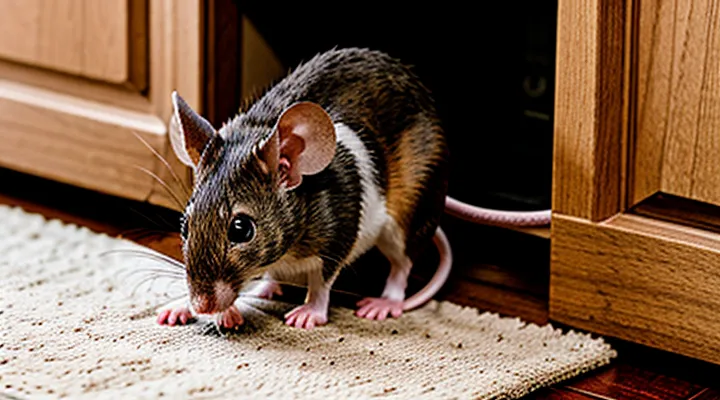
Understanding the Source of Mouse Odor
Identifying Common Odor Locations
Walls and Ceilings
Mouse odor often penetrates porous surfaces, making walls and ceilings a primary reservoir for lingering scent. Effective remediation must target these structures directly, preventing re‑emission into living spaces.
- Identify affected areas by visual inspection for stains, droppings, or discoloration.
- Remove debris with a vacuum equipped with a HEPA filter; discard the bag immediately.
- Apply an enzymatic cleaner to all contaminated surfaces; allow the solution to soak for the manufacturer‑specified dwell time.
- Rinse with clean water, then dry thoroughly using fans or dehumidifiers.
- Seal cracks, gaps, and openings with a polyurethane‑based caulk to block future rodent entry.
- Repaint using an odor‑blocking primer followed by a low‑VOC interior paint to encapsulate residual molecules.
Routine ventilation, such as periodic window opening or mechanical exhaust, reduces humidity and discourages odor retention. Periodic inspection of walls and ceilings ensures early detection of new contamination, sustaining a fresh indoor environment.
Attics and Basements
Attics and basements often serve as primary habitats for rodents, creating persistent odor problems that spread throughout a residence. Limited airflow and hidden insulation or crawl spaces allow urine and feces to accumulate unnoticed, intensifying the smell.
Identify the source by inspecting insulation, joists, and floor joists for droppings, gnaw marks, and nesting material. Use a flashlight and a disposable glove to collect samples for laboratory verification if needed. Once confirmed, follow a systematic approach:
- Remove all visible debris and contaminated insulation; replace with new material if necessary.
- Apply a rodent‑specific enzymatic cleaner to all affected surfaces; allow the product to penetrate for the recommended dwell time.
- Seal entry points with steel wool, caulk, or hardware cloth; focus on gaps around vents, pipes, and foundation cracks.
- Install additional ventilation or exhaust fans to improve air exchange; consider a dehumidifier to reduce moisture that attracts rodents.
- Deploy activated charcoal or ozone generators in the isolated area for a limited period; follow safety guidelines to avoid exposure.
After treatment, monitor the space for recurrence by checking for fresh droppings or new gnaw marks weekly for the first month. Maintain a regular cleaning schedule and conduct periodic inspections to prevent re‑infestation, thereby sustaining a odor‑free environment throughout the home.
Furniture and Upholstery
Furniture and upholstery absorb mouse odor because fibers and porous surfaces retain urine, droppings, and scent glands. Immediate removal of visible debris prevents further contamination.
- Strip removable covers; wash at the highest temperature safe for the fabric.
- Vacuum upholstery with a HEPA filter, focusing on seams and crevices.
- Apply an enzymatic cleaner designed for pet stains; allow sufficient dwell time to break down odor molecules.
- Steam‑clean cushions and mattresses; steam penetrates deep layers without saturating the material.
- For wood frames or leather, wipe with a solution of white vinegar and water, then dry thoroughly.
After treatment, protect furniture by applying a breathable odor‑blocking spray and scheduling regular vacuuming. Seal gaps around baseboards and doors to block rodent entry, reducing the risk of future odor accumulation. Continuous maintenance preserves a neutral scent environment throughout the residence.
HVAC Systems
Rodent odor in a residence often accumulates in ductwork and confined spaces where air circulation is limited. The heating, ventilation, and air‑conditioning (HVAC) system can address this problem by moving contaminated air out of occupied rooms and supplying filtered fresh air.
Effective odor control relies on three HVAC functions. First, increased outdoor air intake dilutes indoor contaminants. Second, high‑efficiency particulate air (HEPA) or activated‑carbon filters capture odor‑carrying particles and volatile compounds. Third, temperature and humidity regulation prevent conditions that favor odor persistence.
Recommended actions for HVAC optimization:
- Adjust thermostat settings to maintain indoor humidity between 30 % and 50 %; lower humidity reduces microbial growth that contributes to odor.
- Install carbon‑loaded filters in return air grilles; replace them according to manufacturer schedule.
- Program the system to run continuous low‑speed fan mode during periods of high odor concentration, ensuring constant air exchange.
- Conduct quarterly inspections of duct insulation and seal any gaps that allow rodent entry or odor migration.
- Integrate ultraviolet (UV‑C) lamps within the air‑handling unit to neutralize odor‑producing microorganisms.
Coordinating HVAC measures with structural repairs—such as sealing foundation cracks and removing nesting material—maximizes odor elimination. Regular maintenance, including filter replacement and duct cleaning, sustains system performance and prevents re‑accumulation of «mouse odor».
Dangers of Prolonged Mouse Odor Exposure
Health Risks
Mouse odor in a residence signals the presence of urine, feces, and bacterial growth, each capable of compromising indoor air quality. Inhalation of volatile compounds such as ammonia and phenols can irritate the respiratory tract, leading to coughing, wheezing, and increased susceptibility to asthma attacks. Persistent exposure may aggravate chronic bronchitis and reduce lung function in vulnerable individuals.
Skin contact with contaminated surfaces introduces pathogens, including hantavirus, leptospira, and salmonella. These agents can cause fever, renal failure, and gastrointestinal distress. Direct ingestion of dust contaminated with rodent droppings raises the risk of severe infections, particularly in children and immunocompromised adults.
Allergic reactions arise from proteins in mouse dander and saliva. Symptoms range from mild sneezing to severe anaphylactic responses. Continuous low‑level exposure heightens sensitization, making future reactions more intense.
Key health hazards include:
- Respiratory irritation from ammonia and phenolic compounds.
- Infectious diseases transmitted by urine, feces, and saliva.
- Dermatological inflammation from direct skin contact.
- Allergic sensitization and potential anaphylaxis.
Mitigating these risks requires prompt removal of odor sources, thorough cleaning with disinfectants, and ventilation to disperse airborne contaminants. Regular inspection and sealing of entry points prevent re‑infestation, sustaining a safe indoor environment.
Structural Damage Indicators
Structural damage often accompanies persistent rodent odor in a private residence. Identifying early indicators prevents extensive repairs and reduces remediation costs.
Visible gnaw marks on beams, joists, or baseboards signal compromised integrity. Repeated chewing weakens load‑bearing elements, increasing the risk of sagging floors or roof collapse. Inspect all exposed timber for splintered or hollow sections; a dull sound when tapped indicates internal decay.
Insulation deterioration appears as discolored, damp, or shredded material. Moisture from urine and feces encourages mold growth, which degrades fibrous fill and reduces thermal efficiency. Replace any insulation that shows stains, foul smell, or clumping.
Corrosion of metal components, such as wiring, fasteners, or HVAC ducts, results from acidic urine deposits. Look for rust patches, flaking paint, or brittle connections. Damaged wiring poses fire hazards and may require complete rewiring in affected zones.
Structural cracks in walls or foundations often emerge from prolonged exposure to moisture and ammonia. Small fissures widen over time, allowing additional pest ingress and further weakening of the building envelope. Seal and repair cracks promptly to restore stability.
A concise checklist for damage assessment:
- Examine timber for gnaw marks, hollow cores, or splintering.
- Verify insulation condition; replace any material with discoloration, moisture, or odor.
- Inspect metal elements for rust, corrosion, or compromised connections.
- Locate and evaluate cracks in walls, floors, and foundation.
- Assess ventilation pathways for blockage or damage caused by nesting material.
Addressing these indicators alongside odor removal ensures the dwelling remains structurally sound and safe for occupants.
Preparation for Odor Elimination
Safety Precautions
Personal Protective Equipment («PPE»)
Personal Protective Equipment (PPE) provides a barrier between the user and contaminants released during the removal of rodent odor sources. Gloves protect hands from chemicals used to clean and disinfect affected areas. Respiratory protection, such as N95 or higher‑efficiency masks, prevents inhalation of volatile compounds and dust particles generated by cleaning processes. Eye protection, including safety goggles, shields the eyes from splashes of cleaning agents and airborne debris. Disposable coveralls or aprons limit skin exposure and simplify post‑task decontamination.
When selecting PPE, consider the following criteria:
- Chemical resistance of material (e.g., nitrile gloves for disinfectants).
- Filtration rating appropriate for expected aerosol concentration (e.g., N95 for moderate dust, P100 for heavy particulate load).
- Fit and comfort to ensure continuous use without compromising seal.
- Compatibility with other equipment to avoid gaps in protection.
Proper use includes donning PPE before entering the contaminated zone, inspecting each item for damage, and removing it in a controlled sequence to avoid cross‑contamination. Dispose of single‑use items in sealed bags; clean reusable components according to manufacturer instructions. Regular replacement of filters and inspection of seals maintain effectiveness throughout the odor‑removal process.
Ventilation Measures
Effective ventilation is essential for removing lingering rodent odor from a residence. Fresh air exchange dilutes volatile compounds, accelerates drying of contaminated surfaces, and prevents re‑absorption of smells into building materials.
Identify sources of stagnant air, such as sealed rooms, closets, and crawl spaces. Install exhaust fans or open existing vents to create a continuous airflow path from interior to exterior. Position fans near the most affected areas to draw odor‑laden air outward while drawing fresh air inward through windows or supply vents.
Implement the following measures:
- Install a whole‑house ventilation system with heat‑recovery capabilities to maintain temperature while exhausting stale air.
- Use window‑mounted or wall‑mounted exhaust fans in kitchens, bathrooms, and basements; operate them for at least 30 minutes after cleaning or decontamination.
- Open interior doors to promote cross‑ventilation; keep exterior doors open briefly when weather permits.
- Place portable high‑efficiency fans near odor hotspots; orient them to push air toward an open window or external vent.
- Maintain HVAC filters; replace them regularly to prevent recirculation of odor particles.
Monitor indoor humidity, keeping levels below 60 % to inhibit microbial growth that can amplify unpleasant smells. Combine ventilation with thorough cleaning of contaminated zones for optimal odor elimination.
Locating and Removing Dead Mice
Visual Inspection
Visual inspection forms the initial stage of odor control in a private residence affected by rodents. The process begins with a systematic sweep of all rooms, focusing on areas where mice are likely to travel or hide. Identify the following indicators:
- Dark, pellet‑shaped droppings on floors, countertops, or behind appliances.
- Yellow‑brown stains on walls, baseboards, or furniture, suggesting urine deposits.
- Gnaw marks on wood, plastic, or wiring, revealing active pathways.
- Accumulated shredded paper, fabric, or insulation, indicating nest construction.
- Unusual odors emanating from closets, attics, or crawl spaces, often concentrated near food sources.
Proceed to examine concealed spaces such as under sinks, inside cabinets, and behind radiators. Use a flashlight to detect shadows or movement that may conceal droppings. Employ a portable UV lamp to reveal urine stains invisible to the naked eye; urine fluoresces under ultraviolet light, allowing precise localization of contamination.
Document each finding with location details and severity assessment. Prioritize areas with heavy droppings or extensive urine staining for immediate cleaning and disinfection. Visual inspection results guide subsequent steps, including targeted cleaning, sealing entry points, and deploying traps, ensuring an effective reduction of rodent odor throughout the home.
Using Baits and Traps
Using baits and traps directly targets the source of the odor, preventing further contamination of living spaces. Effective control requires strategic selection, placement, and disposal of these devices.
- Choose non‑toxic, scented baits that attract mice without leaving strong chemical residues.
- Position baits near walls, behind appliances, and in concealed corners where rodent activity is observed.
- Employ snap traps or humane live‑capture traps; snap traps provide rapid termination, reducing decomposition‑related smells, while live‑capture traps require immediate release and thorough cleaning of the capture area.
- Check traps at least twice daily; remove captured rodents promptly, sealing them in a disposable bag before discarding in an outdoor trash container.
After removal, clean the trap site with a solution of diluted bleach or enzymatic cleaner. Apply an odor‑neutralizing agent, such as activated charcoal or a commercial rodent‑odor eliminator, to absorb residual scent molecules. Ensure ventilation by opening windows or using an exhaust fan for several hours. Regular monitoring of bait stations and trap locations sustains a low‑odor environment throughout the residence.
Disposal Methods
Effective disposal of sources that generate rodent odor is essential for restoring a sanitary environment in a private residence. Dead mice, contaminated bedding, and droppings must be removed promptly and handled with care to prevent odor persistence.
- Place each carcass in a sealed, heavy‑duty plastic bag. Double‑bagging reduces the risk of leakage and limits odor release.
- Add an absorbent material such as kitty litter or sawdust to the bag before sealing. The absorbent material traps moisture and odor molecules.
- Dispose of sealed bags in an outdoor trash container equipped with a tight‑fitting lid. Schedule collection on the next pickup day to minimize storage time.
- Clean all affected surfaces with an enzymatic cleaner designed for organic stains. Enzymatic formulas break down proteins that contribute to the smell, preventing re‑emission.
- For porous items (e.g., insulation, upholstery) that have absorbed odor, discard them in sealed bags. Replacement is often more effective than attempting decontamination.
- Store all disposal containers away from living spaces until removal. This practice prevents cross‑contamination of clean areas.
Proper segregation of waste, use of odor‑neutralizing agents, and immediate removal of contaminated materials constitute a comprehensive disposal strategy. Implementing these steps eliminates the primary sources of rodent odor and supports long‑term indoor air quality.
Cleaning Contaminated Areas
Identifying Contaminated Surfaces
Identifying contaminated surfaces is the first step in removing rodent odor from a residence. Focus on areas where mice travel, feed, and nest, as these locations retain urine, feces, and glandular secretions that generate the smell.
Typical hotspots include:
- Kitchen countertops and backsplashes where food residue accumulates.
- Under and behind appliances such as refrigerators, stoves, and dishwashers.
- Cabinet interiors, especially those storing dry goods.
- Baseboards, wall corners, and floor joists near walls.
- Storage closets, attics, and crawl spaces with limited ventilation.
- Furniture cushions, pet beds, and upholstery in rooms where mice have been observed.
Inspect each surface for visible droppings, stains, or moisture. Use a blacklight to reveal urine traces that may not be apparent under normal lighting. Record findings before proceeding to cleaning, ensuring that all contaminated zones receive targeted treatment.
Initial Cleaning Steps
Effective eradication of rodent odor begins with thorough initial cleaning. The process removes organic material that fuels lingering smells and creates a sanitary environment for subsequent treatments.
- Collect and discard all visible droppings, nests, and gnawed materials. Use disposable gloves and sealed bags to prevent cross‑contamination.
- Sweep or vacuum floors, corners, and hidden spaces. Follow with a damp mop to capture fine particles.
- Apply an enzymatic cleaner to all affected surfaces. Enzymes decompose proteins and fatty acids that generate odor. Allow the solution to work for the manufacturer‑recommended dwell time before rinsing.
- Disinfect high‑traffic areas with a solution of 1 % bleach (sodium hypochlorite) diluted in water. Contact time of at least five minutes ensures microbial reduction.
- Open windows and doors to promote airflow. Operate exhaust fans to accelerate drying and remove airborne odor compounds.
After completing these steps, verify that no residual scent remains by conducting a brief odor check in multiple rooms. If traces persist, repeat the cleaning cycle before advancing to odor‑neutralizing treatments. «Enzymatic cleaners break down odor molecules, eliminating the source rather than masking the smell».
Disinfectants and Sanitizers
Disinfectants and sanitizers are essential tools for removing rodent‑related odor from a private residence. Their primary function is to break down bacterial colonies and neutralize volatile compounds that contribute to the unpleasant scent left by mice.
Effective products include:
- Hydrogen peroxide (3‑6 % solution) – oxidizes organic matter, eliminates odor‑causing microbes.
- Enzymatic cleaners – contain proteases and lipases that digest urine proteins and fecal residues.
- Quaternary ammonium compounds – disrupt cell membranes of bacteria and fungi, providing rapid sanitization.
- Sodium hypochlorite (bleach) – strong oxidizer, suitable for hard, non‑porous surfaces.
- Alcohol‑based sprays (70 % isopropanol) – evaporates quickly, reduces microbial load on contact surfaces.
Application procedure:
- Identify all areas contaminated by mouse activity: corners, pantry shelves, behind appliances, and entry points.
- Remove visible debris, then wet‑wipe surfaces with a disinfectant appropriate for the material.
- Allow the solution to remain in contact for the manufacturer‑specified dwell time, typically 5–10 minutes, to ensure full microbial inactivation.
- Rinse or air‑dry surfaces as recommended; repeat treatment on heavily soiled zones.
Safety considerations:
- Wear protective gloves and eye protection to avoid skin irritation.
- Ensure adequate ventilation; some agents emit strong fumes.
- Store chemicals out of reach of children and pets, clearly labeled with hazard information.
- Test a small, concealed area before full‑scale application to verify material compatibility.
Methods for Eliminating Mouse Odor
Natural Odor Removal Solutions
Activated Charcoal
Activated charcoal consists of carbon particles with a highly porous structure, creating an extensive surface area capable of adsorbing volatile compounds. The material attracts and retains odor‑causing molecules through physical binding, reducing the perception of unpleasant smells.
When applied to mouse odor in a private residence, activated charcoal functions as a passive deodorizer. It does not mask the smell; it removes the source molecules from the air and from surfaces where they accumulate.
Practical use:
- Place loose charcoal granules in breathable containers (e.g., mesh bags) near known mouse activity zones such as cupboards, basements, or attics.
- Position larger charcoal blocks behind baseboards or inside wall cavities to intercept odor migration.
- Replace or refresh the charcoal every 30–45 days, as adsorption capacity diminishes over time.
- Combine with regular cleaning: eliminate droppings, urine stains, and nesting material before deploying charcoal, ensuring maximum effectiveness.
Safety considerations:
- Keep charcoal away from open flames; the material is combustible at high temperatures.
- Avoid direct contact with skin or eyes; wear gloves when handling bulk quantities.
- Store unused charcoal in a dry environment to prevent moisture‑induced loss of adsorption efficiency.
By integrating activated charcoal into a systematic odor‑control regimen, rodent‑related smells can be substantially reduced, contributing to a fresher indoor atmosphere.
Baking Soda
Baking soda neutralizes acidic compounds that contribute to the characteristic mouse odor. Its alkaline nature reacts with the volatile amines released by rodent urine, reducing the smell at the molecular level.
To apply the powder effectively, follow these steps:
- Sprinkle a thin layer of baking soda on surfaces where mouse activity has been detected, including baseboards, under appliances, and inside closets.
- Allow the powder to remain for at least 24 hours, permitting absorption of odor molecules.
- Vacuum or sweep the residue, ensuring removal of the saturated material.
- Repeat the process weekly until the odor no longer registers.
When used in conjunction with thorough cleaning, baking soda enhances the overall odor‑elimination strategy. It is non‑toxic, safe for pets and children, and does not leave a residue that damages flooring or furniture. For persistent odors, combine baking soda with activated charcoal in sealed containers placed near the affected area; the charcoal adsorbs additional volatile compounds while the soda continues to neutralize them.
Regular maintenance, including prompt removal of droppings and sealing entry points, maximizes the efficacy of baking soda and prevents reappearance of the smell.
White Vinegar
White vinegar provides a cost‑effective means of neutralizing rodent odor in residential settings. The solution contains 5‑7 % acetic acid, which lowers pH and disrupts the volatile compounds responsible for the characteristic smell.
Effective application follows these steps:
- Dilute one part white vinegar with one part water in a spray bottle.
- Spray the mixture onto affected surfaces such as baseboards, insulation, and furniture.
- Allow the solution to sit for 10–15 minutes, then wipe with a clean cloth.
- For porous materials, soak a cloth in the diluted solution and place it against the odor source for several hours.
Safety considerations include wearing gloves to protect skin from irritation and ensuring adequate ventilation to prevent buildup of vapors. Avoid direct contact with open flames, as acetic acid vapors are flammable.
Regular treatment, combined with thorough cleaning of debris and sealing of entry points, sustains odor‑free conditions. Reapplication every few weeks during the infestation period maintains effectiveness.
Coffee Grounds
Coffee grounds serve as an effective natural deodorizer for rodent odor in residential settings. The porous structure of the grounds traps volatile compounds, while residual caffeine and acids inhibit bacterial growth that can amplify unpleasant smells.
The deodorizing action relies on two principles. First, the fine particles absorb moisture and odor molecules, reducing their presence in the air. Second, the mildly acidic environment created by the grounds discourages microbial activity that often accompanies rodent waste.
Practical application:
- Collect fresh or used coffee grounds, allowing them to dry completely to prevent mold.
- Place a thin layer of the dried grounds in shallow containers or on reusable silicone mats.
- Distribute the containers near identified sources of mouse odor, such as crawl spaces, attics, or kitchen cabinets.
- Replace the grounds every 3‑5 days, or sooner if they become damp or lose fragrance.
Safety considerations include keeping the grounds out of reach of pets that might ingest large quantities, and ensuring the containers are sealed when not in use to avoid attracting insects. Store surplus grounds in an airtight container in a cool, dry area to preserve effectiveness.
Additional recommendations:
- Combine coffee grounds with a layer of activated charcoal for extended odor control.
- Use the grounds in conjunction with thorough cleaning of affected areas to maximize results.
- Monitor the indoor air quality regularly; persistent odor may indicate hidden infestations requiring professional intervention.
Commercial Odor Eliminators
Enzyme Cleaners
Enzyme cleaners break down organic compounds that cause mouse odor, converting proteins, fats, and urine residues into harmless substances. The biochemical reaction eliminates the source of the smell rather than merely masking it.
Effective products contain proteases, lipases, and amylases in balanced proportions. Proteases target proteinaceous urine stains, lipases dissolve fatty deposits left by mouse secretions, and amylases handle carbohydrate residues from nesting material.
Selection criteria focus on concentration, pH stability, and safety for household surfaces. High‑concentration formulas reduce the number of applications; neutral pH prevents damage to wood, tile, or painted walls; certification for pet‑friendly use ensures no risk to other animals.
Application procedure:
- Remove visible debris and vacuum all affected areas.
- Dilute the enzyme solution according to manufacturer instructions.
- Apply liberally to floors, baseboards, and hidden corners; ensure thorough saturation.
- Allow the solution to remain wet for the recommended dwell time, typically 15–30 minutes.
- Rinse with clean water or wipe dry, depending on surface tolerance.
Regular treatment of previously infested zones prevents odor recurrence. Store the product in a cool, dark place to preserve enzymatic activity. Proper ventilation during use minimizes residual moisture and accelerates drying.
Odor Absorbers
Odor absorbers provide a practical solution for neutralizing rodent smell within a private residence. Activated charcoal, baking soda, zeolite crystals and commercial enzymatic powders represent the most effective options.
• Activated charcoal: porous surface traps volatile organic compounds; place granules in open containers near identified odor sources and replace every 30 days.
• Baking soda: alkaline compound neutralizes acidic odor molecules; disperse a thin layer on carpet edges, under appliances and in closets, then vacuum after 48 hours.
• Zeolite crystals: natural mineral exchanges ammonia and sulfide gases; distribute in breathable pouches throughout basements and crawl spaces, renewing quarterly.
• Enzymatic powders: contain microorganisms that break down protein‑based residues; sprinkle on contaminated flooring, allow moisture to activate, and mop after 24 hours.
Proper placement enhances absorption efficiency. Position containers at floor level where mouse activity occurred, ensuring airflow is not obstructed. Avoid direct contact with food preparation surfaces; seal absorbers in perforated fabric to prevent accidental ingestion by pets.
Maintenance requires periodic assessment of odor intensity. Replace saturated materials promptly to sustain performance. Combining multiple absorbers can address a broader spectrum of odor compounds, accelerating the restoration of a fresh indoor environment.
Air Purifiers
Mouse odor in a private residence originates from urine, feces and decomposing tissue. Airborne particles and volatile compounds spread through ventilation, creating persistent unpleasant smells. Removing these contaminants requires a device capable of filtering both particles and gases.
Air purifiers employ multiple filtration stages. A pre‑filter captures large dust and hair, extending the life of downstream elements. HEPA media removes particles down to 0.3 µm with 99.97 % efficiency, eliminating microscopic debris that carries odor. Activated carbon or charcoal layers adsorb volatile organic compounds, including the amines and sulfides responsible for mouse odor. Some models integrate photocatalytic oxidation to break down residual gases.
Key factors when choosing a unit for odor control:
- Filter composition: HEPA plus high‑capacity activated carbon.
- Air‑change rate: Minimum 5–6 room volumes per hour for effective clearance.
- Noise level: ≤ 45 dB for continuous operation in living spaces.
- Energy consumption: ≤ 50 W to allow long‑term use without excessive cost.
- Size and placement flexibility: Compact design fits under furniture or in corners.
Optimal placement positions the purifier near the source of odor, such as kitchens, basements or storage rooms, while maintaining unobstructed airflow. Continuous operation during periods of activity maximizes removal; automatic sensors that adjust fan speed according to detected pollutants enhance efficiency.
Maintenance schedule includes weekly inspection of pre‑filter, monthly replacement of activated carbon according to manufacturer specifications, and quarterly HEPA filter change. Cleaning the exterior with a dry cloth prevents dust buildup that could impair intake performance. Regular filter replacement restores adsorption capacity, ensuring sustained odor reduction.
Addressing Persistent Odors
Ozone Generators («Cautionary Use»)
Ozone generators can neutralize volatile compounds responsible for rodent scent, but their operation demands strict safety controls.
- Deploy units only in unoccupied spaces; seal doors and windows to prevent ozone leakage into inhabited areas.
- Monitor ozone concentration with certified meters; maintain levels below occupational exposure limits (typically 0.1 ppm).
- Limit exposure time; run generators for the minimum period required to achieve odor reduction, then ventilate thoroughly.
- Avoid use in conjunction with flammable materials or open flames, as ozone amplifies combustion risk.
- Store devices away from children and pets; label equipment with warning notices indicating «Cautionary Use».
Proper ventilation after treatment disperses residual ozone, restoring air quality suitable for re‑entry. Adhering to these precautions ensures effective odor mitigation while protecting occupants’ health.
Sealing Entry Points to Prevent Reinfestation
Sealing all potential entry points is essential to stop new rodents from re‑entering the home and re‑introducing odor sources. Unsealed gaps allow mice to infiltrate walls, foundations, and utility openings, where they can nest and deposit waste that produces persistent smells. Blocking these pathways eliminates the primary avenue for reinfestation, thereby maintaining a clean indoor environment.
Key locations to inspect and secure include:
- Gaps around pipe penetrations, typically ¼‑inch or larger; install steel wool or copper mesh, then cover with expanding foam or metal flashing.
- Cracks in foundation walls and basement floors; fill with hydraulic cement or a concrete‑based sealant that adheres to damp surfaces.
- Openings around doors, windows, and vent covers; fit weather‑stripping, door sweeps, or fine‑mesh screens to prevent entry.
- Holes in exterior siding, roofing, and soffits; repair with appropriate caulk, metal flashing, or patching material.
- Utility entry points for cables and wires; use silicone‑based sealant combined with metal mesh to close the space securely.
After sealing, monitor the sealed areas for signs of damage or new gaps, especially after seasonal temperature changes. Prompt repair of any compromised seals sustains the barrier against rodents, ensuring the odor‑free condition of the residence remains stable.
Professional Cleaning Services
Mouse odor in a private residence originates from urine, feces, and secretions left by rodents. Persistent smell indicates contamination of surfaces, fabrics, and ventilation systems, requiring thorough remediation.
Professional cleaning services provide systematic removal of biological residues and neutralization of odor compounds. Technicians apply specialized disinfectants, enzymatic cleaners, and ozone treatments that break down odor-causing molecules at a molecular level, ensuring complete eradication.
Key components of a professional intervention include:
- Detailed inspection of all rooms, attics, and crawl spaces to locate hidden deposits.
- Extraction of contaminated materials such as insulation, carpeting, and upholstery when necessary.
- Application of enzymatic solutions that digest organic waste without leaving chemical residues.
- Ozone or hydroxyl generator cycles to oxidize lingering volatile organic compounds.
- Cleaning and sanitizing of HVAC ducts, filters, and vents to prevent recirculation of odor.
Engaging expert providers yields measurable advantages: rapid reduction of health risks associated with rodent pathogens, compliance with indoor air quality standards, and preservation of property value through documented remediation.
Preventing Future Mouse Odors
Rodent Control Strategies
Regular Inspections
Regular inspections form a cornerstone of any strategy aimed at eliminating rodent odor from a residence. Systematic checks identify the sources of scent, confirm the effectiveness of control measures, and prevent recurrence.
Key elements of an inspection routine include:
• Visual sweep of all rooms, focusing on corners, under appliances, and behind furniture where droppings or urine stains may accumulate.
• Examination of entry points such as gaps around doors, windows, and utility penetrations; sealing any openings reduces future infestations.
• Inspection of ventilation ducts and HVAC filters for trapped debris that can disperse odor throughout the house.
• Use of ultraviolet light or black‑light devices to reveal hidden urine spots that are invisible to the naked eye.
• Documentation of findings with timestamps and locations to track progress over successive visits.
Conducting inspections on a weekly basis during the initial remediation phase, then transitioning to a monthly schedule, maintains a low‑odor environment. Prompt removal of identified contaminants, combined with thorough cleaning and deodorizing, ensures that the source of the smell does not persist. Consistent monitoring also verifies that preventive actions, such as sealed entry points, remain intact, thereby sustaining a odor‑free home.
Trapping and Baiting Programs
Trapping and baiting programs constitute a core element of odor‑reduction strategies for rodent‑infested residences. Effective implementation requires precise placement, appropriate device selection, and systematic monitoring.
- Identify high‑traffic pathways by inspecting walls, baseboards, and concealed spaces for droppings, gnaw marks, and nesting material.
- Deploy snap traps or electronic devices at intervals of 12–18 inches along identified routes, ensuring the trigger side faces the anticipated entry direction.
- Apply rodenticide bait stations in concealed locations, away from children and pets, adhering to label‑specified concentrations.
- Rotate bait formulations every 30 days to prevent habituation and maintain efficacy.
- Record capture data daily, noting trap locations, capture frequency, and any signs of continued activity.
Continuous assessment refines program effectiveness. Replace saturated traps promptly, discard captured specimens in sealed containers, and sanitize affected areas with enzymatic cleaners to eliminate residual odor compounds. Integrate these actions with structural exclusion measures—sealing entry points and reducing clutter—to sustain a low‑odor environment over the long term.
Exclusion Techniques
Effective exclusion prevents mouse intrusion and eliminates the associated odor at its source.
Identify all potential entry points, including gaps around utility pipes, vent openings, and foundation cracks. Seal each opening with durable materials.
- Apply steel wool or copper mesh to holes larger than ¼ inch, then cover with expanding foam or caulk.
- Install door sweeps on exterior doors to block gaps beneath the threshold.
- Fit tight‑closing window screens, ensuring no torn sections remain.
- Repair foundation cracks using hydraulic cement, which expands to fill voids and resists rodent chewing.
- Cover attic and crawl‑space vents with metal mesh of ½ inch or smaller aperture.
Inspect exterior trim, siding, and roofing for loose boards or damaged flashing; replace or reinforce as necessary.
Maintain a perimeter barrier by trimming vegetation away from the house foundation and storing firewood at least 18 inches from the structure.
Regularly review the sealed areas for signs of new activity and reapply sealing agents promptly.
Implementing these exclusion measures removes the pathways rodents use, thereby eliminating the odor they introduce into a private residence.
Maintaining a Clean Environment
Proper Food Storage
Proper food storage is a critical factor in preventing mouse‑related odors within a residence. Food items that attract rodents must be sealed, organized, and placed in locations that limit access and reduce scent accumulation.
Key practices include:
- Store all dry goods, cereals, and pet food in airtight containers made of glass, metal, or heavy‑wall plastic. Containers should feature tight‑locking lids that prevent any leakage of aroma.
- Keep perishable items in the refrigerator or freezer promptly after purchase. Ensure that packaging is sealed and that spills are cleaned immediately.
- Position food storage areas away from walls, baseboards, and concealed spaces where mice can hide. Elevate containers on shelves that are at least six inches from the floor.
- Conduct regular inventory checks. Discard expired or spoiled products, and clean the interior of storage containers with a mild detergent followed by a thorough rinse.
- Maintain a strict cleaning schedule for kitchen surfaces, countertops, and dining areas. Wipe down with a solution that removes food residues and neutralizes odors.
By implementing these measures, the availability of attractive food sources diminishes, discouraging rodent activity and eliminating the source of lingering mouse odor.
Waste Management
Effective waste management is essential for removing rodent odor from a residence. Proper disposal of contaminated materials prevents the persistence of malodorous compounds and eliminates sources of bacterial growth.
Identify all waste generated by rodent activity. This includes dead mice, droppings, nesting material, and food scraps. Collect each item in sealed, impermeable bags. Immediately place the bags in an outdoor garbage container equipped with a tight‑fitting lid. Schedule regular removal of the container to avoid accumulation.
Implement a routine cleaning protocol:
- Sweep and vacuum all affected floors, using a vacuum equipped with a HEPA filter.
- Disinfect surfaces with a solution containing at least 1 % bleach or a commercial rodent‑specific sanitizer.
- Launder fabrics and bedding at a minimum temperature of 60 °C; if laundering is not possible, discard and replace the items.
Secure waste storage areas. Ensure trash cans have lids that close securely and are positioned away from entry points. Repair cracks in walls, foundations, and utility openings to block future ingress of rodents and their waste.
Maintain ongoing monitoring. Periodically inspect waste receptacles, cleaning schedules, and structural seals. Promptly address any breach to sustain an odor‑free environment.
Decluttering
Decluttering removes the environments in which rodents hide and deposit waste, directly reducing the source of unpleasant smells. By eliminating excess items, the homeowner creates a space that is easier to inspect, clean, and treat.
- Remove all items stored under sinks, behind appliances, and in attics; these locations often serve as nesting sites.
- Discard or recycle food‑storing containers that are cracked, unsealed, or infrequently used.
- Sort laundry piles and keep clothing in closed drawers; fabric can absorb urine and retain odor.
- Organize tools and garden supplies in sealed bins; open storage invites rodents to explore.
- Vacuum and wipe shelves after clearing clutter; residue left on surfaces sustains odor.
After the space is cleared, conduct a thorough cleaning of the vacated areas. Use enzymatic cleaners on surfaces that may have been contaminated by urine or feces. Replace discarded items with storage solutions that feature tight‑fitting lids or reinforced doors.
Regular maintenance prevents re‑accumulation of clutter. Schedule monthly inspections of storage zones, promptly dispose of waste, and keep food supplies in sealed containers. Consistent organization sustains a rodent‑free environment and eliminates the lingering smell associated with mouse activity.
Monitoring for Reinfestation
Signs of Mouse Activity
Mouse presence leaves distinct evidence that can be identified before odor becomes noticeable. Recognizing these indicators enables timely intervention, preventing the development of persistent smells.
Typical signs include:
- Fresh droppings, approximately ¼ inch long, dark‑brown to black, often found along walls, behind appliances, and in cabinets.
- Gnaw marks on wood, plastic, or wiring, characterized by clean, rounded teeth impressions.
- Scratching noises, especially at night, emanating from attic spaces, walls, or behind baseboards.
- Nests constructed from shredded insulation, paper, or fabric, typically concealed in hidden corners or under stored items.
- Tracks or smears of urine, leaving a strong, musky odor and sometimes staining surfaces.
Additional clues may appear as unusual grease or oil stains near entry points, indicating mouse traffic. Detecting any combination of these signs warrants immediate sanitation and sealing of access routes to eliminate the source of odor.
Routine Maintenance Checks
Routine maintenance checks form the backbone of odor control in a private residence affected by rodents. Regular inspection of storage areas, kitchens and basements reveals droppings, urine stains and gnaw marks that serve as odor sources. Prompt removal of waste with a disinfectant solution prevents bacterial growth and lingering smell.
Sealing potential entry points eliminates new contamination. Examine exterior walls, foundation cracks, vent openings and utility penetrations. Apply steel‑wool or caulk to gaps no larger than a quarter inch; larger openings require hardware cloth or metal flashing.
Ventilation systems require periodic cleaning. Remove filters, clean ductwork and inspect for nesting material. Replace filters monthly to ensure fresh airflow and reduce odor accumulation.
Waste management practices must be audited weekly. Secure trash cans with tight lids, dispose of food scraps promptly and keep compost bins away from living spaces. Clean food storage containers with hot, soapy water and dry thoroughly.
A concise checklist for routine maintenance:
- Inspect all rooms for droppings and urine stains; clean immediately.
- Verify integrity of doors, windows and utility openings; seal gaps.
- Clean ventilation filters and ducts; replace filters at least once a month.
- Manage waste: tighten lids, remove food residues, relocate compost containers.
- Conduct a quarterly professional pest‑control assessment to confirm absence of hidden nests.
Adhering to these checks sustains a low‑odor environment and prevents recurrence of the problem.