
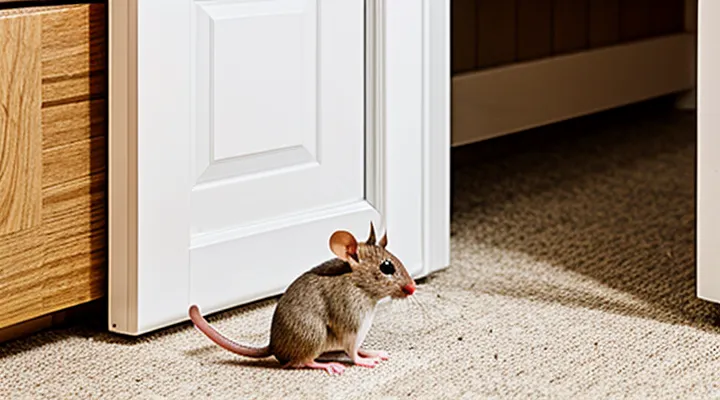
Understanding the Mouse Problem
Signs of Mice Infestation
Droppings
Mouse droppings are a primary indicator of infestation and a source of health hazards. Recognizing their appearance—small, dark, pellet‑shaped feces about ¼ inch long—helps confirm the presence of rodents and directs remediation efforts.
Health risks associated with droppings include the transmission of hantavirus, salmonella, and other pathogens. Inhalation of dried particles or direct contact can lead to respiratory illness and gastrointestinal infection. Immediate removal reduces exposure and prevents contamination of food surfaces.
Effective removal follows a strict protocol:
- Ventilate the area by opening windows and turning off HVAC systems.
- Wear disposable gloves, a N‑95 respirator, and protective clothing.
- Dampen droppings with a disinfectant solution (e.g., 10% bleach) to prevent dust aerosolization.
- Scrape the material into a sealed plastic bag using a disposable tool.
- Dispose of the bag in an outdoor trash container with a tight‑closing lid.
- Clean the affected surface with a bleach‑water mixture (1 part bleach to 10 parts water) and allow it to air‑dry.
- Wash hands thoroughly after removing protective gear.
Preventive measures focus on eliminating conditions that attract mice. Seal cracks and gaps larger than ¼ inch, store food in airtight containers, and maintain a clutter‑free environment. Regular inspection of hidden spaces—behind appliances, under cabinets, and in crawl‑spaces—detects fresh droppings early, enabling prompt action before populations expand.
Gnaw Marks
Gnaw marks are a reliable indicator of mouse activity. They appear on wood, plastic, cardboard, and electrical cords, typically as shallow, crescent‑shaped bites about 2–3 mm deep. The pattern of damage reveals the animal’s preferred pathways; frequent marks along baseboards, behind appliances, or near food storage point to high‑traffic routes that need sealing.
Identifying gnaw marks helps prioritize interventions. When you spot fresh bites, follow these steps:
- Inspect adjacent areas for droppings, urine stains, or shredded material to confirm current presence.
- Seal entry points larger than a quarter‑inch with steel wool, caulk, or metal flashing.
- Replace damaged wiring or plastic with rodent‑resistant materials; consider conduit or metal sheathing for exposed cords.
- Apply a chew‑resistant barrier, such as copper mesh, around vulnerable structures.
- Set snap traps or live traps along the identified pathways, positioning them perpendicular to the gnaw marks for optimal placement.
Regular monitoring of gnaw marks and prompt repair of compromised surfaces reduce re‑infestation risk and protect property from further damage.
Scratching Noises
Scratching noises in walls, ceilings, or floorboards often signal rodent activity. Mice generate these sounds while moving through concealed pathways, gnawing on structural elements, or nesting. Detecting the exact location helps target interventions and prevents damage escalation.
- Pause in a quiet room, listen for intermittent, high‑pitched scratching; note the time of day, as mice are most active at night.
- Identify entry points near the noise source: gaps around pipes, vents, or baseboards typically measure less than ¼ inch.
- Seal openings with steel wool, copper mesh, or silicone caulk; steel wool resists chewing, while copper mesh offers long‑term durability.
- Place snap traps or live‑capture traps directly adjacent to the identified pathway; position traps perpendicular to the wall for optimal contact.
- Deploy a few drops of peppermint oil or ultrasonic repellers near the area; these create an unfriendly environment without chemicals.
- Monitor traps daily, replace baits, and re‑inspect the noise zone for continued activity; persistent sounds indicate remaining individuals or secondary entry points.
If scratching persists after sealing and trapping, consider professional pest control to conduct a thorough inspection, locate hidden nests, and apply targeted rodenticide or exclusion techniques. Prompt action reduces the risk of structural damage, contaminations, and future infestations.
Unpleasant Odors
Unpleasant odors in a mouse‑infested apartment originate mainly from urine, feces, nesting material and, occasionally, decomposing rodents. These scents persist because rodent waste contains compounds that resist ordinary cleaning and can seep into carpets, insulation and wall cavities.
To pinpoint odor sources, follow a systematic inspection:
- Examine corners, behind appliances, under sinks and inside cabinets for wet spots or dark stains.
- Use a flashlight to reveal droppings on surfaces that are not immediately visible.
- Smell for ammonia‑like or musky aromas near concealed spaces such as attic vents or crawl‑spaces.
Once identified, eliminate the odor with thorough decontamination:
- Wear disposable gloves, mask and eye protection before handling waste.
- Collect droppings and nesting debris with a damp paper towel; place in a sealed bag for disposal.
- Apply a solution of 1 part bleach to 10 parts water to all affected surfaces; allow a minimum of ten minutes before rinsing.
- For porous materials (carpet, upholstery) use an enzymatic cleaner designed for rodent waste; follow manufacturer’s contact time.
Neutralize residual smells after cleaning:
- Increase airflow by opening windows and operating exhaust fans for several hours.
- Sprinkle baking soda on carpets and upholstery, leave for 30 minutes, then vacuum.
- Position activated charcoal bags in rooms where odor persists; replace weekly.
- Consider professional ozone treatment for severe, lingering odors that do not respond to basic measures.
Prevent future odor problems by removing the conditions that attract rodents:
- Seal cracks, gaps and utility openings with steel wool and caulk.
- Store food in airtight containers; clean crumbs and spills immediately.
- Keep garbage in sealed bins and remove it regularly.
- Maintain a routine of vacuuming and wiping down surfaces to discourage re‑infestation.
Why Mice Are a Problem
Health Risks
Mice in an apartment present several direct health threats that justify immediate control measures. Their urine and feces contain pathogens such as hantavirus, salmonella, and leptospira, which can be aerosolized when disturbed and inhaled, leading to respiratory infections, gastrointestinal illness, and, in severe cases, hemorrhagic fever. Bite wounds transmit diseases like rat‑bite fever and can become secondary infection sites if not promptly treated.
Allergens from mouse dander and shed skin trigger asthma attacks and allergic rhinitis, particularly in children and individuals with pre‑existing respiratory conditions. Persistent exposure increases sensitization risk, resulting in chronic breathing difficulties and reduced lung function.
Contamination of stored food supplies occurs rapidly; a single mouse can contaminate an entire pantry within hours. Consumption of contaminated food introduces bacterial toxins, causing nausea, vomiting, and diarrhoea, which may lead to dehydration, especially in vulnerable populations.
Rodent droppings attract insects such as cockroaches and flies, creating a secondary vector pathway for additional pathogens. The combined presence of mice and these insects amplifies overall disease transmission potential within the living space.
Key health‑related actions include:
- Sealing entry points to prevent new infestations.
- Removing food sources and storing items in airtight containers.
- Using disposable gloves and masks when cleaning droppings or nests.
- Disinfecting surfaces with an EPA‑registered sanitizer after removal.
- Consulting a medical professional if symptoms of infection or allergic reaction appear.
Property Damage
Mice inflict significant property damage that can compromise the safety and comfort of an apartment. Their gnawing habit targets soft materials such as electrical wiring, insulation, and plastic components. Severed wires increase the risk of short circuits and fire, while damaged insulation reduces energy efficiency and allows drafts to enter living spaces.
Structural damage often appears in walls, floors, and cabinets. Mice create burrows behind baseboards and under flooring, loosening joints and creating gaps that let moisture penetrate. Moisture accumulation encourages mold growth, further deteriorating building materials and threatening indoor air quality.
Food storage areas suffer contamination as mice leave urine, droppings, and hair on pantry items. These contaminants introduce pathogens that can spread to surfaces and utensils, creating health hazards that extend beyond the immediate infestation.
Typical manifestations of mouse‑related damage include:
- Chewed electrical cords and appliance cords
- Frayed insulation and exposed wiring
- Holes in drywall, baseboards, and cabinet backs
- Stained or gnawed furniture and upholstery
- Contaminated food packaging and pantry shelves
Addressing damage promptly prevents escalation. Replace compromised wiring, seal entry points, and repair structural breaches before the infestation spreads. Regular inspections after control measures ensure that repaired areas remain intact and that no new damage emerges.
Prevention Strategies
Sealing Entry Points
Inspecting Your Apartment
Inspecting your living space is the first decisive action when confronting a rodent problem. A thorough visual survey reveals the extent of infestation, identifies pathways used by mice, and uncovers conditions that encourage their presence.
During the inspection, move methodically through each room and follow these steps:
- Examine walls, baseboards, and cabinets for gnaw marks, shredded material, or oily smears.
- Locate droppings: small, dark pellets typically found near food sources, along walls, or in hidden corners.
- Check under appliances, inside pantry boxes, and behind furniture for nests made of shredded paper, fabric, or insulation.
- Inspect all openings larger than ¼ inch, including gaps around pipes, vents, electrical outlets, and sliding doors.
- Verify the integrity of window screens, door sweeps, and weather stripping; replace or repair any damage.
- Look for signs of burrowing in insulation, drywall seams, or crawl‑space panels.
Record each observation, noting location and severity. Use the information to prioritize sealing entry points with steel wool, caulk, or metal mesh, and to position traps or bait stations directly along identified routes. A systematic inspection reduces guesswork, speeds up eradication, and prevents future incursions.
Using Appropriate Materials
Effective mouse control in a residence depends on selecting materials that block entry, capture rodents, and deter future infestations.
Seal all potential openings with durable, rodent‑proof products. Use steel wool or copper mesh to fill small cracks, then cover with expanding polyurethane foam or cement‑based sealant for long‑term integrity. For larger gaps around pipes, install stainless‑steel plates or heavy‑duty metal flashing secured with screws.
Deploy trapping devices made from robust, non‑corrosive components. Snap traps should feature a hardened steel spring and a solid wooden or plastic base to withstand repeated use. Live‑catch traps require smooth, reinforced plastic cages with secure latch mechanisms that prevent escape.
Choose baits formulated with anticoagulant or acute toxic agents encased in tamper‑resistant containers. Plastic bait stations with lockable lids protect children and pets while allowing mice access. Position stations along walls, behind appliances, and near known activity zones.
Apply repellents that rely on materials resistant to degradation. Replace conventional cotton balls soaked in oil with silicone‑based ultrasonic emitters or sachets containing dried peppermint oil sealed in permeable polymer films. These solutions maintain potency over weeks without frequent replacement.
Maintain a clean environment by using absorbent, washable mats at entry points. Place rubber-backed floor protectors under cabinets to prevent gnawing on wood surfaces. Regularly inspect and replace worn materials to preserve the barrier against rodent intrusion.
Maintaining Cleanliness
Food Storage
Secure food storage is a fundamental measure for preventing rodent activity in a dwelling. Mice are attracted to accessible food sources; eliminating those sources reduces the incentive to enter living spaces.
- Use airtight containers made of glass, metal, or heavy‑wall plastic for all dry goods, including cereals, grains, nuts, and pet food.
- Keep pantry shelves clean; wipe away crumbs after each use.
- Store perishable items in the refrigerator or freezer, and discard expired products promptly.
- Seal the interior of cabinets with liner material that can be removed and cleaned easily.
- Place a small amount of food in a sealed bag for emergency use; avoid leaving open packages on countertops or tables.
Maintain a routine of inspecting containers for damage and replacing compromised lids. Regularly clean the floor and countertops with a mild detergent to remove residue that could attract rodents. By limiting food availability, the likelihood of mouse incursions diminishes significantly.
Regular Cleaning
Regular cleaning directly reduces the attractions that draw rodents into living spaces. Food residues, spilled grains, and crumbs provide a reliable source of nutrition; eliminating them removes the primary incentive for mice to enter.
- Store dry goods in airtight containers; inspect seals regularly.
- Sweep floors after each meal; mop to dissolve adhesive residues.
- Wipe countertops, tables, and cabinet doors with a disinfectant solution.
- Vacuum upholstery, curtains, and the area beneath appliances weekly.
- Empty trash bins daily; use bins with tight‑fitting lids and keep them away from walls.
- Clean pet feeding areas after every use; rinse bowls and remove spilled food immediately.
A clean environment also eliminates hiding places. Dust accumulation in corners, behind refrigerators, and within wall voids creates sheltered pathways. Periodic deep cleaning—moving furniture, pulling out baseboards, and scrubbing behind appliances—exposes these routes, making them less viable for nesting.
Consistent cleaning schedules reinforce other preventive measures, such as sealing entry points and setting traps. When food sources are scarce, mice are forced to seek alternative habitats, reducing the likelihood of infestations within the apartment.
Waste Management
Effective waste management reduces food sources that attract mice, making it a critical element of any rodent‑control plan for a flat.
Store refuse in sealed containers made of metal or thick plastic. Empty bins daily, especially in the kitchen and bathroom. Keep lids tightly closed and inspect for cracks or gaps before use. Clean the interior of containers regularly to remove crumbs and residue.
- Use trash bags with a draw‑tight seal; tie them securely before disposal.
- Position waste bins away from walls and appliances to prevent mice from climbing nearby surfaces.
- Place outdoor garbage cans at least three meters from the building entrance and ensure they have lockable lids.
- Remove food scraps from countertops and dining areas immediately; wipe surfaces with a disinfectant after each meal.
- Avoid leaving pet food unattended; store it in airtight containers and discard uneaten portions promptly.
Regularly sweep floors, vacuum carpets, and mop hard surfaces to eliminate crumbs. Inspect pantry shelves for spills and repair any damaged packaging. By maintaining a strict waste‑handling routine, you remove the primary incentive for mice to enter the living space, thereby supporting broader pest‑elimination measures.
Eliminating Water Sources
Mice survive by accessing water; removing all possible sources cuts off a vital resource and forces the rodents to leave the dwelling.
Inspect the apartment for hidden moisture. Common locations include:
- Leaking pipes under sinks, behind appliances, and in the bathroom.
- Condensation on windows, especially in poorly insulated rooms.
- Dripping faucets or showerheads left unattended.
- Pet water bowls left full for extended periods.
- Damp basements, crawl spaces, and balcony planters.
Repair any leaks promptly. Replace worn washers, tighten connections, and seal gaps with waterproof caulk. Install drip‑catch trays beneath sinks and use a water‑resistant barrier on exposed pipes. Adjust humidity levels by running dehumidifiers or improving ventilation in high‑moisture areas.
Eliminate standing water. Empty pet dishes after each use, and store them in a dry cabinet. Clear clogged drains to prevent water accumulation. Remove excess plant soil that retains moisture and replace it with a well‑draining substrate.
Maintain a dry environment through regular checks. Conduct weekly visual inspections of all identified zones, record any signs of moisture, and address issues immediately. Consistent control of water eliminates the attraction for mice and supports long‑term pest‑free living.
Eradication Methods
Trapping Techniques
Snap Traps
Snap traps are a reliable, non‑chemical method for reducing mouse populations in a residential unit. They require proper selection, strategic placement, and regular monitoring to achieve consistent results.
Choose a trap with a sturdy steel bar and a spring mechanism capable of delivering a swift, humane kill. Models featuring a clear back allow visual confirmation of capture, reducing the need for repeated handling. Opt for traps rated for indoor use to avoid rust and ensure durability.
Effective deployment follows these steps:
- Identify high‑traffic zones: along walls, behind appliances, near garbage containers, and in dark corners where gnaw marks are evident.
- Position the trap so the trigger side faces the wall; mice approach from the edge, increasing the likelihood of contact.
- Apply a small amount of attractive bait, such as peanut butter, sunflower seeds, or a piece of chocolate. Use no more than a pea‑sized dab to prevent the mouse from removing the bait without triggering the mechanism.
- Set the trap by pulling the bar back until the latch clicks. Ensure the latch is fully engaged before releasing the trap.
- Check traps daily. Dispose of captured rodents in a sealed plastic bag, then clean the trap with hot water and mild detergent before reuse.
Safety considerations are essential. Keep traps out of reach of children and pets; store them in a locked drawer when not in use. Wear disposable gloves when handling captured mice to avoid disease transmission. Replace worn springs or bent bars promptly, as reduced tension compromises effectiveness.
Integrating snap traps with complementary measures—sealing entry points, maintaining cleanliness, and eliminating food sources—maximizes overall control and prevents reinfestation.
Live Traps
Live traps capture mice without killing them, allowing humane removal from an apartment. They consist of a cage with a spring‑loaded door that closes when the animal enters to reach bait.
Choosing an effective trap involves several factors: sturdy construction, smooth interior walls to prevent escape, and a reliable trigger mechanism. Models with transparent sides facilitate monitoring without disturbance.
Proper placement maximizes capture rates. Position traps along walls, behind appliances, and near known activity signs such as droppings or gnaw marks. Avoid areas with high foot traffic that could trigger false closures.
Effective bait enhances success. Peanut butter, small pieces of cheese, or sunflower seeds attract mice reliably. Apply a pea‑sized amount to the trigger plate, ensuring the scent remains fresh by refreshing bait every two days.
Regular inspection is essential. Check traps at least once daily; a captured mouse should be removed promptly to prevent stress and potential disease transmission.
When releasing a captured mouse, follow these steps:
- Transport the trap to a location at least 100 meters from the building, preferably in a wooded or grassy area.
- Open the door gently, allowing the mouse to exit without injury.
- Clean the trap with hot, soapy water after each use to remove scent trails that could deter future captures.
Combining live traps with complementary measures—such as sealing entry points and maintaining food storage—creates a comprehensive strategy for mouse elimination in residential units.
Placement Strategies
Effective placement of control devices determines the success of a rodent‑free apartment. Identify high‑traffic zones by observing droppings, gnaw marks, and pathways along walls, behind appliances, and beneath cabinets. Position snap traps or electronic devices perpendicular to the wall, with the trigger end facing the wall, to intercept mice moving along the edge. Set bait stations near concealed entry points, such as gaps around pipes or utility openings, ensuring they are out of reach of children and pets. Deploy adhesive boards in corners where mice pause, but replace them promptly if they become saturated.
Key locations for traps and baits include:
- Behind refrigerators, stoves, and dishwashers.
- Inside closets, especially near stored food items.
- Under sinks and laundry machines.
- Along baseboards and near vent grilles.
- In any visible burrow or nesting material.
Maintain a spacing of 2–3 feet between traps along a continuous line to cover the full width of a wall. In multi‑room layouts, create a “trap line” that runs from the suspected entry point through each room, ending at a safe disposal area. Rotate the placement of devices weekly to prevent mice from learning avoidance patterns. Regularly inspect and replenish bait, and record capture locations to refine future positioning.
Baits and Poisons
Types of Baits
Effective bait selection is a critical element of mouse control in an apartment. Different bait categories target specific behaviors and safety considerations.
- Anticoagulant baits – contain compounds that interfere with blood clotting; require multiple feedings for lethal effect; suited for concealed infestations; must be placed out of reach of children and pets.
- Acute‑acting rodenticides – deliver a single lethal dose; include bromethalin or zinc phosphide; provide rapid results; demand strict placement to avoid accidental exposure.
- Non‑toxic food baits – use high‑protein or high‑fat items such as peanut butter, cheese, or sunflower seeds; ideal for monitoring activity or for use with snap traps; pose no poisoning risk.
- Scented commercial baits – incorporate attractants like grain, fruit, or synthetic pheromones; enhance uptake in hesitant populations; often combined with low‑dose rodenticides for integrated control.
- Live‑trap bait – employs small pieces of fruit, nuts, or meat to lure mice into humane cages; useful where removal without killing is required; requires frequent checking and prompt release.
Selection criteria include infestation severity, presence of vulnerable occupants, and regulatory restrictions. Matching bait type to the specific environment maximizes efficacy while minimizing collateral hazards.
Safety Precautions
When tackling a rodent problem in a residence, protect occupants and property by following strict safety measures.
- Wear thick‑walled gloves and long sleeves to prevent bites and contact with urine‑borne pathogens.
- Use a certified respirator or mask rated for particulate matter when applying powders, traps, or sprays.
- Keep chemicals out of reach of children and pets; store them in locked cabinets and label clearly.
- Place snap traps away from high‑traffic areas, securing them to prevent accidental activation.
- Dispose of dead rodents in sealed bags, then place in a garbage container with a tight‑fitting lid.
- Ventilate the apartment for at least 30 minutes after using aerosol or fogger products, then air‑dry surfaces before re‑entry.
- Inspect electrical outlets and wiring before installing electronic traps to avoid short circuits or fire hazards.
- Follow manufacturer instructions for each product; do not exceed recommended dosages or combine incompatible agents.
Maintain a clean environment by sealing entry points, removing food sources, and regularly cleaning surfaces with disinfectant. These precautions minimize health risks and ensure effective rodent control without compromising safety.
Considerations for Pets and Children
When rodents infest a dwelling, the presence of pets and children imposes additional safety requirements. Toxic baits, snap traps, and glue boards can cause accidental poisoning or injury. Choose methods that minimize direct contact, such as sealed bait stations placed out of reach or live‑catch traps that can be released far from the residence.
- Use bait stations with tamper‑resistant lids; position them behind appliances or in wall voids inaccessible to children and animals.
- Opt for snap traps with safety shields that prevent finger or paw contact.
- Avoid rodenticides that contain anticoagulants or bromadiolone; these substances pose severe health risks if ingested.
- If live‑catch traps are employed, monitor them frequently and release captured mice at least several kilometers from the building to prevent re‑entry.
Maintain a clean environment to deter mice without relying on hazardous chemicals. Store food in sealed containers, promptly clean crumbs and spills, and secure garbage in bins with tight lids. Regularly inspect pet food dishes and treat them as potential attractants. By integrating these precautions, households with young residents and animals can achieve effective mouse control while safeguarding health.
Natural Deterrents
Peppermint Oil
Peppermint oil is a widely recommended natural repellent for rodent control in residential units. Its strong menthol scent interferes with mice’s olfactory receptors, discouraging entry and lingering in treated areas.
Effective use requires consistent application:
- Dilute 10–15 drops of pure peppermint essential oil in 250 ml of water; add a small amount of mild dish soap to improve surface tension.
- Soak cotton balls in the solution and place them in gaps, wall voids, behind appliances, and along suspected runways.
- Refresh the cotton balls every 3–4 days, especially after cleaning or exposure to moisture.
- Combine oil treatment with sealing of entry points and removal of food sources for maximal impact.
Safety considerations include avoiding direct contact with skin, using gloves during preparation, and ensuring ventilation to prevent irritation. Children and pets should not have access to untreated cotton balls. Peppermint oil does not eradicate infestations; it merely creates an unfavorable environment, making it a complementary measure alongside traps and structural repairs.
Ultrasonic Devices
Ultrasonic devices emit high‑frequency sound waves that rodents find uncomfortable, creating a deterrent without chemicals or traps. The technology operates continuously, covering a typical apartment’s living spaces when placed strategically.
- Position units near entry points such as gaps under doors, utility openings, and along walls where mice travel.
- Ensure each device’s coverage radius overlaps to eliminate blind spots; most models protect 30–45 feet in a circular area.
- Keep furniture and clutter away from the emitter’s front surface to prevent sound obstruction.
- Replace batteries or maintain power connections according to the manufacturer’s schedule; reduced output compromises effectiveness.
- Combine ultrasonic deterrents with sanitation measures—seal food containers, eliminate water sources, and block nesting sites—to reinforce the repellent effect.
Proper installation and regular maintenance maximize the acoustic barrier, reducing mouse activity without harming pets or humans.
After Elimination
Cleaning and Sanitization
Disinfecting Surfaces
Disinfecting surfaces removes scent trails, urine residues, and pathogens that attract and sustain mice in a living space. Cleanliness eliminates the chemical cues mice use to navigate and locate food, reducing the likelihood of re‑infestation.
- Choose an EPA‑registered disinfectant labeled for rodent control or a solution of 1 part bleach to 9 parts water.
- Empty the area of food, dishes, and removable items.
- Apply the disinfectant to countertops, cabinets, shelves, and floor edges, ensuring full coverage of cracks and crevices.
- Allow the product to remain wet for the contact time specified on the label, typically 5–10 minutes.
- Rinse with clean water if the disinfectant requires it, then dry the surface with a disposable cloth.
Repeat the process weekly in high‑traffic zones and immediately after any evidence of mouse activity. Use gloves and eye protection to avoid skin irritation, and ventilate the room to disperse fumes. Proper surface sanitation complements traps and exclusion measures, creating an environment where mice cannot locate food or feel comfortable remaining.
Removing Contaminated Materials
Removing contaminated materials is a necessary step when eradicating a mouse infestation. Droppings, urine‑soaked insulation, gnawed food packaging, and nesting debris carry pathogens and attract additional rodents. Leaving these items in place undermines sanitation efforts and creates health hazards.
Procedure
- Identify all areas with visible contamination, including behind appliances, under cabinets, and inside wall cavities.
- Wear disposable gloves, a mask, and protective eyewear before handling any material.
- Place contaminated items directly into heavy‑duty, sealable plastic bags.
- Seal each bag tightly, label it if required, and transport it to an outdoor trash container that is emptied regularly.
- Apply an EPA‑approved disinfectant to surfaces after removal, following the manufacturer’s contact time.
Disposal guidelines
- Use bags rated for biohazard waste when available; otherwise, double‑bag to prevent leaks.
- Store sealed bags away from living spaces until collection.
- Do not compost or recycle contaminated items; they belong in municipal solid waste or a licensed disposal service.
Post‑removal actions
- Clean and disinfect the vacated areas with a solution containing at least 1 % bleach or an equivalent sanitizer.
- Inspect adjacent zones for secondary contamination and repeat the removal process if needed.
- Install airtight containers for food storage and repair structural gaps to deter future entry.
By following these steps, contaminated materials are eliminated efficiently, reducing disease risk and supporting long‑term mouse control.
Preventing Re-infestation
Ongoing Vigilance
Maintaining a mouse‑free apartment requires continuous monitoring after the initial eradication measures. Regularly inspect walls, baseboards, and cabinets for fresh droppings, gnaw marks, or shredded material. Any new evidence indicates a breach that must be addressed immediately.
- Check seals around pipes, vents, and utility openings weekly; reinforce gaps with steel wool, caulk, or metal flashing.
- Examine food storage containers for signs of damage; replace compromised containers and keep pantry items in airtight bins.
- Test traps and bait stations at least once a week; replace inactive devices and relocate functional ones to new hotspots if activity shifts.
- Sweep under appliances and furniture daily; remove crumbs and debris that attract rodents.
Document observations in a simple log: date, location, type of evidence, and corrective action taken. This record reveals patterns, helping to predict future incursions and adjust preventive steps proactively.
Schedule a quarterly deep inspection of hidden areas such as crawl spaces, attic vents, and behind radiators. Use a flashlight and a thin probe to detect concealed entry points that may have been missed during routine checks.
By integrating these systematic checks into everyday housekeeping, residents create a persistent barrier that deters re‑infestation and ensures long‑term rodent control.
Regular Inspections
Regular inspections are essential for detecting mouse activity before infestations become severe. Conduct a systematic walk‑through of the apartment at least once a week, increasing frequency to twice weekly during warmer months when rodents breed rapidly.
During each inspection, focus on the following areas:
- Entry points: gaps around pipes, vents, doors, and windows; seal any openings larger than ¼ inch.
- Food sources: pantry shelves, countertop crumbs, garbage cans; ensure containers are airtight.
- Signs of presence: droppings, gnaw marks, shredded materials, greasy smears along walls.
- Nesting sites: hidden corners, behind appliances, inside insulation, and under furniture.
- Traps and bait stations: verify placement, check for captures, replace as needed.
Record findings in a simple log, noting location, type of evidence, and corrective actions taken. Promptly address any breach or evidence; delayed response allows populations to multiply exponentially. Consistent documentation also assists property managers in identifying patterns and prioritizing structural repairs.
Integrating regular inspections with sealing, sanitation, and targeted trapping creates a comprehensive strategy that minimizes mouse incursions and maintains a healthy living environment.