
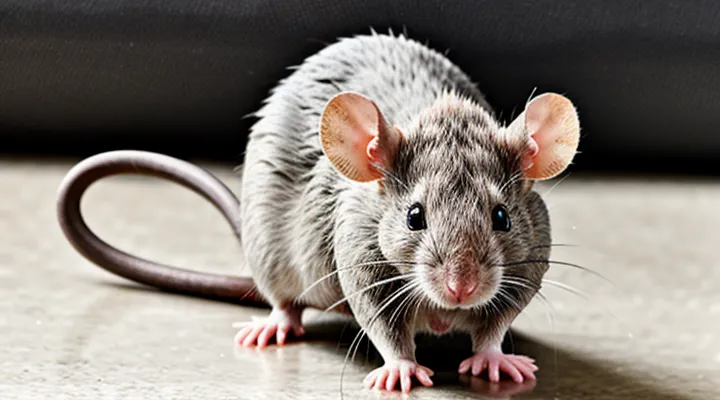
The Art of Naming a Female Rat
Why a Thoughtful Name Matters
Reflecting Personality and Bond
Choosing a name for a female rat requires attention to the animal’s temperament and the emotional link she shares with her caretaker. A well‑matched name reinforces recognition, encourages interaction, and mirrors distinctive traits such as curiosity, agility, or affection.
- Mira – suits a rat that displays bright, inquisitive behavior; the name’s meaning “wonder” reinforces the owner’s sense of discovery.
- Luna – fits a calm, nocturnal companion; the lunar reference highlights quiet evenings spent together.
- Pip – ideal for a sprightly, quick‑moving rat; the short, perky sound echoes the pet’s energetic bursts.
- Cleo – appropriate for a confident, regal‑bearing rat; the name conveys mutual respect between pet and owner.
- Willow – matches a gentle, observant rat; the soft connotation reflects a tender, trusting bond.
- Zara – works for an adventurous, bold rat; the name’s sharp edge mirrors the pet’s daring explorations.
- Nix – fits a sleek, dark‑coated rat; the name’s brevity aligns with a close, unobtrusive companionship.
A name that captures both personality and relational depth becomes a functional cue in daily care, reinforcing training, easing communication, and solidifying the partnership between rat and human.
The Joy of a Unique Identifier
Naming a female rat with a distinctive label transforms a simple pet into a memorable character. A well‑chosen name captures personality, distinguishes the animal from countless others, and reinforces the bond between owner and companion. The act of selecting an identifier invites creativity, encourages cultural references, and provides an opportunity to celebrate individuality.
A unique designation offers practical benefits. It simplifies communication during care routines, reduces the likelihood of confusion in multi‑pet households, and aids in record‑keeping for health monitoring. When the name stands out, it also becomes a conversational hook, inviting curiosity and sharing among friends and fellow enthusiasts.
The pleasure derived from crafting such a name stems from the interplay of sound, meaning, and relevance. Combining linguistic elegance with thematic resonance yields memorable results. Below are examples that illustrate this principle, each pairing a melodic quality with a subtle nod to the rat’s traits or heritage:
- Luna – evokes nocturnal activity and a gentle glow.
- Mira – suggests admiration and a bright presence.
- Sable – reflects dark fur and sleek elegance.
- Pippa – conveys sprightliness and a playful spirit.
- Juniper – links to natural aroma and resilient growth.
- Zara – offers a crisp, regal resonance.
- Cleo – references historic queens, implying authority.
- Tess – delivers succinct charm with a warm tone.
Choosing any of these identifiers demonstrates how a singular, thoughtful name enriches the experience of ownership, highlights the rat’s uniqueness, and reinforces the owner’s commitment to thoughtful, refined pet care.
General Naming Guidelines
Tips for Choosing the Perfect Name
Considering Appearance and Traits
Choosing a name for a female rat requires alignment with her visible characteristics and innate behaviors. A name that reflects her coat color, size, or distinctive markings creates an immediate visual connection, while a name inspired by her temperament or habits reinforces her personality.
Coat color and pattern provide clear cues for naming. Dark fur suggests elegant, classic options; speckled or mottled coats invite whimsical or nature‑based choices; a sleek, light‑colored rat benefits from crisp, airy names. Size influences tone: a petite rat matches delicate, diminutive names; a larger, robust individual suits strong, resonant names.
Behavioral traits such as curiosity, agility, and sociability further refine selection. An inquisitive rat deserves a name that conveys exploration; a swift, energetic rat merits a name evoking motion; a calm, affectionate rat calls for gentle, comforting names.
Name ideas linked to appearance
- Ebony – for glossy black fur
- Pearl – for pristine white coat
- Ash – for smoky gray tones
- Sable – for deep brown markings
- Dottie – for spotted patterns
Name ideas linked to traits
- Scout – for relentless curiosity
- Dash – for rapid movements
- Whisper – for a quiet, gentle demeanor
- Luna – for nocturnal activity
- Ember – for lively, spirited energy
Combining visual and behavioral cues yields names that are both descriptive and memorable, ensuring the chosen name resonates with the rat’s unique identity.
Sound and Pronunciation
Choosing a name for a female rat hinges on how the name sounds when spoken. A name that flows smoothly encourages frequent use and strengthens the bond between owner and pet.
Prioritize soft vowel sounds such as “a,” “e,” and “i” to create a gentle impression. Pair these with light consonants—“l,” “m,” “n,” “s”—that articulate clearly without harsh bursts. Avoid plosive clusters like “t‑k” or “b‑p,” which can startle the animal and complicate recall.
Keep the name to one or two syllables; three syllables become cumbersome during quick calls. Position the primary stress on the first syllable to aid recognition. Steer clear of names that resemble common commands (“no,” “stop,” “stay”) to prevent accidental reinforcement of unwanted behavior.
Example names with pronunciation cues:
- Luna – /ˈluː.nə/ (soft “oo” vowel, gentle “n”)
- Mira – /ˈmiː.rə/ (long “ee,” light “r”)
- Sasha – /ˈsɑː.ʃə/ (open “a,” soft “sh”)
- Nessa – /ˈnɛ.sə/ (short “e,” clear “s”)
- Faye – /feɪ/ (single vowel diphthong, crisp ending)
Short and Sweet vs. Long and Evocative
Choosing a name for a female rat involves balancing brevity with resonance. Short, sweet options deliver instant recognition and ease of use. They fit well on collars, in records, and when calling the animal from a distance. Typical characteristics include one or two syllables, simple vowel‑consonant patterns, and clear pronunciation.
Long, evocative names create a richer narrative. They can reference mythology, literature, or personal anecdotes, adding depth to the pet’s identity. Such names often consist of three or more syllables, may contain a subtle meaning, and lend themselves to affectionate nicknames.
When brevity serves the purpose
- Pip
- Nix
- Zia
- Lark
- Vex
These choices minimize confusion, reduce the risk of mispronunciation, and suit environments where quick commands are essential.
When narrative weight is preferred
- Seraphina
- Calypso
- Marigold
- Isolde
- Aurelia
These selections convey personality, allow for storytelling, and can be shortened (e.g., “Sera,” “Caly”) for everyday use.
Decision factors
- Environment: Shelters and veterinary clinics favor short names for efficiency; home settings tolerate longer forms.
- Owner preference: Those who enjoy literary references may lean toward elaborate names, while pragmatic owners prioritize simplicity.
- Training needs: Short names are easier for the animal to differentiate during obedience sessions; longer names can be paired with a concise cue word.
Balancing these considerations yields a name that satisfies both functional clarity and expressive intent.
Things to Avoid
Overly Complex or Confusing Names
Choosing a name for a female rat should prioritize clarity and ease of use. Overly intricate or ambiguous names create practical difficulties for both the owner and the animal. Complex spellings increase the chance of mispronunciation, which can hinder training, bonding, and daily interaction. Ambiguous meanings may cause confusion when the name is called in a noisy environment, reducing the rat’s responsiveness.
Common pitfalls include:
- Multi‑syllable constructions with rare phonetic clusters (e.g., “Xanthophyle”).
- Names that combine unrelated words, producing unclear imagery (e.g., “QuantumButterfly”).
- Titles or honorifics that add unnecessary length (e.g., “Her Majesty Lady Whiskerwick”).
- Acronyms or initialisms lacking immediate association with a rat (e.g., “B.R.A.I.N.”).
These patterns often result in delayed recall, inconsistent spelling, and difficulty communicating the name to others. Simpler alternatives retain elegance while ensuring functionality. For instance, “Luna,” “Mira,” or “Cleo” convey personality without linguistic obstacles. Selecting a name with one or two syllables, familiar phonemes, and a distinct vowel‑consonant rhythm enhances memorability and reinforces positive reinforcement during training sessions.
Names with Negative Connotations
When selecting a name for a female rat, some owners deliberately choose monikers that evoke undesirable traits, either as a tongue‑in‑cheek statement or to reflect the animal’s mischievous behavior. Such names carry cultural or linguistic negativity, making them instantly recognizable and memorable.
- Vex – suggests irritation and trouble‑making.
- Ruin – conveys destruction and decay.
- Spite – implies malice and bitterness.
- Cinder – evokes ash, remnants of fire, and loss.
- Bane – denotes a source of harm or ruin.
- Grim – conveys somber, foreboding atmosphere.
- Havoc – signals chaos and disorder.
- Mire – suggests being stuck in unpleasant conditions.
- Woe – directly references sorrow and distress.
- Fester – evokes rot and worsening conditions.
Each name leverages a negative connotation to create a stark contrast with the pet’s small size, reinforcing a playful paradox that many owners find appealing. Selecting such a name requires awareness of its impact on perception, ensuring the intended humor or edge aligns with the owner’s style.
Popular Naming Themes
Nature-Inspired Names
Floral Beauties
When choosing a name for a female rat, drawing inspiration from flowers adds a touch of delicacy while preserving the animal’s spirited character. Flower‑derived names convey color, fragrance, and seasonal charm, making them suitable for pets that are both lively and affectionate.
- Rose – classic, timeless, evokes deep red hues and a gentle scent.
- Lily – suggests purity and elegance, works well for a light‑colored coat.
- Daisy – bright, cheerful, ideal for a playful personality.
- Violet – dark, rich tones, suited to a rat with a sleek, midnight coat.
- Iris – combines vivid color and regal connotations, fitting for a confident pet.
- Peony – lush, full‑bodied, matches a rat with abundant fur texture.
- Camellia – refined, slightly exotic, appropriate for a sophisticated demeanor.
- Azalea – vibrant, adaptable, works for a rat with a bold, spotted pattern.
- Marigold – warm, sunny, perfect for a rat that enjoys daylight activity.
- Hyacinth – fragrant, layered, suitable for a rat with a complex, curious nature.
Pair each floral name with a brief descriptor that reflects the rat’s appearance or behavior, ensuring the final choice remains memorable and appropriate for daily use. This approach streamlines the naming process while honoring the natural beauty embodied in the chosen flower.
Gemstone Glamour
When choosing a name for a female rat, elegance can be achieved by drawing on the allure of precious stones. Gemstone-inspired names convey sparkle, rarity, and a refined personality that matches the small yet charismatic nature of a pet rat.
Consider the visual and symbolic qualities of each stone. A name that mirrors the hue, brilliance, or myth associated with a gem adds depth and memorability. For a rat with a glossy coat, a name reflecting a luminous mineral emphasizes both appearance and character.
Suggested gemstone names
- Amethyst – deep violet shade, suggests calm confidence.
- Citrine – bright amber tone, evokes warmth and cheer.
- Topaz – golden sparkle, conveys vigor and curiosity.
- Sapphire – rich blue, implies intelligence and poise.
- Emerald – vivid green, reflects vitality and agility.
- Opal – iridescent shimmer, suggests versatility and mystery.
- Garnet – deep red, conveys boldness and determination.
- Pearl – soft luster, conveys elegance and purity.
Each option pairs a distinct color palette with traits commonly observed in rats, such as quickness, inquisitiveness, and sociability. Selecting a gemstone name aligns the animal’s visual appeal with a dignified, memorable identifier, enhancing the pet’s presence in the household.
Celestial Charms
Celestial charms offer a refined source of inspiration for naming a female rat, merging the allure of the night sky with the pet’s graceful demeanor.
Choosing a celestial name involves three practical considerations: brevity, phonetic harmony, and symbolic resonance. Short syllables ensure easy recall; smooth consonant‑vowel patterns suit a rodent’s quick movements; mythic or astronomical references add depth without overwhelming the animal’s identity.
Examples of suitable names, accompanied by their origins, include:
- Lyra – a small constellation representing the lyre, evokes musical elegance.
- Nova – a sudden brightening of a star, suggests a lively spark.
- Orion – a prominent hunter constellation, conveys strength and poise.
- Selene – the Greek goddess of the Moon, reflects calm illumination.
- Vega – the brightest star in Lyra, denotes brilliance and clarity.
- Aurora – the natural light display at polar regions, implies gentle radiance.
- Cassia – derived from Cassiopeia, a queen whose story blends beauty and pride.
- Stella – Latin for “star,” offers a timeless, straightforward charm.
Applying these criteria yields names that balance aesthetic appeal with meaningful reference, ensuring the chosen moniker enhances the rat’s personality while honoring the celestial theme.
Food-Related Names
Sweet Treats
Naming a female rat with a sweet‑tooth theme adds charm and memorability. Choose names that evoke desserts, pastries, or candy, while keeping the tone refined and suitable for a pet with a sophisticated personality.
Consider the following categories and examples:
- Chocolate‑Inspired: Truffle, Mocha, Cocoa, Fudge, Ganache
- Fruit‑Based Confections: Berry, Lemon‑Drop, Cherry‑Blossom, Peach‑Meringue, Apricot‑Tart
- Bakery Classics: Cupcake, Muffin, Scone, Éclair, Macaron
- Candy References: Caramel, Toffee, Marshmallow, Nougat, Peppermint
When selecting a name, prioritize clarity of pronunciation and distinctiveness among household pets. Short, two‑syllable options often work best for training and recall. Pair the chosen name with a consistent cue during interaction to reinforce recognition.
In practice, introduce the name during feeding or play sessions, repeating the term in a calm, steady voice. This method accelerates association and establishes a respectful bond between owner and pet.
Fruity Delights
Choosing a name for a female rat that conveys charm and sophistication can be streamlined by drawing inspiration from fruit motifs. Fruit-themed names offer vivid imagery, natural sweetness, and a touch of elegance, making them ideal for a pet whose personality blends curiosity with grace.
When selecting a fruit-inspired moniker, consider the following criteria: phonetic softness, cultural resonance, and ease of pronunciation. Names that end with vowel sounds often sound gentler, while those with a light consonant cluster can add a playful edge. Align the name with the rat’s coat coloration or temperament for added relevance.
- Apricot – gentle hue, warm connotation.
- Berry – short, adaptable, evokes liveliness.
- Clementine – melodic, refined, suitable for a calm demeanor.
- Mango – vibrant, exotic, fits an energetic spirit.
- Papaya – smooth syllables, tropical flair.
- Peach – soft, affectionate, matches a pale coat.
- Plum – concise, dignified, suits a sleek silhouette.
- Raspberry – playful rhythm, bright personality.
- Satsuma – uncommon, elegant, reflects a delicate nature.
- Tangerine – bright, lively, ideal for a spirited rat.
Pairing a fruit name with a subtle suffix can increase sophistication without compromising clarity. Examples include “Lady Apricot,” “Miss Plum,” or “Madame Clementine.” Such modifiers preserve the elegant tone while reinforcing the pet’s gender identity.
In practice, test the chosen name by calling it aloud in the rat’s presence. A name that elicits a positive response and feels natural to the owner will reinforce the bond and reinforce the intended elegance.
Savory Sensations
Savory-inspired names offer a refined way to label a female rat, merging culinary elegance with pet‑personality. Selecting a name that evokes a distinct flavor profile adds depth to the animal’s identity and reflects the owner’s appreciation for gastronomy.
- Umami – captures the rich, lingering taste found in mushrooms and soy.
- Saffron – conveys a luxurious, aromatic spice with a golden hue.
- Truffle – suggests an earthy, prized delicacy prized by chefs.
- Miso – reflects a fermented depth, ideal for a calm, thoughtful rat.
- Paprika – offers a smoky, vibrant note suited to a lively spirit.
- Curry – blends warmth and complexity, perfect for an adventurous character.
- Ginger – denotes a sharp, invigorating zest, matching a spirited demeanor.
- Basil – provides a fresh, herbal scent, fitting a gentle, graceful pet.
These selections draw directly from savory culinary language, ensuring each name carries both taste‑related resonance and a sophisticated tone appropriate for a distinguished female rat.
Literary and Mythological Names
Heroines of Fiction
When selecting a sophisticated moniker for a female rat, literary heroines provide a ready source of elegance and character. Their names carry narrative weight, cultural resonance, and phonetic appeal, all valuable for a pet whose personality may echo their fictional counterparts.
Consider the following options, each drawn from a notable heroine and adapted for a small rodent:
- Eowyn – a warrior who defies expectations, offering a strong yet lyrical sound.
- Lyra – the courageous protagonist of a fantastical journey, concise and melodic.
- Aria – a central figure whose bravery and intelligence define her story, smooth and memorable.
- Kira – a resourceful heroine known for strategic thinking, sharp and modern.
- Mira – a compassionate leader whose name conveys brightness and curiosity.
- Saskia – a daring explorer whose name combines richness and rarity.
- Vesper – a mysterious savior whose nocturnal associations suit a nocturnal animal.
Each choice balances literary heritage with practical considerations: ease of pronunciation, distinctiveness, and suitability for a pet’s size. By aligning the rat’s identity with a celebrated female protagonist, owners reinforce a sense of dignity and narrative depth.
Goddesses and Legends
Choosing a name for a female rat from mythic sources adds elegance and depth. Ancient deities and legendary heroines provide memorable, meaningful options that suit the animal’s clever and adventurous nature.
Effective mythic names meet three criteria: they evoke a clear image, possess a pleasant phonetic quality, and carry a positive attribute relevant to a pet. Short, easily pronounced forms work best for daily use, while longer variants can serve as formal nicknames.
- Artemis – Greek goddess of the hunt, symbolizing agility and independence.
- Freya – Norse goddess of love and fertility, associated with beauty and strength.
- Sekhmet – Egyptian lioness deity, representing courage and protective instincts.
- Kali – Hindu goddess of transformation, reflecting resilience and fierce spirit.
- Isis – Egyptian goddess of magic, suggesting intelligence and nurturing care.
Legendary female figures offer equally compelling choices:
- Mulan – Chinese heroine renowned for bravery and loyalty.
- Joan – Reference to Joan of Arc, embodying determination and leadership.
- Boudicca – Celtic queen known for fierce resistance, suitable for a bold rat.
- Sigrid – Scandinavian legend of a wise and resourceful woman, ideal for an inquisitive pet.
- Ariadne – Mythic figure who guided heroes, reflecting guidance and curiosity.
Combine a mythic first name with a short nickname for versatility; for example, “Artemis (Artie)” or “Freya (Frey).” Test the chosen name in everyday interactions to confirm ease of recall and positive response from the animal. Selecting a deity or legendary heroine ensures the rat’s name carries cultural resonance and timeless charm.
Classic Characters
When selecting a name for a female rat, classic literary and mythological figures offer timeless elegance and instant recognition. Drawing from well‑known characters ensures the name carries cultural weight while remaining memorable for a small, spirited pet.
Effective classic names meet three criteria: they are easily pronounced, they fit the rat’s personality traits, and they evoke a distinct narrative reference. Short, two‑syllable options work best for daily calls; longer forms can be shortened with affectionate nicknames.
- Athena – goddess of wisdom; suits an observant, clever rat.
- Luna – moon deity; fits a nocturnal or silver‑coated companion.
- Daphne – mythic nymph; appropriate for a graceful, shy pet.
- Gatsby – literary icon; matches a bold, charismatic rat.
- Hester – heroine of The Scarlet Letter; ideal for a resilient, independent animal.
- Puck – mischievous sprite from Shakespeare; perfect for a playful rat.
- Ophelia – tragic figure; works for a delicate, soft‑voiced pet.
- Mabel – classic Dickensian name; suits a sweet‑tempered rat.
Choosing a name from classic characters aligns the pet’s identity with a rich narrative tradition, providing both elegance and a conversation starter.
Human-Inspired Names
Elegant and Sophisticated Choices
Choosing a name for a female rat that conveys refinement requires attention to sound, cultural resonance, and timeless appeal. A suitable name should be easy to pronounce, possess a graceful cadence, and avoid overly whimsical or simplistic tones that diminish perceived sophistication. Selecting from literature, mythology, or classic aristocratic conventions often yields options that satisfy these criteria.
When evaluating potential names, consider the following factors: melodic vowel combinations, balanced consonant clusters, and associations with elegance or intellect. Names rooted in classical languages or renowned works of art tend to project an aura of poise while remaining memorable for caretakers and observers alike.
- Arabella
- Celestine
- Isolde
- Lysandra
- Ophelia
- Seraphine
- Valentina
- Evangeline
- Genevieve
- Marcelline
Each entry combines lyrical quality with cultural depth, ensuring the chosen name reflects both the animal’s gentle demeanor and the owner’s refined taste.
Cute and Playful Options
When selecting a name for a female rat, prioritize brevity, phonetic softness, and a sense of whimsy. A well‑chosen moniker reinforces the pet’s personality while remaining easy to call. Below are several options that balance cuteness with playfulness, each suitable for a small, lively rodent.
- Poppy – bright, floral, and quick to pronounce.
- Muffin – evokes warmth and a sweet demeanor.
- Biscuit – suggests a crunchy, energetic spirit.
- Nibbles – directly references typical rodent behavior in a lighthearted way.
- Zigzag – captures erratic movement and a spirited nature.
- Pebble – small, sturdy, and endearing.
- Tinker – implies curiosity and constant activity.
- Sprout – conveys growth and a youthful vibe.
- Ginger – combines color association with a spunky tone.
- Pip – short, perky, and easy for the owner to repeat.
Each name offers a blend of affection and liveliness, ensuring the rat’s identity reflects both its size and its spirited character. Choose the term that best aligns with the animal’s temperament and the owner’s preferences to achieve a harmonious, memorable designation.
Vintage Appeal
Vintage-inspired names lend a timeless character to a female rat, evoking eras of classic cinema, literature, and fashion. Selecting a name from this aesthetic signals refinement and nostalgia, aligning the pet’s personality with a sense of bygone elegance.
- Clara – reminiscent of early‑20th‑century film heroines.
- Evelyn – popular in the 1920s, conveys poised sophistication.
- Mabel – evokes the warmth of 1930s radio dramas.
- Pearl – suggests the understated glamour of vintage jewelry.
- Ruby – reflects the deep hues of Art Deco design.
- Violet – a floral favorite in 1940s literature.
- Hazel – conjures the earthy tones of mid‑century interiors.
- June – simple, seasonal, and frequently used in classic poetry.
- Dorothy – recalls iconic characters from early cinema.
- Etta – a concise nod to swing‑era singers.
Each choice carries historical resonance while remaining practical for daily use. By anchoring a pet’s identity in vintage charm, owners reinforce a cultivated atmosphere that blends modern care with nostalgic allure.
Creative Approaches to Naming
Punny and Humorous Names
Wordplay Wonders
Wordplay offers a sophisticated route to naming a female rat, turning a simple label into a memorable character trait. By exploiting sound, meaning, and cultural reference, owners can craft names that entertain while fitting the pet’s personality.
Techniques that elevate naming include alliteration—matching the initial consonant of the name with a descriptive adjective; puns that blend rodent‑related terms with broader vocabulary; literary allusions that echo famous female figures; and foreign‑language twists that add exotic flair. Each method creates a layered impression, inviting curiosity and conversation.
-
Alliterative charm:
Squeaky Sage
Mischief Maven -
Pun‑driven humor:
Cheddarette (cheddar + petite)
Nibbly Nina -
Literary homage:
Ophelia (Shakespeare’s tragic heroine)
Eloise (E.B. White’s adventurous rat) -
Linguistic flair:
Mika (Japanese for “beautiful fragrance”)
Luna (Latin for “moon”, evoking nocturnal activity)
When selecting a name, consider the rat’s temperament, coat color, and any distinctive behaviors. A name that mirrors these attributes reinforces the bond and ensures the moniker feels both fitting and timeless.
Clever Coincidences
Clever coincidences—unexpected alignments between a rat’s traits and cultural references—provide a reliable source for refined naming. When a rat displays a particular habit, coloration, or temperament that mirrors a well‑known story, scientific term, or historical figure, the parallel can be transformed into a memorable, sophisticated name.
- Mona – a rat that loves to pose on elevated surfaces, echoing the enigmatic smile of the famed portrait.
- Tesla – a quick‑moving, energetic rat whose curiosity about electrical devices mirrors the inventor’s legacy.
- Pippa – a petite, silver‑haired rat whose coat resembles the soft sheen of a pearl, recalling the gemstone’s mythic allure.
- Ada – a rat that solves maze puzzles with precision, reflecting the pioneering programmer’s analytical mind.
- Juno – a protective, nurturing rat whose demeanor matches the Roman goddess of guardianship.
Choosing a name should involve matching the coincidence’s relevance to the rat’s observable behavior, ensuring the reference remains clear and the name retains elegance. Prioritize brevity, distinctiveness, and a direct link to the identified coincidence for lasting impact.
Foreign Language Inspiration
Names with Beautiful Meanings
Choosing a name for a female rat that carries a beautiful meaning adds depth to the bond between owner and pet. Meaningful names often derive from mythology, nature, or languages that convey elegance, intelligence, or grace.
Effective selection criteria include:
- Positive connotation that reflects the animal’s temperament.
- Linguistic fluidity—easy to pronounce and pleasant to hear.
- Cultural or historical resonance that enriches the name’s story.
Examples of names with resonant meanings:
- Astra – “star” (Latin), suggests brilliance and curiosity.
- Lyra – “lyre” (Greek), evokes musical harmony and refinement.
- Mira – “wonderful” or “peaceful” (Sanskrit/Latin), reflects a gentle nature.
- Selene – “moon goddess” (Greek), conveys calm and nocturnal grace.
- Nara – “happy” (Japanese), highlights a joyful disposition.
- Faye – “fairy” (English), suggests lightness and charm.
- Zara – “princess” (Arabic), denotes regal presence.
- Ivy – “evergreen plant” (English), symbolizes resilience and growth.
- Cleo – “glory” (Greek), reflects confidence and poise.
- Luna – “moon” (Latin), aligns with nocturnal activity and serenity.
Selecting a name that mirrors the rat’s personality and the owner’s aesthetic preference creates a lasting, meaningful identifier for the pet.
Exotic Sounds
Exotic sounds offer a rich reservoir for selecting a distinctive name for a female rat. Their rarity and cultural depth provide immediate differentiation from common pet names, reinforcing the animal’s unique character.
Musical instruments from remote regions, such as the Balinese “gamelan” or the West African “kora,” produce tones that are both melodic and uncommon. Natural acoustic phenomena—including the echo of a canyon, the resonance of a stone drum, or the call of a nightingale—carry an air of mystery. Animal vocalizations from distant habitats—like the high‑pitched chirp of a tree frog or the low rumble of a pangolin—translate well into memorable names.
Name suggestions derived from these auditory sources:
- Gamel – echo of Balinese gamelan
- Kora – West African harp
- Canyon – reverberating rock formation
- Echo – reflected sound
- Nightingale – melodic bird call
- Rivulet – gentle water murmur
- Bansuri – Indian bamboo flute
- Mistral – swift, whistling wind
- Sirocco – warm desert breeze
- Timbre – quality of tone
Each option reflects an exotic auditory origin while maintaining elegance appropriate for a pet rat.
Unique and Invented Names
Crafting Your Own Masterpiece
Creating a distinctive name for a female rat requires deliberate selection of sounds, meanings, and cultural resonance. Begin by identifying the traits you wish to highlight—grace, intelligence, or playfulness—and match them with lexical elements that convey those attributes. Choose roots from languages known for elegant phonetics, such as Italian, French, or Japanese, to add refinement.
Next, combine chosen elements into a coherent whole. Ensure the resulting name is pronounceable, memorable, and free of unintended negative connotations. Test the name by saying it aloud and observing the reaction of listeners; a successful name will feel natural and retain its charm across repeated use.
Consider the following curated examples, each built from carefully paired components:
- Luminara – “light” (Latin) + “radiant” (Italian)
- Silviane – “forest” (French) + “graceful” (Germanic)
- Kizuna – “bond” (Japanese) + soft vowel ending
- Evelisse – “life” (Hebrew) + “smooth” (Spanish)
- Marcelline – “little warrior” (Latin) with a feminine suffix
Finalize the selection by verifying uniqueness within pet‑naming databases to avoid duplication. Record the chosen name alongside its etymology for future reference, reinforcing the intentional craftsmanship behind the designation.
Blending Sounds and Ideas
Choosing a name for a female rat demands a balance between phonetic appeal and conceptual resonance. Successful names merge pleasant sound patterns with evocative imagery, ensuring the animal’s identity feels both refined and memorable.
- Luna‑Whisk – combines the soft, round vowel of “Luna” with the crisp consonant cluster of “Whisk,” evoking nightlight and tactile curiosity.
- Mira‑Sage – pairs the melodic “Mira” with the earthy “Sage,” linking bright intelligence to natural wisdom.
- Petal‑Fizz – blends the delicate “Petal” with the lively “Fizz,” suggesting graceful movement accompanied by energetic spirit.
- Cleo‑Bryn – merges the regal tone of “Cleo” with the sturdy syllable “Bryn,” creating a name that sounds both noble and grounded.
- Nova‑Twig – fuses the stellar “Nova” with the slender “Twig,” implying bright curiosity anchored in modest size.
When constructing names, prioritize vowel harmony and consonant contrast. A vowel‑rich first element softens the overall tone, while a consonant‑dense suffix adds definition. Pairing a thematic concept—such as celestial bodies, botanical terms, or personality traits—with a complementary sound cluster reinforces both auditory pleasure and narrative depth.
Testing pronunciation aloud reveals hidden dissonances; eliminate combinations that produce abrupt stops or awkward clusters. The final selection should roll smoothly, reflect the rat’s character, and remain distinct within a household of pet names.
Testing Your Chosen Name
Say it Out Loud
Does it Flow Well?
When selecting a name for a female rat, the primary concern is whether the name moves smoothly from syllable to syllable and fits the animal’s personality. A name with balanced vowel‑consonant patterns reduces the risk of awkward pronunciation and enhances recall. For example, two‑syllable options such as “Luna,” “Mira,” or “Zara” alternate a vowel and a consonant, creating natural rhythm. Three‑syllable names like “Seraphina” and “Anastasia” maintain flow by placing stressed syllables at predictable intervals, preventing a choppy sound.
Key factors that determine fluidity:
- Syllable count – even numbers often yield smoother articulation; odd counts require careful stress placement.
- Phonetic harmony – avoid consecutive hard consonants (e.g., “Kk” or “Tt”) that break the cadence.
- Accent pattern – names with a primary stress on the first or second syllable align with typical English speech patterns, aiding ease of use.
Testing a name aloud reveals its practical flow. If a name feels forced or requires a pause, it likely disrupts natural speech. Consistent, melodic names support clear communication with the pet and simplify training commands.
In summary, names that balance syllable structure, avoid harsh consonant clusters, and follow familiar stress patterns provide the most fluid experience for both owner and animal.
Is it Easy to Call?
Naming a female rat for everyday use is uncomplicated when the chosen name follows clear phonetic guidelines. A brief, two‑syllable structure, distinct vowel‑consonant pattern, and avoidance of sounds used in training commands ensure rapid recognition and consistent response.
Key factors that promote ease of calling:
- Length: two to three syllables, e.g., “Mira,” “Luna.”
- Sound clarity: initial consonant differs from common cues such as “come” or “no.”
- Rhythm: steady stress on the first syllable aids auditory processing.
Examples of names that meet these criteria:
- Bella
- Nixie
- Zara
- Pippa
- Tessa
Potential issues arise with names that contain the same phoneme as a command (“Stop,” “Stay”) or exceed four syllables, leading to delayed reaction or misinterpretation. Selecting a concise, phonetically distinct name eliminates these obstacles and facilitates reliable communication with the pet.
Observe Your Rat’s Reaction
Does She Respond?
When assigning a name to a female rat, the primary question is whether she acknowledges it. Recognition appears as a change in behavior triggered by the spoken word, not as a learned obedience to a command.
Observable indicators include:
- Orientation toward the speaker – the rat turns her head or moves in the direction of the voice.
- Increased alertness – ears perk, whiskers lift, and body posture becomes more upright.
- Vocal response – soft squeaks or chirps occur shortly after the name is spoken.
- Approach behavior – the rat walks toward the source of the sound, sometimes pausing near the speaker.
To evaluate response, follow a systematic procedure:
- Choose a quiet environment to eliminate competing noises.
- Speak the selected name in a consistent tone and volume, repeating it three times with a short pause between each utterance.
- Observe the rat for a 10‑second interval after each utterance, noting any of the behaviors listed above.
- Record the observations in a simple table, marking the presence or absence of each indicator for each repetition.
- If the rat displays at least two of the listed behaviors in two of the three trials, consider the name recognized.
Repeated testing over several days confirms stability of the response. Consistency across sessions suggests the rat has formed an association between the phonetic pattern and herself, validating the chosen name.
Does it Suit Her?
Choosing an appropriate name for a female rat requires a clear assessment of fit, personality, and practicality. Evaluate each option against the following criteria:
- Pronunciation ease – The name should flow smoothly when spoken, avoiding complex consonant clusters that can cause hesitation.
- Character reflection – Align the name with observable traits such as agility, curiosity, or calmness; a mismatch can create confusion for caretakers.
- Length suitability – Short names (one to two syllables) are easier for a small animal to recognize and for owners to repeat consistently.
- Cultural resonance – Prefer names with positive or neutral connotations in the target language, preventing unintended negative associations.
- Uniqueness within the household – Ensure the name does not duplicate those of other pets, reducing the risk of misidentification.
Applying these standards to a list of elegant options—such as “Luna,” “Mira,” “Cleo,” “Sable,” and “Nix”—reveals which choices satisfy the criteria. “Luna” scores high on pronunciation and cultural resonance; “Mira” matches a curious demeanor; “Cleo” offers a regal tone; “Sable” reflects a dark coat; “Nix” provides brevity and uniqueness.
A name that meets all five points can be considered suitable for a female rat, supporting clear communication and reinforcing the animal’s individual identity.