
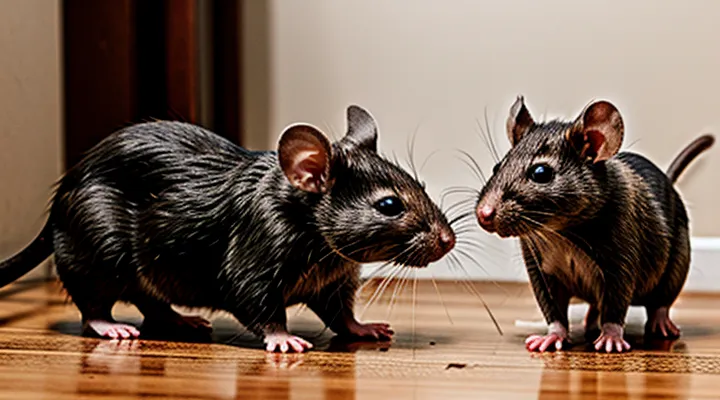
«Understanding the Threat of Rats»
«Why Rat Detection is Crucial»
«Health Risks Associated with Rats»
Rats carry a wide range of pathogens that can affect human health directly through bites or indirectly through contamination of food, water, and surfaces. The most common diseases transmitted by rodents include:
- Leptospirosis – bacteria spread by urine; symptoms range from fever and muscle aches to kidney failure.
- Hantavirus pulmonary syndrome – inhalation of aerosolized droppings; causes severe respiratory distress and can be fatal.
- Salmonellosis – ingestion of contaminated food; leads to diarrhea, abdominal cramps, and fever.
- Rat‑bite fever – bacterial infection following a bite; produces rash, fever, and joint pain.
- Lymphocytic choriomeningitis virus (LCMV) – transmitted through contact with contaminated materials; may cause meningitis and encephalitis.
Allergic reactions to rat urine, dander, and droppings are also prevalent, especially in children and individuals with pre‑existing asthma. Continuous exposure can trigger chronic respiratory issues, skin irritation, and heightened sensitivity to other indoor allergens.
Rodent activity often results in structural damage that promotes mold growth. Damp insulation and gnawed wiring create environments conducive to fungal spores, adding another layer of respiratory risk.
Early identification of rodent presence reduces the likelihood of disease transmission. Prompt sanitation, sealing entry points, and professional pest control interrupt the chain of infection before health complications arise.
«Property Damage Caused by Rats»
Rats gnaw on wood, drywall, and plastic, creating holes that compromise structural integrity and allow additional pests to enter. Chewed support beams or joists weaken load‑bearing capacity, potentially leading to sagging floors or roof collapse.
Electrical systems suffer when rodents chew insulation on wiring. Exposed conductors increase the risk of short circuits, fire hazards, and costly repairs. Damage to cable jackets also disrupts data and telephone lines, causing intermittent connectivity failures.
Insulation material is a common target. Rats remove and discard fibers, reducing thermal efficiency and raising heating or cooling expenses. Gaps left by gnawed insulation permit drafts and moisture infiltration, promoting mold growth.
Food storage areas experience contamination from urine, droppings, and saliva. These secretions harbor pathogens such as Salmonella and Hantavirus, rendering pantry items unsafe and necessitating disposal of spoiled supplies.
Plumbing is vulnerable to burrowing activity. Rats create tunnels through pipe insulation and sealant, leading to leaks, corrosion, and water damage. Persistent moisture encourages rot in surrounding structures.
Typical indicators of rodent‑induced damage
- Fresh gnaw marks on wood, plastic, or wiring
- Chewed or missing insulation in walls and attics
- Small holes or tunnels near utility lines
- Stains or discoloration from urine on surfaces
- Frayed or exposed electrical cords
Identifying these signs provides reliable evidence of infestation, prompting timely remediation and preventing further property loss.
«Common Signs of Rat Infestation»
«Visual Evidence»
«Rat Droppings»
Rat droppings provide a direct indication of rodent activity inside a residence. Their presence confirms that rats have accessed the interior and are likely feeding or nesting nearby.
- Size: ½ to ¾ inch (12–18 mm) long, about ¼ inch (6 mm) wide.
- Shape: Cylindrical, slightly tapered at ends, resembling small grains of rice.
- Color: Dark brown to black when fresh; turns lighter and crumbly as it dries.
- Texture: Firm when moist, becomes dry and powdery after several days.
- Quantity: Clusters of several droppings suggest recent activity; isolated pellets may indicate occasional passage.
Typical deposition sites include:
- Behind appliances (refrigerator, stove) and under sinks where food residues accumulate.
- Inside wall cavities, ceiling joists, and attic insulation, accessed through small entry holes.
- Along baseboards, near pipe runs, and within stored boxes or cluttered corners.
- Near garbage containers, pet food stations, and compost bins placed indoors.
Handling droppings requires protective equipment. Wear disposable gloves, a mask, and eye protection. Transfer a sample into a sealed plastic bag, avoid shaking, and dispose of it according to local hazardous‑waste guidelines. Clean the collection area with a disinfectant solution after removal.
Interpretation of findings:
- Fresh, moist droppings indicate recent presence, often within 24 hours.
- Dry, fragmented pellets suggest older activity, but may still signal an established population if found in large numbers.
- A concentration of droppings in multiple locations points to a breeding colony, necessitating immediate control measures.
By recognizing these characteristics and applying proper collection methods, homeowners can reliably assess the extent of a rat problem and plan appropriate remediation.
«Gnaw Marks»
Gnaw marks are a direct indicator of rodent activity. Rats leave characteristic bite patterns on wood, plastic, wiring, and food containers. The incisions are typically V‑shaped, with the opening facing the direction of the chew. Marks range from ¼ inch to ½ inch in width; larger openings suggest an adult specimen. Fresh gnaw marks appear lighter in color and may have ragged edges, while older ones darken and become smoother.
Common locations include:
- Baseboards and crown molding where structural wood is exposed.
- Electrical conduit and cable sheathing, especially near outlets.
- Food storage containers, especially plastic lids and cardboard boxes.
- Furniture legs and the undersides of cabinets.
To differentiate rat gnawing from other pests, examine the depth and regularity of the cuts. Rats gnaw uniformly, removing material in a consistent thickness, whereas insects such as beetles produce irregular, shallow pits. The presence of parallel, opposite‑sided bites on a single piece of material strongly points to a rat.
Inspecting for gnaw marks should be part of a systematic survey of potential entry points and pathways. Use a flashlight to highlight shadows cast by shallow cuts, and run a fingertip along suspected edges to feel for roughness. Document the size, location, and condition of each mark to assess the severity of the infestation and to guide subsequent control measures.
«Grease Smudges and Rub Marks»
Grease smudges and rub marks appear where rats travel along walls, baseboards, or behind appliances. The residue consists of oily film left by the animal’s fur and saliva, while rub marks are linear scratches caused by the rodent’s body brushing against surfaces.
These traces are most often found in concealed areas: under sinks, behind refrigerators, inside closets, and along the edges of cabinets. The smudges are usually dark, glossy, and follow the same path as the rub marks, which may be shallow grooves or faint lines.
- Look for continuous oily streaks that contrast with the surrounding material.
- Verify that the marks align with known rodent pathways, such as near food sources or entry points.
- Confirm the presence of additional signs (droppings, gnaw marks) in the same vicinity.
- Use a flashlight to inspect low‑light areas where the residue may be less visible.
If grease smudges and rub marks are confirmed, seal entry openings, remove food attractants, and set appropriate traps or bait stations. Monitoring the affected zones for new markings will indicate whether control measures are effective.
«Rat Nests»
Rat nests constitute a primary indicator of rodent activity inside a residence. They are constructed from shredded materials such as paper, fabric, insulation, and dried food particles. The nest’s location often reveals the extent of the infestation; common sites include wall cavities, attics, under appliances, and hidden corners of closets.
Typical characteristics of a rat nest include:
- Compact, irregularly shaped mass of soft debris
- Presence of urine or droppings surrounding the structure
- Chewed or gnawed building materials nearby
- Strong, musky odor that intensifies with time
Inspecting potential nesting zones should involve removing any stored items, examining insulation for frayed fibers, and probing concealed spaces with a flashlight. Detecting a nest confirms active habitation and guides the selection of appropriate control measures.
«Live or Dead Rats»
Rats leave distinct evidence whether they are alive or deceased, and recognizing the difference helps pinpoint the severity of an infestation.
Live rats are indicated by:
- Fresh droppings, moist and dark, typically ¼‑inch long; older droppings become dry, crumbly, and lighter in color.
- Gnaw marks on wires, wood, or plastic; fresh gnawing shows clean, sharp edges, while older damage appears weathered.
- Scurrying sounds in walls, ceilings, or attics, especially at night; these noises cease when the animal dies.
- Urine stains with a strong ammonia odor; fresh urine smells pungent, whereas older urine loses intensity.
- Tracks in dust, flour, or pet food; live rats leave clear, well‑defined footprints, while dead bodies create only occasional smears.
Dead rats produce a separate set of clues:
- Strong, foul odor that intensifies over days; decomposition releases a characteristic rot smell distinct from urine.
- Presence of carcasses in hidden areas such as crawl spaces, behind appliances, or within insulation.
- Accumulated, dry droppings near the body; these become brittle and may be surrounded by mold or fungal growth.
- Fly activity and maggot development on or near the remains, indicating active decay.
- Increased pest activity, as scavengers (e.g., insects, other rodents) are attracted to the corpse.
Identifying whether the signs stem from living rodents or a dead specimen directs appropriate remediation: live activity demands immediate trapping or baiting, while dead remains require removal, thorough cleaning, and disinfection to eliminate odor and secondary infestations.
«Auditory and Olfactory Clues»
«Scratching or Squeaking Noises»
Scratching or squeaking noises are a primary indicator that rodents occupy a dwelling. These sounds usually originate from gnawing activity on insulation, walls, or ceiling joists, where rats create pathways and nesting sites. The noise pattern differs from that of common household creaks: it is repetitive, sharp, and often louder during nighttime when the animals are most active.
Typical characteristics include:
- Rapid, high‑pitched squeaks lasting a few seconds, repeated at irregular intervals.
- Persistent scratching on surfaces such as baseboards, attic panels, or behind appliances.
- Increased volume when the building’s temperature drops, as rats become more active to seek warmth.
To verify the source, follow these steps:
- Locate the area where the sound is strongest by listening from multiple rooms.
- Inspect adjacent walls, ceilings, and floor cavities for gnaw marks, droppings, or shredded material.
- Use a flashlight to examine hidden corners, especially behind stored items and in crawl spaces.
- If the noise persists after visual inspection, set up a motion‑activated recorder or infrared camera to capture activity during peak hours.
Consistent detection of scratching or squeaking noises, coupled with physical evidence, confirms rodent presence and justifies immediate remediation measures.
«Unusual Odors»
Rats emit distinct smells that differ from normal household odors. The odor originates from urine, feces, and the secretions of the animals’ scent glands. Detecting these smells can confirm rodent activity before visual evidence appears.
Typical characteristics of rat-related odors:
- Ammonia‑like scent from concentrated urine, strongest near entry points, wall voids, and hidden nests.
- Musky, oily odor produced by scent glands, often detectable in enclosed spaces such as attics, basements, or behind appliances.
- Rotten or decaying smell caused by decomposing food, dead rodents, or mold growth in droppings.
Location clues help pinpoint infestation zones. Strong ammonia notes near low‑lying walls suggest nesting sites. Musky odors in ceiling panels indicate travel routes. A foul, decomposing odor in pantry corners points to food contamination.
To verify the source, follow these steps:
- Conduct a systematic sniff test, moving slowly along walls, under sinks, and inside cabinets.
- Use a disposable cloth to collect a sample of suspected residue; a lingering odor after removal confirms contamination.
- Apply a UV flashlight to expose urine stains; the stains fluoresce, reinforcing the olfactory evidence.
- If odors persist after cleaning, seal identified entry points and consider professional inspection.
Accurate identification of unusual smells enables early intervention, reducing damage and health risks associated with rodent infestation.
«Tracking and Activity Indicators»
«Footprints and Tail Drags»
Rat footprints appear as small, dark, oval marks roughly 1 cm long and 0.5 cm wide, often arranged in a straight line. The pads are visible as tiny, slightly raised dots at the front of each imprint. Tail drags manifest as faint, continuous lines that may be darker than surrounding dust, following the same path as the footprints.
Inspect areas where food is stored, along baseboards, behind appliances, and under furniture. In these zones, look for:
- Paired footprints spaced about 2 cm apart, indicating the animal’s stride.
- Overlapping prints that suggest repeated movement along a route.
- Tail drag marks that intersect or run parallel to footprints, confirming the presence of a rodent.
The combination of clear pads and a consistent tail line distinguishes rat tracks from those of other small mammals. Mud, flour, or fine dust enhances visibility; a flashlight held at a low angle can reveal subtle depressions. When such evidence is found, seal entry points and implement control measures promptly.
«Rat Burrows»
Rat burrows are tunnels excavated by rodents to access shelter, food, and nesting sites. The passages are typically 1‑2 inches wide, smooth‑walled, and may terminate in a shallow chamber lined with shredded material.
Common locations inside a dwelling include basement corners, crawl‑space walls, gaps behind appliances, attic joists, and the underside of floorboards. Burrows often appear near sources of moisture or food waste, such as leaky pipes, garbage bins, or pantry shelves.
Physical indicators of active tunnels are:
- Small piles of displaced soil or dust, sometimes forming a cone‑shaped mound
- Freshly chewed insulation, wiring, or wooden framing
- Dark, elongated droppings (2‑3 mm long) lining the tunnel walls
- Strong ammonia‑like odor from concentrated urine
- Visible pathways of gnaw marks leading toward potential entry points
To locate burrows, follow a systematic inspection:
- Turn off house lights; use a high‑intensity flashlight to reveal shadows in low‑traffic areas.
- Examine seams, cracks, and utility openings for soil deposits or gnaw marks.
- Press gently on suspected soil; fresh, loose material indicates recent activity.
- Follow any droppings or urine stains to their source, noting the direction of movement.
- Record each finding on a floor plan to identify patterns and prioritize treatment zones.
Distinguishing rat tunnels from those of mice or other pests relies on size and construction. Rat burrows are wider, often reinforced with shredded paper or fabric, whereas mouse passages are narrower and lack extensive reinforcement.
Once burrows are confirmed, implement control measures: seal all identified entry points with steel wool and caulk; install snap traps or enclosed bait stations along established pathways; maintain a clean environment by eliminating food residues and reducing moisture. Regular monitoring of previously identified tunnels ensures that remediation remains effective.
«Pet Behavior Changes»
Pets often serve as early warning systems for hidden rodent activity. When a household harbors rats, animals such as cats, dogs, or small mammals exhibit distinct alterations in routine and demeanor that can be measured without specialized equipment.
A dog may display heightened alertness near walls, sudden pacing, or repeated sniffing of specific corners. These behaviors contrast with the animal’s normal calm disposition and suggest the detection of unfamiliar scents or movements. A cat, typically indifferent to minor disturbances, might become unusually restless, stalk shadows, or focus intently on concealed spaces such as baseboards, cabinets, or crawl spaces. Small pets, including hamsters or guinea pigs, may exhibit increased agitation, vocalization, or attempts to escape their enclosures when rats traverse nearby tunnels.
Key behavioral indicators include:
- Persistent sniffing of a single area for several minutes.
- Uncharacteristic barking, growling, or hissing directed at walls or hidden gaps.
- Sudden changes in sleeping locations, favoring elevated or distant spots.
- Elevated stress signals: panting, drooling, or excessive licking beyond normal grooming.
- Aggressive or defensive posturing when approaching potential entry points.
Monitoring these signs enables homeowners to confirm rodent presence before structural damage or health hazards develop. Early identification through pet observation reduces reliance on traps or professional inspections, allowing prompt mitigation measures such as sealing entryways, setting bait stations, or contacting pest control specialists.
«Advanced Detection Methods»
«Utilizing Baits and Traps for Monitoring»
«Non-Toxic Monitoring Baits»
Non‑toxic monitoring baits contain attractants that lure rats without employing lethal chemicals. The formulation typically combines food‑grade ingredients such as grain, peanut butter, or dried fruit with a harmless dye or marker. When a rat gnaws the bait, the marker is transferred to its fur or teeth, providing visual confirmation of activity.
Placement of these baits follows a systematic pattern. Identify high‑traffic zones—near walls, behind appliances, in attics, and along known runways. Position a single bait station at each location, keeping the distance between stations no greater than 10 feet. Ensure the bait remains dry and undisturbed for at least 24 hours before checking.
Interpretation of results relies on two observable cues:
- Presence of the marker on captured droppings, fur, or gnawed surfaces.
- Absence of marker after a 48‑hour interval, suggesting either low activity or avoidance.
Safety considerations include:
- Using only food‑grade components approved for domestic environments.
- Placing baits out of reach of children and pets; most formulations are non‑poisonous but may cause mild gastrointestinal upset if ingested in large quantities.
- Regularly cleaning the area after detection to prevent secondary contamination.
Advantages of non‑toxic monitoring baits:
- Immediate visual evidence of rodent presence without killing the animal.
- Compatibility with integrated pest‑management programs that prioritize humane methods.
- Minimal risk of secondary poisoning for wildlife.
Limitations to note:
- Baits may be less attractive during periods of abundant natural food sources, reducing detection sensitivity.
- Markers can fade or be removed by cleaning activities, potentially leading to false negatives.
Combining non‑toxic monitoring baits with additional signs—such as droppings, gnaw marks, or audible activity—produces a reliable assessment of rat infestation within a residence.
«Placement of Traps for Observation»
Effective trap placement provides direct evidence of rodent activity, allowing homeowners to confirm infestations without speculation. By positioning devices where rats travel, observers obtain reliable data on presence, movement patterns, and population size.
- Along walls, especially where they run close to baseboards.
- Adjacent to known food sources such as pantry shelves, garbage cans, or pet feeding stations.
- Near entry points: gaps around pipes, vents, and doors.
- In dark, secluded areas like behind appliances, under sinks, and inside closets.
- At the intersection of multiple pathways, often identified by droppings or gnaw marks.
Spacing traps at intervals of 2–3 feet along each identified route maximizes coverage while minimizing overlap. Deploy a minimum of three devices per high‑traffic zone; increase density in heavily infested sections. Check traps daily, record captures, and reset or relocate devices based on observed activity.
Maintain safety by using sealed, snap‑type traps or humane catch‑and‑release models. Wear gloves when handling captured rodents to prevent disease transmission. Document findings in a simple log: date, location, number of captures, and any notable signs. This systematic approach transforms trap placement from a reactive measure into a precise observational tool for confirming rat presence within the residence.
«Infrared Cameras and Motion Sensors»
Infrared cameras provide visual confirmation of rodent activity by capturing heat emitted from the animal’s body. Devices operating in the 8‑14 µm spectrum reveal warm outlines against cooler surroundings, allowing detection in total darkness. Effective placement includes concealed locations near known entry points, behind appliances, and along wall voids. Adjusting sensitivity to reject ambient temperature fluctuations prevents spurious images. Recorded footage should be reviewed regularly, focusing on brief, high‑contrast movements that indicate foraging or nesting behavior.
Motion sensors detect the physical displacement of rats through infrared (PIR) or ultrasonic transducers. PIR units sense changes in infrared radiation caused by a moving warm body, while ultrasonic models emit high‑frequency pulses and register echo variations. Selecting sensors with a detection range of 1–3 m and a field of view covering potential pathways maximizes coverage. Integration with audible or visual alerts enables immediate response, and coupling sensors to a central hub facilitates data logging for pattern analysis.
Combining infrared imaging with motion detection creates a redundant monitoring system. Cameras confirm visual evidence while sensors trigger recording, reducing storage requirements. Power sources may include mains adapters, battery packs, or solar panels; ensure uninterrupted operation by employing low‑power modes and periodic battery checks. Networked devices should transmit encrypted data to a secure server or mobile device for remote observation.
Maintenance tasks include cleaning camera lenses to avoid dust obscuration, calibrating sensor thresholds after seasonal temperature shifts, and reviewing logs to differentiate genuine rodent movement from pet or airflow disturbances. Regular verification of system performance sustains reliability and supports timely pest‑control interventions.
«Areas to Inspect for Rat Activity»
«Indoors»
«Kitchens and Pantries»
Kitchens and pantries provide easy access to food and shelter, making them primary sites for rodent activity. Detecting signs in these areas reduces the risk of infestation spreading to the rest of the home.
- Small, dark droppings near food packages, behind appliances, or on shelves.
- Fresh gnaw marks on packaging, wood, or plastic, especially at corners and edges.
- Streaks of dark urine on countertops, cabinets, or pantry walls.
- Shredded paper, fabric, or insulation used for nests, often hidden in corners or under stored items.
- Scratching noises in ceiling voids or walls, especially at night.
- Visible tracks in dusty corners, along baseboards, or on floorboards.
Inspection should include a systematic visual sweep of all storage surfaces, the interior of cabinets, and the space behind refrigerators and ovens. Use a bright flashlight to illuminate concealed spots and a mirror to view hard‑to‑reach areas. Deploy snap traps or live‑capture devices along walls where droppings accumulate. Motion‑activated cameras positioned near suspected entry points can confirm activity without direct contact.
Preventive actions focus on eliminating entry routes and food sources. Seal gaps around pipes, vents, and door frames with steel wool or silicone caulk. Store dry goods in sealed, rodent‑proof containers. Clean crumbs and spills immediately, and keep countertops free of open food. Regularly rotate pantry stock and discard expired items to reduce attraction.
«Attics and Basements»
Rats frequently use attics and basements as shelter and travel routes, making these areas critical for confirming infestation. Inspect the insulation, joists, and stored items in the attic for gnaw marks, shredded material, and droppings. In basements, examine wall cavities, pipe penetrations, and stacked boxes for similar evidence. Look for distinct, dark pellets approximately ¼ inch long, typically found near food sources or along walls.
Key indicators to assess in these spaces include:
- Fresh gnaw holes in wood, plastic, or wiring, often ¼‑½ inch in diameter.
- Grease or oily trails left by rodent fur, visible on vertical surfaces.
- Nests constructed from shredded paper, fabric, or insulation.
- Audible scratching or scurrying noises, especially at night.
- Unusual odors resembling ammonia or musky scent.
When signs appear, seal entry points by installing steel mesh or metal flashing around vents, utility openings, and gaps larger than ¼ inch. Maintain a clean environment by removing food debris, storing items in sealed containers, and reducing clutter that offers hiding places. Regularly monitor the attic and basement after remediation to ensure that activity does not resume.
«Walls and Ceilings»
Rats frequently occupy the interior surfaces of walls and ceilings, using gaps, insulation, and voids as pathways and nesting sites. Their presence often becomes evident through specific physical indicators that differ from those found on floors or in attics.
- Scratches or gnaw marks on drywall, plaster, or wooden studs
- Accumulated droppings, typically dark, pellet‑shaped, and found near seams or vent openings
- Grease or urine stains that leave a strong, musky odor and may discolor paint or wallpaper
- Visible burrows or tunnels in insulation material, especially around wiring chases
- Presence of shredded fabric, paper, or cardboard used for nest construction, hidden behind wall panels or in ceiling tiles
Inspection techniques include shining a flashlight into wall cavities, using a thin inspection camera through small access holes, and listening for nocturnal scurrying or scratching sounds with a stethoscope or ultrasonic detector. Moisture meters can reveal damp spots where rats have breached insulation, while infrared thermography may highlight temperature anomalies caused by nesting activity.
Mitigation begins with sealing entry points: caulking gaps around pipes, repairing cracked drywall, and installing metal mesh over vent openings. Replacing damaged insulation eliminates shelter, and setting bait stations or snap traps within wall voids reduces the population. Regular monitoring of the listed signs ensures early detection and prevents extensive damage to structural components.
«Garages and Storage Areas»
Garages and storage areas often provide shelter, food sources, and easy access points for rodents, making them priority locations for early detection.
Typical indicators of rat activity include:
- Small, dark droppings near walls, corners, or stored items.
- Gnawed edges on cardboard boxes, insulation, wiring, or wooden beams.
- Fresh urine stains that leave a strong, musky odor, especially on concrete or metal surfaces.
- Scratching or scurrying sounds heard at night, originating from concealed spaces.
- Visible runways—parallel grooves in dusty floors or along baseboards.
- Nests constructed from shredded paper, fabric, or insulation material.
Effective inspection procedures consist of:
- Conducting a systematic visual sweep, focusing on low‑lying corners, behind stored goods, and along utility lines.
- Using a flashlight to illuminate dark recesses and reveal droppings or gnaw marks.
- Applying non‑toxic tracking powder or flour along suspected pathways to capture footprints.
- Listening for nocturnal activity with a handheld audio recorder or by standing quietly for several minutes.
Mitigation measures should address both entry prevention and habitat reduction:
- Seal cracks, gaps, and openings larger than ¼ inch with steel wool, metal flashing, or concrete caulk.
- Install weather‑stripping on garage doors and repair damaged door sweeps.
- Keep storage shelves elevated off the concrete floor and avoid stacking items directly against walls.
- Store pet food, birdseed, and other edibles in airtight containers.
- Remove clutter, debris, and excess cardboard that can serve as nesting material.
Monitoring tools such as snap traps, live‑capture cages, or motion‑activated cameras can confirm presence and help evaluate the success of control efforts. Regular inspections—at least quarterly and after severe weather—ensure that emerging infestations are identified before they spread to living spaces.
By maintaining vigilance in garages and storage zones, homeowners can detect rodent incursions promptly and implement targeted interventions that protect the entire property.
«Outdoors»
«Around Foundations and Entrances»
Rats frequently use the perimeter of a building as a transit route. Their activity leaves distinct evidence that can be identified without specialized equipment.
- Small, dark droppings near foundation walls, especially in concealed corners or under exterior steps.
- Gnaw marks on wooden door frames, lintels, and weather‑stripping; fresh cuts appear smooth and lighter in color.
- Grease or oil smears on the lower portion of doors and windows, indicating frequent passage.
- Fresh burrows or soil mounds at the base of walls, often accompanied by loose, shredded material.
- Tracks in dusty or muddy areas, showing a characteristic tail drag pattern.
- Scratching sounds heard at night near entry points, especially when doors are closed.
Inspection should focus on any opening that permits access from the outside: front and back doors, garage entry, crawl‑space vents, and utility penetrations. Examine the foundation for cracks larger than a quarter inch, as they provide easy entry. Seal visible gaps with steel wool and caulk, then monitor the same locations for recurring signs over several days. Persistent evidence in these zones confirms rat presence and directs remedial action to the affected entry points.
«Gardens and Landscaping»
Rats often travel from outdoor habitats to interior spaces, making garden and landscaping conditions a reliable source of early evidence. Fresh droppings near vegetable beds, gnawed seed packets, and visible burrows along the perimeter fence indicate active foraging. A sudden increase in nocturnal activity around compost heaps or mulch piles suggests rodents are using these features as food reservoirs and shelter.
Key indicators within the landscaped area include:
- Chewed bark on fruit trees or ornamental shrubs.
- Distinctive gnaw marks on irrigation tubing and garden hoses.
- Scattered seed husks or corn kernels near bird feeders, often accompanied by small footprints in soft soil.
- Presence of shredded plant material in hidden corners, especially under dense groundcover.
Landscaping choices can either deter or encourage rodent ingress. Dense, low‑lying hedges create concealed pathways that facilitate movement toward the house. Overgrown grass and unmanaged leaf litter provide cover for nesting. Conversely, maintaining a clear buffer zone of at least three feet between the building foundation and vegetation reduces hiding places. Installing metal flashing or concrete edging around foundation walls blocks entry points that rats exploit.
Monitoring strategies rely on regular visual inspections and simple tools. A flashlight inspection of garden beds after dusk reveals fresh tracks and urine stains. Motion‑activated cameras positioned near compost bins record nocturnal activity, confirming the presence of rats without disturbing the environment. Sticky traps placed along the outer edge of pathways capture individuals before they reach the structure, offering both evidence and a control measure.
Integrating these observations with indoor assessments—such as checking for gnaw marks on baseboards or listening for scurrying sounds in walls—creates a comprehensive detection framework. By treating the garden and surrounding landscape as an extension of the home environment, homeowners can identify rodent activity promptly and implement targeted interventions before infestations become entrenched.
«Trash Cans and Compost Bins»
Rats are attracted to improperly managed waste containers; inspecting trash cans and compost bins can reveal their activity. Look for gnaw marks on lids, hinges, or the sides of bins. Small piles of shredded paper, food scraps, or bedding material near the containers indicate foraging. Droppings concentrated on the interior walls or the floor beneath the cans confirm recent use. A distinct, musky odor, especially when the bin is sealed, often signals a growing population.
Check the seals of trash cans daily. Broken or loose lids allow entry, while rusted hinges may be weakened by chewing. Compost bins that emit excess moisture create a favorable environment; excess liquid pooling at the bottom can attract rodents. Inspect for tunnels or burrows around the base of outdoor bins; loose soil or displaced mulch are typical signs of excavation.
Preventive actions include:
- Using tightly fitting, lockable lids on all waste containers.
- Placing bins on elevated platforms or racks to deter ground-level entry.
- Keeping compost bins aerated and regularly turning the material to reduce humidity.
- Removing food residues promptly and wiping down the interior of cans after each use.
- Installing metal or heavy‑duty plastic bins that resist gnawing.
Regularly monitoring these indicators provides early detection of rodent presence, allowing swift intervention before infestation spreads throughout the home.
«What to Do After Detecting Rats»
After confirming rodent activity, immediate containment prevents further damage and health risks. Seal entry points with steel wool, caulk, or mesh; focus on gaps around pipes, vents, and foundation cracks. Remove food sources by storing pantry items in airtight containers and cleaning crumbs or spills promptly.
Next, eliminate the existing population. Deploy snap traps or electronic devices in areas with fresh droppings, gnaw marks, or nesting material. Position bait at least 12 inches from walls and set traps perpendicular to the travel path. For larger infestations, consider professional bait stations that use anticoagulant or bromethalin formulations, following label instructions and safety precautions.
Finally, monitor and maintain a rat‑free environment. Conduct weekly inspections for new signs of activity, replace worn traps, and re‑seal any fresh openings discovered during the checks. Keep waste bins covered, prune vegetation away from the building’s exterior, and schedule periodic professional evaluations to verify long‑term control.