
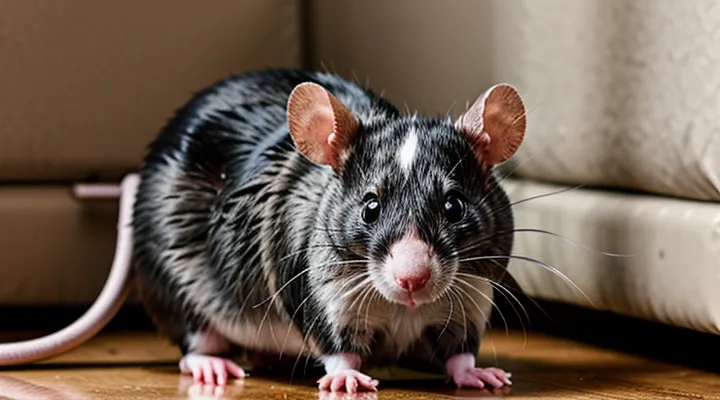
Understanding Your Rat's Baseline Health
Recognizing Normal Behavior and Appearance
Activity Levels and Playfulness
Rats normally explore their environment, climb, and engage in brief bouts of vigorous running followed by short rest periods. A healthy adult will initiate activity several times an hour, respond promptly to new objects, and exhibit spontaneous play such as chasing, wrestling, or manipulating toys. Consistent engagement in these behaviors indicates adequate musculoskeletal function, normal energy metabolism, and intact neurological signaling.
A noticeable reduction in movement or loss of playfulness often precedes more visible clinical signs. Observe the animal for the following indicators:
- Decreased frequency of cage exploration (fewer than three distinct outings per hour).
- Reluctance to climb or use enrichment items (e.g., tunnels, wheels).
- Prolonged periods of immobility without sleeping posture.
- Absence of typical social interactions with cage mates (no chasing or grooming).
- Diminished response to novel stimuli (ignores new toys or food).
When multiple items appear, conduct a thorough physical examination and consider veterinary consultation. Early detection through behavioral monitoring can prevent disease progression and improve treatment outcomes.
Appetite and Thirst Patterns
Pet rats normally eat small quantities several times a day and drink water frequently; a consistent pattern reflects good health. A sudden decrease in food intake, refusal to eat familiar foods, or a marked increase in consumption can indicate metabolic distress, gastrointestinal infection, or dental problems. Likewise, reduced water drinking may signal dehydration, kidney dysfunction, or systemic illness, while excessive thirst often accompanies diabetes, respiratory infection, or stress.
Monitoring these behaviors provides early warning of health issues. Observe the rat at each feeding session, noting the amount and type of food accepted. Record water bottle usage by checking the level each day. Any deviation from the established routine warrants further evaluation.
Typical appetite and thirst anomalies include:
- Sharp decline in food consumption lasting more than 24 hours
- Preference for soft or wet foods over dry pellets
- Persistent licking of the water bottle without actual intake
- Constant licking of the bottle or spilling water, suggesting polydipsia
- Weight loss despite unchanged food availability
When such signs appear, schedule a veterinary examination, collect a fresh stool sample if possible, and consider environmental factors such as temperature, cage cleanliness, and recent dietary changes. Prompt attention to altered eating and drinking habits can prevent progression of disease and improve recovery outcomes.
Coat Condition and Grooming Habits
A pet rat’s coat offers immediate visual cues about its physiological state. Healthy fur is sleek, evenly colored, and free of bald patches; whiskers remain firm, and the skin beneath shows no irritation.
Typical coat features include:
- Uniform sheen without dullness
- Absence of clumps, mats, or excessive shedding
- No visible parasites, scabs, or lesions
- Consistent texture across the body
Deviations from these standards often signal underlying problems. Noticeable changes such as patchy fur loss, dry or greasy patches, discoloration, or persistent matting suggest nutritional deficiencies, dermatological infections, or systemic illness. Abrupt hair thinning may accompany hormonal imbalances or stress-related disorders.
Grooming habits reflect internal health as well. Rats normally spend several minutes each day cleaning themselves, using their forepaws to reach difficult areas. A reduction in grooming frequency, excessive self‑scratching, or compulsive grooming that results in hair loss indicates discomfort, pain, or neurological issues. Conversely, frantic grooming that leaves the coat ragged can be a response to ectoparasites or skin irritation.
When abnormal coat condition or grooming behavior is observed, take the following steps:
- Isolate the rat to prevent potential spread of contagious agents.
- Conduct a visual inspection for parasites, wounds, or discoloration.
- Weigh the animal to detect sudden loss or gain.
- Record grooming duration and frequency over 24‑hour periods.
- Consult a veterinarian with detailed observations and, if possible, a sample of fur or skin for laboratory analysis.
Monitoring coat quality and grooming patterns provides a reliable, non‑invasive method for early detection of health issues in pet rats. Prompt recognition and professional evaluation improve treatment outcomes and support long‑term wellbeing.
Breathing Patterns and Sounds
Normal respiration in a healthy pet rat is rapid, silent, and regular, averaging 70‑120 breaths per minute. Breaths are shallow, and the nostrils remain still when the animal is at rest. Audible airflow is limited to a faint, almost inaudible hiss during exhalation.
Any deviation from this pattern may signal a medical issue. An increase in respiratory rate (tachypnea) that persists beyond brief activity, audible wheezing, rattling, or a change in rhythm should be recorded. Labored effort, visible chest movement, or nasal flaring indicate compromised airway function.
- Elevated rate (>150 breaths/min) – possible infection, heat stress, or pain.
- Irregular rhythm (pauses or rapid bursts) – may reflect neurological disturbance or cardiac failure.
- Wheezing or high‑pitched squeaks – suggests airway obstruction, bronchitis, or pneumonia.
- Rattling or crackles – associated with fluid accumulation in the lungs.
- Nasal discharge with audible breathing – typical of upper‑respiratory infections.
Consistent monitoring involves observing the rat while it is quiet, noting the count of breaths over a 30‑second interval, and listening for abnormal sounds with a stethoscope or by ear. Document changes over several days to differentiate transient stress responses from progressive disease. Immediate veterinary assessment is warranted if any of the listed abnormalities appear, especially when accompanied by lethargy, loss of appetite, or weight loss.
Common Signs of Illness in Pet Rats
Respiratory Issues
Sneezing and «Porphyrin» Staining
Sneezing in a pet rat often signals irritation of the upper respiratory tract. Repeated or violent sneezes may accompany nasal discharge, watery eyes, or audible wheezing, indicating bacterial or viral infection, allergic response, or exposure to drafts and dust. Persistent sneezing warrants immediate examination of the cage environment for excessive bedding particles, ammonia buildup, or sudden temperature changes.
Porphyrin staining appears as reddish‑brown droplets around the eyes, nose, and sometimes on the fur. The pigment is a normal component of rat tears, released in response to stress, pain, or illness. When staining is excessive, clumped, or accompanied by crusting, it suggests underlying discomfort, respiratory distress, or systemic infection.
Practical actions for owners:
- Observe sneezing frequency; more than a few isolated episodes per day is abnormal.
- Check for accompanying signs: nasal discharge, labored breathing, lethargy, loss of appetite.
- Inspect the cage for high ammonia levels (odor of strong ammonia indicates poor ventilation).
- Monitor porphyrin droplets; increased volume, thickened consistency, or persistent presence after cleaning signals possible disease.
- Reduce stressors: provide consistent temperature, avoid sudden drafts, limit handling if the rat shows signs of discomfort.
- Contact a veterinarian promptly if sneezing persists beyond 24 hours, porphyrin staining intensifies, or any respiratory compromise is evident.
Early recognition of these signs enables timely veterinary intervention, reducing the risk of severe respiratory complications and supporting the rat’s overall health.
Labored Breathing and Wheezing
Labored breathing in a pet rat appears as effortful, rapid inhalations that may be accompanied by visible chest movement or flaring nostrils. The rat may pause between breaths, adopt a hunched posture, or display reduced activity levels. Listening to the airway often reveals harsh, audible sounds that increase with exertion.
Wheezing presents as a high‑pitched, whistling noise during exhalation. The sound may be continuous or intermittent and is typically louder when the animal is stressed or positioned on its back. In severe cases, wheezing can merge with labored breathing, creating a compounded respiratory distress pattern.
Common origins of these symptoms include:
- Upper or lower respiratory infections (e.g., Mycoplasma, Streptococcus)
- Cardiac insufficiency leading to pulmonary edema
- Exposure to smoke, dust, or strong scents
- Allergic reactions to bedding or food additives
- Tumors affecting the airway or lung tissue
Assessment steps:
- Observe the rat for changes in breathing rate, depth, and rhythm.
- Place the animal on a flat surface; gently press the chest to feel for resistance.
- Use a stethoscope or listen close to the thorax for wheezing or crackles.
- Record temperature and heart rate to identify concurrent systemic issues.
- Contact a veterinarian promptly if breathing remains rapid, noises intensify, or the rat shows lethargy, loss of appetite, or weight loss.
Early detection of respiratory difficulty enables timely treatment, reduces the risk of hypoxia, and improves the likelihood of full recovery.
Open-mouthed Breathing
Open‑mouthed breathing, also known as labored or panting respiration, is a clear indicator that a pet rat may be experiencing a serious health issue. The behavior appears when the animal inhales or exhales with its mouth visibly open, often accompanied by rapid, shallow breaths. This symptom should prompt immediate evaluation because it frequently signals respiratory distress, fever, pain, or cardiovascular compromise.
Key characteristics to observe include:
- Mouth consistently open while the rat is at rest.
- Breathing rate exceeding 80 breaths per minute.
- Audible wheezing or crackling sounds.
- Reduced activity, lethargy, or loss of appetite.
Potential underlying causes are:
- Upper respiratory infections (e.g., Mycoplasma pulmonis, Streptococcus spp.).
- Lung inflammation or pneumonia.
- Cardiac insufficiency leading to fluid accumulation in the thoracic cavity.
- Extreme stress or overheating.
When open‑mouthed breathing is detected, follow these steps:
- Isolate the rat to reduce stress and prevent spread of infectious agents.
- Record the breathing rate and note any accompanying sounds.
- Measure ambient temperature; ensure the environment remains within the optimal 68‑74 °F (20‑23 °C) range.
- Contact a veterinarian experienced with rodents promptly; provide the recorded observations.
- Prepare for possible diagnostic procedures such as radiography, blood work, or nasal swabs.
Timely recognition of this respiratory pattern and swift veterinary intervention significantly improve the likelihood of recovery and reduce the risk of complications.
Skin and Coat Problems
Hair Loss and Itching
Hair loss and persistent scratching are among the most immediate external signs that a pet rat may be experiencing a health problem. These symptoms often indicate dermatological or systemic issues that require prompt attention.
Common causes include:
- Parasitic infestations (mites, fleas, lice) that damage follicles and provoke irritation.
- Fungal infections such as ringworm, which produce circular patches of alopecia and intense pruritus.
- Bacterial skin infections that lead to crusting, swelling, and hair loss.
- Allergic reactions to bedding, food, or environmental contaminants, resulting in localized or generalized itching.
- Nutritional deficiencies, especially lack of essential fatty acids, which impair coat quality and skin integrity.
- Hormonal disorders, for example, adrenal or thyroid imbalances, that can manifest as thinning fur and itchiness.
Key observations that help differentiate between these causes:
- Presence of visible parasites or debris on the skin.
- Circular, hairless lesions with raised edges suggest fungal involvement.
- Redness, swelling, or pus indicate bacterial infection.
- Sudden onset after a change in diet or bedding points to an allergy.
- Gradual thinning without lesions may signal nutritional or hormonal problems.
Diagnostic approach:
- Conduct a thorough visual inspection, noting lesion size, shape, and distribution.
- Perform skin scrapings for microscopic examination to detect mites or fungal spores.
- Collect a sample of any exudate for bacterial culture if infection is suspected.
- Review diet and environmental conditions to identify potential allergens.
- If systemic disease is suspected, order blood work to assess hormone levels and overall health status.
Treatment considerations:
- Apply appropriate ectoparasitic medication for confirmed mite or flea infestations.
- Use antifungal creams or systemic agents for ringworm, following veterinary dosage guidelines.
- Administer antibiotics for bacterial infections, ensuring a full course to prevent recurrence.
- Eliminate identified allergens by switching bedding, cleaning the enclosure, and adjusting diet.
- Supplement essential fatty acids or provide a balanced diet to improve coat health.
- Address hormonal imbalances with prescribed hormone therapy under veterinary supervision.
Monitoring the rat’s response to treatment includes daily checks for regrowth of fur, reduction in scratching behavior, and overall activity level. Persistent or worsening symptoms warrant immediate veterinary re‑evaluation.
Lumps and Bumps
Lumps and bumps are one of the most visible indicators of health problems in a pet rat. Regular visual inspection and gentle palpation allow owners to recognize abnormal growths early.
Typical characteristics of concerning masses include:
- Size larger than a pea or rapid increase in diameter
- Firm, irregular, or hard texture compared to the surrounding tissue
- Fixed attachment to underlying structures rather than mobility
- Redness, ulceration, or discharge on the surface
- Presence on atypical locations such as the abdomen, hindquarters, or limbs
Normal anatomical features—such as the mammary glands in females, the scrotum in males, or benign fat deposits—are usually symmetrical, soft, and remain unchanged over weeks. Any deviation from these patterns warrants veterinary evaluation.
When examining a rat, follow a consistent routine:
- Place the animal in a calm environment and gently restrain it with a towel.
- Observe the entire body for visible protrusions, noting color and texture.
- Use fingertips to feel for hidden masses, applying light pressure to assess mobility and consistency.
- Record the location, size, and any associated symptoms (e.g., loss of appetite, lethargy, limping).
If a lump meets any of the concerning criteria or is accompanied by behavioral changes, schedule a veterinary appointment promptly. Early diagnostic procedures—such as fine‑needle aspiration, imaging, or biopsy—provide the best chance for effective treatment.
Wounds and Sores
Wounds and sores are common early indicators of health problems in a pet rat. Visible lesions may appear on the skin, tail, ears, or around the mouth and can quickly become infected if left untreated.
- Fresh, red cuts or abrasions that bleed or ooze
- Crusty or scabbed areas that change size or color
- Ulcerated spots with a black or yellow center
- Swollen tissue surrounding a wound, often warm to the touch
- Excessive licking or chewing of a specific area, resulting in hair loss or raw skin
- Unusual discharge, such as pus or blood, emanating from a lesion
When any of these signs are observed, perform a gentle inspection: separate the rat from cage mates, restrain briefly, and use a magnifying lens to assess depth and contamination. Clean the area with sterile saline, apply a thin layer of a veterinary‑approved antiseptic ointment, and monitor for changes over 24‑48 hours. Persistent redness, increasing size, foul odor, or the rat’s refusal to eat or move warrants immediate veterinary consultation. Early identification and treatment of wounds reduce the risk of systemic infection and support quicker recovery.
Digestive Disturbances
Diarrhea or Constipation
Pet rats with abnormal stool patterns often exhibit clear external cues. Loose, watery droppings that appear more frequently than three times daily indicate diarrhea; the feces may be unformed, contain mucus, and be accompanied by a strong odor. Conversely, hard, dry pellets that are infrequent—often less than once every two days—suggest constipation, and the rat may strain while attempting to eliminate, producing a squeaking sound.
Typical causes include dietary imbalances, sudden changes in food, dehydration, bacterial or parasitic infections, and gastrointestinal blockage from hair or foreign material. Stress, temperature extremes, and underlying metabolic disorders can also precipitate either condition.
When evaluating a rat, follow these steps:
- Observe stool consistency, frequency, and odor over a 24‑hour period.
- Check hydration status by gently pressing the skin over the back; a slow return to normal indicates proper fluid balance.
- Palpate the abdomen for distension or pain response.
- Record any accompanying signs such as weight loss, lethargy, or nasal discharge.
- If symptoms persist beyond 24 hours, or if the animal appears weak, arrange a veterinary examination.
Professional assessment may involve fecal analysis, radiographs, or ultrasound to identify infection, parasites, or obstruction. Treatment typically includes adjusting diet to a high‑fiber, low‑fat regimen, providing fresh water, and, when necessary, administering prescribed antibiotics, antiparasitics, or mild laxatives under veterinary guidance. Immediate veterinary care is required for severe dehydration, blood in the stool, or signs of a complete blockage.
Reduced Appetite or Anorexia
Reduced appetite or complete refusal to eat is one of the most reliable indicators that a pet rat is unwell. Rats normally consume 15–20 g of food per day; a noticeable decline below 10 g, especially if sustained for more than 24 hours, warrants immediate attention.
Observe the food bowl at regular intervals. If fresh pellets are left untouched or the rat gnaws only a few pieces before discarding the rest, record the quantity consumed. Compare the current intake with the established baseline for that individual. A sudden drop may signal gastrointestinal distress, respiratory infection, dental problems, or systemic disease such as lymphoma.
Accompanying behaviors clarify the underlying issue. Excessive grooming of the mouth, drooling, or visible sores suggest oral pain. Labored breathing, nasal discharge, or wheezing combined with reduced feeding point to a respiratory condition. Lethargy, hunching, or a swollen abdomen alongside anorexia often indicates internal organ involvement.
When reduced feeding persists:
- Verify water consumption; dehydration compounds the risk of organ failure.
- Offer highly palatable foods (e.g., soft fruits, cooked egg, commercial rat treats) to stimulate intake.
- Monitor weight daily using a precise scale; a loss of more than 5 % of body weight within 48 hours is critical.
- Contact a veterinarian experienced with rodents if the rat refuses food for more than two days, loses weight rapidly, or exhibits additional clinical signs.
Early intervention improves prognosis. Prompt veterinary assessment can identify the cause, prescribe appropriate antibiotics, analgesics, or supportive nutrition, and prevent irreversible damage.
Weight Loss
Weight loss is one of the most reliable indicators that a pet rat may be unwell. A sudden decline in body mass often precedes more visible symptoms and can signal underlying pathology before the animal’s behavior changes noticeably.
Adult rats typically weigh between 250 g and 350 g, with females slightly lighter than males. Regular weighing—using a digital scale with a precision of at least 1 g—provides a baseline for comparison. Record the weight at the same time each day, preferably after a brief period of fasting to reduce gastrointestinal contents that can skew results.
A loss of 5 % of body weight within 48 hours, or 10 % over a week, should trigger immediate concern. For a 300 g rat, this equals a reduction of 15 g in two days or 30 g in seven days. Such rates exceed normal fluctuations caused by hydration or minor dietary changes.
Common medical conditions associated with rapid weight loss include:
- Dental malocclusion preventing proper food intake
- Gastrointestinal parasites or bacterial infections
- Respiratory infections that reduce appetite
- Liver or kidney disease affecting metabolism
- Tumors or neoplastic growths
Environmental factors can also contribute:
- Inadequate ambient temperature causing increased metabolic demand
- Poor-quality diet lacking essential nutrients
- Chronic stress from overcrowding or frequent handling
When abnormal weight loss is detected, follow these steps:
- Verify scale accuracy and repeat the measurement to confirm the trend.
- Examine the rat’s oral cavity for overgrown teeth or lesions.
- Observe feces for signs of parasites, blood, or abnormal consistency.
- Schedule a veterinary appointment for a full physical exam, blood work, and imaging if needed.
- Implement supportive care: provide easily chewable, high‑calorie foods such as soft pellets, boiled egg, or specialized rat formula; ensure a warm, quiet enclosure; monitor weight daily.
Prompt identification of weight loss and swift veterinary intervention improve the likelihood of recovery and reduce the risk of severe complications.
Neurological Symptoms
Head Tilt
A head tilt, medically known as vestibular dysfunction, is a frequent indicator that a pet rat is experiencing a health problem. The condition manifests when the animal’s skull rotates to one side, often accompanied by loss of balance, circling, or an inability to maintain a normal posture. Observation of these symptoms should prompt immediate assessment, as underlying causes can progress rapidly.
Typical causes include inner‑ear infections, middle‑ear inflammation, trauma, tumors, or exposure to ototoxic substances. In many cases, bacterial or fungal infections of the auditory canal produce inflammation that disrupts the vestibular apparatus. Neurological disorders such as encephalitis or brain abscesses may also generate a tilt, while head injury from falls or cage accidents can damage balance structures directly.
When a head tilt is detected, follow these steps:
- Isolate the affected rat to prevent injury to cage mates.
- Examine the ears for discharge, swelling, or odor.
- Record the direction and severity of the tilt, noting any accompanying circling or abnormal gait.
- Keep the environment warm, quiet, and free of stressors.
- Contact a veterinarian experienced with rodents without delay; provide the documented observations.
Prompt veterinary intervention is essential because treatment options differ by cause. Antibiotic therapy may resolve infectious cases, while anti‑inflammatory medication can reduce swelling. Surgical procedures are sometimes required for tumors or severe trauma. Early detection and professional care increase the likelihood of full recovery and reduce the risk of permanent neurological damage.
Loss of Balance or Coordination
Loss of balance or coordination in a pet rat is a clear indicator that the animal’s nervous or musculoskeletal systems are compromised. Observe the rat’s gait: frequent stumbling, drifting while climbing, or an inability to maintain a steady position on a perch signals a problem. Additional signs include head tilting, difficulty turning, and excessive clinging to cage bars to avoid falling.
Common causes include:
- Inner‑ear infection or inflammation, disrupting vestibular function.
- Neurological disorders such as encephalitis, meningitis, or nerve degeneration.
- Toxic exposure to chemicals, rodenticide, or contaminated food.
- Traumatic injury to the spine or limbs.
- Metabolic imbalances, especially low calcium or vitamin deficiencies.
When loss of coordination appears, follow these steps:
- Isolate the affected rat to prevent injury from falls.
- Record the onset, frequency, and severity of the episodes.
- Check the environment for potential toxins, slippery surfaces, or drafts that could aggravate vestibular symptoms.
- Perform a gentle physical examination: assess limb strength, reflexes, and ear discharge.
- Contact a veterinarian experienced with rodents promptly; provide the recorded observations and any recent changes in diet or habitat.
- Follow the professional’s diagnostic plan, which may include otoscopic evaluation, blood work, or imaging studies.
Early detection through vigilant observation of balance disturbances enables timely medical intervention, reducing the risk of permanent neurological damage and improving the rat’s prognosis.
Seizures
Seizures represent a sudden, uncontrolled discharge of electrical activity in the brain of a pet rat and often indicate an acute medical problem. Recognizing a seizure promptly is critical for timely intervention and can prevent permanent neurological damage.
Typical manifestations include:
- Rigid posture followed by loss of muscle tone
- Involuntary twitching of limbs, whiskers, or tail
- Drooling or frothing at the mouth
- Unresponsive stare lasting seconds to minutes
- Post‑ictal disorientation, during which the rat may appear confused or immobile
Underlying causes range from metabolic disturbances such as hypoglycemia or electrolyte imbalance to toxic exposure, infectious agents, or brain tumors. Genetic predisposition and severe stress can also precipitate episodes.
Immediate response steps:
- Safely isolate the rat to prevent injury.
- Observe the duration and pattern of the event; record timing.
- Keep the environment quiet and dimly lit to reduce stimulation.
- After the episode, place the rat in a warm, comfortable area and monitor breathing.
- Contact a veterinarian without delay; provide a detailed description of the seizure and any recent changes in diet, environment, or medication.
Preventive measures focus on stable nutrition, avoidance of known toxins, regular health examinations, and minimizing stressful situations. Consistent observation of behavior and prompt reporting of abnormal neurological signs improve outcomes for rats experiencing seizures.
Eye and Ear Concerns
Swelling or Discharge from Eyes
Swelling or discharge around a rat’s eyes is often the first visible indication that the animal is unwell. The eyes may appear puffy, reddened, or clouded, and fluid can range from clear and watery to thick and colored. Any change in the normal clear, moist appearance warrants immediate observation.
Typical manifestations include:
- Puffy lids that do not flatten after a short period of rest
- Persistent tearing or mucus that does not clear with gentle wiping
- Yellow, green, or blood‑tinged fluid
- Redness extending to the surrounding skin
Common origins of ocular problems in pet rats are:
- Bacterial or fungal infections of the conjunctiva
- Trauma from cage mates, bedding, or sharp objects
- Dental disease causing pressure on the sinus cavities adjacent to the eyes
- Underlying systemic conditions such as respiratory infections or hormonal imbalances
To assess the situation, follow these steps:
- Examine both eyes for symmetry; unilateral symptoms may point to injury, while bilateral signs often suggest infection.
- Note the consistency, color, and odor of any discharge.
- Check for accompanying signs: nasal discharge, sneezing, changes in appetite, or abnormal behavior.
- Gently clean the area with a sterile saline solution to improve visibility, but avoid applying any medication without veterinary guidance.
If swelling persists for more than a few hours, discharge is thick or colored, or the rat shows additional signs of distress, contact a qualified veterinarian promptly. Professional treatment may involve topical antibiotics, systemic medication, dental correction, or supportive care such as fluid therapy. Early intervention reduces the risk of complications and promotes a quicker recovery.
Crusty Eyes
Crusty eyes in a pet rat indicate ocular irritation or infection and should be evaluated promptly. The condition appears as dried discharge adhering to the eyelids or surrounding fur, often yellowish or brown. Persistent crusting suggests an underlying problem rather than a temporary environmental irritant.
Typical causes include:
- Upper respiratory tract infection, frequently accompanied by sneezing and nasal discharge.
- Vitamin A deficiency, leading to dry corneal surfaces.
- Environmental irritants such as dust, ammonia, or excessive bedding particles.
- Trauma or foreign bodies lodged near the eye.
When crusty eyes are observed, follow these steps:
- Gently remove dried material with a warm, damp cotton swab; avoid pulling on the fur.
- Inspect the eye for redness, swelling, or discharge consistency.
- Check for additional symptoms: nasal discharge, labored breathing, or changes in appetite.
- Adjust housing conditions to reduce ammonia levels and ensure proper ventilation.
- Consult a veterinarian if discharge is thick, foul‑smelling, or if the rat shows systemic signs. Early intervention prevents progression to more serious ocular disease and supports overall health.
Ear Infections
Ear infections represent a frequent health problem in domestic rats and often provide the first indication that a pet is unwell. Recognizing the condition early prevents discomfort and reduces the risk of complications that can affect the animal’s overall wellbeing.
Typical manifestations include persistent head tilt, frequent scratching or rubbing of the ears, visible crusty or watery discharge, an unpleasant odor, and reduced response to sounds. In severe cases the rat may display balance disturbances or loss of appetite.
Common origins are bacterial or fungal overgrowth, infestation by ear mites, trauma from aggressive grooming, and exposure to excessive moisture. Poor cage ventilation or unclean bedding can create an environment that encourages microbial growth.
A systematic evaluation begins with a thorough visual inspection, followed by the use of a miniature otoscope to assess the ear canal and eardrum. If abnormal material is present, a swab should be taken for microscopic examination and culture to identify the specific pathogen. Veterinary consultation is essential for accurate diagnosis.
Effective therapy consists of gentle cleaning of the canal, administration of appropriate antimicrobial or antifungal agents, and, when necessary, antiparasitic medication for mites. Dosage and duration must follow veterinary guidance; abrupt discontinuation can lead to recurrence. Monitoring the rat’s condition for at least a week after treatment helps confirm resolution.
Preventive measures include maintaining a dry, well‑ventilated enclosure, providing clean bedding, and performing regular ear checks during routine handling. Prompt removal of excess moisture after bathing and avoiding the use of harsh chemicals near the ears further reduce infection risk.
By observing these signs, applying a structured diagnostic approach, and implementing consistent preventive care, owners can reliably identify and manage ear infections, contributing to the health stability of their pet rats.
Urinary and Reproductive Issues
Bloody Urine
Bloody urine in a pet rat is a clear indicator of a serious medical condition and requires immediate attention. The presence of red or pink discoloration, visible clots, or a metallic odor signals possible bleeding within the urinary tract, kidneys, or surrounding organs.
Key causes include:
- Traumatic injury to the abdomen or hind limbs.
- Urinary tract infection with hemolytic bacteria.
- Kidney disease such as glomerulonephritis or renal failure.
- Neoplasia affecting the bladder, ureters, or kidneys.
- Coagulopathies caused by vitamin K deficiency or anticoagulant rodenticide exposure.
When bloody urine is observed, follow these steps:
- Isolate the rat to reduce stress and prevent contamination of other animals.
- Collect a fresh urine sample using a clean, non‑absorbent surface; avoid using paper towels that can alter color.
- Perform a rapid dip‑stick test for blood, protein, and glucose; record results.
- Schedule a veterinary appointment within 24 hours; request a complete blood count, serum chemistry, and urinalysis with microscopic examination.
- Provide supportive care: maintain hydration with plain electrolyte solution, monitor food intake, and keep the cage environment warm and quiet.
Diagnostic imaging, such as abdominal ultrasound or radiography, can locate internal bleeding or masses. Treatment plans depend on the underlying cause and may involve antibiotics, fluid therapy, analgesics, or surgical intervention. Early detection and prompt veterinary management greatly improve the prognosis for rats presenting with hematuria.
Frequent Urination
Frequent urination in a pet rat can signal underlying health problems. Normal rats urinate several times a day, but a noticeable increase in volume, frequency, or a change in the appearance of urine warrants attention.
Typical indicators accompanying excessive urination include:
- Wet spots in the cage that do not dry quickly
- Strong ammonia odor or unusual coloration (cloudy, blood‑tinged, or milky)
- Increased thirst, leading to more water consumption
- Lethargy, loss of appetite, or weight loss
Common medical causes are urinary tract infection, bladder stones, kidney disease, and diabetes mellitus. Each condition produces a distinct pattern: infections often generate cloudy urine with a foul smell; stones may cause intermittent blockage and pain; kidney disease can result in polyuria with dilute urine; diabetes typically presents with sweet‑smelling urine and excessive drinking.
Owners should record the rat’s bathroom habits, note any accompanying symptoms, and contact a veterinarian promptly. Diagnostic steps usually involve a physical exam, urine analysis, and possibly imaging such as X‑ray or ultrasound to identify structural abnormalities. Early intervention improves prognosis and reduces the risk of severe complications.
Vaginal or Preputial Discharge
Vaginal or preputial discharge in a pet rat appears as a liquid or semi‑solid substance emerging from the genital opening; normal secretion is clear and scant, while abnormal discharge may be cloudy, yellow, green, blood‑tinged, or profuse. Any change in color, consistency, or volume signals a potential health issue and warrants immediate observation.
Typical causes include:
- Bacterial infection (e.g., Streptococcus, Staphylococcus species)
- Viral or fungal agents
- Hormonal imbalance, especially in breeding females or intact males
- Physical injury or irritation from bedding or cage equipment
- Neoplastic growth affecting the reproductive tract
Evaluation begins with a thorough visual inspection and gentle palpation of the affected area. Collecting a small sample of the discharge for microscopic examination and culture provides definitive identification of pathogens. Blood work may reveal systemic infection or hormonal disturbances, while radiography or ultrasonography can detect internal masses.
Treatment depends on the underlying cause. Antibiotics target bacterial infections; antifungal agents address fungal involvement; hormonal therapy may correct endocrine disorders. Maintaining a clean cage environment, providing dry bedding, and limiting stress reduce recurrence. Persistent, worsening, or bloody discharge requires prompt veterinary intervention to prevent severe complications.
When to Seek Veterinary Care
Urgent Symptoms Requiring Immediate Attention
Severe Labored Breathing
Severe labored breathing in a pet rat signals a critical respiratory problem that requires immediate attention. The animal may exhibit rapid, shallow breaths, open-mouth inhalation, or visible effort in the chest and abdomen. Audible wheezing, rattling, or coughing often accompany the distress. Observe the nostrils for flaring, and note any change in posture, such as hunching or inability to maintain a normal stance.
Common underlying conditions include:
- Pneumonia or bacterial lung infection
- Pulmonary edema from heart failure
- Upper airway obstruction caused by tumors or foreign bodies
- Severe allergic reaction or anaphylaxis
Prompt response involves:
- Isolating the rat in a quiet, warm environment to reduce stress.
- Measuring respiratory rate and comparing it to the normal range of 70‑120 breaths per minute.
- Consulting a veterinarian without delay; provide a detailed description of breathing patterns, duration of symptoms, and any recent exposures or injuries.
- Avoiding the administration of human medications, as many are toxic to rodents.
Diagnostic tools a veterinarian may employ include thoracic radiographs, blood gas analysis, and microscopic examination of nasal discharge. Early detection and treatment dramatically improve the likelihood of recovery, while delayed intervention often leads to irreversible damage or death.
Collapse or Unresponsiveness
A rat that suddenly collapses or fails to respond to stimuli signals a critical medical emergency. Immediate observation of the animal’s posture, breathing pattern, and skin coloration provides the first clues. If the rat lies limp, shows no movement when gently prodded, or exhibits shallow, irregular breaths, the situation requires urgent intervention.
Key actions:
- Place the rat on a warm, flat surface and monitor heart rate by feeling the pulse at the femoral artery.
- Check for signs of hypoglycemia: tremors, seizures, or a sweet‑smelling breath.
- Inspect the oral cavity for discoloration, excessive drooling, or blood.
- Observe the eyes for pupil dilation or a lack of response to light.
- Gently stimulate the hind limbs; a lack of reflexes indicates possible neurological compromise.
Potential underlying causes include severe dehydration, hypothermia, cardiac arrest, respiratory failure, toxin exposure, or traumatic injury. Rapid loss of consciousness often precedes organ failure, making timely veterinary assessment essential. If any of the above indicators are present, contact a veterinarian immediately and be prepared to transport the rat in a secure, temperature‑controlled container. Delay can result in irreversible damage or death.
Profuse Bleeding
Profuse bleeding in a pet rat is a critical emergency that signals severe trauma, internal rupture, or advanced disease. Rapid blood loss can lead to shock, organ failure, and death within minutes if untreated.
Visible indicators include bright red fluid from wounds, oozing from the anus or genital area, and darkened skin around the bleeding site. The rat may become lethargic, display rapid breathing, or exhibit a weak pulse palpable at the femoral artery.
Common sources are:
- Lacerations from cage bars, bedding, or toys
- Gastrointestinal ulceration or tumor rupture
- Severe nosebleeds caused by nasal infections or neoplasia
- Hemorrhagic disease such as rodent hemorrhagic fever
Immediate actions for the owner:
- Apply gentle pressure with a clean, non‑adhesive gauze pad to the bleeding point.
- Keep the animal warm using a low‑heat lamp or a warm towel.
- Restrict movement to reduce further blood loss.
- Contact a veterinarian without delay; provide details of the bleeding location, amount, and any recent trauma.
Prompt veterinary intervention is essential for fluid replacement, blood transfusion, and treatment of the underlying cause. Delaying care dramatically reduces the chance of recovery.
Less Urgent, But Still Concerning Signs
Persistent Lethargy
Persistent lethargy in a pet rat signals a deviation from normal activity levels and warrants immediate attention. Rats typically display rapid, exploratory movements; a prolonged reduction in mobility indicates underlying pathology.
Observable signs include:
- Minimal response to handling or environmental stimuli
- Reduced grooming and nest‑building behavior
- Diminished appetite and water intake
- Lowered body temperature, detectable by touch
- Weight loss over several days
Frequent medical origins are respiratory infections, gastrointestinal obstruction, metabolic disorders such as hypoglycemia, and systemic conditions like renal failure or neoplasia. Stress‑related factors, including poor cage hygiene or extreme temperature fluctuations, can exacerbate lethargy but rarely produce sustained inactivity without concurrent disease.
Owners should follow a systematic assessment:
- Record duration and severity of inactivity.
- Measure food and water consumption compared with baseline.
- Check for additional symptoms (nasal discharge, diarrhea, abnormal breathing).
- Evaluate environmental conditions (temperature, bedding cleanliness).
- Perform a gentle physical examination, noting body condition and pulse.
If lethargy persists beyond 24 hours, worsens, or co‑occurs with any of the listed symptoms, professional veterinary evaluation is essential. Prompt diagnostic testing—blood work, radiography, or fecal analysis—enables targeted treatment and improves prognosis.
Gradual Weight Loss
Gradual weight loss in a pet rat often signals an underlying health problem. Normal adult rats maintain a stable body condition; a consistent decline of even a few grams over weeks warrants close observation.
Key indicators accompanying weight loss include reduced food intake, diminished activity, and changes in fur quality. A rat that appears lethargic, sleeps longer than usual, or shows a lack of curiosity may be suffering from a metabolic or gastrointestinal disorder.
To assess weight loss accurately, follow these steps:
- Weigh the rat on a digital scale at the same time each day, preferably before the first feeding.
- Record the weight in a log, noting any fluctuations greater than 2‑3 % of the previous measurement.
- Monitor food consumption by measuring the amount offered and the leftovers after 24 hours.
- Inspect the mouth, teeth, and skin for lesions, discoloration, or excessive shedding.
- Observe stool consistency; diarrhea or abnormal color can correlate with malabsorption.
If the log reveals a steady decline despite adequate nutrition, schedule a veterinary examination promptly. Veterinarians may request blood work, fecal analysis, or imaging to identify infections, parasites, organ dysfunction, or neoplasia. Early intervention improves the likelihood of recovery, while delayed treatment can lead to severe cachexia and reduced lifespan.
Changes in Behavior
Behavioral alterations are among the first signs that a pet rat may be unwell. Subtle shifts often precede visible physical symptoms and can alert owners to emerging health problems.
Common deviations include:
- Reduced activity or prolonged periods of inactivity.
- Loss of interest in familiar toys, tunnels, or social interaction.
- Excessive grooming or, conversely, neglect of self‑cleaning.
- Aggression toward cage mates or caretakers that deviates from the rat’s usual temperament.
- Uncharacteristic vocalizations such as frequent squeaking or silence.
Observation of feeding patterns also provides insight. A sudden decrease in food or water intake, selective refusal of preferred foods, or irregular feeding times suggest discomfort or metabolic disturbance.
Sleep disturbances merit attention. Rats normally exhibit short, frequent naps; extended sleep bouts, difficulty waking, or apparent disorientation upon arousal indicate possible neurological or systemic issues.
Consistent monitoring of these behavioral cues enables early intervention. Prompt veterinary assessment based on observed changes can prevent disease progression and improve treatment outcomes.
Proactive Health Measures
Regular Health Checks at Home
Daily Observation
Daily observation provides the most immediate indication of a pet rat’s health status. Consistent monitoring of everyday behaviors reveals deviations that often precede severe conditions.
- Activity level: reduced movement, reluctance to explore, or sudden lethargy.
- Feeding patterns: decreased consumption of pellets or treats, drooling, or refusal of food.
- Grooming: neglect of self‑cleaning, unkempt fur, or excessive scratching.
- Excretory output: watery or bloody stool, abnormal urine volume, or strong odor.
- Respiratory signs: audible wheezing, rapid breathing, or nasal discharge.
- Weight: loss of several grams within a short period, measured with a precise scale.
Record observations at the same time each day, preferably during feeding or handling sessions. Use a simple log noting date, time, and each parameter listed above. Repeated entries create a baseline, making subtle shifts more apparent.
When any parameter deviates from the established baseline for more than 24–48 hours, consult a veterinarian experienced with rodents. Early professional assessment reduces the risk of complications and improves recovery prospects.
Weekly Physical Examination
A weekly physical examination provides the earliest opportunity to recognize disease in a pet rat. Consistent assessment reduces the likelihood that subtle problems progress unnoticed.
Before handling, ensure the cage is quiet and the rat is calm. Use clean hands or disposable gloves, and support the animal’s body fully to prevent stress or injury. Observe the rat’s posture and movement as it is lifted; hesitation or reluctance may indicate pain.
Examine the exterior:
- Body condition: feel for a smooth, firm outline; note any loss of muscle mass or excessive fat.
- Coat: look for dullness, bald patches, or excessive shedding.
- Eyes and ears: check for redness, discharge, swelling, or crust.
- Nose and mouth: inspect for nasal discharge, pawing, dental wear, or ulceration.
- Tail: feel for smoothness, temperature, and any swelling or lesions.
Palpate gently:
- Abdomen: assess for firmness, masses, or tenderness.
- Lymph nodes (submandibular, inguinal): feel for enlargement.
- Limbs and joints: evaluate for swelling, heat, or reduced range of motion.
Record behavioral cues: activity level, grooming habits, eating and drinking patterns, and any changes in vocalization. A decline in curiosity, reduced grooming, or altered feeding can precede visible clinical signs.
Document each finding systematically—weight, coat condition, ocular health, oral status, and any abnormalities. Maintaining a weekly log creates a baseline that highlights deviations promptly, enabling swift veterinary intervention when required.
Environmental Factors for Health
Cage Cleanliness
A clean cage is essential for recognizing health problems in a pet rat. Waste accumulation creates ammonia, which irritates the respiratory tract and can mask early signs such as sneezing or labored breathing. Regular removal of soiled bedding reduces the risk of bacterial overgrowth that may cause diarrhea or skin lesions, making it easier to notice abnormal stool consistency or fur condition.
Maintain a cleaning routine that includes:
- Daily spot‑cleaning: discard wet bedding, uneaten food, and droppings.
- Weekly full change: replace all bedding, scrub surfaces with a rat‑safe disinfectant, rinse thoroughly, and dry before re‑bedding.
- Monthly deep clean: remove all accessories, wash with hot water, inspect for cracks or corrosion that could harbor pathogens.
Observe the cage environment for:
- Persistent odor despite routine cleaning – indicates hidden waste or inadequate ventilation.
- Wet or sticky bedding – suggests excess urine, which may accompany urinary tract infection.
- Visible mold or mildew – points to excessive humidity, a factor in respiratory disease.
By keeping the habitat spotless, deviations from normal behavior or appearance become more apparent, allowing prompt veterinary assessment.
Proper Diet and Nutrition
A balanced diet provides a baseline for evaluating a rat’s health; deviations from normal intake often precede observable symptoms.
Rats require approximately 18‑20 % protein, 3‑5 % fat, high fiber, and adequate vitamins and minerals. Essential nutrients include:
- Casein or soy‑based protein sources
- Fresh vegetables for vitamin C and fiber
- Small amounts of fruit for natural sugars
- Calcium‑phosphate ratio of 1.2:1 for bone health
- Clean, fresh water available at all times
Changes in eating patterns signal potential problems. Reduced consumption, selective refusal of certain foods, or sudden weight loss suggest gastrointestinal, metabolic, or systemic issues. Overeating or preference for high‑fat treats can indicate obesity, which predisposes rats to respiratory and cardiovascular disorders.
Regular monitoring of food intake, body condition, and stool consistency allows early detection of illness. Record daily portions, note any refusals, and compare weight measurements weekly. Prompt adjustment of the diet—such as increasing protein for recovery or adding fiber for constipation—supports recovery and clarifies whether the underlying cause is nutritional or pathological.
Consistent nutritional management, combined with vigilant observation, creates a reliable framework for identifying health concerns before they become severe.
Enrichment and Exercise
Observing a rat’s interaction with enrichment items offers a direct window into its health status. When a rat suddenly avoids tunnels, chew toys, or climbing structures, the change often signals discomfort, pain, or systemic illness. Consistent engagement suggests normal function; abrupt disengagement warrants closer inspection.
Exercise patterns reveal similar information. A rat that normally runs several minutes on a wheel but now runs sporadically, or shows reduced stamina, may be experiencing respiratory distress, musculoskeletal injury, or metabolic imbalance. Conversely, hyperactivity can indicate neurological irritation or stress related to underlying disease.
Key indicators to watch for during enrichment and exercise sessions:
- Reluctance to chew or gnaw, which may point to oral pain or dental problems.
- Decreased climbing or tunnel use, suggesting joint pain, weakness, or respiratory difficulty.
- Irregular or labored breathing while running on a wheel, a sign of respiratory infection or heart strain.
- Sudden loss of balance or coordination during play, potentially reflecting neurological issues.
- Excessive grooming or self‑biting of enrichment objects, often associated with skin irritation or internal discomfort.
Regularly documenting the rat’s activity level, preferred toys, and duration of exercise creates a baseline. Deviations from this baseline provide early evidence of health concerns, enabling prompt veterinary evaluation before symptoms become severe.