
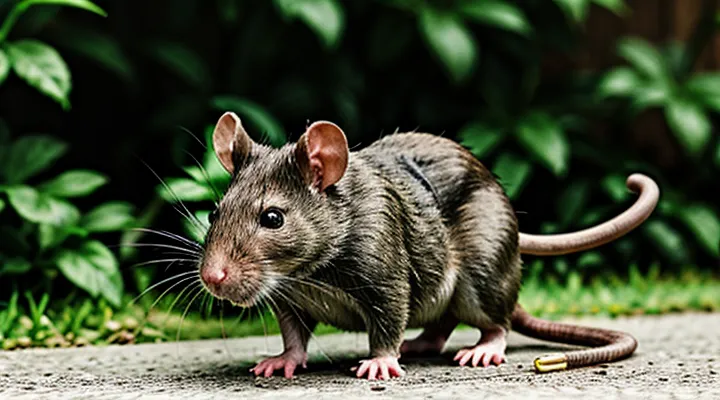
Immediate Steps After a Rat Bite
«Wound Cleaning and Disinfection»
«Soap and Water Washing»
When a rat bite occurs, immediate decontamination with soap and water reduces the likelihood of infection.
- Rinse the wound under running water for at least 30 seconds to flush out saliva and debris.
- Apply a mild antibacterial soap, create a gentle lather, and scrub the area for 10–15 seconds.
- Rinse thoroughly to remove all soap residue; pat the skin dry with sterile gauze.
- Examine the bite for visible particles; if any are present, remove them with tweezers that have been disinfected.
- Cover the cleaned wound with a sterile dressing and secure it without excessive pressure.
Avoid harsh chemicals, abrasive scrubbing, or hot water, as these can damage tissue and delay healing. Proper washing prepares the site for professional medical assessment and minimizes bacterial contamination.
«Antiseptic Application»
When a rat bite occurs, immediate antiseptic treatment reduces bacterial contamination and limits tissue damage. Begin by washing hands thoroughly, then rinse the wound with clean running water for at least one minute to remove debris. Pat the area dry with a sterile gauze pad; avoid rubbing, which can aggravate the tissue.
Select an antiseptic that is effective against gram‑negative organisms commonly found in rodent saliva, such as povidone‑iodine, chlorhexidine gluconate, or hydrogen peroxide at a 3 % concentration. Apply the chosen solution using a sterile swab, covering the entire wound surface. Allow the antiseptic to remain in contact for the duration recommended by the product label—typically 30 seconds to one minute—before gently blotting excess fluid.
After the initial application, dress the wound with a non‑adhesive, sterile bandage. Re‑apply the antiseptic and change the dressing every 4–6 hours, or sooner if the bandage becomes wet or contaminated. Monitor the site for signs of infection: increasing redness, swelling, warmth, pus, or escalating pain. Should any of these symptoms develop, or if the bite penetrates deeply, seek professional medical evaluation promptly.
Maintain tetanus prophylaxis according to current vaccination guidelines; a booster may be required if the last dose was administered more than ten years ago. Document the time of the bite, the antiseptic used, and the frequency of dressing changes for accurate reporting to healthcare providers.
«Assessing the Injury»
«Bleeding Control»
When a rat bite pierces the skin, swift action stops blood loss and reduces infection risk. Direct pressure on the wound compresses damaged vessels, preventing further exsanguination.
- Use a sterile gauze pad or clean cloth.
- Press firmly for at least five minutes without interruption.
- If bleeding persists, add another layer of gauze and continue pressure.
- Elevate the injured limb above heart level to lessen hydrostatic pressure.
- Maintain pressure until bleeding diminishes or stops.
After pressure control, cleanse the area to remove contaminants. Rinse with running water, apply mild antiseptic, and cover with a sterile dressing. Observe the site for persistent oozing, swelling, or discoloration. Seek professional care if bleeding resumes, if the wound deepens, or if signs of infection appear, such as increasing pain, redness, or fever. Prompt medical evaluation ensures proper wound management and tetanus protection.
«Signs of Deep Puncture Wounds»
Rat bites often produce puncture wounds that extend beneath the skin surface. Recognizing deeper injury promptly reduces the risk of infection and tissue damage.
Typical indicators of a deep puncture wound include:
- Small entry point that appears disproportionately small relative to the amount of bleeding.
- Persistent pain that intensifies when pressure is applied to surrounding tissue.
- Swelling that spreads rapidly beyond the immediate area of the bite.
- Redness or discoloration radiating outward, sometimes accompanied by a bluish hue.
- Limited mobility or numbness in the affected limb, suggesting nerve involvement.
- Fluid or pus seeping from the wound after the initial bleeding subsides.
When any of these signs appear, immediate medical evaluation is required. Professionals will assess the depth, clean the wound thoroughly, and consider prophylactic antibiotics and tetanus updates. Delayed treatment increases the probability of bacterial invasion, including rat‑borne pathogens such as Streptobacillus moniliformis.
Early intervention, coupled with proper wound care, minimizes complications and supports faster recovery after a rat bite.
Seeking Medical Attention
«When to Consult a Doctor»
«High-Risk Individuals»
Individuals with compromised immune systems, such as patients undergoing chemotherapy, organ transplant recipients, and those with HIV/AIDS, face a heightened risk of severe infection after a rat bite. Diabetes, especially when poorly controlled, impairs wound healing and increases susceptibility to bacterial complications. Chronic liver or kidney disease reduces the body’s ability to combat pathogens, making even minor puncture wounds potentially life‑threatening.
Children under five years old are vulnerable because their skin is thinner, and they may not report symptoms promptly. Elderly persons often have reduced circulation and comorbidities that delay recovery. Persons with a history of tetanus or lacking up‑to‑date vaccinations require immediate booster administration following exposure.
For high‑risk patients, the following actions are essential:
- Immediate thorough irrigation of the wound with sterile saline or clean water.
- Prompt medical evaluation, with emphasis on early antibiotic therapy targeting Streptobacillus moniliformis and Leptospira spp.
- Verification of tetanus immunization status; administer tetanus toxoid if more than five years have passed since the last dose.
- Consideration of rabies prophylaxis when the rat’s health status is unknown or when local epidemiology suggests exposure risk.
- Close monitoring for signs of systemic infection: fever, chills, swelling, or erythema extending beyond the wound margins.
Healthcare providers should document the bite event, identify the rat’s environment (e.g., sewer, agricultural setting), and advise patients on wound care, including daily dressing changes and signs that warrant urgent re‑evaluation.
«Severe Bites or Symptoms»
A rat bite that penetrates deep tissue or produces intense pain often signals a serious condition. Immediate assessment should focus on the following indicators:
- Profuse bleeding or uncontrolled oozing after applying pressure.
- Rapid swelling extending beyond the wound margins, especially if accompanied by a feeling of heat.
- Redness that spreads outward in irregular patterns, suggesting cellulitis.
- Pus formation, foul odor, or visible necrotic tissue within the wound.
- Fever above 38 °C (100.4 °F), chills, or malaise, indicating systemic infection.
- Headache, neck stiffness, or confusion, which may point to meningitis or encephalitis.
- Muscle weakness, tingling, or loss of sensation near the bite, suggesting nerve involvement.
- Unexplained joint pain or swelling, a possible sign of septic arthritis.
- Unusual bruising or petechiae distant from the site, hinting at disseminated intravascular coagulation.
When any of these signs appear, prompt medical intervention is mandatory. Recommended actions include:
- Thorough irrigation with sterile saline and gentle debridement of devitalized tissue.
- Administration of broad‑spectrum antibiotics covering Streptococcus, Staphylococcus, and Pasteurella species; consider adding coverage for anaerobes if necrosis is evident.
- Evaluation for tetanus prophylaxis and, if indicated, a booster dose.
- Testing for rat‑borne pathogens such as Leptospira and Hantavirus; initiate appropriate antimicrobial therapy if confirmed.
- Consultation with infectious disease specialists for severe or atypical presentations.
- Monitoring of vital signs and laboratory markers (CBC, CRP, ESR) for progression.
Delayed treatment can lead to tissue loss, osteomyelitis, or systemic sepsis. Recognizing severe bite manifestations and initiating aggressive care reduces complications and accelerates recovery.
«Medical Treatment Options»
«Antibiotics for Infection Prevention»
When a rat bite penetrates the skin, bacterial contamination is almost certain. Immediate wound cleaning reduces surface organisms, but systemic coverage is required to prevent deeper infection. Oral prophylactic antibiotics should be started within a few hours of the incident; delayed initiation increases the risk of cellulitis, abscess formation, and septicemia.
Preferred agents target the most common rat‑associated pathogens, including Streptobacillus moniliformis and Pasteurella spp. Empiric regimens include:
- Amoxicillin‑clavulanate 875 mg/125 mg twice daily for 5–7 days.
- Doxycycline 100 mg twice daily for 7 days (alternative for penicillin‑allergic patients).
- If severe infection is suspected, intravenous ceftriaxone 1–2 g daily may be administered, followed by oral therapy to complete the course.
Selection depends on allergy history, local resistance patterns, and the severity of the wound. For patients with a documented severe penicillin allergy, a macrolide such as azithromycin 500 mg daily for 5 days can be considered, though coverage may be incomplete.
Monitoring for adverse reactions, such as gastrointestinal upset or hypersensitivity, is essential. If signs of infection—pain, swelling, erythema, fever—appear despite prophylaxis, culture‑directed therapy and possible escalation to intravenous antibiotics are warranted. Completion of the prescribed course, even after symptom resolution, minimizes relapse risk.
In addition to antibiotics, verify tetanus immunization status and assess the need for rabies post‑exposure prophylaxis according to regional guidelines. Coordinated care ensures comprehensive protection against both bacterial and viral complications following a rat bite.
«Tetanus Shot Assessment»
When a rat bite occurs, the immediate priority is to assess whether a tetanus immunization is required. Begin by confirming the patient’s vaccination history: if the last tetanus‑containing vaccine was administered within the previous five years, no booster is needed. If the interval exceeds five years, a tetanus‑diphtheria (Td) or tetanus‑diphtheria‑pertussis (Tdap) injection should be given promptly.
Consider wound characteristics. Deep, puncture, or contaminated injuries increase the risk of tetanus infection and justify vaccination even when the prior dose was given less than five years ago. Superficial, clean wounds may not demand immediate immunization if the patient is up‑to‑date.
Identify contraindications. Severe allergic reactions to previous tetanus shots, or a known hypersensitivity to vaccine components, preclude standard administration. In such cases, consult an allergist for alternative prophylaxis.
After vaccination, observe the patient for local reactions—pain, redness, or swelling at the injection site—and systemic signs such as fever or malaise. Document the date and type of vaccine administered for future reference.
If the bite occurred more than 24 hours ago and the patient’s tetanus status is uncertain, administer the tetanus immunoglobulin (TIG) alongside the vaccine to provide passive protection while active immunity develops.
Key steps for tetanus shot assessment after a rat bite:
- Verify last tetanus dose date.
- Evaluate wound depth and contamination.
- Determine need for booster (≥5 years) or immediate immunization (≥10 years for dirty wounds).
- Check for contraindications or severe allergies.
- Administer appropriate vaccine (Td or Tdap) and, if indicated, TIG.
- Record details and monitor for adverse reactions.
«Rabies Risk Evaluation»
When a rat bite occurs, the first step is to determine whether rabies exposure is possible. Rats are rarely rabid carriers, but regional wildlife activity, recent outbreaks, and the animal’s behavior must be examined. An accurate risk assessment prevents unnecessary treatment and ensures timely intervention if needed.
Key factors for rabies risk evaluation:
- Species verification: confirm the bite originated from a rat, not a larger mammal.
- Geographic data: identify if the incident took place in an area with documented rabies cases among wildlife.
- Animal condition: assess whether the rat displayed abnormal aggression, neurological signs, or was found dead.
- Exposure details: note bite depth, location on the body, and time elapsed since the incident.
- Vaccination status of the victim: consider prior rabies immunization when deciding on post‑exposure prophylaxis.
If any factor suggests a plausible rabies source, immediate administration of rabies immunoglobulin and vaccine series is warranted. Otherwise, wound care and observation of the animal, if possible, suffice for standard protocol.
Preventing Future Rat Bites
«Rodent Control in and Around Your Home»
«Exclusion Techniques»
Excluding rodents from living and work areas is the most reliable way to prevent injuries such as rat bites. Effective exclusion requires a systematic approach that addresses entry points, structural weaknesses, and environmental attractions.
Identify all potential openings larger than a quarter‑inch. Seal gaps around doors, windows, utility penetrations, and foundation cracks with steel wool, caulk, or metal flashing. Install door sweeps and self‑closing hinges to eliminate gaps that rodents can exploit.
Maintain a clear perimeter around the building. Remove debris, dense vegetation, and stored items that provide shelter. Keep garbage containers tightly covered and store compost away from structures. Regularly trim tree branches and shrubs that touch the exterior, preventing rodents from gaining roof access.
Implement physical barriers on utility lines and vents. Use mesh screens with openings no larger than 1/4 inch on vents, chimneys, and exhaust fans. Install metal conduit sleeves on wiring and plumbing that pass through walls or floors.
Conduct routine inspections. Schedule monthly walkthroughs to detect new damage, gnaw marks, or droppings. Document findings and repair breaches promptly to avoid re‑infestation.
Adopt a maintenance plan that includes:
- Weekly exterior checks for fresh gnawing or burrowing activity.
- Quarterly interior inspections of storage rooms, basements, and crawl spaces.
- Immediate repair of any compromised seals or structural elements.
By systematically sealing entry routes, eliminating attractants, and enforcing regular inspections, the risk of rat bites can be dramatically reduced, protecting occupants and preserving health.
«Sanitation Practices»
When a rat bite occurs, immediate wound sanitation is essential. Rinse the area under running water for at least one minute, apply mild soap, and scrub gently to remove debris. Follow with an antiseptic solution such as povidone‑iodine or chlorhexidine; allow it to dry before covering with a sterile dressing. Document the time of injury and any visible contamination.
Maintain a clean environment to reduce the risk of secondary infection and future bites. Implement the following sanitation measures:
- Eliminate food residues and spilled grain; store all consumables in airtight containers.
- Dispose of garbage in sealed bins and remove it from the premises regularly.
- Seal cracks, gaps, and openings in walls, floors, and foundations to block rodent entry.
- Clean surfaces with an appropriate disinfectant, focusing on areas where the animal has been active.
- Launder bedding, clothing, and towels that may have contacted the bite site using hot water and detergent.
After initial care, monitor the wound for redness, swelling, or pus. If any signs of infection appear, seek professional medical evaluation promptly. Verify tetanus immunization status and consider rabies prophylaxis according to local health guidelines. Continuous adherence to rigorous sanitation practices minimizes complications and supports recovery.
«Safe Handling of Rodents»
«Protective Gear»
Protective equipment reduces the likelihood of infection and secondary injury when a rat bite occurs. Wearing appropriate barriers isolates the wound from contaminants and limits exposure to pathogens carried by the animal’s saliva and fur.
- Thick, puncture‑resistant gloves (nitrile or leather) to prevent direct contact with teeth and claws.
- Disposable gowns or aprons made of fluid‑impermeable material to shield skin and clothing.
- Face shield or safety goggles to guard eyes from splatter.
- Surgical mask or respirator with a particulate filter to block airborne bacteria and viruses.
- Closed, waterproof footwear with toe protection to avoid accidental stepping on the animal or contaminated debris.
Gloves must be inspected for tears before use, changed immediately after a bite, and discarded in a sealed biohazard container. Gowns and masks should be removed using a clean‑to‑contaminated technique, avoiding contact with the interior surface. Footwear should be cleaned and disinfected after each incident. Proper storage of all gear in a dry, temperature‑controlled area preserves material integrity.
Consistent use of these items lowers the risk of wound contamination, simplifies post‑exposure treatment, and aligns with occupational safety standards for handling rodents.
«Avoiding Provocation»
Avoiding provocation is the first line of defense against rat bites. Rats react to perceived threats with defensive aggression; minimizing triggers reduces the likelihood of an attack.
Maintain a calm demeanor when a rat is present. Sudden movements or loud noises can startle the animal and provoke a bite. Approach slowly, keeping your hands visible and away from the rat’s mouth.
Do not corner the rodent. Providing an escape route prevents the animal from feeling trapped, which often leads to defensive biting. Ensure the environment offers open space for the rat to retreat.
Limit direct eye contact. Staring can be interpreted as a challenge. Glance briefly to assess the situation, then look away while keeping the animal in peripheral vision.
Avoid handling rats without proper protection. Use thick gloves and long sleeves to create a physical barrier between skin and teeth. Protective clothing reduces the chance of skin exposure if the rat attempts to bite.
When cleaning or inspecting areas with known rat activity, wear appropriate personal protective equipment (PPE). PPE includes masks, gloves, and disposable coveralls, preventing accidental contact that could provoke the animal.
If a rat displays aggressive behavior—raised fur, hissing, or lunging—withdraw slowly and give the animal space. Do not attempt to capture or swat the rat, as these actions increase the risk of a bite.
By adhering to these practices, the probability of a rat bite diminishes, allowing for safer interaction with environments where rodents are present.