
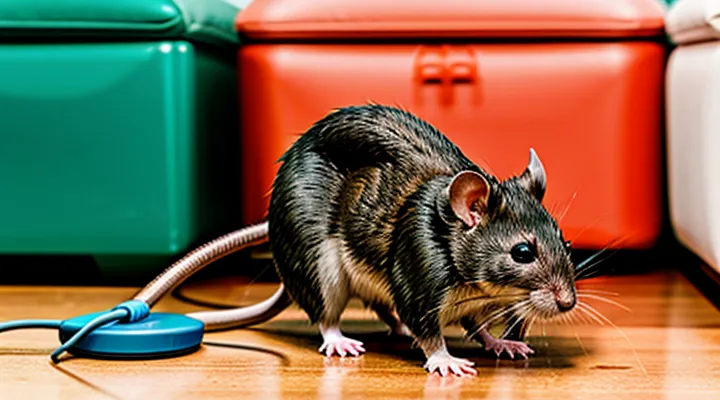
Understanding Ultrasonic Repellers
How They Work
Sound Frequencies and Their Effect
Ultrasonic devices designed to deter rodents rely on frequencies that exceed the audible range of humans but fall within the hearing spectrum of mice and rats. Laboratory studies indicate that the optimal frequency band lies between 20 kHz and 65 kHz. Below 20 kHz, the sound becomes perceptible to people and loses potency against rodents. Above 65 kHz, the auditory sensitivity of mice and rats declines sharply, reducing the repellent effect.
Rodent hearing peaks around 30 kHz to 40 kHz, where the cochlear response is strongest. Devices that emit a narrow band centered in this interval produce the most consistent aversive reaction, manifested by avoidance behavior and reduced foraging activity. Broad‑spectrum emitters covering 20 kHz‑65 kHz can address variations in individual sensitivity but may suffer from lower intensity at the extremes of the range.
Frequency stability influences long‑term efficacy. Continuous‑wave emitters maintain a constant tone, which rodents may habituate to after several days. Pulsed or frequency‑modulated patterns—alternating between 30 kHz and 45 kHz in short bursts—disrupt habituation and sustain deterrence. The modulation rate typically ranges from 1 Hz to 10 Hz, providing enough variation without compromising battery life.
Environmental factors affect sound propagation. Air absorption increases with frequency; at 50 kHz, attenuation can reach 1 dB per meter in standard indoor conditions, limiting effective coverage to a radius of 2–3 m from the source. Obstacles such as walls, furniture, and insulation further reduce reach. Positioning the unit at the midpoint of the target area and elevating it above floor level maximizes line‑of‑sight transmission.
Safety considerations require that emitted frequencies remain inaudible to humans and pets. The threshold for human perception begins near 20 kHz, but some individuals detect higher tones. Selecting devices with a lower limit of 22 kHz and an upper limit of 55 kHz ensures compliance with health guidelines while preserving rodent deterrence.
Key points for evaluating frequency specifications:
- Target band: 20 kHz – 65 kHz (optimal 30 kHz – 40 kHz)
- Emission type: pulsed or frequency‑modulated preferred over continuous tone
- Coverage radius: 2 m – 3 m, accounting for attenuation
- Safety ceiling: ≤55 kHz to remain inaudible to humans
Understanding these frequency characteristics enables precise selection of an ultrasonic repeller that delivers effective, sustained rodent control without compromising human comfort.
Limitations and Effectiveness
Ultrasonic deterrents for rodents operate within a narrow frequency band, typically 20–65 kHz, which limits their reach to line‑of‑sight paths. Walls, furniture, and dense materials absorb or reflect the sound, creating dead zones where the device has no impact. Most units cover an area of 500–1 200 sq ft; larger spaces require multiple devices or supplemental methods. Continuous exposure can lead to habituation—rodents may initially avoid the noise but gradually ignore it after several days. Effectiveness also varies by species; mice respond to higher frequencies than rats, so a single device may not address both pests equally.
Key factors influencing performance:
- Frequency range – matches the hearing sensitivity of the target species.
- Coverage area – measured in square feet; ensure overlap for larger rooms.
- Placement – elevated position, unobstructed line of sight, away from direct sunlight or moisture.
- Power source – battery units may lose output over time; plug‑in models provide consistent intensity.
- Adjustable settings – ability to cycle frequencies reduces habituation risk.
Empirical studies show a 30–70 % reduction in rodent activity when devices are correctly installed and combined with sanitation and exclusion measures. Isolated use rarely eradicates infestations; it serves best as a supplemental deterrent within an integrated pest management plan.
Types of Ultrasonic Repellers
Plug-in Units
Plug‑in ultrasonic devices draw power directly from wall sockets, eliminating the need for batteries or external power packs. Their compact design allows placement near entry points, under cabinets, or behind furniture where rodents are most active.
Key factors for selecting a plug‑in unit:
- Frequency range: 20–65 kHz covers the hearing spectrum of mice and rats; higher frequencies target smaller species, while broader ranges affect a wider variety of pests.
- Coverage radius: manufacturers specify a square‑meter area; choose a model whose rated radius exceeds the size of the target zone.
- Adjustable timer or continuous mode: timers reduce energy use and prevent habituation; continuous operation is useful in high‑traffic areas.
- Sound intensity: measured in dB SPL; higher intensity ensures penetration through walls and furniture.
- Safety certifications: CE, UL, or FCC approval confirms compliance with electromagnetic emission standards.
Installation considerations focus on outlet accessibility and placement distance from walls or large objects that may block sound waves. Avoid positioning the unit directly behind metal appliances or inside enclosed cabinets, as these obstacles diminish acoustic reach. Ensure the plug does not obstruct other devices and that the cord remains clear of chewable materials.
Routine maintenance involves wiping the exterior with a dry cloth to remove dust that can dampen ultrasonic output. Verify that the unit powers on after each power outage; many models include an indicator light to confirm operation. Warranty periods of at least one year provide protection against premature failure, while user manuals typically outline recommended replacement intervals based on average device lifespan.
Battery-Operated Devices
Battery-operated ultrasonic repellers provide flexibility in placement because they do not depend on a fixed power outlet. When evaluating such models, prioritize the type of battery, expected runtime, and ease of replacement. Devices that use standard alkaline cells (AA or AAA) allow quick swaps, while rechargeable units reduce ongoing costs but require periodic charging cycles.
Consider the following criteria when selecting a battery-powered unit:
- Battery life per charge – at least 8 hours ensures continuous protection through night hours.
- Voltage and current draw – higher voltage may improve emitter performance but can shorten battery duration.
- Rechargeable vs. disposable – rechargeable packs lower waste; disposable cells offer immediate backup without charging infrastructure.
- Indicator system – low‑battery alerts prevent silent failure.
- Temperature tolerance – batteries must function reliably in the typical range of basements, attics, or garages.
Maintenance involves checking the battery compartment for corrosion, confirming that contacts are clean, and replacing or recharging cells as indicated. A sealed enclosure protects against dust and rodent gnawing, extending device lifespan.
Overall, a battery-powered ultrasonic repeller should combine long runtime, straightforward battery management, and durable construction to maintain effective rodent deterrence without reliance on wall power.
Multi-Frequency Models
Multi‑frequency ultrasonic repellers emit several distinct sound bands rather than a single tone. This approach reduces habituation, because rodents must adjust to multiple frequencies simultaneously, making the device harder to ignore.
The primary advantages of multi‑frequency units include:
- Broader spectrum coverage, targeting species that respond to different ultrasonic ranges.
- Decreased likelihood of acclimatization, extending the effective lifespan of the device.
- Improved penetration through obstacles such as furniture or walls, as higher frequencies can fill gaps left by lower ones.
When evaluating a multi‑frequency model, focus on the following parameters:
- Frequency range (e.g., 20–65 kHz) – ensure it encompasses the hearing limits of both mice and rats.
- Number of channels – more channels typically mean a richer acoustic environment.
- Output power – higher decibel levels increase the radius of influence but must remain safe for humans and pets.
- Coverage area – verify the advertised square footage matches the size of the intended space.
- Power source – assess battery life versus plug‑in operation for reliability during extended use.
Additional factors that influence performance are the device’s placement flexibility, durability of the housing, and the presence of a timer or automatic shut‑off to conserve energy. Selecting a model that balances a wide, overlapping frequency spectrum with sufficient power and reliable coverage will yield the most consistent deterrent effect against rodent incursions.
Factors to Consider When Choosing
Coverage Area
Room Size and Layout
When evaluating ultrasonic devices for rodent control, the dimensions of the space and its physical configuration dictate the required power output and placement strategy. Larger rooms demand emitters with broader coverage radii or multiple units to prevent dead zones where the sound intensity falls below effective levels. In compact areas, a single high‑frequency unit can saturate the environment, reducing the need for additional hardware.
Key considerations for room size and layout include:
- Volume – Calculate cubic footage (length × width × height). Devices are rated for specific volume ranges; exceedance reduces efficacy.
- Obstructions – Walls, furniture, and shelving absorb or reflect ultrasonic waves. Position emitters centrally and elevate them to minimize blockage.
- Ceiling height – Higher ceilings disperse sound over a greater vertical distance, potentially weakening the field at ground level where rodents travel.
- Openings – Doors, windows, and ventilation shafts allow sound to escape. Seal gaps or add supplementary units near these points to maintain field integrity.
- Multiple zones – Split layouts (e.g., rooms separated by solid walls) require separate devices for each zone, as ultrasonic waves do not penetrate solid barriers.
For optimal performance, map the space, identify high‑traffic rodent pathways, and align emitters to cover those routes without interference. Verify that the chosen model’s specifications match the calculated volume and that the installation plan addresses all structural impediments. Regularly inspect the area to confirm that the acoustic field remains uninterrupted as furniture or partitions are rearranged.
Obstacles and Walls
When evaluating ultrasonic devices for rodent control, the presence of physical barriers profoundly influences effectiveness. Solid structures impede the propagation of high‑frequency sound, creating dead zones where mice and rats remain unaffected.
- Dense materials such as concrete, brick, and solid wood absorb or reflect ultrasonic waves, limiting range to a few meters on the same side of the barrier.
- Thin partitions, drywall, and plastic allow partial transmission but still reduce intensity by 30‑50 %.
- Gaps around doors, windows, and ventilation shafts provide escape routes for sound, enabling rodents to bypass the repeller’s field.
- Metal surfaces reflect waves, potentially causing interference patterns that diminish overall coverage.
Strategic placement mitigates these issues. Position the emitter at the center of the target area, away from large walls, and elevate it to avoid floor‑level obstructions. Install additional units to overlap coverage across rooms separated by solid partitions. Seal cracks and openings that connect treated spaces with untreated zones. Consider devices with adjustable frequency ranges, as lower frequencies penetrate denser materials more effectively, though they may be audible to humans.
By accounting for material composition, barrier thickness, and spatial layout, users can ensure that ultrasonic deterrents deliver consistent coverage throughout the intended environment.
Frequency Range
Fixed vs. Variable Frequencies
Ultrasonic devices designed to deter mice and rats operate either on a single, unchanging frequency or on a range of frequencies that shift during operation. The choice between these two technologies determines how effectively the device can interrupt rodent communication and prevent habituation.
A fixed‑frequency unit emits a constant tone, typically between 20 kHz and 55 kHz. The signal is predictable, which simplifies design and often reduces production cost. However, rodents can become accustomed to a steady frequency after several exposures, diminishing the repellent’s long‑term impact. Fixed emitters also require precise placement to match the target species’ hearing sensitivity; a frequency that deters rats may be less effective against mice.
Variable‑frequency models cycle through multiple tones within the ultrasonic spectrum. This modulation mimics natural sounds, making it harder for rodents to adjust. The shifting pattern maintains a higher level of stress on the pest’s auditory system and extends the period of effectiveness. Variable devices generally consume more power because of the additional circuitry needed to generate the sweep, but modern designs mitigate this with efficient drivers and low‑draw standby modes.
Key differences can be summarized:
- Adaptability – Variable units cover a broader frequency band, addressing both mice and rats; fixed units target a single band.
- Habituation risk – Constant tones allow rodents to acclimate; alternating tones reduce this risk.
- Energy usage – Fixed emitters typically draw less current; variable emitters may require larger batteries or more frequent recharging.
- Cost – Simpler fixed designs are usually cheaper; variable designs involve more complex components.
- Installation flexibility – Variable devices can be positioned farther from entry points because the sweep reaches a wider auditory range; fixed devices often need precise alignment.
When evaluating options, prioritize devices that provide a frequency sweep covering at least 20 kHz–55 kHz, ensure the power source matches the intended placement duration, and verify that the unit’s output level exceeds the minimum audible threshold for the target rodents. Selecting a model with adjustable sweep patterns adds further control, allowing users to tailor the emission to specific infestation scenarios.
Human and Pet Safety
Ultrasonic deterrents emit high‑frequency sound waves that are inaudible to most adults but can affect small mammals. Safety considerations begin with the device’s frequency range; frequencies between 20 kHz and 30 kHz are generally beyond human hearing while still irritating rodents. Devices that exceed 30 kHz reduce the risk of accidental exposure to children, seniors, or individuals with heightened auditory sensitivity.
Pets respond differently to ultrasonic emissions. Dogs and cats can detect frequencies up to 65 kHz, so a repeller operating near the upper limit may cause discomfort or stress. Birds, especially small species, are more vulnerable; exposure to intense ultrasonic fields can lead to disorientation or hearing damage. Choose models that specify a limited output power and provide a “pet‑safe” mode or adjustable frequency settings.
To verify that a product meets safety standards, follow these steps:
- Confirm certification from recognized bodies (e.g., CE, FCC, UL) indicating compliance with electromagnetic and acoustic regulations.
- Review the manufacturer’s technical sheet for maximum sound pressure level (SPL) and frequency range; SPL below 85 dB is typically safe for continuous indoor use.
- Ensure the device includes a timer or remote control, allowing operation only when the area is unoccupied or when pets are secured in a separate room.
- Test the unit in a short trial period; observe any signs of distress in humans or animals such as agitation, ear scratching, or changes in behavior.
When installing the deterrent, position it away from sleeping quarters, pet habitats, and high‑traffic human zones. Maintain a minimum distance of 1 meter from pet bedding and a 2‑meter buffer from children's play areas. Regularly inspect the unit for damage that could alter its acoustic output, and replace it according to the manufacturer’s lifespan recommendation.
Power Source
Electrical Outlet Requirements
When installing an ultrasonic device to deter rodents, the power source must meet specific criteria to ensure reliable operation and safety.
The outlet should supply the voltage indicated by the manufacturer, typically 120 V AC in North America or 220‑240 V AC in many other regions. Verify that the frequency matches the local standard (50 Hz or 60 Hz). The circuit must be rated for at least the device’s wattage plus a 20 % margin; for a unit drawing 5 W, a 6‑amp circuit is sufficient.
Grounding is mandatory for models with a three‑prong plug. A properly grounded receptacle prevents electrical faults and reduces the risk of shock. If the outlet lacks a ground, install a grounded circuit or use a certified grounding adapter.
Continuous operation demands a stable power supply. Choose an outlet on a dedicated circuit or one with limited additional load to avoid voltage drops during peak usage. Surge protectors rated for at least 600 J protect the repeller from transient spikes.
Compliance with safety standards (UL, CE, FCC) indicates that the device and its power cord meet accepted electrical requirements. Inspect the plug and cord for damage before connection; replace any compromised components immediately.
Key electrical requirements
- Voltage matching the device specification (120 V or 220‑240 V)
- Circuit capacity exceeding device wattage by 20 %
- Grounded three‑prong receptacle
- Stable, dedicated line to prevent voltage fluctuations
- Surge protection with ≥600 J rating
- Certification compliance (UL, CE, FCC)
Adhering to these specifications guarantees uninterrupted performance of the ultrasonic deterrent and minimizes hazards associated with improper power connections.
Battery Life and Replacement
When evaluating ultrasonic rodent deterrents, battery performance directly influences reliability and cost.
A longer runtime reduces the frequency of service interruptions, which is critical for continuous pest control. Choose devices that specify operating hours under typical usage conditions; values above 8 hours per charge are generally acceptable for indoor units, while outdoor models often require 12 hours or more due to variable temperature effects on battery chemistry.
Consider the following battery characteristics:
- Capacity (mAh) – higher capacity extends operation before recharging or replacement.
- Chemistry – lithium‑ion cells maintain voltage longer than alkaline or NiMH packs, providing more stable ultrasonic output.
- Rechargeability – rechargeable units eliminate recurring purchase of disposable cells and reduce waste. Look for models with built‑in charging ports or compatible docking stations.
- Indicator system – LED or audible alerts that signal low charge help prevent unnoticed downtime.
Replacement procedures differ between disposable and rechargeable designs. For disposable batteries, follow the manufacturer’s recommended interval, typically every 3–6 months, and dispose of them according to local hazardous‑waste regulations. Rechargeable units should be cycled according to the supplied charger’s guidelines; most systems benefit from a full charge cycle every month to preserve capacity.
Regular maintenance includes checking contacts for corrosion, ensuring the charging cable is undamaged, and verifying that the battery compartment seals properly to prevent moisture ingress. Implementing these checks quarterly extends overall device lifespan and sustains effective ultrasonic emission.
Additional Features
LED Indicators
LED indicators provide immediate visual feedback on the operational status of ultrasonic rodent deterrents. When evaluating devices, the presence of clear, well‑lit LEDs helps verify that the unit is powered, emitting ultrasonic frequencies, and functioning within the intended range.
Key attributes to assess include:
- Color coding – different hues typically denote power on, low battery, or fault conditions. Consistent color schemes simplify interpretation.
- Brightness level – sufficient illumination ensures visibility in low‑light environments without causing glare.
- Battery or power indicator – a dedicated LED that changes intensity or flashes when power reserves dip prevents unexpected shutdowns.
- Signal pattern – steady light often signals normal operation, while intermittent flashing may indicate a malfunction or frequency adjustment mode.
Understanding the meaning of each LED pattern eliminates guesswork. A solid green light usually confirms continuous ultrasonic emission, whereas a blinking amber may warn of insufficient voltage or a blocked speaker. Documentation from the manufacturer should define these signals clearly.
Durability of the LED assembly matters for long‑term reliability. Look for devices with sealed or reinforced LED housings that resist dust and moisture, especially in kitchens, basements, or outdoor installations. Robust LEDs maintain accurate status reporting throughout the product’s lifespan, contributing to effective pest control performance.
Night Lights
Night lights influence rodent behavior by providing low‑intensity illumination that can alter activity patterns. When evaluating ultrasonic deterrents, observe how the device performs under typical household lighting conditions, especially in areas where night lights are installed.
Low‑level lighting may reduce the effectiveness of ultrasonic frequencies by masking audible cues that rodents use to detect threats. A repeller that maintains consistent output in both dark and dimly lit environments offers greater reliability.
Key factors to assess regarding night lighting:
- Frequency stability: verify that the device emits the intended ultrasonic range regardless of ambient light level.
- Coverage area: ensure the sound field reaches zones illuminated by night lights, as rodents often congregate there.
- Power source: battery‑operated units should sustain operation through prolonged night‑light usage without frequent replacement.
- Noise feedback: confirm that the presence of night lights does not trigger audible artifacts that could compromise the device’s stealth.
Selecting a model that explicitly states performance in dim illumination eliminates uncertainty and supports sustained rodent control in environments where night lights are common.
Integrated Pest Control Methods
Integrated pest management combines chemical, biological, and mechanical tactics to reduce rodent populations while minimizing environmental impact. When evaluating an ultrasonic deterrent, the device must complement, not replace, other control measures such as trapping, exclusion, and sanitation.
Key criteria for selecting an ultrasonic unit include:
- Frequency range covering both mice (20‑30 kHz) and rats (30‑40 kHz).
- Adjustable intensity to reach hidden nesting areas.
- Continuous operation capability without overheating.
- Certified safety standards to prevent harm to humans and pets.
- Proven field performance documented by independent studies.
Performance testing should involve:
- Measuring sound pressure levels at distances of 1 m, 3 m, and 5 m in typical indoor environments.
- Verifying device durability after at least 2 000 hours of continuous use.
- Comparing rodent activity before and after installation using motion sensors or trap counts.
Compatibility with other tactics requires:
- Placement that does not interfere with trap lines or bait stations.
- Integration into a monitoring schedule that records reductions in sightings and damage reports.
- Ability to be deactivated quickly during maintenance or when non‑target species are present.
A systematic approach consists of:
- Conducting a site inspection to identify entry points and harborage zones.
- Implementing exclusion measures (seal gaps, install door sweeps) before deploying the ultrasonic unit.
- Installing the device according to manufacturer guidelines, targeting identified hot spots.
- Monitoring rodent activity for a minimum of four weeks, adjusting frequency or adding supplementary methods if activity persists.
By aligning ultrasonic technology with a broader pest‑control framework, the selected device contributes to a measurable decline in mouse and rat presence while supporting long‑term prevention goals.
Installation and Placement Tips
Optimal Placement
Avoiding Obstructions
When selecting an ultrasonic device to deter rodents, ensure the sound waves can travel unobstructed from the emitter to the target area. Solid objects, furniture, and walls reflect or absorb ultrasonic frequencies, creating blind spots where mice and rats remain unaffected.
To minimize interference:
- Place the unit at least 12 inches away from large furniture, cabinets, or appliances.
- Position the speaker toward open space; avoid corners where two walls meet.
- Keep the device off the floor; mounting on a wall or shelf reduces blockage by clutter.
- Verify that doors and windows remain open or equipped with vent grills to allow wave passage between rooms.
- Conduct a quick test by observing rodent activity after installation; adjust placement if activity persists in specific zones.
Height from the Floor
When installing an ultrasonic device to deter mice and rats, the vertical position relative to the floor determines the effective range of the emitted sound waves. Ultrasonic waves travel in a cone shape; the apex originates at the transducer and expands outward. Placing the unit too low concentrates the energy near the ground, where rodents travel, but limits upward coverage. Positioning it too high directs the beam above the typical rodent pathways, reducing impact on the target area.
Optimal placement height typically ranges from 6 to 12 inches (15–30 cm) above the floor. This range aligns with the average height of mouse and rat runways, which include baseboard gaps, low furniture, and wall voids. At this elevation, the acoustic cone intersects the primary travel zones, maximizing exposure while preserving a broad horizontal spread.
Key considerations for height selection:
- Ceiling clearance: Ensure the device is not obstructed by ceiling fixtures that could reflect or absorb sound.
- Floor type: Carpets and rugs attenuate ultrasonic frequencies; a slight increase in height (up to 12 inches) compensates for this loss.
- Obstructions: Shelves, cabinets, or wiring that intersect the sound cone should be avoided; adjust height upward or reposition the unit accordingly.
- Multiple units: In large rooms, stagger heights (e.g., 8 inches on one unit, 10 inches on another) creates overlapping coverage zones, eliminating blind spots.
For wall‑mounted models, the mounting plate should be adjusted so that the transducer sits within the 6–12‑inch window. For freestanding units, use a stable platform or bracket to maintain the specified height and prevent tilting, which can skew the acoustic pattern.
Consistent adherence to the recommended height ensures that the ultrasonic repeller operates within its designed frequency dispersion, delivering reliable deterrence across the intended area.
Number of Units Needed
Single vs. Multiple Devices
When deciding between a single ultrasonic repeller and a system of multiple units, assess the size of the targeted area, structural layout, and infestation severity. A solitary device can protect a confined space—such as a small kitchen, pantry, or single room—if its advertised coverage radius fully encompasses the zone. In larger homes, multi‑room apartments, or warehouses, a single unit rarely reaches all corners, allowing rodents to bypass the acoustic field.
Key factors for comparison:
- Coverage radius: One unit covers a defined circular area; multiple units create overlapping zones that eliminate blind spots.
- Structural barriers: Walls, doors, and furniture attenuate ultrasonic waves. Deploying several devices on opposite sides of barriers restores efficacy.
- Power consumption: One device consumes less electricity overall, but adding units increases total draw proportionally to the number installed.
- Cost efficiency: A single high‑output model may cost more upfront than several lower‑output units, yet the combined expense of multiple devices can exceed the price of a premium single unit.
- Maintenance: Fewer units mean fewer batteries or plug‑in points to monitor; more devices raise the likelihood of a malfunction going unnoticed.
- Scalability: Additional units can be introduced as infestation spreads, providing flexibility absent from a fixed‑range solitary solution.
Select a single repeller only when the environment is small, unobstructed, and the manufacturer’s coverage claim matches the actual floor plan. Opt for multiple devices when the space includes multiple rooms, dense partitions, or high infestation levels that demand comprehensive acoustic saturation.
Strategic Room Placement
Strategic room placement determines the effectiveness of an ultrasonic device against rodents.
Consider these factors when selecting a location:
- Coverage radius specified by the manufacturer; position the unit where the radius reaches all entry points and pathways.
- Physical barriers such as walls, furniture, and cabinets; avoid placing the emitter behind dense materials that block ultrasonic waves.
- Height of installation; mounting at 4–6 feet above the floor aligns the sound field with typical rodent travel routes.
- Distance from power outlets; ensure a stable electrical connection without using excessive extension cords that may degrade signal strength.
Implement the following procedure:
- Sketch a floor plan and mark known rodent activity zones.
- Place the repeller temporarily at the center of the most active zone.
- Observe rodent behavior for 24–48 hours; relocate the unit if activity persists in uncovered areas.
- Confirm that the device remains unobstructed and that the ultrasonic output is audible at the intended range using a calibrated detector.
Regularly inspect the installation site for accumulated dust or objects that could impede sound propagation, and adjust the position as structural changes occur.
Ongoing Maintenance
Cleaning and Upkeep
Proper upkeep directly affects the reliability of an ultrasonic rodent deterrent. Dust, debris, and moisture can alter the speaker’s output, reduce the frequency range, and shorten battery life. Regular maintenance ensures the device continues to emit the intended ultrasonic patterns at the calibrated intensity, preserving its efficacy against mice and rats.
- Power source: replace batteries every 6–12 months, or follow the manufacturer’s schedule for rechargeable units; dispose of spent cells according to local regulations.
- Exterior: wipe the housing with a dry, lint‑free cloth; use a lightly dampened cloth only if residue accumulates, avoiding liquids near the speaker grille.
- Speaker grille: remove any visible dirt with a soft brush; if buildup persists, apply compressed air in short bursts, maintaining a safe distance to prevent damage.
- Mounting: check brackets or adhesive pads for looseness; tighten screws or replace worn fasteners to keep the unit level and oriented correctly.
- Firmware/Settings: verify that any software updates are applied, and confirm that the programmed schedule matches the intended operation times.
Perform these checks at least once a month for continuous performance and to avoid interruptions in pest control.
Monitoring for Effectiveness
Effective monitoring determines whether an ultrasonic device actually reduces rodent activity. Begin by establishing a baseline count of sightings, droppings, or trap captures before installation. Record this data for at least three days to capture normal fluctuations.
- Conduct daily visual inspections of entry points and nesting sites.
- Use motion‑activated cameras or infrared sensors to log activity levels.
- Measure emitted frequency with a calibrated sound meter to confirm the unit operates within the advertised range.
- Log power consumption; a sudden drop may indicate malfunction.
- Maintain a log of environmental variables (temperature, humidity) that can affect ultrasonic propagation.
Compare post‑installation data with the baseline. A consistent decline of 70 % or more in activity indicators within two weeks generally signals satisfactory performance. If reduction is marginal, adjust device placement: position the emitter at a height of 12–18 in, aim toward known pathways, and ensure obstacles do not block the sound field. Re‑measure frequency after relocation to verify unchanged output.
Repeat the monitoring cycle monthly for the first three months. Document any resurgence of activity and correlate with changes in the environment or device settings. Persistent ineffectiveness after multiple adjustments warrants replacement with a model offering broader frequency coverage or higher wattage. Continuous data collection provides objective evidence for the device’s long‑term suitability.
Common Mistakes to Avoid
Over-Reliance on Repellers
Integrated Pest Management
Integrated Pest Management (IPM) provides a framework for evaluating ultrasonic devices aimed at controlling rodents. The approach emphasizes monitoring, prevention, and the use of tools that complement, rather than replace, other control methods. When assessing ultrasonic repellers, align the selection process with IPM principles to ensure effectiveness, safety, and sustainability.
Choose a unit that delivers frequencies proven to deter both mice and rats, confirmed by independent laboratory testing. Verify that the device operates continuously without significant drop‑out periods, as intermittent coverage reduces deterrence. Ensure the product includes adjustable output levels to accommodate varying building layouts and occupancy patterns.
- Frequency range: 20 kHz–65 kHz, covering species‑specific hearing thresholds.
- Coverage area: square footage rating matching the target environment.
- Power source: reliable mains connection or long‑life battery with fail‑safe indicator.
- Safety features: automatic shut‑off on obstruction detection, compliance with electrical standards.
- Validation: documented field trials or certifications from reputable pest‑control organizations.
Combine the ultrasonic system with sanitation, exclusion, and trapping measures recommended by IPM. Regularly inspect device placement, replace units that lose efficacy, and record observations to refine the overall rodent‑management program. This integrated strategy maximizes control while minimizing reliance on chemical interventions.
Professional Extermination
Professional pest‑control operators treat ultrasonic devices as one component of an integrated strategy against rodents. Their selection process emphasizes measurable performance rather than marketing claims.
Key criteria include:
- Frequency spectrum covering 20‑65 kHz, which disrupts both mouse and rat auditory systems.
- Effective radius verified by laboratory or field tests, typically 30 ft² per unit for single‑room application.
- Power source reliability: wired units guarantee continuous operation; battery models must specify minimum runtime of 12 hours at full output.
- Safety certifications (e.g., UL, CE) confirming no harmful emissions for humans or pets.
- Build quality resistant to dust and moisture, ensuring longevity in commercial or warehouse environments.
- Maintenance schedule clarity; devices requiring monthly cleaning of transducers rank higher for operational efficiency.
- Warranty period of at least two years, indicating manufacturer confidence in durability.
Professional exterminators also compare device data with integrated control measures. A repeller that can be synchronized with traps or bait stations adds value by reducing the total number of interventions. Brands that provide independent efficacy reports, rather than anecdotal testimonials, receive priority placement in service contracts.
When evaluating cost, experts calculate the total cost of ownership: purchase price, energy consumption, replacement parts, and expected service life. Devices delivering consistent performance at a lower lifetime expense are preferred over higher‑priced models with marginally better specifications. This pragmatic approach ensures that the chosen ultrasonic solution contributes effectively to rodent management programs while aligning with budgetary constraints.
Incorrect Placement
Blocked Sound Waves
Blocked sound waves refer to ultrasonic energy that fails to reach target rodents because it is absorbed, reflected, or scattered by obstacles. Solid surfaces such as wood, concrete, or metal can reflect high‑frequency emissions, creating dead zones where the repeller’s signal disappears. Soft materials like insulation, carpet, or foam absorb ultrasonic energy, reducing the intensity that passes through to the floor or ceiling. Open gaps under doors, vents, or furniture allow the waves to escape the intended area, diminishing overall coverage.
When evaluating ultrasonic deterrents, consider the following aspects related to wave blockage:
- Frequency range: higher frequencies (>30 kHz) experience greater attenuation through air and materials; devices operating at slightly lower ultrasonic bands maintain effectiveness over longer distances.
- Power output: higher SPL (sound pressure level) compensates for moderate absorption but cannot overcome complete obstruction.
- Beam pattern: wide‑angle emitters reduce the impact of single obstacles, while focused beams require clear line‑of‑sight.
- Placement flexibility: units that can be mounted on walls, ceilings, or under cabinets allow users to position the emitter where obstacles are minimal.
To minimize blocked sound waves, install the repeller at a height that avoids direct contact with furniture and ensures an unobstructed path to the floor where mice and rats travel. Keep the device at least 12 inches away from dense materials and away from corners where reflections concentrate. Regularly inspect the environment for new obstacles—such as stored boxes or seasonal decorations—and adjust the unit’s location accordingly.
By addressing absorption, reflection, and scattering factors, purchasers can select an ultrasonic rodent deterrent that delivers consistent coverage despite the presence of potential barriers.
Inadequate Coverage
Inadequate coverage compromises the effectiveness of any ultrasonic device aimed at deterring rodents. The device must emit sound waves that reach all areas where mice or rats travel; gaps allow pests to avoid exposure and continue nesting.
Key factors to evaluate coverage:
- Frequency range: ensure the model operates across the full spectrum that affects both species.
- Radiating pattern: prefer units with omni‑directional or adjustable directional emitters to fill corners and hidden spaces.
- Power output: higher wattage extends the audible radius, reducing blind spots.
- Placement flexibility: devices that can be mounted on walls, ceilings, or placed on the floor adapt to varied layouts.
- Area rating: verify the manufacturer’s square‑foot specification matches the actual size of the target zone, accounting for furniture, walls, and other obstructions.
When selecting a repeller, compare the advertised coverage with a floor‑plan analysis of the environment. If the listed area exceeds the actual usable space, the device likely suffers from inadequate coverage and should be rejected.
Ignoring Other Pest Control Measures
Sealing Entry Points
Sealing entry points directly influences the performance of ultrasonic deterrents by preventing rodents from bypassing the emitted frequencies. Without a physical barrier, devices can only reduce activity, not eliminate access.
Typical openings include gaps around pipes, utility lines, vents, foundation cracks, door thresholds, and the space beneath appliances. Small apertures as narrow as ¼ inch allow mice, while rats exploit openings up to 2 inches.
Inspection procedure:
- Conduct a daylight walk around the building, looking for visible cracks and holes.
- Use a flashlight to examine concealed areas such as behind cabinets and under sinks.
- Apply a thin piece of paper or a smoke stick at suspected sites; movement indicates airflow and potential entry.
Effective sealing materials:
- Steel wool combined with expanding polyurethane for irregular gaps.
- Metal flashing for larger voids around vents and utility penetrations.
- Cement mortar for foundation cracks exceeding ½ inch.
- Silicone caulk for perimeter gaps around doors and windows.
- Hardware cloth (½‑inch mesh) for openings that require ventilation.
Application guidelines:
- Clean each opening of debris before inserting filler material.
- Compress steel wool tightly, then coat with foam to create a durable seal.
- Overlap flashing edges by at least 2 inches and secure with screws.
- Apply caulk in a continuous bead, smoothing with a gloved finger to ensure full contact.
Regular maintenance: Re‑inspect sealed areas quarterly, especially after seasonal temperature shifts, and repair any new damage promptly. Maintaining an airtight envelope maximizes the ultrasonic system’s ability to deter rodents throughout the property.
Food Storage Practices
Effective ultrasonic deterrents work best when food sources are inaccessible to rodents. Secure storage limits the acoustic device’s workload, extending battery life and preserving sound quality.
Seal containers with airtight lids made of rigid plastic or glass. Avoid openings larger than a quarter‑inch, which permit scent diffusion. Store dry goods on elevated shelves, away from walls where mice and rats travel.
Maintain a clean environment around storage areas. Remove spilled grains, crumbs, and pet food within 24 hours. Clean surfaces with a mild detergent, then dry completely to prevent moisture that attracts pests.
When evaluating an ultrasonic system, consider these storage‑related criteria:
- Frequency range: higher frequencies (above 30 kHz) penetrate sealed containers less effectively; choose a model with adjustable output to compensate for occasional breaches.
- Coverage area: larger storage rooms require multiple units positioned to overlap blind spots created by cabinets and pantry doors.
- Power source: models with rechargeable batteries sustain longer operation when food storage reduces the need for constant high‑intensity emission.
Implementing strict food storage protocols directly supports the performance of ultrasonic pest‑control equipment, ensuring that the device addresses active infestations rather than merely reacting to abundant food sources.