
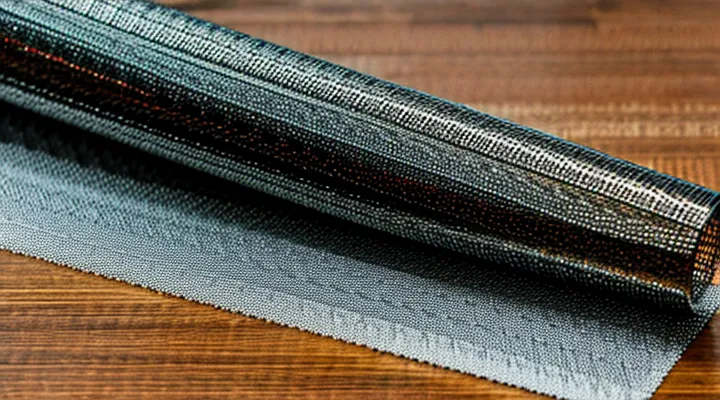
Why Metal Mesh for Rodent Control?
Understanding Rodent Behavior
How Mice Enter Your Home
Mice infiltrate residential structures by exploiting gaps, openings, and structural weaknesses. Their small size allows passage through spaces as narrow as ¼ inch, making even minor defects viable entry routes.
- Cracks in foundation walls or basement slabs
- Unsealed gaps around utility penetrations (pipes, cables, vents)
- Openings beneath doors and windows, especially where weather‑stripping is missing or damaged
- Holes in siding, soffits, or eaves, often created by weather or pests
- Unfinished or poorly fitted attic and crawl‑space vents
- Gaps around chimney flues, dryer exhausts, and HVAC ducts
- Loose or deteriorated floorboards and baseboards
Each point of ingress presents a direct line for rodents to reach food, shelter, and nesting material. Identifying and sealing these pathways reduces reliance on reactive measures and improves the effectiveness of any metal mesh barrier installed later. Selecting a mesh with appropriate gauge, corrosion resistance, and secure fastening options ensures that once entry points are closed, the remaining openings cannot be compromised by gnawing or environmental stress.
The Limitations of Other Rodent Control Methods
When evaluating rodent control options, several conventional methods reveal critical shortcomings that influence the decision to adopt a metal mesh barrier.
Traps rely on direct contact; they demand regular inspection, proper placement, and safe disposal of captured animals. Failure to maintain these practices leads to missed captures and ongoing infestation. Additionally, traps provide no long‑term exclusion; mice can re‑enter through any unsealed opening.
Poison baits introduce health risks. Non‑target species, including pets and wildlife, may ingest the product unintentionally. Bait resistance can develop, reducing efficacy over time. Moreover, poisoned rodents often die in hidden locations, creating secondary contamination and odor problems.
Ultrasonic emitters claim to repel rodents through high‑frequency sound. Field tests consistently show limited range, rapid habituation, and inconsistent performance across building materials. The devices do not address physical entry points, leaving structural gaps unprotected.
Glue boards capture mice without killing them, but they raise humane concerns and require frequent monitoring to prevent prolonged suffering. Adhesive surfaces lose effectiveness when dust or debris accumulates, and boards must be replaced often, increasing operational costs.
Wooden or plastic sealing strips may appear economical, yet they degrade under moisture, temperature fluctuations, and chewing. Gaps can reappear, allowing mice to bypass the barrier. Such materials lack the durability needed for permanent exclusion in high‑traffic or damp environments.
These limitations underscore why a robust metal mesh, engineered with appropriate gauge and aperture size, often presents the most reliable solution. The mesh provides continuous physical obstruction, resists environmental degradation, and eliminates reliance on behavioral deterrents or lethal agents.
Benefits of Metal Mesh
Durability and Longevity
Durability determines whether a metal mesh will withstand the constant gnawing, scratching, and cleaning cycles typical in rodent habitats. A mesh that deforms or corrodes quickly compromises animal safety and incurs replacement costs.
Material selection influences longevity. Stainless‑steel grades such as 304 or 316 resist rust and maintain structural integrity even after repeated sterilization. Galvanized steel offers lower upfront cost but may deteriorate under high humidity or acidic cleaning agents. Mesh thickness, measured in gauge, directly affects resistance to bending; a minimum of 18‑gauge provides reliable support for adult mice without excessive weight.
Environmental factors affect lifespan as well. Exposure to moisture, cleaning chemicals, and temperature fluctuations accelerates wear. Choose a coating that matches the cleaning regimen: powder‑coated finishes repel moisture, while epoxy layers protect against aggressive disinfectants. Verify that the mesh retains its shape after repeated flexing tests.
Warranty and manufacturer testing provide assurance of durability. Look for products backed by a minimum two‑year guarantee and documented fatigue testing that simulates daily handling. Independent certifications, such as ASTM F138 for stainless‑steel, confirm compliance with industry standards.
Key criteria for evaluating durability and longevity:
- Material type (stainless‑steel preferred, galvanized as secondary)
- Minimum gauge (18‑gauge or thicker)
- Protective coating compatible with cleaning chemicals
- Corrosion resistance rating (e.g., 304/316 grade)
- Warranty period and documented fatigue testing
By focusing on these parameters, buyers can select a metal mesh that endures prolonged use, minimizes maintenance, and ensures a safe environment for mice.
Non-Toxic and Humane Solution
When selecting a metal mesh for rodent containment, prioritize materials that pose no health risk to mice and allow humane handling. Non‑toxic alloys prevent leaching of harmful substances, while a design that avoids sharp edges reduces injury during capture and release.
Key attributes of a safe, humane mesh:
- Material composition – stainless steel or powder‑coated aluminum with food‑grade certification.
- Surface finish – smooth, rounded wires eliminate pinch points.
- Mesh size – openings small enough to prevent escape but large enough to avoid entanglement.
- Corrosion resistance – ensures longevity and maintains toxicity standards over time.
- Ease of cleaning – smooth surfaces allow thorough sanitation without abrasive tools.
Implement the following steps during purchase:
- Verify the supplier’s material safety data sheet for absence of lead, cadmium, or other hazardous elements.
- Inspect a sample for uniform wire spacing and absence of burrs.
- Confirm that the product meets relevant animal‑welfare regulations.
- Choose a design that integrates a removable panel for low‑stress animal release.
Adhering to these criteria guarantees a mesh that safeguards mouse health, facilitates humane treatment, and complies with industry safety standards.
Key Considerations When Choosing Metal Mesh
Mesh Material
Galvanized Steel Mesh
Galvanized steel mesh provides a rust‑resistant barrier that withstands the moisture and urine typical of mouse‑control environments. The zinc coating shields the underlying steel, extending service life and maintaining structural integrity even after prolonged exposure to damp conditions.
When selecting galvanized mesh for mouse exclusion, evaluate the following factors:
- Mesh opening size: Openings of ¼ inch (6 mm) or smaller prevent mice from squeezing through while allowing airflow.
- Wire gauge: A gauge of 16 AWG (≈1.3 mm) or thicker offers sufficient strength to resist chewing and tearing.
- Coating thickness: Look for a zinc thickness of at least 0.5 oz/ft²; thicker coatings reduce corrosion risk.
- Flexibility: A balance between rigidity and pliability eases installation around corners and irregular frames.
- Mounting options: Pre‑drilled holes or self‑tapping points simplify attachment to cages, enclosures, or walls.
- Cost per square foot: Compare price against durability; a higher upfront cost often yields lower replacement frequency.
Installation best practices include cleaning the surface to remove debris, using stainless‑steel fasteners to avoid galvanic reactions, and overlapping seams by at least 2 inches (5 cm) to eliminate gaps.
Galvanized steel mesh satisfies the primary requirements for mouse containment: durability, corrosion resistance, and appropriate aperture size. Its performance justifies selection for both temporary and permanent installations.
Stainless Steel Mesh
Stainless steel mesh offers the most reliable solution for mouse enclosures. Its composition provides corrosion resistance, structural integrity, and ease of sanitation, making it suitable for long‑term laboratory or pet use.
Key characteristics to evaluate:
- Corrosion resistance – stainless grades such as 304 or 316 withstand humidity and cleaning agents without rusting.
- Strength – higher gauge numbers (e.g., 18‑20 ga) prevent deformation under repeated handling.
- Mesh size – openings of 1 mm to 3 mm block escape while allowing airflow; select size based on mouse size and ventilation needs.
- Surface finish – polished or brushed finishes reduce bacterial adhesion and simplify cleaning.
- Compatibility – ensure the mesh can be securely welded or fastened to the cage frame without compromising structural integrity.
- Cost – higher grades and finer gauges increase price; balance budget against required durability and hygiene standards.
When purchasing, verify the material certification to confirm stainless grade, request dimensional drawings to match cage specifications, and inspect sample pieces for uniformity of weave. Selecting stainless steel mesh that meets these criteria ensures a safe, durable, and low‑maintenance environment for mice.
Copper Mesh
Copper mesh offers distinct advantages for mouse enclosures. Its high electrical conductivity eliminates static buildup, reducing stress on rodents. Natural antimicrobial properties inhibit bacterial growth on the surface, simplifying sanitation.
Key characteristics to evaluate:
- Mesh aperture – openings between 1 mm and 3 mm prevent escape while allowing airflow. Smaller apertures increase security but may restrict ventilation.
- Wire gauge – 18‑20 AWG provides sufficient strength to resist gnawing without adding excessive weight. Thinner gauges can deform under the animal’s pressure.
- Corrosion resistance – copper forms a protective patina that resists rust, extending product lifespan in humid environments.
- Flexibility – the metal bends without cracking, facilitating custom cuts for varying cage dimensions.
- Cost – price exceeds aluminum or steel options but remains competitive relative to specialty alloys, especially when long‑term durability is considered.
Installation tips:
- Measure cage dimensions precisely; add a 5 mm margin for secure fastening.
- Use stainless‑steel screws or rivets to avoid galvanic corrosion at attachment points.
- Apply a non‑toxic sealant to edges to prevent sharp burrs that could injure animals.
Safety considerations:
- Verify that the copper alloy complies with NSF/ANSI 51 standards for animal housing.
- Confirm that the mesh does not release copper ions at levels exceeding EPA limits for drinking water, even though ingestion risk is low for rodents.
Overall, copper mesh balances strength, hygiene, and longevity, making it a reliable choice for buyers seeking a robust barrier in mouse habitats.
Mesh Size and Gauge
Optimal Mesh Hole Size for Mice
When selecting a metal mesh for rodent enclosures, the diameter of each aperture determines whether a mouse can pass through, escape, or become injured. The optimal hole size balances containment with airflow and visual access.
A typical adult house mouse measures 70–100 mm in total length, with a body width of 15–20 mm. To prevent escape, mesh openings must be smaller than the smallest dimension of the animal’s skull and shoulders. Empirical testing and industry guidelines converge on the following limits:
- Maximum opening: 4 mm (≈ 0.16 in). This size blocks adult and juvenile mice while allowing adequate ventilation.
- Preferred opening: 2 mm (≈ 0.08 in). Provides a safety margin for unusually slender individuals and reduces the risk of limb entrapment.
- Minimum opening: 0.5 mm. Ensures structural integrity of the mesh and prevents corrosion or deformation over time.
Materials such as stainless steel or anodized aluminum maintain precise tolerances at these dimensions, even after repeated cleaning cycles. Coarse gauges (e.g., 18‑gauge) tend to warp under stress, potentially enlarging apertures; finer gauges (e.g., 22‑gauge) preserve the specified hole size.
When evaluating products, verify that manufacturers list the exact aperture measurement and provide certification that the mesh complies with rodent‑containment standards (e.g., ANSI/ISO 14720). Selecting a mesh with openings no larger than 4 mm, and preferably 2 mm, guarantees secure housing for mice while delivering the airflow needed for health and comfort.
Understanding Wire Gauge (Thickness)
When evaluating a metal mesh for rodent enclosures, the wire gauge—often expressed as a numerical gauge or millimeter thickness—directly determines strength, durability, and resistance to chewing. Lower gauge numbers indicate thicker wire, which provides greater rigidity and longer service life; higher numbers denote thinner wire, offering flexibility but reduced load‑bearing capacity.
Key considerations for gauge selection:
- Chew resistance: Thick wire (e.g., 18‑20 gauge) withstands persistent gnawing, preventing escape attempts and prolonging the mesh’s integrity.
- Structural support: Heavy‑gauge wire maintains shape under the weight of bedding, food dishes, and multiple animals, reducing sagging or deformation.
- Corrosion tolerance: Thicker metal holds protective coatings better, extending the period before rust or oxidation compromises the mesh.
- Compatibility with hole size: Gauge must align with the chosen aperture; a fine mesh with very small openings may require a slightly thicker wire to avoid distortion.
- Weight and handling: Thinner gauge reduces overall weight, facilitating transport and installation, but may necessitate additional framing for stability.
To match gauge with application, follow this guideline:
- Identify the species and typical chewing behavior; mice are aggressive chewers, so prioritize low gauge numbers.
- Determine the required aperture size for ventilation and containment; ensure the selected gauge can sustain that opening without bending.
- Assess environmental factors such as humidity or exposure to cleaning agents; opt for thicker gauge if corrosion risk is high.
- Verify that the supporting frame is rated for the chosen gauge; mismatched components can lead to premature failure.
By aligning wire thickness with durability, safety, and functional requirements, buyers secure a mesh that reliably contains mice while minimizing maintenance and replacement costs.
Installation Location and Method
Indoor vs. Outdoor Applications
Choosing the appropriate metal mesh for mouse control depends on whether the installation will be inside a building or exposed to the elements. Indoor environments demand materials that resist corrosion from humidity, are easy to clean, and fit standard door or vent sizes. Stainless‑steel grades such as 304 or 316 provide long‑term durability, while a mesh opening of ¼ inch prevents rodent entry without obstructing airflow. Welded seams should be smooth to avoid injury to occupants and to simplify maintenance.
Outdoor applications must withstand rain, UV radiation, and temperature fluctuations. Galvanized steel or powder‑coated aluminum offers protection against rust and sun damage. Mesh density can be reduced to ½ inch when wind resistance is a priority, but the opening must remain small enough to block mice. Secure fastening with rust‑proof screws and weather‑sealed joints prevents gaps caused by expansion or contraction.
Key selection points:
- Material: stainless‑steel for indoor, galvanized or coated metal for outdoor.
- Mesh size: ≤¼ inch for interior, ≤½ inch acceptable outdoors if wind load is a concern.
- Finish: smooth, easy‑to‑clean surfaces inside; corrosion‑resistant coating outside.
- Installation: use corrosion‑resistant fasteners; ensure airtight seams in both settings.
Securing the Mesh Effectively
When installing a metal mesh for rodent containment, a secure attachment prevents escapes and protects the enclosure’s integrity. Follow these precise actions:
- Align the mesh edges with the frame, leaving a 1‑2 mm overlap to accommodate fastening hardware.
- Use stainless‑steel screws or self‑tapping bolts sized for the mesh gauge; oversized fasteners can deform the material, while undersized ones may loosen.
- Pre‑drill clearance holes slightly larger than the screw shank to avoid tearing the mesh fibers.
- Apply a lock‑nut or locking washer on each fastener to resist vibration‑induced loosening.
- For large panels, add cross‑bracing strips behind the mesh, secured with additional screws at 12‑inch intervals, to distribute load evenly.
- Seal all joints with a silicone‑based sealant compatible with metal; this blocks gaps that mice could exploit.
- Perform a final tension test by pulling the mesh gently; any flexing indicates insufficient fastening and requires reinforcement.
Regularly inspect the attachment points for corrosion or wear, replacing compromised hardware promptly to maintain a hermetic barrier.
Budget and Cost-Effectiveness
Initial Investment vs. Long-Term Savings
Choosing a metal mesh for rodent enclosures involves weighing the upfront price against the expenses that accrue over the product’s lifespan. An expensive mesh often features a finer gauge, higher tensile strength, and corrosion‑resistant coating. These attributes reduce the frequency of replacement, lower the risk of animal escape, and diminish the need for repairs. Consequently, the total cost of ownership can be lower than that of a cheaper alternative that requires periodic replacement or frequent maintenance.
Key considerations for evaluating the trade‑off include:
- Material thickness – Thicker wire increases durability and resists bending; the initial cost rise is offset by fewer breakages.
- Coating quality – Galvanized or powder‑coated finishes protect against rust in humid environments, extending service life.
- Mesh size – Smaller apertures prevent escape but may add material cost; they also simplify cleaning by reducing debris accumulation.
- Warranty length – Longer warranties indicate manufacturer confidence and can reduce long‑term expenditure on replacements.
- Maintenance requirements – Mesh that tolerates routine cleaning without degradation reduces labor time and cleaning supplies.
An analysis of total cost of ownership should sum the purchase price, expected replacement interval, and recurring maintenance expenses. For example, a mesh priced at $120 with a ten‑year lifespan and minimal upkeep may be more economical than a $60 mesh that requires replacement every three years and incurs additional cleaning costs. By quantifying these variables, buyers can justify a higher initial outlay when it translates into measurable savings over the product’s operational period.
Practical Advice for Buyers
Where to Purchase Metal Mesh
Online Retailers
When purchasing a metal mesh for mouse enclosures, the choice of online marketplace directly influences product quality, price, and delivery reliability. Reputable platforms aggregate manufacturers, provide detailed specifications, and often include certification documents that confirm material safety for laboratory or pet use.
Key factors to evaluate on an e‑commerce site include:
- Detailed product data (mesh gauge, material composition, dimensions, corrosion resistance).
- Verified customer feedback that references durability and ease of cleaning.
- Transparent pricing that allows side‑by‑side comparison of equivalent items.
- Shipping terms guaranteeing prompt arrival and intact packaging.
- Return and warranty policies that cover defects or mismatched specifications.
Selecting a vendor with a robust verification process reduces the risk of receiving substandard mesh, such as low‑grade aluminum prone to tearing. Platforms that require sellers to upload test reports or compliance certificates add an extra layer of assurance.
Finally, consider the availability of support channels. Direct communication with the seller can clarify installation requirements, confirm compatibility with existing cage systems, and resolve any discrepancies before purchase. This proactive approach minimizes downtime and ensures the selected metal mesh meets the intended functional standards.
Hardware Stores
When purchasing metal mesh intended for rodent exclusion, the first point of contact is often the local hardware retailer. These establishments typically stock a range of gauges, mesh sizes, and finishes, allowing immediate comparison of physical characteristics without waiting for online delivery.
Key factors to evaluate in‑store include:
- Gauge (thickness): Lower numbers indicate thicker wire, providing greater resistance to chewing. For mouse control, a gauge of 20‑22 is generally sufficient.
- Opening size: Mesh openings must be smaller than the animal’s head width; ¼‑inch (6 mm) or less prevents entry.
- Material coating: Galvanized or stainless steel resists corrosion in damp environments such as basements or crawl spaces.
- Length and roll width: Standard rolls (10‑ft or 25‑ft) simplify cutting to fit doorways, vents, or gaps.
Hardware stores also offer ancillary tools—tin snips, wire cutters, and protective gloves—that streamline installation. Staff knowledgeable about building supplies can advise on securing mesh with appropriate fasteners, such as self‑drilling screws or heavy‑duty staples, to maintain structural integrity.
Finally, verify return policies and warranty terms. Many retailers accept unused portions within a set period, providing flexibility if the selected mesh does not meet the specific dimensions of a project. This combination of immediate product access, expert assistance, and supportive after‑sale conditions makes hardware outlets a practical source for selecting the right metal mesh for mouse prevention.
Specialty Suppliers
Specialty suppliers focus exclusively on metal mesh products designed for laboratory and pet‑care applications. Their catalogs typically include a range of gauges, weave patterns, and finishes that meet the strict hygiene and durability standards required for mouse enclosures.
When evaluating a specialty supplier, consider the following factors:
- Material certification – availability of ASTM, ISO, or USP documentation confirming metal composition and corrosion resistance.
- Manufacturing process – evidence of precision cutting, welding, and finishing methods that prevent sharp edges or burrs.
- Supply chain transparency – clear traceability from raw metal source to final product, reducing the risk of contaminants.
- Technical support – access to engineers or product specialists who can advise on mesh selection based on cage dimensions, ventilation needs, and animal welfare requirements.
- Return and warranty policies – defined terms for defective batches, ensuring rapid replacement without project delays.
Direct communication with a supplier’s product manager can reveal custom‑fabrication capabilities, allowing buyers to request specific mesh openings or coatings that standard distributors do not provide. Requesting sample swatches before bulk purchase verifies compatibility with cleaning protocols and cage hardware.
Specialty suppliers often maintain inventory of regulatory‑approved mesh, reducing the time needed for compliance verification. Selecting such a provider streamlines procurement, minimizes the likelihood of receiving substandard material, and supports consistent cage performance throughout research or breeding programs.
Measuring and Cutting Mesh
Essential Tools for Installation
Choosing the right metal mesh for rodent control is only half the process; proper installation depends on having the correct tools at hand. Using appropriate equipment ensures a secure fit, reduces damage to the mesh, and minimizes the risk of injury during assembly.
- Measuring tape or ruler – verifies dimensions before cutting.
- Metal mesh cutter or tin snips – provides clean, precise cuts.
- Wire cutters – trims excess wire and removes sharp edges.
- Pliers (needle‑nose) – bends and secures mesh corners.
- Utility knife – scores the mesh for easier handling.
- Drill with metal‑drilling bits – creates pilot holes for fasteners.
- Screwdriver set (flat‑head and Phillips) – installs screws or bolts.
- Level – checks alignment of the installed barrier.
- Marker or pencil – marks cut lines and drill points.
- Protective gloves and safety glasses – shield hands and eyes from sharp metal fragments.
Select tools made from durable materials, preferably with ergonomic grips, to maintain control and accuracy. Inspect each item for wear before each use; damaged cutters or dull drill bits can compromise the mesh integrity and extend installation time. Maintaining a well‑organized toolbox speeds the process and supports consistent, high‑quality results.
Safety Precautions
When purchasing a metal mesh for mouse enclosures, safety must be the primary criterion. A mesh that compromises health or durability defeats its purpose.
Key safety factors include:
- Material composition – Choose stainless steel, galvanized steel, or powder‑coated aluminum free of lead, cadmium, or other hazardous alloys. Verify the supplier’s material data sheet.
- Edge treatment – Ensure all cuts are deburred and edges are rounded or capped to prevent cuts to the animals or handlers.
- Opening size – The mesh aperture should be no larger than ¼ inch (6 mm) to stop escape and avoid entrapment of limbs.
- Structural strength – The gauge must support the weight of the cage and the activity of the mice without warping. Thicker gauges resist deformation under repeated cleaning.
- Corrosion resistance – Select meshes with corrosion‑inhibiting finishes that remain intact after exposure to cleaning agents and humidity.
Verification steps:
- Request certifications such as ISO 9001 or ASTM standards confirming material safety and dimensional accuracy.
- Inspect a sample for sharp edges, uneven spacing, or coating defects before bulk purchase.
- Establish a cleaning routine that uses non‑abrasive detergents; avoid acidic or bleach‑based solutions that can degrade coatings.
By adhering to these precautions, buyers secure a mesh that protects both the animals and the users while maintaining long‑term functionality.
Common Mistakes to Avoid
Inadequate Coverage
When a metal screen does not fully cover the intended area, mice can locate and exploit any opening. Gaps may appear at seams, corners, or where the mesh meets a frame; even a single millimeter‑wide breach can defeat the barrier.
Insufficient coverage allows rodents to enter, compromising the purpose of the enclosure, increasing the risk of damage and disease spread. It also forces the buyer to replace the product sooner, raising overall costs.
To verify adequate coverage, follow these steps:
- Measure mesh openings; select a size no larger than ¼ inch (6 mm) to block adult mice.
- Inspect all edges for overlaps; ensure seams are welded, stitched, or secured with a continuous strip of mesh.
- Confirm that the mesh extends beyond the frame by at least 1 inch (2.5 cm) on each side, allowing a secure fastening method.
- Use a light source or flashlight to reveal hidden gaps, especially around corners and attachment points.
Choosing a mesh that eliminates uncovered sections—through appropriate opening size, reinforced seams, and proper framing—provides a reliable barrier against mouse intrusion.
Improper Fastening
Improper fastening of a metal mesh compromises the safety and functionality of mouse enclosures. Loose joints allow rodents to escape, expose them to sharp edges, and create gaps where debris can accumulate. The structural integrity of the cage deteriorates quickly, leading to frequent repairs or replacement.
Key risks associated with inadequate fastening:
- Escape routes through unsealed seams
- Injury to mice from protruding wires or sharp edges
- Reduced durability, causing premature wear
- Increased cleaning difficulty due to trapped waste
To prevent these issues, follow a systematic verification process when evaluating a mesh product:
- Inspect each connection point for tight, uniform screws or welding seams.
- Confirm that the mesh edges are trimmed flush with the frame, eliminating overhangs.
- Test the enclosure by applying moderate pressure to detect any movement or flex.
- Verify that the manufacturer provides clear instructions for re‑tightening fasteners as the mesh ages.
Choosing a mesh with robust, well‑engineered fastening mechanisms ensures reliable containment, minimizes maintenance, and protects the health of the mice.
Ignoring Small Gaps
When selecting a metal mesh for rodent containment, overlooking openings that appear negligible can compromise the entire system. Mice can pass through spaces as small as 6 mm, so any gap exceeding this dimension creates a direct escape route.
The size of the mesh aperture determines whether a mouse can squeeze through. Mesh rated at “1 mm” may still contain larger measured gaps due to manufacturing tolerances or deformation during installation. Ignoring these variations leaves a hidden vulnerability that defeats the purpose of the barrier.
- Verify the nominal opening size and the maximum tolerance listed by the manufacturer.
- Measure a sample of the mesh with a calibrated caliper before purchase.
- Choose a mesh with an aperture at least 2 mm smaller than the smallest mouse that could be encountered.
- Prefer welded or reinforced edges to prevent widening under stress.
- Inspect the finished product for warped or damaged sections that could enlarge gaps.
Ensuring that every opening remains below the critical threshold eliminates the risk of unnoticed breaches. A disciplined review of specifications and physical measurements prevents the false security that results from ignoring small gaps.
Maintaining Your Metal Mesh Barrier
Regular Inspection for Damage
Signs of Wear and Tear
When evaluating a metal mesh intended for mouse enclosures, the first step is to verify that the material remains intact and safe. Any deterioration can compromise containment, cause injury, or allow escape.
Common indicators that the mesh has deteriorated include:
- Rust or corrosion covering any portion of the surface.
- Broken, bent, or missing wires that create gaps larger than the animal’s size.
- Sharp or jagged edges that appear after repeated handling or cleaning.
- Discoloration or chalky residue suggesting oxidation beneath the coating.
- Noticeable sagging or loss of tension when the mesh is gently pressed.
- Unusual squeaking or rattling sounds produced by flexing the panel.
- Accumulation of debris that cannot be removed through routine cleaning, indicating that holes have widened.
To confirm these signs, perform a visual sweep under adequate lighting, run a fingertip along each strand to feel for irregularities, and apply light pressure to test flexibility. If any of the listed conditions are observed, the mesh should be removed from service.
Replacement is advisable as soon as a single defect is detected. Even minor rust can spread rapidly, and a single compromised wire may allow an escape. Regular inspections—at least once a month for active cages and quarterly for storage units—help ensure that wear does not go unnoticed. When in doubt, err on the side of safety and install a new panel.
Addressing Breaches Promptly
When a metal mesh used for mouse housing develops a breach, the integrity of the enclosure is immediately compromised. Prompt identification and repair prevent escape, injury, and contamination of the laboratory environment.
- Inspect the mesh daily; focus on corners, seams, and welds where stress concentrates.
- Use a magnifying lens to detect hairline cracks that are invisible to the naked eye.
- Record any damage in a maintenance log, noting location, size, and date of discovery.
Once a breach is confirmed, act without delay:
- Isolate the affected cage to eliminate exposure to other animals.
- Remove the damaged section with wire cutters, preserving surrounding structure.
- Replace the segment using a mesh piece of identical gauge and weave pattern; secure with stainless‑steel screws or rivets rated for the same load.
- Apply a rust‑resistant sealant to all joints, ensuring a smooth, continuous barrier.
- Conduct a pressure test by applying gentle air flow; verify that no air passes through the repaired area.
Preventive measures reduce the frequency of breaches:
- Choose mesh with a minimum tensile strength of 300 MPa; higher strength resists deformation under handling.
- Prefer welded seams over mechanical fasteners; welds provide a continuous barrier.
- Store mesh flat, avoiding bends that create fatigue points.
- Implement a quarterly audit of all cages, documenting mesh condition and replacement schedule.
Suppliers that offer rapid replacement parts and clear warranty terms facilitate swift remediation. Verify that the vendor supplies pre‑cut sections matching the standard dimensions of your enclosures, and confirm that technical support is available for emergency repairs.
Cleaning and Upkeep
Removing Debris
When evaluating a metal mesh for rodent enclosures, the ability to keep the surface free of debris directly affects durability and hygiene. Accumulated particles can corrode the mesh, obstruct airflow, and create hiding spots for pests. Selecting a product that facilitates easy cleaning reduces maintenance time and prolongs the lifespan of the enclosure.
Key considerations for debris removal:
- Mesh aperture size – openings large enough to allow debris to fall through prevent buildup on the surface.
- Material finish – polished or powder‑coated steel resists adhesion of dust and droppings, making wiping or vacuuming more effective.
- Frame design – detachable or hinged frames enable quick access to the interior, allowing thorough cleaning without disassembly of the entire structure.
- Compatibility with cleaning tools – smooth edges accommodate brushes, compressed‑air nozzles, and low‑pressure vacuums without damaging the mesh.
Practical steps for maintaining a clean mesh:
- Sweep the surface with a soft brush to dislodge loose particles.
- Apply a mild detergent solution and wipe with a lint‑free cloth; avoid abrasive cleaners that may scratch the coating.
- Rinse with water and dry immediately to prevent rust formation.
- Inspect the mesh for trapped debris in corners or joints; use a narrow brush or compressed air to clear hidden areas.
- Schedule regular inspections—monthly for high‑traffic enclosures, quarterly for occasional use.
By prioritizing these attributes and following a consistent cleaning regimen, buyers ensure that the metal mesh remains functional, safe, and visually clean throughout its service life.
Preventing Rust and Corrosion
When selecting a metal mesh for rodent enclosures, rust and corrosion can compromise structural integrity, create sharp edges, and introduce toxic residues. Preventing these issues extends the product’s lifespan and maintains a safe environment for the animals.
- Choose corrosion‑resistant alloys such as 304 or 316 stainless steel; their chromium content forms a protective oxide layer.
- Opt for meshes with powder‑coat, epoxy, or galvanised finishes; these coatings shield the base metal from moisture and chemicals.
- Avoid exposing the mesh to acidic or salty solutions; rinse with neutral pH water after cleaning.
- Store the mesh in a dry, well‑ventilated area; humidity accelerates oxidation.
- Implement a regular inspection schedule; replace or re‑coat sections showing early signs of pitting or discoloration.