
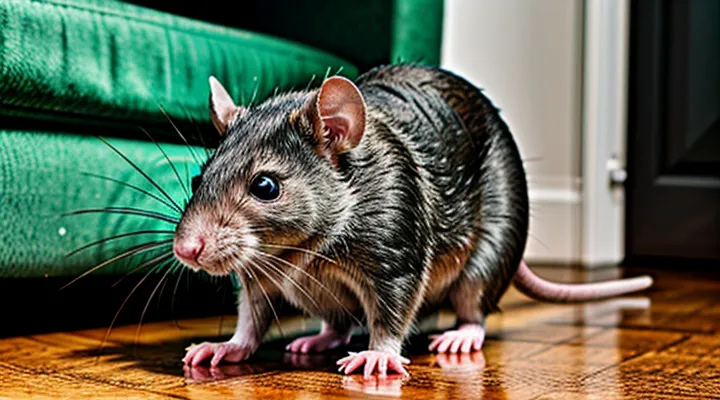
Understanding Rat Behavior and Needs
Basic Rat Psychology
Social Structures in Rats
Rats live in complex social groups where each individual occupies a specific position within a hierarchy. The hierarchy is fluid, allowing rapid re‑ordering after conflicts or changes in group composition. Dominance is expressed through posturing, chasing, and occasional biting, while subordinate members display avoidance and submissive gestures.
Key components of rat social organization include:
- «dominance» displays that establish rank and reduce ambiguity;
- «grooming» interactions that reinforce bonds and lower stress;
- vocalizations such as ultrasonic squeaks, which convey alarm or location information;
- scent marking using urine and cheek secretions, which provides identity cues;
- coordinated foraging and nesting activities that enhance group cohesion.
Communication relies heavily on olfactory and auditory signals. Scent cues convey reproductive status, health, and individual identity, while ultrasonic calls transmit immediate alerts about predators or food sources. Visual cues, though less prominent, involve body language such as raised fur and tail positioning.
Understanding these structures informs effective relationship building with a domestic rat. Recognizing the dominant individual helps avoid inadvertent challenges that could provoke aggression. Providing opportunities for mutual grooming and shared enrichment supports the natural affiliative behaviors that underlie trust. Consistent exposure to the same scent markers, through bedding or handling, reinforces familiarity and reduces anxiety, facilitating a smoother integration of the pet into the owner’s routine.
Communication Cues
Effective interaction with a pet rat depends on recognizing and responding to its natural communication signals. Rats convey intent through body posture, vocalizations, and scent markings; interpreting these cues establishes trust and reduces stress.
Body posture provides immediate feedback. A relaxed rat displays a smooth, elongated spine, flattened ears, and a calm, steady breathing pattern. Tension appears as a stiffened back, raised fur, or rapid, shallow breaths. Approaching a rat with a low, steady stance mirrors its natural curiosity and encourages approach.
Vocalizations accompany physical signals. Soft squeaks often indicate contentment, while high‑pitched chirps signal excitement or a desire for attention. Rapid, repetitive squeaking may denote agitation; in such cases, pause interaction and allow the rat to retreat.
Scent communication operates continuously. Rats use scent glands on their cheeks and flanks to mark familiar objects. When a rat rubs its cheeks against a hand, it deposits scent, reinforcing a sense of safety. Respecting these markings by handling the animal gently and avoiding strong odors supports a stable environment.
Practical guidelines for interpreting cues:
- Observe posture before initiating contact; proceed only if the rat appears relaxed.
- Listen for low‑tone squeaks; treat them as invitations for gentle handling.
- Respond to high‑pitched alerts by reducing movement and offering space.
- Notice cheek rubbing; interpret it as a positive acknowledgment of the caregiver’s presence.
- Maintain a consistent scent profile in the habitat; limit use of scented cleaners or strong fragrances.
Applying these observations consistently creates a predictable communication loop, fostering a bond that encourages cooperation and mutual comfort.
Creating a Safe and Stimulating Environment
Cage Setup Essentials
A suitable enclosure for a pet rat must meet specific criteria to promote health and comfort. The cage should be spacious enough for active exploration; a minimum floor area of 60 × 40 cm per pair of rats is recommended. Bar spacing must not exceed 1 cm to prevent escapes, and the material should be rust‑resistant and easy to clean.
Key components of an optimal setup include:
- Bedding: Use absorbent, dust‑free substrate such as paper‑based pellets; avoid wood shavings that can cause respiratory irritation.
- Hideouts: Provide multiple closed spaces, for example wooden houses or ceramic tunnels, to satisfy natural nesting instincts.
- Climbing structures: Install ladders, branches, or rope toys to encourage exercise and mental stimulation.
- Food and water dispensers: Choose sturdy, tip‑proof containers; replace water daily to maintain hygiene.
- Cleaning tools: Keep a dedicated brush, scraper, and mild disinfectant for routine maintenance without harsh chemicals.
Temperature should remain between 18 °C and 24 °C, with no direct drafts. Lighting cycles of 12 hours mimic natural rhythms and support circadian health. Regular inspection of bars, locks, and accessories prevents wear that could jeopardize safety.
Implementing these elements creates a stable environment that facilitates bonding and trust between the rat and its caretaker.
Enrichment and Toys
Enrichment creates a stimulating environment that encourages natural behaviors and strengthens trust between a domestic rat and its caregiver. Providing diverse sensory experiences reduces stress, promotes exploration, and facilitates the development of a positive association with human interaction.
Key categories of toys include:
- Chewable items such as untreated wooden blocks, natural willow branches, and safe mineral chews; these satisfy the animal’s instinct to gnaw and protect dental health.
- Climbing structures like lattice towers, rope ladders, and plastic tunnels; they enable vertical movement, improve agility, and mimic burrowing habitats.
- Foraging tools such as treat-dispensing balls, hidden food caches, and puzzle boxes; they engage problem‑solving abilities and extend feeding time.
Effective enrichment requires regular rotation to prevent habituation. Introduce new objects gradually, observe the rat’s response, and remove any damaged or soiled items promptly. Cleaning protocols should involve mild, unscented soap and thorough rinsing, followed by complete drying before reuse. Safety checks must confirm that all components lack sharp edges, toxic coatings, or loose parts that could be ingested.
Consistent application of these practices supports mental vitality, encourages active play, and reinforces the bond that underlies successful companionship with a pet rat.
The Taming Process
Initial Acclimation
Giving Space and Time
Providing a rat with adequate space and sufficient time to adjust is essential for establishing trust. Rats are naturally cautious; sudden handling or confinement can trigger stress responses that hinder social development.
Practical guidelines:
- Allow the animal to explore the cage freely for several minutes after each cleaning session; avoid immediate contact.
- Schedule short, consistent interaction periods, gradually extending duration as the rat shows relaxed behavior.
- Position food and enrichment items near the front of the enclosure to encourage the rat to approach without feeling threatened.
- Observe body language; relaxed whiskers, gentle grooming, and calm movement indicate readiness for closer contact.
When the rat voluntarily approaches the hand, extends its nose, or accepts treats from a fingertip, the environment has likely provided sufficient space and time for confidence to grow. Continued patience reinforces a positive association, laying the groundwork for a lasting companionship.
Scent Recognition
Rats rely heavily on olfactory cues to identify individuals, establish hierarchies, and assess safety. The nasal epithelium detects volatile compounds secreted from glands on the head, feet, and tail, allowing rapid discrimination between familiar and unfamiliar conspecifics. This innate ability forms the foundation of social interaction and reduces stress during encounters.
When introducing a new rat or strengthening an existing bond, scent can be employed deliberately. Applying a small amount of the animal’s own bedding or a scent‑free cloth to the owner’s hands transfers familiar odors, signaling a non‑threatening presence. Consistent exposure to the same scent profile encourages the rat to associate the caretaker with safety and companionship.
Practical steps for scent‑based bonding:
- Place a piece of used bedding in the hand before gentle petting.
- Rub a clean cotton swab on the rat’s cheek, then press it to the palm to convey the animal’s scent.
- Rotate the scented cloth daily to maintain a fresh, recognizable aroma.
- Avoid strong fragrances, cleaning agents, or food odors that can mask the rat’s natural scent.
By integrating these olfactory techniques, caregivers foster trust without reliance on visual cues or prolonged handling, leading to a calmer, more cooperative pet.
Building Trust Through Interaction
Gentle Handling Techniques
Gentle handling begins with a calm environment. Dim lighting and minimal noise reduce a rat’s startle response, allowing the animal to focus on tactile cues rather than external threats.
Before initial contact, wash hands with mild soap and dry thoroughly. Residual scents from food or chemicals can trigger aversion; clean hands present a neutral scent that rats readily accept.
Approach the cage slowly, extending a fingertip toward the rat’s nose. Allow the animal to sniff the hand; this olfactory exchange signals safety. When the rat shows relaxed posture—ears forward, whiskers unfurled—gradually slide the hand under its torso, supporting the chest and hindquarters simultaneously.
Maintain a steady grip without squeezing. The pressure should be firm enough to prevent escape yet gentle enough to avoid bruising. Hold the rat close to the body, limiting vertical movement that could cause disorientation.
Practice the following sequence daily:
- Offer a treat from the fingertips to associate touch with positive reinforcement.
- Pause for a few seconds after the rat climbs onto the hand, allowing it to adjust.
- Gently lift the rat no higher than shoulder level, keeping the body aligned with the forearm.
- Place the rat back onto a secure surface, such as a soft mat, before releasing the grip.
Consistent repetition builds trust. Over weeks, the rat will seek out the hand voluntarily, indicating successful gentle handling. «Gentle touch builds trust» encapsulates the principle that careful, low‑stress contact fosters a lasting bond between caretaker and pet rat.
Positive Reinforcement
Positive reinforcement is the most reliable method for encouraging desired behaviors in a domestic rat. The technique relies on delivering a rewarding stimulus immediately after the target action, which increases the likelihood that the animal will repeat the behavior.
Effective reinforcement requires three elements:
- A clear, observable action (e.g., approaching a hand, stepping onto a platform).
- A consistent, high‑value reward (small pieces of fruit, seed mix, or a clicker‑paired treat).
- Precise timing, typically within one second of the behavior, to create a strong association.
When introducing a new cue, start with a simple task and reward every successful attempt. Gradually increase the criteria, rewarding only closer approximations of the final goal. This process, known as shaping, builds complex actions without overwhelming the rat.
Avoid using punishment or negative stimuli, as they can cause stress and impede trust. Maintain a predictable schedule; irregular reinforcement reduces learning speed and may lead to confusion.
Long‑term success depends on consistency. Reinforce the same behavior each time it occurs, and gradually reduce the frequency of rewards once the action becomes habitual. The animal will continue to perform the behavior for intrinsic satisfaction, reinforcing the bond between owner and pet.
Playtime and Bonding Activities
Playtime provides the primary avenue for establishing trust with a pet rat. Regular interaction reduces fear, encourages curiosity, and reinforces positive associations with the caregiver.
- Offer a secure tunnel system; allow the rat to explore at its own pace, rewarding emergence with gentle hand contact.
- Introduce chew‑safe toys such as wooden blocks, untreated wicker, or paper tubes; rotate items weekly to maintain novelty.
- Conduct foraging games by hiding small pieces of fruit or vegetable in shredded paper; the rat’s natural scavenging behavior translates into mental engagement.
- Practice brief hand‑target training; use a soft pointer (e.g., a wooden stick) and reinforce touch with a treat, building precision and focus.
- Schedule short, daily “play sessions” lasting five to ten minutes; consistency deepens the rat’s expectation of interaction.
«Rats thrive on mental stimulation», a principle supported by rodent‑behavior research. Combining tactile, olfactory, and problem‑solving activities creates a multifaceted bonding experience that strengthens the human‑rat relationship.
Common Challenges and Solutions
Overcoming Shyness or Fear
Patience and Consistency
Patience and consistency form the foundation of any successful effort to build trust with a domesticated rat. The animal’s natural wariness requires time for habituation to human presence; rushing the process often triggers defensive behavior that erodes confidence.
Key practices reinforce steady progress:
- Offer food from the hand at the same time each day, allowing the rat to approach voluntarily.
- Maintain a calm voice and slow movements during interactions; abrupt gestures increase stress.
- Limit handling sessions to brief intervals initially, extending duration only after the rat shows relaxed posture.
- Keep the cage environment stable: avoid frequent rearrangement of toys or bedding, which can create uncertainty.
Gradual exposure to handling, paired with predictable routines, encourages the rat to associate humans with safety and reward. Over weeks, observable signs—such as approaching the hand, grooming while being held, or displaying relaxed breathing—indicate that patience and consistency have cultivated a lasting bond.
Desensitization Methods
Desensitization refers to a systematic reduction of a rat’s fear response through controlled, incremental exposure to stimuli that initially provoke anxiety. The process builds tolerance, allowing the animal to accept human interaction without distress.
Effective desensitization follows a predictable sequence:
- Begin with visual contact only; place the rat’s cage within easy view but avoid direct handling for several days.
- Introduce the scent of the handler by rubbing a clean cloth on the hands and placing it near the cage for short periods.
- Progress to hand presence; keep the hand stationary above the cage for a few seconds, then gradually increase duration.
- Add gentle auditory cues, such as soft talking, to familiarize the rat with the human voice.
- Initiate brief, light touches on the back or head, starting with a single fingertip and extending to a full hand over successive sessions.
- Incorporate offering treats directly from the hand, reinforcing positive association with proximity.
Each step should be repeated until the rat shows no sign of avoidance or stress before advancing. Consistency in timing and environment enhances the reliability of the method. Successful application results in a calm, cooperative companion ready for more extensive handling and bonding activities.
Dealing with Nipping or Aggression
Identifying the Cause
Observing a rat’s reactions provides the first clue to why trust does not develop. Fear, pain, or an unfamiliar environment often trigger avoidance or aggression. Recognizing the specific trigger enables targeted adjustments that promote a calm, cooperative demeanor.
To pinpoint the trigger, follow a systematic assessment:
- Record the exact moment when the rat withdraws or bites; note time of day, recent handling, and surrounding noises.
- Examine the habitat for excessive temperature fluctuations, loud equipment, or insufficient hiding places.
- Conduct a health check for signs of illness, dental problems, or injuries that could cause discomfort.
- Evaluate the diet for sudden changes, unbalanced nutrition, or spoiled food that may affect mood.
- Compare interactions with different people; inconsistent handling techniques can create uncertainty.
Interpretation of body language refines the diagnosis. A flattened tail, rapid breathing, or teeth‑grinding indicate stress, whereas relaxed posture, grooming, and exploratory movement suggest confidence. Matching observed signals with environmental or health factors isolates the root cause, allowing corrective measures such as habitat enrichment, medical treatment, or consistent handling routines. Once the cause is eliminated, the rat becomes receptive to bonding activities.
Behavioral Modification
Behavioral modification provides a reliable framework for establishing trust with a domestic rat. The process relies on consistent reinforcement of desired actions while minimizing stressors that trigger avoidance.
Positive reinforcement, gradual exposure, and routine create a predictable environment. Reinforcement should involve small, high‑value treats delivered immediately after the targeted behavior. Gradual exposure introduces new stimuli—such as handling, cage cleaning, or novel objects—in short, controlled intervals, allowing the animal to adjust without becoming frightened. Routine ensures that cues, timing, and handling techniques remain unchanged, reinforcing the association between the caretaker’s presence and safety.
Practical steps for applying behavioral modification:
- Identify a specific behavior to encourage (e.g., approaching the hand).
- Pair the behavior with an immediate, edible reward.
- Repeat the pairing several times per session, maintaining short intervals between attempts.
- Increase the difficulty gradually, such as extending the hand’s reach or adding a mild distraction.
- Record progress to adjust the reinforcement schedule as needed.
Common errors include inconsistent timing of rewards, excessive force during handling, and introducing too many changes simultaneously. Corrections involve returning to a baseline level of difficulty, ensuring reward delivery occurs within seconds of the desired action, and maintaining a calm, steady voice throughout sessions. Following these guidelines accelerates the development of a cooperative, sociable rat.
Maintaining a Strong Bond
Daily Routine and Attention
Feeding and Treats
A balanced diet forms the foundation of a healthy relationship with a pet rat. Commercial rodent pellets provide consistent nutrition; select a high‑quality brand with adequate protein (18‑20 %). Complement pellets with fresh vegetables such as carrots, broccoli, and leafy greens. Introduce new vegetables gradually, monitoring for digestive tolerance.
Fresh water must be available at all times. Use a sipper bottle to maintain cleanliness and prevent spillage. Replace water daily and clean the bottle weekly to avoid bacterial growth.
Treats serve as positive reinforcement during training and bonding sessions. Suitable options include:
- Small pieces of cooked chicken or boiled egg, no more than a few grams per week.
- Unsalted nuts, limited to one half‑almond or walnut fragment weekly.
- Dried fruits such as raisins or apricots, offered sparingly because of high sugar content.
- Commercial rat treats formulated without added sugars or artificial colors.
Treat frequency should not exceed 5 % of total caloric intake. Overfeeding leads to obesity, which impairs mobility and reduces willingness to engage.
Avoid foods toxic to rodents: chocolate, caffeine, citrus peels, onions, garlic, and raw beans. These substances can cause severe health issues and undermine trust.
Establish a consistent feeding schedule, offering meals at the same times each day. Predictable routines reduce stress and encourage the rat to approach the caretaker for food, strengthening the bond.
Regular Handling
Regular handling creates a predictable interaction pattern that reduces a rat’s wariness and encourages calm responses. Consistent contact teaches the animal that human touch is safe, which in turn facilitates easier grooming, health examinations, and daily care.
- Begin with short sessions of one to two minutes, increasing duration as the rat shows comfort.
- Approach from the side rather than from above to avoid triggering a flight response.
- Offer a flat, open palm; allow the rat to sniff before attempting to lift.
- Support the body with both hands, cradling the torso while keeping the head free.
- Perform gentle strokes along the back, avoiding the tail and hindquarters initially.
- Conduct handling at the same time each day to reinforce routine.
Steady handling leads to reduced stress markers, smoother handling during veterinary visits, and a stronger mutual trust that underpins a successful companionship with a pet rat.
Health and Well-being
Recognizing Illness
Recognizing illness in a rat companion is essential for maintaining a healthy bond. Early detection prevents suffering and supports the trust built between owner and animal.
Typical indicators include:
- Reduced food or water intake, leading to noticeable weight loss.
- Dull or ragged fur, especially around the back and tail.
- Lethargy, reluctance to move, or hiding more than usual.
- Nasal or ocular discharge, which may appear clear, yellow, or bloody.
- Labored breathing, wheezing, or audible snoring.
- Diarrhea or abnormal stool consistency, often accompanied by a foul odor.
- Unexplained bleeding from the mouth, nose, or rear end.
- Swelling or lumps under the skin, particularly on the abdomen or hindquarters.
Behavioral changes, such as aggression or sudden calmness, can also signal discomfort. Regular observation of daily routines allows quick identification of deviations.
When any of these signs persist for more than 24 hours, immediate veterinary consultation is advised. Prompt professional assessment reduces the risk of severe complications and reinforces the well‑being of the pet rat.
Veterinary Care
Proper veterinary care establishes a foundation of trust between an owner and a pet rat. Routine health examinations provide early detection of issues that could hinder bonding. A qualified small‑animal veterinarian should perform a comprehensive check at least once a year, assessing weight, coat condition, respiratory sounds, and musculoskeletal health.
Preventive measures reduce the likelihood of disease and promote a comfortable environment for the animal. Key actions include:
- Balanced diet rich in protein, fiber, and vitamin C; avoid sugary or fatty treats.
- Fresh water supplied daily; use a bottle with a sipper to prevent contamination.
- Clean cage weekly; replace bedding and sanitize food dishes to limit parasites.
- Enrichment items such as chew toys and tunnels to encourage natural behaviors and prevent stress‑related ailments.
Dental health requires particular attention because rats’ incisors grow continuously. Regular inspection of tooth length and alignment prevents malocclusion, which can cause pain and reluctance to eat, undermining the relationship.
Early recognition of illness accelerates treatment. Observable indicators comprise nasal discharge, wheezing, wheezy breathing, lethargy, loss of appetite, or abnormal stool. Any deviation from normal activity warrants prompt veterinary consultation.
In emergencies—severe bleeding, sudden collapse, or uncontrolled bleeding from a wound—immediate professional care is critical. Time‑sensitive intervention preserves the rat’s health and sustains the bond built through attentive caregiving.