
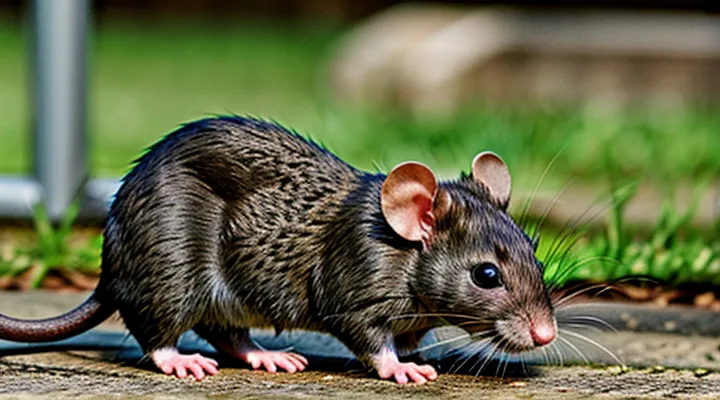
Understanding Rat Reproductive Cycles
What is a Rat's Reproductive Lifespan?
Average Lifespan
Rats live relatively short lives, which directly influences how many litters they can produce each year. In the wild, most species survive 12–18 months, while domesticated varieties often reach 2–3 years under optimal conditions. This limited lifespan means a typical rat can experience only a few reproductive cycles before death.
Key lifespan figures:
- Wild brown rat (Rattus norvegicus): 12–18 months average; occasional individuals live up to 2 years.
- Laboratory or pet rats: 2–3 years average; some reach 4 years with meticulous care.
- Black rat (Rattus rattus): 12–24 months average; rare cases of 3‑year survival.
Short life expectancy compresses the breeding window. A rat that lives 18 months can produce roughly three to four litters, assuming a gestation period of about 21‑23 days and a postpartum interval of 3‑4 weeks before the next conception. Longer‑lived individuals, such as well‑cared pet rats, may achieve five or more litters over a three‑year span.
Consequently, the average lifespan sets an upper bound on annual breeding frequency: the shorter the life, the fewer total litters a rat can generate before mortality curtails reproduction.
Reproductive Maturity
Rats reach reproductive maturity rapidly. Female rats (does) typically become fertile between 5 and 6 weeks of age, while males attain sexual capability at a similar developmental stage. Puberty is marked by the onset of estrous cycles in females and the appearance of mature spermatozoa in males.
Early sexual maturity enables multiple breeding cycles within a single calendar year. Once an adult female experiences her first estrus, she can conceive approximately every 4–5 days, given the short gestation period of 21–23 days and a brief postpartum estrus. Consequently, a single female can produce several litters annually, provided adequate nutrition and environmental conditions.
Key parameters influencing the annual breeding frequency:
- Age at first conception: 5–6 weeks
- Estrous cycle length: 4–5 days
- Gestation duration: 21–23 days
- Postpartum estrus: occurs immediately after delivery
- Potential litters per year: up to 8–10 under optimal conditions
These biological milestones dictate the high reproductive output of rats, directly affecting the number of breeding events they can complete within a year.
Key Factors Influencing Breeding Frequency
Species of Rat
Rats belong to several species, each exhibiting distinct reproductive patterns that influence overall breeding frequency. The most studied species are the brown rat (Rattus norvegicus), the black rat (Rattus rattus), and the Asian house rat (Rattus tanezumi). Their physiological traits, habitat preferences, and seasonal responses determine how many litters they can produce annually.
- Brown rat (Rattus norvegicus): Gestation lasts about 21–23 days. Females can become fertile again within 24–48 hours after giving birth, allowing up to 5–7 litters per year in temperate regions. Litter size averages 6–12 pups.
- Black rat (Rattus rattus): Similar gestation period (20–22 days). Breeding peaks during warmer months, typically yielding 4–6 litters annually. Average litter size ranges from 5 to 10.
- Asian house rat (Rattus tanezumi): Slightly shorter gestation (18–20 days). In tropical environments, females may produce 6–8 litters each year, with litters of 6–9 young.
Factors affecting reproductive output include food availability, photoperiod, and ambient temperature. In controlled laboratory settings, optimal conditions can push breeding rates beyond natural limits, reaching up to 10 litters per year for R. norvegicus. Conversely, harsh climates or limited resources may reduce the number of cycles to as few as three per year.
Understanding species-specific breeding capacities is essential for population management, pest control strategies, and biomedical research that relies on predictable reproductive cycles.
Environmental Conditions
Rats can produce multiple litters each year, but the number of reproductive cycles is tightly linked to external factors. Temperature, food supply, daylight length, humidity, and population density each modify physiological readiness and gestation intervals, thereby altering the annual breeding count.
- Temperature: Ambient warmth above 20 °C accelerates estrous cycles; cooler conditions extend inter‑litter intervals.
- Food availability: Abundant, high‑energy diets shorten the postpartum recovery period, enabling earlier conception.
- Photoperiod: Longer daylight periods stimulate hormonal activity that favors more frequent ovulations.
- Humidity: Moderate humidity (50–70 %) supports optimal nest conditions; extreme dryness or moisture can suppress mating behavior.
- Population density: Moderate crowding increases social cues that trigger breeding, while extreme overcrowding raises stress hormones and reduces litter frequency.
Seasonal shifts that combine favorable temperature, ample nutrition, and extended daylight typically allow rats to achieve three to five litters annually, whereas adverse conditions may limit reproduction to one or two cycles.
Food Availability
Food supply directly determines the number of reproductive cycles a rat can complete each year. When calories and nutrients are abundant, females reach sexual maturity earlier, experience shorter intervals between litters, and can produce up to seven litters annually. In contrast, limited food resources extend the time needed for females to regain body condition after gestation, reducing the breeding interval to three or four litters per year.
Key physiological responses to food availability:
- Accelerated estrus onset when energy intake exceeds maintenance levels.
- Increased litter size under high‑protein diets.
- Shortened postpartum estrus interval in well‑fed females.
During periods of scarcity, rats prioritize survival over reproduction. Energy deficits suppress gonadotropin release, delay ovulation, and may trigger embryonic resorption. Consequently, the annual reproductive output declines sharply, often halving the potential maximum.
Seasonal fluctuations in natural habitats illustrate this pattern: populations surge in spring and summer when seeds and insects are plentiful, then contract in winter when food becomes scarce. Laboratory studies confirm that controlled feeding regimes can manipulate the number of breeding cycles, confirming food availability as the primary driver of annual rat reproductive frequency.
Predation Pressure
Predation pressure constitutes the combined impact of natural enemies—such as owls, foxes, snakes, and domestic cats—on rat populations. High predation rates increase mortality among adult and juvenile rats, thereby altering the reproductive strategy of surviving individuals.
Elevated mortality accelerates sexual maturation; rats in heavily predated environments reach breeding age earlier than those in low‑predation settings. Early maturation expands the window for producing litters within a calendar year, effectively raising the annual breeding frequency.
Typical breeding frequencies observed under different predation regimes:
- Low predation: 4–5 litters per year, average interval 3–4 weeks between litters.
- Moderate predation: 5–6 litters per year, interval 2.5–3 weeks.
- High predation: 6–7 litters per year, interval 2 weeks or less.
These patterns reflect a compensatory response: increased litter production offsets heightened loss of individuals. Consequently, rat populations can sustain or even expand despite intense predation, provided food resources remain adequate.
The Mechanics of Rat Breeding
Gestation Period
Rats reach sexual maturity at 5‑6 weeks, and the interval between successive litters depends primarily on the length of gestation and the rapid return to estrus after birth. The gestation period lasts 21‑23 days, with 22 days being the average for laboratory and wild species. Temperature, nutrition, and strain influence the exact duration; for example, colder environments can extend gestation by one to two days, while optimal conditions maintain the 22‑day interval.
During gestation, fetal development proceeds rapidly: organogenesis completes by day 14, and the pups gain weight steadily until birth. The short gestation allows a female rat to produce multiple litters within a calendar year. After delivering a litter, the mother experiences postpartum estrus within 12‑24 hours, enabling immediate re‑mating.
Key parameters affecting annual breeding frequency:
- Gestation: 21‑23 days (average 22 days)
- Post‑partum estrus: 12‑24 hours after parturition
- Weaning: 21‑28 days, after which females can be re‑bred
- Potential litters per year: 6‑8, assuming continuous breeding cycles and adequate resources
The combined effect of a brief gestation and near‑immediate fertility after birth makes rats capable of producing several litters annually, driving high reproductive output in both laboratory colonies and wild populations.
Litter Size
Rats produce a relatively large number of offspring each time they reproduce, and litter size directly influences the total annual output.
Domestic laboratory rats (Rattus norvegicus) commonly deliver 6 – 12 pups per litter; the mean is about eight. Wild brown rats exhibit a similar range, with occasional litters of up to 14 pups under optimal conditions.
Several variables modify litter size:
- Genetic strain – inbred lines often have smaller litters than outbred stock.
- Maternal age – young and very old females tend to produce fewer pups.
- Nutrition – high‑quality diets increase average litter size; caloric restriction reduces it.
- Health status – disease or parasitic load can lower pup numbers.
- Environmental stress – overcrowding, extreme temperatures, or poor ventilation suppress reproductive output.
Because a healthy female can conceive again within 24 – 48 hours after giving birth, she may produce 5 – 7 litters annually. Multiplying the average litter size by the typical number of litters yields an estimated 40 – 56 offspring per year for a single rat under favorable conditions. This figure illustrates how litter size, combined with rapid postpartum estrus, determines the species’ high reproductive potential.
Weaning Period
The weaning period marks the transition from maternal dependence to independent feeding in laboratory and wild rats. Pups typically detach from the dam between 21 and 28 days of age; this window is consistent across Rattus norvegicus and Rattus rattus under standard laboratory conditions.
During weaning, the litter’s nutritional source shifts from lactation to solid food, prompting physiological changes such as the maturation of the digestive tract and the development of foraging behavior. Successful weaning reduces the dam’s lactational burden, allowing her to resume estrus cycles more rapidly. Consequently, the interval between successive litters shortens, contributing to the high reproductive output observed in rat populations.
Key implications of the weaning timeline for breeding frequency:
- Estrous resumption: After weaning, the female can enter proestrus within 2–4 days, shortening the inter‑litter interval to approximately 30–35 days under optimal conditions.
- Litter size stability: Early weaning (around day 21) may slightly reduce average litter weight but does not markedly affect total offspring number.
- Population growth: The brief weaning phase, combined with a short gestation (≈21 days) and rapid sexual maturation (≈5 weeks), enables several breeding cycles per year, often exceeding ten in controlled environments.
Understanding the precise timing of weaning is essential for managing breeding programs, predicting population dynamics, and designing interventions that affect reproductive rates.
Post-Partum Estrus
Post‑partum estrus is the first fertile cycle that occurs shortly after a rat gives birth. In laboratory and domestic strains, ovulation typically appears within 24–48 hours after delivery, allowing the female to become receptive to a new mate while still nursing the litter. The estrus lasts 4–6 hours, after which the female returns to a non‑receptive state until the next cycle, which may be suppressed by lactational cues.
Key characteristics of the post‑partum estrus:
- Ovulation onset: 1–2 days postpartum.
- Estrus duration: 4–6 hours of sexual receptivity.
- Hormonal profile: surge in luteinizing hormone (LH) and estrogen, followed by a rapid decline.
- Behavioral signs: increased proceptivity, lordosis, and mounting attempts.
The presence of this early estrus directly influences the annual breeding frequency of rats. A female that conceives during the post‑partum estrus can produce a second litter within 3–4 weeks, effectively shortening the inter‑litter interval. In optimal conditions—adequate nutrition, minimal stress, and continuous access to mates—rats can achieve up to 10–12 litters per year, with each successive litter potentially initiated by a post‑partum estrus event.
Understanding the timing and hormonal regulation of post‑partum estrus enables precise prediction of breeding cycles and supports management strategies for both research colonies and commercial breeding operations.
Calculating Annual Breeding Potential
Ideal Scenarios
Rats can produce multiple litters each year when environmental variables align with their physiological limits. Ideal scenarios that maximize annual breeding cycles include:
- Stable temperature: ambient range of 22‑24 °C (72‑75 °F) maintains optimal metabolic rates, preventing heat‑stress‑induced estrus suppression.
- Consistent photoperiod: 12‑hour light/12‑hour dark cycle stabilizes melatonin secretion, supporting regular estrous cycles.
- Abundant nutrition: diet rich in protein (18‑20 % of caloric intake), balanced vitamins, and minerals sustains body condition scores above 3 on a 5‑point scale, eliminating nutrient‑related reproductive delays.
- Adequate housing density: group sizes of 2‑3 adults per 0.2 m² reduce social stress while allowing normal mating behavior.
- Health management: routine health screenings and prophylactic parasite control eliminate disease‑related infertility.
- Age of breeding stock: females aged 8‑12 weeks at first mating and males between 10‑16 weeks exhibit peak fertility, extending the potential for 6‑8 litters per year under optimal conditions.
When these parameters are meticulously controlled, laboratory colonies routinely achieve the upper limit of rat reproductive potential, resulting in a high number of litters within a single calendar year.
Real-World Variations
Rats do not follow a uniform reproductive schedule across all environments. In natural settings, the interval between litters varies with species, climate, and resource availability, producing a wide range of annual breeding frequencies.
Key factors that alter the number of litters per year include:
- Species: Rattus norvegicus can produce up to 12 litters under optimal conditions, while Rattus rattus often reaches 6–8.
- Temperature: Warm months accelerate estrous cycles; colder periods extend inter‑litter intervals or halt breeding entirely.
- Food supply: Abundant nutrition shortens gestation and weaning periods, allowing more successive litters.
- Habitat density: High‑density urban colonies experience faster turnover due to increased competition and stress, which can either increase breeding attempts or suppress fertility.
- Latitude: Populations at lower latitudes, with longer daylight and milder winters, tend to breed year‑round, whereas higher‑latitude groups concentrate reproduction in spring and summer.
- Captivity: Laboratory or pet environments provide constant temperature, light, and food, often resulting in the maximum theoretical litter count for the species.
These real‑world variations mean that estimates of yearly rat reproduction must be adjusted for local ecological conditions rather than applied universally.
Implications of Rapid Reproduction
Population Growth
Rats reproduce rapidly, reaching sexual maturity at 5‑6 weeks and capable of conceiving shortly thereafter. A female can produce a new litter roughly every 28‑30 days, allowing multiple cycles within a single year.
- Average litters per female per year: 5‑7
- Typical litter size: 5‑12 offspring
- Gestation period: 21‑23 days
- Weaning age: 21 days
These parameters generate exponential growth. Assuming a conservative 5 litters of 6 pups each, a single pair can yield 60 new individuals within one breeding season. If half of the offspring survive to reproduce, the population doubles each successive cycle, leading to a potential increase of several hundred percent annually.
Effective management requires interrupting the breeding cycle. Strategies such as reducing food sources, limiting shelter, and applying fertility control agents directly diminish the number of viable litters, thereby curbing the projected population surge.
Health Concerns
Rats reproduce rapidly, often generating several litters each year. This high turnover creates persistent health challenges for humans and domestic environments.
The principal risks stem from the sheer number of animals present at any time. Dense populations facilitate the spread of pathogens, increase contamination of food and surfaces, and exacerbate allergic reactions. Specific concerns include:
- Transmission of bacterial infections such as leptospirosis and salmonellosis, which thrive in crowded, unsanitary conditions.
- Spread of viral diseases, notably hantavirus, whose prevalence rises with larger rodent colonies.
- Escalation of parasitic infestations, including fleas and mites, that can bite humans or carry secondary infections.
- Heightened allergen load from rat urine, droppings, and dander, leading to respiratory irritation and asthma exacerbation.
- Increased risk of structural damage and fire hazards as rats gnaw wiring and insulation, indirectly affecting safety.
Mitigation requires regular monitoring of rodent numbers, prompt removal of infestations, and strict sanitation protocols to limit the health impact of continuous breeding cycles.
Control and Management Challenges
Rats can produce multiple litters each year, leading to rapid population expansion when conditions allow. This reproductive capacity creates persistent obstacles for pest‑control programs, because even modest gaps in intervention can result in exponential growth.
Key challenges include:
- Detection latency – early infestations remain hidden until numbers are large enough to cause visible damage, delaying response.
- Environmental resilience – rats thrive in diverse habitats, from sewers to abandoned structures, making comprehensive coverage difficult.
- Chemical resistance – repeated use of anticoagulant rodenticides selects for tolerant individuals, reducing efficacy of standard bait formulations.
- Behavioral avoidance – learned neophobia causes rats to shun new bait stations, necessitating frequent rotation of attractants and placement strategies.
- Regulatory constraints – restrictions on toxic substances limit available control options, especially in residential or food‑processing areas.
Effective management requires integrated approaches: continuous monitoring, habitat modification, targeted baiting, and, where permissible, biological control agents. Coordination among property owners, municipal services, and pest‑management professionals is essential to maintain pressure on breeding cycles and prevent resurgence.