
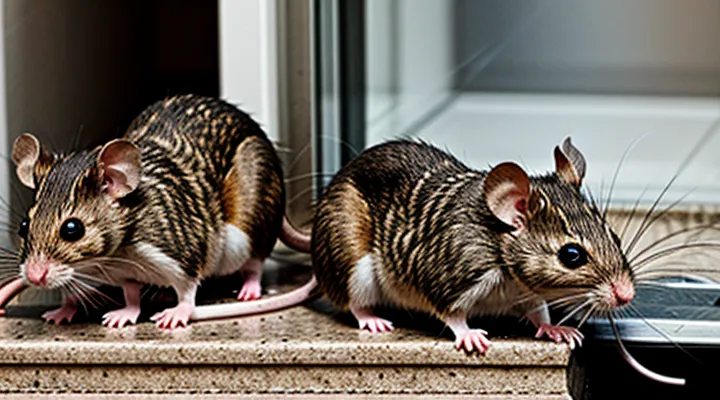
Sexual Maturity and Mating
When Mice Become Sexually Mature
Domestic mice attain reproductive capability relatively quickly. Under standard laboratory conditions, the first estrus appears at 5 – 6 weeks of age; some strains exhibit ovulation as early as 4 weeks when nutrition and temperature are optimal. Puberty is marked by the onset of regular estrous cycles, each lasting 4–5 days, enabling conception shortly after the initial cycle.
Key variables influencing the timing of sexual maturity include:
- Genetic background – Inbred strains such as C57BL/6 mature slightly later than outbred CD‑1 mice.
- Dietary quality – High‑protein, energy‑dense feed accelerates growth and hormone production.
- Ambient temperature – Temperatures between 20 °C and 24 °C promote faster development; colder environments delay puberty.
- Photoperiod – Longer daylight periods (14–16 h) stimulate earlier hormonal activation compared with short‑day cycles.
Once sexually mature, a female mouse can produce a new litter approximately every 3 weeks, given a gestation of 19–21 days and a brief postpartum estrus. Males reach functional fertility at the same age, although sperm quality continues to improve until 8–10 weeks. Consequently, the brief interval between puberty and the first viable litter determines the overall reproductive output of a domestic mouse population.
Mating Rituals and Behavior
Domestic mice initiate courtship when a female enters estrus, a brief period lasting 4–5 hours. During this interval, the female emits urinary pheromones that attract nearby males. Males respond by increasing ultrasonic vocalizations and by performing a characteristic “circling” behavior around the female, probing her with their whiskers and forepaws.
The male’s approach follows a stereotyped sequence:
- Investigation – sniffing the female’s scent marks and urine.
- Mounting preparation – positioning behind the female, tail‑grooming, and brief pausing.
- Mounting – rapid ascent onto the female’s back, followed by intromission lasting 3–5 seconds.
- Ejaculation – occurring after one to three intromissions, after which the male dismounts and may repeat the cycle if the female remains receptive.
Females display a “lordosis” posture, arching the back and lifting the hindquarters to facilitate copulation. If the female is not in estrus, she may reject the male by fleeing, vocalizing distress calls, or aggressively biting. Male mice quickly assess the female’s receptivity through olfactory cues; unsuccessful attempts often lead to immediate disengagement.
Repeated copulations within a single estrus episode increase the likelihood of fertilization. After mating, the female’s estrus ends, and a refractory period of 24–48 hours follows before the next fertile window. This pattern limits the number of breeding cycles a domestic mouse can complete in a given time frame, directly influencing overall reproductive frequency.
Gestation and Litter Size
Duration of Pregnancy in Mice
The gestation period of the common laboratory mouse (Mus musculus) averages 19 – 21 days from conception to parturition. Most strains complete pregnancy in 20 days under standard housing conditions, with a margin of ±1 day attributable to biological variability.
Factors that modify this interval include:
- Genetic background – inbred lines such as C57BL/6 may show slightly shorter gestations (≈ 19 days) than outbred stocks.
- Maternal age – younger females (< 8 weeks) often have marginally longer pregnancies; older breeders (> 12 months) may experience a modest reduction.
- Nutrition and health – diets deficient in protein or caloric content can extend gestation by 1–2 days; disease or stress typically prolongs the period.
- Environmental temperature – ambient temperatures below 20 °C tend to lengthen gestation, whereas 22 °C–24 °C supports the standard 20‑day cycle.
A 20‑day gestation permits multiple breeding cycles annually. Assuming a weaning age of 21 days and a minimal inter‑litter interval of 3 days for recovery, a healthy female can produce up to 5–6 litters per year. The short pregnancy, combined with rapid post‑natal development, underlies the high reproductive output observed in domestic mouse populations.
Average Litter Size and Variations
Domestic mice typically produce litters containing six to eight pups. Laboratory strains such as C57BL/6 often average seven offspring per birth, while outbred stock like CD‑1 can reach nine. The range observed in pet populations extends from four to twelve, reflecting genetic and environmental influences.
Factors that modify litter size include:
- Strain genetics: Inbred lines tend to have narrower ranges; hybrid vigor in outbred mice increases both mean size and variability.
- Maternal age: First‑time breeders usually deliver fewer pups (four to six); litter size peaks around three to six months of age, then declines.
- Nutritional status: High‑calorie diets and adequate protein elevate embryo survival, raising litter numbers; malnutrition produces smaller litters.
- Seasonal cues: Although indoor environments reduce seasonality, slight increases in litter size occur during longer daylight periods.
- Health condition: Illness or parasitic load suppresses reproductive output, often resulting in under‑five‑pup litters.
Understanding these variables clarifies why average litter size is not fixed and helps predict reproductive output under varying husbandry conditions.
Post-Natal Period and Weaning
Care of Pups by the Mother
Domestic mice construct a compact nest from shredded paper, cotton, or soft bedding shortly after giving birth. The nest provides insulation and a stable microclimate, keeping the newborns warm until they can regulate body temperature independently.
The mother continuously licks each pup, stimulating circulation and clearing respiratory passages. This grooming also spreads her scent, which reinforces the pups’ recognition of the dam and reduces the likelihood of aggression from other adults.
Milk delivery follows a predictable pattern. The dam nurses the litter every 2–3 hours, alternating between nipples to ensure uniform milk intake. Milk composition changes as the pups mature, supplying higher protein levels during the rapid growth phase. The mother monitors each pup’s suckling vigor and adjusts her nursing frequency accordingly.
When the pups reach approximately 21 days of age, the mother gradually reduces nursing sessions and encourages solid food consumption. This weaning transition is accompanied by increased grooming of the pups’ fur to maintain cleanliness as they become more mobile. Throughout the early post‑natal period, the mother remains vigilant, responding to any disturbance or predator cue with defensive behaviors that safeguard the litter.
When Mouse Pups Are Weaned
Domestic mice reach sexual maturity shortly after weaning, making the timing of this transition critical for understanding breeding frequency. Pups typically detach from maternal care between 18 and 21 days of age; at this point they can consume solid food independently and begin rapid growth. The weaning window aligns with the onset of estrus in females, allowing a new reproductive cycle to commence within a few days.
Key points regarding weaning and subsequent breeding:
- Average weaning age: 19 ± 2 days.
- Onset of female estrus: 5–7 days post‑weaning.
- First litter production: 30–35 days after birth.
- Potential for successive litters: every 3–4 weeks under optimal conditions.
Factors Influencing Reproduction Rates
Environmental Conditions and Stress
Domestic mice adjust their breeding cycles to the surrounding environment. Adequate temperature, typically between 20 °C and 28 °C, accelerates sexual maturation and shortens the interval between litters. Below 15 °C, estrous cycles lengthen, and females may skip breeding entirely until conditions improve.
Food availability directly influences reproductive output. When caloric intake meets or exceeds maintenance needs, females produce up to eight pups per litter and can conceive again within three weeks. Scarcity of nutrients triggers hormonal suppression, extending the postpartum anestrus to six weeks or more.
Stressors such as crowding, predator cues, or frequent handling elevate corticosterone levels, which inhibit gonadotropin release. The resulting effect includes delayed estrus, reduced litter size, and prolonged inter‑litter intervals. In densely populated cages, the average time between successive pregnancies can increase from 28 days to 45–60 days.
Key environmental variables that modulate breeding frequency:
- Temperature: optimal range → rapid cycles; extreme cold → delayed cycles.
- Nutrition: surplus → maximal litter size and short intervals; deficit → hormonal suppression.
- Social density: low → regular cycles; high → stress‑induced lengthening of intervals.
- Predator or disturbance signals: presence → elevated stress hormones → reduced breeding frequency.
Understanding these factors enables precise control of breeding schedules in laboratory or pet‑keeping contexts, ensuring predictable population growth or intentional suppression as required.
Nutritional Impact on Breeding
Adequate nutrition directly modifies reproductive output in pet mice. Energy‑dense diets shorten the interval between litters, increase the number of pups per litter, and improve offspring viability. Deficiencies in macronutrients or micronutrients prolong estrus cycles and raise the incidence of failed pregnancies.
Key dietary components influencing breeding performance:
- Protein (18–20 % of diet): Supplies amino acids required for gametogenesis and fetal growth; low levels reduce litter size.
- Fat (4–6 %): Provides essential fatty acids that support hormone synthesis; excessive fat leads to obesity‑related infertility.
- Calcium and phosphorus (1.2 % and 0.8 % respectively): Crucial for skeletal development of embryos; imbalanced ratios impair uterine health.
- Vitamin E and selenium: Antioxidants that protect gametes from oxidative damage; deficiency correlates with increased embryonic loss.
- B‑vitamins (especially B6 and B12): Involved in steroidogenesis and embryo implantation; inadequate intake extends estrous intervals.
Implementing a balanced commercial rodent chow supplemented with occasional fresh seeds, nuts, and lean protein sources maintains optimal reproductive timing. Monitor body condition regularly; avoid over‑feeding to prevent adiposity that suppresses estrus. Adjust feed composition seasonally to match the higher metabolic demands of gestation and lactation.
Genetics and Reproductive Health
Domestic mice reach sexual maturity at approximately six weeks of age, enabling the onset of breeding cycles within a short timeframe. The estrous cycle lasts four to five days, and gestation extends for 19–21 days, allowing a single female to produce multiple litters annually. Typical reproductive output ranges from five to ten litters per year, with average litter sizes of five to eight pups.
Genetic background exerts a decisive influence on reproductive performance. Common laboratory strains exhibit distinct fertility profiles:
- C57BL/6: moderate litter size, occasional reduced fertility due to homozygous recessive alleles.
- BALB/c: larger litters, higher susceptibility to spontaneous abortions linked to specific loci.
- DBA/2: lower average litter size, increased incidence of embryonic lethality associated with chromosomal abnormalities.
Selective breeding and inbreeding intensify the expression of deleterious mutations, potentially diminishing ovulation rates, impairing sperm quality, or disrupting hormonal regulation. Conversely, outcrossing introduces heterozygosity that can restore reproductive vigor.
Reproductive health depends on environmental and physiological conditions. Key determinants include:
- Nutrition: adequate protein, vitamins, and minerals sustain estrous cycling and fetal development.
- Disease status: viral infections (e.g., mouse hepatitis virus) and bacterial pathogens can cause infertility or embryonic loss.
- Stress levels: overcrowding, temperature fluctuations, and handling frequency suppress gonadotropin release, extending inter‑litter intervals.
Management practices that optimize genetic integrity and physiological wellbeing directly increase breeding frequency, supporting experimental consistency and colony sustainability.
The Impact of Rapid Reproduction
Population Growth and Control
Domestic mice reach sexual maturity at 5‑6 weeks and can produce a new litter roughly every three to four weeks. A single gestation lasts 19‑21 days, and each litter contains 5‑12 offspring. Under optimal conditions a female may produce 8‑10 litters annually, generating up to 120 new individuals per year.
The rapid breeding schedule creates exponential population growth. Starting with one breeding pair, the theoretical count after twelve months can exceed 10 000 individuals if mortality is low and resources are abundant. Real‑world colonies often display slower expansion due to predation, disease, and competition, yet infestations still reach damaging levels within weeks.
Effective management relies on interrupting the reproductive cycle and reducing habitat suitability. Common interventions include:
- Environmental sanitation: Eliminate food sources, store grain in sealed containers, and remove clutter that provides shelter.
- Physical exclusion: Seal entry points, install door sweeps, and repair structural gaps.
- Mechanical removal: Deploy snap traps or live‑catch devices in high‑activity zones.
- Chemical control: Apply rodenticides according to regulatory guidelines, ensuring bait stations are inaccessible to non‑target species.
- Reproductive suppression: Use bait formulated with anticoagulants or fertility‑reducing agents to lower litter size and breeding frequency.
Integrating these measures in a coordinated program curtails population expansion, prevents re‑infestation, and minimizes health risks associated with domestic mouse presence.
Implications for Pest Management
Domestic mice can complete a gestation period in 19–21 days and are capable of producing up to ten litters annually, with an average litter size of five to six offspring. Such a reproductive pace enables a single pair to generate several hundred individuals within a year under favorable conditions.
Rapid population expansion creates several direct challenges for pest control programs:
- Monitoring must occur at intervals shorter than the gestation period to detect infestations before exponential growth.
- Sanitation measures need to eliminate food and water sources that support breeding cycles.
- Structural exclusion should target entry points that allow adult mice to access shelter, thereby reducing the number of breeding females inside buildings.
- Baiting schedules should align with peak reproductive phases, typically every two to three weeks, to intercept newly emerged juveniles.
- Rotation of active ingredients is required to prevent resistance development in successive generations.
Effective management therefore depends on synchronizing detection, habitat modification, and chemical interventions with the species’ breeding timetable, ensuring that control actions intercept the population before it reaches damaging levels.