
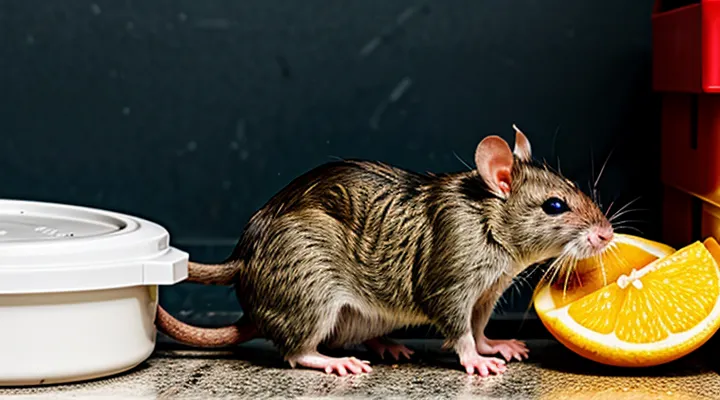
Understanding Rat Nutritional Needs
Essential Dietary Components
Protein Requirements
Rats need a diet that supplies sufficient protein to support growth, tissue repair, and metabolic functions. Standard laboratory and pet rat feeds contain 14–20 % protein on a dry‑matter basis; this range meets the nutritional demands of adult animals weighing 150–250 g.
Protein intake is commonly expressed as grams per kilogram of body weight. The National Research Council recommends 0.6–0.8 g of protein per kilogram of live weight per day for adult rats. A 200‑g rat therefore requires approximately 0.12–0.16 g of protein daily. When the diet is formulated at 16 % protein, a 5‑g portion of dry feed provides about 0.8 g of protein, far exceeding the minimum; however, excess protein can increase waste nitrogen and caloric load, so portions should be adjusted to match overall energy requirements.
Example calculation:
- Body weight: 0.20 kg
- Required protein: 0.20 kg × 0.7 g/kg = 0.14 g
- Feed with 16 % protein: 0.14 g ÷ 0.16 = 0.875 g of dry feed per day
Providing 0.9 g of dry feed satisfies the protein need while allowing room for carbohydrates and fats in the total ration.
Common protein sources for rats include:
- Commercial rodent pellets formulated with soy, wheat, or casein
- Cooked eggs (hard‑boiled, finely chopped)
- Low‑fat cottage cheese or plain yogurt
- Cooked lean meats such as chicken breast, finely diced
Quality considerations focus on essential amino acid profile and digestibility. Animal‑derived proteins (egg, dairy, meat) supply all essential amino acids and are highly digestible; plant proteins should be balanced to avoid limiting lysine or methionine. Regular analysis of feed composition ensures that protein levels remain within the recommended range and that the overall diet aligns with the rat’s caloric and nutrient needs.
Fat Requirements
Rats require dietary fat to supply essential fatty acids, support cell membrane integrity, and provide a concentrated energy source. The proportion of calories from fat should be calibrated to the animal’s size, metabolic rate, and life stage.
A typical adult laboratory rat, weighing 250–300 g, needs approximately 3–5 % of its total caloric intake from fat. Assuming a daily energy requirement of 55 kcal, this translates to 1.6–2.8 kcal from fat, or roughly 0.18–0.31 g of pure fat. Juvenile rats and breeding females may require up to 7 % of calories from fat to accommodate rapid growth and lactation demands.
Key factors influencing fat needs:
- Age: Younger rats have higher relative fat requirements for tissue development.
- Reproductive status: Lactating females increase fat intake to support milk production.
- Physical activity: More active individuals may utilize fat as a primary fuel, modestly raising the percentage of calories from fat.
- Health condition: Rats with metabolic disorders or obesity should have fat limited to the lower end of the recommended range.
Practical feeding guidelines:
- Choose a commercial rodent diet that lists fat content as 3–5 % of calories for standard adult maintenance.
- For breeding colonies, select a formulation providing 6–7 % of calories from fat, or supplement with a small amount of high‑quality animal or plant oil (e.g., 0.1 g per day).
- Monitor body condition regularly; adjust fat levels if the rat shows signs of excess weight gain or undernutrition.
- Avoid excessive saturated fat sources; prioritize diets containing essential linoleic and α‑linolenic acids.
By adhering to these quantitative parameters, caretakers can ensure that rats receive sufficient fat for physiological functions without compromising overall nutritional balance.
Fiber Requirements
Rats require dietary fiber to maintain gastrointestinal motility, support a healthy microbiome, and prevent constipation. For an adult rat weighing 200–300 g, the daily fiber intake should approximate 5–7 % of the total feed weight, which translates to roughly 2–3 g of fiber each day.
Key sources of fiber include:
- Commercial rodent pellets formulated to contain 5–7 % fiber.
- Fresh vegetables such as carrots, broccoli, and leafy greens, providing soluble fiber.
- Small amounts of hay, wheat bran, or shredded paper, supplying insoluble fiber.
When constructing the daily ration, allocate about one‑third of the total feed volume to high‑fiber components. For example, a 30 g portion of pellets combined with 5 g of fresh vegetables and 2 g of hay meets the target fiber range while delivering essential nutrients.
Monitor fecal consistency; well‑formed pellets indicate adequate fiber, while hard or dry droppings suggest the need for increased fiber content. Adjust the fiber proportion gradually to avoid sudden dietary changes that could disrupt digestion.
Vitamins and Minerals
When planning the appropriate daily feed for a rat, the nutrient profile must include adequate vitamins and minerals to support growth, reproduction, and health maintenance. A balanced diet supplies these micronutrients in amounts that correspond to the animal’s body weight and activity level.
Key vitamins required for a rat:
- Vitamin A – 1,000–2,000 IU per kilogram of body weight.
- Vitamin D3 – 200–400 IU per kilogram.
- Vitamin E – 10–15 mg per kilogram.
- Vitamin K – 0.5–1 mg per kilogram.
- B‑complex (B1, B2, B3, B5, B6, B7, B9, B12) – collectively 5–10 mg per kilogram.
- Vitamin C – 10–15 mg per kilogram (rat can synthesize, but supplementation aids stress recovery).
Essential minerals include:
- Calcium – 0.8–1.0 % of diet dry matter.
- Phosphorus – 0.6–0.8 % of diet dry matter, with a Ca:P ratio close to 1:1.
- Magnesium – 0.05–0.1 % of diet dry matter.
- Potassium – 0.5–0.7 % of diet dry matter.
- Sodium – 0.1–0.2 % of diet dry matter.
- Iron – 40–60 mg per kilogram of feed.
- Zinc – 30–50 mg per kilogram.
- Copper – 6–10 mg per kilogram.
- Selenium – 0.1–0.2 mg per kilogram.
For an adult laboratory rat weighing approximately 250 g, the typical food intake ranges from 15 g to 20 g of dry feed per day. Multiplying the nutrient percentages by this amount yields the daily micronutrient targets. For example, 15 g of feed containing 1 % calcium provides 150 mg calcium, meeting the rat’s requirement.
If commercial rodent pellets already meet these specifications, additional supplementation is unnecessary. When using homemade or supplemental mixes, verify that each vitamin and mineral falls within the listed ranges; excess calcium or phosphorus can cause skeletal disorders, while deficiencies in B‑vitamins may lead to neurological symptoms.
Regular monitoring of weight, coat condition, and urinary pH helps detect imbalances early. Adjust the feed composition promptly if clinical signs suggest a deficit or excess of any micronutrient.
Determining Daily Food Portions
Factors Influencing Food Intake
Age of Rat
The age of a rat determines its metabolic rate, growth requirements, and activity level, all of which affect the appropriate daily food quantity.
Newborn rats (0–3 weeks) rely on mother’s milk; supplemental solid food should be introduced gradually. When solid feed is offered, limit portions to 1–2 g per day, divided into several small meals, to avoid overwhelming a still‑developing digestive system.
Juvenile rats (3–8 weeks) experience rapid growth. Provide 3–5 g of a balanced rodent diet each day, split into two feedings. Monitor body condition; adjust upward if the animal appears underweight, downward if excess weight accumulates.
Adult rats (2–12 months) reach a stable weight and activity level. Typical intake ranges from 5–7 g of commercial chow daily, supplemented with occasional fresh vegetables or protein treats. Ensure water is constantly available.
Senior rats (12+ months) often show reduced activity and slower metabolism. Reduce daily portions to 4–5 g, focusing on high‑quality, easily digestible feed. Include fiber‑rich foods to support gastrointestinal health and consider adding joint‑support supplements if needed.
Consistent observation of body condition and weight trends allows fine‑tuning of portions across all age groups. Adjustments should reflect individual health status, not merely chronological age.
Activity Level
Rats with higher activity levels require more energy than sedentary individuals. Increased locomotion, climbing, and exploratory behavior raise metabolic demand, which translates into a greater daily food intake. Conversely, rats that spend most of their time resting or limited to a small enclosure consume fewer calories.
Typical feeding guidelines, adjusted for activity, are:
- Low activity (minimal movement, confined cage): 15–20 g of balanced pellet diet per 100 g body weight.
- Moderate activity (regular play, enrichment toys, occasional out‑of‑cage time): 20–25 g per 100 g body weight.
- High activity (large enclosure, frequent exercise wheels, daily handling): 25–30 g per 100 g body weight.
These amounts assume a nutritionally complete commercial rat feed and should be measured daily. Monitor body condition and adjust portions if the rat gains or loses weight unexpectedly. Providing fresh water at all times remains essential regardless of activity level.
Health Status
A rat’s health condition directly influences the amount of food required each day. Energy needs increase with growth, reproduction, and high activity, while they decrease when the animal is overweight or recovering from illness.
Key health indicators that affect feeding amounts include:
- Age – juveniles need more calories per gram of body weight than adults.
- Body condition – a lean rat requires a higher proportion of its body weight in food than an overweight one.
- Reproductive status – pregnant or lactating females require additional calories to support fetal development and milk production.
- Activity level – rats with frequent exercise or enrichment consume more energy than sedentary individuals.
- Medical issues – illness, metabolic disorders, or dental problems can reduce intake or alter nutrient absorption.
Practical daily feeding guidelines based on health status:
- Healthy adult (normal weight) – 15–20 g of a balanced pellet diet plus a small portion of fresh vegetables (≈5 g).
- Growing juvenile (4–8 weeks) – 20–25 g of pellets with additional protein‑rich treats (≈5 g).
- Pregnant or lactating female – 25–30 g of pellets plus increased fresh food (≈10 g) to meet elevated metabolic demand.
- Overweight rat – 12–15 g of pellets, focusing on low‑calorie vegetables to promote gradual weight loss.
- Ill or recovering rat – 10–12 g of easily digestible, high‑energy diet (e.g., softened pellets) supplemented with nutrient‑dense liquids if needed.
Monitoring body weight and condition score weekly ensures the chosen amount maintains optimal health. Adjust portions promptly when weight deviates by more than 5 % of the target range.
Number of Rats
When determining daily food portions for multiple rats, the total amount must reflect the combined nutritional needs of the group, not merely a simple multiplication of a single‑rat guideline.
Each adult rat requires roughly 20 – 25 g of balanced pellets per day, adjusted for body condition, activity level, and age. For a group, multiply the per‑rat amount by the number of individuals, then add a safety margin of 5 % to accommodate variations in metabolism and occasional leftovers.
- 2 rats: 40 – 50 g + 5 % (≈ 42 – 52 g)
- 4 rats: 80 – 100 g + 5 % (≈ 84 – 105 g)
- 6 rats: 120 – 150 g + 5 % (≈ 126 – 158 g)
If the rats differ in size or life stage, calculate each animal’s requirement individually and sum the totals. Juvenile or pregnant rats need up to 30 g per day; senior or less active rats may require as little as 15 g.
Group feeding introduces competition risk. Provide enough space and multiple feeding stations to ensure each rat can access the full ration. Monitor leftovers; consistent excess indicates overestimation, while frequent shortages signal the need to increase the supply.
Water must be available at all times, with a minimum of 30 ml per rat daily. Adjust water volume proportionally to the number of animals, ensuring clean, fresh supply.
Recommended Food Types
Commercial Rat Pellets
Commercial rat pellets are nutritionally balanced blocks formulated to meet the dietary requirements of laboratory and pet rats. They typically contain protein, fat, fiber, vitamins, and minerals in proportions that support growth, reproduction, and maintenance. The pellets are dry, low‑moisture food that reduces spoilage risk and provides consistent nutrient intake.
For adult rats weighing 250–300 g, the standard recommendation is 15–20 g of pellets per day. Juvenile rats (50–150 g) require 5–10 g daily, while pregnant or lactating females may need up to 25 g to accommodate increased metabolic demand. These amounts assume the pellets are the sole food source and that water is freely available.
Adjustments should be made when:
- Supplemental treats or fresh produce are offered; reduce pellet quantity accordingly.
- Rats show weight loss or gain; modify portion by 2–3 g increments.
- Activity level changes; more active individuals may need an additional 2–4 g.
Monitoring body condition weekly and recording daily intake ensures the feeding regimen remains appropriate for the rat’s health and growth objectives.
Fresh Fruits and Vegetables
When planning a rat’s daily diet, fresh produce supplies vitamins, minerals, and fiber that complement a base of high‑quality pellets and protein sources. The amount of fruits and vegetables should be limited to avoid digestive upset and excess calories.
A practical rule is to allocate no more than 10–20 % of the rat’s total food weight to fresh items. For an average adult rat consuming 20 g of pellets per day, this translates to 2–4 g of raw produce. Smaller juveniles require proportionally less; larger or highly active individuals may approach the upper limit.
Typical safe choices and recommended daily portions (by weight) include:
- Carrots: 0.5 g, finely grated or diced.
- Broccoli florets: 0.5 g, raw, chopped.
- Apple (core removed): 0.5 g, thin slices, no seeds.
- Blueberries: 0.3 g, halved.
- Spinach: 0.3 g, shredded, offered sparingly due to oxalates.
- Bell pepper: 0.4 g, raw, diced.
All produce must be washed thoroughly, free of pesticides, and introduced gradually. Remove any uneaten fresh food after two hours to prevent spoilage. Consistent portion control ensures the rat receives balanced nutrition without excess sugar or water content.
Occasional Treats
Treats can be incorporated into a rat’s overall diet without compromising nutritional balance when used sparingly. They should complement, not replace, the staple food portions calculated for daily intake.
Suitable treats include small pieces of fresh fruit, vegetables, nuts, and commercially formulated rodent snacks. Each option provides specific nutrients that differ from the primary diet.
- Fresh fruit: a pea‑sized cube of apple or banana, no more than two times per week.
- Vegetables: a single leaf of lettuce, a few broccoli florets, or a thin slice of carrot, offered up to three times weekly.
- Nuts and seeds: a single almond or sunflower seed, limited to once weekly due to high fat content.
- Commercial treats: one or two pieces of a low‑sugar, high‑protein rodent biscuit, restricted to a maximum of two per week.
Portion size must remain well below the rat’s regular feed. A general rule is to keep treat calories under 5 % of the total daily caloric intake. For an average adult rat consuming roughly 20–30 g of standard chow, this translates to 1–2 g of treat material per serving.
Health considerations include monitoring for sugar spikes, digestive upset, and potential allergens. Introduce any new treat gradually, observe behavior and stool consistency, and discontinue if adverse reactions appear. Treats high in sugar or fat can accelerate weight gain and increase the risk of metabolic disorders, so strict adherence to the recommended frequency and quantity is essential.
Avoiding Overfeeding and Underfeeding
Signs of Overfeeding
Overfeeding a rat manifests through observable physical and behavioral changes. Excessive weight gain is the most immediate indicator; a healthy rat maintains a lean, muscular silhouette, while an overfed individual develops a rounded abdomen and visible fat deposits along the sides and tail base. Fur condition deteriorates, becoming dull, sparse, or prone to matting, reflecting metabolic stress. Respiratory rate may increase, and the animal can exhibit reduced stamina, tiring quickly during normal activity or play. Digestive disturbances appear as frequent loose stools, occasional diarrhea, or a visibly enlarged stomach after meals. Behavioral shifts include lethargy, decreased curiosity, and reluctance to explore the cage environment. Aggressive tendencies may surface, with heightened irritability toward handlers or cage mates.
Typical signs of overfeeding include:
- Rapid, sustained weight increase beyond breed‑specific standards
- Fat accumulation on the flanks and tail base
- Dull, patchy, or thinning coat
- Elevated breathing rate at rest
- Low energy levels and quick fatigue during movement
- Loose, watery feces or enlarged abdomen after eating
- Diminished exploratory behavior and increased irritability
Recognizing these symptoms promptly allows owners to adjust portion sizes, restore a balanced diet, and prevent long‑term health complications such as obesity, diabetes, and cardiovascular strain.
Risks of Underfeeding
Underfeeding a rat compromises essential physiological functions. Insufficient calories lead to rapid weight loss, which can progress to muscle wasting and organ atrophy. The digestive system receives inadequate fiber and nutrients, increasing the risk of gastrointestinal stasis and ulceration. A deficient diet weakens the immune response, making the animal more susceptible to bacterial, viral, and parasitic infections. Growth rates decline sharply in juveniles, resulting in stunted skeletal development and delayed sexual maturity. Reproductive performance deteriorates; females may experience irregular estrous cycles, reduced litter size, and higher pup mortality. Behavioral signs include lethargy, decreased activity, and heightened aggression, reflecting stress and discomfort. Chronic undernutrition elevates the probability of premature death due to systemic failure.
Key health risks of inadequate feeding:
- Weight loss and muscle degradation
- Gastrointestinal complications (stasis, ulcers)
- Immunosuppression and infection susceptibility
- Impaired growth and skeletal development
- Reproductive dysfunction and reduced litter viability
- Behavioral disturbances and increased stress
- Elevated mortality risk
Ensuring an appropriate daily food volume prevents these outcomes and supports optimal health, development, and longevity in laboratory and pet rats.
Monitoring Weight and Body Condition
Accurate weight records provide the baseline for adjusting a rat’s daily ration. Record each measurement on the same scale, at the same time of day, and after a short fasting period to reduce gut‑content variation. Weekly weigh‑ins are sufficient for adult rats; juveniles may require bi‑weekly checks.
Body condition is evaluated by visual inspection and gentle palpation. A healthy rat displays a smooth, rounded abdomen, with a noticeable but not pronounced waist behind the hips. Fat deposits appear as soft bulges over the lumbar vertebrae and base of the tail. The following signs indicate deviation from optimal condition:
- Underweight: prominent ribs, sharp spine, thin tail base, low muscle tone.
- Overweight: thickened waist, excess fat over lumbar area, enlarged tail base, reduced mobility.
Combine weight data with body‑condition observations to calculate the appropriate daily feed amount. If weight trends upward while the body‑condition score remains within the ideal range, reduce the portion by 5–10 % and monitor for two weeks. Conversely, a downward weight trend with a low body‑condition score warrants a 5–10 % increase. Adjustments should be incremental to avoid rapid fluctuations that stress the animal’s metabolism.
Feeding Schedule and Practices
Daily Feeding Routine
Morning vs. Evening Feeding
Rats require a consistent daily intake of approximately 20–30 g of a nutritionally balanced pellet, supplemented with small portions of fresh vegetables and occasional treats. How this quantity is divided between morning and evening meals influences digestion, activity levels, and weight control.
Morning feeding delivers nutrients before the animal’s most active period. Early intake stimulates metabolism, promotes regular bowel movements, and reduces the likelihood of overeating later in the day. Providing the bulk of the daily ration shortly after lights on helps maintain stable blood glucose, supporting cognitive performance during daytime handling or training sessions.
Evening feeding aligns with the rat’s natural nocturnal cycle. Supplying food shortly before the dark phase ensures that energy reserves are available for prolonged activity throughout the night. This schedule can improve nighttime foraging behavior and may reduce stress associated with sudden hunger during the active period. However, late‑day feeding carries a higher risk of food spoilage if fresh items are left unattended, and excess calories consumed close to the rest phase can contribute to weight gain.
Key considerations for choosing a schedule:
- Metabolic rhythm: Rats exhibit peak metabolic activity during the dark phase; aligning the largest portion with this period supports efficient energy use.
- Behavioral observation: Individuals that become aggressive or hoard food when fed only in the morning may benefit from an evening supplement.
- Food freshness: Perishable items should be offered no more than a few hours before removal to prevent mold or bacterial growth.
- Weight management: Splitting the daily ration into two equal meals (morning and evening) often yields the most stable body condition, preventing large fluctuations in intake.
In practice, many caretakers adopt a split‑feeding regimen: 40–50 % of the pellet portion in the morning, the remainder in the evening, with fresh produce provided shortly before each meal. This approach balances metabolic needs, respects the rat’s circadian behavior, and minimizes waste. Adjustments should be based on observed body condition, activity patterns, and any health concerns identified by a veterinarian.
Free Feeding vs. Scheduled Meals
Free feeding provides constant access to food, allowing a rat to self‑regulate its intake. This method simplifies husbandry because the owner does not need to measure portions at each feeding. However, unrestricted availability can lead to overeating, weight gain, and difficulty detecting changes in appetite that may signal illness. Additionally, free feeding masks the exact amount of nutrition consumed, complicating adjustments for growth, pregnancy, or health conditions.
Scheduled meals restrict food to specific times, typically two to three feedings per day. This approach offers precise control over caloric intake, supporting weight management and enabling early detection of reduced consumption. Regular feeding times also reinforce routine, which can reduce stress for some rats. The main drawback is the need for consistent monitoring and the risk of temporary hunger between meals, which may increase activity levels or cause aggression in group‑housed animals.
Key considerations for choosing between the two strategies:
- Age and life stage – Juveniles and pregnant females often benefit from scheduled meals to ensure sufficient nutrients; adults may tolerate free feeding if weight is stable.
- Health status – Rats with obesity, metabolic disorders, or dental issues require measured portions; free feeding may exacerbate problems.
- Housing setup – In multi‑rat cages, scheduled feeding reduces competition for food and prevents dominant individuals from monopolizing resources.
- Owner capacity – Free feeding suits owners who cannot commit to multiple daily feedings; scheduled meals suit those who can track intake and adjust formulas.
When implementing scheduled feeding, a typical adult rat requires 15–20 g of a balanced pelleted diet per day, supplemented with small amounts of fresh produce. For free feeding, provide a constant supply of the same pellet type, but monitor body condition weekly and adjust the formulation if weight trends upward or downward. Consistent record‑keeping of body weight and food consumption remains essential regardless of the chosen method.
Water Availability
Importance of Fresh Water
Providing rats with a constant supply of clean, fresh water is a non‑negotiable element of any diet plan. Water supports digestion, nutrient absorption, and temperature regulation; without adequate intake, even a perfectly balanced food portion cannot sustain health.
Guidelines for daily water provision:
- Offer a minimum of 30 ml of water per 100 g of body weight.
- Replace water at least once every 24 hours, more often in warm environments.
- Use a bottle with a stainless‑steel sipper to prevent contamination.
- Monitor consumption; a drop of more than 20 % below expected levels signals potential illness or dehydration.
Neglecting water quality or availability directly compromises the effectiveness of the calculated food amount, leading to weight loss, kidney strain, and reduced lifespan. Maintaining fresh water access is therefore integral to any reliable feeding regimen for rats.
Types of Water Bottles/Bowls
Providing clean water is as critical as feeding a rat the appropriate amount of food. The choice between water bottles and bowls influences hygiene, consumption monitoring, and cage maintenance.
-
Glass sipper bottles: transparent, resistant to odor absorption, easy to disinfect; fragile, can break if knocked over.
-
Plastic sipper bottles: lightweight, inexpensive; prone to scratching, may harbor bacteria if not replaced regularly.
-
Metal sipper bottles (aluminum or stainless steel): durable, non‑porous; can develop rust if coating wears, heavier than plastic.
-
Gravity‑fed bottles: maintain constant water level, reduce spillage; require regular cleaning to prevent biofilm buildup.
-
Ceramic bowls: heavy, stable, non‑reactive surface; can chip, break if dropped.
-
Stainless steel bowls: robust, dishwasher‑safe, no chemical leaching; may develop water spots, can be noisy when moved.
-
Plastic bowls: inexpensive, lightweight; susceptible to scratches that conceal waste, may retain odors.
-
Glass bowls: clear view of water level, easy to sterilize; breakable, heavier than plastic.
-
Silicone dishes: flexible, collapsible for cleaning; limited size options, can retain moisture in folds.
Selection should reflect cage size, activity level, and cleaning routine. Small cages benefit from sipper bottles that attach to bars, minimizing floor water. Larger enclosures allow shallow bowls that encourage drinking behavior. Regular inspection for cracks, leaks, and biofilm is mandatory regardless of material. Consistent water availability supports digestion, kidney function, and overall health, complementing the dietary regimen.
Food Storage
Preventing Spoilage
Accurate daily rations depend on fresh, uncontaminated food. Spoiled feed reduces nutrient intake and can introduce pathogens, compromising health assessments and feeding calculations.
Maintain a controlled environment for stored food. Use airtight, opaque containers to block moisture, light, and odors. Place containers in a cool, dry area away from direct sunlight. For wet or perishable components, refrigerate or freeze portions not used within 24‑48 hours.
- Keep bulk supplies separate from daily portions.
- Label each container with the opening date; discard items older than two weeks.
- Store dry pellets on low shelves to avoid accidental spills.
- Rotate stock: use older supplies before newer ones.
- Clean storage area regularly to prevent mold growth.
Inspect feed before offering it to the rat. Look for discoloration, off‑odors, clumping, or insect activity. Discard any batch showing these signs; do not attempt to salvage by adding fresh food.
When spoilage is detected, adjust the feeding schedule immediately. Replace the compromised portion with a fresh, measured amount to preserve the intended calorie and nutrient target for that day. Record the incident to refine storage practices and avoid repeat losses.
Pest Control
Feeding a rat the correct daily amount directly influences pest‑control outcomes. Excess food encourages rapid breeding, larger colonies, and increased attraction of wild rodents. Insufficient nutrition weakens captive rats, leading to health issues that may prompt owners to release or replace them, inadvertently adding to local pest populations.
Proper feeding limits waste, reduces scent trails, and minimizes the likelihood that stray rats will locate a food source. Implementing precise rations also simplifies monitoring: predictable consumption patterns reveal deviations that may indicate infestation or health problems.
Key practices for effective pest control through feeding management:
- Determine the rat’s weight, age, and activity level; adjust portions accordingly.
- Provide measured meals at consistent times; avoid free‑feeding.
- Remove uneaten food within a short interval to prevent accumulation.
- Store feed in sealed containers to block rodent access.
- Inspect feeding areas daily for droppings, gnaw marks, or signs of other pests.
By aligning daily rations with the animal’s physiological needs, caretakers reduce the environmental cues that attract unwanted rodents, thereby supporting broader pest‑management strategies.
Common Feeding Mistakes to Avoid
Harmful Foods to Never Give Rats
Chocolate
Chocolate is a high‑risk ingredient for rats and should not be included in a daily ration. Theobromine and caffeine, present in all chocolate varieties, are metabolized slowly by rodents, leading to cardiac stimulation, seizures, and potentially fatal outcomes. Even small quantities can cause measurable physiological effects; a 5‑gram piece of milk chocolate may produce toxicity symptoms in a 200‑gram adult rat.
When calculating a rat’s daily food intake, exclude chocolate entirely and replace it with nutritionally balanced components:
- Commercial rodent pellets formulated to meet protein, fat, fiber, vitamin, and mineral requirements.
- Fresh vegetables such as carrots, broccoli, or leafy greens, limited to 10 % of total diet weight.
- Occasional protein treats like boiled egg or cooked lean meat, not exceeding 5 % of daily intake.
If a caretaker wishes to provide a treat, select non‑chocolate alternatives that pose no toxicity risk, for example:
- Small pieces of apple (no seeds) – up to 2 % of daily calories.
- Unsweetened coconut flakes – up to 1 % of daily calories.
- Plain, unsalted popcorn – limited to a few kernels per day.
Monitoring body weight and behavior remains essential. Any sign of hyperactivity, tremors, or abnormal respiration after accidental chocolate exposure requires immediate veterinary intervention. The safest policy is to keep chocolate inaccessible to rats and to structure the daily feed plan around proven, rat‑appropriate foods.
Sugary Snacks
Sugary treats can be included in a rat’s daily diet, but they must remain a small fraction of total caloric intake. A standard adult rat consumes roughly 15–20 kcal per day; no more than 5 % of those calories should come from added sugars. This translates to a maximum of 0.75–1.0 kcal from sugary snacks, equivalent to about 1–2 g of sugar per day.
- Small piece of fruit (e.g., a ¼ slice of banana or a few grapes) – 0.5 g sugar
- Tiny cube of plain cereal (e.g., unsweetened wheat flakes) – 0.3 g sugar
- One‑quarter of a commercial rat treat labeled “sweet” – 0.4 g sugar
Only one item from the list should be offered on any given day, and the treat should be presented alongside the regular pellet or mash ration.
Excess sugar accelerates weight gain, disrupts gut flora, and increases the risk of dental disease. Rats that receive more than the recommended limit often display hyperactivity followed by lethargy, and may develop insulin resistance over time.
When introducing a sugary snack, observe the animal for changes in body condition and behavior. If weight gain or abnormal activity occurs, reduce or eliminate the treat immediately and adjust the base diet accordingly.
Avocado
Avocado is occasionally offered to pet rats as a treat, but its inclusion must be carefully measured because the fruit contains persin, a compound that can cause gastrointestinal upset in rodents. Persin toxicity is dose‑dependent; small amounts rarely produce observable effects, while larger servings may lead to vomiting, diarrhea, or liver strain.
When integrating avocado into a rat’s daily diet, limit the portion to no more than 5 % of the total caloric intake. For an average adult rat consuming roughly 15–20 grams of food per day, this translates to a maximum of 0.75–1 gram of avocado flesh, roughly the size of a pea. The fruit should be ripe, skin‑free, and presented in bite‑size cubes to reduce choking risk.
Guidelines for safe avocado feeding:
- Offer only the flesh; discard skin and pit, both of which contain higher persin concentrations.
- Provide avocado no more than twice per week to prevent cumulative exposure.
- Observe the rat after each serving for signs of digestive distress; discontinue use if symptoms appear.
- Balance the treat with a diet rich in commercial rat pellets, fresh vegetables, and occasional protein sources.
In practice, avocado serves best as an occasional supplement rather than a staple component of the rat’s nutrition plan. Consistent monitoring and strict portion control ensure that the fruit adds variety without compromising health.
Raw Sweet Potato
Raw sweet potato provides a valuable source of carbohydrates, fiber, vitamin A, vitamin C, potassium and antioxidants for pet rats. Its low fat content and moderate glycemic index make it a suitable occasional supplement to a balanced diet of pellets, fresh vegetables and occasional protein sources.
For an average adult rat (approximately 300–350 g body weight), the recommended raw sweet potato portion is 5–10 g per day, equivalent to one to two teaspoons of finely diced flesh. This amount supplies roughly 10–15 % of the rat’s daily caloric intake without exceeding safe sugar levels.
- Serve raw sweet potato no more than three times per week.
- Offer only the peeled flesh; the skin can contain higher fiber that may cause digestive upset.
- Ensure the tuber is washed thoroughly and free of bruises or mold.
- Introduce the food gradually, monitoring for changes in stool consistency or appetite.
Excessive raw sweet potato can lead to soft stools, weight gain, or imbalanced nutrient ratios. Combine the portion with other low‑sugar vegetables to maintain a diverse nutrient profile and prevent overreliance on a single carbohydrate source.
Inconsistent Feeding Habits
Inconsistent feeding patterns disrupt a rat’s metabolic stability. When meals vary in size or timing, the animal may experience rapid weight fluctuations, digestive upset, or reduced nutrient absorption. Observers often notice erratic body condition scores, increased begging behavior, and occasional lethargy.
Key consequences of irregular provision include:
- Energy imbalance – occasional over‑feeding followed by days of scarcity forces the liver to alternate between glycogen storage and mobilization, stressing hepatic function.
- Digestive disturbances – unpredictable fiber and moisture intake can lead to constipation or soft stools, compromising gut health.
- Behavioral stress – uncertainty about food availability triggers heightened anxiety, which may manifest as excessive grooming or aggression toward cage mates.
To mitigate these effects, maintain a strict schedule and portion control:
- Determine the rat’s caloric requirement based on weight (approximately 15–20 kcal per 100 g of body mass).
- Divide the total daily amount into two equal meals spaced 8–12 hours apart.
- Use a calibrated feeder to deliver consistent portions, avoiding manual scooping that introduces variation.
- Supplement with measured fresh produce and water at each feeding to ensure balanced micronutrient intake.
Monitoring should focus on stable body weight, regular fecal consistency, and consistent activity levels. Any deviation warrants adjustment of portion size or feeding frequency to re‑establish regularity.
Lack of Dietary Variety
Providing a rat with the same food each day limits the range of nutrients it receives. A diet that relies solely on a single commercial pellet or mash may meet basic caloric needs but often fails to supply adequate vitamins, minerals, and phytonutrients. Consequently, the amount of food required to maintain body weight can increase as the animal attempts to compensate for missing nutrients.
A lack of dietary variety can produce specific health issues:
- Weight gain or loss unrelated to the intended calorie count.
- Poor coat condition, skin lesions, or brittle whiskers.
- Reduced immunity, leading to frequent respiratory or gastrointestinal infections.
- Diminished activity levels and altered behavior, such as increased chewing of cage bars.
To correct these shortcomings while keeping daily intake within a safe range, incorporate the following food groups in measured portions:
- Fresh vegetables (e.g., kale, carrots, bell peppers) – 10 % of total daily weight.
- High‑protein supplements (e.g., boiled egg, cooked chicken, mealworms) – 5 % of total daily weight.
- Small fruit pieces (e.g., apple, berries) – occasional, no more than 2 % of total daily weight.
- Limited treats (e.g., whole‑grain crackers, low‑fat cheese) – occasional, no more than 1 % of total daily weight.
Adjust the base pellet portion downward by the weight of added fresh items to keep the overall calorie intake consistent with the rat’s metabolic requirements. Monitoring body condition and adjusting portions weekly ensures the animal receives a balanced diet without excess calories.
Ignoring Health Changes
Determining a rat’s daily ration without considering the animal’s current health status leads to inaccurate feeding guidelines. Weight fluctuations, metabolic disorders, and recovery from illness each alter caloric requirements. A rat that has gained weight will need fewer calories than a lean counterpart, while an individual recovering from surgery or infection typically requires additional energy to support tissue repair.
Ignoring health changes also obscures signs of nutritional imbalance. Overfeeding a healthy adult can accelerate obesity, whereas underfeeding a sick rat may prolong recovery or exacerbate weakness. Routine health assessments—body condition scoring, weight tracking, and veterinary check‑ups—provide essential data for adjusting portions.
Practical steps for maintaining appropriate feeding amounts:
- Record body weight weekly; adjust daily kibble or pellet quantity by 5‑10 % for each kilogram change.
- Identify health conditions (e.g., diabetes, renal disease) that demand specialized diets; modify portion size according to veterinary recommendations.
- During illness or post‑operative periods, increase caloric density by adding small amounts of high‑energy supplements, then revert to baseline once recovery is confirmed.
Consistent monitoring ensures that the daily food allocation reflects the rat’s physiological state, preventing the errors that arise from neglecting health variations.