
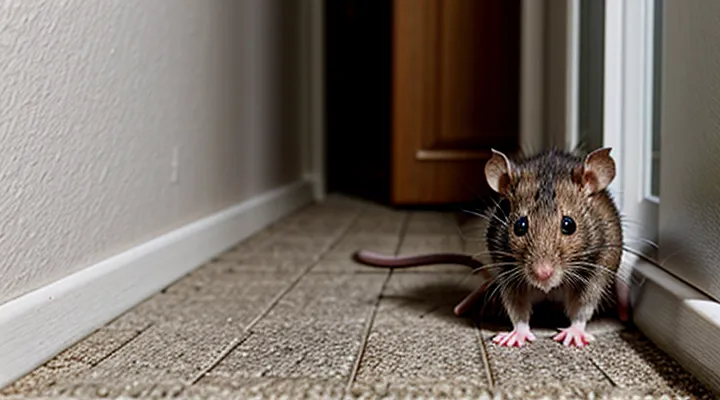
Understanding Mouse Ingress
The Scale of the Problem
Mice infestations affect millions of households annually, with estimates indicating that up to 30 % of homes in temperate regions experience rodent activity each year. In densely populated urban areas, the proportion can rise above 50 %, reflecting the close proximity of food sources, waste, and structural openings that facilitate entry.
Economic consequences are measurable. Direct damage to insulation, wiring, and stored food accounts for losses exceeding $2 billion in the United States alone. Indirect costs include pest‑control services, which generate a market of approximately $1.5 billion annually, and increased insurance claims related to fire hazards caused by chewed electrical components.
Health implications are significant. Mice carry pathogens such as Hantavirus, Salmonella, and Leptospira, leading to thousands of reported cases of disease transmission each year. Children and immunocompromised individuals face heightened risk due to greater exposure to contaminated surfaces and food.
Key statistics:
- 30 % of residential properties report mouse sightings at least once per year.
- 1 in 4 households experiences structural damage attributable to rodent activity.
- 12 % of reported food‑borne illness outbreaks trace back to rodent contamination.
Common Entry Points and Vulnerabilities
Mice infiltrate residential structures by exploiting gaps that exceed a few millimeters. Their small size and flexible bodies enable passage through cracks, openings around utilities, and deteriorated building components. Identifying these routes is essential for effective control.
- Gaps around exterior doors, especially at the bottom sweep, often lack proper sealing.
- Cracks in foundation walls, including those surrounding pipe penetrations, provide direct underground access.
- Unsealed openings around vents, chimneys, and exhaust fans allow entry from the roof or attic.
- Damaged or missing weatherstripping on windows creates lateral pathways.
- Holes in siding, soffits, and eaves, frequently caused by weather or pest activity, serve as entry points.
- Gaps around plumbing, electrical, and HVAC ducts, where sleeves are not tightly fitted, invite intrusion.
Vulnerabilities arise when construction materials degrade, maintenance is deferred, or installations are performed without adhering to industry standards. Loose mortar, rotted wood, and improperly installed flashing reduce the structural barrier against rodents. Regular inspection of potential ingress sites, combined with sealing techniques such as steel wool, caulk, or metal flashing, restores integrity and limits mouse access.
Detailed Examination of Entry Pathways
Structural Gaps and Openings
Foundation Cracks and Vents
Mice routinely exploit weaknesses in a building’s foundation. Cracks larger than ¼ inch provide unobstructed passage, while smaller fissures allow entry when soil moisture expands the gap. Continuous settlement, poor drainage, and freeze‑thaw cycles widen these openings over time, creating a permanent conduit for rodents.
Vents intended for airflow, dryer exhaust, and utility lines often lack adequate screening. Unfiltered openings as small as a mouse’s head enable direct access from the exterior. Improperly sealed vent covers, damaged louvers, and missing mesh increase vulnerability.
- Inspect foundation walls annually for horizontal and vertical fissures.
- Measure each crack; prioritize repair of openings exceeding ¼ inch.
- Apply hydraulic cement or epoxy sealant to close gaps.
- Verify that all vent caps are intact, securely fastened, and equipped with fine‑mesh screens.
- Replace damaged or corroded vent hardware promptly.
- Install stainless‑steel flashing around vent openings to deter chewing.
Effective maintenance of these structural elements reduces the likelihood of rodent intrusion and limits the need for subsequent pest‑control measures.
Gaps Around Utility Lines
Gaps that form around electrical, telephone, cable and gas lines create direct pathways for mice to move from the exterior into a dwelling. These openings appear where service conduits pass through walls, foundations, crawl spaces and attics. Typical locations include:
- Openings around conduit sleeves that are not sealed after installation.
- Spaces left after pipe insulation is removed or damaged.
- Cracks around utility brackets fixed to exterior siding.
- Unfilled holes created during renovation or repair work.
Mice exploit these gaps because they provide shelter from predators, maintain a stable micro‑climate and often lead directly to interior voids where food sources are present. The size of an entry point need only accommodate a mouse’s body width, roughly 1 inch, making even minor imperfections viable routes.
Effective control measures consist of:
- Inspecting all utility penetrations during construction or after major repairs.
- Applying steel wool, silicone caulk or expanding foam to fill gaps that are less than ¼ inch wide.
- Installing metal flashing or conduit collars that compress tightly around the pipe or cable.
- Using copper mesh or hardware cloth (¼‑inch mesh) to cover larger openings before sealing.
- Conducting periodic visual checks, especially after severe weather, to identify new gaps.
Addressing gaps around service lines eliminates a frequent entry point, reduces the likelihood of infestation and supports broader rodent‑exclusion strategies.
Unsealed Wall Voids
Unsealed wall voids create continuous cavities between interior finishes and exterior sheathing, providing a hidden corridor that mice readily exploit. These spaces often lack physical barriers, allowing rodents to travel from the building envelope to living areas without detection.
Typical entry points within wall voids include:
- Gaps around utility penetrations (electrical, plumbing, HVAC) that are not sealed with caulk or gaskets.
- Openings at the top of wall studs where insulation meets the attic floor.
- Unfinished or damaged sheathing where nails or screws are missing.
- Cracks around window and door frames that extend into the cavity.
Sealing measures must address each opening directly. Apply steel wool or copper mesh to small gaps, then cover with high‑quality expanding foam or cementitious sealant. Install metal flashing around larger penetrations, and replace missing fasteners in sheathing. Regular inspection of wall cavities during renovation or maintenance ensures that new gaps do not develop, thereby removing a primary conduit for mouse intrusion.
Doors and Windows
Gaps Under and Around Doors
Mice frequently exploit openings located at the base and perimeter of exterior doors. Even a gap as narrow as ¼ inch permits a mouse to squeeze through, making doorways a primary conduit for indoor intrusion.
Typical dimensions that accommodate mouse passage include:
- ¼ inch (6 mm) or larger vertical clearance beneath the door slab;
- ½ inch (12 mm) horizontal space between the door frame and adjacent wall;
- Gaps around door sweeps or weather‑stripping that exceed ⅛ inch (3 mm).
Common locations where these openings develop are:
- The space between the threshold and the floor, often enlarged by settling or uneven surfaces;
- The junction of the door jamb and surrounding masonry or siding;
- Worn or improperly installed door sweeps;
- Damaged or compressed weather‑stripping that no longer seals the perimeter.
Inspection should begin with a visual survey of the door’s lower edge while the door is closed. Use a thin piece of cardboard or a flashlight to detect light passing through any opening. Probe suspicious areas with a flexible wire or a ruler to measure clearance. Repeat the process after the building settles or after any renovation that affects the door assembly.
Sealing methods must match the size and nature of each gap. For openings up to ¼ inch, install a stainless‑steel door sweep that contacts the floor uniformly. Larger voids require a combination of expanding foam sealant and metal flashing to prevent rodents from chewing through. Replace cracked or missing weather‑stripping with a durable silicone or rubber profile. When the threshold sits above the floor, add a pressure‑treated wood or metal strip that can be fastened securely to eliminate vertical clearance.
Consistently eliminating these door‑related openings reduces the likelihood of mouse entry, limits population growth inside the residence, and diminishes the need for later pest‑control interventions.
Damaged Window Screens
Damaged window screens constitute a common breach through which mice infiltrate residential interiors. When a screen tears, warps, or loses its mesh integrity, it creates an opening large enough for a mouse to squeeze through, especially during colder months when rodents seek shelter.
Typical forms of screen failure include:
- Torn mesh – often caused by sharp objects or pet claws.
- Loose framing – hinges or clips that no longer hold the screen tightly.
- Corroded or broken hardware – rusted springs or snapped springs that prevent proper tension.
- Improper installation – gaps left around the perimeter due to misalignment.
Each defect reduces the barrier’s effectiveness, allowing mice to enter unnoticed. Repair or replacement of compromised screens eliminates the pathway and reduces the likelihood of infestation.
Preventive measures focus on maintaining screen condition:
- Inspect screens monthly for visible damage.
- Reinforce edges with weather‑resistant tape or replace worn clips.
- Use metal or heavy‑duty mesh in high‑traffic areas.
- Seal any gaps around the screen frame with silicone caulk.
By addressing these vulnerabilities promptly, homeowners can block a primary route used by rodents to access indoor spaces.
Open or Poorly Sealed Windows
Open or inadequately sealed windows provide direct access points for mice seeking shelter, food, and warmth. Gaps around frames, broken screens, or windows left ajar allow rodents to slip through openings as small as ½ inch, matching their flexible bodies.
Mice exploit these entryways by:
- Entering through spaces between the sash and the surrounding wall.
- Using damaged or missing screens as unobstructed passages.
- Pushing open windows that lack proper latching mechanisms.
- Navigating gaps around hinges, locks, or ventilation grilles adjacent to the window.
Preventive actions focus on eliminating the structural weaknesses that attract rodents:
- Install weatherstripping and caulk around all window frames to seal cracks.
- Replace damaged screens with tightly woven mesh and ensure they are securely fastened.
- Use window locks or latch devices that fully close and hold the sash in place.
- Check for and repair any warped or warped frames that create gaps.
- Keep windows closed during peak rodent activity periods, especially at dawn and dusk.
By maintaining a continuous barrier around windows, homeowners reduce the likelihood that mice will use these openings as routes into the interior.
Roof and Attic Access
Damaged Roofing Materials
Damaged roofing components create direct openings for rodents seeking shelter. Cracked shingles, missing tiles, and deteriorated flashing expose the interior to the external environment, allowing mice to slip through gaps as small as a centimeter. Once inside the attic, rodents can travel along beams, insulation, and ductwork to reach living areas.
Common roof defects that facilitate entry include:
- Broken or displaced shingles that leave gaps in the roof plane.
- Torn or missing roofing felt that reduces barrier integrity.
- Corroded or improperly sealed flashing around chimneys, vents, and skylights.
- Loose or damaged ridge caps that create openings along the roof ridge.
- Deteriorated roof decking that can be gnawed to enlarge existing holes.
Each defect reduces the structural seal, making it easier for mice to exploit the space. Repairing or replacing compromised materials restores the protective envelope, eliminating the primary access points used by rodents to infiltrate homes. Regular roof inspections identify these weaknesses before they become active pathways for infestation.
Unprotected Eaves and Soffits
Unprotected eaves and soffits provide direct routes for mice to reach interior spaces. Gaps between the roof edge and wall framing, deteriorated sheathing, and open vent openings create openings as small as a quarter‑inch, sufficient for a mouse to squeeze through. Roof overhangs without flashing or sealant allow insects and debris to accumulate, weakening the barrier and encouraging rodents to exploit the weakened points.
Typical conditions that attract mice include:
- Cracked or missing soffit panels
- Loose or absent eave flashing
- Unscreened attic vents
- Overgrown vegetation contacting the roof edge
- Deteriorated roofing materials exposing the underlying structure
Mitigation requires sealing all openings with durable materials such as metal flashing, high‑density foam, or stainless‑steel mesh. Replace damaged soffit boards, install a continuous barrier around vent openings, and trim trees or vines that touch the eaves. Regular inspections after severe weather ensure that new gaps are identified and repaired promptly, maintaining an effective defense against rodent intrusion.
Chimney and Vent Openings
Mice frequently exploit chimney and vent openings to gain access to interior spaces. These structures provide vertical pathways that bypass ground-level barriers and often contain gaps large enough for small rodents.
- Unsealed gaps around chimney flues allow mice to climb from the roof directly into the fireplace chamber.
- Damaged or missing vent caps create unobstructed entry points for mice seeking shelter and food sources.
- Loose flashing or deteriorated chimney crowns leave openings that rodents can squeeze through, especially during colder months.
- Ventilation ducts that terminate in the attic or crawl space may lack proper mesh screens, offering direct routes to living areas.
Preventive actions focus on sealing and reinforcing these vulnerabilities:
- Install stainless‑steel chimney caps with mesh screens rated for rodent exclusion.
- Replace cracked or missing vent covers with tight‑fitting, metal or heavy‑duty plastic models.
- Apply fire‑resistant caulk or expanding foam to seal gaps around flues, flashing, and chimney crowns.
- Fit metal mesh (¼‑inch or smaller) over vent openings and secure it with corrosion‑resistant fasteners.
- Conduct regular inspections of roof penetrations, repairing damage promptly to maintain a continuous barrier.
By maintaining intact, screened chimney and vent systems, homeowners eliminate one of the most efficient routes mice use to infiltrate residential structures.
Garage and Basement Entries
Overhead Garage Door Gaps
Mice exploit even the smallest openings in garage structures, and gaps around overhead doors provide a direct route into residential spaces. The typical clearance between the door panel and the frame ranges from 1/4 inch to several inches, a dimension easily traversed by a mouse’s body and head. Cracks often appear at the top edge where the door meets the header, along the side jambs, and around the weather‑stripping that wears out over time.
Inspection should focus on three areas:
- The perimeter seal: verify that the rubber or vinyl strip remains continuous and adheres firmly to the door and frame.
- The gap at the door’s highest point: measure the distance between the door’s upper edge and the header; any space larger than 1/8 inch warrants immediate attention.
- The underside of the door: ensure that the bottom seal is intact and that no warping creates additional openings.
Remediation strategies include:
- Install a high‑quality, compressible weather‑strip designed for garage doors, ensuring a tight fit around the entire perimeter.
- Apply expanding polyurethane foam to fill irregular gaps, allowing the material to cure fully before trimming excess.
- Replace worn or damaged seals with metal or heavy‑duty vinyl profiles that resist chewing.
- Add a secondary barrier such as a hinged metal sweep that overlaps the primary seal, preventing mice from slipping through any residual space.
Regular maintenance—checking seal integrity quarterly and repairing damage promptly—reduces the likelihood of rodent intrusion via overhead garage doors.
Basement Window Wells
Basement window wells are recessed structures that allow natural light and ventilation for below‑grade windows. Their outer frames sit at ground level, while the interior opening extends into the basement, creating a direct vertical shaft from the exterior to the interior space.
Mice exploit several weaknesses in these wells. Gaps between the well frame and the surrounding concrete provide a passage as small as a quarter inch. Damaged or missing mesh screens fail to block rodents that can climb ladders of soil and debris. Cracks in the well’s metal or plastic components create additional openings. Moisture accumulation at the base of the well attracts insects, which in turn draw mice seeking food and shelter.
Risk increases when vegetation borders the well, offering cover and easy climbing routes. Improper grading directs runoff toward the well, eroding the seal and enlarging gaps. Foundations that settle unevenly can shift the well frame, creating new cracks.
Effective mitigation includes:
- Inspecting the perimeter of each well for visible gaps, cracks, or broken screens.
- Installing stainless‑steel or heavy‑gauge mesh with openings no larger than ¼ inch, secured with rust‑resistant fasteners.
- Applying silicone or polyurethane sealant to all joints between the well frame and concrete.
- Ensuring proper drainage by grading soil away from the well and adding a gravel base or French drain if water pools.
- Trimming vegetation within a three‑foot radius to eliminate climbing paths.
- Conducting semi‑annual checks, especially after heavy rain or seasonal temperature changes.
Regular maintenance of basement window wells removes a common conduit for rodent entry, reducing the likelihood of infestations throughout the home.
Bulkhead Doors and Access Points
Bulkhead doors, also known as service hatches, constitute a frequent conduit for mouse intrusion. Improper sealing, warped frames, and loose hinges create openings that rodents can exploit. When the door sits flush with the exterior wall, even a gap of a few millimeters permits entry, especially during colder months when mice seek shelter.
Typical deficiencies in bulkhead installations include:
- Undersized or missing weatherstripping
- Cracked or deteriorated door panels
- Misaligned hinges that prevent a tight closure
- Absence of a metal latch or lock that resists gnawing
Other access points share similar characteristics. Penetrations for utilities, ventilation ducts, and foundation cracks often lack adequate barriers. Gaps around pipes, cable conduits, and foundation vents provide alternative routes. Sealing these openings with metal mesh, steel wool, or expandable foam reduces the likelihood of rodent ingress.
Landscaping and Exterior Factors
Overhanging Branches
Overhanging branches create direct pathways for mice to access the exterior of a building. When limbs extend beyond the roofline or walls, they form natural bridges that rodents can traverse without exposing themselves to open ground.
- Branches contacting eaves or soffits allow mice to climb onto the roof surface.
- Twigs that rest on gutters or downspouts provide stepping points for movement toward entry gaps.
- Dense foliage that drapes over windows or vents creates concealed routes, reducing the likelihood of detection.
Mice exploit these connections to reach vulnerable points such as unsealed cracks, vent openings, and gaps around utility lines. Regular trimming of branches to maintain a minimum clearance of 12 inches from the structure interrupts these routes and reduces the probability of rodent intrusion. Additionally, installing physical barriers—such as metal flashing or mesh—at contact sites prevents mice from using the branches as ladders.
Vegetation Close to the Foundation
Vegetation that grows directly against a house’s foundation creates a bridge between the outdoors and interior spaces. Roots and stems can penetrate cracks, gaps, and joints in the concrete or masonry, enlarging openings that are otherwise too small for mice. Dense shrubs or ivy may also provide continuous cover, allowing rodents to move along the plant material and reach the building without exposure to predators.
Root systems exert pressure on foundation walls, gradually widening fissures. When soil moisture is retained by nearby plants, the ground remains soft, facilitating the formation of tunnels that connect to the house’s crawl spaces. Overhanging branches can drop debris onto the roof and gutters, creating additional pathways for mice to climb and enter through eaves or vent openings.
Preventive measures focus on eliminating direct contact between plants and the structure:
- Trim all vegetation at least 12–18 inches (30–45 cm) away from the foundation.
- Remove woody vines and invasive shrubs that cling to walls.
- Replace low‑lying ground cover with hardscape materials such as gravel or stone.
- Maintain a clear zone of well‑drained soil to reduce moisture accumulation near the perimeter.
- Inspect and seal cracks, gaps, and utility penetrations after vegetation removal.
By disrupting the vegetative corridor, homeowners reduce the likelihood that mice will use plant growth as a conduit into the living environment.
Debris and Clutter as Cover
Debris and clutter create concealment that enables mice to move from exterior environments into interior spaces. Piles of cardboard, newspaper, fabric, and insulation provide shelter from predators and temperature extremes, encouraging rodents to linger near potential entry points. Accumulated material in basements, attics, and crawl spaces often obscures gaps around pipes, vents, and foundation cracks, allowing mice to exploit unnoticed openings.
Typical sources of cover include:
- Storage boxes left on the floor rather than on shelves.
- Unshaken piles of firewood positioned against exterior walls.
- Loose insulation or shredded drywall left after renovations.
- Overfilled trash bins and recycling containers stored in garages or utility rooms.
When debris surrounds an opening, visual inspection becomes difficult, and sealing efforts may miss hidden gaps. Rodents also use clutter to transport nesting material deeper into the home, establishing colonies that increase infestation risk.
Mitigation measures focus on eliminating concealment and reinforcing barriers:
- Remove all floor‑level storage, relocate items to elevated shelves, and keep aisles clear.
- Trim back firewood stacks, maintaining a minimum distance of three feet from the house foundation.
- Repair or replace damaged insulation promptly; dispose of shredded material in sealed containers.
- Secure trash cans with tight‑fitting lids and position them away from exterior walls.
- Conduct regular inspections of basements, attics, and crawl spaces, paying special attention to corners where debris may accumulate.
By systematically reducing clutter and sealing concealed gaps, homeowners limit the opportunities rodents have to exploit cover and gain access to interior environments.
Factors Attracting Mice to Homes
Food Sources
Improperly Stored Food
Improperly stored food creates a constant attractant that encourages mice to seek entry points into residential structures. Food odors seep through cracks, gaps around doors, and ventilation openings, guiding rodents toward the source. When containers are left open or unsealed, crumbs and spills provide a readily available supply, reducing the distance mice must travel to obtain nutrition.
Key mechanisms by which poor food storage promotes infiltration include:
- Odor diffusion: Uncovered snacks emit volatile compounds that travel through building envelopes, signaling a viable feeding site.
- Surface contamination: Crumbs on countertops, floors, and appliance exteriors create a trail that leads rodents directly to entryways.
- Accessible waste: Overflowing trash cans or improperly sealed bags release scent cues, attracting mice to nearby openings.
- Improper packaging: Plastic bags or paper wraps lacking airtight seals allow moisture loss and scent release, making the contents detectable from outside the home.
Mitigation requires airtight containers, regular cleaning of food preparation areas, and prompt removal of waste. By eliminating these attractants, the incentive for mice to locate and exploit structural vulnerabilities diminishes significantly.
Pet Food Left Out
Pet food that is left uncovered provides a readily available food source, encouraging mice to explore interior spaces. The scent of dry kibble or wet food diffuses through cracks and gaps, creating a chemical trail that rodents can follow from exterior entry points such as utility openings, foundation cracks, or vents.
When food is accessible, mice are more likely to:
- Increase the frequency of trips through small openings, expanding the number of active pathways.
- Establish temporary nesting sites near the food supply, reducing the distance they must travel to feed.
- Leave droppings and urine in adjacent areas, contaminating surfaces and attracting additional pests.
Effective mitigation includes:
- Storing pet food in sealed, rodent‑proof containers made of metal or heavy‑wall plastic.
- Removing uneaten portions after each feeding and cleaning feeding areas promptly.
- Positioning feeding stations away from walls, pipes, and other potential entry routes.
By eliminating an easy food source, homeowners reduce the incentive for mice to exploit existing structural vulnerabilities, thereby limiting the overall risk of infestation.
Garbage and Compost
Mice are attracted to food residues, making improperly managed waste a primary conduit for indoor invasion. When garbage containers lack secure lids, odors disperse, signaling an abundant food source. Open or loosely covered compost piles emit similar cues, especially when organic material remains moist and decomposes rapidly. Both scenarios provide shelter, moisture, and easy access to nesting sites.
Key factors that transform waste areas into entry points:
- Container integrity – cracked, warped, or improperly sealed bins allow mice to push through or slip underneath.
- Location proximity – bins placed against exterior walls or near foundation cracks shorten the distance to interior spaces.
- Moisture levels – damp refuse encourages bacterial growth, creating a humid micro‑environment favorable to rodents.
- Frequency of removal – infrequent emptying leads to accumulation, increasing scent intensity and food availability.
Mitigation measures focus on eliminating the attractants that waste presents:
- Install tight‑fitting, metal lids with locking mechanisms on all trash and compost containers.
- Position bins at least several feet from the building envelope; use a concrete or metal platform to prevent direct contact with the foundation.
- Seal the interior of containers with heavy‑duty liners to reduce leakage and odor.
- Empty garbage and compost daily during warm months; maintain a dry, well‑aerated compost pile by turning it regularly and covering it with a breathable tarp.
- Inspect and repair any gaps, cracks, or holes in the exterior wall, foundation, or utility penetrations that could serve as shortcuts from waste zones to interior rooms.
By treating garbage and compost as potential entry routes and applying strict containment protocols, homeowners can significantly reduce the likelihood of rodent infiltration.
Water Sources
Leaky Pipes and Faucets
Leaking water lines and dripping faucets create a constant source of moisture that draws mice into residential structures. Moisture softens building materials, loosening joints and enlarging gaps around pipe sleeves, wall penetrations, and fixture mounts. These openings become direct routes for rodents seeking water and shelter, especially in colder months when interior humidity is prized.
Typical entry points associated with plumbing failures include:
- Cracks around pipe flanges beneath sinks or bathtubs.
- Gaps where flexible hoses pass through cabinets or walls.
- Loose connections at water heater or boiler installations.
- Openings around outdoor faucet adapters and hose bibs.
Repairing leaks eliminates the attractant and restores the integrity of surrounding structures. Effective mitigation involves:
- Inspecting all visible pipe joints for signs of corrosion, rust, or moisture stains.
- Tightening or replacing compromised fittings with appropriate sealants or compression clamps.
- Applying steel wool or copper mesh to fill small gaps before caulking.
- Installing pipe insulation to reduce condensation and deter rodent gnawing.
- Conducting regular maintenance checks on exterior faucets and ensuring they are fully closed when not in use.
Prompt remediation of plumbing defects removes both the water supply and the structural vulnerabilities that facilitate mouse intrusion.
Pet Water Bowls
Pet water bowls placed near entry points create moisture sources that entice mice seeking hydration. Open‑rim containers allow rodents to drink without triggering a spill, while shallow dishes can be tipped over easily, providing access to the water inside.
Materials and construction affect susceptibility. Plastic bowls with loose lids can be pried open; ceramic or metal bowls with secure, fitted covers reduce entry opportunities. Bowls lacking a tight seal permit scent diffusion, which draws rodents from surrounding walls and gaps.
Strategic placement limits exposure. Position bowls away from cracks, gaps under doors, and utility openings. Elevate containers on sturdy stands to prevent mice from climbing directly from the floor. Keep bowls on non‑porous surfaces that can be cleaned thoroughly.
Routine maintenance prevents infestation. Daily empty and refill the bowl; sanitize with mild detergent weekly. Inspect lids for cracks or warping; replace damaged items promptly. Remove standing water after each use to eliminate lingering moisture.
Preventive actions
- Use bowls with snap‑on, lockable lids.
- Locate containers at least 12 inches from known entry routes.
- Elevate bowls on platforms with smooth sides.
- Clean and dry bowls after each feeding session.
- Perform regular inspections of surrounding walls and floor seams.
Condensation
Condensation forms when warm, humid indoor air meets cold surfaces such as windows, exterior walls, and uninsulated pipes. The resulting moisture saturates wood, drywall, and insulation, weakening material integrity and creating gaps that rodents can exploit.
Moisture‑induced damage creates specific entry routes for mice:
- Swollen or warped framing members that split, leaving fissures.
- Damp insulation that detaches from studs, exposing voids.
- Corroded metal fasteners and pipe joints that crack under rust.
- Condensation‑covered exterior cladding that peels, revealing gaps behind siding.
These openings are often unnoticed during routine inspections because visible signs—staining, mold, or a musty odor—appear after the structural breach has formed. Addressing condensation at its source eliminates the moisture that drives material degradation and reduces the likelihood of rodent intrusion. Effective measures include sealing air leaks, improving ventilation, insulating cold surfaces, and maintaining consistent indoor humidity levels.
Shelter and Harborage
Cluttered Storage Areas
Cluttered storage areas create multiple opportunities for rodents to infiltrate residential spaces. Piles of boxes, seasonal items, and disorganized belongings generate concealed pathways that allow mice to move unseen from external entry points to interior rooms. Loose materials conceal gaps in walls, floors, or doors, while stacked items provide immediate shelter and nesting sites. Stored food, even when packaged, can be accessed when packaging is compromised by gnawing, offering a food source that encourages repeated visits.
Key factors associated with disordered storage include:
- Accumulated debris that hides cracks and holes.
- Stacked containers that serve as temporary shelters.
- Unsealed food packages that become accessible after damage.
- Blocked visibility that prevents early detection of rodent activity.
Mitigating these risks involves maintaining clear aisles, regularly inspecting storage zones for openings, sealing any identified gaps, and storing food in rodent‑proof containers. Consistent organization reduces concealment, limits shelter options, and diminishes the attractiveness of the area to invading mice.
Unused Appliances
Unused appliances create multiple vulnerabilities that allow rodents to infiltrate residential spaces. Gaps surrounding refrigerators, dishwashers, and washing machines often remain unsealed after installation, providing direct passages from basements, crawl spaces, or attics. Ventilation ducts attached to idle equipment may extend to exterior walls, offering concealed routes that bypass typical entry-point inspections.
Key factors associated with idle devices include:
- Accumulated debris and food residues inside ovens or microwaves, which attract foraging behavior.
- Loose wiring or conduit openings left exposed during removal, forming narrow tunnels suitable for mouse movement.
- Unused dryer exhaust vents that open directly to the outside, lacking screens or flaps to block ingress.
- Storage compartments within large appliances, such as freezer drawers, that become sheltered nesting sites when left empty.
Mitigation measures focus on sealing and removal. Apply fire‑rated caulk or steel wool to all seams, install mesh coverings over vent openings, and disconnect power to eliminate heat sources that draw rodents. When an appliance is no longer needed, detach it from utilities, remove it from the interior space, and store it in a sealed, climate‑controlled environment. Regular inspection of remaining devices ensures that any new gaps are identified and addressed promptly.
Attics and Basements
Attics and basements serve as primary conduits for mouse intrusion because they provide shelter, warmth, and proximity to food sources. Structural gaps, damaged vents, and unsealed utility penetrations create direct pathways. Mice exploit these openings without needing external assistance.
Typical access points include:
- Roof eaves and soffit cracks
- Chimney flues lacking caps
- Crawl‑space vents and foundation cracks
- Utility lines (electric, plumbing, HVAC) that pass through walls or floors
- Unsealed basement windows and door thresholds
Signs of activity in these areas are:
- Gnawed insulation, wiring, or wood framing
- Small droppings on stored items or near entry points
- Nest material such as shredded paper, fabric, or insulation
- Scratching noises within walls or ceiling cavities
Preventive actions:
- Seal all exterior gaps with steel wool, cement, or metal flashing; avoid using only caulk or foam, which rodents can chew.
- Install vent covers and chimney caps designed to exclude small mammals.
- Maintain a clear perimeter around the foundation; keep vegetation trimmed and remove debris that could conceal entry routes.
- Inspect and repair roof sheathing, soffits, and attic insulation regularly.
- Use door sweeps and threshold seals on basement doors; verify that window screens are intact and securely fastened.
Effective management relies on routine inspection, prompt repair of identified vulnerabilities, and reinforcement of barriers in both attic and basement environments.
Prevention and Exclusion Strategies
Sealing Entry Points
Caulking and Weatherstripping
Proper sealing of building envelopes eliminates the small openings that rodents exploit. Caulking fills cracks around windows, doors, utility penetrations, and foundation joints, creating a continuous barrier that prevents mice from squeezing through gaps as thin as a quarter of an inch. Selecting a silicone‑based or polyurethane sealant ensures durability against temperature fluctuations and moisture, maintaining integrity over time.
Key considerations for effective use:
- Identify all potential entry points: inspect exterior trim, siding, and interior wall–floor junctions.
- Clean surfaces of dust, old sealant, and loose material before application.
- Apply sealant with a steady pressure, pushing it into the gap to achieve full contact.
- Smooth the bead with a tooling tool to eliminate air pockets and achieve a uniform finish.
- Allow the product to cure according to manufacturer specifications before exposing the area to humidity or temperature changes.
Weatherstripping complements caulking by providing flexible protection on movable components. Install adhesive-backed foam, rubber, or silicone strips on door frames, window sashes, and attic hatches. Ensure the strip compresses snugly when the fixture is closed, closing any residual space. Replace worn or damaged weatherstripping annually to sustain a consistent seal and deny rodents repeated access routes.
Mesh and Wire Screening
Mesh and wire screening serves as a primary barrier that prevents rodents from penetrating structural openings. Screens are installed over vents, foundation cracks, crawl‑space entries, and utility penetrations, creating a continuous physical obstacle that mice cannot squeeze through when the aperture size is appropriately limited.
Effective screening relies on two critical dimensions: aperture size and material strength. A mesh opening of ¼ inch (6 mm) or smaller blocks adult mice, while stainless‑steel or galvanized steel wire offers resistance to chewing. Polyethylene-coated wire adds corrosion protection for exterior applications, extending service life in humid environments.
Installation guidelines include:
- Measure each opening and cut the screen to overlap the framing by at least 1 inch on all sides.
- Secure the material with stainless‑steel staples or screws, ensuring no gaps at seams.
- Apply a weather‑resistant sealant around perimeter joints to maintain airtight integrity.
- Inspect screens annually for signs of damage, such as torn mesh or rusted wire, and replace compromised sections promptly.
Regular maintenance of screened openings maintains the integrity of the overall exclusion system, reducing the likelihood of rodent ingress through common entry points.
Repairing Structural Damage
Mice exploit gaps, cracks, and broken components in a building’s envelope to gain access. Unsealed openings provide a direct route from exterior spaces to interior rooms, allowing rodents to enter, nest, and cause further deterioration.
Typical sources of vulnerability include:
- Cracked foundation walls or slab joints
- Damaged or missing siding, soffits, and fascia
- Gaps around utility penetrations, such as pipes, cables, and vent ducts
- Openings around doors, windows, and garage doors that lack proper weatherstripping
- Deteriorated roof sheathing, eaves, and attic access panels
Repair procedure:
- Inspect all exterior surfaces, focusing on the items listed above.
- Clean debris and remove rot, loose material, or insect damage from the affected area.
- Apply a durable sealant or caulk to fill cracks no wider than ¼ inch; for larger openings, install steel wool or copper mesh before sealing.
- Replace compromised siding, soffit, or roof panels with weather‑resistant materials that match the existing structure.
- Re‑install or upgrade flashing around utility entries, ensuring a tight overlap and proper slope to direct water away.
- Fit weatherstripping on doors and windows, checking for gaps after each installation.
Effective repair uses materials resistant to gnawing, moisture, and temperature fluctuations. Polyurethane‑based sealants, silicone caulks, and metal flashing provide long‑term integrity. When installing replacement panels, select pressure‑treated lumber or fiber‑cement siding to deter chewing. Regular maintenance checks, at least twice yearly, confirm that repairs remain intact and that new damage has not emerged.
Maintaining the Exterior
Trimming Vegetation
Trimming vegetation directly reduces the opportunities for mice to travel from outdoor cover to a building’s exterior. Overgrown shrubs, tall grass, and vines create continuous shelter that enables rodents to move unseen and reach roof eaves, soffits, and foundation cracks.
Key actions for effective vegetation management:
- Cut back shrubs to at least 6 inches (15 cm) from the house wall.
- Maintain lawn height below 3 inches (7.5 cm) to eliminate hiding spots.
- Remove vines and climbing plants that attach to siding or gutters.
- Prune tree branches so they do not overhang the roof or touch the structure.
- Dispose of yard waste promptly; compost piles should be covered and located away from the home.
These measures create a clear perimeter, forcing mice to expose themselves when attempting to cross open ground. Without a protected corridor, the likelihood of rodents reaching entry points such as gaps in siding, vent openings, or crawl‑space doors decreases significantly. Regular inspection and seasonal trimming sustain the barrier, limiting rodent ingress over time.
Removing Debris
Debris accumulation in eaves, attics, and crawl spaces creates concealed pathways that invite small rodents into living spaces. Loose insulation, shredded cardboard, and piles of stored items conceal gaps and provide nesting material, making it easier for mice to exploit structural weaknesses.
Effective removal of such material involves three core actions:
- Inspection: Conduct a systematic sweep of rooflines, soffits, and interior storage areas. Identify loose insulation, broken drywall, and accumulated junk that obscures potential entry points.
- Clearing: Extract identified debris using vacuum equipment, hand tools, or temporary barriers. Dispose of removed material in sealed containers to prevent re‑infestation.
- Sealing: After clearance, seal exposed joists, vent openings, and cracks with steel wool, caulk, or metal mesh. Ensure the sealant material resists gnawing.
Regular maintenance, performed quarterly, sustains a debris‑free environment. By eliminating hidden shelters, the likelihood of rodents locating and exploiting entry routes diminishes significantly.
Sealing Gaps in Outdoor Structures
Sealing gaps in exterior buildings is a critical step in preventing rodents from gaining access to residential interiors. Mice exploit openings as small as a quarter‑inch, making even minor defects in sheds, garages, decks, and storage units potential entry points. Identify all joints, seams, and penetrations where utilities, vents, or structural components intersect.
Typical vulnerabilities include:
- Gaps around pipe and cable entries; fill with steel‑wool backed caulk or metal flashing.
- Openings beneath siding or between siding panels; apply exterior-grade sealant and install foam backer rods.
- Unfinished attic or roof eave vents; cover with mesh screen secured by screws.
- Cracks in foundation walls or footing; inject expanding polyurethane foam or use cementitious mortar.
- Gaps around door frames and window wells; install weatherstripping and replace deteriorated flashing.
After repairs, inspect regularly for new damage caused by weather, settlement, or pest activity. Maintain a schedule of visual checks and reapply sealants as needed to ensure continuous protection against rodent intrusion.
Interior Practices
Proper Food Storage
Proper food storage directly reduces the likelihood of rodents infiltrating residential spaces. Food left uncovered or stored in improper containers creates an attractive scent trail that guides mice from exterior openings to interior rooms. Secure containers eliminate this stimulus and remove a primary incentive for entry.
Key practices include:
- Use airtight, polycarbonate or metal containers with sealed lids for dry goods such as grains, cereals, and pet food.
- Store perishable items in the refrigerator or freezer promptly after purchase; avoid leaving them on countertops.
- Keep pantry shelves clean; wipe spills immediately and dispose of waste in sealed trash bags.
- Rotate inventory regularly; discard items past their expiration date to prevent spoilage odors.
- Position food storage areas away from potential entry points such as gaps under doors, utility openings, or vent shafts.
By eliminating accessible food sources, homeowners diminish the attractant gradient that draws mice toward structural breaches. Consistent implementation of these measures creates an environment where rodent intrusion offers no nutritional benefit, thereby interrupting one of the main pathways through which mice gain access to indoor habitats.
Regular Cleaning
Regular cleaning eliminates food sources and shelter that attract rodents, directly limiting the opportunities for mice to infiltrate a dwelling. By removing crumbs, spilled liquids, and waste, the environment becomes inhospitable, discouraging exploratory behavior that leads to entry through gaps and openings.
Key cleaning actions include:
- Wiping countertops, tables, and floor surfaces after each meal preparation.
- Storing dry goods in sealed containers and disposing of empty packaging promptly.
- Vacuuming or sweeping under appliances, in cabinets, and behind furniture to remove hidden debris.
- Emptying trash bins regularly, using lids, and cleaning the interior of bins to prevent odor buildup.
- Maintaining cleanliness in entry zones such as garages, basements, and crawl spaces, where rodents often seek shelter.
Consistent implementation of these practices reduces attractants, thereby decreasing the likelihood that mice will exploit structural vulnerabilities and gain access to interior spaces.
Addressing Water Leaks
Water intrusion creates moist environments that attract rodents and compromise structural integrity, making leaks a primary conduit for mouse ingress. Moisture softens building materials, enlarges gaps around pipes, and erodes sealants, thereby forming hidden pathways that mice exploit to reach interior spaces.
Effective mitigation begins with systematic identification and repair of all sources of water loss. The process includes:
- Conducting a visual sweep of ceilings, walls, and floors for stains, drips, or corrosion.
- Using moisture meters to locate hidden saturation behind finished surfaces.
- Inspecting plumbing joints, faucet connections, and appliance hoses for signs of seepage.
- Verifying roof flashing, gutter downspouts, and foundation drainage for proper function.
- Sealing identified cracks with appropriate caulk, expanding foam, or concrete patch.
After repairs, implement preventative controls to maintain a dry environment:
- Install drip‑free fixtures and regularly test for pressure fluctuations.
- Route downspout discharge at least six feet from the foundation.
- Apply waterproof barriers to basement walls and crawl‑space floors.
- Schedule quarterly inspections of vulnerable zones, especially after heavy rain.
By eliminating moisture sources, the structural openings that mice use for entry are removed, reducing the likelihood of infestation and protecting the home’s integrity.