
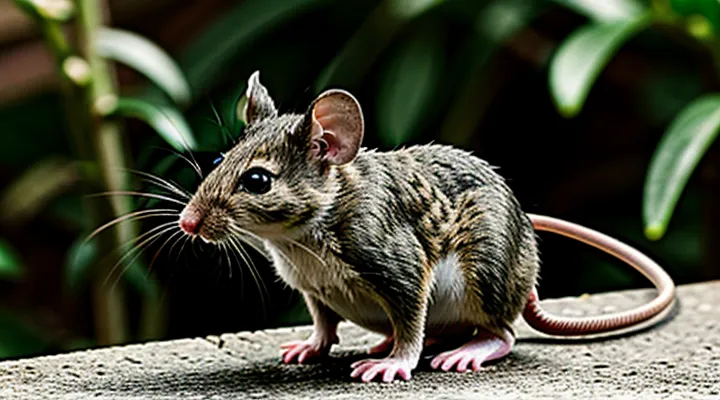
Mouse Reproductive Biology at a Glance
Understanding Mouse Gestation
Mouse gestation lasts approximately 19–21 days, a period that remains consistent across most laboratory strains and wild populations. During this interval, embryonic development proceeds rapidly: implantation occurs within 4–5 days post‑conception, organogenesis is completed by day 14, and fetal growth accelerates until birth.
Litter size averages 5–8 pups, although variation depends on genetic background, maternal age, and environmental conditions. Factors influencing fetal viability include:
- Nutrition: adequate protein and caloric intake correlate with higher survival rates.
- Temperature: optimal ambient temperature (22–26 °C) supports normal embryonic development.
- Stress: elevated corticosterone levels reduce implantation success and increase resorption.
Reproductive cycles are tightly regulated by hormonal feedback loops. The estrous cycle in females spans 4–5 days, allowing for potential conception shortly after parturition. Consequently, a healthy female mouse can produce up to ten litters per year, contributing to the species’ high reproductive output.
Monitoring gestational progress relies on palpation, ultrasonography, and measurement of abdominal circumference. These methods enable precise timing of interventions in experimental settings and facilitate accurate assessment of developmental endpoints.
Factors Influencing Litter Size
Mouse litter size displays considerable variability, reflecting the combined effect of genetic, environmental, and physiological determinants.
Key determinants include:
- Genetic background: inbred strains tend to produce smaller litters than outbred populations.
- Maternal age: young and senescent females generally yield fewer pups than those in prime reproductive years.
- Nutritional status: diets deficient in protein or essential micronutrients reduce embryonic viability and litter size.
- Ambient temperature: extreme cold or heat disrupts hormonal regulation, leading to smaller broods.
- Photoperiod: prolonged daylight exposure can enhance reproductive hormone secretion, increasing offspring numbers.
- Stress exposure: chronic stress elevates corticosterone, suppressing ovulation and implantation rates.
Interactions among these factors shape reproductive output; for example, optimal nutrition can mitigate age‑related declines, while favorable temperature may offset mild nutritional deficiencies. Understanding these influences enables precise manipulation of breeding programs and improves predictions of population dynamics in laboratory and wild mouse populations.
Litter Size and Frequency
Average Number of Pups Per Litter
Typical Range of Offspring
Mice usually produce between five and ten pups per litter, with most observations falling within this interval. The recorded spectrum extends from three to fourteen offspring, depending on genetic line and environmental conditions.
- Minimum documented litter size: three pups
- Common range: five to ten pups
- Upper extreme reported: fourteen pups
Litter size varies with factors such as maternal age, nutrition, housing density, and strain genetics. Younger females often yield smaller litters, while mature, well‑fed individuals reach the higher end of the range. Seasonal changes and stress levels also modulate reproductive output.
Variations by Mouse Species
Mouse reproductive output varies markedly among species, reflecting evolutionary adaptations to habitat, predation pressure, and resource availability.
- House mouse (Mus musculus): average litter of 5–7 pups; extremes of 3–12 recorded under laboratory conditions.
- Deer mouse (Peromyscus maniculatus): typical litter of 4–6 offspring; occasional litters of up to 9 in resource‑rich environments.
- White‑footed mouse (Peromyscus leucopus): commonly 4–5 pups per litter; occasional larger litters of 7–8.
- African pygmy mouse (Mus musculus pallidus): small litters of 2–4 young, reflecting limited body size.
- Spiny mouse (Acomys cahirinus): 3–5 offspring per litter, with potential for multiple litters annually in arid zones.
Reproductive frequency also differs: some species produce several litters per year, while others, such as the spiny mouse, may have fewer but larger litters during favorable seasons. Environmental factors—diet quality, temperature, and population density—modulate both litter size and breeding intervals, contributing to the observed interspecific diversity.
How Often Do Mice Reproduce?
The Mating Cycle of Mice
Mice reproduce with a rapid and tightly regulated mating cycle that determines litter output. Female mice experience an estrous cycle lasting approximately four to five days. Ovulation occurs during the proestrus‑to‑estrus transition, and receptivity peaks for a brief window of 12‑14 hours. Successful copulation during this period leads to fertilisation, after which gestation proceeds for about 19‑21 days.
Key reproductive parameters include:
- Estrous cycle length: 4‑5 days, with a single fertile phase.
- Mating frequency: females can conceive again within 24‑48 hours after giving birth.
- Gestation period: 19‑21 days from fertilisation to delivery.
- Litter size: typical range of 5‑8 pups; extremes may reach 12‑14 under optimal conditions.
- Post‑partum ovulation: occurs as early as 24 hours after parturition, enabling successive litters.
These factors combine to allow a single female mouse to produce multiple litters annually, resulting in a high potential for pup production over its reproductive lifespan.
Number of Litters Annually
Mice reproduce rapidly, allowing multiple breeding cycles within a single year. A typical laboratory mouse can produce a litter every 21–28 days, resulting in several litters before the end of the breeding season.
Key factors influencing the annual litter count include:
- Photoperiod and temperature: Longer daylight and moderate temperatures extend the breeding period.
- Nutrition: Adequate protein and caloric intake support frequent ovulation.
- Strain differences: Some strains reach sexual maturity earlier, increasing potential litters.
Observed ranges:
- Domestic / laboratory strains: 5 – 10 litters per year.
- Wild house mice (Mus musculus): 3 – 6 litters per year, limited by seasonal constraints.
Gestation lasts approximately 19–21 days, and each litter contains 5–12 pups on average. The combination of short gestation, early sexual maturity (about 6 weeks), and high reproductive frequency explains the high annual litter output in mice.
Survival Rates and Environmental Impact
Pup Survival in the Wild
Mice typically produce litters ranging from three to twelve young, with an average of six to eight. In natural environments, only a fraction of these pups reach adulthood due to predation, disease, and resource scarcity.
Key factors influencing pup survival in the wild include:
- Predation pressure from owls, snakes, and terrestrial carnivores.
- Availability of nesting material and shelter that reduce exposure to temperature extremes.
- Maternal condition; well‑nourished females provide more frequent nursing and grooming.
- Pathogen load; high parasite prevalence can increase mortality during the first weeks.
- Competition for food; limited seed and insect supplies force pups to rely heavily on maternal provisioning.
Survival rates vary geographically. Studies report that in temperate grasslands, approximately 30 % of newborns survive to weaning, whereas in arid scrubland, survival may drop below 15 %. Early weaning, typically occurring at three weeks, marks a critical transition; pups that achieve independence before the onset of harsh weather have higher chances of reaching reproductive age.
Long‑term population dynamics depend on the balance between litter size and juvenile mortality. High fecundity compensates for low survival, maintaining stable mouse numbers despite constant environmental challenges.
Impact of Predation and Resource Availability
Predation pressure reduces the number of offspring that a mouse can successfully raise. When predators are abundant, females tend to produce smaller litters, allocate more resources to each pup, and shorten the breeding season to minimize exposure to danger. Conversely, low predation risk allows larger litters and more frequent breeding cycles.
Resource availability directly influences reproductive output. Abundant food supplies increase maternal body condition, leading to higher ovulation rates and larger litters. Scarce nutrition forces females to conserve energy, resulting in fewer embryos and extended intervals between litters. The interaction between food and predation shapes population dynamics: ample resources can offset moderate predation, while simultaneous scarcity and high predation produce the steepest declines in offspring numbers.
Key effects can be summarized:
- High predation + low food → minimal litter size, reduced breeding frequency.
- High predation + high food → moderate litter size, occasional breeding.
- Low predation + low food → small litters, but more breeding attempts.
- Low predation + high food → maximal litter size, frequent breeding.
These patterns illustrate how external pressures regulate mouse reproductive capacity without invoking the original phrasing of the central inquiry.
The Role of Human Environments
Mouse reproductive output is sensitive to external conditions. Laboratory data indicate that litter size ranges from three to twelve pups, depending on the surrounding environment.
Human‑dominated settings modify this range through several mechanisms. Urban habitats provide abundant artificial food sources but also expose rodents to pollutants and fluctuating temperatures. Agricultural landscapes supply grain stores, yet routine pesticide application introduces physiological stress. Controlled research facilities eliminate most variables, producing consistent litter sizes that differ from wild populations.
Key environmental factors include:
- Nutrient abundance: increased caloric intake correlates with larger litters.
- Ambient temperature: moderate warmth reduces metabolic costs, supporting higher birth rates.
- Chemical exposure: endocrine‑disrupting agents lower fertility and shrink litter size.
- Population density: overcrowding elevates stress hormones, suppressing reproductive output.
These influences alter demographic models used in pest management and ecological forecasting. Understanding how human‑altered habitats affect mouse breeding patterns refines predictions of population growth and informs mitigation strategies.
The Life Cycle of a Mouse Pup
From Birth to Weaning
Mice produce relatively large litters, typically ranging from five to twelve pups per birth. Newborns weigh 1–2 g, are hairless, and lack functional eyes and ears, classifying them as altricial mammals. Immediate reliance on the dam for warmth and nutrition defines the first post‑natal days.
During the first week, pups double their birth weight each 48 hours through exclusive consumption of maternal milk. By day 7, fur begins to appear, and auditory pinna open, indicating rapid sensory maturation.
From day 14 onward, solid food is introduced in small quantities while nursing continues. By day 21, most individuals achieve independence, cease regular suckling, and are considered weaned. The weaning stage marks the transition to autonomous foraging and prepares juveniles for sexual maturity.
Key developmental milestones:
- Day 0: birth, weight 1–2 g, full dependence on dam.
- Day 7: fur development, ear opening, weight ≈ 4 g.
- Day 14: introduction of solid food, mixed diet.
- Day 21: cessation of nursing, weight ≈ 10 g, behavioral independence.
These stages delineate the period from birth to weaning, providing a framework for estimating the reproductive output of laboratory and wild mouse populations.
Rapid Maturation and Reproduction
Mice reach sexual maturity rapidly, typically between four and six weeks of age. Puberty onset corresponds with the first estrous cycle, after which females become capable of conceiving.
The estrous cycle lasts four to five days, allowing a potential breeding event each week. Gestation requires approximately nineteen to twenty‑one days, after which females often enter a postpartum estrus, enabling immediate re‑mating.
Litter outcomes are characterized by:
- Average size: five to eight pups
- Recorded range: two to twelve pups
- Birth interval: roughly three to four weeks when continuous breeding occurs
- Annual reproductive output per female: up to twelve litters, yielding sixty to ninety offspring under optimal conditions
Rapid maturation and short reproductive intervals combine to produce high fecundity, explaining the species’ capacity for swift population expansion.