
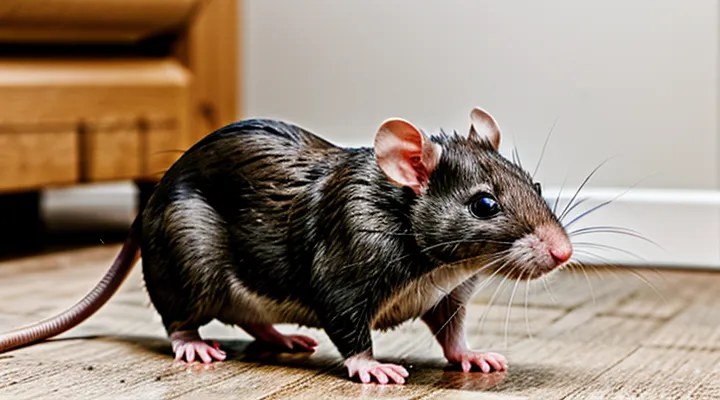
Understanding Anesthesia in Rats
Types of Anesthesia Used in Rats
Inhalant Anesthetics
Inhalant anesthetics dominate rodent surgical protocols because they allow rapid adjustment of depth and swift emergence. Isoflurane, sevoflurane and halothane are the most frequently employed agents for rats. Their low blood‑gas partition coefficients enable quick clearance from the bloodstream once delivery stops, which directly determines the post‑procedure recovery interval.
Typical recovery times after discontinuation of inhalant anesthesia range from 5 minutes for short, low‑dose exposures to 30–45 minutes for prolonged or high‑concentration sessions. The following variables modulate this interval:
- Agent concentration and exposure duration – higher fractions and longer inhalation increase tissue saturation, extending clearance.
- Ventilation rate – adequate oxygen flow accelerates elimination of the volatile compound.
- Ambient and body temperature – hypothermia slows metabolism, lengthening recovery; normothermia promotes faster emergence.
- Animal size and age – larger or older rats possess greater tissue stores, resulting in delayed washout.
Monitoring during the wake‑up phase should include respiratory rhythm, righting reflex and locomotor activity. If recovery exceeds expected windows, assess ventilation adequacy, verify that the anesthetic circuit is free of leaks, and consider gentle warming to restore normal metabolic rate. Proper management of these parameters ensures that rats regain consciousness promptly and safely after inhalant anesthesia.
Injectable Anesthetics
Injectable anesthetics are the primary means of inducing surgical immobility in laboratory rats. Their pharmacodynamic profile determines the interval between loss of reflexes and the return of normal behavior. Rapid‑acting agents such as ketamine‑xylazine produce a deep plane of anesthesia within minutes; however, the combined sedative effect of xylazine extends the recovery phase to 60–90 minutes after a standard intraperitoneal dose (75 mg kg⁻¹ ketamine, 10 mg kg⁻¹ xylazine). In contrast, propofol administered intravenously yields a brief anesthetic window, with observable righting reflex restoration typically occurring within 10–15 minutes at a dose of 10 mg kg⁻¹.
The duration of post‑anesthetic recovery depends on several variables:
- Agent selection: each compound possesses a distinct elimination half‑life.
- Dosage: higher concentrations increase both depth and length of unconsciousness.
- Route of administration: intraperitoneal injection results in slower absorption than intravenous delivery.
- Animal factors: age, weight, and metabolic status modify drug clearance.
- Environmental conditions: ambient temperature and ventilation affect drug metabolism.
For routine procedures, isoflurane inhalation remains the preferred alternative because it permits precise control of anesthetic depth and produces a predictable emergence time of 5–10 minutes after cessation. When injectable anesthetics are required, researchers should adjust doses according to the specific strain and physiological state of the rat, monitor reflexes and respiratory rate continuously, and allow a minimum observation period of 30 minutes before returning the animal to its home cage.
In practice, a recovery window of 20–30 minutes is achievable with short‑acting agents such as fentanyl‑midazolam (0.05 mg kg⁻¹ fentanyl, 2 mg kg⁻¹ midazolam) administered intraperitoneally. Longer‑acting formulations, including urethane (1.2 g kg⁻¹), can extend the recovery phase beyond two hours, rendering them unsuitable for studies requiring rapid turnover. Selecting an appropriate injectable anesthetic therefore directly influences the time needed for rats to regain normal activity after the procedure.
Factors Influencing Anesthesia Duration
Rat's Age and Health Status
Age markedly influences the speed of post‑anesthetic recovery in rats. Juvenile animals typically regain normal reflexes and locomotor activity within a shorter interval than adults, because metabolic pathways responsible for drug clearance mature rapidly during early life stages. Elderly rats exhibit delayed emergence, reduced thermoregulation, and prolonged sedation due to diminished hepatic and renal function.
Health status adds another layer of variability. Rats with compromised cardiovascular or respiratory systems often experience slower clearance of anesthetic agents, leading to extended recovery periods. Chronic conditions such as obesity, diabetes, or infectious disease impair tissue perfusion and alter drug distribution, further extending the time required to achieve baseline behavior.
Key considerations for estimating recovery time:
- Age group: juvenile (≤4 weeks) → rapid recovery; adult (8–12 weeks) → moderate; aged (>18 months) → slow.
- Body condition: normal weight → standard clearance; overweight/obese → potentially prolonged.
- Systemic health: absence of disease → baseline recovery; presence of cardiac, pulmonary, or metabolic disorders → extended duration.
- Pre‑existing stress: elevated corticosterone levels correlate with delayed emergence.
Accurate assessment of these variables allows researchers to predict and adjust the observation window after anesthesia, ensuring animal welfare and data reliability.
Anesthetic Dose and Duration of Procedure
The amount of anesthetic administered to a rat directly influences the length of the post‑procedure recovery period. Doses are calculated on a milligram‑per‑kilogram basis, with common agents such as isoflurane, ketamine‑xylazine, and tribromoethanol having distinct pharmacokinetic profiles. Higher concentrations or larger volumes increase tissue saturation, prolonging the time required for metabolic clearance and return of normal reflexes.
Typical dosing ranges and expected recovery intervals include:
- Isoflurane: 1–3 % inhaled concentration; emergence usually within 5–10 minutes, full locomotor recovery in 20–30 minutes.
- Ketamine‑xylazine (intraperitoneal): 80 mg/kg ketamine combined with 10 mg/kg xylazine; initial awakening in 10–15 minutes, stable gait restored after 30–45 minutes.
- Tribromoethanol (Avertin): 250 mg/kg intraperitoneally; loss of righting reflex persists for 15–20 minutes, complete recovery may require 45–60 minutes.
The duration of the surgical or experimental procedure adds another variable. Short interventions (under 10 minutes) typically allow rapid drug redistribution, limiting additional recovery delay. Procedures extending beyond 30 minutes increase cumulative exposure, especially when supplemental anesthetic boluses are needed, and can add 10–20 minutes to the overall recuperation timeline. Monitoring heart rate, respiratory rate, and reflexes throughout the session helps adjust dosing to minimize excess exposure and optimize the rat’s return to baseline activity.
The Recovery Process: What to Expect
Immediate Post-Anesthesia Period
Monitoring Vital Signs
Monitoring vital signs is essential for determining when a rat has emerged from anesthetic effects and can resume normal activity. Accurate assessment of cardiovascular, respiratory, and thermoregulatory parameters provides objective criteria for recovery progress.
Key physiological indicators include:
- Heart rate: compare to species‑specific baseline (250–450 bpm). Persistent bradycardia (<200 bpm) signals inadequate recovery.
- Respiratory rate: normal range 60–120 breaths per minute. Irregular or depressed breathing requires immediate support.
- Core temperature: maintain ≥36 °C. Hypothermia prolongs anesthetic clearance and impairs metabolic function.
- Blood oxygen saturation (SpO₂): target >90 %. Declines suggest respiratory compromise.
- Blood pressure: systolic values should approximate 80–120 mm Hg. Hypotension may indicate residual anesthetic depression.
Monitoring schedule should reflect the rapid physiological changes occurring immediately after drug withdrawal:
- Continuous observation for the first 15 minutes, recording all parameters at 5‑minute intervals.
- Extended checks every 10 minutes during the second hour.
- Hourly assessments until each sign remains within normal limits for at least 30 minutes.
Equipment commonly employed includes a small‑animal pulse oximeter, rectal thermometer, non‑invasive blood pressure cuff, and a lead‑II ECG probe. Data should be logged in real time to identify trends and trigger interventions such as warming pads, supplemental oxygen, or pharmacologic support.
Stability across the monitored variables confirms that the rat has effectively cleared anesthetic agents and can be returned to its cage. Persistent deviations beyond the outlined thresholds warrant veterinary evaluation before allowing normal activity.
Maintaining Body Temperature
Maintaining a stable core temperature is critical during the post‑anesthetic phase in rats because thermoregulatory capacity is depressed by most anesthetic agents. Hypothermia can delay emergence, depress cardiovascular function, and increase the risk of postoperative complications, while hyperthermia may exacerbate metabolic stress and tissue injury.
Typical target core temperature for a recovering rat ranges from 36.5 °C to 38.0 °C. Continuous measurement with a rectal probe or implanted telemetry provides real‑time data; readings should be recorded at least every minute until the animal demonstrates consistent normothermia for 30 minutes.
Effective temperature control methods include:
- Forced‑air warming blankets set to 38 °C, positioned to avoid direct contact with the animal’s ventral surface.
- Heating pads with thermostatic regulation, placed under a thin layer of bedding to prevent burns.
- Warmed ambient environment achieved by raising the cage temperature to 28 °C–30 °C during the first hour of recovery.
- Pre‑warmed saline administered intraperitoneally (10 ml/kg) for rapid heat delivery in cases of severe hypothermia.
If temperature falls below 35 °C, immediate intervention is required: increase warming device output, add supplementary heat sources, and reassess anesthetic depth. Persistent deviations beyond 38.5 °C warrant reduction of external heat and evaluation of potential infection or inflammatory response.
Monitoring should continue until the rat resumes normal locomotion, grooming, and feeding behavior, typically within 60–90 minutes after anesthesia cessation, provided temperature remains within the target range throughout.
Stages of Recovery
Awakening Phase
The awakening phase marks the transition from surgical anesthesia to full consciousness in laboratory rats. During this interval, the animal regains spontaneous breathing, restores reflexes, and exhibits purposeful movement. Typical emergence occurs within 5–15 minutes after the anesthetic infusion is discontinued, although the exact timing depends on the agents used, dosage, and the rat’s physiological condition.
Key physiological indicators include:
- Return of the righting reflex, demonstrated when the rat can flip onto its abdomen.
- Resumption of regular respiratory rhythm and tidal volume.
- Normalization of heart rate and blood pressure toward baseline values.
- Appearance of purposeful locomotion and grooming behavior.
Factors that modify the duration of emergence are:
- Anesthetic depth: deeper planes prolong recovery.
- Agent pharmacokinetics: volatile gases clear faster than long‑acting injectables.
- Age and body weight: younger, lighter rats recover more rapidly.
- Ambient temperature: hypothermia delays reflex return.
- Pre‑existing health conditions: compromised cardiovascular or respiratory function extends the phase.
Effective monitoring involves continuous observation of reflexes, respiratory pattern, and cardiovascular parameters until all signs reach pre‑anesthetic levels. Only after these criteria are met should the rat be classified as fully recovered and returned to its home cage.
Post-Anesthetic Sedation
Rats emerging from general anesthesia typically enter a phase of post‑anesthetic sedation that lasts between 30 minutes and 2 hours, depending on the agents used and the depth of the procedure. Short‑acting inhalants such as isoflurane produce a rapid return to baseline activity, while injectable combinations containing ketamine and xylazine extend the sedative window to approximately 60–90 minutes.
Several variables modify this interval:
- Age: Juvenile rats recover faster than older animals because metabolic clearance is more efficient.
- Body weight: Larger individuals exhibit slower drug elimination, prolonging sedation.
- Dosage and route: Higher doses or intraperitoneal administration increase duration relative to inhalation.
- Physiological status: Hypothermia, hypoxia, or pre‑existing disease lengthen recovery time.
Effective management during the sedation phase includes continuous observation of respiratory rate, heart rhythm, and reflexes. Warm blankets or heating pads maintain core temperature, preventing delayed emergence caused by hypothermia. Supplemental oxygen delivered via a nose cone supports oxygenation until spontaneous breathing stabilizes.
When sedation resolves, rats should display normal grooming, locomotion, and responsiveness to tactile stimuli. If these signs remain absent beyond the expected window, veterinary assessment is warranted to rule out complications such as prolonged drug effect, hemorrhage, or infection.
Common Recovery Challenges
Hypothermia
Hypothermia frequently occurs in rodents during surgical anesthesia because anesthetic agents suppress thermoregulatory mechanisms and exposure to a cool environment accelerates heat loss. Core temperature can fall below 35 °C within minutes if active warming is not applied.
A drop in body temperature slows enzymatic reactions, reduces cardiac output, and depresses neuronal activity, all of which lengthen the interval between the cessation of anesthetic delivery and the return of coordinated movement. Studies show that rats whose temperature falls by 2 °C require an additional 10–15 minutes of observation before stable ambulation compared with normothermic controls.
Typical recovery times for rats under inhalant anesthesia range from 20 to 30 minutes when core temperature is maintained at 37 °C. When hypothermia develops, the same procedure may demand 30 to 45 minutes before the animal regains righting reflex and normal gait.
Measures to limit temperature decline and to accelerate post‑anesthetic recovery include:
- Pre‑warming the cage and surgical platform to at least 30 °C.
- Applying a circulating water blanket or forced‑air heater during the procedure.
- Monitoring rectal temperature continuously and intervening when it falls below 36 °C.
- Administering a brief warm saline infusion (0.5 ml/100 g) at the end of surgery.
- Keeping exposure time to ambient air minimal during intubation and positioning.
Implementing these practices reduces the likelihood of hypothermia‑induced delays and promotes a more predictable recovery trajectory for laboratory rats.
Pain Management
Effective pain control is a prerequisite for humane post‑procedure recovery in laboratory rats and for the integrity of experimental data. Analgesic regimens must begin before the end of the anesthetic phase and continue for a duration that matches the expected physiologic return to baseline activity.
Analgesia should combine agents that act on different pathways to reduce the required dose of each drug and to minimize side effects. Selection of agents depends on the surgical stimulus, the species‑specific pharmacokinetics, and the anticipated duration of nociceptive input.
- Non‑steroidal anti‑inflammatory drugs (e.g., meloxicam 1–2 mg/kg, subcutaneously, every 24 h) provide peripheral cyclooxygenase inhibition and are suitable for mild to moderate pain.
- Opioids (e.g., buprenorphine 0.05–0.1 mg/kg, subcutaneously, every 8–12 h) offer central analgesia for more intense discomfort.
- Local anesthetics (e.g., bupivacaine 0.25 % at the incision site) deliver site‑specific blockade for the first few hours after surgery.
- Adjuncts such as gabapentin (30 mg/kg, orally, twice daily) can address neuropathic components when present.
Continuous assessment of pain behavior—changes in grooming, posture, locomotion, and response to tactile stimuli—guides dose adjustments. Scoring systems calibrated for rodents provide objective thresholds for intervention. If signs of distress persist beyond the scheduled analgesic interval, additional dosing or alternative agents should be administered promptly.
When analgesia is initiated promptly and maintained according to the outlined schedule, most rats regain normal activity within 24–48 hours after the anesthetic event. Extending analgesic coverage to at least 72 hours ensures complete resolution of inflammatory pain and reduces the likelihood of delayed recovery.
Nausea and Appetite Loss
Rats emerging from general anesthesia frequently exhibit gastrointestinal distress, manifested primarily as nausea and reduced food intake. The onset of these signs typically occurs within the first few hours after the anesthetic agent is cleared from the bloodstream, peaking between 2 and 6 hours post‑procedure. Nausea in rodents is inferred from behaviors such as pica, excessive grooming, and decreased locomotion, while appetite loss is measured by a drop in daily caloric consumption relative to baseline.
Key factors influencing the severity and duration of these symptoms include:
- Type and dose of anesthetic; inhalational agents (e.g., isoflurane) tend to cause shorter‑lived nausea than injectable barbiturates.
- Pre‑operative fasting period; extended deprivation amplifies post‑operative hypophagia.
- Surgical stress; invasive procedures elevate inflammatory mediators that suppress feeding.
- Age and health status; younger or compromised animals recover more slowly.
Management strategies focus on mitigating discomfort and restoring normal intake:
- Provide easy‑access, palatable food (e.g., softened chow) within the first hour of wakefulness.
- Offer supplemental fluids enriched with glucose to counteract dehydration and support energy balance.
- Administer anti‑emetic agents such as ondansetron at low doses, monitoring for adverse effects.
- Maintain a quiet, low‑stress environment to reduce sympathetic activation that can prolong nausea.
Monitoring should continue for at least 24 hours, documenting food consumption and behavioral indicators daily. A return to ≥90 % of pre‑operative intake typically signals resolution of nausea‑related anorexia and marks a stable recovery phase.
Optimizing Recovery for Rats
Creating a Safe Recovery Environment
Warmth and Comfort
Maintaining a stable, warm environment is a primary factor in reducing the post‑operative recovery period for laboratory rats. Core temperature drops below 35 °C within minutes after induction, which slows metabolic processes and prolongs the return of normal reflexes. Providing a heat source that keeps the cage temperature between 30 °C and 32 °C during the first two hours after anesthesia accelerates the restoration of locomotor activity and normal breathing patterns.
Comfortable bedding that prevents pressure points and allows the animal to assume a natural posture minimizes stress responses that can interfere with physiological stabilization. Soft, absorbent material combined with a low‑profile enclosure reduces the likelihood of excessive movement that might disrupt sutures or surgical sites.
Effective implementation includes:
- A regulated heating pad or infrared lamp positioned to avoid direct contact with the animal’s skin.
- Continuous temperature monitoring with a rectal probe or infrared sensor, adjusting the heat source to maintain the target range.
- Soft nesting material refreshed after the initial recovery window to sustain a clean, dry surface.
When these conditions are met, most rats regain righting reflexes and exhibit normal grooming behavior within 30–45 minutes, and full ambulation typically follows within 60–90 minutes. Extending warmth and comfort beyond the first two hours supports the final stages of tissue repair and reduces the risk of hypothermia‑related complications.
Quiet and Dark Space
A rat emerging from anesthesia requires a stable environment to achieve physiological equilibrium. A quiet, dimly lit space minimizes external stimuli that could trigger stress responses, such as elevated heart rate and cortisol release, which interfere with the restoration of normal respiratory and circulatory function.
Low ambient noise (below 40 dB) prevents sudden auditory arousal that can interrupt the gradual re‑establishment of normal brain activity. Continuous low‑level lighting (≤5 lux) reduces visual stimulation, allowing the animal’s circadian system to remain synchronized and supporting the transition to restful sleep.
Key environmental parameters for optimal post‑anesthetic care:
- Noise level: ≤40 dB, measured with a calibrated sound meter.
- Light intensity: ≤5 lux, measured at cage level.
- Temperature: 22 ± 2 °C, to avoid hypothermia or hyperthermia.
- Cage isolation: individual housing to eliminate social disturbances.
Implementing these conditions shortens the recovery interval, enabling the rat to regain mobility, normal feeding behavior, and stable vital signs within the expected timeframe for rodent anesthetic recuperation.
Post-Operative Care Strategies
Hydration and Nutrition
After an anesthetic event, a rat’s physiological stability depends on rapid restoration of fluid balance and energy reserves. Intravenous or subcutaneous administration of isotonic saline within the first hour prevents hypovolemia and supports renal perfusion. Oral access to water should be re‑established as soon as the animal regains consciousness; a minimum of 5 mL per 100 g body weight over the initial 12 hours is advisable.
Energy intake influences tissue repair and metabolic recovery. Provide a high‑calorie gel or soft chow enriched with 20‑30 % carbohydrates and 5‑10 % protein immediately after the animal resumes normal activity. Monitor body weight and food consumption twice daily for the first 48 hours; a loss exceeding 5 % of pre‑procedure weight warrants supplemental feeding.
- Administer 0.5–1 mL isotonic saline per 100 g body weight intra‑operatively or immediately post‑procedure.
- Offer water ad libitum once the animal is alert; confirm intake by checking the bottle or droplet count.
- Supply a nutrient‑dense gel (e.g., 30 % dextrose, 5 % casein) for the first 24 hours, then transition to regular diet.
- Record weight, hydration status, and food intake at 12‑hour intervals for the first two days.
- Adjust fluid and caloric provision if signs of dehydration (sunken eyes, skin tenting) or hypoglycemia (lethargy, tremor) appear.
Adequate hydration and caloric support reduce the interval before normal behavior resumes and lower the risk of postoperative complications.
Pain Relief Protocols
Effective pain management directly influences the duration of post‑anesthetic recovery in laboratory rats. Selecting appropriate analgesics, timing their administration, and monitoring response are essential components of a recovery‑focused protocol.
- Opioids (e.g., buprenorphine, fentanyl) provide strong central analgesia; dosing typically ranges from 0.05–0.1 mg kg⁻¹ subcutaneously every 8–12 hours.
- Non‑steroidal anti‑inflammatory drugs (e.g., meloxicam, carprofen) reduce inflammatory pain; standard doses are 1–2 mg kg⁻¹ orally or subcutaneously once daily.
- Local anesthetics (e.g., lidocaine, bupivacaine) applied to incision sites offer peripheral blockade for the first few hours after surgery.
- Adjuncts such as gabapentin or dexmedetomidine can be incorporated for multimodal synergy, lowering required opioid doses.
Administration schedule should follow a three‑phase approach:
- Pre‑emptive phase – analgesic given 30 minutes before induction to prevent central sensitization.
- Intra‑operative phase – continuous or repeated dosing during the procedure to maintain therapeutic plasma levels.
- Post‑operative phase – scheduled dosing for at least 48–72 hours, adjusted according to pain assessments.
Pain assessment relies on validated scoring systems (e.g., Rat Grimace Scale, behavioral observation). Indicators such as reduced grooming, abnormal posture, and altered weight bearing trigger dose escalation or addition of a secondary agent. Frequent checks—every 2–4 hours during the first 24 hours, then every 6–12 hours—ensure timely intervention.
Consistent application of these protocols shortens the recovery window, minimizes stress‑related physiological disturbances, and improves overall experimental reliability.
When to Seek Veterinary Attention
Signs of Complications
Rats emerging from anesthesia may exhibit early warning signs that indicate a deviation from normal recovery. Prompt identification of these indicators allows timely intervention and reduces the risk of morbidity.
Typical manifestations of post‑anesthetic complications include:
- Persistent or worsening hypothermia despite warming measures.
- Irregular respiration, such as apnea, gasping, or a respiratory rate that remains below 40 breaths per minute.
- Marked bradycardia (heart rate < 250 bpm) or tachycardia accompanied by weak peripheral pulses.
- Profuse or uncontrolled bleeding from the surgical site or injection ports.
- Swelling, erythema, or discharge around the incision suggesting infection or tissue necrosis.
- Neurological deficits, including loss of righting reflex, severe tremors, or seizures.
- Lethargy or inability to regain normal grooming and mobility within the expected recovery window.
Additional red flags arise from laboratory parameters. Elevated blood lactate, abnormal blood gases, or a sudden drop in blood glucose may signal systemic distress. Persistent hypercapnia or acidosis warrants immediate ventilation support.
When any of these signs appear, veterinary staff should reassess analgesia, fluid therapy, and temperature regulation, and consider diagnostic imaging or laboratory testing to pinpoint the underlying cause. Continuous monitoring for at least two half‑life periods of the anesthetic agent is advisable to capture delayed adverse events.
Prolonged Recovery
Prolonged recovery after anesthetic administration in laboratory rats reflects a combination of physiological and procedural variables that extend the return to baseline behavior and vital signs.
Factors that contribute to extended recuperation include:
- Depth and duration of anesthesia: High concentrations of inhalant agents or prolonged infusion of injectable drugs increase the time required for metabolic clearance.
- Age and body condition: Older or underweight animals exhibit slower hepatic and renal function, delaying elimination of anesthetic metabolites.
- Thermoregulation: Hypothermia during the procedure reduces enzymatic activity, lengthening the clearance phase.
- Pre‑existing health issues: Respiratory, cardiovascular, or hepatic disease impairs oxygen delivery and drug metabolism, prolonging unconsciousness.
- Drug interactions: Concurrent administration of analgesics, sedatives, or antibiotics can potentiate central nervous system depression.
Typical post‑anesthetic observation periods range from 30 minutes for brief, low‑dose inhalation to several hours when deep, long‑acting agents are used. Studies report median recovery times of 45–90 minutes for isoflurane at 1–2 % concentration, extending to 2–4 hours when ketamine‑xylazine combinations are employed at surgical doses.
Effective management of prolonged recovery relies on systematic monitoring and corrective actions:
- Maintain core temperature within the normal range using warming pads or heated blankets.
- Provide supplemental oxygen to support tissue perfusion while metabolic clearance proceeds.
- Adjust fluid therapy to sustain renal clearance, especially in aged or compromised subjects.
- Employ reversal agents such as atipamezole for α2‑adrenergic antagonism when applicable, reducing sedation duration.
Documentation of recovery duration, along with the variables listed above, is essential for reproducibility in experimental protocols and for compliance with animal welfare regulations. Accurate reporting enables comparison across studies and informs the selection of anesthetic regimens that minimize extended post‑procedural downtime.
Factors Affecting Recovery Timeline
Individual Rat Variations
Recovery time after anesthesia varies markedly among individual rats. Age influences metabolic rate; younger animals typically clear anesthetic agents faster than older counterparts. Body mass correlates with drug distribution volume, causing heavier rats to exhibit prolonged sedation.
Sex, genetic strain, and baseline health status also modulate recovery. Female rats often metabolize certain inhalants more rapidly than males, while inbred strains display predictable pharmacokinetic patterns that differ from outbred populations. Pre‑existing conditions such as respiratory disease or hepatic impairment extend the post‑procedure interval.
Key determinants of individual variability:
- Age: neonatal, adolescent, adult, geriatric
- Weight: low, moderate, high relative to species norms
- Sex: male vs. female hormonal influences
- Strain: inbred (e.g., Sprague‑Dawley) vs. outbred (e.g., CD‑1)
- Health status: presence of comorbidities, nutritional condition
- Previous anesthetic exposure: tolerance or sensitization effects
- Metabolic capacity: enzyme activity levels affecting drug clearance
Considering these factors enables accurate prediction of each rat’s recovery timeline and informs appropriate monitoring protocols.
Nature of the Surgical Procedure
The surgical intervention performed on a laboratory rat determines the physiological stress imposed on the animal and therefore influences the duration of post‑anesthetic recovery. Procedures range from minimally invasive skin incisions to deep abdominal or cranial operations. Key factors include incision size, tissue type, duration of the operation, and the need for hemostasis or suturing.
- Incision depth: Superficial cuts involve only epidermal layers and generally allow rapid return of normal reflexes. Deep dissections that penetrate muscle, fascia, or organ capsules produce greater inflammatory responses and extend the time required for the animal to regain consciousness and ambulation.
- Operative time: Short procedures (under 10 minutes) limit exposure to volatile anesthetics and reduce metabolic depression. Longer surgeries increase anesthetic accumulation and may delay respiratory and cardiovascular stabilization.
- Tissue handling: Gentle retraction and minimal electrocautery lessen tissue trauma, decreasing edema and postoperative pain. Aggressive manipulation or extensive cauterization elevates stress hormones, which can prolong the recovery window.
- Closure method: Simple wound closure with tissue adhesive or a few sutures restores integrity quickly, whereas layered suturing of multiple tissue planes adds time for wound healing and may require additional analgesic support.
The combination of these elements defines the procedural invasiveness. Less invasive techniques typically result in a recovery period of 30–60 minutes before the rat resumes normal grooming and locomotion, while more extensive surgeries may require 2–4 hours of observation before baseline activity levels are observed. Understanding the nature of the operation allows researchers to predict and plan for appropriate post‑procedure monitoring.
Anesthetic Agents Used
Rats are routinely anesthetized with inhalational, injectable, or combined agents, each possessing a distinct pharmacokinetic profile that dictates the post‑procedure recovery period. Inhalational gases such as isoflurane and sevoflurane provide rapid onset and swift emergence because elimination occurs primarily through respiration. Injectable compounds—most commonly a mixture of ketamine and xylazine, or a combination of medetomidine and either ketamine or dexmedetomidine—exert longer-lasting effects due to hepatic metabolism and renal excretion. The choice of agent directly influences the duration of unconsciousness and the length of the convalescence phase required before normal behavior resumes.
Typical recovery intervals for the agents listed below are reported in laboratory settings under standard dosing regimens:
- Isoflurane: emergence within 5–10 minutes; full motor coordination recovered in 15–20 minutes.
- Sevoflurane: emergence within 3–7 minutes; complete activity restored in 10–15 minutes.
- Ketamine + Xylazine: initial arousal after 20–30 minutes; full locomotor recovery may require 60–90 minutes.
- Ketamine + Medetomidine: emergence after 30–45 minutes; return to baseline activity often observed at 90–120 minutes.
- Dexmedetomidine (alone or with ketamine): prolonged sedation; recovery can exceed 2 hours, depending on dose and antagonism with atipamezole.
Factors that modify these timelines include animal weight, age, physiological status, ambient temperature, and the use of reversal agents such as atipamezole for α‑2 agonists. Precise dosing, vigilant monitoring of respiratory and cardiovascular parameters, and timely administration of antagonists where appropriate compress recovery windows and improve post‑anesthetic welfare.
Long-Term Considerations
Potential Residual Effects
Rats emerging from anesthesia often exhibit physiological and behavioral alterations that persist beyond the immediate awakening phase. These residual effects can influence experimental outcomes and animal welfare if not recognized and managed.
Common lingering manifestations include:
- Respiratory depression – reduced ventilation rate and tidal volume lasting up to several hours, detectable by slower breathing patterns or lower blood oxygen levels.
- Cardiovascular instability – transient hypotension or tachycardia that may persist for 30–90 minutes, observable through pulse or blood pressure monitoring.
- Neuromuscular impairment – decreased coordination, gait abnormalities, or prolonged muscle rigidity, typically resolving within 1–2 hours but occasionally extending to 4 hours in high‑dose protocols.
- Thermoregulatory disruption – hypothermia or hyperthermia resulting from altered hypothalamic control, often requiring external warming or cooling for 1–3 hours.
- Cognitive and sensory deficits – diminished responsiveness to stimuli, altered pain thresholds, or impaired learning tasks, which can linger for several hours and affect behavioral assays.
The duration of these effects depends on anesthetic agents, dosage, route of administration, and the rat’s age and health status. Monitoring should continue until all parameters return to baseline values, and any residual signs are resolved. Adjusting experimental timelines to accommodate the longest observed residual effect minimizes confounding variables and ensures reliable data collection.
Ensuring Full Return to Normal Activity
Rats emerging from anesthetic procedures require systematic assessment before they resume typical behaviors such as foraging, nesting, and locomotion. The following criteria indicate that the animal has regained sufficient physiological stability:
- Body temperature within the normal range for the strain (typically 36.5‑38 °C).
- Heart rate and respiratory rhythm comparable to pre‑procedure baselines.
- Absence of prolonged sedation signs, including lingering ataxia or diminished response to tactile stimuli.
- Normal grooming and self‑maintenance activities observed for at least 30 minutes.
Monitoring should begin immediately after the animal regains consciousness and continue at 15‑minute intervals for the first hour. Any deviation from baseline values warrants extended observation or supportive care, such as supplemental warming or oxygen enrichment.
Environmental factors that facilitate a swift return to routine include:
- Providing a quiet, low‑stress recovery cage equipped with familiar bedding and enrichment objects.
- Maintaining ambient temperature at 22‑24 °C to prevent hypothermia.
- Ensuring easy access to water and food, preferably pre‑wetted to encourage intake.
Pharmacological considerations involve selecting agents with short half‑lives and minimal residual depressant effects. When using inhalational anesthetics, adjust the washout period to allow complete elimination before moving the rat to the home cage. Injectable agents should be dosed according to body weight and, when possible, combined with reversal agents (e.g., atipamezole for medetomidine) to accelerate recovery.
Documentation of each recovery parameter creates a reliable record for future procedures and enables identification of trends that may necessitate protocol adjustments. Consistent application of these practices ensures that rats achieve full functional capacity in the shortest realistic timeframe after anesthesia.