
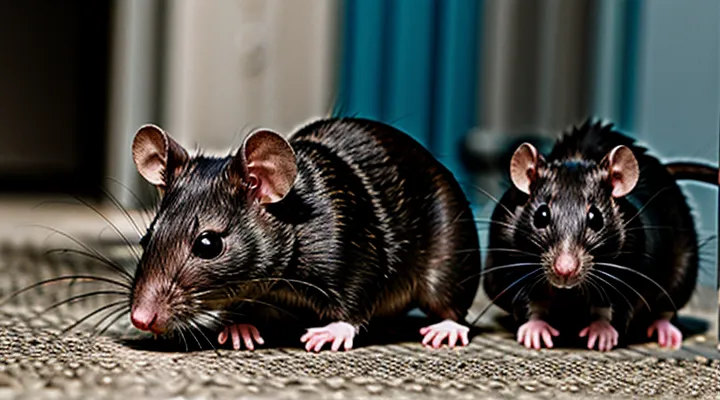
Average Lifespan of Pet Rats
Factors Influencing Lifespan
Genetics and Breeding
Genetic makeup determines the baseline lifespan of domestic rats. Certain strains, such as the commonly kept Fancy Rat, possess genetic traits that predispose them to an average lifespan of two to three years, while outbred or laboratory lines may reach four years under optimal conditions. Genes influencing metabolic rate, immune function, and susceptibility to hereditary diseases set the upper limits of longevity.
Selective breeding can extend or shorten this expectancy. Breeders who prioritize health over appearance reduce the prevalence of deleterious alleles linked to common conditions like respiratory infections, tumors, and cardiac defects. Conversely, emphasis on extreme coat colors or size may concentrate recessive mutations that accelerate age‑related decline.
Key genetic considerations for extending rat lifespan:
- Inbreeding coefficient – lower values correlate with reduced incidence of congenital defects.
- Alleles for disease resistance – presence of robust immune‑related genes diminishes mortality from bacterial and viral agents.
- Metabolic gene variants – efficient energy utilization delays organ wear and prolongs functional capacity.
Responsible breeding programs incorporate genetic screening, maintain diverse gene pools, and avoid repeated pairings of close relatives. These practices directly influence the probability that a pet rat will achieve the maximum lifespan achievable for its species.
Diet and Nutrition
A balanced diet is the primary factor that determines the longevity of domesticated rats. Proper nutrition supports immune function, organ health, and overall vitality, which together extend the animal’s lifespan.
- Protein sources: high‑quality animal proteins such as cooked chicken, boiled egg, or commercially formulated rat pellets containing at least 18 % protein.
- Fats: essential fatty acids from small amounts of unsalted nuts, seeds, or fish oil supplements; limit to 5‑7 % of total calories.
- Carbohydrates: complex carbohydrates from whole grains, cooked sweet potato, or brown rice; avoid simple sugars and processed snacks.
- Vitamins and minerals: commercial pellets are fortified with vitamin A, D, E, B‑complex, calcium, phosphorus, and trace elements. Supplement only when a veterinary assessment indicates a deficiency.
- Water: fresh, clean water must be available at all times; change daily to prevent bacterial growth.
Feeding frequency influences metabolic stability. Offer measured portions twice daily, adjusting quantity to maintain a lean body condition. Overfeeding leads to obesity, which shortens lifespan through cardiovascular strain and diabetes risk.
Treats should constitute no more than 5 % of daily caloric intake. Acceptable options include small pieces of fruit (apple, pear) or vegetables (broccoli, carrot) provided they are washed and pesticide‑free. Avoid toxic foods such as chocolate, caffeine, raw beans, and high‑salt snacks.
Regular health monitoring informs dietary adjustments. Observe weight, coat condition, and activity level; report changes to a veterinarian promptly. Tailoring nutrition to the rat’s age, reproductive status, and health history maximizes life expectancy.
Environment and Housing
The quality of a rat’s environment directly influences its longevity. Proper housing provides protection from disease, reduces stress, and supports natural behaviors, all of which extend the animal’s lifespan.
A suitable cage should be spacious enough for movement and exploration. Minimum dimensions of 18 × 12 × 12 inches per pair of rats are recommended; larger enclosures allow for climbing structures, tunnels, and nesting areas. Solid flooring prevents foot injuries, while a deep layer of absorbent bedding (paper‑based or aspen shavings) offers insulation and a comfortable substrate for burrowing.
Temperature and humidity must remain stable. Ideal ambient temperature ranges from 65 °F to 75 °F (18‑24 °C); fluctuations beyond this range increase susceptibility to respiratory infections. Relative humidity should be kept between 40 % and 60 % to avoid skin irritation and mold growth in bedding.
Ventilation is essential for air quality. A cage with adequate airflow removes ammonia from urine and reduces odor, but drafts must be avoided. Regular cleaning—removing soiled bedding, disinfecting food dishes, and washing water bottles—prevents bacterial buildup.
Nutrition and enrichment complement the physical environment. Fresh water, a balanced diet, and daily opportunities for foraging, chewing, and social interaction promote mental health and reduce premature aging.
Key elements for optimal rat housing:
- Size: ≥ 18 × 12 × 12 inches per two rats
- Flooring: Solid base with thick, absorbent bedding
- Temperature: 65‑75 °F (18‑24 °C)
- Humidity: 40‑60 %
- Ventilation: Good airflow without drafts
- Cleaning: Weekly thorough cleaning; spot cleaning daily
- Enrichment: Climbing toys, tunnels, chewable items, and social companions
By adhering to these standards, owners create an environment that maximizes health and can add several years to a pet rat’s life expectancy.
Veterinary Care and Health
Companion rats typically reach 2‑3 years with optimal health management. Veterinary oversight directly influences longevity by preventing disease, detecting issues early, and providing targeted treatment.
- Regular examinations every 4–6 months; include weight assessment, respiratory evaluation, and dental inspection.
- Dental wear monitoring; overgrown incisors require trimming or filing under anesthesia.
- Parasite control; schedule fecal exams and administer appropriate dewormers.
- Vaccination is uncommon; focus remains on hygiene and stress reduction.
Nutrition plays a pivotal role. Provide a balanced diet of commercial rat pellets, fresh vegetables, and limited fruit. Avoid high‑fat treats and ensure constant access to clean water. Nutrient deficiencies accelerate organ decline and predispose to metabolic disorders.
Respiratory health demands vigilant observation. Nasal discharge, labored breathing, or wheezing warrant immediate veterinary assessment. Antibiotic therapy, supportive care, and environmental adjustments—such as low‑dust bedding and filtered air—mitigate progression.
Environmental management reduces pathogen exposure. Clean cages weekly, replace bedding regularly, and disinfect feeding accessories. Provide chew toys and tunnels to encourage natural behavior, lowering stress‑induced immunosuppression.
Prompt treatment of injuries, neoplasms, or systemic illnesses extends functional years. Early surgical intervention for tumors, fluid therapy for dehydration, and pain management for musculoskeletal trauma are standard veterinary practices that improve outcomes.
Consistent veterinary care, combined with proper diet, hygiene, and enrichment, maximizes the lifespan potential of pet rats.
Stress and Social Interaction
Pet rats typically reach 2–3 years of age, but their actual lifespan depends heavily on environmental conditions, especially stress levels and social dynamics.
Stress triggers the release of corticosterone, a hormone that suppresses immune function, accelerates cellular aging, and reduces appetite. Chronic exposure to loud noises, abrupt temperature changes, and frequent handling without acclimation can keep corticosterone elevated, shortening the rat’s life expectancy.
Rats are highly social mammals; they thrive in stable groups where grooming, nesting, and play occur regularly. Group housing provides mental stimulation, reduces anxiety, and promotes healthy growth. Isolation or frequent changes in cage mates increase aggression, elevate stress hormones, and correlate with higher mortality rates.
Key factors influencing longevity through stress and social interaction:
- Environmental stressors: loud sounds, sudden temperature shifts, poor ventilation, inconsistent feeding schedules.
- Social stressors: solitary confinement, frequent introduction of unfamiliar rats, overcrowding leading to competition for resources.
- Positive social conditions: stable group size (2–4 individuals), regular gentle handling, enrichment items that encourage interaction.
Maintaining a quiet, temperature‑controlled habitat and ensuring consistent, compatible companionship are essential strategies for extending the lifespan of pet rats.
Maximizing Your Pet Rat’s Lifespan
Optimal Diet and Nutrition
Commercial Rat Pellets
Commercial rat pellets are formulated to meet the complete nutritional requirements of domesticated rats, providing a consistent source of protein, fat, fiber, vitamins, and minerals. By delivering balanced nutrients in each bite, pellets reduce the risk of deficiencies that can shorten a rat’s lifespan. Consistent intake also helps maintain stable body weight, supporting cardiovascular and metabolic health.
Pellet composition influences longevity in several measurable ways:
- High‑quality protein (15‑20 % of the mix) supports muscle maintenance and organ function.
- Adequate essential fatty acids (2‑4 %) promote skin integrity and neural development.
- Fiber content (5‑7 %) facilitates gastrointestinal motility, preventing constipation and related complications.
- Added vitamins (A, D, E, B‑complex) and minerals (calcium, phosphorus, zinc) sustain immune response and bone density.
When pellets are the primary diet, supplemental treats should be limited to prevent excess calories and imbalanced nutrient ratios. Overreliance on seeds, nuts, or fruit can introduce high fat and sugar levels, leading to obesity, hepatic lipidosis, and reduced life expectancy. Proper portion sizing—typically 1 gram per 100 g of body weight per day—aligns caloric intake with metabolic demand.
Switching from an unbalanced homemade mix to a certified commercial pellet regimen has been shown in veterinary studies to increase average rat survival from 2 years to 3 years or more, provided that housing, enrichment, and health monitoring are also maintained.
Fresh Fruits and Vegetables
Fresh produce supplies essential vitamins, minerals, and fiber that support immune function, dental health, and overall vitality in domestic rats, thereby influencing their lifespan.
Suitable fruits (serve 1–2 small pieces 2–3 times per week):
- Apple (core removed, skin thinly sliced)
- Blueberries (handful, washed)
- Strawberries (quartered, seeds removed)
- Kiwi (peeled, diced)
- Pear (cored, thin slices)
These options provide antioxidants and vitamin C but contain natural sugars; limit frequency to prevent obesity and metabolic stress.
Suitable vegetables (offer daily, 1–2 tablespoons per rat):
- Carrot (grated, raw)
- Bell pepper (seedless, diced)
- Spinach (lightly wilted, small amount)
- Broccoli florets (steamed briefly)
- Cucumber (seedless, sliced)
Vegetables deliver calcium, potassium, and phytonutrients while maintaining low caloric density, promoting healthy weight and organ function.
Feeding guidelines:
- Wash all items thoroughly to remove pesticides.
- Cut into bite‑size pieces to prevent choking.
- Introduce new foods gradually, observing for digestive upset.
- Store leftovers in airtight containers, discard after 24 hours to avoid spoilage.
Avoid toxic produce such as avocado, citrus peels, raw potato, and rhubarb leaves; also exclude fruit pits and seeds that contain cyanogenic compounds. Excessive fruit or sugary treats accelerate weight gain, reduce mobility, and shorten the rat’s lifespan.
Protein Sources
Protein is a primary nutrient that supports tissue repair, immune function, and overall vitality in companion rats, directly influencing their expected lifespan.
- Commercial rat pellets formulated to contain 15‑20 % protein from soy, fish, or meat meals.
- Cooked chicken breast, turkey, or lean beef, finely shredded and offered in small portions.
- Hard‑boiled eggs, peeled and chopped, providing complete amino acids.
- Low‑fat cottage cheese or plain yogurt, supplying dairy protein without excess fat.
- Insects such as mealworms or crickets, high in protein and rich in chitin, which can aid digestion when fed sparingly.
Daily protein intake should approximate 15‑20 % of total calories, adjusted for age, activity level, and reproductive status. Younger rats and breeding females may require the upper range, while senior animals benefit from consistent, moderate amounts to maintain muscle mass without stressing kidneys.
Avoid raw fish with high thiaminase activity, uncooked beans containing lectins, and processed meats with additives, as these can cause nutritional deficiencies or toxic reactions. Excessive protein, especially from fatty sources, may lead to renal strain and reduced longevity.
Balanced protein provision, combined with appropriate fiber, vitamins, and minerals, extends the healthy years of pet rats by supporting organ function and reducing age‑related decline.
Avoiding Harmful Foods
Pet rats typically live between two and three years, and their longevity is closely linked to diet quality. Toxic or nutritionally inadequate foods can accelerate health decline, leading to premature death. Removing hazardous items from a rat’s menu is a fundamental step in extending lifespan.
Common foods that pose risks include:
- Chocolate and cocoa products – contain theobromine, which rats cannot metabolize.
- Citrus fruits – high acidity can cause gastrointestinal irritation.
- Processed snacks with artificial sweeteners, especially xylitol – can trigger hypoglycemia.
- Raw beans, especially kidney beans – contain lectins that damage intestinal lining.
- Salty or heavily seasoned items – induce dehydration and kidney strain.
- Dairy products – many rats lack lactase, resulting in digestive upset.
- High‑fat fried foods – contribute to obesity and cardiovascular strain.
Feeding guidelines emphasize fresh vegetables, quality rodent pellets, and occasional protein sources such as cooked chicken or boiled egg. Water should be clean, refreshed daily, and presented in a sipper bottle to prevent contamination.
Monitoring a rat’s reaction to new foods and eliminating any that cause diarrhea, lethargy, or weight loss helps maintain optimal health. Consistent avoidance of the listed harmful items supports immune function, organ health, and ultimately, a longer, more vibrant life for the pet.
Creating a Stimulating Environment
Cage Size and Setup
Adequate cage dimensions directly affect a rat’s health and longevity. Minimum floor space should be 2 sq ft per adult rat; larger enclosures provide additional room for exercise and reduce stress‑induced illnesses. Height of at least 12 in allows climbing, a natural behavior that promotes muscular development.
Materials must be non‑toxic, easy to clean, and ventilated. Wire mesh with ¼‑inch openings prevents escape while allowing airflow; solid plastic bottoms simplify sanitation. Regular cleaning removes ammonia buildup, which can damage respiratory systems and shorten lifespan.
Essential accessories support well‑being:
- Hideouts: Provide enclosed spaces for rest and security.
- Climbing structures: Ropes, ladders, or branches encourage activity.
- Nest material: Safe fibers such as shredded paper enable nesting behavior.
- Enrichment toys: Rotate items to maintain mental stimulation.
Proper cage setup also includes a secure lid to prevent escape and a stable base to avoid wobbling, which can cause injuries. Monitoring temperature (65‑75 °F) and humidity (40‑60 %) within the enclosure maintains optimal physiological conditions. Consistent environmental control, combined with sufficient space and enrichment, contributes to a longer, healthier life for pet rats.
Enrichment and Toys
Providing appropriate enrichment and toys is a primary factor in extending the health span of domestic rats. Environments that stimulate natural behaviors reduce stress, prevent obesity, and lower the incidence of disease, all of which contribute to a longer, higher‑quality life.
Effective enrichment includes:
- Foraging devices – tubes, PVC pipes, and treat‑dispensing puzzles encourage digging and searching, mimicking wild feeding patterns.
- Climbing structures – ropes, ladders, and hammocks promote muscular development and cardiovascular activity.
- Chewing items – untreated wood blocks, cardboard, and safe plastic toys satisfy dental wear needs, preventing overgrowth and related infections.
- Social interaction – compatible cage‑mates and regular handling foster mental well‑being, decreasing cortisol levels that can accelerate aging.
Rotation of toys every two to three weeks maintains novelty, preventing habituation and boredom. Cleanliness is essential; contaminated objects become vectors for pathogens that can shorten lifespan. Materials must be non‑toxic, free of paint or glue, and sized to avoid accidental ingestion.
In summary, a varied, regularly refreshed set of stimulatory objects, combined with proper hygiene and social contact, directly supports physiological health and can add several months to the average pet rat’s life expectancy.
Safe Bedding Materials
Pet rats thrive when their enclosure provides a clean, dry, and non‑irritating substrate. The choice of bedding directly influences respiratory health, skin condition, and overall longevity.
A suitable bedding must be low in dust, free of aromatic oils, and capable of absorbing moisture without fostering mold. Materials that meet these criteria include:
- Paper‑based products (recycled paper, shredded paper, or paper pulp). They are virtually dust‑free, biodegradable, and easy to replace.
- Aspen shavings. Unlike pine or cedar, aspen lacks phenolic compounds that can irritate the respiratory tract.
- Coconut fiber (coir). When processed to remove excess dust, coir offers good absorbency and a natural texture rats enjoy.
Materials to avoid are pine and cedar shavings, which release volatile oils harmful to the lungs, and scented or chemically treated substrates that can cause dermatitis or allergic reactions.
Regular maintenance enhances the benefits of safe bedding. Spot‑clean daily, replace soiled sections weekly, and perform a full substrate change every two to three weeks. Maintaining low humidity and prompt removal of waste prevents bacterial growth, supporting a healthier environment that contributes to a longer, more comfortable life for pet rats.
Temperature and Ventilation
Proper temperature control directly affects rat longevity. Ideal ambient temperature ranges from 65 °F to 75 °F (18 °C–24 °C). Temperatures below 60 °F (15 °C) increase metabolic stress, leading to immune suppression and reduced lifespan. Temperatures above 80 °F (27 °C) accelerate dehydration and heat‑stroke risk, also shortening life expectancy.
Ventilation maintains air quality, preventing accumulation of ammonia from urine and droppings. High ammonia concentrations irritate respiratory passages, cause chronic bronchitis, and shorten lifespan. Continuous airflow reduces humidity to a safe 40 %–60 % range, limiting mold growth and bacterial proliferation.
Key practices for temperature and ventilation management:
- Place the cage in a room with stable climate; avoid proximity to heating vents, air‑conditioners, or direct sunlight.
- Use a digital thermometer with ±1 °F accuracy to monitor cage temperature daily.
- Install a low‑noise cage fan or vent grille to ensure fresh air exchange without creating drafts.
- Check humidity levels with a hygrometer; adjust ventilation if readings exceed 60 %.
- Clean bedding regularly to reduce ammonia production; replace soiled material at least twice weekly.
Adhering to these parameters creates an environment that maximizes health and extends the lifespan of pet rats.
Regular Veterinary Check-ups
Common Health Issues in Rats
Rats that receive proper nutrition, enrichment, and veterinary attention often reach ages of two to three years; health problems are the primary factor that shortens this expectancy.
Common ailments include:
- Respiratory infections – bacterial or viral agents cause nasal discharge, sneezing, and labored breathing; untreated cases can progress rapidly.
- Mammary tumors – malignant growths appear frequently in females over one year of age, presenting as palpable masses near the thorax.
- Dental malocclusion – overgrown incisors impair eating, lead to weight loss, and may cause oral ulcers; regular inspection and trimming are required.
- Gastrointestinal stasis – reduced gut motility results in abdominal distension, reduced appetite, and lethargy; prompt fluid therapy and dietary adjustments are essential.
- Skin parasites – mites and lice produce itching, hair loss, and secondary infections; topical or systemic treatments eliminate infestations.
Early detection through routine observation and veterinary examinations reduces mortality risk. Prompt treatment of the listed conditions extends the typical lifespan of pet rats, allowing them to enjoy the full range of their natural behaviors.
Early Detection of Illnesses
Early identification of health problems directly influences the length of life for domestic rats. Respiratory infections, gastrointestinal disturbances, and skin conditions develop rapidly; unnoticed symptoms can lead to swift deterioration. Prompt treatment reduces organ damage and prevents chronic complications that shorten the animal’s lifespan.
Effective monitoring relies on consistent observation and routine checks. Owners should:
- Examine the eyes and nose each day for discharge or redness.
- Weigh the rat weekly; a loss of more than 5 % signals possible illness.
- Listen for abnormal breathing sounds during quiet periods.
- Inspect the fur and skin for alopecia, lesions, or excessive scratching.
- Record changes in activity level, grooming behavior, or food and water intake.
When any irregularity appears, veterinary consultation within 24 hours improves recovery odds. Timely intervention stabilizes physiological functions, thereby extending the overall duration of life for pet rats.
Preventative Care
Preventative care directly influences the longevity of domestic rats, allowing many individuals to reach two to three years and, with optimal conditions, occasionally four years. Consistent health management reduces the incidence of common ailments such as respiratory infections, gastrointestinal disorders, and dental overgrowth.
Key components of a proactive health regimen include:
- Quarterly veterinary examinations focused on weight, coat condition, and respiratory sounds.
- Balanced diet comprising high‑quality pellets, fresh vegetables, and limited protein treats; avoid sugary or fatty foods.
- Daily environmental sanitation: replace bedding, clean water bottles, and disinfect cages to limit bacterial and fungal exposure.
- Enrichment through tunnels, climbing structures, and safe chew toys to promote physical activity and mental stimulation, preventing obesity and stress‑related illnesses.
- Dental monitoring: examine incisors for appropriate length; overgrown teeth require trimming to prevent malnutrition.
- Parasite prevention using veterinarian‑approved treatments for mites, fleas, and intestinal worms.
Implementing these measures creates a stable physiological baseline, minimizes disease onset, and supports the natural growth cycle of pet rats. Regular observation of behavior, appetite, and grooming habits further enables early detection of deviations, allowing timely intervention and preserving overall health.
Managing Stress and Promoting Socialization
Companionship with Other Rats
Rats are highly social mammals; solitary housing increases stress hormones and shortens lifespan. Pairing or grouping pet rats provides constant social interaction, which stabilizes heart rate, lowers cortisol, and promotes healthier weight management. Studies of laboratory and companion rats show a median increase of 20‑30 % in survival time when animals live with compatible conspecifics.
Benefits of rat companionship include:
- Reduced anxiety‑related behaviors such as excessive grooming or self‑mutilation.
- Enhanced immune response, reflected in lower incidence of respiratory infections.
- Greater opportunities for natural play, which maintains musculoskeletal strength.
- Improved mental stimulation, decreasing the likelihood of stereotypic pacing.
Effective group housing requires attention to space, hierarchy, and health monitoring. A minimum of 0.5 sq ft (0.05 m²) of floor area per rat prevents overcrowding; larger enclosures allow for nesting sites and climbing structures. Mixed‑sex groups should be neutered or spayed to avoid uncontrolled breeding and aggression. Regular health checks detect early signs of disease that can spread quickly in close quarters.
Recommendations for owners:
- Start with at least two same‑sex, age‑matched rats to establish a stable bond.
- Provide multiple hiding places and enrichment items to reduce competition for resources.
- Observe interactions daily; separate individuals showing persistent aggression or illness.
- Rotate bedding and clean cages weekly to limit pathogen buildup.
- Schedule veterinary examinations every six months, focusing on respiratory health and dental condition.
Implementing these practices leverages the intrinsic social nature of rats, directly contributing to a longer, healthier life for pet rodents.
Human Interaction
Human interaction with pet rats directly influences their longevity. Regular gentle handling reduces fear, stabilizes cortisol levels, and promotes a healthier immune response. Social contact with owners mirrors the species‑specific need for companionship, preventing chronic stress that can shorten life expectancy.
Effective interaction includes several measurable practices:
- Daily short handling sessions to maintain habituation to human presence.
- Provision of enrichment objects such as tunnels, chew toys, and climbing structures to stimulate natural behaviors.
- Consistent observation of behavior and physical condition for early detection of illness.
- Routine veterinary examinations, including dental checks and parasite control.
- Balanced nutrition with high‑protein pellets, fresh vegetables, and occasional treats, adjusted to the rat’s age and activity level.
Neglecting these elements—minimal contact, lack of enrichment, irregular health monitoring—correlates with increased incidence of respiratory disease, obesity, and premature death. Isolation from humans can exacerbate anxiety, leading to self‑injury or reduced appetite.
Owners should establish a schedule that integrates handling, environmental updates, and health assessments. Maintaining a clean cage, providing fresh water, and avoiding sudden environmental changes further support a longer, healthier life for pet rats.
Handling and Playtime
Proper handling reduces stress hormones, supports immune function, and contributes to longer rat longevity. Gentle, consistent contact encourages trust, allowing animals to thrive physically and mentally.
- Approach the cage calmly, avoid sudden movements.
- Support the rat’s body with both hands, one under the chest and one under the hindquarters.
- Keep sessions brief at first (1–2 minutes), then gradually extend as the rat becomes comfortable.
- Perform handling daily to reinforce familiarity and minimize fear responses.
Playtime provides essential exercise, prevents obesity, and stimulates cognitive health, all factors that extend lifespan. Interactive activities should challenge the rat’s natural instincts and promote movement.
- Offer tunnels, climbing ladders, and chewable toys made from safe wood or cardboard.
- Rotate enrichment items every few days to maintain novelty.
- Include supervised floor time in a secure, escape‑proof area for running and exploring.
- Incorporate puzzle feeders that require problem‑solving to access treats.
Aim for at least 30 minutes of active play each day, divided into multiple short sessions. Consistent handling combined with varied enrichment creates a low‑stress environment, directly supporting the animal’s overall health and increasing the years a pet rat can enjoy.
Understanding Common Health Issues
Respiratory Diseases
Respiratory disease is a leading factor that shortens the lifespan of domestic rats. Infections of the lung and airways compromise oxygen exchange, leading to rapid health decline and early death.
Common respiratory conditions affecting pet rats include:
- Mycoplasma pulmonis infection – chronic inflammation of the respiratory tract, often presenting with nasal discharge and labored breathing.
- Sendai virus – acute viral pneumonia causing fever, coughing, and severe respiratory distress.
- Bacterial pneumonia – secondary infection following viral illness, characterized by purulent sputum and fever.
- Aspiration pneumonia – inflammation resulting from inhaled food or bedding particles, leading to sudden respiratory failure.
Symptoms typically appear as sneezing, wheezing, nasal or ocular discharge, and reduced activity. Early detection through regular observation and veterinary examination improves treatment outcomes. Antibiotics are effective against bacterial agents, while supportive care—humidified environment, warm bedding, and nutritional support—helps manage viral and mycoplasma infections.
Preventive measures reduce disease incidence and extend rat longevity: maintain low humidity, avoid overcrowding, provide dust‑free bedding, and quarantine new animals before introduction to an existing colony. Vaccination is unavailable; therefore, hygiene and prompt veterinary intervention remain the primary defenses against respiratory illness in pet rats.
Tumors and Cancers
Pet rats typically reach 2–3 years of age, but neoplastic disease markedly shortens that expectancy. Tumors are the leading cause of mortality in laboratory and companion rats, with incidence rising sharply after the first year of life.
Common neoplasms in pet rats include:
- Mammary adenocarcinoma, frequently observed in females.
- Pituitary adenoma, often leading to endocrine disturbances.
- Hepatocellular carcinoma, associated with chronic liver stress.
- Lymphoma, presenting with rapid systemic decline.
- Subcutaneous fibrosarcoma, visible as firm skin nodules.
Clinical signs indicating neoplastic growth are weight loss, palpable masses, abnormal discharge, lethargy, and organ‑specific dysfunction such as jaundice for liver tumors or polydipsia for pituitary involvement. Early detection relies on routine physical examinations, palpation of the abdomen and limbs, and periodic imaging (ultrasound or radiography) when abnormalities arise.
Therapeutic options are limited. Surgical excision may be curative for isolated cutaneous tumors but is rarely feasible for internal malignancies. Chemotherapy protocols exist for lymphoma but carry significant toxicity. Palliative care—analgesics, anti‑inflammatory agents, and nutritional support—extends quality of life when curative treatment is unavailable.
Preventive measures focus on minimizing carcinogenic exposure. Provide a diet free of aflatoxin‑contaminated grains, avoid chronic exposure to tobacco smoke, and maintain a clean, stress‑free environment. Regular veterinary check‑ups at six‑month intervals increase the probability of early tumor identification, thereby improving overall survival prospects for pet rats.
Pododermatitis («Bumblefoot»)
Pet rats typically live between two and three years; health complications can shorten this period. Pododermatitis, commonly called “bumblefoot,” is a painful inflammatory condition of the foot pads that directly influences longevity.
The disease manifests as inflammation, ulceration, and necrosis of the plantar skin. Bacterial invasion follows tissue breakdown, leading to systemic infection if left untreated.
Primary contributors include:
- Hard or abrasive cage flooring
- Excessive moisture or unsanitary bedding
- Obesity‑related pressure on the paws
- Injuries from rough handling or aggressive cage mates
- Underlying metabolic disorders
Observable signs are swelling, erythema, crusted lesions, limping, and reluctance to move. Progression can result in osteomyelitis, sepsis, and rapid health decline.
Effective prevention relies on environmental management and routine monitoring:
- Provide soft, absorbent substrate changed regularly
- Keep the cage dry and clean
- Maintain optimal body condition through balanced diet and exercise
- Inspect feet weekly for early lesions
- Limit exposure to rough surfaces and aggressive companions
Therapeutic measures involve:
- Gentle debridement of necrotic tissue
- Topical antiseptics and systemic antibiotics targeting common pathogens
- Analgesics for pain control
- Surgical excision of deep lesions when necessary
- Post‑treatment isolation to prevent reinfection
Early detection and prompt care markedly improve outcomes; untreated cases often lead to premature death. Consistent foot care therefore plays a critical role in extending the lifespan of domesticated rats.
Dental Problems
Dental health directly influences the lifespan of domestic rats. Continuous growth of the incisors requires constant wear; any disruption can lead to malocclusion, pain, and reduced food intake, which shortens life expectancy.
Common dental issues include:
- Overgrown incisors that protrude beyond the gums, causing oral injuries.
- Misaligned teeth that prevent efficient chewing, leading to weight loss.
- Periodontal disease, characterized by gum inflammation and bone loss.
- Tooth fractures resulting from chewing hard objects.
Early detection relies on observable signs:
- Drooling or wet fur around the mouth.
- Reluctance to eat or preference for soft foods.
- Visible changes in tooth length or alignment.
- Audible grinding or clicking noises while the rat chews.
Preventive measures are essential:
- Provide a constant supply of safe chew toys, such as untreated wood or mineral blocks, to ensure regular tooth wear.
- Offer a balanced diet rich in fiber, encouraging natural gnawing behavior.
- Conduct routine oral examinations during monthly health checks, looking for asymmetry or discoloration.
- Schedule veterinary dental cleanings when signs of overgrowth appear, even if the rat shows no obvious discomfort.
Treatment protocols vary by condition:
- Trimming overgrown incisors under anesthesia prevents accidental injury and restores proper bite alignment.
- Orthodontic appliances may be used for severe malocclusion, though they require specialized veterinary expertise.
- Antibiotic therapy addresses secondary infections associated with periodontal disease.
- Extraction of fractured teeth is performed only when the tooth cannot be salvaged and poses a risk of infection.
Maintaining optimal dental health eliminates a major factor that shortens the average life span of pet rats, allowing them to reach the upper range of their expected longevity.
Parasites
Parasites significantly affect the longevity of domesticated rats. Infestations can reduce life expectancy by causing anemia, malnutrition, organ damage, and secondary infections.
Common parasites in pet rats include:
- External mites (e.g., Radfordia spp.) that irritate skin and induce hair loss.
- Lice (Polyplax serrata) that feed on blood and transmit bacteria.
- Fleas (Ctenocephalides felis) capable of carrying tapeworms.
- Pinworms (Syphacia spp.) that cause gastrointestinal distress.
- Cestodes (tapeworms) and nematodes (e.g., Trichuris) that impair nutrient absorption and organ function.
Early detection relies on regular visual inspection, fecal flotation, and veterinary microscopy. Prompt treatment with appropriate ectoparasitic sprays, oral anthelmintics, or injectable medications restores health and mitigates lifespan reduction.
Preventive measures that sustain optimal rat longevity:
- Maintain clean cages, replace bedding weekly, and disinfect surfaces with rodent‑safe solutions.
- Quarantine new arrivals for at least two weeks, monitoring for signs of infestation.
- Schedule veterinary examinations every six months, including fecal analysis.
- Provide a balanced diet rich in fiber and protein to support immune resilience.
- Limit exposure to other animals and uncontrolled environments where parasites thrive.
Implementing these practices minimizes parasitic burden, thereby extending the average lifespan of pet rats to the upper range of their species potential.
End-of-Life Care
Recognizing Signs of Aging
Pet rats typically reach maturity within three months and may live between two and three years, depending on genetics, diet, and care. As they approach the later stages of this lifespan, observable changes indicate the onset of senescence. Recognizing these changes enables timely adjustments in husbandry, reducing discomfort and extending functional life.
Common age‑related indicators include:
- Fur that becomes dull, sparse, or greys near the muzzle and tail tip.
- Decreased activity, with the rat spending more time resting and less time exploring or grooming.
- Noticeable weight fluctuations, especially gradual loss despite unchanged feeding.
- Dental wear or misalignment, leading to difficulty chewing and altered food intake.
- Slower wound healing and increased susceptibility to infections.
- Reduced visual acuity, manifested by hesitancy to navigate unfamiliar environments.
- Changes in behavior, such as increased irritability or reduced social interaction with cage mates.
When any of these signs appear, veterinary assessment should be sought promptly. Adjustments may involve softer food, enhanced environmental enrichment, temperature regulation, and regular health monitoring. Early detection of aging symptoms supports optimal welfare throughout the rat’s expected lifespan.
Palliative Care
Pet rats commonly reach two to three years of age, with some individuals living slightly longer under optimal conditions. As rats approach the final phase of their lifespan, owners often consider palliative care to maintain comfort and preserve quality of life.
Palliative care for small rodents focuses on alleviating pain, reducing distress, and supporting basic physiological functions without curative intent. The approach combines medical treatment, environmental adjustments, and attentive monitoring to address the specific needs of an aging rat.
Key components of palliative care for pet rats include:
- Analgesic medication prescribed by a veterinarian to control chronic pain.
- Soft bedding and easy‑access food and water stations to reduce mobility strain.
- Nutrient‑rich, easily digestible diets that compensate for reduced appetite.
- Regular grooming and wound care to prevent infections and skin irritation.
- Environmental enrichment such as gentle play objects that encourage mild activity without overexertion.
Owners should watch for indicators that the animal’s condition is deteriorating, such as persistent lethargy, loss of weight, difficulty breathing, or severe self‑mutilation. When these signs become pronounced, a veterinarian can help assess whether continued palliative measures remain appropriate or if humane euthanasia is the most compassionate option.
Euthanasia Considerations
When a pet rat approaches the end of its typical lifespan, owners must evaluate whether euthanasia is the humane option. The decision rests on observable indicators of pain, loss of function, and diminished quality of life. Chronic respiratory disease, severe skin infections, tumor burden, or inability to eat and drink are common criteria that signal irreversible decline.
Veterinary assessment provides objective guidance. Professionals can confirm diagnoses, estimate prognosis, and recommend an appropriate method. Intravenous injection of a barbiturate, administered by a licensed veterinarian, ensures rapid loss of consciousness and painless death. Alternative routes, such as intraperitoneal injection, are acceptable only when performed by trained personnel and under strict aseptic conditions.
Legal considerations vary by jurisdiction. Some regions require a veterinarian’s presence for the procedure; others permit owners to perform euthanasia with prescribed drugs. Compliance with local animal welfare regulations prevents legal repercussions and upholds ethical standards.
Key factors to weigh before proceeding:
- Severity and progression of disease
- Ability of the rat to perform natural behaviors (eating, grooming, exploring)
- Owner’s capacity to provide palliative care
- Availability of veterinary services and cost implications
- Emotional readiness of the caretaker
Timing influences the experience for both animal and owner. Delaying euthanasia after clear signs of suffering can prolong distress, while premature action may deprive the rat of remaining enjoyable moments. A balanced assessment, guided by veterinary input and objective health metrics, leads to the most compassionate outcome.