
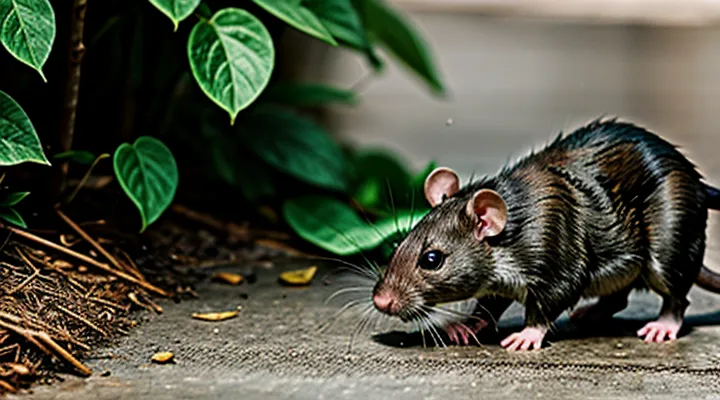
The Biology of Rat Hydration
Water's Role in Rat Physiology
Metabolic Processes and Hydration
Rats maintain vital functions through tightly regulated metabolic pathways that depend on adequate fluid balance. When water intake ceases, cellular dehydration triggers osmotic stress, prompting the activation of antidiuretic hormone (ADH) and the up‑regulation of aquaporin channels in renal tubules. These mechanisms concentrate urine, reduce water loss, and preserve plasma volume.
Metabolic adjustments accelerate to compensate for diminished extracellular fluid:
- Glycogen stores are mobilized, providing glucose for anaerobic glycolysis, which generates ATP without requiring water‑intensive oxidative phosphorylation.
- Lipolysis increases, releasing fatty acids that undergo β‑oxidation; this pathway produces water as a by‑product, partially offsetting fluid deficit.
- Protein catabolism rises, supplying amino acids for gluconeogenesis; the resulting urea excretion is limited by reduced renal filtration capacity, conserving water.
Cardiovascular responses include tachycardia and peripheral vasoconstriction, which sustain arterial pressure despite lower blood volume. Hematocrit rises as plasma is withdrawn into interstitial spaces, enhancing oxygen transport efficiency under dehydrated conditions.
Overall, the interplay of renal concentration, metabolic water production, and circulatory adaptation determines the maximum period rats can endure without external water sources. These physiological processes collectively extend survival but impose limits that culminate in irreversible organ failure once critical hydration thresholds are breached.
Thermoregulation and Water Loss
Rats maintain body temperature through a combination of behavioral adjustments and physiological mechanisms that directly affect water balance. When ambient temperature rises, vasodilation of peripheral vessels increases heat dissipation, while evaporative cooling via respiratory water loss intensifies. Conversely, in cooler environments, vasoconstriction and shivering generate heat, reducing the need for evaporative water loss.
Water loss in rats occurs through several pathways, each contributing to the overall dehydration rate when drinking water is unavailable:
- Respiratory evaporation: moisture expelled with exhaled air, heightened by increased ventilation during heat stress.
- Cutaneous transpiration: minimal in rodents but rises with skin temperature and humidity gradients.
- Urinary excretion: regulated by antidiuretic hormone (ADH) to concentrate urine, yet a baseline loss persists.
- Fecal water content: typically low, but digestive activity can modify output volume.
Thermoregulatory demands amplify these losses. Elevated body temperature triggers higher respiratory rates, which in turn accelerates water vapor loss. Simultaneously, the need to dissipate heat may prompt rats to seek cooler microhabitats, reducing exposure to high ambient temperatures and slowing dehydration.
The interplay between temperature regulation and water loss defines the survival limit without fluid intake. Efficient renal water reabsorption, reduced respiratory moisture loss, and behavioral thermoregulation collectively extend the period rats can endure dehydration, whereas sustained heat stress, high humidity, or impaired ADH response shortens it markedly.
Factors Affecting Rat Dehydration
Environmental Conditions
Rats’ ability to endure water deprivation varies markedly with ambient temperature, relative humidity, and airflow. Higher temperatures increase metabolic rate, accelerating fluid loss through respiration and skin, which shortens survival time. In a cool environment (approximately 15 °C), rats can persist without water for up to 5–7 days, whereas at 30 °C the limit drops to 2–3 days. Humidity modulates evaporative loss: low humidity (below 30 %) intensifies dehydration, while high humidity (above 70 %) reduces it, extending the period of survivability by roughly one day under comparable temperatures. Air movement influences evaporative cooling; strong drafts raise respiratory water loss, decreasing endurance, whereas still air mitigates it.
Key environmental factors affecting water‑deprivation survival:
- Temperature: Directly proportional to metabolic water demand.
- Relative humidity: Inversely proportional to evaporative water loss.
- Airflow: Enhances respiratory evaporation when wind speed is high.
- Seasonal acclimatization: Rats adapted to colder climates exhibit slower dehydration rates than those from warm regions.
When multiple stressors combine—high temperature, low humidity, and strong airflow—survival without water can fall to less than 48 hours. Conversely, a cool, humid, and still environment may allow rats to survive close to a week without drinking.
Dietary Habits
Rats obtain most of their needed water from food sources, especially when external water is unavailable. Standard laboratory chow contains approximately 10–12 % moisture, providing a baseline fluid supply that can extend survival by several days compared to a completely dry diet.
- Seeds, grains, and pellets with higher carbohydrate content retain more water after digestion, reducing the urgency for drinking.
- Protein‑rich foods, such as soy or casein isolates, have lower intrinsic moisture and increase metabolic water production but also raise nitrogen waste, which requires additional water for excretion.
- High‑fat diets contribute minimal water content; however, fat oxidation generates metabolic water that partially compensates for the deficit.
Rats adjust feeding behavior during dehydration. When water is scarce, they increase consumption of moist foods, such as fresh fruit or soaked pellets, and decrease intake of dry, fibrous material. This selective feeding minimizes water loss through feces and urine while sustaining caloric intake.
Physiological mechanisms support water conservation under restricted intake. The kidneys concentrate urine, and the colon reabsorbs water more efficiently when the diet is low in insoluble fiber. Consequently, diets low in bulk‑forming fiber enhance survival time without drinking water, whereas high‑fiber, low‑moisture diets accelerate dehydration.
Overall, dietary composition directly influences the duration rats can endure without free water. Moisture‑rich, carbohydrate‑dominant foods prolong survival, while dry, high‑fat or high‑protein diets shorten it.
Physiological State and Health
Rats deprived of water undergo rapid physiological changes that determine the length of their survival. Dehydration reduces total body water by 10 % within the first 24 hours, causing plasma osmolarity to rise and blood pressure to fall. The kidneys concentrate urine to a maximum of 1,200 mOsm kg⁻¹, after which renal failure ensues. Cellular dehydration disrupts enzyme activity, leading to metabolic acidosis and loss of consciousness.
Key factors influencing survival without water:
- Ambient temperature: at 20 °C rats survive 3–4 days; at 30 °C survival drops to 1–2 days.
- Age: neonates lose water faster and die within 24–48 hours; adults tolerate longer periods.
- Body condition: well‑fed individuals retain more intracellular water, extending survival by up to 12 hours.
- Stress level: elevated cortisol accelerates protein catabolism, shortening survival.
Physiological markers of impending death include:
- Plasma sodium > 155 mmol L⁻¹.
- Hematocrit increase > 45 %.
- Urine output < 0.2 mL day⁻¹.
- Loss of righting reflex.
When these thresholds are reached, organ failure becomes irreversible, and mortality occurs. The combined effect of fluid loss, electrolyte imbalance, and metabolic collapse defines the ultimate survival limit for rats without access to water.
Survival Times and Consequences of Dehydration
General Survival Estimates
Influence of Species and Size
Rats’ ability to endure dehydration varies markedly between species and is strongly linked to body mass.
Laboratory rats (Rattus norvegicus) typically survive 2–3 days without water, whereas wild brown rats (Rattus rattus) can persist up to 4 days under comparable conditions. The extended tolerance in R. rattus reflects adaptations to arid habitats, including more efficient renal concentration mechanisms and reduced evaporative loss.
Body size influences water requirements and loss rates. Smaller individuals possess a higher surface‑area‑to‑volume ratio, leading to faster respiratory and cutaneous water loss. Consequently, a 20‑gram juvenile may succumb after approximately 48 hours, while an adult weighing 300 grams can maintain hydration for 72 hours or longer. The relationship can be summarized as:
- Larger mass → lower relative water turnover → longer survival.
- Smaller mass → higher relative turnover → shorter survival.
Metabolic rate also scales with size; higher rates accelerate dehydration, further shortening the survival window for diminutive rats. Species with desert‑origin adaptations and larger body mass therefore exhibit the greatest resilience to water deprivation.
Impact of Food Sources
Rats deprived of water rely on metabolic water generated from food oxidation. The quantity of water produced varies with macronutrient composition; carbohydrates yield approximately 0.6 g water per gram, fats about 1.1 g, and proteins roughly 0.4 g. Consequently, diets rich in fats can extend survival compared with carbohydrate‑dominant or protein‑poor feeds.
Metabolic rate accelerates when food is available, increasing respiration and urinary loss, which can shorten the period without external water. Conversely, a lack of food reduces metabolic heat production, decreasing water loss through respiration and skin, thereby modestly lengthening survival.
Experimental observations indicate:
- Rats fed high‑fat pellets survived up to 48 hours without water, exceeding the 36‑hour limit observed with standard chow.
- Subjects receiving only dry grains survived 30‑35 hours; the low metabolic water contribution limited endurance.
- Animals offered no food survived approximately 24 hours, reflecting reliance solely on stored body water.
Overall, the presence and type of food alter the balance between internally generated water and total water loss, directly influencing how long rats can persist in a water‑free environment.
Stages and Symptoms of Dehydration
Early Signs
Rats deprived of water exhibit a predictable sequence of physiological and behavioral changes. Early detection of dehydration relies on observable signs that appear before severe impairment.
- Reduced urine output; only a few droplets form after urination.
- Dry, flaky fur, especially around the ventral area.
- Sunken eyes and a noticeable decrease in eye bulge.
- Decreased activity; rats spend more time immobile in corners.
- Increased respiratory rate; shallow breaths become more rapid.
- Slight weight loss of 2‑4 % within the first 12‑24 hours.
- Diminished grooming behavior; the animal neglects self‑cleaning.
These indicators correspond to a drop in plasma volume and elevated blood osmolarity. The body conserves water by limiting renal excretion, while skin and fur lose moisture through evaporation. Neurological control centers reduce locomotion to lower metabolic demand, and the respiratory adjustment aids in thermoregulation under fluid deficit.
Recognizing early signs allows researchers to intervene before critical thresholds are reached, ensuring humane treatment and accurate data on the time rats can endure water scarcity.
Severe Dehydration and Organ Failure
Rats deprived of water experience a rapid decline in plasma volume, leading to increased blood osmolality and loss of electrolytes. The resulting severe dehydration disrupts cellular homeostasis and triggers a cascade of physiological failures.
Elevated osmotic pressure forces fluid out of cells, impairing metabolic processes. Cardiac output drops as blood viscosity rises, reducing tissue perfusion. The kidneys, which rely on adequate hydration to filter waste, accumulate toxins and experience tubular necrosis. The brain suffers from cerebral edema and reduced oxygen delivery, causing loss of neurological function.
Key organ systems affected by extreme dehydration:
- Kidneys: tubular necrosis, reduced glomerular filtration, acute renal failure.
- Heart: decreased stroke volume, arrhythmias, myocardial ischemia.
- Liver: impaired detoxification, hepatic necrosis.
- Brain: edema, seizures, loss of consciousness.
Physiological collapse typically follows a predictable timeline. Within 24 hours, plasma volume falls by 10‑15 %, and blood osmolality rises markedly. By 48 hours, renal dysfunction and cardiac compromise become evident. Between 72 and 96 hours, multi‑organ failure is common, and mortality rates exceed 90 %. Survival beyond five days without water is rare for laboratory rats.
Long-Term Effects of Water Deprivation
Reproductive Health Impacts
Adult rats can survive without drinking water for approximately three to five days, depending on ambient temperature and metabolic rate. This brief window of dehydration imposes severe physiological stress that directly interferes with reproductive function.
Dehydration reduces gonadal perfusion, suppresses luteinizing hormone secretion, and alters plasma osmolarity, leading to measurable declines in fertility parameters. Specific effects include:
- Decreased sperm concentration and motility in males.
- Disruption of the estrous cycle, with prolonged diestrus phases in females.
- Lowered ovulation rates and reduced follicular development.
- Impaired embryo implantation and increased resorption of early gestational sacs.
- Elevated fetal mortality and reduced litter size when gestation proceeds under chronic water deficit.
These outcomes stem from the same mechanisms that limit overall survival: compromised cellular hydration, oxidative stress, and hormonal imbalance. Consequently, research protocols involving water restriction must account for rapid deterioration of reproductive health, and animal care guidelines should enforce timely rehydration to preserve breeding viability.
Immune System Compromise
Dehydration rapidly impairs the rat’s immune defenses, shortening the period they can remain alive without fluid intake. Cellular dehydration reduces lymphocyte proliferation, diminishes cytokine production, and compromises the integrity of mucosal barriers. As water loss exceeds 10 % of body weight, cortisol levels rise, suppressing adaptive immunity and increasing susceptibility to opportunistic infections.
Consequences of immune compromise under water scarcity include:
- Decreased numbers of circulating neutrophils and macrophages.
- Impaired phagocytic activity and reduced oxidative burst capacity.
- Lowered antibody titers against previously encountered antigens.
- Accelerated bacterial translocation from the gut due to weakened epithelial tight junctions.
These immunological deficits synergize with metabolic collapse, causing mortality to occur sooner than predicted by purely physiological dehydration models. Empirical observations indicate that rats deprived of water experience a sharp decline in survival time once immune functions fall below critical thresholds.