
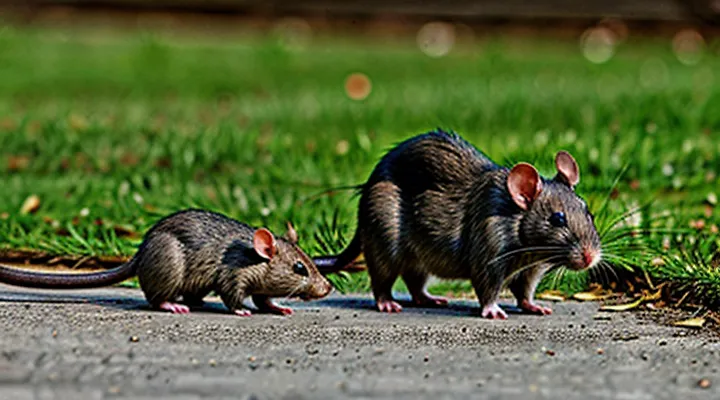
Average Lifespan of Rats
Wild Rats vs. Pet Rats
Factors Affecting Wild Rat Lifespan
Wild rats face a range of environmental pressures that directly influence their average lifespan. Predation, disease exposure, food availability, and habitat quality combine to create a survival landscape markedly different from that of domesticated or laboratory specimens.
Key determinants include:
- Predator density – High numbers of birds of prey, snakes, and mammals increase mortality rates.
- Pathogen load – Parasites, bacterial infections, and viral agents reduce longevity, especially in crowded colonies.
- Nutritional resources – Consistent access to protein‑rich food extends life; scarcity forces foraging in hazardous areas.
- Seasonal climate – Extreme temperatures elevate stress, impair immune function, and accelerate aging.
- Population density – Overcrowding facilitates disease transmission and competition for shelter.
- Human activity – Pesticide exposure, trapping, and urban development truncate natural lifespans.
Understanding these variables clarifies why wild rat survival often falls well below the potential lifespan observed under controlled conditions.
Factors Affecting Pet Rat Lifespan
Pet rats typically live between two and three years, but individual longevity depends on multiple variables that owners can control.
Genetic background determines baseline lifespan. Certain strains, such as the standard laboratory rat, often reach the upper end of the age range, while miniature breeds may have slightly shorter expectations. Selective breeding for specific traits can introduce hereditary health issues that shorten life.
Environmental conditions exert a direct impact. Stable ambient temperature (18‑24 °C) prevents metabolic stress; excessive heat or cold accelerates organ decline. Adequate ventilation reduces respiratory infections. Cage size, bedding material, and regular enrichment prevent musculoskeletal problems and promote natural behaviors, which correlate with healthier aging.
Nutrition supplies the biochemical foundation for growth and repair. A diet formulated for rodents, balanced in protein, fat, fiber, and essential vitamins, supports immune function and organ maintenance. Frequent access to fresh water eliminates dehydration‑related complications. Over‑feeding or reliance on high‑sugar treats leads to obesity, diabetes, and cardiac strain.
Healthcare practices mitigate disease progression. Routine veterinary examinations detect tumors, dental abnormalities, and respiratory conditions early. Vaccinations are not standard for rats, but parasite control (mites, lice) and prompt treatment of infections reduce mortality risk. Sterilization eliminates reproductive cancers and eliminates the stress of breeding cycles.
Social dynamics influence stress levels, which affect hormonal balance and immune competence. Rats are highly social; isolation or aggressive groupings raise cortisol, suppressing immunity and shortening lifespan. Maintaining compatible cohorts and providing opportunities for interaction improves overall health.
Key factors influencing pet rat lifespan
- Genetic lineage and breed characteristics
- Temperature stability and ventilation
- Cage size, bedding, and environmental enrichment
- Balanced, species‑appropriate diet and constant water supply
- Regular veterinary check‑ups and prompt disease treatment
- Social environment that minimizes stress
By addressing each element consistently, owners can extend the natural lifespan of their pet rats and enhance quality of life.
Common Rat Species and Their Lifespans
Norway Rats
Norway rats (Rattus norvegicus) are the most common rodent species encountered in urban and agricultural settings. In natural habitats they typically survive 1–2 years, while individuals housed under optimal laboratory conditions can reach 3–4 years, occasionally exceeding five years.
Factors influencing longevity include:
- Genetic background and strain
- Availability of high‑quality nutrition
- Exposure to pathogens and parasites
- Predation pressure and environmental stressors
- Housing conditions such as temperature, humidity, and cage enrichment
Scientific observations report maximum ages of 4 years for laboratory‑bred rats and 5 years for exceptionally well‑maintained specimens. Field studies document rare cases of wild Norway rats living beyond three years when predation and disease pressures are low.
Understanding the lifespan of Norway rats informs experimental design, health monitoring, and pest‑management strategies, ensuring appropriate expectations for population turnover and disease transmission risk.
Black Rats
Black rats (Rattus rattus) typically survive two to three years in natural habitats. In laboratory or domestic settings, individuals often reach four to five years, with some records extending to six years under optimal care.
Wild specimens face predation, disease, and food scarcity, which compress the lifespan to the lower end of the range. Captive rats benefit from consistent nutrition, veterinary attention, and protection from hazards, allowing them to exceed average wild longevity.
Factors that influence black‑rat longevity include:
- Genetic health and breed line
- Nutritional quality and feeding schedule
- Exposure to pathogens or parasites
- Environmental stressors such as temperature extremes and crowding
- Access to veterinary care and preventive treatments
The longest verified lifespan for a black rat in captivity is approximately 6.5 years. In the wild, the maximum reported age is just under four years, reflecting the impact of external pressures.
Understanding these lifespan parameters assists researchers in designing rodent studies and informs pet owners about realistic expectations for the duration of care required.
Fancy Rats
Fancy rats, commonly kept as pets, typically reach adulthood within six to eight weeks and enter a period of stable health that can extend for several years. The median lifespan for these animals falls between two and three years, with a notable proportion living beyond three years when optimal conditions are maintained. Exceptional individuals have been recorded living up to five years.
Key determinants of longevity include:
- Genetics: Certain breeding lines exhibit longer average lifespans.
- Nutrition: Balanced diets rich in protein, fiber, and essential vitamins reduce disease risk.
- Environment: Clean cages, appropriate temperature (18‑24 °C), and low stress levels support immune function.
- Veterinary care: Routine health checks and prompt treatment of respiratory or dental problems prevent premature mortality.
Common health concerns that shorten life expectancy are respiratory infections, tumors, and metabolic disorders. Early detection through regular observation of weight, activity, and coat condition can mitigate these risks.
Owners aiming for maximal lifespan should prioritize high‑quality feed, regular cage sanitation, enrichment that encourages natural foraging behavior, and annual veterinary examinations. Consistent application of these practices aligns the observed lifespan of fancy rats with the upper range of their biological potential.
Maximizing a Rat's Lifespan
Diet and Nutrition
Recommended Foods
A rat’s diet directly affects its lifespan; balanced nutrition can add years to its natural expectancy.
- Commercial rodent pellets formulated for laboratory or pet use
- Fresh leafy greens such as kale, spinach, and romaine lettuce
- Non‑citrus vegetables: carrots, broccoli, bell peppers, zucchini
- Low‑sugar fruits: apple slices (seedless), blueberries, strawberries
- Protein sources: boiled egg white, cooked chicken breast, mealworms (in moderation)
- Whole grains: oatmeal, brown rice, quinoa
- Clean, fresh water available at all times
Portion sizes should reflect the animal’s age, weight, and activity level. Adult rats typically consume 15–20 g of pellets daily, supplemented with small quantities of fresh produce (no more than 5 g of each vegetable or fruit). Protein treats should not exceed 10 % of total caloric intake.
Avoid foods that compromise health: processed human snacks, high‑fat cheeses, sugary confectionery, citrus seeds, chocolate, caffeine, and any item containing onions or garlic. These substances can cause organ damage, digestive upset, or acute toxicity, shortening the rat’s life expectancy.
Foods to Avoid
A rat’s diet directly influences its lifespan; inappropriate foods accelerate disease and reduce longevity.
- Processed meats (e.g., bacon, sausage) – high sodium and preservatives strain kidneys and cardiovascular systems.
- Sugary snacks and desserts – rapid glucose spikes promote obesity, insulin resistance, and dental decay.
- Caffeinated beverages – stimulant effects increase heart rate, cause anxiety, and interfere with sleep cycles.
- Citrus fruits in excess – acidic content can erode enamel and irritate gastrointestinal lining.
- Raw beans and legumes – contain lectins and phytohemagglutinins that are toxic unless thoroughly cooked.
- Salty foods (chips, pretzels) – excess chloride leads to dehydration and hypertension.
- Moldy or spoiled items – fungal toxins damage liver and immune function.
Each listed item introduces metabolic stress, organ toxicity, or nutritional imbalance that shortens the rat’s healthy years. Removing these from the feeding regimen supports optimal growth, stable weight, and extended vitality.
Environment and Enrichment
Cage Size and Setup
Adequate cage dimensions and proper configuration directly influence rat longevity. Confinement that limits movement or causes chronic stress shortens the average lifespan, while spacious, well‑structured enclosures support healthful growth and reduce disease risk.
Recommended minimum floor space per adult rat is 2 sq ft (≈0.19 m²). For a pair, increase the area to at least 4 sq ft (≈0.38 m²). Taller cages allow vertical climbing; a height of 12 in (30 cm) or more accommodates multi‑level platforms and tubes. Provide a minimum of 1 in (2.5 cm) of bedding depth to enable burrowing without excessive moisture buildup.
Key setup components:
- Bedding: absorbent, dust‑free material such as paper pulp; replace weekly to prevent ammonia accumulation.
- Enrichment: chew blocks, tunnels, and hanging hammocks; rotate items regularly to maintain novelty.
- Ventilation: mesh sides or a filtered vent ensure air exchange while protecting against drafts.
- Cleaning schedule: spot‑clean daily; full sanitization every two weeks with rodent‑safe disinfectant.
- Lighting: 12‑hour light/dark cycle replicates natural rhythms; avoid direct glare.
Observing these parameters creates a stable environment that maximizes the potential lifespan of domesticated rats.
Toys and Stimulation
Enrichment through toys and regular mental stimulation directly influences rat health, disease resistance, and overall longevity. Environments lacking stimulation often lead to stress‑induced immune suppression, which shortens the typical lifespan of laboratory and pet rats.
Common enrichment items include:
- Chewable blocks made from safe wood or cardboard to support dental health.
- Puzzle feeders that require manipulation to release food, encouraging problem‑solving.
- Tunnels and climbing structures that promote physical activity and exploration.
- Interactive toys such as balls with textured surfaces that rats can push and roll.
Providing a varied rotation of these items prevents habituation, maintains curiosity, and encourages natural foraging behaviors. Consistent engagement reduces anxiety‑related behaviors, stabilizes cortisol levels, and improves cardiovascular function, all of which contribute to a longer, healthier life for the animal.
Health and Veterinary Care
Common Health Issues in Rats
Rats commonly encounter several health problems that directly affect their longevity. Recognizing these conditions enables timely intervention and improves overall survival rates.
- Respiratory infections (e.g., Mycoplasma pulmonis, viral pneumonitis) cause chronic sneezing, nasal discharge, and reduced activity. Untreated cases lead to weight loss and premature death.
- Dental disease, particularly overgrown incisors, results in difficulty eating, facial swelling, and secondary infections. Continuous grinding or trimming prevents severe malnutrition.
- Gastrointestinal disorders, such as ulcerative colitis and bacterial enteritis, manifest as diarrhea, abdominal distension, and lethargy. Early diagnosis and antimicrobial therapy reduce mortality.
- Tumors, especially mammary adenocarcinomas and lymphomas, appear frequently in older rats. Surgical removal combined with chemotherapy extends life expectancy when detected early.
- Skin conditions, including mite infestations and ulcerative dermatitis, produce hair loss, crusting, and secondary infections. Proper hygiene and topical treatments eliminate infestations.
- Metabolic issues like diabetes mellitus and renal failure present with polyuria, polydipsia, and weight fluctuations; supportive care and dietary management can stabilize affected animals.
Routine health assessments—daily observation of behavior, weekly weight checks, and periodic veterinary examinations—identify anomalies before they become critical. Maintaining a clean cage environment, providing a balanced diet, and ensuring adequate enrichment reduce the incidence of many of these ailments. Early detection and appropriate treatment are essential for maximizing rat lifespan.
Importance of Regular Check-ups
Regular veterinary examinations are essential for maximizing the lifespan of rats, whether they are kept as pets or used in research. Early detection of health issues such as respiratory infections, tumors, or dental problems allows timely intervention, reducing morbidity and mortality rates.
Key benefits of scheduled check‑ups include:
- Identification of subclinical conditions before they progress to severe disease.
- Monitoring of weight, coat quality, and behavior to assess overall well‑being.
- Updating vaccination and parasite‑control protocols, which prevent secondary complications.
- Adjusting diet and environmental enrichment based on age‑related physiological changes.
Studies on rodent models demonstrate that animals receiving routine health assessments live significantly longer than those without systematic monitoring. Consistent veterinary oversight also provides owners and researchers with data to refine care practices, thereby supporting the goal of extending rat longevity.
Recognizing Signs of Illness
Early detection of disease directly influences rat longevity. Subtle changes in behavior, appearance, or physiology often precede serious health decline, allowing timely intervention that can extend life expectancy.
Typical indicators of illness include:
- Reduced activity or reluctance to explore
- Loss of appetite or sudden weight loss
- Abnormal grooming, such as excessive scratching or fur loss
- Respiratory distress, characterized by rapid breathing, wheezing, or nasal discharge
- Ocular abnormalities, including clouded eyes, discharge, or pupil dilation
- Digestive irregularities, such as diarrhea, constipation, or abnormal stool consistency
- Swelling or palpable masses in the abdomen or limbs
- Lethargy combined with a lowered body temperature
When any of these signs appear, immediate veterinary evaluation is essential. Diagnostic procedures—physical examination, blood work, imaging, and microbial testing—confirm the underlying condition and guide treatment choices.
Effective management combines targeted medication, supportive care, and environmental adjustments. Maintaining optimal cage hygiene, balanced nutrition, and stress reduction further mitigates disease progression and supports a longer, healthier life for the animal.
Breeding and Genetics
Impact of Responsible Breeding
Responsible breeding directly influences rat longevity by controlling hereditary health risks and ensuring optimal living conditions. Selecting parents with documented health records reduces the incidence of congenital disorders that commonly shorten life expectancy.
Key breeding practices include:
- Screening for genetic defects such as retinal degeneration and cardiac anomalies.
- Pairing individuals with complementary health profiles to avoid amplification of deleterious traits.
- Limiting litter size to prevent maternal stress and ensure adequate nutrition for each offspring.
- Providing enrichment that mimics natural habitats, thereby promoting physical activity and psychological well‑being.
These measures affect lifespan in measurable ways. Studies show that rats bred under strict health protocols live an average of 2–3 years, compared with 1–1.5 years for populations lacking such oversight. Mortality rates from common ailments—respiratory infections, tumors, and renal disease—decline by up to 40 % when responsible breeding standards are applied.
In addition to extending individual lives, responsible breeding stabilizes population health, reduces veterinary costs, and supports research reliability by producing animals with predictable physiological baselines. The cumulative effect is a demonstrable increase in rat lifespan and overall welfare.
Genetic Predispositions to Health Problems
Rats typically reach adulthood within three weeks and may survive from one to three years, depending on species, environment, and genetic makeup. Genetic factors that predispose rats to specific health problems directly constrain this range.
- Tumor‑susceptibility alleles increase incidence of malignant neoplasms, especially in strains such as Fischer 344 and Sprague‑Dawley.
- Mutations in the Apob gene elevate lipid accumulation, leading to early‑onset atherosclerosis.
- Defects in the Cdh23 gene cause progressive hearing loss and associated stress, shortening lifespan.
- Polymorphisms in the Renin‑Angiotensin system genes predispose to hypertension and renal failure.
- Variants of the Ins2 gene produce insulin resistance, accelerating diabetes‑related mortality.
These hereditary conditions manifest as reduced organ function, heightened tumor burden, or metabolic collapse, often appearing before the third year of life. Laboratory colonies with known deleterious alleles exhibit median survival times two to three months shorter than genetically robust lines. Wild populations show similar patterns, with individuals carrying high‑risk genotypes experiencing lower reproductive success and earlier death.
Research programs that screen breeding stock for disease‑linked loci achieve longer average lifespans by eliminating carriers of harmful mutations. Maintaining genetic diversity while avoiding identified risk alleles provides a practical strategy for extending rat longevity in both experimental and captive settings.
The Aging Process in Rats
Signs of Aging
Rats exhibit a predictable set of physiological and behavioral changes as they approach the end of their lifespan. Recognizing these signs helps researchers estimate remaining longevity and assess health status.
- Graying fur, especially around the muzzle and tail, indicates reduced melanin production.
- Diminished grooming behavior leads to a rougher coat and accumulation of debris.
- Slower locomotion, with reduced speed and shorter bursts of activity, reflects declining muscle mass and coordination.
- Weight loss or irregular weight gain, often accompanied by a loss of abdominal fat, signals metabolic alterations.
- Decreased reproductive activity, including infrequent estrous cycles in females and reduced mating attempts in males, marks reproductive senescence.
- Impaired sensory function, such as dulled hearing and reduced olfactory response, results from neuronal degeneration.
- Increased susceptibility to infections and slower wound healing demonstrate weakened immune competence.
- Altered sleep patterns, characterized by longer periods of inactivity and fragmented rest, accompany changes in circadian regulation.
These indicators collectively provide a clear profile of rat aging, allowing precise estimation of remaining lifespan and facilitating targeted interventions in laboratory and veterinary contexts.
Common Ailments in Older Rats
Older rats frequently develop health conditions that shorten their natural lifespan. Recognizing these ailments enables timely veterinary intervention and improves quality of life.
- Chronic respiratory disease – progressive airway inflammation and mucus buildup, often caused by Mycoplasma pulmonis; symptoms include labored breathing and nasal discharge.
- Neoplasia – malignant tumors such as mammary adenocarcinomas and lymphomas; rapid growth and weight loss are typical indicators.
- Renal insufficiency – gradual loss of kidney function leading to increased thirst, polyuria, and dehydration.
- Dental malocclusion – overgrown incisors that impede eating, resulting in weight loss and facial deformities.
- Arthritis – joint degeneration causing reduced mobility, reluctance to climb, and palpable swelling.
Effective management combines regular health examinations, balanced nutrition, environmental enrichment, and prompt treatment of symptoms. Early detection of respiratory infections, routine screening for tumors, and monitoring of water intake help mitigate disease progression. Dental trimming under anesthesia prevents malocclusion, while joint supplements and low‑impact exercise alleviate arthritic discomfort. Consistent veterinary care extends the functional years of senior rats.
Providing Comfort for Senior Rats
Rats typically reach senior age between two and three years, with some individuals living up to four years under optimal conditions. As they age, physiological changes reduce mobility, sensory acuity, and metabolic efficiency, requiring targeted care to maintain welfare.
Environmental adjustments reduce stress and prevent injury. Provide soft bedding such as shredded paper or fleece, replace hard wood shavings weekly, and keep the cage temperature stable between 20‑24 °C. Ensure easy access to food and water by positioning dishes at ground level and using low‑profile, spill‑proof containers.
Nutritional support should focus on digestibility and nutrient density. Offer high‑protein pellets formulated for adult rodents, supplement with fresh vegetables low in oxalates, and consider adding a small amount of omega‑3 oil to improve coat condition. Monitor body condition regularly; adjust portions to prevent obesity, which strains joints and cardiovascular function.
Health monitoring becomes critical in later life. Schedule veterinary examinations every six months, watch for signs of dental overgrowth, respiratory discharge, or skin lesions. Prompt treatment of infections or arthritis preserves mobility and quality of life.
Enrichment must accommodate reduced activity. Replace climbing structures with low ramps, provide chewable items within reach, and rotate toys to maintain mental stimulation without encouraging excessive exertion. Gentle handling, using cupped hands and minimal restraint, reduces fear responses during grooming or medication administration.
Regular observation of behavior, grooming habits, and appetite provides early indicators of decline. Document changes to inform timely interventions, ensuring senior rats experience comfort comparable to their younger counterparts.