
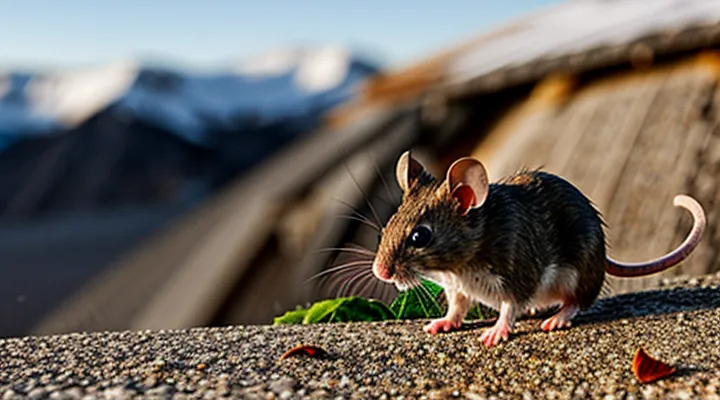
The Biology of Mouse Survival
Metabolic Rate and Energy Reserves
Fat Storage and Glycogen Depletion
Mice possess two primary energy reserves that sustain metabolism when food is unavailable: hepatic and muscular glycogen, and adipose tissue triglycerides. Glycogen provides immediate glucose, while fat supplies long‑term calories through β‑oxidation.
Glycogen stores amount to roughly 6–8 % of body weight. In a 25‑gram mouse, this translates to 1.5–2 g of glycogen. Mobilization begins within hours of fasting; blood glucose levels fall sharply, and glycogen is exhausted in approximately 12–18 hours under thermoneutral conditions. When ambient temperature drops, the depletion rate accelerates because thermogenesis increases glucose demand.
Adipose tissue constitutes about 10–15 % of body mass in adult laboratory mice. Fat reserves therefore contain 2.5–3.8 g of triglycerides, equivalent to 22–34 kcal g⁻¹. After glycogen exhaustion, lipolysis supplies free fatty acids that are converted to ketone bodies for brain and muscular use. In cold environments, fat oxidation can sustain life for 3–5 days; in moderate temperatures, survival extends to 7–10 days without food.
The combined effect of rapid glycogen loss and slower fat utilization defines the starvation timeline:
- 0–12 h: glycogen predominates, glucose maintenance.
- 12–48 h: glycogen depleted, onset of lipolysis.
- 48 h–5 days: primary reliance on fat, ketone production.
-
5 days: progressive protein catabolism, eventual organ failure.
Consequently, the length of survival without nutrition hinges on the balance between initial glycogen quantity, rate of consumption, and the size of adipose stores, all modulated by ambient temperature and activity level.
Water Requirements and Dehydration Risks
Mice require a continuous supply of water to maintain cellular function, thermoregulation, and metabolic processes. Average daily intake for a laboratory mouse ranges from 4 ml to 7 ml, depending on ambient temperature, activity level, and diet composition. When water is unavailable, physiological mechanisms such as renal concentration and reduced urine output attempt to conserve fluid, but these compensations rapidly exhaust internal reserves.
Dehydration progresses in a predictable sequence:
- Loss of plasma volume: Begins within 12 hours of water deprivation, leading to reduced cardiac output and peripheral perfusion.
- Elevated blood osmolarity: Increases after 24 hours, triggering antidiuretic hormone release and cellular dehydration.
- Impaired thermoregulation: Occurs around 36 hours, as evaporative cooling becomes ineffective without moisture.
- Neurological decline: Manifests after 48 hours, with reduced coordination, lethargy, and eventual loss of consciousness.
- Fatal outcome: Typically follows 72 hours of complete water absence, though extreme cold or heat can shorten this window.
Factors that accelerate fluid loss include high ambient temperature, low humidity, increased locomotor activity, and diets low in moisture content. Providing even minimal water sources—such as moist bedding or water‑rich food—extends survival by delaying the onset of critical dehydration stages.
Factors Influencing Starvation Tolerance
Age and Size of the Mouse
Mice’s capacity to endure prolonged periods without nourishment varies markedly with their developmental stage and body mass. Younger rodents possess limited energy reserves and higher metabolic rates, leading to a rapid depletion of glycogen stores. Consequently, neonatal and juvenile mice typically survive only 24–48 hours of total food deprivation, with mortality often occurring within the first two days.
Adult mice exhibit greater resilience. Individuals weighing 20–30 g can maintain vital functions for 5–7 days, while larger specimens (35–45 g) may extend survival to 8–10 days. The increased adipose tissue and muscle mass in heavier mice provide additional substrates for gluconeogenesis and fatty‑acid oxidation, slowing the onset of critical hypoglycemia.
Key physiological factors influencing fasting endurance:
- Metabolic rate: declines with age, reducing daily energy expenditure.
- Body composition: higher fat proportion supplies long‑term energy; lean mass supports short‑term glucose production.
- Thermoregulatory demands: younger mice generate more heat, accelerating fuel consumption under cold stress.
Overall, both age and size are decisive determinants of how long a mouse can persist without food, with mature, heavier individuals demonstrating the longest fasting periods.
Environmental Conditions
Temperature and Humidity
Temperature directly influences metabolic demand in fasting mice. At 20 °C, basal metabolic rate remains low, allowing energy reserves to last up to 12 days. Raising ambient temperature to 30 °C accelerates glycolysis and lipolysis, shortening survival to roughly 6–8 days. Above 35 °C, heat stress induces hyperventilation and rapid depletion of glycogen stores, often resulting in mortality within 3–4 days.
Humidity affects water balance more than caloric consumption. In dry air (relative humidity < 30 %), evaporative loss from the respiratory tract can exceed 0.5 ml kg⁻¹ h⁻¹, leading to dehydration after 48–72 hours without drinking water. High humidity (≥ 80 %) reduces evaporative cooling, but impairs sweat gland function, causing a slower yet steady decline in body water. Combined with moderate temperature (≈ 25 °C), high humidity extends survival by 1–2 days compared with dry conditions.
Key interactions:
- Warm, dry environment → increased metabolic rate + rapid dehydration → shortest survival.
- Cool, humid environment → lowered metabolism + reduced water loss → longest survival.
- Sudden shifts (e.g., from 20 °C/30 % RH to 30 °C/80 % RH) trigger stress responses that can halve expected survival time.
Understanding these parameters enables accurate prediction of fasting endurance in laboratory and field settings.
Activity Levels and Energy Expenditure
Mice maintain basal metabolic rates of approximately 3–4 kcal g⁻¹ day⁻¹ when at rest. Any increase in locomotion, thermogenesis, or exploratory behavior adds a linear increment to total energy demand. In the absence of nourishment, the animal’s capacity to sustain elevated activity diminishes rapidly as glycogen stores are exhausted within 12–18 hours.
Key determinants of energy consumption during starvation:
- Ambient temperature: Below thermoneutral range (30 °C), shivering thermogenesis can double metabolic output.
- Physical activity: Forced running or climbing raises oxygen consumption by 30–50 % relative to resting values.
- Stress response: Release of catecholamines triggers glycogenolysis and lipolysis, temporarily supporting heightened exertion but accelerating depletion of reserves.
When food deprivation extends beyond 24 hours, mice enter a hypometabolic phase characterized by reduced body temperature and curtailed movement. During this stage, locomotor activity drops to less than 10 % of baseline, conserving remaining fat stores and extending survival by an additional 2–3 days. If external stimuli force continued activity—such as predator exposure or experimental manipulation—energy expenditure remains elevated, shortening the starvation window to roughly 48 hours.
Overall, activity level serves as the primary modulator of energy expenditure in unfed mice. Minimal movement and thermoregulatory avoidance maximize survival, whereas sustained exertion accelerates depletion of endogenous substrates and reduces the time until physiological collapse.
Species-Specific Differences
Mice display marked variation in fasting endurance depending on species, genetic background, and ecological niche. Laboratory strains such as C57BL/6J typically survive 24–48 hours without food before exhibiting severe hypoglycemia, whereas wild‑derived Mus musculus subspecies can endure up to 72 hours, reflecting adaptations to unpredictable resource availability. In contrast, closely related species like Mus spicilegus, which inhabit grain‑rich environments, show reduced tolerance, succumbing after approximately 30 hours of deprivation.
Key factors influencing these disparities include:
- Basal metabolic rate: lower rates conserve energy, extending survival.
- Body composition: higher fat reserves provide endogenous substrates during starvation.
- Hormonal regulation: variations in leptin and ghrelin signaling modify appetite suppression and gluconeogenesis.
- Thermoregulatory behavior: species that reduce activity and enter torpor conserve glucose more efficiently.
Environmental history also shapes fasting capacity. Populations exposed to seasonal food scarcity develop enhanced hepatic glycogen storage and up‑regulated fatty‑acid oxidation pathways, while those from stable habitats exhibit limited metabolic flexibility. Consequently, predictions of survival length must account for species‑specific physiology rather than rely on a single model organism.
Physiological Responses to Food Deprivation
Autophagy and Cellular Recycling
Mice deprived of nutrients activate autophagy, a cellular process that degrades and repurposes intracellular components. During prolonged fasting, lysosomal enzymes break down damaged organelles and protein aggregates, releasing amino acids and fatty acids that sustain metabolic activity.
Autophagic flux increases in several tissues:
- Liver: mobilizes stored glycogen, then switches to gluconeogenesis supported by recycled substrates.
- Skeletal muscle: catabolizes myofibrillar proteins to provide essential amino acids.
- Brain: clears misfolded proteins, preserving neuronal function under energy scarcity.
The regulation of this pathway relies on the mammalian target of rapamycin (mTOR) sensor, which detects low nutrient signals and triggers the ULK1 complex to initiate autophagosome formation. Concurrently, AMP‑activated protein kinase (AMPK) enhances the process by phosphorylating downstream effectors, ensuring efficient turnover of cellular material.
Experimental observations show that mice with genetically impaired autophagy succumb earlier to starvation, confirming that intracellular recycling extends survival by maintaining energy balance and preventing accumulation of toxic debris. Consequently, the ability to up‑regulate autophagy represents a decisive factor in the duration of life without external food sources.
Hormonal Changes and Metabolism Adjustment
During prolonged food deprivation, mice exhibit a rapid decline in circulating insulin, reflecting reduced glucose availability. Lower insulin levels trigger increased lipolysis, allowing adipose stores to supply free fatty acids for energy production. Concurrently, glucagon rises, stimulating hepatic gluconeogenesis and glycogenolysis until glycogen reserves are exhausted.
The adrenal cortex releases elevated corticosterone, the primary glucocorticoid in rodents. This hormone enhances protein catabolism, supplying amino acids for gluconeogenesis, and suppresses immune function to conserve resources. Thyroid hormone concentrations drop, decreasing basal metabolic rate and reducing heat production, which conserves energy under cold stress.
Key metabolic adjustments include:
- Shift from carbohydrate oxidation to fatty‑acid β‑oxidation.
- Activation of AMP‑activated protein kinase (AMPK), promoting catabolic pathways and inhibiting anabolic processes.
- Up‑regulation of uncoupling proteins in brown adipose tissue, allowing controlled thermogenesis while limiting ATP consumption.
When caloric intake remains absent beyond 48–72 hours, muscle protein breakdown intensifies, providing substrates for vital organ function. At this stage, plasma leptin becomes undetectable, eliminating satiety signals and further stimulating hunger pathways. These hormonal and metabolic responses collectively extend murine survival under extreme nutrient scarcity.
Impact on Organ Function
Mice deprived of nutrition experience rapid alterations in organ performance that directly limit survival time. Energy reserves are exhausted within the first 24 hours, forcing a shift from carbohydrate metabolism to fatty‑acid oxidation and, subsequently, to proteolysis. The liver, as the primary site of gluconeogenesis, accumulates ketone bodies while its glycogen stores vanish, leading to reduced synthesis of plasma proteins and impaired detoxification. Hepatic enzymes rise markedly, indicating cellular stress and the onset of necrosis after approximately 72 hours without intake.
Renal function deteriorates as muscle breakdown releases nitrogenous waste. Elevated blood urea nitrogen and creatinine concentrations reflect diminished filtration capacity. Progressive dehydration, common in food‑restricted environments, further concentrates urine and promotes tubular obstruction, accelerating renal failure.
Cardiac output declines in response to depleted ATP reserves. Myocardial cells exhibit altered calcium handling, resulting in arrhythmias and reduced contractility. The heart compensates by increasing peripheral resistance, but sustained hypoglycemia ultimately precipitates cardiac arrest.
The central nervous system remains functional longer than peripheral organs but is not immune to starvation. Glucose deprivation induces synaptic dysfunction, while prolonged ketone utilization leads to cerebral edema and loss of consciousness after 48–60 hours. Cognitive decline manifests as reduced exploratory behavior and impaired thermoregulation.
Immune competence declines sharply. Lymphoid tissue atrophies, cytokine production falls, and neutrophil activity wanes, leaving mice vulnerable to opportunistic infections that can hasten mortality.
Key physiological changes during prolonged food absence:
- Liver: glycogen depletion → ketogenesis → protein synthesis decline → enzymatic injury.
- Kidneys: reduced filtration → waste accumulation → tubular damage.
- Heart: ATP shortage → contractile dysfunction → arrhythmia risk.
- Brain: glucose shortage → synaptic failure → edema.
- Immune system: lymphoid atrophy → infection susceptibility.
Collectively, these organ‑specific failures define the upper limit of survival for mice in extreme starvation scenarios.
Real-World Scenarios and Implications
Urban Environments and Resource Scarcity
Urban settings impose distinctive constraints on small mammals that rely on opportunistic foraging. Dense construction limits access to natural seed caches and insect populations, while human waste provides intermittent, unpredictable sources of nutrition. The spatial fragmentation of green spaces forces mice to traverse hazardous zones, increasing exposure to predators and toxic substances that can accelerate metabolic decline during periods of scarcity.
When food becomes unavailable, mice exhibit physiological adjustments that extend survivorship. Core mechanisms include:
- Reduced basal metabolic rate to conserve energy.
- Mobilization of adipose reserves, with hepatic glycogen depleted within 12‑24 hours.
- Enhanced thermogenic efficiency via brown adipose tissue, mitigating heat loss in cold alleys.
- Suppressed reproductive activity, diverting resources to maintenance.
In urban microhabitats, the timing and magnitude of these responses are shaped by the frequency of anthropogenic waste deposits. Areas with regular garbage collection can sustain mice for up to 10 days without additional intake, whereas locations with strict waste management may force survival limits to 4‑5 days before critical organ failure ensues.
Long‑term scarcity drives behavioral shifts that further influence survival odds. Mice expand home ranges, exploit subterranean utilities, and increase nocturnal activity to avoid human disturbance. These adaptations, combined with physiological resilience, define the upper boundary of endurance for rodents navigating resource‑poor city landscapes.
Laboratory Studies and Research Ethics
Laboratory investigations into the duration of murine fasting provide quantitative data that inform broader understanding of metabolic resilience under severe deprivation. Researchers induce controlled starvation periods, monitor physiological markers such as body mass, blood glucose, ketone levels, and organ histopathology, and terminate experiments at predefined humane endpoints. These protocols generate reproducible timelines for survival without nourishment, which are essential for modeling human metabolic disorders and developing therapeutic interventions.
Ethical oversight governs every phase of such studies. Institutional animal care committees evaluate proposals against established criteria:
- Justification of scientific necessity: The experiment must address a specific hypothesis that cannot be resolved through alternative methods.
- Minimization of suffering: Housing conditions, environmental enrichment, and analgesic regimens are optimized to reduce distress.
- Defined humane endpoints: Criteria for early termination include predetermined weight loss percentages, loss of righting reflex, or severe hypothermia.
- Compliance with regulatory standards: Protocols adhere to national legislation and international guidelines such as the Guide for the Care and Use of Laboratory Animals.
Data collection follows rigorous standards. Researchers employ blinded assessments, replicate measurements across multiple cohorts, and report results in accordance with the ARRIVE guidelines to ensure transparency and reproducibility. Statistical analyses account for variability in individual responses, providing confidence intervals for survival estimates.
The ethical framework extends beyond the experiment itself. Post‑study considerations involve proper disposal of biological material, dissemination of findings to the scientific community, and contribution to the refinement of future protocols. By integrating precise methodological design with stringent ethical controls, laboratory research on murine starvation yields reliable insights while upholding the responsibility to protect animal welfare.
Pest Control Strategies and Efficacy
Mice endure prolonged periods without nourishment by reducing metabolic activity, making them resilient in austere settings. Effective control therefore requires interventions that disrupt access to shelter and water as well as direct lethal measures.
- Rodenticides: Anticoagulant baits achieve mortality rates of 80‑95 % when properly placed. Second‑generation compounds reduce bait shyness but demand strict compliance with safety regulations.
- Mechanical traps: Snap and electronic devices deliver immediate kill, with success rates of 70‑85 % per deployment cycle. Re‑baiting every 48 hours sustains pressure on populations.
- Biological agents: Predatory mammals (e.g., feral cats, barn owls) and avian raptors lower mouse numbers by 30‑50 % in open habitats. Pathogenic fungi (e.g., Metarhizium spp.) provide delayed mortality, useful for long‑term suppression.
- Environmental management: Sealing entry points, removing debris, and maintaining low humidity diminish survivability. Proper waste storage cuts available food sources, shortening the window for survival without external feed.
- Integrated pest management (IPM): Combining chemical, mechanical, and habitat‑alteration tactics yields cumulative efficacy exceeding 90 % in controlled studies. Continuous monitoring and data‑driven adjustments prevent rebound after initial reductions.
Each method presents trade‑offs. Chemical agents act swiftly but raise concerns about non‑target exposure. Traps ensure immediate results but require labor‑intensive placement. Biological controls offer ecological balance yet deliver slower impact. Environmental modifications address root causes but demand sustained maintenance. Selecting a strategy hinges on the specific setting, regulatory framework, and risk tolerance, with the most reliable outcomes achieved through coordinated, multi‑modal approaches.
Survival Strategies and Adaptations
Foraging Behavior and Opportunism
Mice exhibit a flexible foraging repertoire that directly influences their capacity to endure periods without nourishment. In environments where food supplies are scarce, individuals shift from selective feeding to indiscriminate consumption of any available organic matter, including seeds, insects, carrion, and human-generated waste. This opportunistic shift maximizes caloric intake during brief windows of resource availability.
Key components of mouse foraging behavior include:
- Spatial exploration: Rapid movement across diverse microhabitats expands encounter rates with transient food sources.
- Temporal adjustment: Activity peaks during nocturnal hours reduce predation risk while exploiting cooler temperatures that lower metabolic demand.
- Dietary breadth: Ability to digest a wide range of macronutrients, from carbohydrates in grains to proteins in insects, supports energy acquisition when preferred items are absent.
- Social information use: Observation of conspecifics’ feeding sites accelerates discovery of novel resources, especially in cluttered or novel terrains.
When confronted with prolonged food deprivation, mice rely on stored glycogen and adipose reserves. Their opportunistic foraging minimizes the duration of these internal stores, extending survival time by up to several weeks under extreme conditions. The combination of exploratory vigor, nocturnal timing, and broad dietary acceptance constitutes a robust survival strategy that mitigates the physiological impacts of starvation.
Hibernation and Torpor-like States
Mice enter hibernation or torpor when faced with prolonged food scarcity, dramatically lowering metabolic demand. Core temperature can drop 10–15 °C, heart rate declines from 500–600 bpm to under 100 bpm, and oxygen consumption falls to 2–5 % of basal levels. These physiological adjustments extend the period a mouse can endure without nourishment from a few days to several weeks.
Key characteristics of the dormant state include:
- Reduced body temperature, conserving energy by slowing enzymatic reactions.
- Suppressed neural activity, limiting wakefulness and sensory processing.
- Shift from carbohydrate to lipid metabolism, utilizing stored fat reserves.
- Decreased renal function, minimizing water loss.
Experimental observations show that mice maintained in torpor for 10–14 days survive without food, provided ambient temperature remains within the thermoneutral range for hibernation. Below this range, prolonged torpor can last up to 30 days, after which re‑warming requires external heat sources or sufficient fat stores.
Upon re‑feeding, mice rapidly restore normal metabolic rates, rebuild glycogen stores, and resume normal activity within 24 hours. The capacity to enter and exit these low‑energy states is a critical factor in overall survival when food availability is unpredictable.
Coping Mechanisms for Stress
Mice facing prolonged food deprivation experience metabolic, hormonal, and behavioral stress. Their bodies shift from glucose to fatty acids and ketone bodies, conserving energy while maintaining essential functions. This metabolic transition reduces the demand for nutrients and prolongs survival.
Physiological coping mechanisms include:
- Activation of the hypothalamic‑pituitary‑adrenal axis, releasing corticosterone to mobilize stored energy.
- Up‑regulation of uncoupling proteins in mitochondria, decreasing heat production and slowing metabolism.
- Enhanced autophagy, recycling intracellular components to supply amino acids and lipids.
Behavioral adaptations support the physiological response:
- Decreased locomotor activity, limiting energy expenditure.
- Increased nesting behavior, creating insulated microenvironments that lower thermal loss.
- Social thermoregulation, where groups huddle to share body heat and reduce individual metabolic rates.
These mechanisms collectively illustrate how small mammals manage stress when deprived of nourishment, demonstrating the integration of hormonal signaling, cellular recycling, and altered behavior to extend viability under extreme conditions.